Plan The Ultimate 3-Day Idaho Summer Road Trip With These 9 Stops
Idaho in summer turns into something else entirely. The sky opens wide over jagged, snow-streaked peaks.
Hot springs bubble straight out of the earth. Historic towns sit frozen along endless two-lane roads.
I mapped a three-day loop that ties it all together. It runs from the buzzing capital into wild river country.
The route ends near a famous mountain-resort valley. Pack light, charge the camera, and expect real surprises.
These great stops keep every hour of the trip full. You swap traffic and noise for wide space and clean air.
Every mile feels earned, not rushed. How far could three good days actually take you?
1. Idaho State Capitol, Boise
Trust me, most people drive past this building without stopping, and that is a real shame.
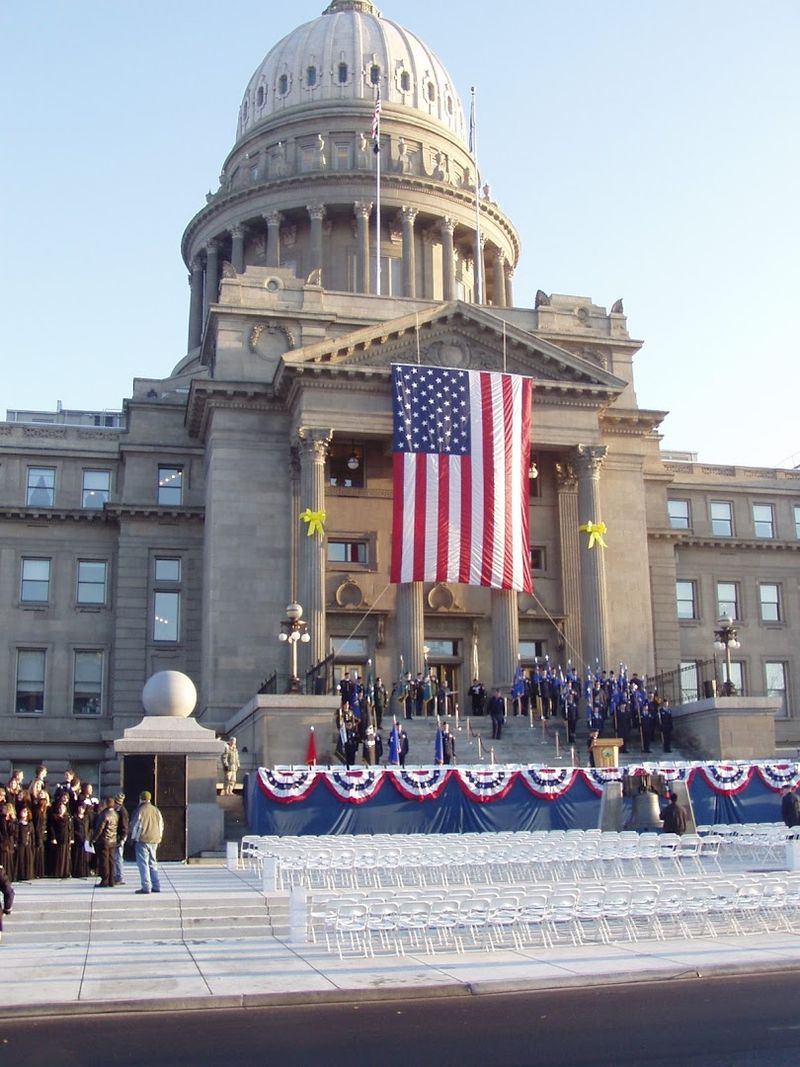
The Idaho State Capitol sits right in the heart of Boise, and it is one of the most striking government buildings in the entire western United States.
The structure was completed in 1920 and is built from native sandstone quarried right here in Idaho. That warm, honey-colored stone gives it a look that feels completely at home against the high-desert backdrop of the city.
Inside, four floors of open balconies ring a central rotunda. You can look straight up from the ground floor and see the dome soaring above you.
The building is open to the public at no charge, which makes it a perfect first stop before the road stretches ahead. Self-guided tour maps are available at the entrance, and they walk you through the history of Idaho statehood in a clear, easy-to-follow way.
Summer mornings here are especially pleasant. The surrounding Capitol Park fills with locals walking dogs and eating lunch on the grass.
It sets a grounded, curious tone for the whole trip. The address is 700 W Jefferson St, Boise, and parking nearby is easy to find on weekday mornings.
Starting your Idaho adventure here gives the entire journey a sense of purpose and place.
2. Idaho City Historic District
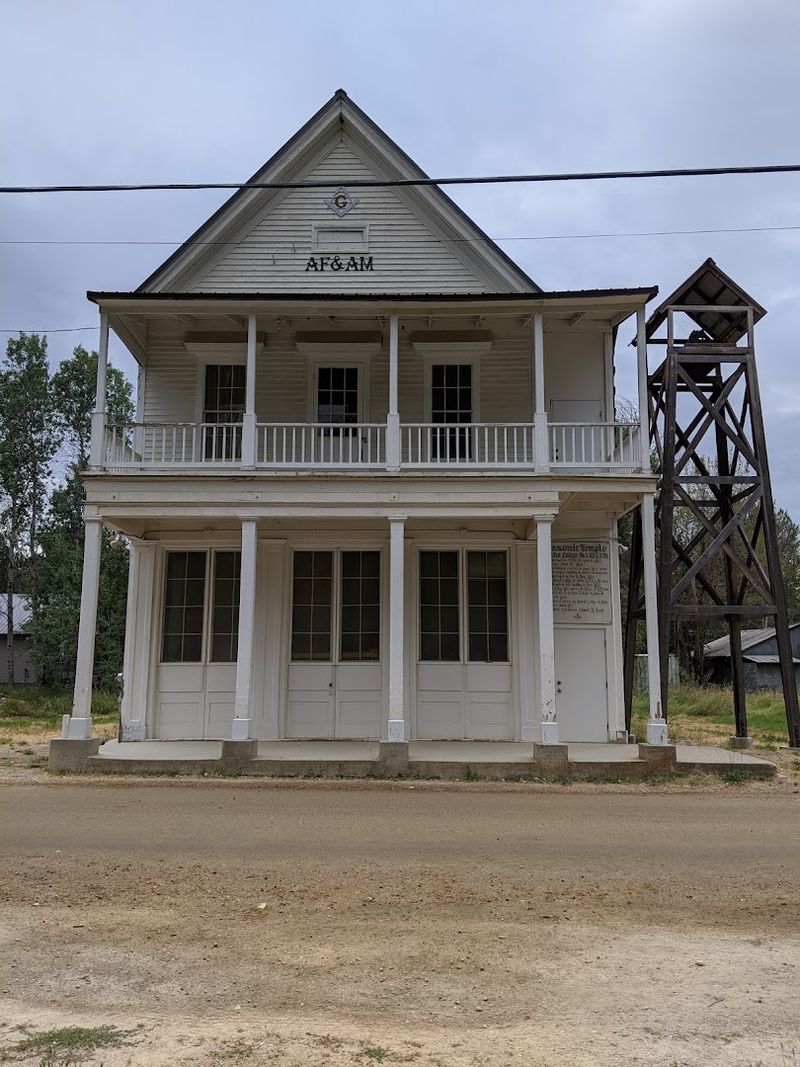
Would you ever think that one of the largest cities in the entire Pacific Northwest was once a tiny mining town in the Idaho foothills?
Idaho City, located about 38 miles northeast of Boise, was exactly that during the Gold Rush era of the 1860s.
At its peak, more gold was pulled from the Boise Basin here than from almost anywhere else in the country. The town boomed fast and burned down more than once, but it always rebuilt itself.
Walking the main street today, you pass original wooden storefronts, a historic courthouse, and the oldest operating Masonic lodge in Idaho. The Boise Basin Museum is small but packed with genuine artifacts, photographs, and personal stories from the mining days.
Summer is the best time to come because the surrounding pine forests are lush and the creeks run clear. Many visitors use Idaho City as a launch point for hiking and off-road trails in the Boise National Forest.
The town also has a natural hot springs pool that has been drawing travelers since the 1800s. It is a casual, low-key stop with a lot of quiet character.
There is something oddly peaceful about a place that has seen so much chaos and come out the other side still standing.
Idaho City Historic District does not have one single street address, but the main drag through town is easy to navigate and everything worth seeing is within easy walking distance.
3. Kirkham Hot Springs, Lowman
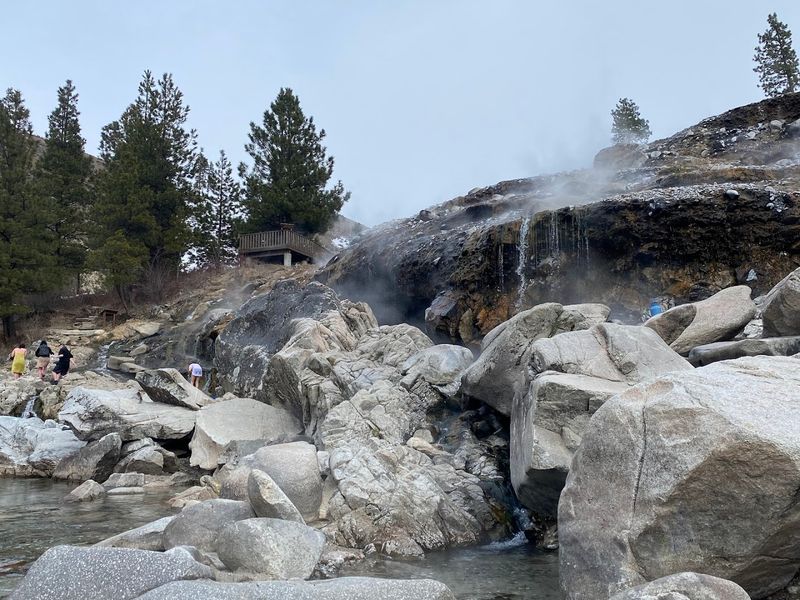
Believe me, there are hot springs in Idaho that look like they were lifted straight from a fantasy novel.
Kirkham Hot Springs, located along the South Fork of the Payette River near Lowman, is absolutely one of them.
Hot water cascades down a basalt cliff face and flows directly into a series of natural rock pools at the river’s edge. The contrast between the steaming mineral water and the cold rushing river beside it is genuinely striking.
In summer, the pools are warm but not scalding, making them comfortable for long soaks. The surrounding canyon is draped in Douglas fir and ponderosa pine, and the sound of the river fills the whole area.
There are no fancy amenities here. A basic campground sits nearby, and a short trail leads down to the water from the parking area.
That simplicity is part of the appeal. You bring your own towel, find a pool that suits your temperature preference, and let the mineral water do its thing.
This stop works especially well as a midday break on day one of the road trip, since it sits roughly halfway between Boise and the mountain communities further north.
The drive along Highway 21 to reach it is gorgeous on its own, winding through narrow canyons with the river always in view. The address is 7658 ID-21, Lowman, and the Forest Service manages the site, so a standard recreation pass covers entry.
4. Sunbeam Hot Springs, Sunbeam
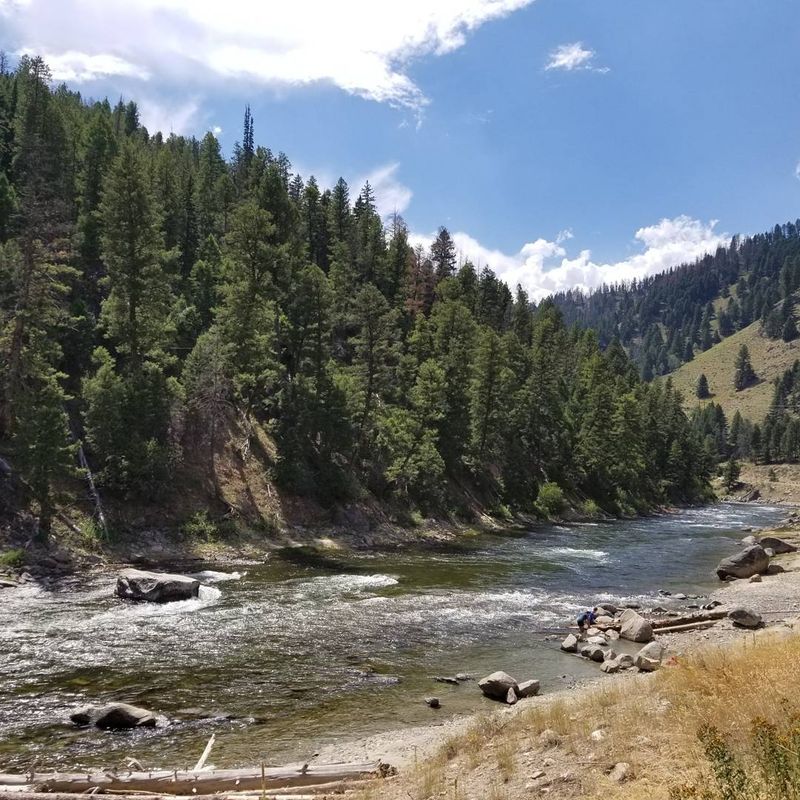
I never would have guessed that a roadside pull-off in rural Idaho could be this photogenic.
Sunbeam Hot Springs sits right along the banks of the Salmon River near the tiny community of Sunbeam, and the setting is almost absurdly beautiful.
Thermal water seeps from rocky vents in the hillside and trickles down into shallow pools that collect right at the edge of the river. The Salmon River here is wide, cold, and fast-moving, and the contrast with the steaming pools is something you have to see in person.
Unlike some hot springs that require a long hike, Sunbeam is accessible directly from the highway. Pull over, walk about 30 seconds down a rocky path, and you are there.
The pools vary in temperature depending on where you sit. Closer to the river, the water mixes and cools down considerably, which is perfect on a warm summer afternoon.
The surrounding landscape is high desert canyon country, with rocky cliffs rising above the river on both sides. Rafters and kayakers float past regularly in summer, which adds an unexpected liveliness to the scene.
This is the kind of stop that ends up being a favorite even though it was never the main plan. The address is along ID-75 near Sunbeam, and there is a small gravel pullout for parking.
No fees, no reservations, no lines. Just a remarkable little piece of Idaho geology sitting right there beside a world-class river.
5. Redfish Lake Lodge, Stanley
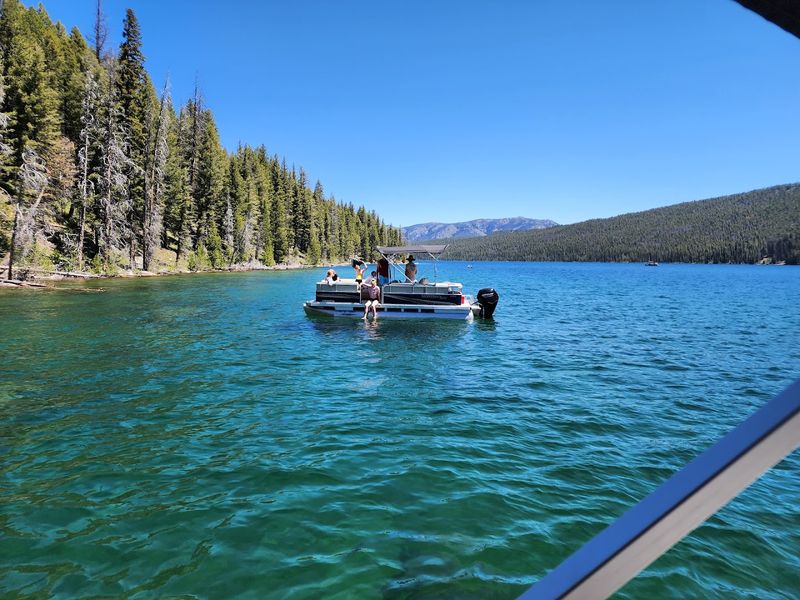
Can you believe that a lake this color actually exists in the continental United States?
Redfish Lake, located just outside Stanley is rimmed by the jagged Sawtooth Mountains and filled with water so clear and blue it looks digitally enhanced in photographs.
Redfish Lake Lodge has been welcoming travelers here since the 1930s. The main lodge building sits right on the lakeshore, and the views from the front porch are the kind that make people cancel the rest of their itinerary and just stay.
Summer activities at the lake include kayaking, paddleboarding, stand-up fishing, and hiking on trails that climb into the surrounding wilderness. A small boat shuttle ferries guests to the far end of the lake, where several trailheads begin.
The lodge offers cabin accommodations as well as a restaurant that focuses on hearty, satisfying mountain meals. Reservations are strongly recommended for summer stays since this place fills up fast.
Stanley itself is a tiny mountain town with fewer than 100 full-time residents. That small scale makes it feel like a genuine escape from anything resembling regular daily life.
The sockeye salmon that give the lake its name still return here each fall in one of the longest salmon migrations in North America. In summer, the water is calm and the light on the Sawtooths in the early morning is extraordinary.
The address is 401 Redfish Lodge Rd, Stanley, and it is worth every mile of mountain road it takes to reach it.
6. Alturas Lake, Sawtooth City
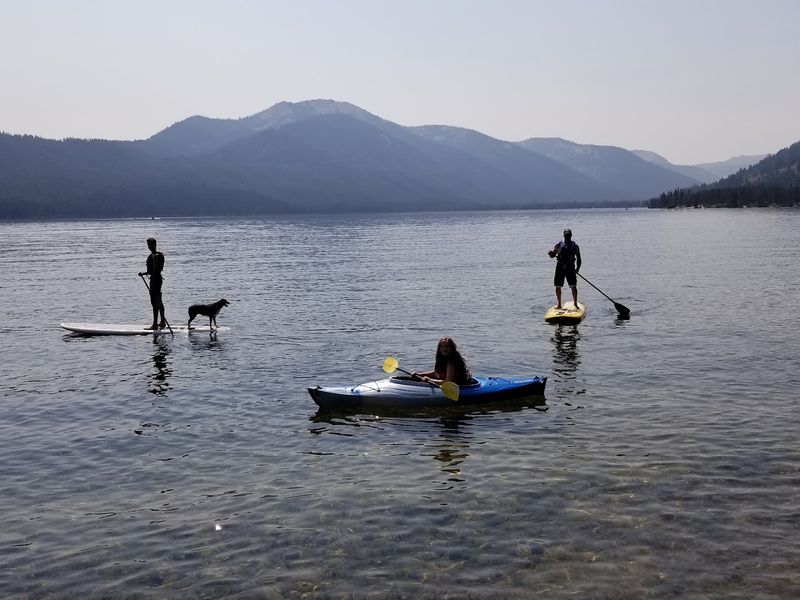
I know, another mountain lake in Idaho, but hear me out because this one is genuinely different.
Alturas Lake sits tucked into the Sawtooth Valley near Sawtooth City, and it has a quieter, more secluded character than some of the more trafficked lakes in the region.
The water here is a deep, almost electric blue-green, fed by snowmelt from the surrounding peaks. The lake sits at an elevation of just over 7,000 feet, which means the air is crisp even on the warmest summer days.
Fishing is excellent at Alturas, with rainbow trout and other species drawing anglers who prefer a more peaceful setting. Kayaking and canoeing are also popular, and the calm morning surface of the lake makes for perfect paddling conditions.
A campground on the north shore offers basic sites with direct lake access. Waking up here to the sound of water and birds is about as restorative as a morning can get.
Several hiking trails fan out from the lake into the Sawtooth Wilderness, ranging from easy lakeside walks to more serious summit routes. The trail to Alturas Lake Creek is a favorite for its wildflower displays in July and early August.
What makes Alturas feel special is the sense that you have found something not quite on the main tourist circuit. The address is along ID-75 near Sawtooth City, and the turnoff from the highway is clearly marked.
Fewer crowds, more mountains, and all the same jaw-dropping scenery.
7. Sawtooth National Recreation Area Visitor Center, Ketchum
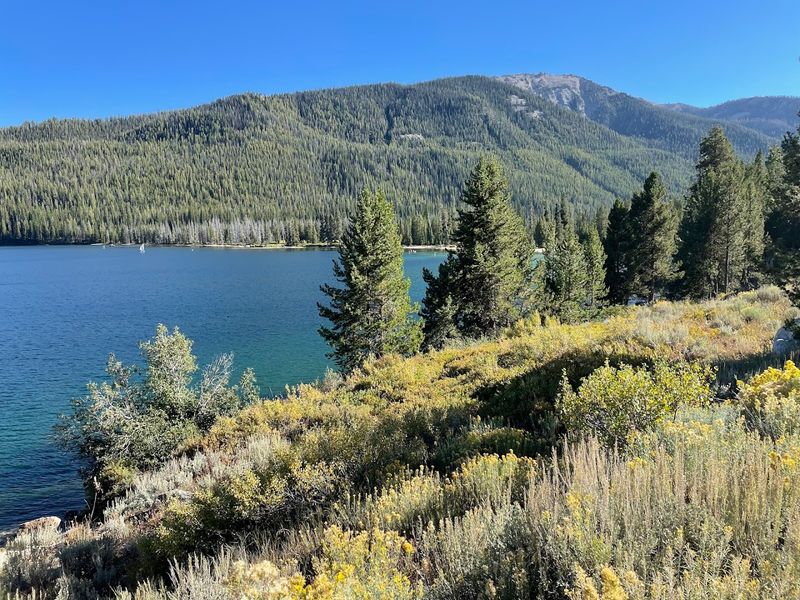
Doesn’t it seem like visitor centers are always an afterthought on a road trip?
This one is worth making a deliberate stop for. The Sawtooth National Recreation Area Visitor Center, located at 5 N Fork Canyon Rd in Ketchum is genuinely one of the better-equipped and more informative centers in the entire national forest system.
The center sits at the northern edge of Ketchum and serves as the main gateway into the vast Sawtooth National Recreation Area, which covers more than 750,000 acres of central Idaho wilderness.
Rangers here are knowledgeable, approachable, and genuinely enthusiastic about the land they manage.
Inside, you will find detailed maps, wildlife information, trail condition updates, and rotating exhibits on the ecology and human history of the Sawtooths. The center also sells passes and permits for camping and wilderness travel.
For anyone planning to hike, fish, or camp in the backcountry, stopping here first saves a lot of guesswork. Rangers can point you toward trails that match your fitness level and interests.
The building itself is well-designed, with large windows framing the mountains to the north. It feels like a place that respects both the land it represents and the people who come to explore it.
Summer hours run through early fall, and the surrounding area near the center has picnic tables and restrooms.
It is an ideal transition point between the wilder mountain sections of the route and the more polished resort atmosphere of Sun Valley just down the road.
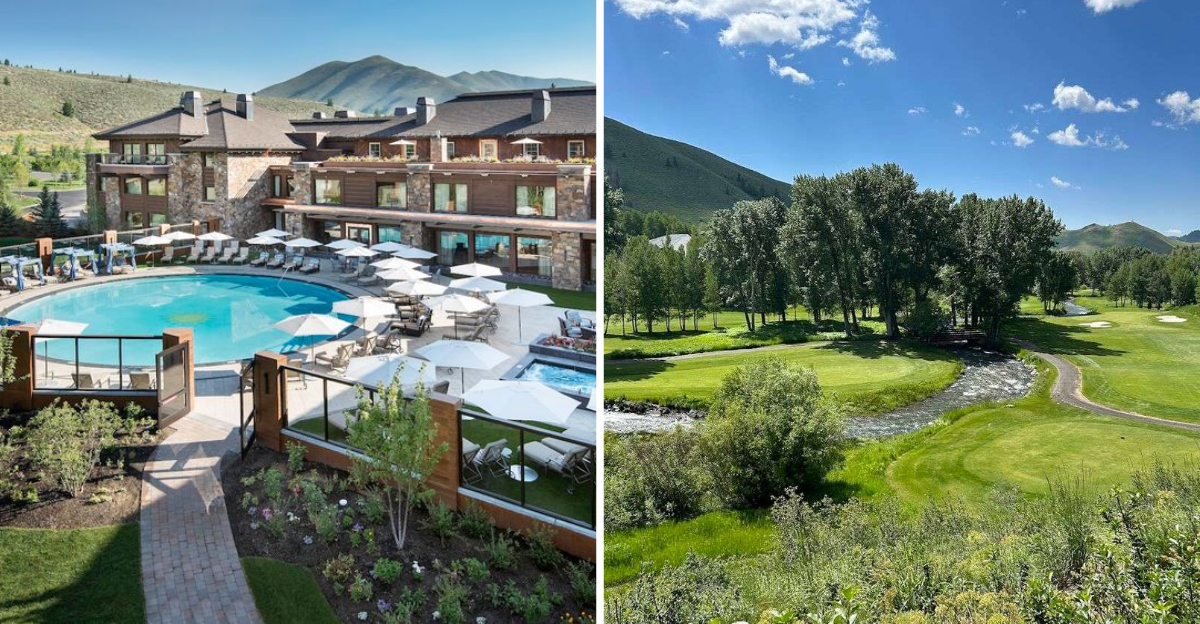
8. Sun Valley Resort
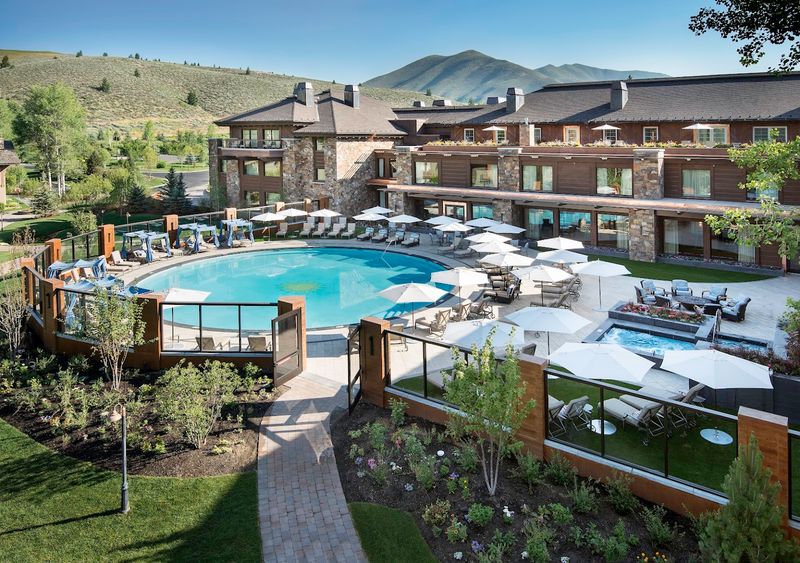
Who would have thought that a mountain resort best known for winter skiing would be equally compelling in summer?
Sun Valley Resort, located at 1 Sun Valley Rd E in Sun Valley has been one of America’s most celebrated mountain retreats since it opened in 1936.
The resort was originally developed by the Union Pacific Railroad as a way to fill ski trains heading west. It quickly became a magnet for celebrities, athletes, and anyone seeking a refined mountain escape.
In summer, the slopes transform into hiking and mountain biking terrain, with chairlifts running to carry guests up to high-elevation trailheads.
The resort also hosts outdoor concerts, fly fishing clinics, and guided horseback rides through the surrounding Wood River Valley.
The village at the base of the mountain is a pleasant mix of boutique shops, restaurants, and open plazas. Ice skating on the outdoor rink is available year-round, which is a quirky and fun detail in the middle of a summer trip.
The landscape around Sun Valley is broad and golden in summer, with the Pioneer Mountains rising to the east and the Sawtooths visible to the north on clear days.
The light here in late afternoon is warm and long, perfect for an evening walk through the village.
Sun Valley carries a sense of history and polish that feels earned rather than manufactured. The address is 1 Sun Valley Rd E, and the resort is easy to reach from Ketchum, which sits just a mile or two to the south.
9. Ernest Hemingway Memorial, Sun Valley
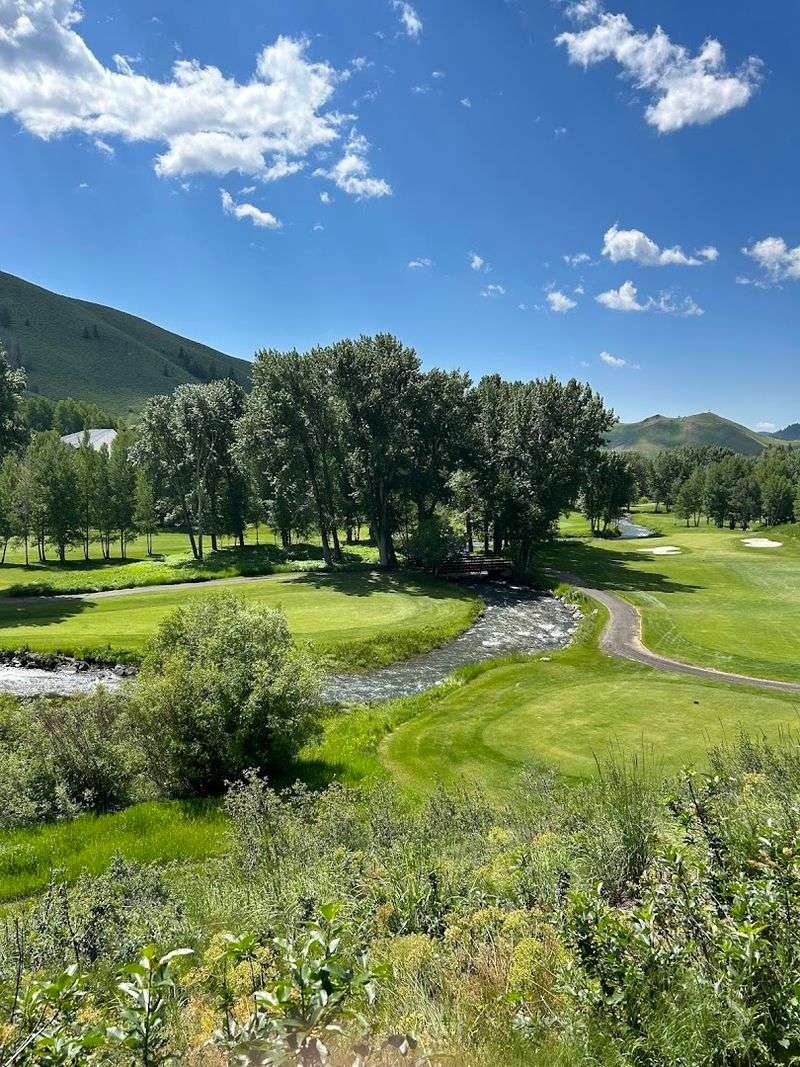
I must admit, stumbling across a literary memorial tucked into the trees beside a creek is not something most road trips can offer.
The Ernest Hemingway Memorial sits in a quiet, shaded area in Sun Valley, and it is one of those stops that sneaks up on you with unexpected emotional weight.
Hemingway had deep ties to this part of Idaho. He spent significant time in the Ketchum and Sun Valley area throughout the later decades of his life, drawn by the hunting, the fishing, and the wide, unhurried pace of the Wood River Valley.
The memorial itself features a bronze bust of Hemingway set on a stone base, positioned beside Trail Creek in a grove of cottonwood trees. The setting is peaceful and deliberately simple, which suits the man’s literary sensibility well.
A plaque at the base carries a passage written by Hemingway himself, a tribute to a friend but also a meditation on the land he loved. Reading it beside the sound of moving water makes it land differently than it would on a printed page.
The memorial is free to access and open year-round. In summer, the surrounding trees are full and green, and the creek runs with enough energy to be audible from the path.
It is the kind of quiet, reflective stop that balances out all the scenery and activity of the previous two days. Sun Valley is the address, and the memorial is easy to find with a quick search before you arrive.
End the trip here, and you will leave Idaho thinking about more than just mountains.