10 Quiet Florida Gulf Coast Villages That Somehow Escaped The Resort Boom
Most people race past these places without a second glance, locked onto the GPS route that leads straight to the big beach resorts with the chain restaurants and the crowded parking lots.
And honestly, good. Let them go.
Because the Florida Gulf Coast has a quieter, slower, considerably more interesting side that only reveals itself to people willing to miss a highway exit on purpose.
I found one of these villages completely by accident, pulled off looking for lunch, and somehow did not leave for three days. That is not a exaggeration.
That is just what happens when a place gets its hooks into you before you realize what is happening.
Old fishing docks, locally owned everything, water so calm it looks painted, and the kind of unhurried pace that makes you question every life choice that led you to live somewhere loud.
Florida has been hiding these places in plain sight for decades.
1. Cortez
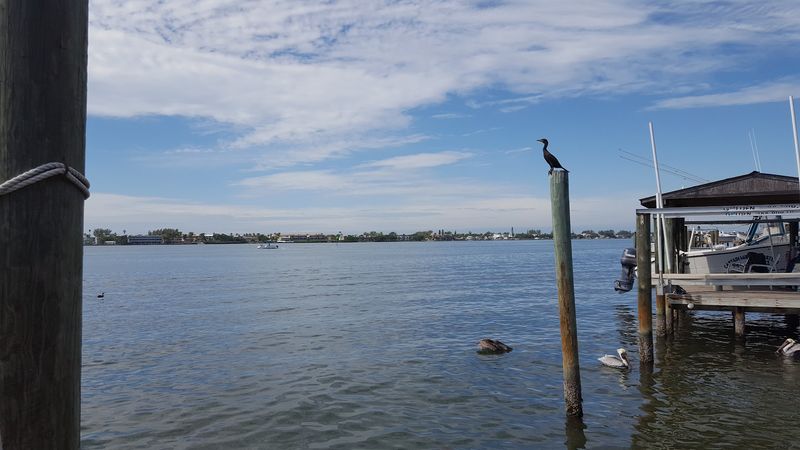
Nobody warned me that the oldest commercial fishing village in Florida still smells like saltwater and ambition.
Cortez sits on the northern edge of Sarasota Bay, and it has been working the water since the 1880s. That is not a marketing line.
That is just Tuesday here.
The docks are real. The boats go out at dawn and come back loaded.
You can watch the whole operation from the waterfront without paying a single admission fee.
The Florida Maritime Museum at Cortez sits at 4415 119th Street West and gives you the full picture of how this community has survived developers, storms, and changing tides for over a century.
What makes Cortez special is that it never tried to become a resort town. The families here fought hard to keep it that way, and they won.
You can kayak the flats, eat fresh fish at a no-frills waterfront spot, and feel like you accidentally traveled back in time.
The mangroves are thick, the pelicans are bold, and the pace is slow enough that you might actually breathe for the first time in weeks.
2. Cedar Key
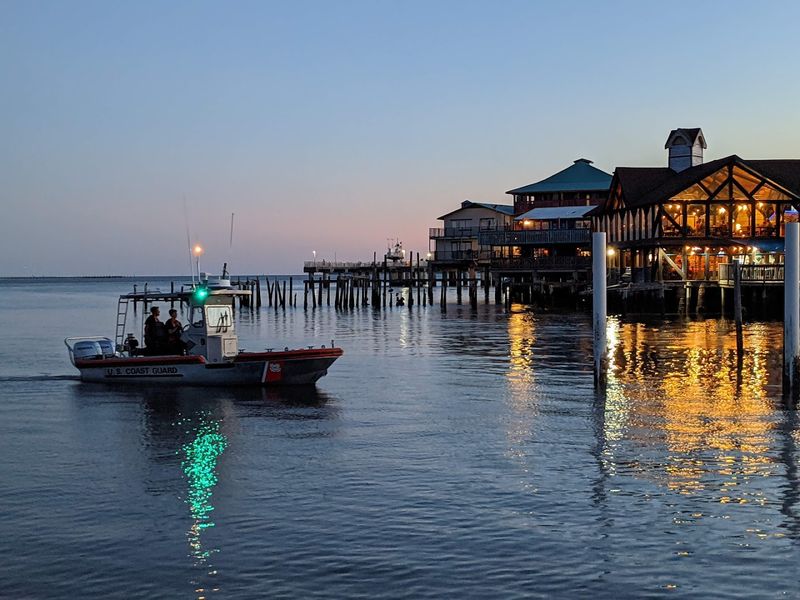
Cedar Key feels like the end of the world, in the best possible way.
It sits at the tip of a chain of small islands off Florida’s Nature Coast, reachable by a single road that makes you wonder if you took a wrong turn. You did not.
Keep going.
This town was actually one of Florida’s first boomtowns back in the 1800s, built on pencil manufacturing and fishing. Then the railroad bypassed it, and Cedar Key quietly became itself again.
That accidental detour from progress turned out to be a gift.
Today it is known for clam farming, local art galleries, and sunsets that make photographers go a little dramatic.
The Cedar Key National Wildlife Refuge surrounds the area with protected marshland, keeping any future overdevelopment firmly off the table.
Stay at a small inn on Dock Street, eat clams prepared about six different ways, and watch the water change colors at dusk.
The town is small enough to walk everywhere and interesting enough that you will want to. It rewards slow exploration more than any glossy brochure destination I have ever visited.
3. Steinhatchee
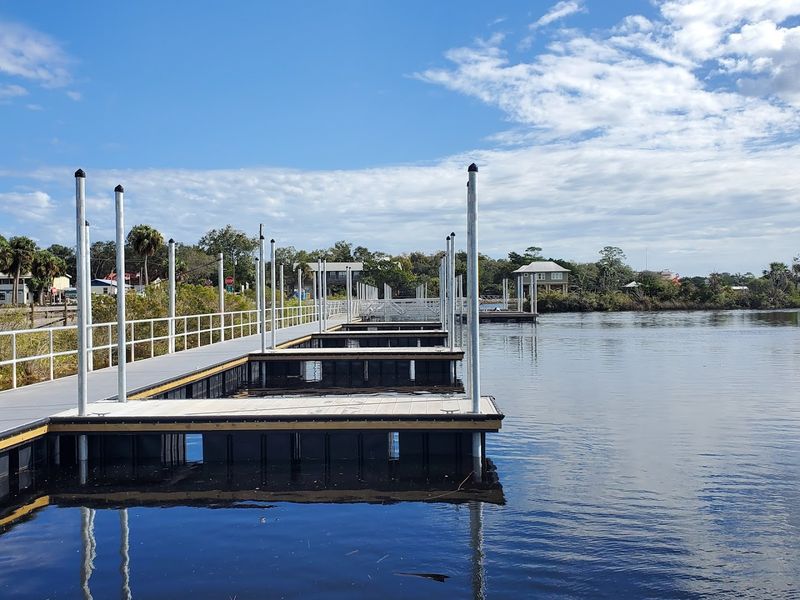
This is the kind of place where the fishing report matters more than the weather forecast. Locals check both, but they argue about the first one.
Sitting along the Steinhatchee River where it meets the Gulf, this small community is built entirely around scalloping, fishing, and not being bothered.
Scallop season here runs from July through September, and during that window, the river comes alive with boats heading out to the grass flats just offshore. Families have been making this trip for generations.
It is one of the last places in Florida where you can still go out and collect your own dinner from the Gulf floor.
Outside of scallop season, the town quiets to a hum. A few seafood restaurants, some tackle shops, and a handful of fish camps line the river.
Fenholloway River Road leads you through some genuinely wild Florida landscape on the way in.
The whole area sits within the Big Bend region, where the panhandle meets the peninsula and the coastline turns marshy and mysterious.
There are no high-rises, no chain hotels, and no cover charges. Just a river, a boat ramp, and people who actually know how to fillet a fish.
4. Everglades City
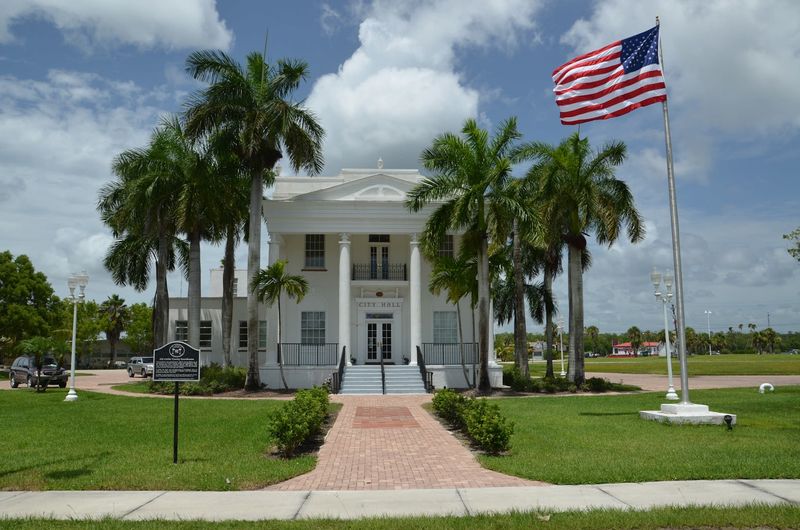
Everglades City sits at the northwestern gateway to Everglades National Park, and it carries that edge-of-the-wilderness energy like a badge.
The town has about 400 residents, a post office, a few seafood spots, and more stories than most cities ten times its size.
Stone crab is the main attraction from October through May. The Everglades Seafood Festival draws crowds every February, but the rest of the year the town returns to its natural state of calm.
Paddling the Ten Thousand Islands from here is one of the most genuinely wild experiences available in the continental United States.
The Smallwood Store on nearby Chokoloskee Island, just south on Mamie Street, gives you a window into what life looked like here over a century ago.
But Everglades City itself has its own museum and its own gritty charm. The streets are quiet, the air smells like mangrove and salt, and the sunsets over the water are completely unreasonable in the best way.
If you are the kind of traveler who gets excited by a place that feels truly unpolished, this is your spot. No resort towers, no beach clubs, just the Everglades doing its thing right outside your window.
5. Chokoloskee
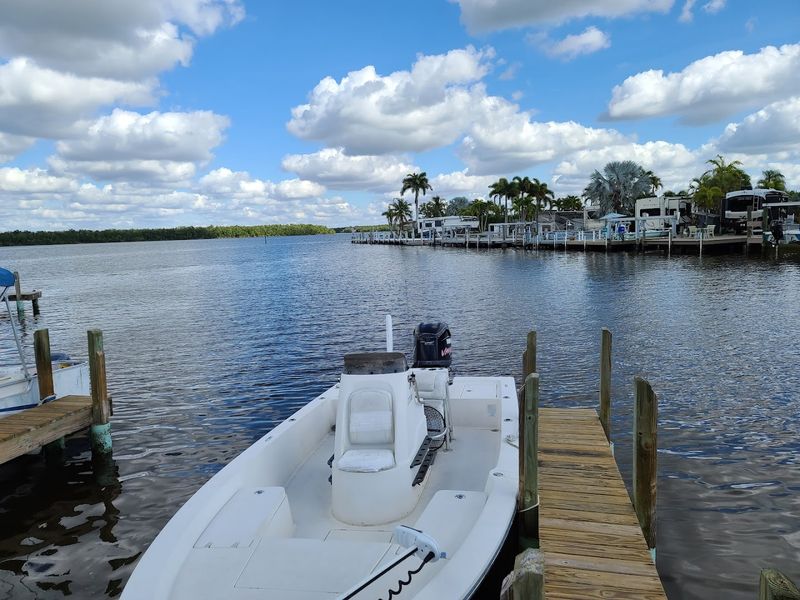
Technically an island, Chokoloskee already has a personality advantage over most places.
Connected to Everglades City by a short causeway, this 150-acre shell mound island has been inhabited for thousands of years.
The Calusa people built it up over centuries using discarded shells, which makes the ground itself a kind of living history.
The population hovers around 400, and the vibe is firmly local. There is a marina, a small store, and a boat launch that gives you direct access to the Ten Thousand Islands.
Kayakers and anglers know this place well. Everyone else seems to drive right past without noticing the turn.
The Smallwood Store, located at 360 Mamie Street, operated as a trading post from 1906 and is now a museum that captures the raw frontier energy of old Florida.
Stepping inside feels like someone froze time and forgot to tell the building. Chokoloskee is not trying to impress anyone, and that is precisely what makes it so impressive.
The silence here is thick and honest.
You can hear fish jumping from the dock and osprey calling overhead. Bring bug spray, bring patience, and bring a sense of wonder.
6. Goodland
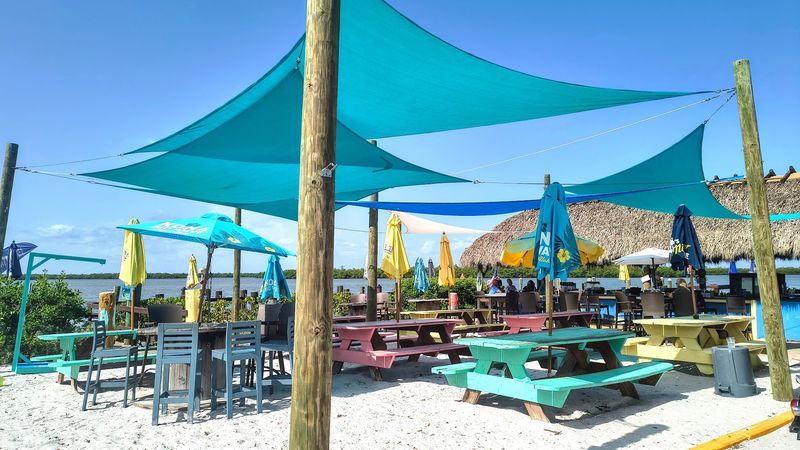
Goodland is the neighbor Marco Island never talks about at parties, and honestly, that suits Goodland just fine.
Tucked on the southeastern corner of Marco Island, this tiny fishing village operates on its own frequency. The population sits around 300 people, most of whom seem to know every boat by name.
The Stan Gober Memorial Bridge leads you in, and once you cross it, the Marco Island resort energy disappears completely. What replaces it is a community that celebrates its own weirdness with real enthusiasm.
The Mullet Festival happens every January, and it is exactly as wonderfully strange as it sounds. Local fishing families have called this home for generations.
Sitting on the water with a plate of stone crab claws while pelicans cruise past the dock is a deeply satisfying experience.
Goodland has no traffic lights, no resort hotels, and no patience for pretension.
It has fishing boats, mangroves, and a community that has somehow held its character together despite being just minutes from one of Florida’s most developed barrier islands.
7. Matlacha
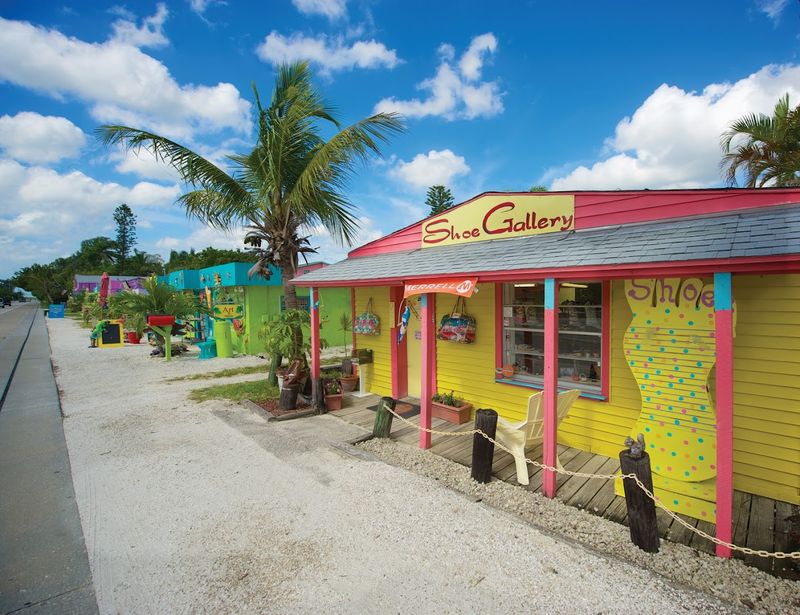
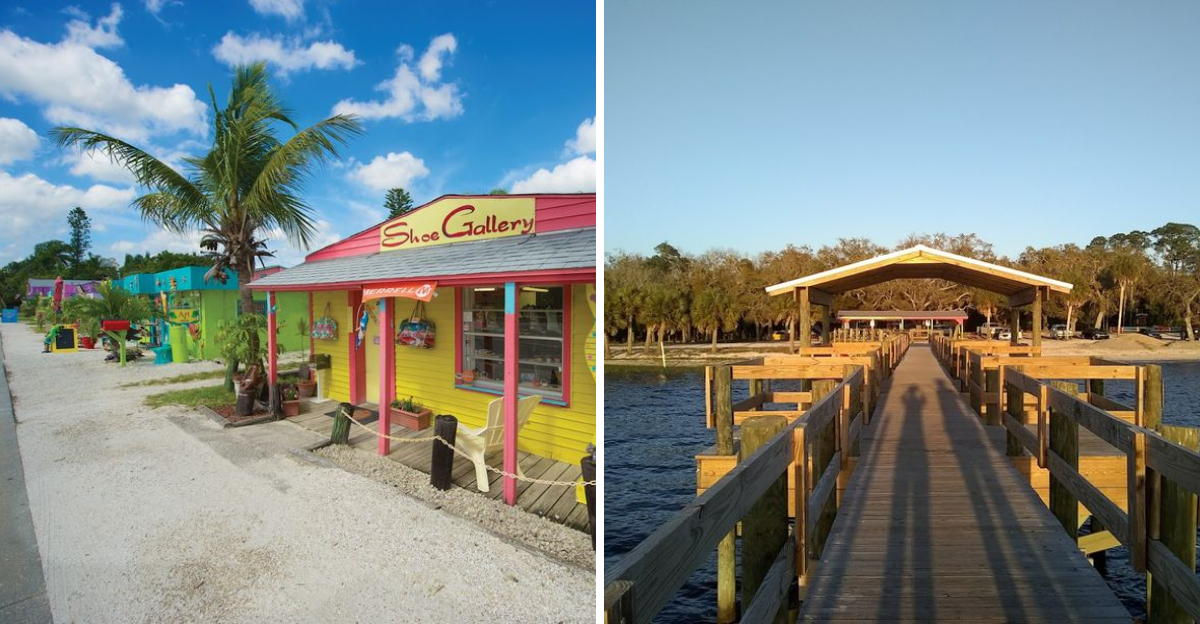
It looks like someone handed an artist a fishing village and said go for it. The buildings are painted in shades of turquoise, coral, and lime green.
The docks lean slightly.
The whole place hums with a creative energy that feels earned rather than manufactured.
Pronounced mah-kla-SHAY, which surprises most first-time visitors, this narrow strip of land sits along a causeway connecting Pine Island to Cape Coral.
It was once a working fishing community, and it still is, but art galleries and studios have moved in alongside the tackle shops without either side losing ground.
Pine Island Road runs straight through the village and is lined with one-of-a-kind shops, local eateries, and studios where you can watch artists work.
The fishing here is genuinely excellent, with tarpon, snook, and redfish in the surrounding waters. Matlacha Pass Aquatic Preserve protects the surrounding waters and keeps the ecosystem intact.
The place floods occasionally, shrugs it off, and keeps going. There is a resilience here that you feel in the buildings and in the people.
Matlacha is proof that a community can absorb creativity without losing its soul, and that is a rare thing to find anywhere in Florida.
8. Horseshoe Beach
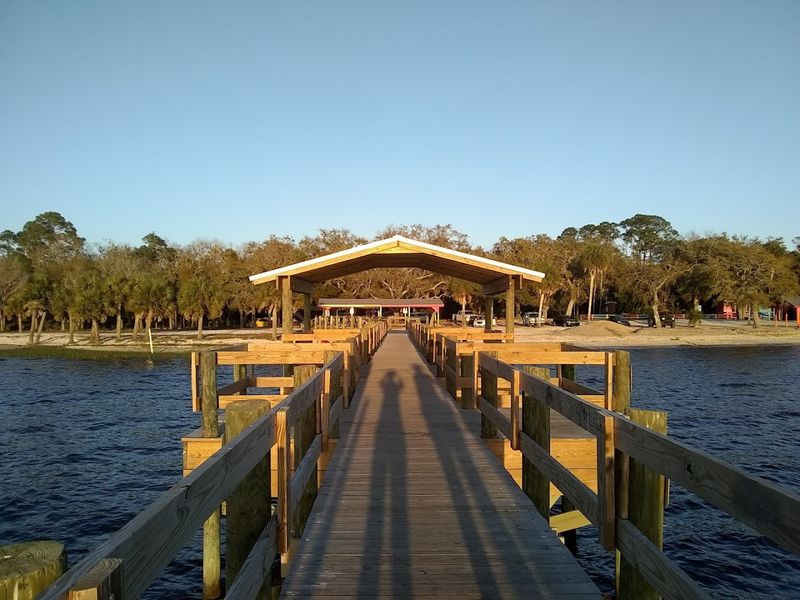
Horseshoe Beach is not trying to be discovered, and that is a large part of its appeal.
Located in Dixie County along the Nature Coast, it sits at the end of State Road 351, which basically announces that this is the last stop.
The town has fewer than 200 full-time residents and a boat ramp that gets more traffic than the main street.
The Gulf here is shallow and clear, with grass flats stretching for miles offshore. Scalloping, fishing, and crabbing are the main activities, and people do them seriously.
This is not recreational fishing in the tourist sense. These are people who grew up learning the water.
There is a small community park, a public beach, and a local seafood market where you can buy what came off the boats that morning. No spa, no resort bar, no valet parking.
What you get instead is an unfiltered look at Florida coastal life as it existed before the developers arrived with their renderings and their promises.
The sunsets here are enormous and completely free. The silence is the kind that actually recharges you.
Horseshoe Beach is the reward for people who are willing to drive a little farther and expect a little less.
9. Yankeetown
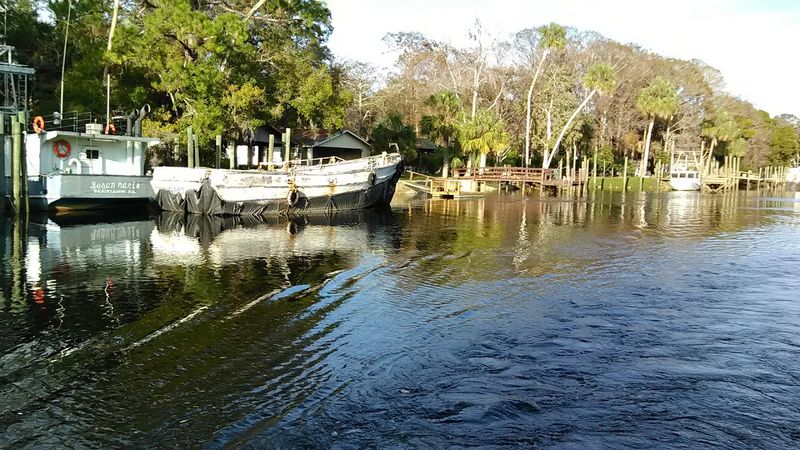
The name alone raises eyebrows, and the story behind it is better than most.
A Chicago businessman named A.F. Knotts settled here in the 1920s and brought enough northern friends with him that locals started calling it Yankeetown.
The name stuck, the northerners eventually blended in, and the town has been pleasantly unbothered ever since.
Yankeetown sits at the mouth of the Withlacoochee River in Levy County, and the river is the real reason to visit. Fishing for largemouth bass, catfish, and saltwater species near the Gulf is excellent year-round.
The town has a small marina, historic homes, and a rhythm that has not changed much in decades.
The Izaak Walton Lodge at 7 Riverside Drive is a historic landmark that has been hosting anglers since the 1920s. It is one of those places that feels genuinely old without feeling neglected.
The surrounding area includes the Goethe State Forest and the Lower Suwannee National Wildlife Refuge, giving nature lovers plenty of room to wander.
Yankeetown does not have a single traffic light. It does have herons standing in the shallows at dusk, which is honestly a better use of the space.
10. Carrabelle
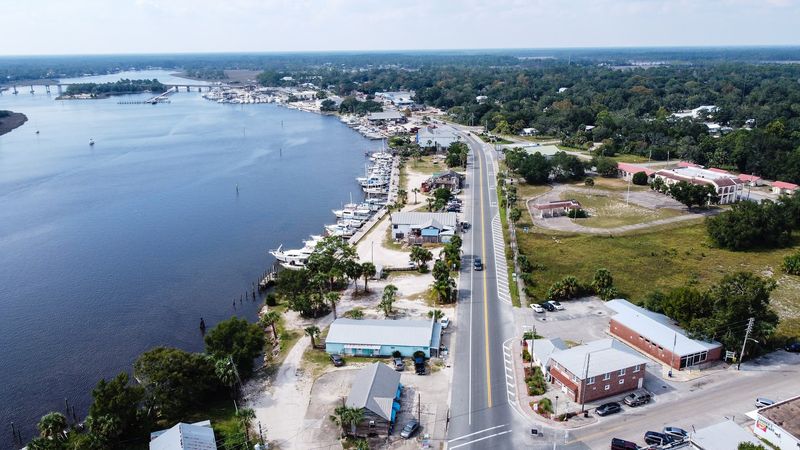
Carrabelle holds a title that you would not expect and cannot forget. It is home to the World’s Smallest Police Station, which is a phone booth on Tallahassee Street that served as the actual police dispatch for years.
That detail tells you almost everything you need to know about the scale and spirit of this town.
Located in Franklin County along the Forgotten Coast, Carrabelle sits where the Carrabelle River meets the Gulf.
Shrimp boats still work out of here, and the waterfront has the honest, weathered look of a place that earns its living from the water.
Dog Island, accessible only by boat, sits just offshore and is one of the most pristine barrier islands in the state.
The nearby Tate’s Hell State Forest adds over 200,000 acres of wild Florida landscape to the experience. Anglers come for the redfish and flounder.
Paddlers come for the quiet river access.
Everyone else comes by accident and stays longer than planned. Carrabelle does not advertise itself aggressively, which is part of what keeps it feeling real.
The Carrabelle Beach, just west of town, stretches wide and quiet without a single resort in sight. That is not a complaint.
That is the whole point.