10 Quiet Illinois Places That Deserve More Attention Than They Get
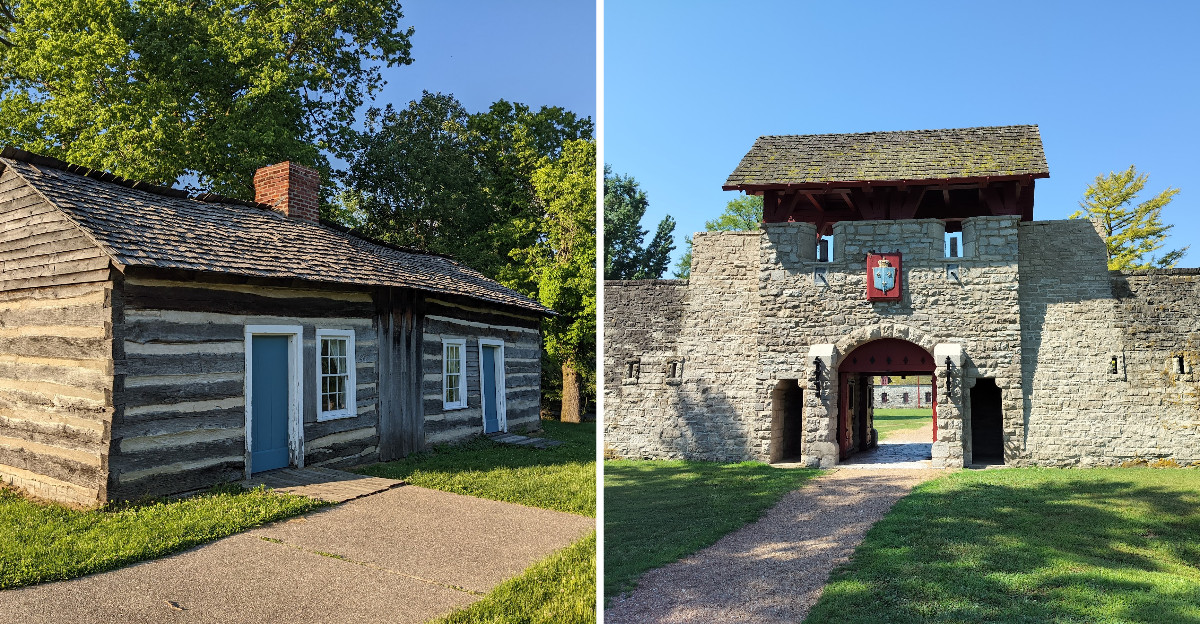
Illinois has been keeping secrets, apparently.
Beyond the famous skyline and endless fields, quieter corners hide swamps, bluffs, prairie, old forts, unusual gardens, and landscapes that barely resemble the Illinois people imagine.
That surprise is exactly the fun! These places do not need giant crowds or flashy attractions to hold your attention.
A strange trail or quiet historic site can do the job just fine. There is more room to wander, more space to notice things, and far less pressure to rush.
Sometimes the best trip begins when you stop chasing the famous places and follow the road everyone else ignored.
1. Nachusa Grasslands, Franklin Grove
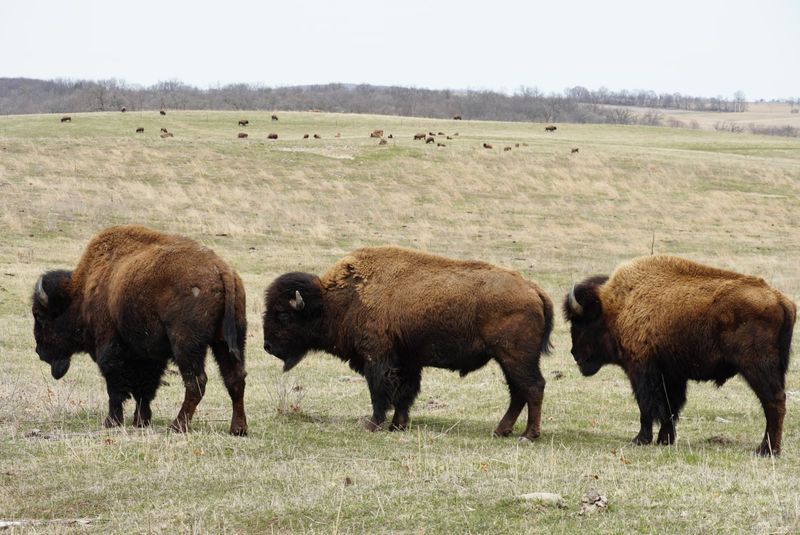
Just imagine for a second a sky so wide it seems to swallow the horizon. Now add a herd of shaggy bison chewing grass in the distance.
That scene is real at Nachusa Grasslands in Franklin Grove. The preserve covers about 4,000 acres of restored prairie in northern Illinois.
Bison returned here in 2014 after a very long absence. They now roam across roughly 1,500 fenced acres. You might spot them right away, or they might play hide and seek.
Pack binoculars, because the herd does not always stroll close to the road. Hiking is not allowed inside the fenced bison area, so stay on open trails.
Wildflower fans will feel right at home here. More than 700 native plant species grow across the land. Birders can look for some of the 245 bird species recorded here.
The scenery is more than flat grass, too. Sandstone outcrops drop into rocky meadows and little streams.
Staff and volunteers work hard to keep the prairie healthy. They gather seeds, pull invasive plants, and run careful controlled burns. Those burns help native plants come back stronger each year.
The preserve opens from sunrise to sunset, so early mornings are a smart choice. Wildlife tends to move more when the air is cool. Bring patience, snacks, and a sense of wonder for a truly bison-tastic day.
2. Cache River State Natural Area, Belknap
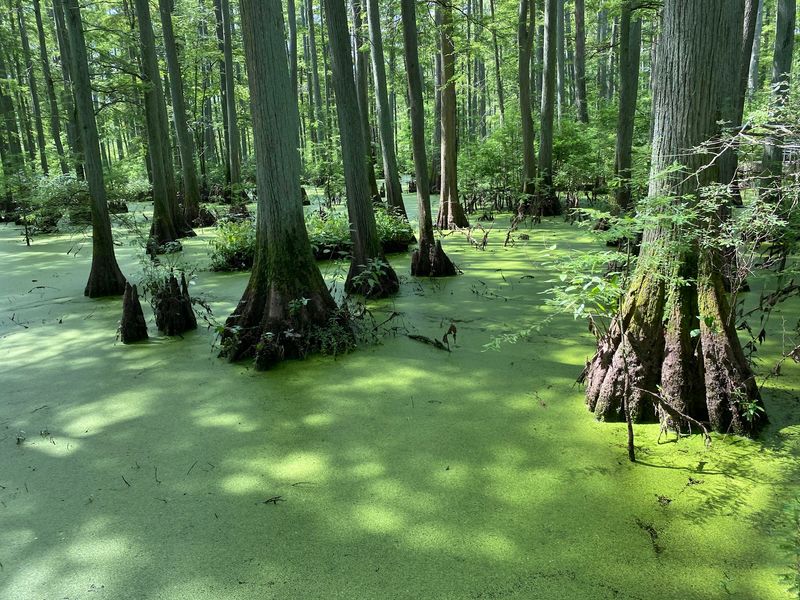
My jaw dropped the first time I saw cypress knees poking out of dark water. Nobody warned me that Illinois had its own swamp.
Cache River State Natural Area near Belknap protects about 10,430 acres of wetland. It echoes the cypress and tupelo swamps that once covered the southern tip of the state.
The area has two main parts. One is the Heron Pond and Little Black Slough wetland. The other is the Cache River Swamp.
Paddlers can follow about six miles of marked canoe trails. They wind through rivers, ponds, and quiet swamp channels.
One tree steals the show here. A huge bald cypress, around 1,000 years old, is a state champion. Seeing it up close makes you feel very young.
Prefer dry feet? The Heron Pond Trail has a floating boardwalk over the water.
Bird lovers can watch great blue herons and egrets. Ospreys and bald eagles sometimes soar overhead. Keep an eye out for beavers, muskrats, and river otters too.
Over 100 species listed as endangered or threatened in Illinois live here. The Barkhausen Cache River Wetlands Center shares maps and helpful trail tips. Stop there before heading out, since cell service can be spotty.
The wetlands center sits at 930 Sunflower Ln. Bring bug spray in summer, because mosquitoes love this swamp as much as you will.
3. Ferne Clyffe State Park, Goreville
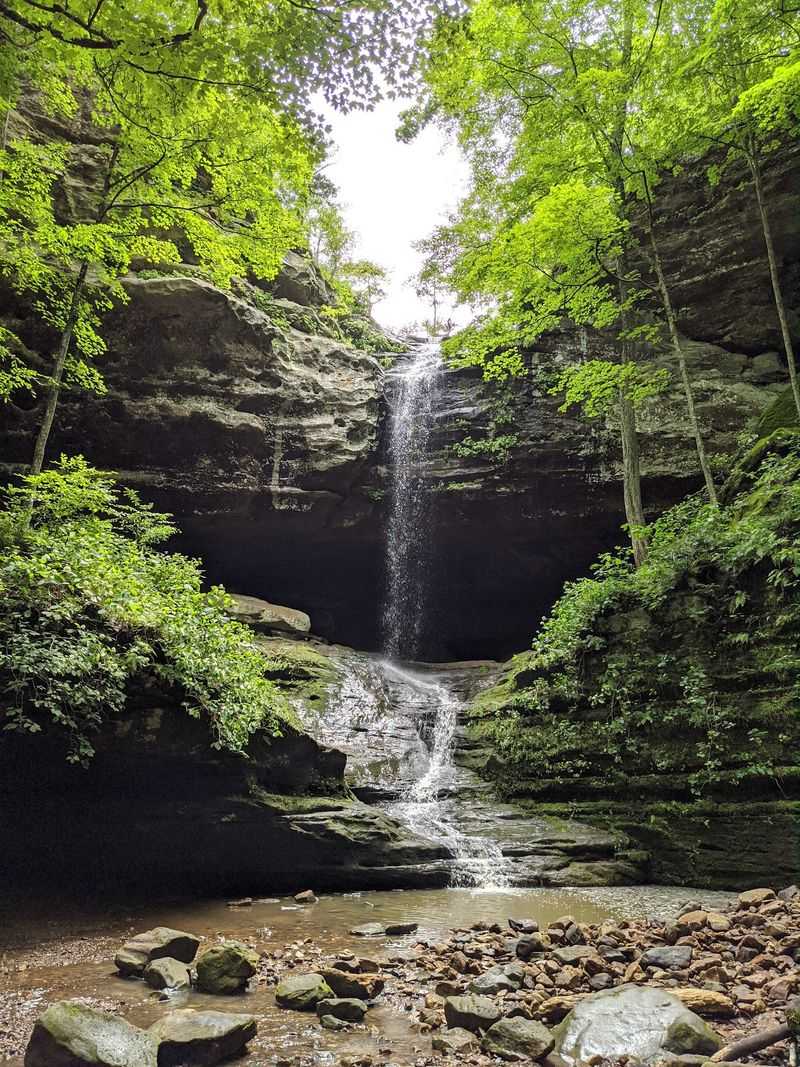
Ferne Clyffe State Park sits near Goreville in the Shawnee Hills. The park covers about 2,430 mostly forested acres. Ferns grow everywhere, which explains the pretty name.
Hawks’ Cave is a must-see. It is actually a shelter bluff about 150 feet long. Kids love shouting to hear their voices bounce around.
Waterfall hunters should head to the Big Rocky Hollow Trail. A 100-foot waterfall flows there, but only part of the year.
Timing matters for that waterfall. Go after heavy rain or snowmelt for the best show. In dry summer weeks, it may be just a trickle.
Spring is another great choice. Late April and early May bring dogwood and redbud blooms.
October paints the hills in red, orange, and gold. More than 700 plant species grow in the park.
There is plenty to do besides hiking. Campers, backpackers, and horseback riders all find room here. Anglers can fish from the bank at the 16-acre Ferne Clyffe Lake.
The Blackjack Oak Trail gives lovely lake views. Round Bluff Nature Preserve inside the park mixes cool geology with rare plants.
The park entrance is at 90 Goreville Rd. Wear sturdy shoes, because those rocky trails rock in every sense.
4. Mississippi Palisades State Park, Savanna
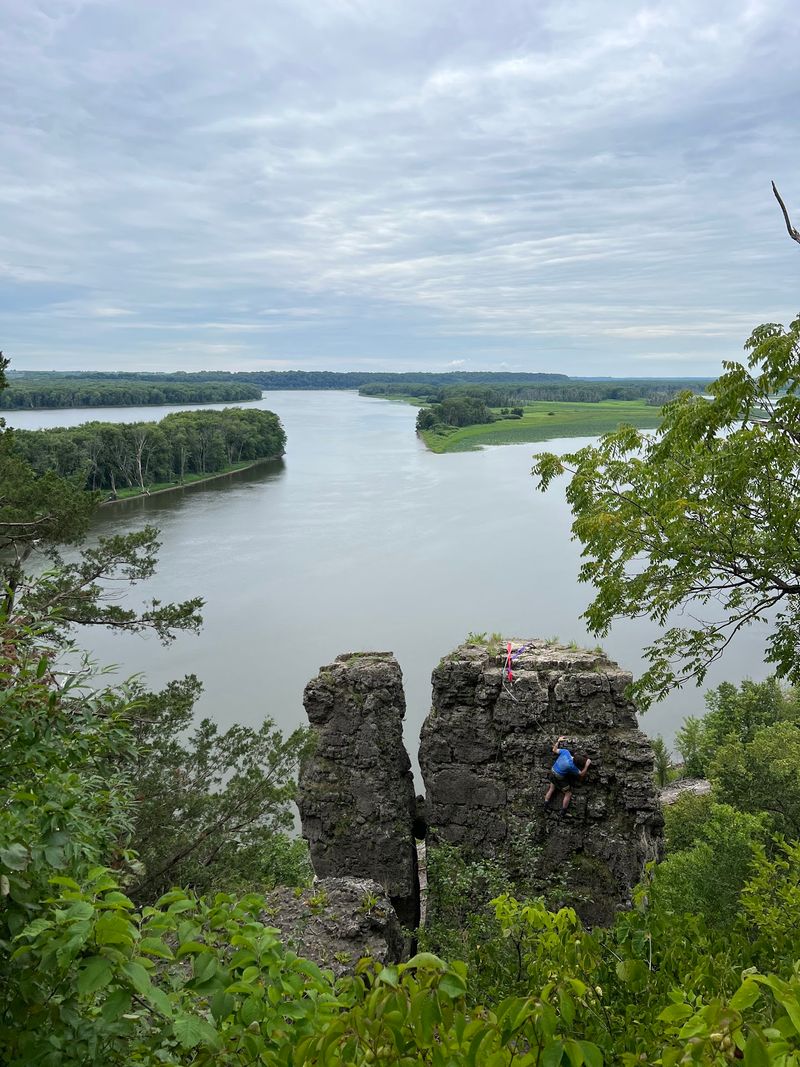
I had to do a double-take at the cliffs rising above the river. They looked far too dramatic for a state known for flat farmland.
Mississippi Palisades State Park sits about three miles north of Savanna. Its 2,500 acres hold steep limestone bluffs and wooded ravines.
The park lies near where the Apple River meets the Mississippi. It became a National Natural Landmark in 1973.
Wind and water carved shapes into the bluffs over time. Look for rock formations called Indian Head and Twin Sisters.
Climbers get a rare treat here. This is the only Illinois state park that allows rock climbing. There are more than 60 routes to test your grip.
Hikers have over 15 miles of trails to explore. Those paths lead to five scenic overlooks above the water.
Some southern trails follow old Native American pathways. That history adds meaning to every step.
Birders can spot over 200 species, including bald eagles. Winter is an exciting season for eagle watching along the river. Deer, foxes, and muskrats also wander through the woods.
Fall color here is some of the best in northwestern Illinois. Plan an October trip if you can.
Campers can choose from 241 sites, many with river views. The park address is 16327A IL-84. Afterward, stroll Savanna’s riverfront for a calm end to a cliff-tastic day.
5. Lincoln’s New Salem State Historic Site, Petersburg
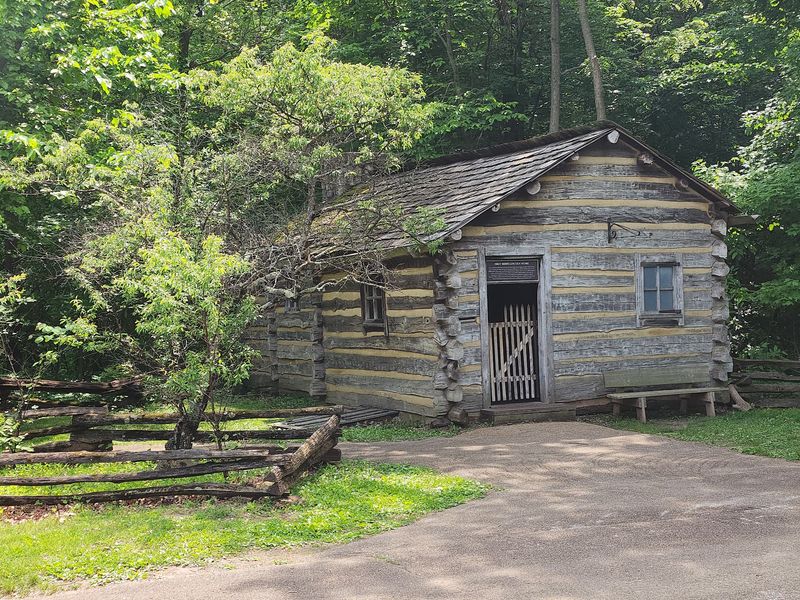
It makes you wonder, doesn’t it, how small towns shape big dreams? A tiny frontier village helped launch one of history’s most famous careers.
Lincoln’s New Salem State Historic Site in Petersburg rebuilds that village. A young Abraham Lincoln lived here from 1831 to 1837.
During those years, he wore many hats. He worked as a store clerk, a surveyor, and a postmaster. His path toward law and politics began right here.
The village includes 12 log houses and several shops. You will also see the Rutledge Tavern, a sawmill, and a gristmill.
Costumed interpreters make the past feel fresh. They show old crafts, trades, and daily chores from the 1830s. Ask questions, because they love sharing stories.
Start at the visitor center for helpful background. Exhibits explain what Lincoln’s early years were like.
After exploring, wander the nearby trails or enjoy a picnic. The wooded hills around the village are peaceful and shady.
A well-known repertory theater also sits within the site. Catching a summer show makes the trip even more memorable.
Want more time here? The campground has about 200 sites. It stays open from March 15 to December 15.
The site address is 15588 History Ln. Wear comfy shoes, since dirt paths connect every cabin. Lincoln once called this village home, and you will see why it left a lasting mark.
6. Allerton Park & Retreat Center, Monticello
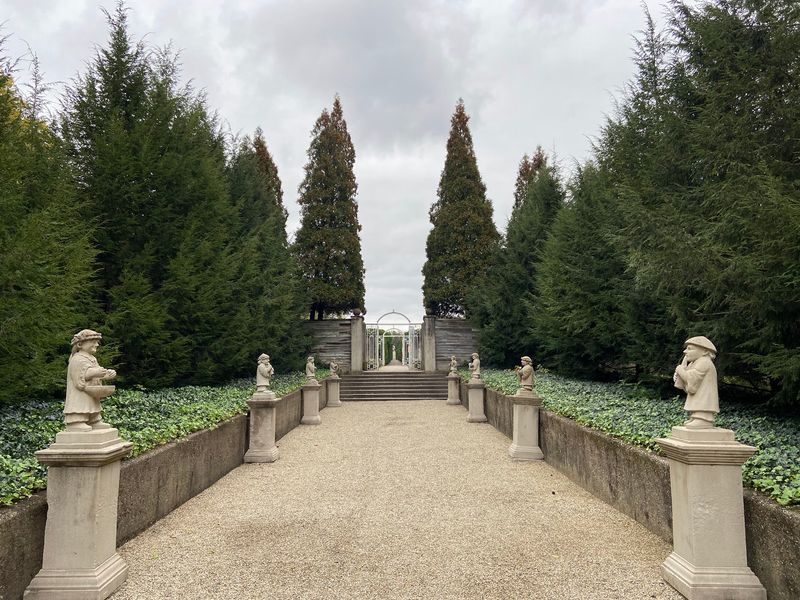
CFinding classical statues in a central Illinois forest still surprises me. It is like a secret art museum without walls.
Allerton Park & Retreat Center in Monticello spreads across about 1,500 acres. An artist created the estate in the early 1900s.
In 1946, it was donated to the University of Illinois. Since then, the public has enjoyed it for learning, research, and fun.
The formal gardens are the main attraction. Statues from classical and Asian traditions pop up along shady paths.
Kids will race straight for the hedge maze. A reflecting pool and a sunken garden add calm, tidy beauty. Bring a camera, because every corner looks like a postcard.
More than 15 miles of hiking trails wind through the woods. They are great for quiet walks and birdwatching.
Spring is a special season here. Peonies burst into big, colorful blooms. Families often time their trips just for the flowers.
The Georgian Revival mansion sometimes opens its first floor for tours. Check ahead, since it often hosts events.
History runs deep on this land. People lived here at least 10,500 years ago. Ancient arrowheads and mounds have been found on the grounds.
Outdoor concerts and seasonal events happen throughout the year. The address is 515 Old Timber Rd. Come for the gardens and stay for the surprises around every hedge.
7. Fort De Chartres State Historic Site, Prairie Du Rocher
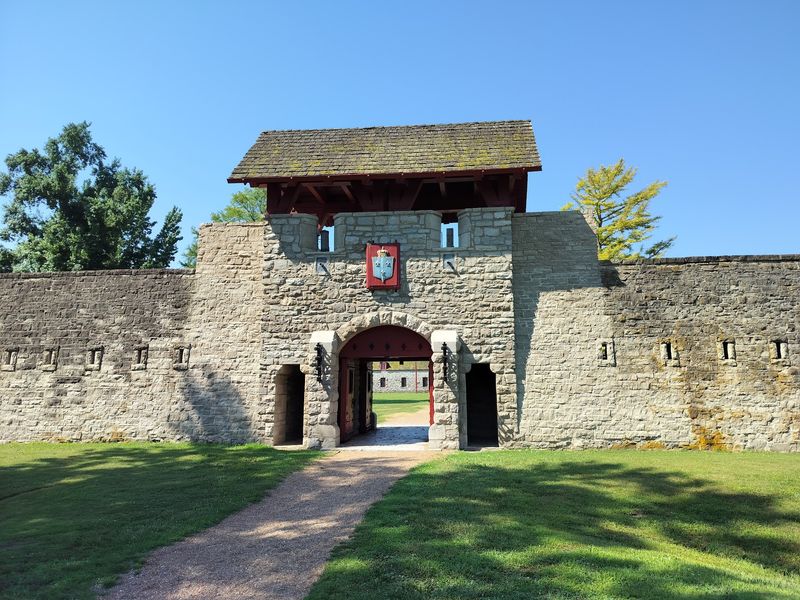
I’m still trying to wrap my head around French soldiers guarding Illinois. Yet that is exactly what happened along the Mississippi River.
Fort de Chartres State Historic Site near Prairie du Rocher tells that story. The stone fort was built in the 1750s.
It served as France’s military and government headquarters for the Illinois Country. Today’s fort is a reconstruction set on the original foundations.
One building is extra special. The restored powder magazine is believed to be the oldest standing building in Illinois.
Inside the Guards House, you will find a small museum. There is also a chapel furnished in 1750s style. The thick stone walls keep things cool on hot days.
History buffs will enjoy the working bake oven. A garden grows vegetables like those from the 1700s.
Events make this fort truly come alive. The Rendezvous in early June lasts two days. Expect military drills, shooting contests, and old-style crafts.
October brings the French and Indian War Assemblage. Reenactors fill the grounds with tents, music, and costumes.
Outside the fort walls, there is a picnic shelter. Horseshoe pits offer a fun break for families.
Walking tours help explain each building and its purpose. The address is 1350 State Rte 155. Pack a lunch and let the past march right up to meet you.
8. Lincoln Log Cabin State Historic Site, Lerna
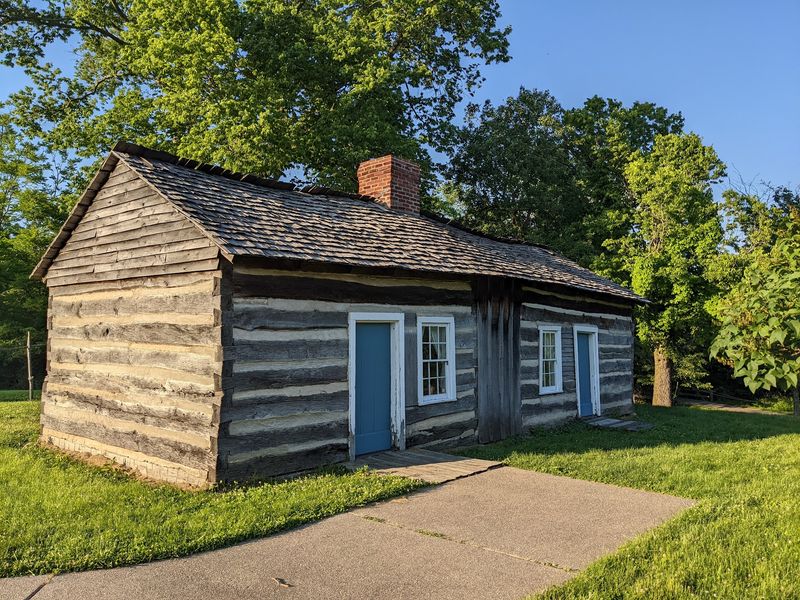
Let’s be real for a second, family roots tell us a lot about people. This farm shows a side of Lincoln history that few people know.
Lincoln Log Cabin State Historic Site near Lerna honors Abraham Lincoln’s family. His father, Thomas, and stepmother, Sarah, lived here in the 1800s.
Abraham never lived on this farm himself. Still, he came by often and helped his family with money.
The 86-acre site features a copy of their two-room cabin. The Civilian Conservation Corps rebuilt it on the original spot in the 1930s.
Two living history farms show life in 1840s Illinois. One is the Thomas Lincoln Farm. The other is the Stephen Sargent Farm, which used different methods.
Comparing the two farms is surprisingly interesting. You can see how neighbors worked the land in different ways.
Living history programs run from May 1 to October 31. Interpreters tend gardens, cook meals, and care for animals. Kids can ask about chores they would have done back then.
The visitor center has exhibits, a short film, and a gift shop. Watching the film first makes the farms easier to understand.
Nature lovers can enjoy trails, fishing, and birdwatching. The nearby Moore Home is where Lincoln said goodbye to family in 1861. The address is 402 S Lincoln Hwy Rd. Go in fall for crisp air and harvest-time charm.
9. Kankakee River State Park, Bourbonnais
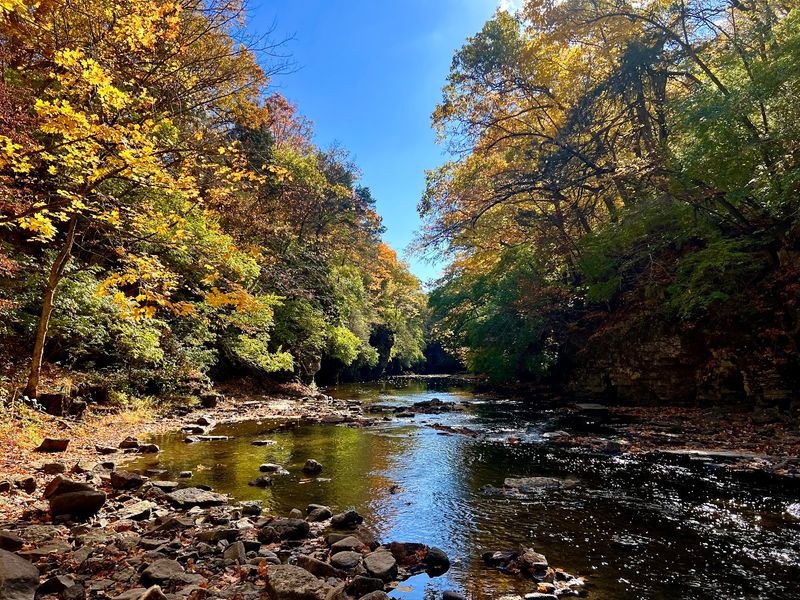
Have you given any thought to a river that still follows its own path? Few rivers in the Midwest get to wander so freely.
Kankakee River State Park near Bourbonnais hugs both banks of the river. It covers about 4,000 acres along an 11-mile stretch.
The Potawatomi people once lived on this land. They called the river Theatiki, often translated as wolf or swampy place.
The Rock Creek trail is the star for many hikers. This scenic route runs about three miles past limestone canyons.
Along the way, a bubbly waterfall spills into the creek. It is a perfect place for photos and a snack break. Spring rains make the falls even louder.
Bikers and horseback riders have their own trail options. Paths stretch along both sides of the river.
Anglers will want to bring their gear. Smallmouth bass, channel catfish, and walleye swim in these waters. Rock Creek is another good fishing area.
Canoe trips down the Kankakee are calm and relaxing. Watch for herons along the shore as you paddle.
Winter does not shut things down here. With enough snow, the park opens for snowmobiling and cross-country skiing.
Camping and picnic areas make longer trips easy. The park address is 5314 W State Route 102. Bring a paddle and some patience, because this river rewards slow travelers.
10. Giant City State Park, Makanda
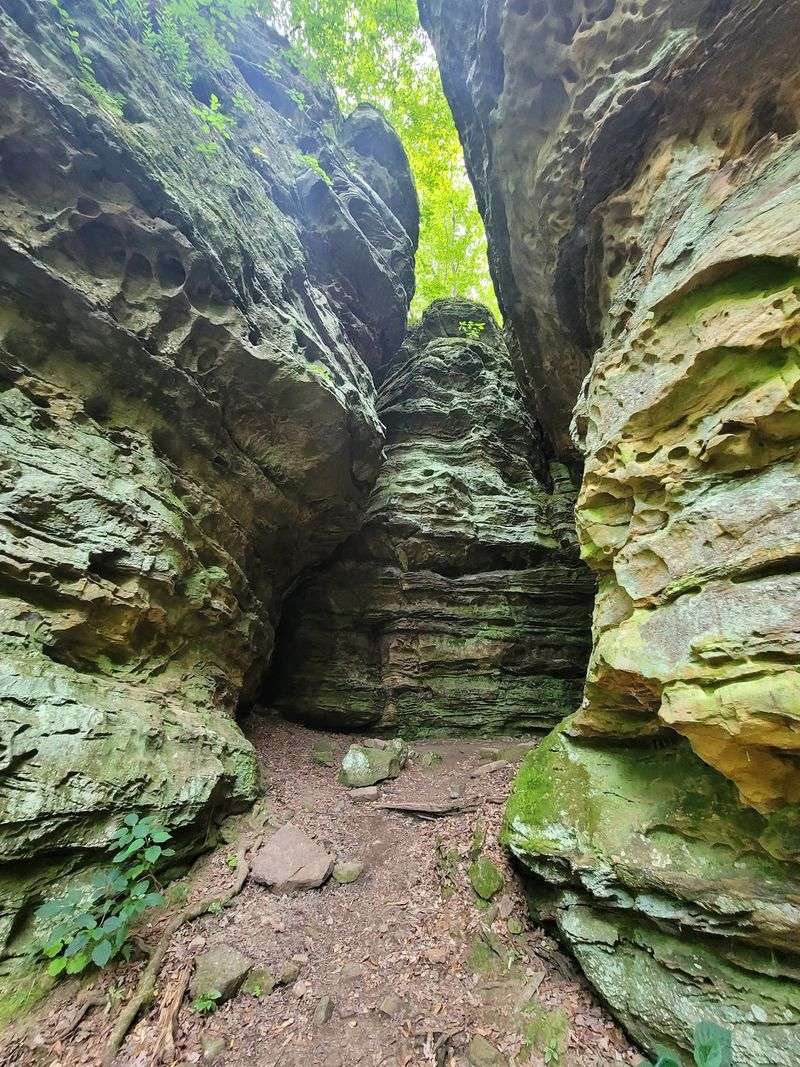
What if giants once built a city in the woods? The stone streets here make that idea easy to imagine.
Giant City State Park near Makanda sits inside the Shawnee National Forest. Massive sandstone bluffs form narrow passages that look like city streets.
The Giant City Nature Trail is a one-mile loop. It squeezes between towering rock walls covered in moss and ferns.
Look closely at the stone along that trail. You may spot old carvings left by travelers long ago.
The park has eight hiking trails in total. Trillium Trail shines in spring with lots of wildflowers. Other trails lead to Devil’s Standtable and an old stone wall.
Climbers and rappellers have two approved areas. One is Devil’s Standtable, and the other is near Shelter One.
Horseback riders can enjoy a 12-mile trail. There is even a campground built for riders and horses.
Don’t skip the historic lodge. The Civilian Conservation Corps built it and the cabins in the 1930s. Today the lodge has a restaurant and gift shop.
The visitor center explains the park’s geology and history. A Discovery Corner keeps young explorers busy and curious.
The park address is 235 Giant City Rd. Fall weekends get busy, so arrive early for parking. Leave with tired legs and stories big enough for any giant.