16 Rainy-Season Road Trips Through Georgia Worth Taking Anyway
Rain doesn’t have to ruin your travel plans in Georgia.
Some of the best road trips happen when clouds roll in and the landscape takes on a whole new mood.
From misty mountain drives to coastal routes with dramatic storm skies, these journeys offer experiences you won’t find on sunny days.
1. Blue Ridge Scenic Railway Through Foggy Mountains
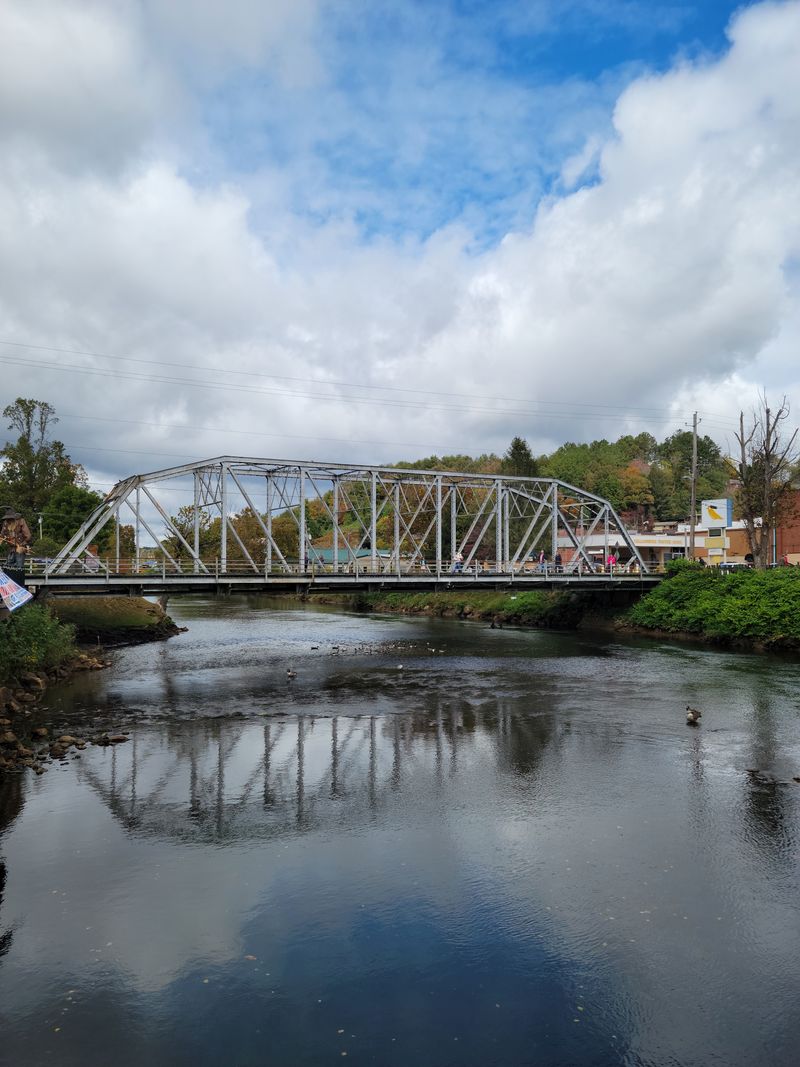
Picture yourself riding through clouds as they wrap around ancient peaks. The Blue Ridge Scenic Railway offers a four-hour round trip from Blue Ridge to McCaysville and back, winding through the Chattahoochee National Forest.
You’ll find the depot at 241 Depot Street, Blue Ridge, GA 30513.
Rain transforms this journey into something magical. Fog clings to the valleys while waterfalls appear along the tracks that you’d never see during dry months.
The vintage train cars keep you comfortable while nature puts on a show outside your window.
I recommend booking the climate-controlled coach cars during rainy season. You can still open windows to feel the cool mountain air and hear the rain without getting soaked.
The conductor shares local history and points out wildlife that comes closer to the tracks during wet weather.
2. Savannah’s Historic District in Gentle Drizzle
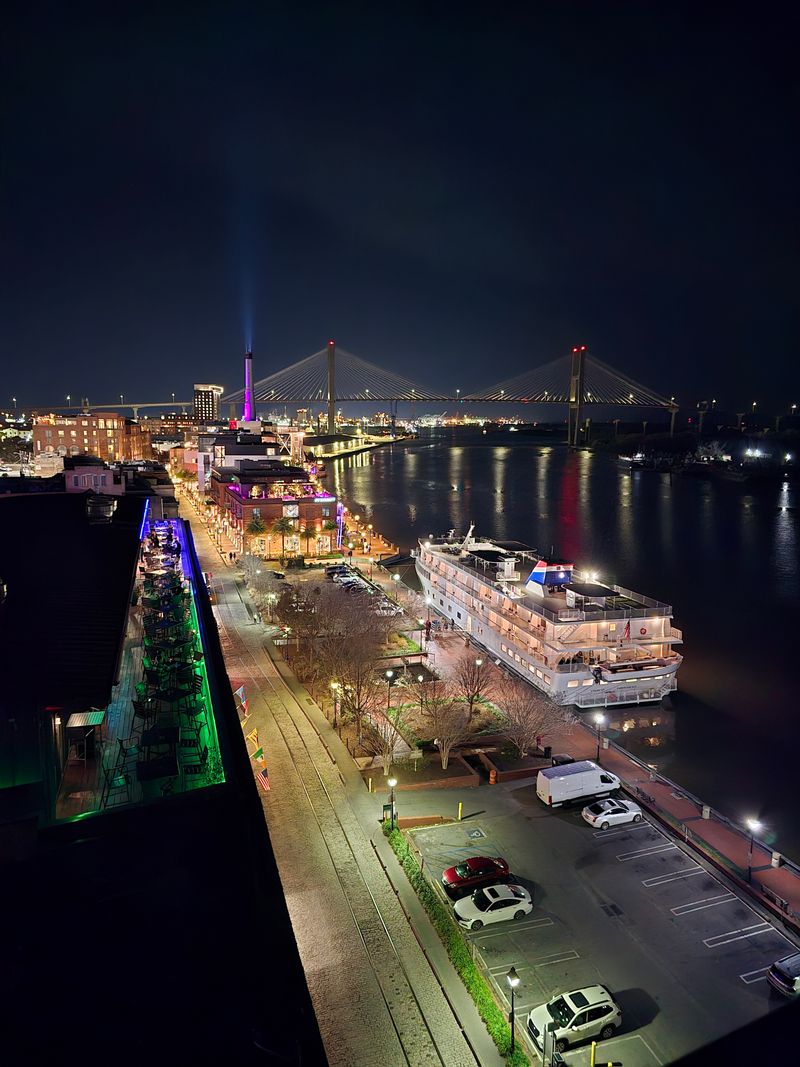
Something about rain makes Savannah’s moss-draped oaks look even more mysterious. The historic district spans 2.5 square miles of preserved 18th and 19th-century architecture, centered around 22 parklike squares.
Most attractions cluster around Bull Street and River Street, making it easy to hop between covered areas.
Cobblestone streets glisten when wet, and the Spanish moss drips like natural curtains. Rain keeps crowds smaller, so you’ll have better photo opportunities at iconic spots like Forsyth Park and Cathedral of St. John the Baptist.
The city’s famous squares become quiet retreats where you can actually hear the rain pattering on leaves.
Bring an umbrella and comfortable waterproof shoes. Many museums, cafes, and historic homes offer perfect rainy-day stops.
The Owens-Thomas House and Mercer Williams House provide fascinating indoor exploration between outdoor wandering.
3. Tallulah Gorge State Park Waterfall Chase
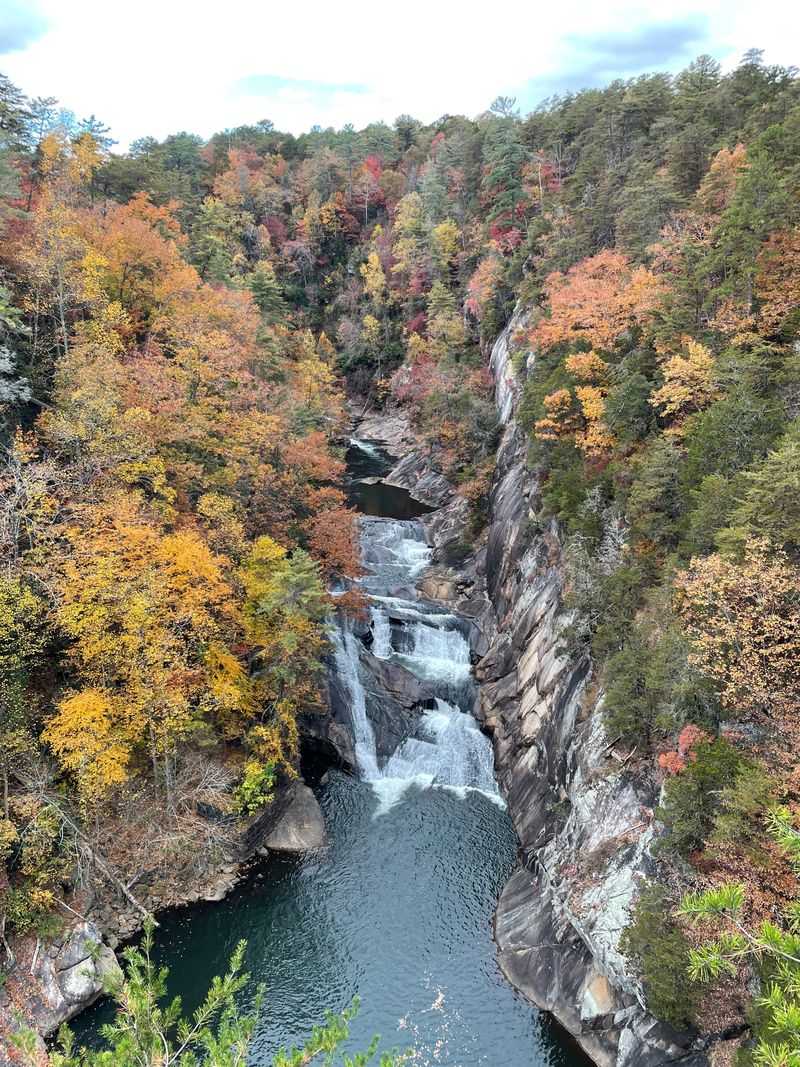
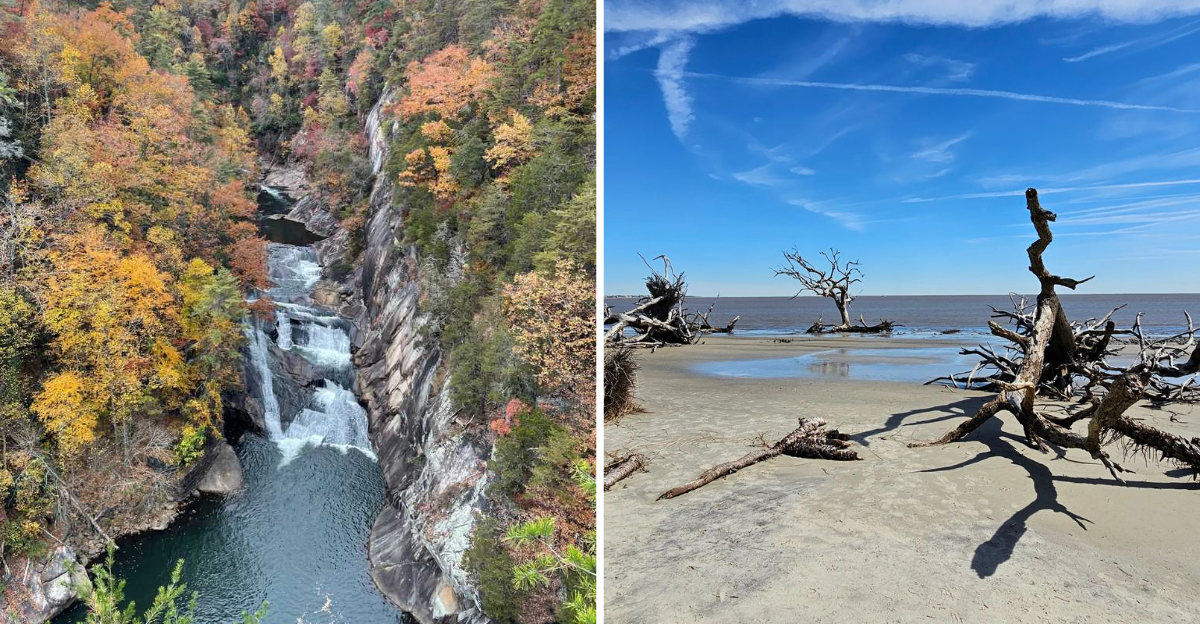
Waterfalls show their true power during rainy season. Tallulah Gorge plunges nearly 1,000 feet deep, making it one of the deepest canyons east of the Mississippi River.
The park entrance sits at 338 Jane Hurt Yarn Drive, Tallulah Falls, GA 30573, with multiple overlooks accessible via paved paths.
Rain amplifies the gorge’s drama. The six waterfalls that cascade through the canyon roar louder and flow fuller than during dry months.
Mist rises from the bottom, creating rainbow effects when any light breaks through the clouds.
The suspension bridge offers incredible views even in rain, though it can get slippery. If you’re up for adventure, the 1,000-step gorge floor trail becomes more challenging but incredibly rewarding when wet.
Just check with rangers first, as they sometimes close it during heavy storms for safety.
4. Coastal Highway 17 Through Salt Marshes
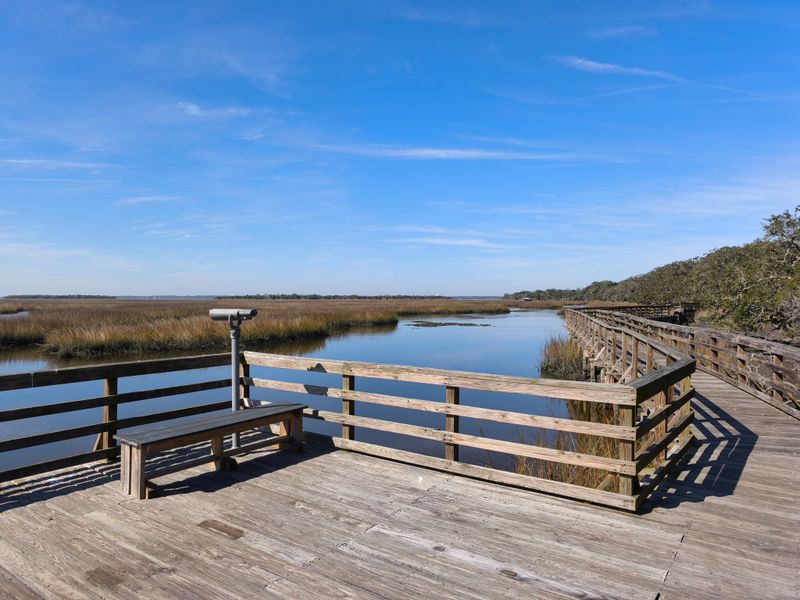
Gray skies create the perfect backdrop for Georgia’s coastal marshlands. Highway 17 runs along the coast from Savannah down to the Florida border, passing through some of the most pristine salt marsh ecosystems in America.
The route takes you through small coastal towns like Darien and Brunswick.
Rain brings out colors in the marsh grass you won’t see on sunny days. The golden-brown grasses glow against dark storm clouds, and herons hunt more actively in the shallow waters.
You’ll spot more wildlife since animals move around differently during wet weather.
Stop at the Altamaha River overlook near Darien for breathtaking views of the second-largest river basin on the East Coast. The Harris Neck National Wildlife Refuge at 1500 Harris Neck Road, Townsend, GA 31331, offers driving loops where you can watch birds from your car.
5. Amicalola Falls Approach in Misty Conditions
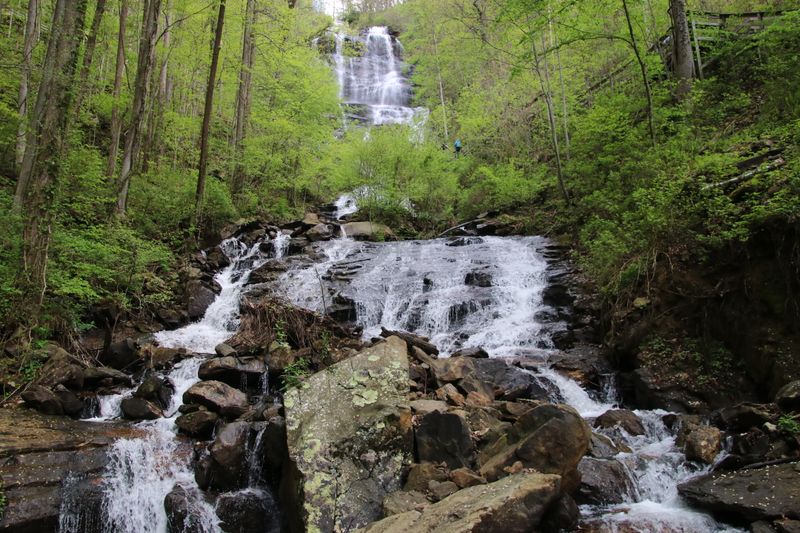
Watching Georgia’s tallest waterfall during rain feels like witnessing nature at full volume. Amicalola Falls drops 729 feet in cascading tiers, located at 418 Amicalola Falls State Park Road, Dawsonville, GA 30534.
The park offers both driving access to upper overlooks and hiking trails to the base.
Mist from the falls combines with rain to create an otherworldly atmosphere. The water volume increases dramatically, turning the normally graceful cascade into a thundering white torrent.
Moss-covered rocks along the trail shine bright green when wet.
The West Ridge Falls Access Trail provides the easiest route to viewing platforms with covered areas. If you’re feeling ambitious, the 600-step staircase to the base becomes more challenging in rain but puts you right in the spray zone.
The visitor center offers warm drinks and dry shelter between viewing sessions.
6. Okefenokee Swamp Paddle Trail Adventures
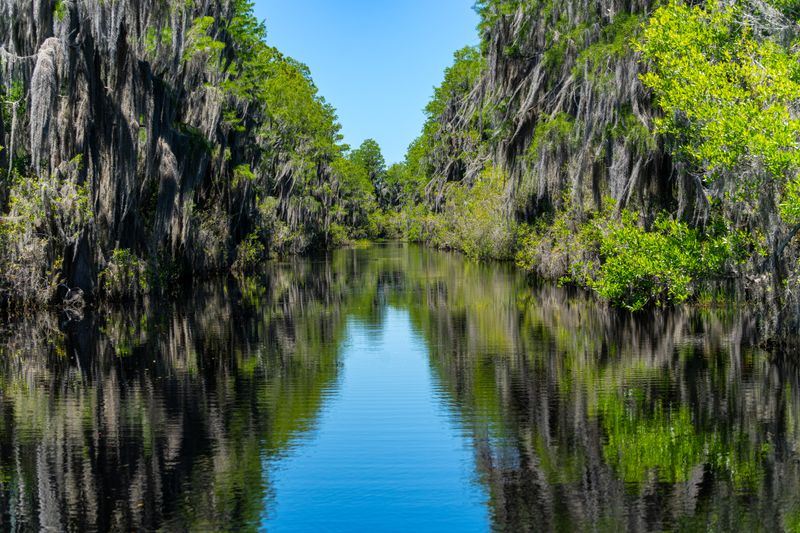
Rain adds an authentic wild edge to swamp exploration. The Okefenokee National Wildlife Refuge covers 402,000 acres of pristine blackwater swamp in southeast Georgia.
The main entrance at 2700 Suwannee Canal Road, Folkston, GA 31537, offers canoe rentals and guided boat tours.
Cypress trees look more dramatic with rain dripping from their knees and branches. The blackwater reflects the moody sky like a mirror, and you’ll see alligators more actively hunting in cooler temperatures.
Rain actually makes the swamp feel more alive and authentic to its natural state.
The covered boat tours keep you mostly dry while rangers share fascinating ecology lessons. If you paddle your own canoe, bring waterproof bags for your gear.
The wildlife becomes more visible during light rain, with birds fishing more actively and otters playing in the channels.
7. Chickamauga Battlefield Historic Drive
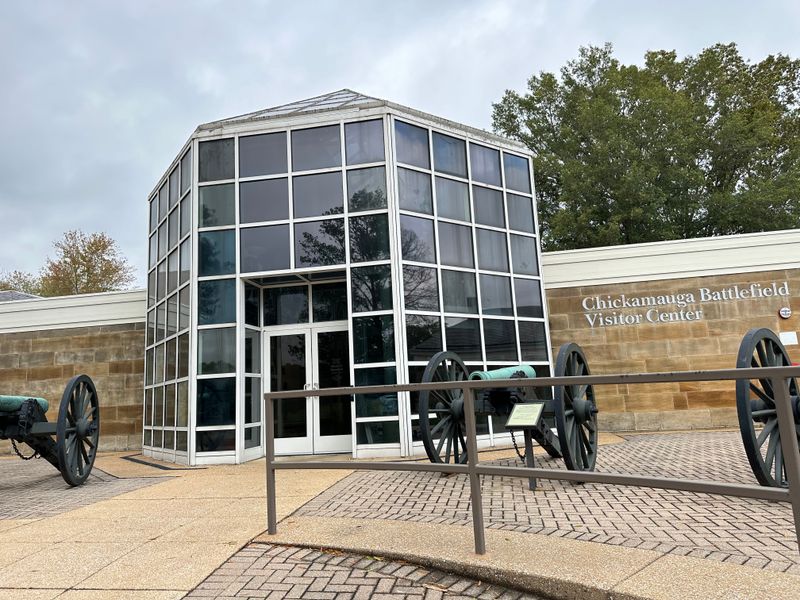
History feels more haunting under gray skies. Chickamauga and Chattanooga National Military Park preserves the site of one of the Civil War’s bloodiest battles, with a seven-mile auto tour through the battlefield.
The visitor center sits at 3370 LaFayette Road, Fort Oglethorpe, GA 30742.
Rain creates a somber mood that fits the historic significance. Monuments and cannons take on a weathered appearance, and the forested areas where soldiers fought look much as they did in 1863.
Fog sometimes rolls across the fields, making it easier to imagine the chaos of battle.
The self-guided driving tour lets you stay mostly in your car. Each stop has markers explaining troop movements and battle events.
The visitor center museum provides excellent shelter during heavy rain, with extensive exhibits and a film about the battle that claimed over 34,000 casualties.
8. Helen’s Alpine Village in Mountain Rain
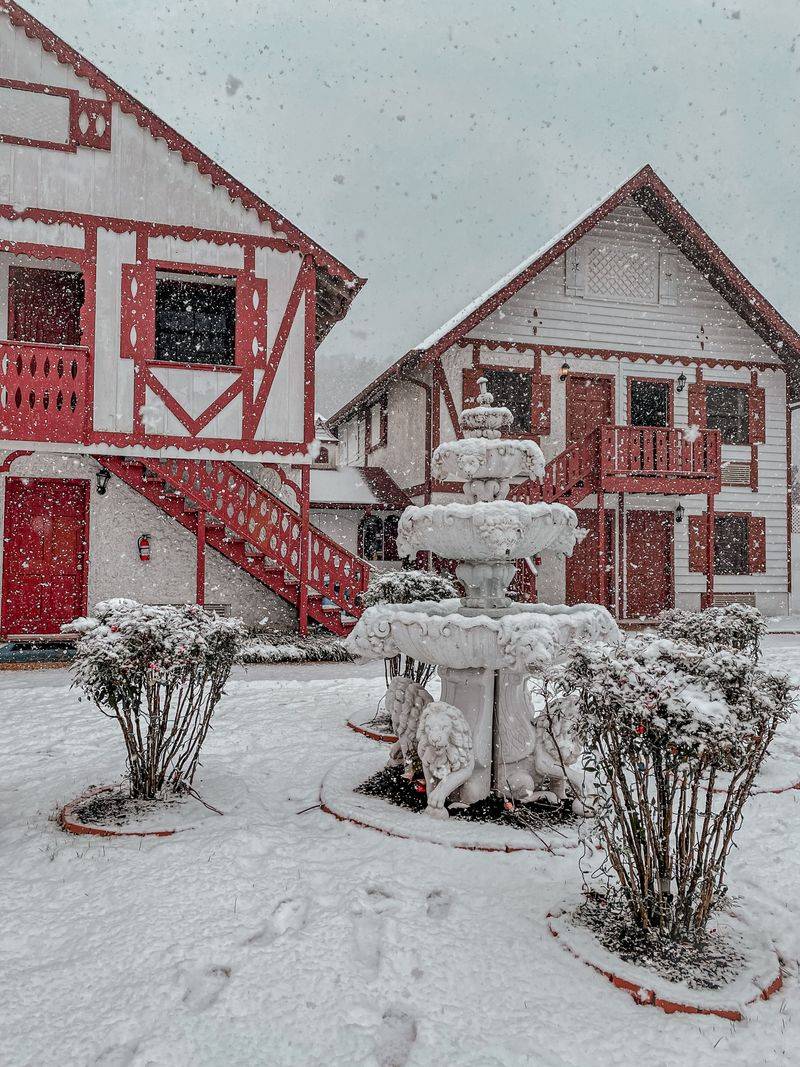
Bavaria comes to the Blue Ridge Mountains with extra atmosphere during rainy weather. Helen transformed itself into an Alpine village in the 1960s, with German-style architecture lining the Chattahoochee River.
The main strip runs along Main Street through downtown Helen, GA 30545.
Rain enhances the European feel of this quirky mountain town. Water rushes through the river with more force, and the Bavarian buildings look like something from a storybook with mist swirling around their peaked roofs.
Fewer tourists mean easier parking and shorter waits at restaurants.
You can duck into German bakeries, gift shops, and restaurants without feeling rushed. The Hansel and Gretel Candy Kitchen and Hofer’s Bakery offer warm, dry havens with delicious treats.
Anna Ruby Falls is just 10 minutes away at 3099 Anna Ruby Falls Road, offering a dramatic double waterfall that’s spectacular in rain.
9. Russell-Brasstown Scenic Byway Cloud Drive
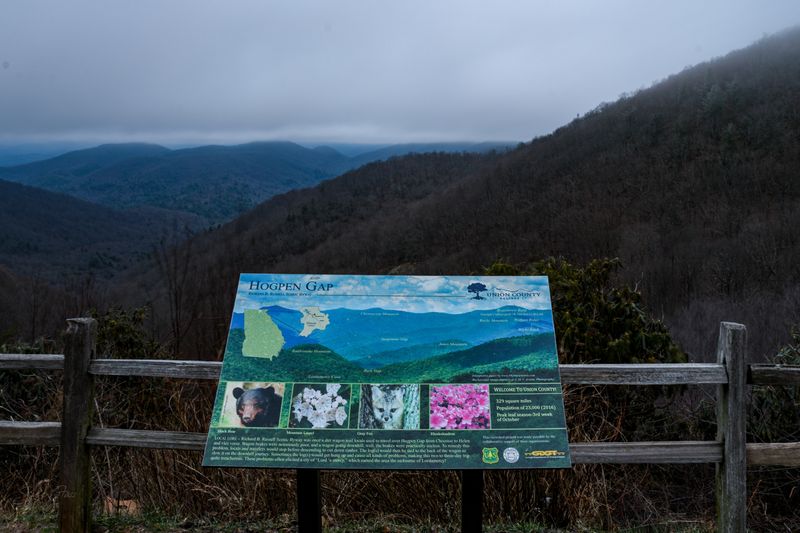
Driving through actual clouds creates an unforgettable experience. This 40-mile loop through the Chattahoochee National Forest reaches Georgia’s highest point at Brasstown Bald, elevation 4,784 feet.
The byway starts near Helen and winds through mountain communities like Hiawassee.
Rain at lower elevations often means you’re driving through cloud layers at higher altitudes. Visibility changes dramatically as you climb, with sudden clearings offering glimpses of valleys below.
The forest becomes intensely green, and small waterfalls appear along roadside cliffs.
Brasstown Bald Visitor Center at 2941 Georgia Highway 180, Hiawassee, GA 30546, sits near the summit. Even if clouds obscure the usual four-state view, being surrounded by mist at Georgia’s highest point feels special.
The gift shop and exhibits provide warm shelter. Multiple pullouts along the route let you safely stop and enjoy the moody mountain scenery.
10. Providence Canyon State Park Red Clay Wonder
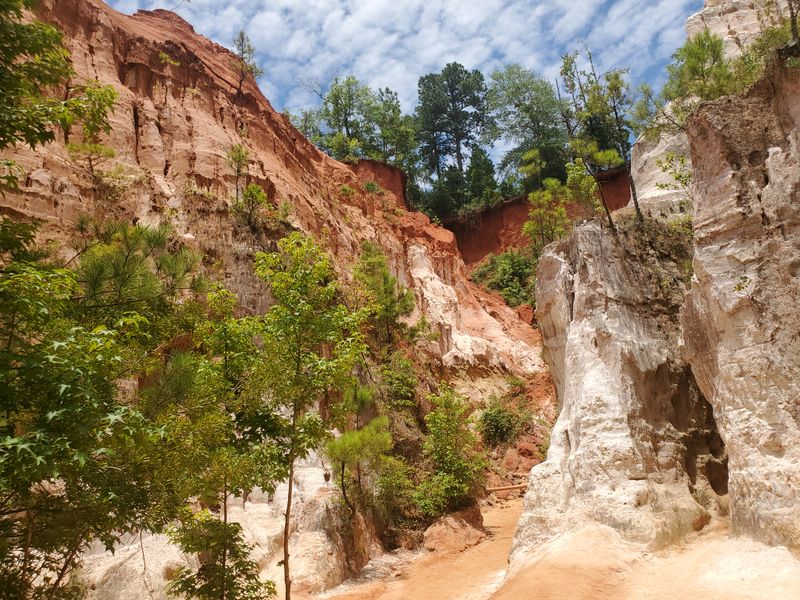
Georgia’s “Little Grand Canyon” reveals new colors when wet. Providence Canyon showcases massive gullies carved by erosion, exposing layers of colorful clay and soil.
The park entrance is at 8930 Canyon Road, Lumpkin, GA 31815, in southwest Georgia.
Rain intensifies the red, orange, pink, and purple hues in the canyon walls. The clay becomes more vibrant when wet, creating an almost otherworldly palette.
Small streams form at the canyon bottom, adding movement to the usually dry landscape.
The rim trail stays relatively safe in light rain and offers spectacular overlooks. Avoid hiking into the canyon itself during rain, as the clay becomes extremely slippery and flash flooding can occur.
The covered picnic pavilion near the parking area provides a dry spot to eat lunch while enjoying views. Rangers recommend visiting within a day or two after rain when colors are brightest but trails have dried enough for safe hiking.
11. Jekyll Island Coastal Loop in Storm Season
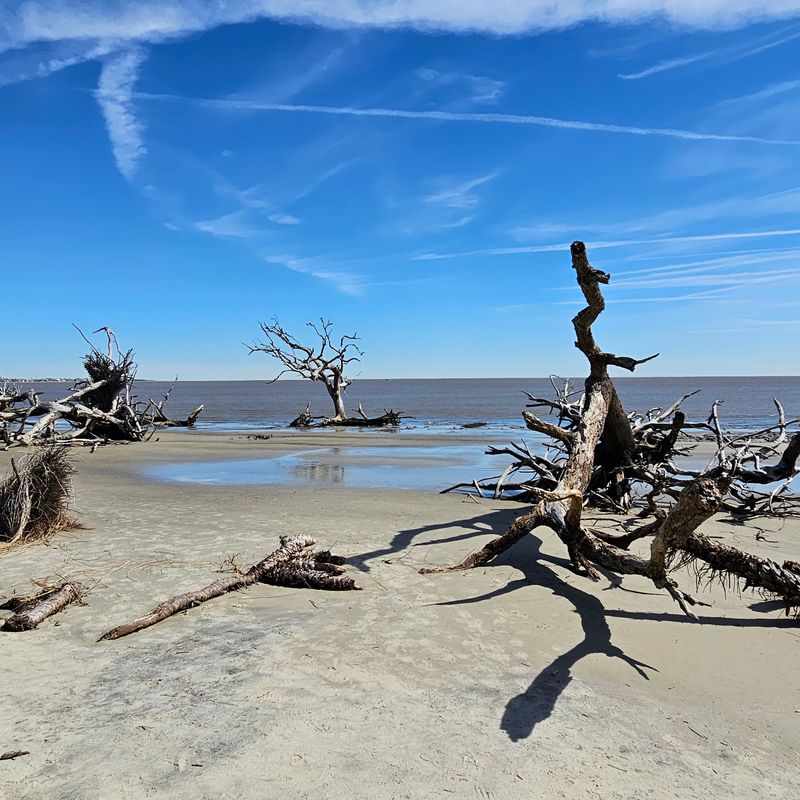
Barrier islands take on dramatic character during stormy weather. Jekyll Island offers a 20-mile loop road around the entire island, passing beaches, maritime forests, and historic sites.
The island is accessible via the Sidney Lanier Bridge from Brunswick, with the welcome center at 901 Downing Musgrove Causeway, Jekyll Island, GA 31527.
Storm clouds create incredible light over the ocean. Waves crash higher on the beach, and you might spot dolphins feeding closer to shore in the churned-up waters.
The historic district’s Victorian-era cottages look especially atmospheric with rain streaking their windows.
Driftwood Beach becomes even more photogenic with dramatic skies behind the skeletal trees. The Georgia Sea Turtle Center at 214 Stable Road provides fascinating indoor exploration.
You can drive the entire island loop in under an hour, with plenty of pullouts for quick photo stops between rain showers.
12. Cloudland Canyon Rim Trail Exploration
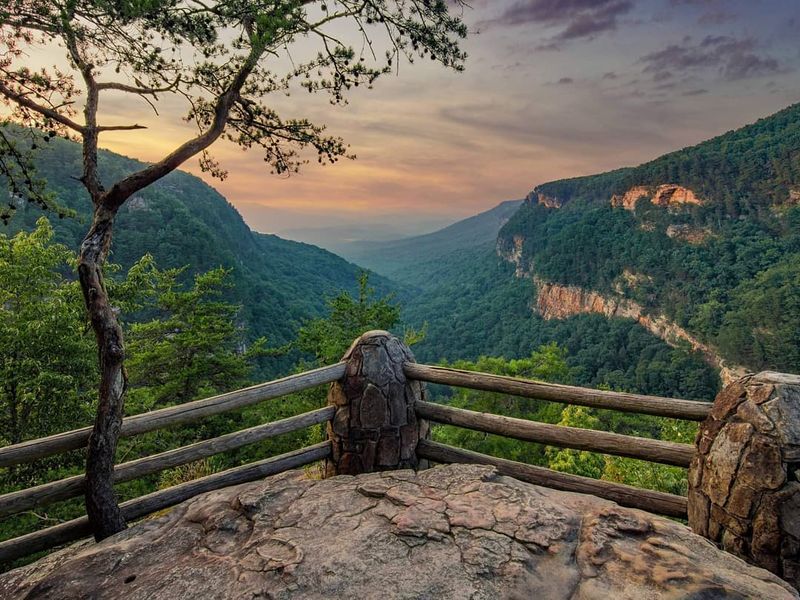
Fog filling a canyon creates pure magic. Cloudland Canyon State Park sits on the western edge of Lookout Mountain, featuring a massive gorge carved by Sitton Gulch Creek.
The park entrance is at 122 Cloudland Canyon Park Road, Rising Fawn, GA 30738.
Rain often brings the clouds that give this canyon its name. You’ll watch fog pour into the gorge like a slow-motion waterfall, hiding and revealing rock formations.
The two waterfalls in the canyon, Cherokee and Hemlock Falls, thunder with increased flow.
The rim trails offer spectacular views without descending into the canyon, keeping you safer during wet conditions. Covered overlooks provide dry spots to watch the weather drama unfold.
If rain is light, the 600-step trail to the waterfalls becomes more challenging but incredibly rewarding. The yurts and cabins at the park offer cozy overnight stays where you can enjoy the storm from shelter.
13. Antebellum Trail Through Central Georgia
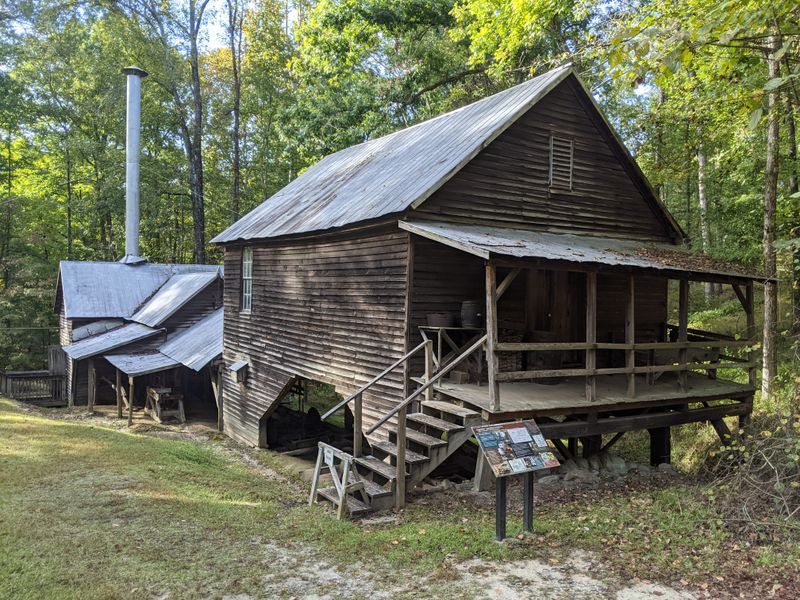
Southern history unfolds along this 100-mile route through the heart of Georgia. The Antebellum Trail connects Macon, Milledgeville, Madison, and Eatonton, showcasing antebellum architecture that survived Sherman’s March.
You can start in any town, but Madison at 115 East Jefferson Street, Madison, GA 30650, offers a concentrated historic district.
Rain adds atmospheric drama to these historic towns. Grand columns and wraparound porches were designed for Southern weather, and you can imagine generations watching storms from these same spots.
Wet streets reflect the stately homes, creating picture-perfect scenes.
Each town offers museums and historic homes you can tour indoors. The Old Governor’s Mansion in Milledgeville and Madison’s Heritage Hall provide fascinating glimpses into antebellum life.
Local restaurants serve traditional Southern food that tastes even better on a rainy day. The drive between towns takes you through rolling farmland that looks lush and green during wet seasons.
14. Tybee Island Beach and Lighthouse in Weather
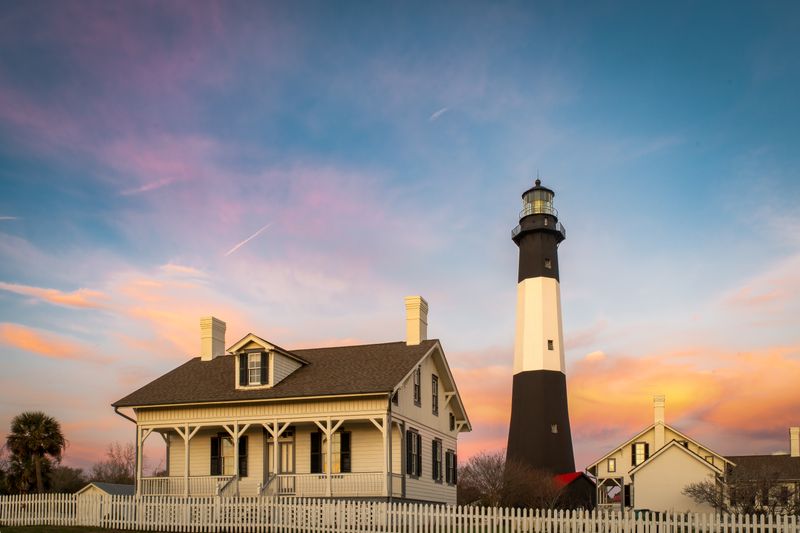
Beaches reveal different personalities when storms approach. Tybee Island sits just 18 miles east of Savannah, offering five miles of beaches and Georgia’s oldest lighthouse.
The lighthouse stands at 30 Meddin Drive, Tybee Island, GA 31328.
Watching weather roll in over the Atlantic creates spectacular drama. The 1736 lighthouse looks especially striking against dark clouds, and climbing its 178 steps gives you a bird’s-eye view of approaching storms.
The beach becomes nearly empty, giving you miles of sand to yourself.
Beachcombing improves after storms as new shells and sea glass wash ashore. The island’s seafood restaurants offer cozy spots to watch rain over the ocean while eating fresh shrimp.
Marine Science Center at 1510 Strand Avenue provides indoor exploration of coastal ecosystems. Just check tide schedules and weather warnings, as high tides combined with storm surge can make some beach areas temporarily inaccessible.
15. Dahlonega Gold Rush Town Mountain Setting
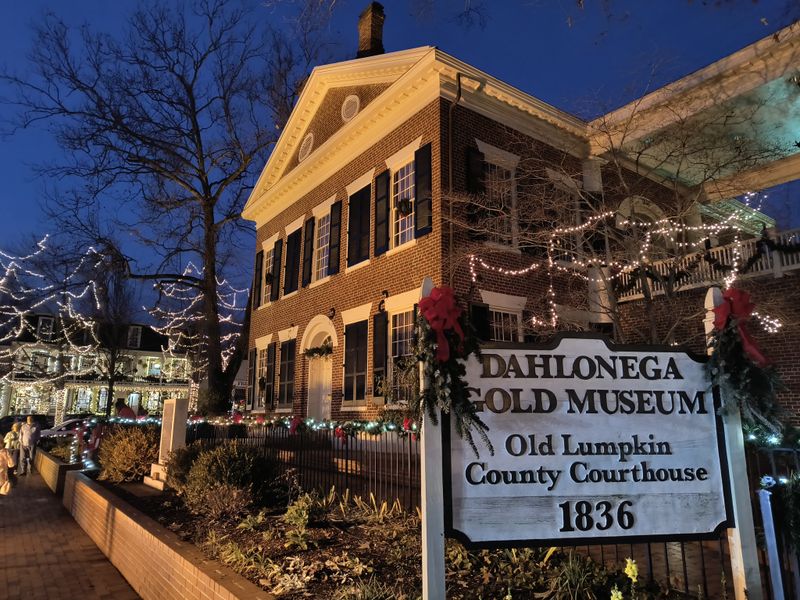
America’s first gold rush town gains extra character in mountain rain. Dahlonega’s historic square centers around the 1836 Gold Museum at 1 Public Square North, Dahlonega, GA 30533.
The town sits in the North Georgia mountains where gold was discovered in 1828.
Rain-slicked streets and old brick buildings create a timeless scene. You can imagine prospectors trudging through similar weather seeking their fortunes.
The mountains surrounding town disappear into mist, making the cozy downtown feel like its own little world.
Multiple tasting rooms and shops around the square offer dry exploration. The Dahlonega Gold Museum provides fascinating history of the gold rush era.
You can even try gold panning under cover at Consolidated Gold Mine at 185 Consolidated Gold Mine Road. Local restaurants serve hearty mountain food perfect for rainy days.
The nearby Chestatee River flows fuller during rain, creating scenic photo opportunities along Highway 60.
16. Cumberland Island Ferry and Beach Exploration
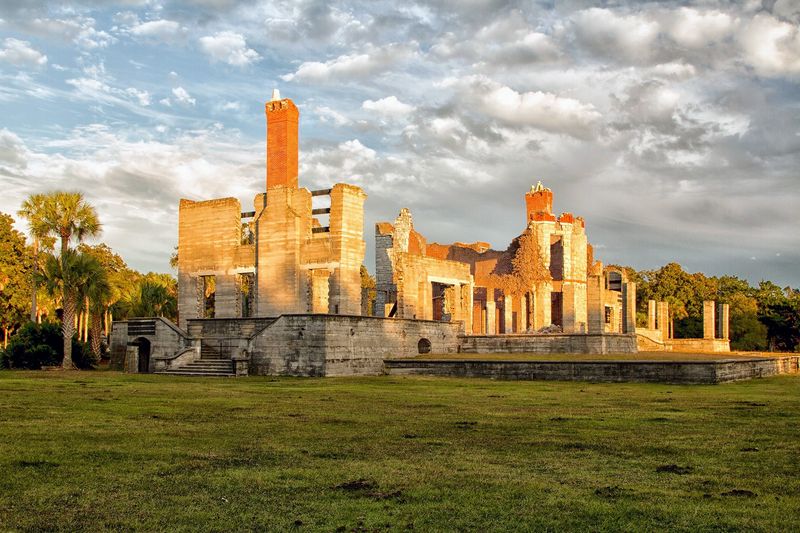
Wild horses look even more majestic with storm clouds behind them. Cumberland Island National Seashore is accessible only by ferry from St. Marys, departing from 113 St. Marys Street, St. Marys, GA 31558.
This 18-mile barrier island remains one of Georgia’s most pristine coastal environments.
Rain keeps crowds minimal on this already remote island. The maritime forest drips with Spanish moss, and the wild horses seek shelter under live oak canopies.
The ruins of Dungeness mansion become even more atmospheric with mist swirling through empty windows.
The ferry ride itself offers great wildlife viewing in any weather. Pack rain gear and waterproof bags since there’s limited shelter on the island.
The beach stretches for miles without development, and finding shells improves after storms. Rangers lead interpretive programs that continue in light rain.
Just remember to check ferry schedules carefully, as you don’t want to miss the last boat back.