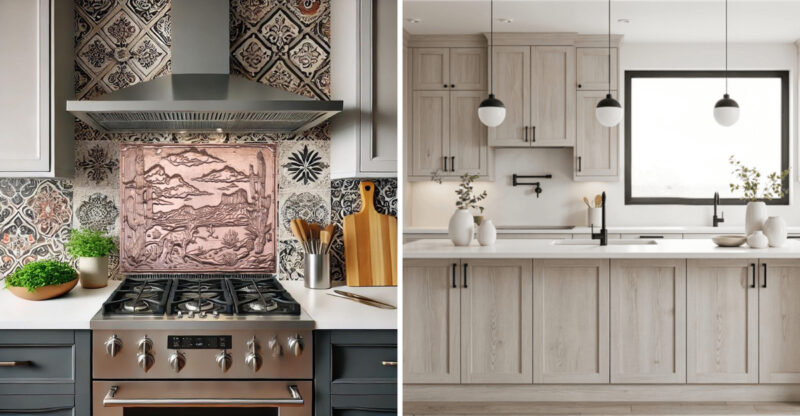
11 Reasons Colorado Homes Are Trading Sleek Finishes For Natural Texture In 2026
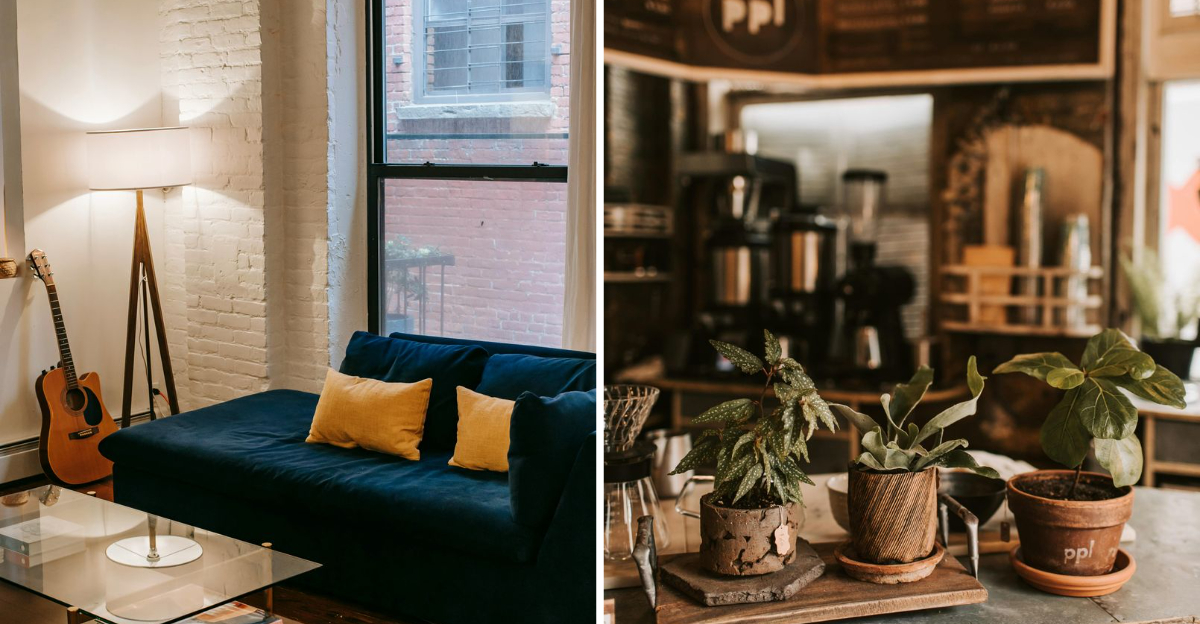
Colorado homes are going through a major style shift right now.
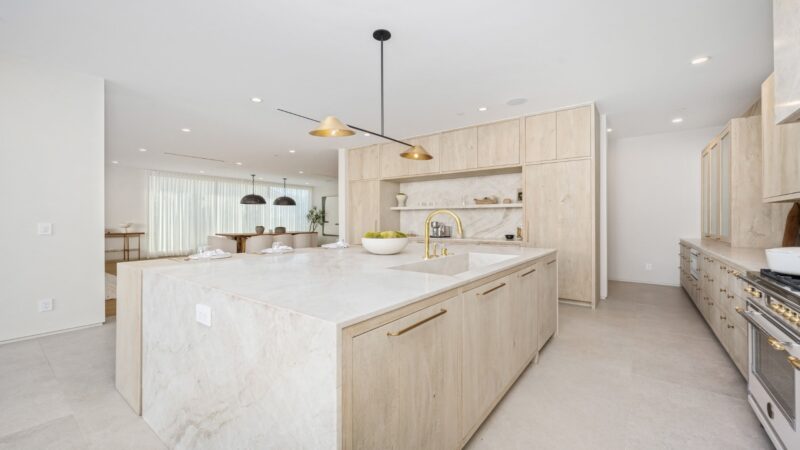
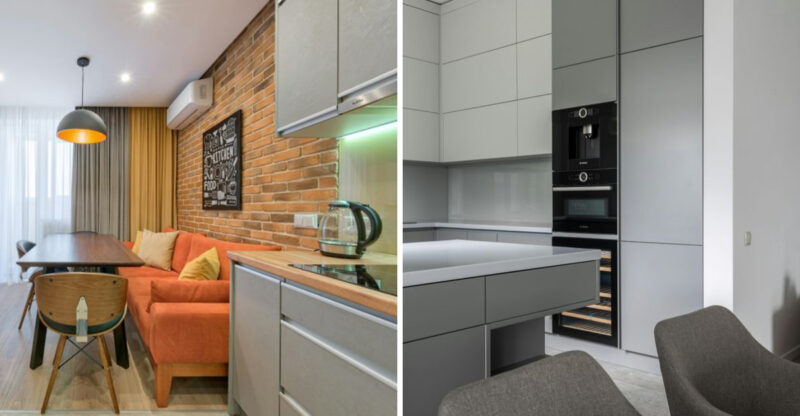
Sleek, polished surfaces that once dominated modern design are making way for something warmer and more grounded.
Natural textures like rough-hewn wood, stone, and woven fibers are taking center stage, bringing a sense of comfort and authenticity into living spaces across the state.
1. Emphasis on Natural Materials
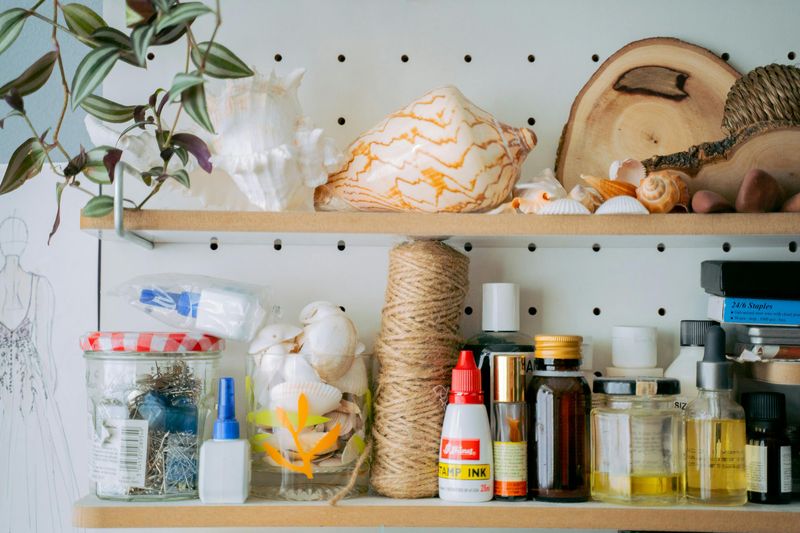
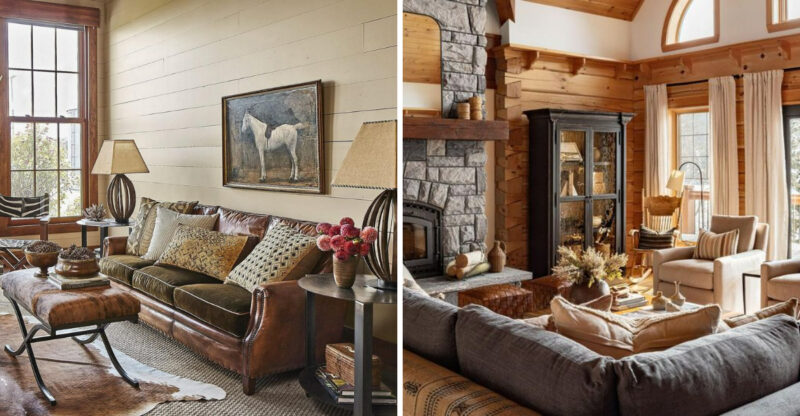
Reclaimed wood beams, stacked stone accent walls, and woven jute rugs are showing up in more Colorado homes than ever before.
Homeowners are reaching for materials that tell a story and add layers of visual interest to their rooms.
These elements create a bridge between indoor comfort and the rugged beauty just outside the window.
A dining table made from salvaged barn wood or a fireplace framed in river rock feels less like decoration and more like a natural extension of the landscape.
Natural materials also age gracefully, developing character over time rather than looking worn out.
They bring warmth to spaces that might otherwise feel cold or sterile, making every room feel a little more lived-in and loved.
2. Sustainable Design Practices
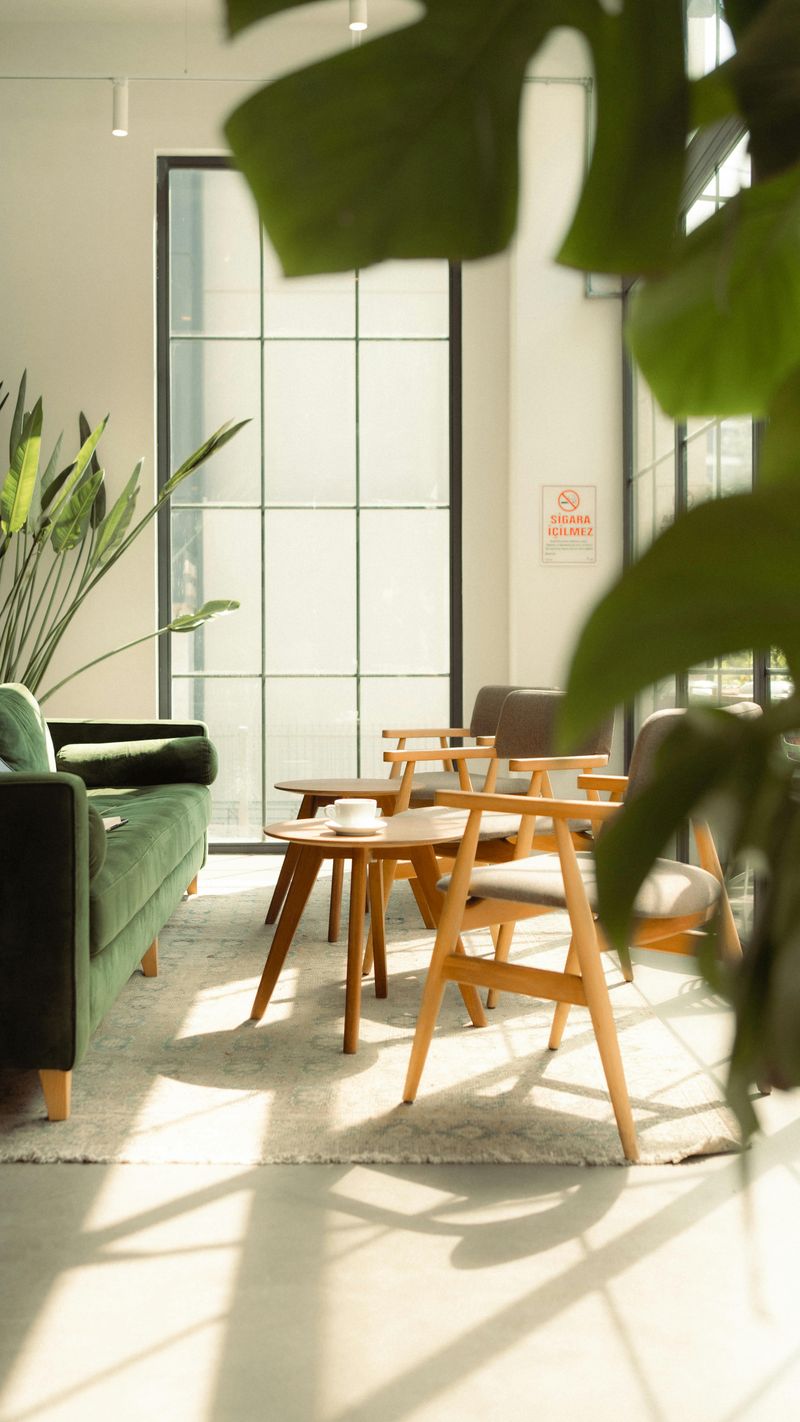
Choosing eco-friendly materials has become more than a trend it reflects a commitment to the planet and future generations.
Many Colorado homeowners are selecting finishes that reduce environmental impact while creating healthier indoor spaces.
Bamboo flooring, recycled glass countertops, and low-VOC paints are just a few examples of sustainable choices gaining popularity.
These materials often come from renewable sources or repurpose existing resources, cutting down on waste and energy consumption.
Beyond the environmental benefits, sustainable design can also mean lower utility bills and improved air quality.
Homes built with thoughtful, earth-friendly materials tend to feel fresher and more comfortable, proving that doing good can also feel really good.
3. Biophilic Design Principles
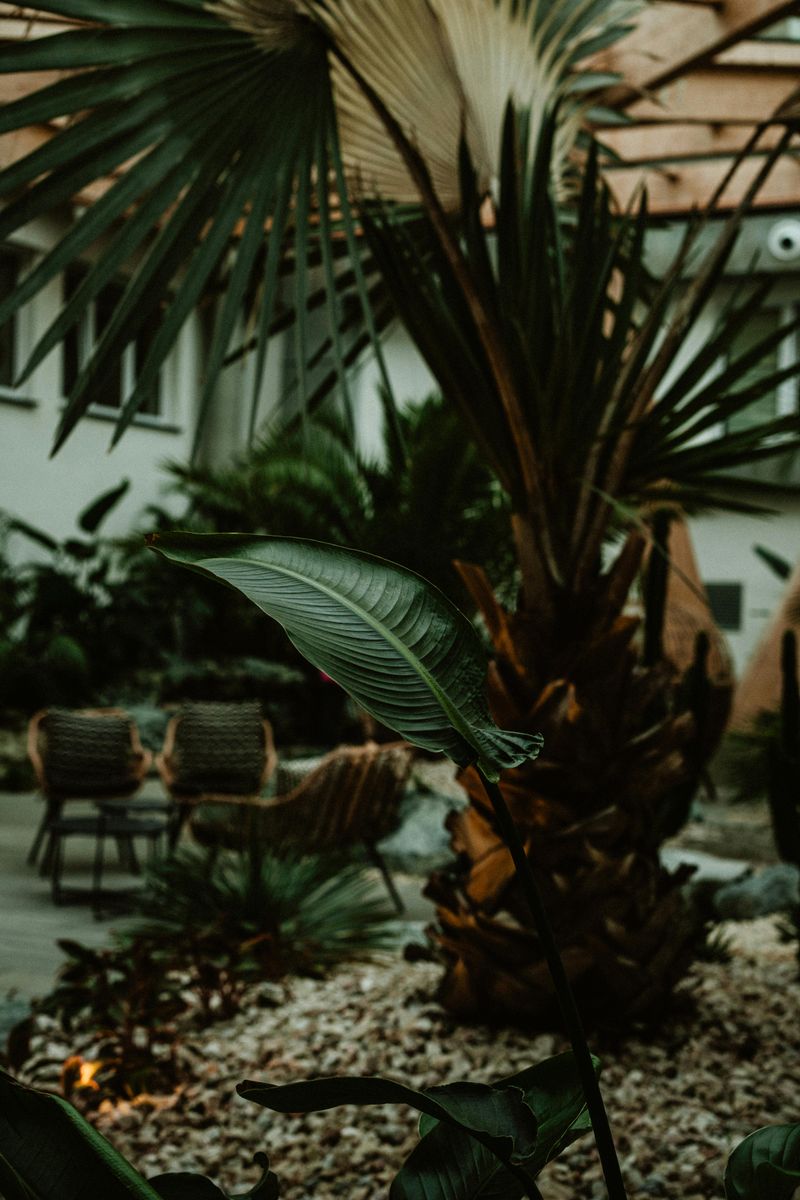
Bringing the outdoors in has become a guiding principle for many Colorado homeowners who want their spaces to feel calm and restorative.
Biophilic design focuses on connecting people with nature through thoughtful use of plants, natural light, and organic materials.
Large windows that frame mountain views, indoor gardens, and natural wood furniture all contribute to this approach.
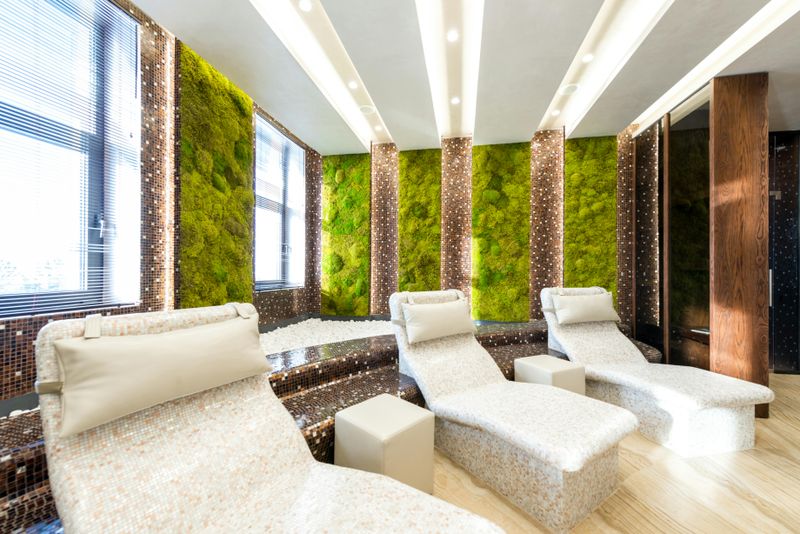
Even small touches like a moss wall or a collection of potted succulents can make a room feel more alive and welcoming.
Studies suggest that these nature-inspired spaces may help reduce stress and boost mood.
For residents in Boulder, Longmont, and beyond, creating a home that mirrors the beauty outside feels both practical and deeply satisfying.
4. Color Trends Reflecting Natural Tones
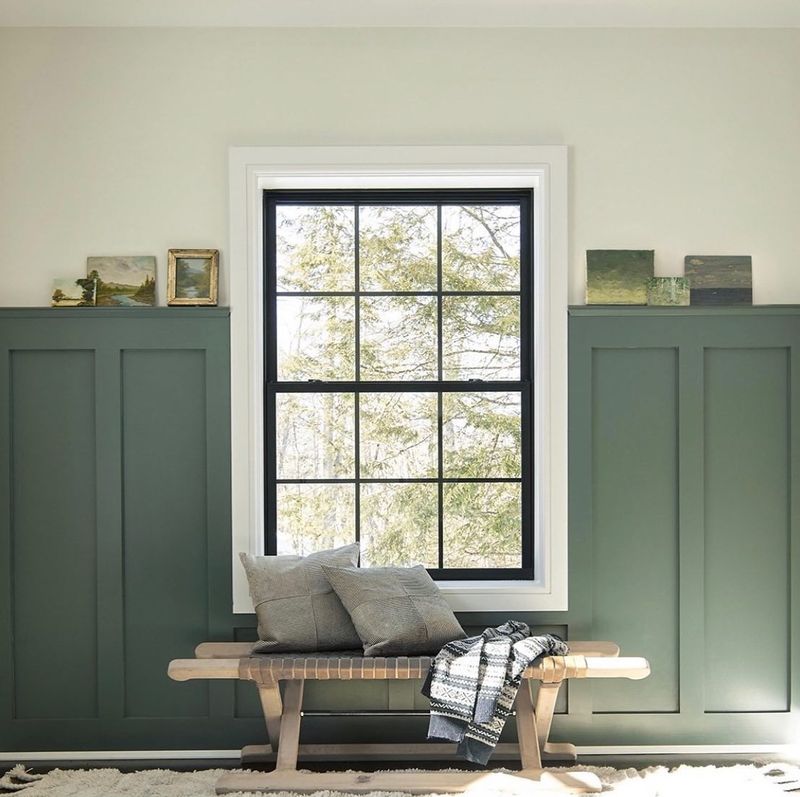
Earthy paint colors are replacing stark whites and cool grays in Colorado homes this year. Shades like smoky jade, warm terracotta, and soft sage bring depth and serenity to walls, creating a backdrop that feels grounded and inviting.
Behr’s 2026 Color of the Year, Hidden Gem, is a perfect example a blend of blue, green, and gray that evokes misty mornings in the Rockies.
These hues work beautifully with natural textures, enhancing the organic feel of wood, stone, and linen.
Choosing colors inspired by nature also makes it easier to decorate and accessorize.
Everything from throw pillows to artwork seems to fall into place when the walls reflect the tones found in forests, rivers, and mountain meadows.
5. Enhanced Indoor Air Quality
Synthetic finishes and furnishings can release volatile organic compounds, or VOCs, which may affect indoor air quality over time.
Natural materials like solid wood, stone, and organic fabrics typically emit far fewer of these chemicals.
Choosing low-VOC or zero-VOC options helps create a healthier home environment, especially important for families with young children, pets, or anyone with sensitivities.
Cleaner air can mean better sleep, fewer headaches, and an overall sense of well-being.
Colorado’s high altitude and dry climate make air quality even more noticeable.
Homes filled with natural textures often feel fresher and more breathable, offering a welcome retreat from the outside world.
6. Timeless Aesthetic Appeal
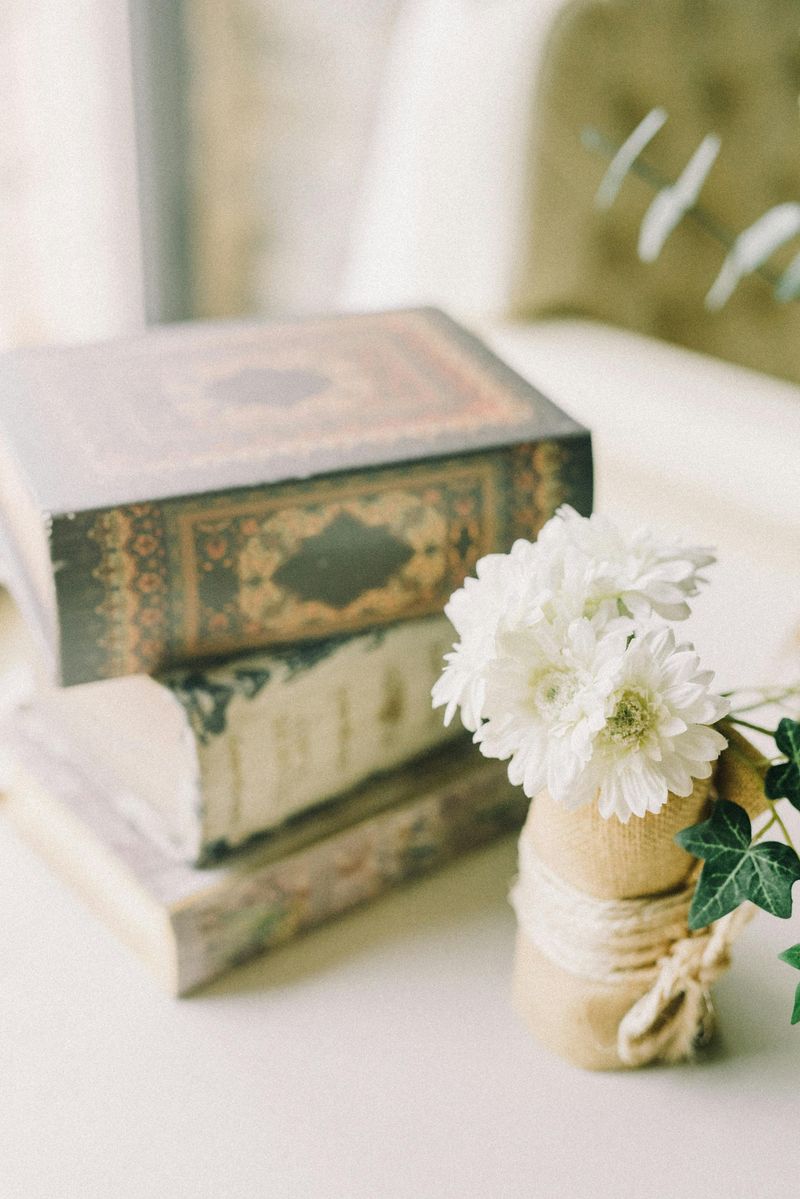
Design trends come and go, but natural textures have a staying power that transcends fleeting fads.
A home filled with wood, stone, and natural fibers will look just as beautiful in ten years as it does today.
This timeless quality makes decorating easier and less stressful.
There’s no need to constantly update or replace finishes to keep up with the latest styles, which saves both money and effort.
Natural materials also provide a versatile foundation that works with many different decor styles.
Whether leaning toward rustic farmhouse, modern minimalism, or something in between, these textures adapt and complement rather than compete.
7. Connection to Local Culture and Heritage
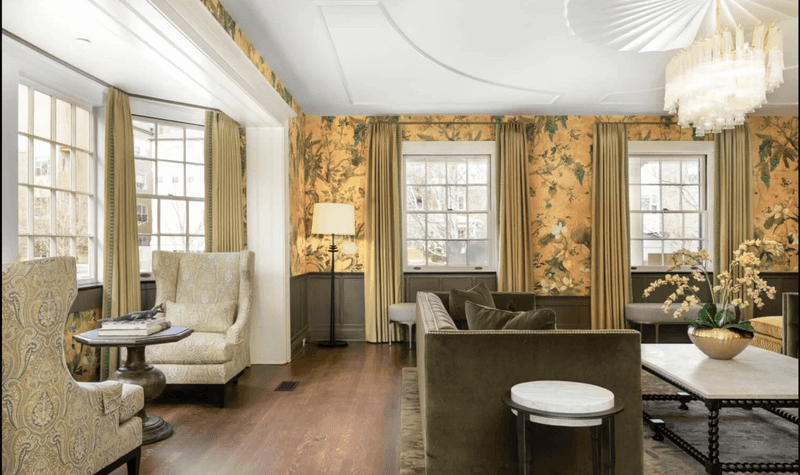
Colorado’s history is deeply tied to mining, ranching, and outdoor adventure, and many homeowners are honoring that heritage through their design choices.
Locally sourced stone, reclaimed barn wood, and handcrafted metalwork tell the story of the region.
Using materials from nearby sources also supports local artisans and reduces the carbon footprint associated with shipping.
It creates a sense of place and pride, making a house feel rooted in its surroundings.
Visitors often notice the authenticity these choices bring.
A home that reflects Colorado’s cultural identity feels warm, welcoming, and genuinely unique, rather than copied from a generic design magazine.
8. Improved Acoustic Properties
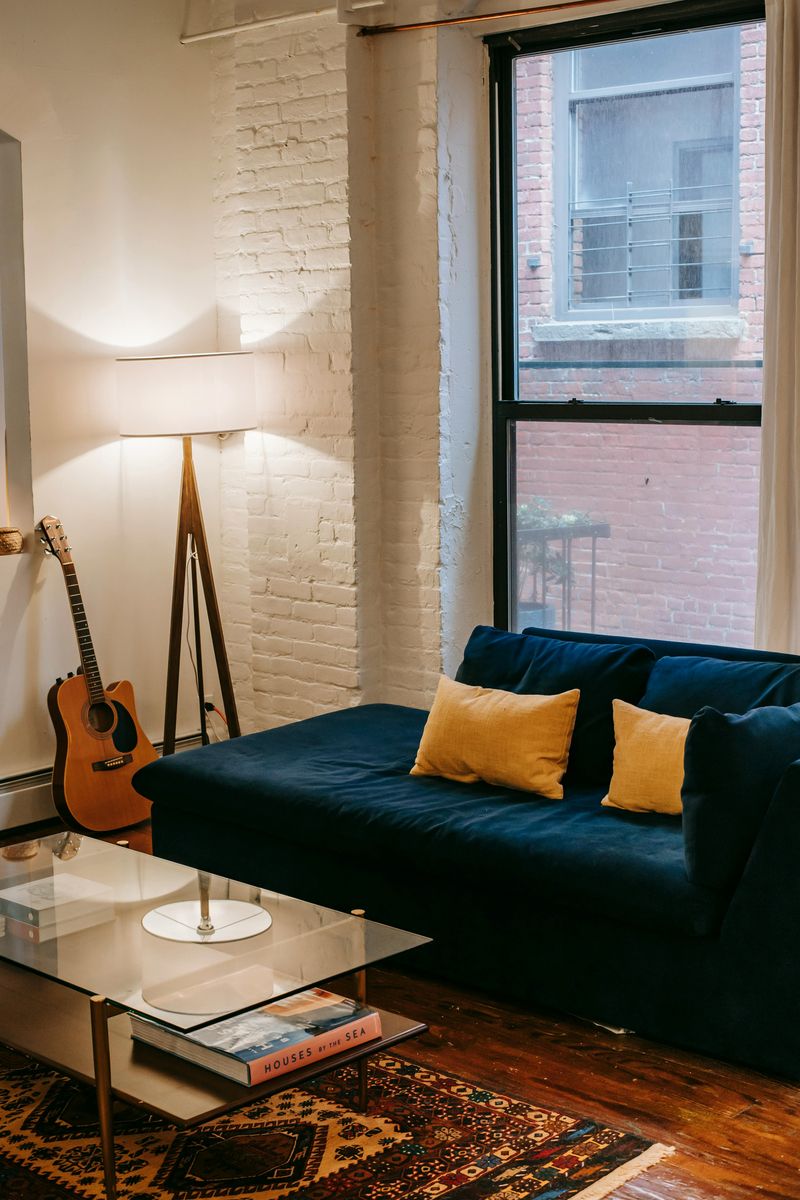
Hard, sleek surfaces like tile and glass can create echo and amplify noise, making homes feel louder and less peaceful.
Natural materials like wood, cork, and wool absorb sound, creating quieter and more comfortable living spaces.
This is especially helpful in open-concept floor plans, where sound can travel easily from room to room.
Adding a wool rug, wood ceiling beams, or upholstered furniture can make a noticeable difference in how a space feels.
Better acoustics contribute to a calmer atmosphere, which is ideal after a long day of work or play.
Homes that feel quieter and more serene are easier to relax in, making natural textures a practical choice for comfort.
9. Increased Property Value
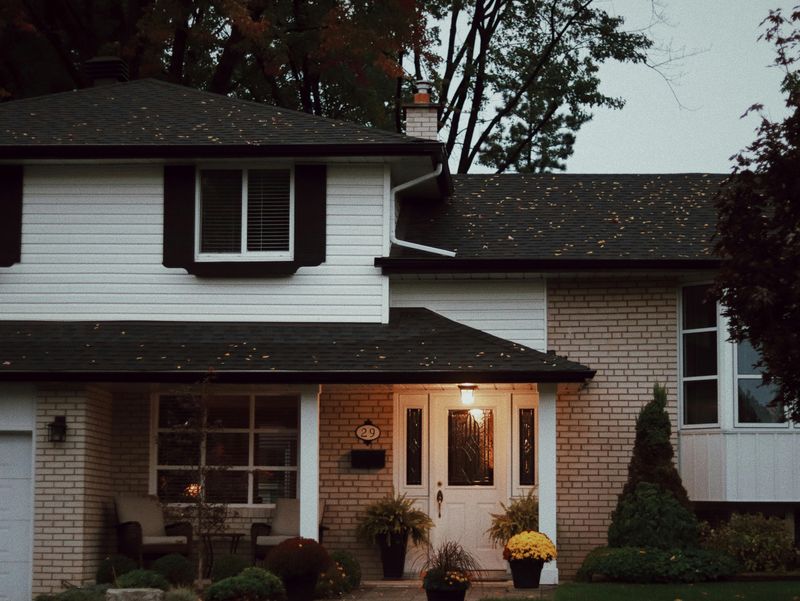
Buyers are willing to pay more for homes that feature high-quality natural materials and sustainable design elements.
These features signal care, craftsmanship, and long-term value, making properties more attractive on the market.
Homes with hardwood floors, stone countertops, and energy-efficient systems often sell faster and at higher prices than those with cheaper, synthetic finishes.
The investment in natural textures can pay off significantly when it’s time to move.
Even if selling isn’t on the horizon, knowing that a home holds its value brings peace of mind.
Natural materials are an investment in both daily comfort and future financial security.
10. Adaptability to Various Design Styles
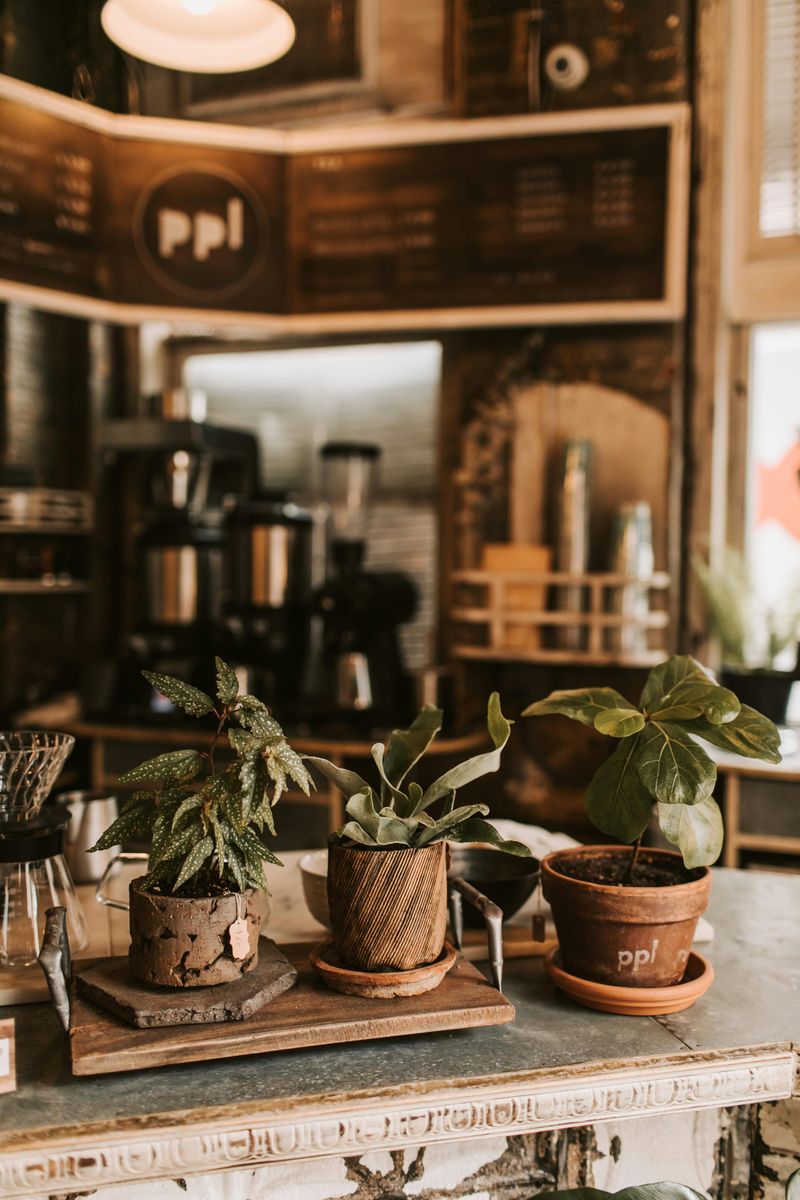
One of the best things about natural textures is how easily they blend with different design aesthetics.
A reclaimed wood accent wall works just as well in a sleek, modern loft as it does in a cozy mountain cabin.
Stone, leather, linen, and wood all have a neutral quality that allows them to serve as either a bold focal point or a subtle backdrop.
This versatility makes redecorating simple and fun, without needing to start from scratch.
Homeowners can experiment with color, pattern, and style while keeping the foundation grounded in natural materials.
This flexibility ensures that spaces can evolve over time without losing their sense of warmth and authenticity.
11. Enhanced Comfort and Warmth
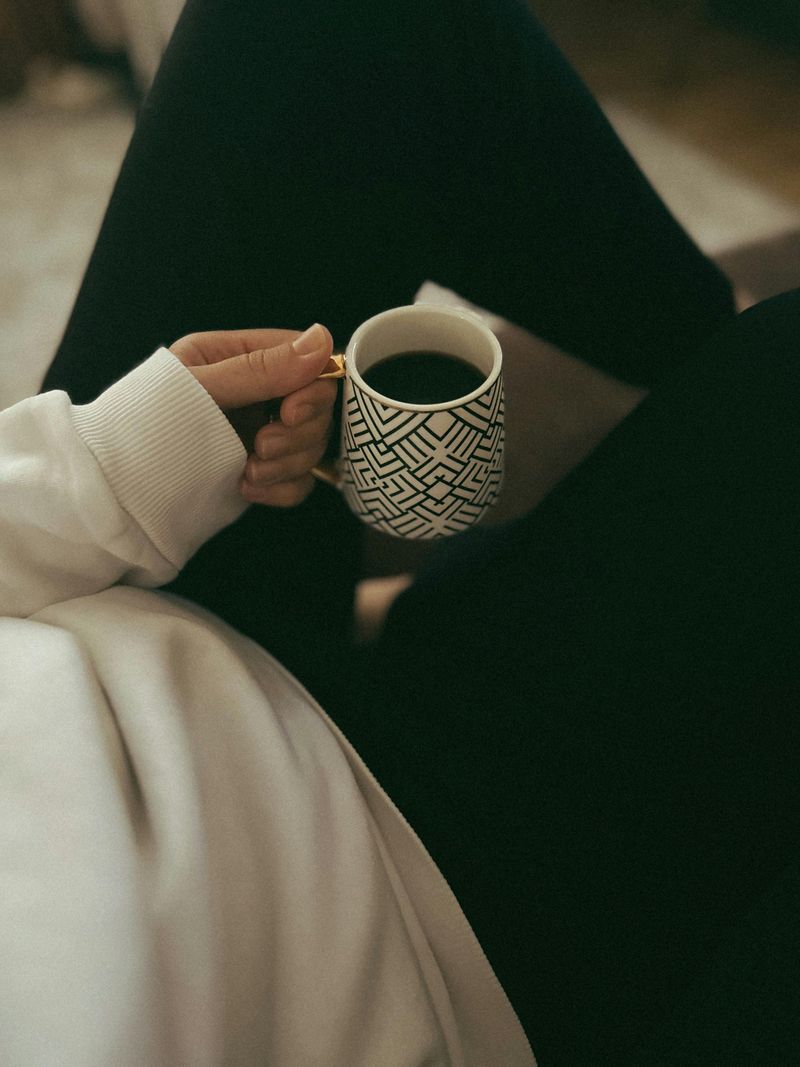
Walking barefoot on a hardwood floor or curling up on a linen sofa just feels better than sitting on cold tile or slick leather.
Natural materials have an inherent warmth that makes homes more inviting and comfortable.
Textures like wool, cotton, and wood engage the senses in a way that synthetic finishes simply can’t.
They invite touch, encourage relaxation, and create an atmosphere where people want to linger and unwind.
This sense of coziness is especially important in Colorado, where winters can be long and cold.
A home filled with natural textures becomes a true sanctuary, offering comfort and refuge from the elements outside.