15 Reasons The Russell–Brasstown Scenic Byway Is One Of North Georgia’s Most Beautiful Drives
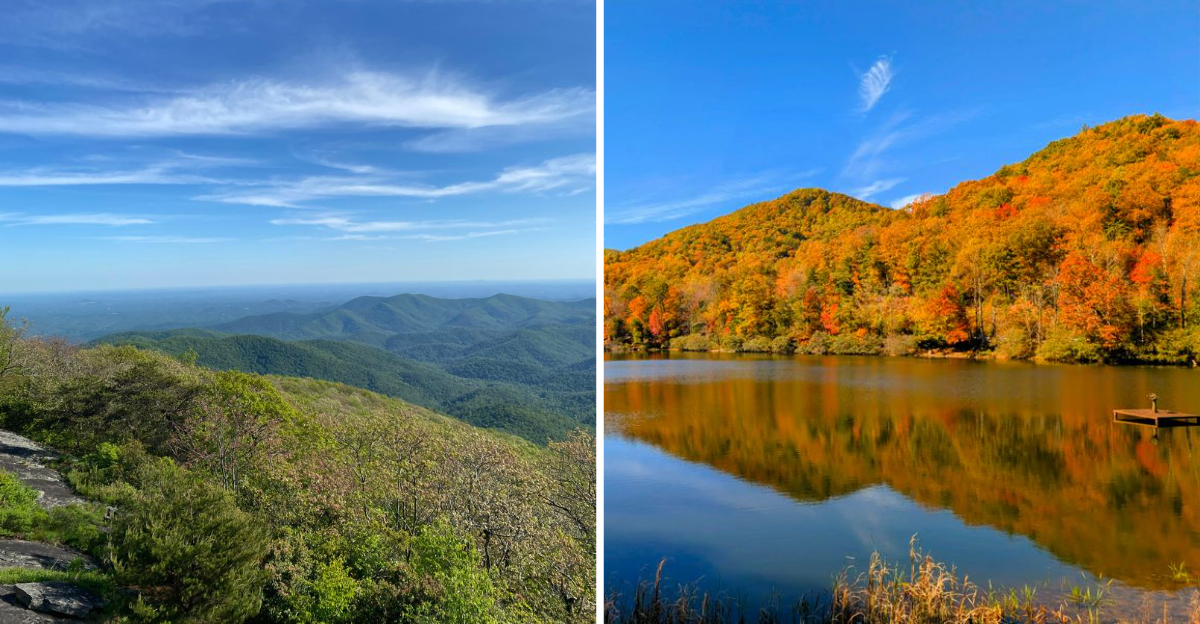
Winding through the heart of North Georgia’s stunning mountain landscape, the Russell–Brasstown Scenic Byway offers one of the most breathtaking drives you’ll ever experience.
This 41-mile route takes you past towering peaks, cascading waterfalls, and charming mountain communities that seem frozen in time.
Whether you’re a nature lover, photography enthusiast, or simply looking for an unforgettable road trip, this scenic byway delivers beauty around every curve.
1. Brasstown Bald Summit Views
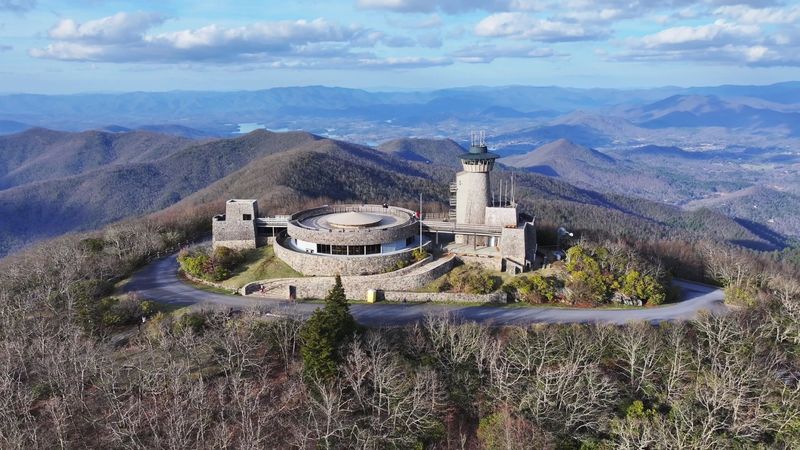
Standing at 4,784 feet, Georgia’s highest point rewards visitors with panoramic views that stretch across four states on clear days. You’ll find the summit accessible via a steep paved trail or a convenient shuttle bus that runs during peak seasons. The visitor center at Brasstown Bald, located at 2941 Georgia Highway 180 Spur, Hiawassee, GA 30546, provides fascinating exhibits about the mountain’s ecology and history.
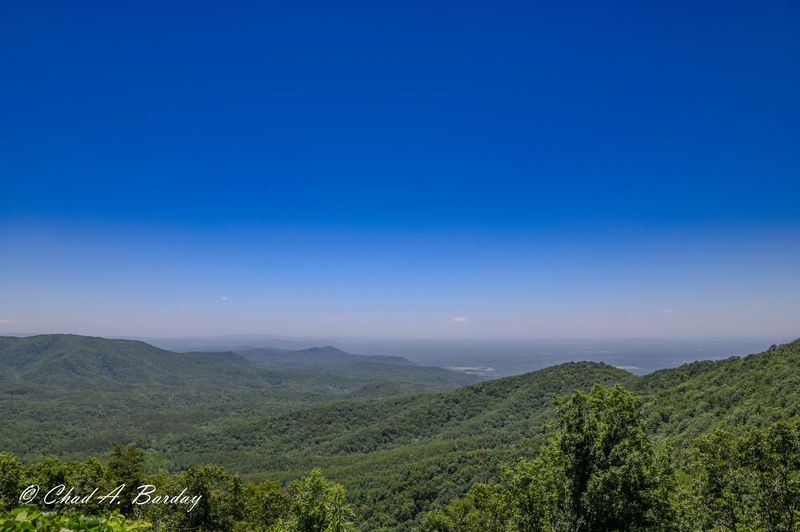
Looking out from the observation deck feels like standing on top of the world. The Appalachian Mountains roll away in every direction, creating layers of blue-tinted ridges that fade into the horizon. On exceptionally clear days, you can spot landmarks in Tennessee, North Carolina, and South Carolina.
Sunrise and sunset transform the landscape into something magical. Golden light bathes the valleys below while shadows dance across distant peaks. Plan your visit during fall when the foliage creates a spectacular quilt of reds, oranges, and yellows across the mountainsides.
2. Twisting Mountain Roads Through Appalachian Terrain
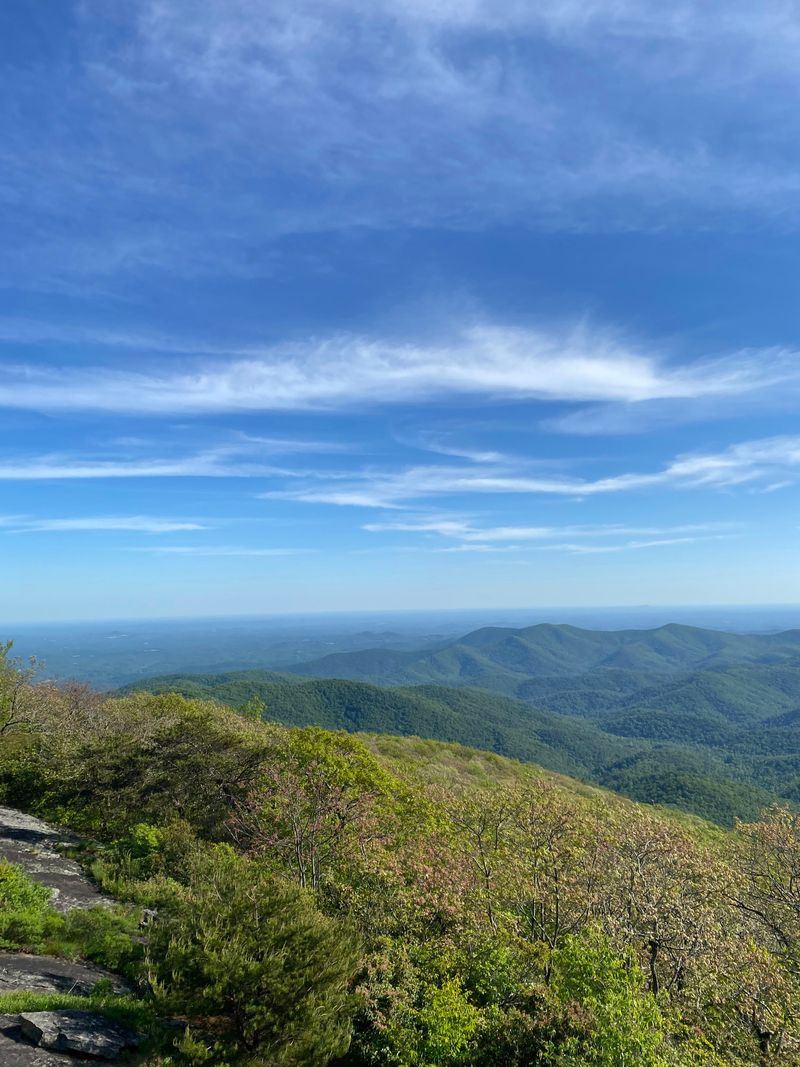
Hairpin turns and elevation changes make this drive an adventure for anyone who loves mountain roads. The byway climbs and descends dramatically, offering new perspectives with each switchback. Your vehicle will hug the mountainside as you navigate curves that reveal stunning vistas around every bend.
Experienced drivers appreciate the challenge while passengers enjoy the constantly changing scenery. The road surface remains well-maintained throughout the year, though extra caution helps during winter months when ice can form in shaded areas. Speed limits adjust to match the terrain, keeping everyone safe while still allowing you to enjoy the journey.
Motorcyclists particularly love this route for its technical challenges and scenic rewards. Sports car enthusiasts also rank it among their favorite Georgia drives. Remember to use pullouts when slower traffic backs up behind you, allowing others to pass safely while you continue enjoying the mountain experience at your own pace.
3. Vogel State Park Natural Beauty
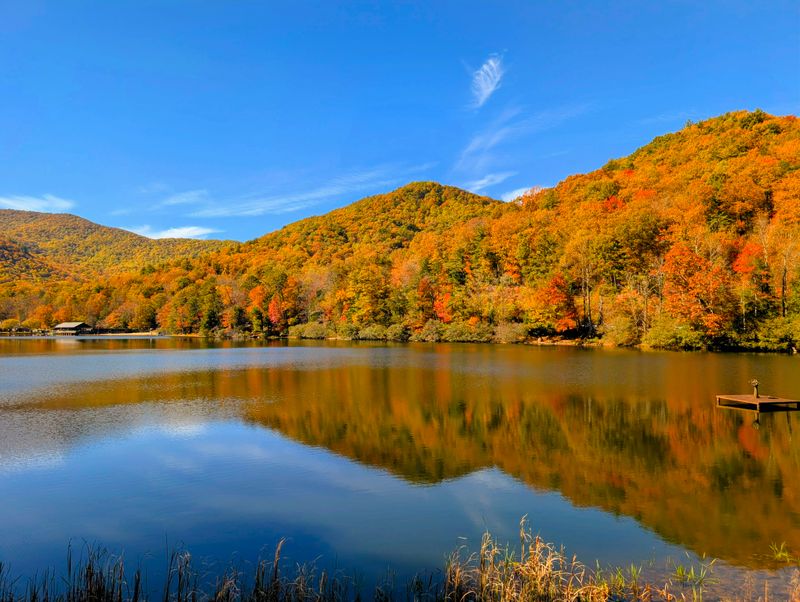
Nestled at the base of Blood Mountain, this beloved state park offers 233 acres of pristine wilderness perfect for exploration. Lake Trahlyta sparkles at the heart of the park, surrounded by hiking trails that range from easy lakeside strolls to challenging mountain climbs. You’ll discover the park entrance at 405 Vogel State Park Road, Blairsville, GA 30512, where friendly rangers provide trail maps and activity information.
Swimming beaches attract families during summer months while fall brings leaf-peepers from across the region. The park’s cabins and campsites book up quickly, especially during peak foliage season. Picnic areas scattered throughout the grounds provide perfect spots for lunch with mountain views.
Trout fishing keeps anglers busy year-round in the park’s cold mountain streams. Children love the miniature golf course and playground facilities. Winter transforms the landscape into a peaceful wonderland where you can enjoy the mountains without summer crowds.
4. Seasonal Foliage Displays
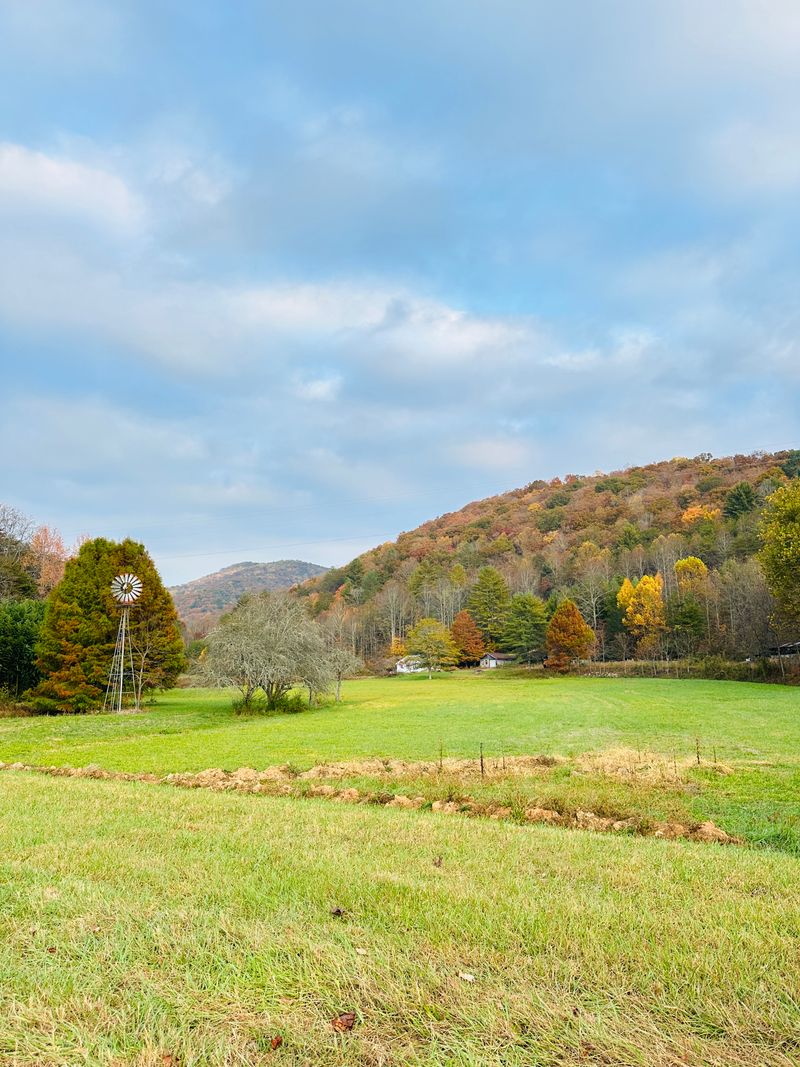
Few places in Georgia rival this byway for autumn color intensity and variety. Maples, oaks, hickories, and poplars create a living kaleidoscope that peaks typically between mid-October and early November. The elevation changes along the route mean different trees turn at different times, extending the viewing season by several weeks.
Spring brings its own colorful show with mountain laurel, rhododendrons, and azaleas blooming in waves from April through June. Dogwoods add white and pink accents to the understory while wildflowers carpet forest clearings. Summer’s deep green canopy provides cool shade and a lush backdrop for waterfalls and rock formations.
Winter strips away the leaves to reveal the mountain’s bones. Rock outcroppings become visible, and distant views extend much farther than during other seasons. Occasional snow transforms the landscape into a monochrome masterpiece where every tree branch carries a white frosting.
5. Dukes Creek Falls Waterfall Access
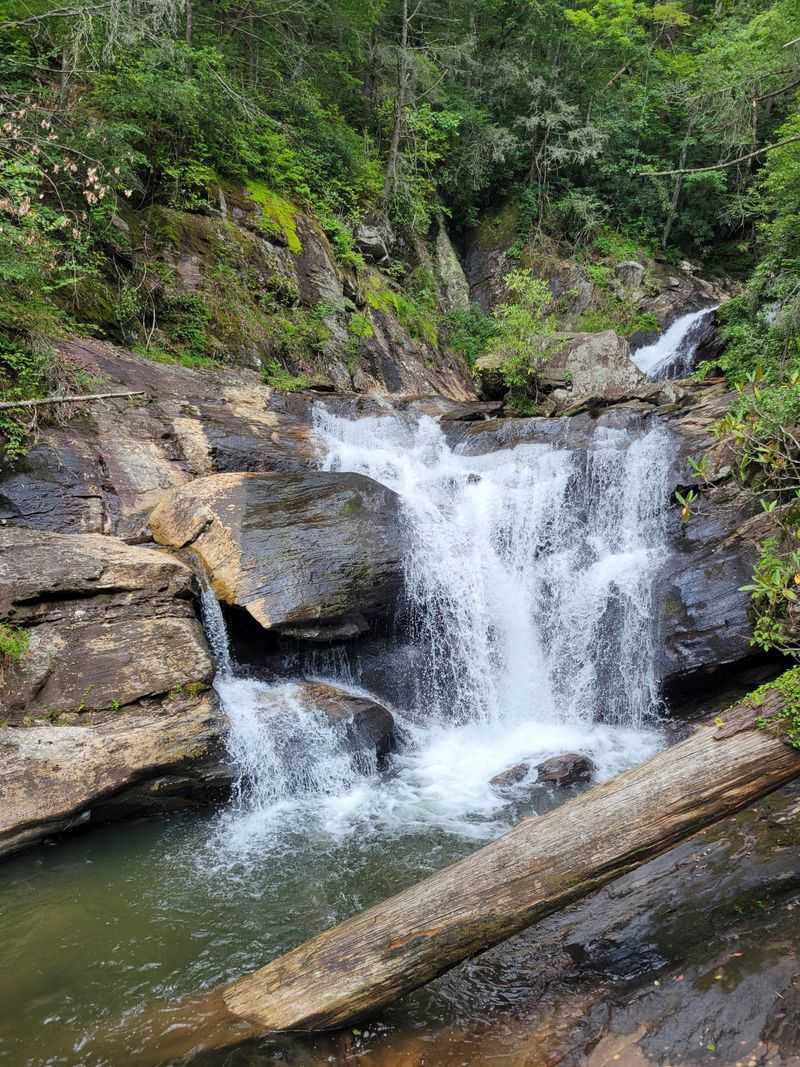
Cascading 300 feet down a rocky gorge, this impressive waterfall rewards hikers with one of North Georgia’s most photographed natural wonders. A well-maintained trail descends through hardwood forest for about two miles round-trip, making it accessible for most fitness levels. The trailhead sits just off the byway at 4000 Richard Russell Scenic Highway, Helen, GA 30545, with ample parking and restroom facilities.
Multiple observation decks provide different perspectives of the falls. The upper deck offers a distant view of the entire cascade while lower platforms bring you closer to the thundering water. Mist from the falls cools the air even on hot summer days, creating a refreshing microclimate.
Photography enthusiasts should bring tripods for long-exposure shots that transform the water into silky ribbons. Spring runoff increases the water volume dramatically, making the falls more powerful but also louder. Fall colors frame the waterfall beautifully, though the trail can get slippery with wet leaves.
6. Wildlife Viewing Opportunities
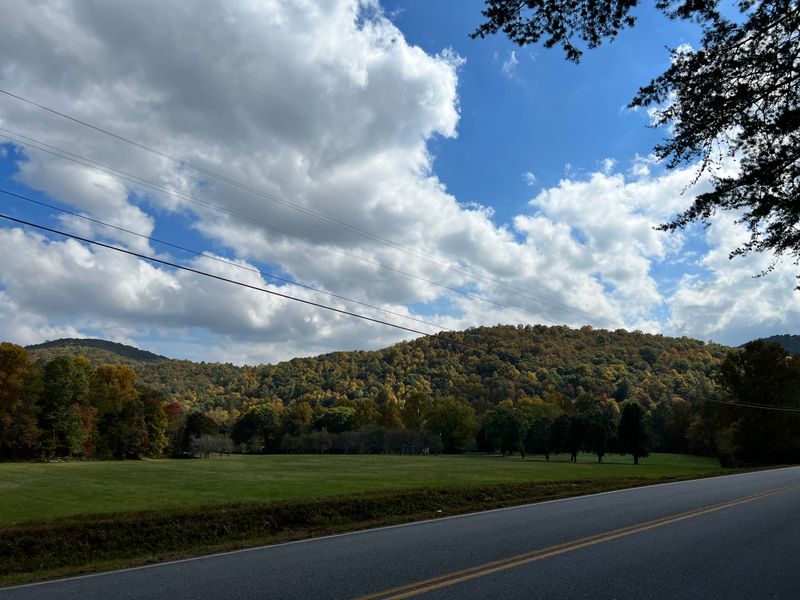
Black bears roam these mountains in healthy numbers, especially during berry season when they forage along forest edges. White-tailed deer appear frequently at dawn and dusk, often grazing in meadows or crossing the road. Wild turkeys strut through clearings while ruffed grouse explode from roadside undergrowth when disturbed.
Bird watchers bring binoculars to spot hawks riding thermal currents above the ridges. Songbirds fill the forest with music during spring migration, and woodpeckers hammer on dead trees year-round. Patient observers might glimpse a bobcat or fox, though these shy creatures typically avoid human contact.
Always maintain safe distances from wildlife and never feed animals. Bears that become accustomed to human food often must be relocated or euthanized. Keep your camera ready but your snacks secured.
Early morning drives offer the best chances for wildlife encounters when animals are most active and traffic remains light.
7. Historic Mountain Communities Along The Route
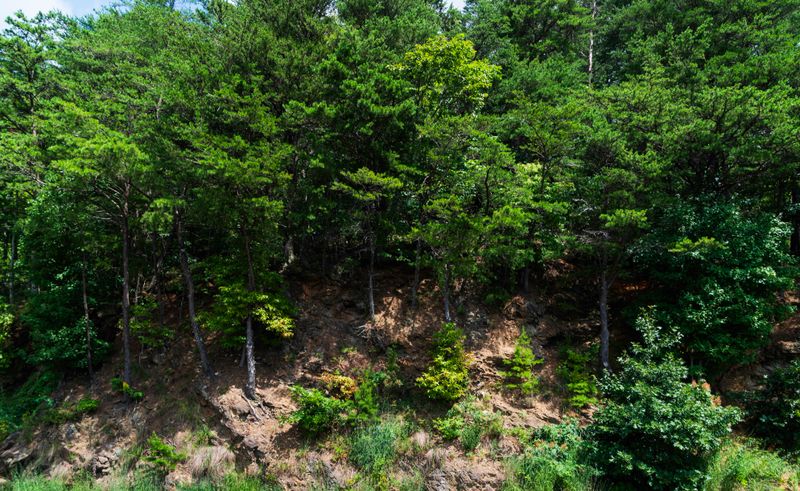
Small towns like Helen, Blairsville, and Hiawassee preserve mountain heritage while welcoming modern visitors. Each community offers unique character, from Helen’s Bavarian-themed architecture to Blairsville’s traditional courthouse square. Local shops sell handcrafted items made by regional artisans who continue generations-old traditions.
Downtown areas feature restaurants serving Southern comfort food alongside international cuisines. Antique stores overflow with treasures from Appalachian history, and galleries showcase work by talented mountain artists. Farmers markets operate seasonally, offering fresh produce, honey, and homemade preserves.
Stop at visitor centers to learn about each town’s history and upcoming events. Many communities host festivals celebrating everything from bluegrass music to apple harvests. The friendly locals often share stories about growing up in these mountains and recommendations for hidden gems tourists typically miss.
These interactions add depth to your byway experience beyond just scenic views.
8. Appalachian Trail Crossings
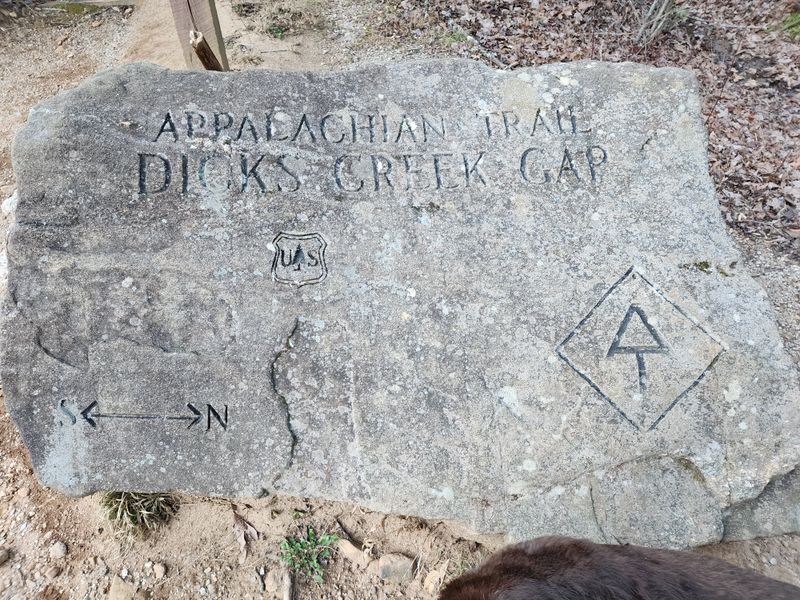
America’s most famous long-distance hiking trail crosses the byway at multiple points, offering opportunities to meet thru-hikers on their epic journey. Neels Gap, located at 9710 Gainesville Highway, Blairsville, GA 30512, serves as a crucial resupply point where the trail actually passes through a building. The Mountain Crossings outfitter there provides gear, advice, and trail magic to weary hikers.
Short day hikes from these crossing points let you experience the Appalachian Trail without committing to a multi-day trek. White blazes mark the trail as it climbs Blood Mountain and traverses rocky ridgelines. Trail registers contain entries from hikers documenting their adventures, offering glimpses into the AT community’s unique culture.
Spring brings northbound thru-hikers fresh from their Springer Mountain start, while fall sees southbounders completing their journey. Chatting with these adventurers provides inspiration and fascinating stories from the trail. Always practice trail etiquette by yielding to backpackers and staying on marked paths.
9. Roadside Overlooks And Photo Stops
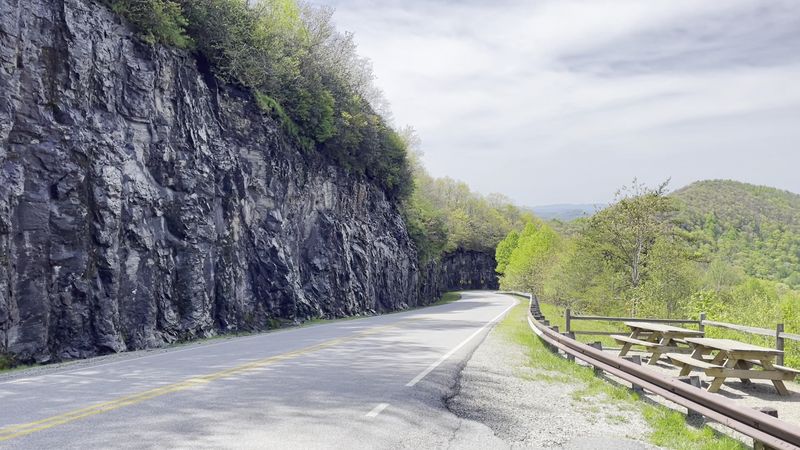
Strategically placed pullouts dot the byway, providing safe spots to stop and absorb the mountain majesty. These overlooks range from small gravel turnouts to developed areas with picnic tables and interpretive signs. Each offers different perspectives on the surrounding landscape, whether sweeping valley views or intimate forest scenes.
Photographers appreciate the variety of compositions available from these vantage points. Morning light illuminates eastern-facing valleys while afternoon sun highlights western ridges. Cloud formations add drama to mountain scenes, and fog sometimes fills valleys below overlooks, creating an ethereal sea of white.
Pack a picnic lunch to enjoy at one of these scenic spots rather than rushing through your drive. Bring layers since temperatures at overlooks can be significantly cooler than in valleys below, especially on windy days. Clean up thoroughly and pack out all trash to preserve these beautiful spaces for future visitors who deserve the same pristine experience.
10. Trout Fishing In Mountain Streams
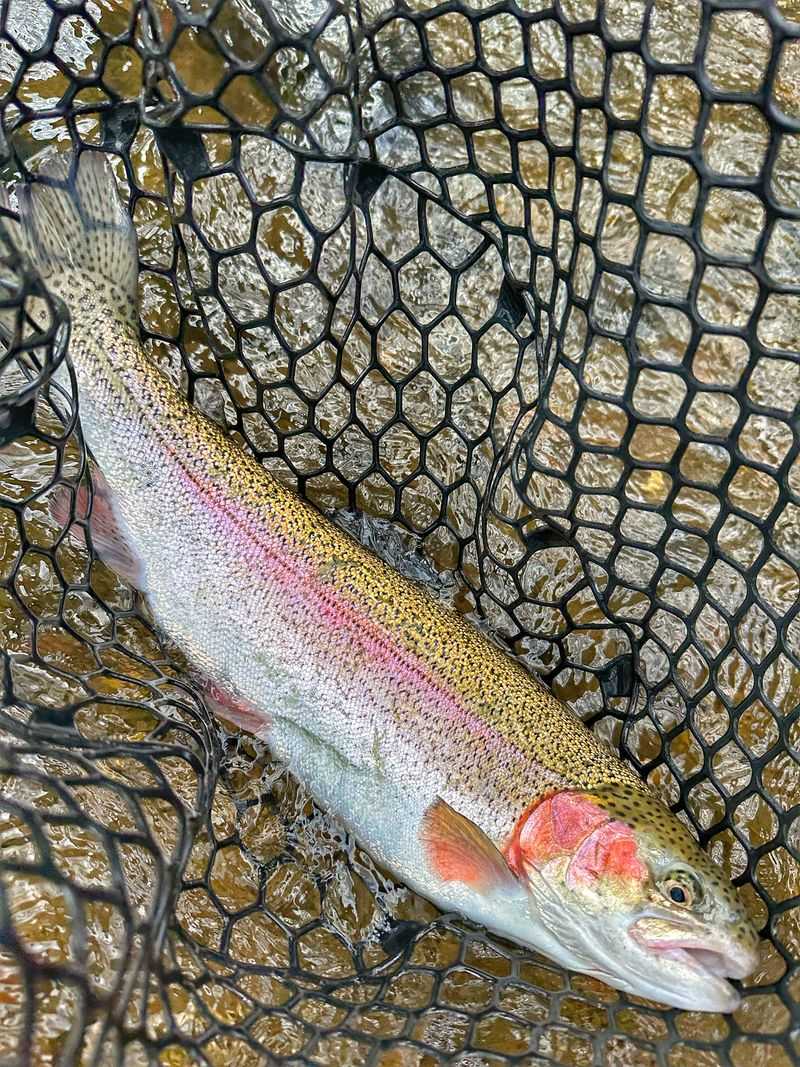
Cold, clear creeks tumbling down from mountain heights provide excellent habitat for rainbow, brown, and brook trout. Many streams along the byway offer public fishing access where you can cast for these beautiful fish. Georgia requires appropriate fishing licenses, and some areas have special regulations about catch limits and bait restrictions.
Fly fishing enthusiasts find challenging conditions that test their skills against wary mountain trout. Spin fishers also succeed using small lures or live bait in deeper pools. Spring and fall typically provide the best fishing, though summer mornings can be productive before water temperatures rise.
Local outfitters offer guided trips for those unfamiliar with mountain stream fishing techniques. They provide equipment, expertise, and knowledge of current conditions. Even if fishing isn’t your passion, watching experienced anglers work these streams provides entertainment.
The sound of rushing water and the sight of successful catches add another dimension to your byway experience.
11. Wildflower Meadows In Spring And Summer
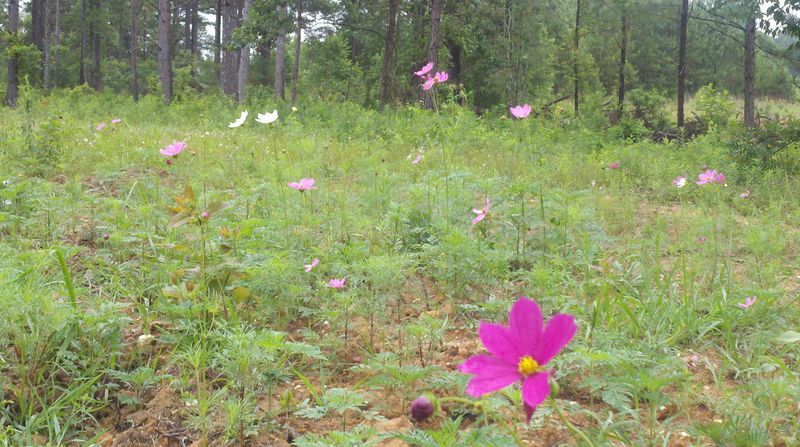
Mountain meadows burst into color when wildflowers bloom in waves from April through August. Early spring brings trilliums, bloodroot, and spring beauties carpeting the forest floor. As temperatures warm, flame azaleas splash orange across hillsides while mountain laurel creates pink and white canopies along streams.
Summer wildflowers include black-eyed Susans, bee balm, and various asters that attract butterflies and hummingbirds. High-elevation balds support unique plant communities found nowhere else in Georgia. These grassy summits offer both wildflower displays and spectacular views, making them double rewards for hikers willing to climb.
Botanical enthusiasts bring field guides to identify the hundreds of species found along the byway. Photography opportunities abound as flowers frame mountain vistas and provide colorful foreground elements. Never pick wildflowers, as many species are protected and all deserve to remain for others to enjoy.
Taking only photographs ensures these natural gardens continue thriving for future generations.
12. Ancient Forest Ecosystems
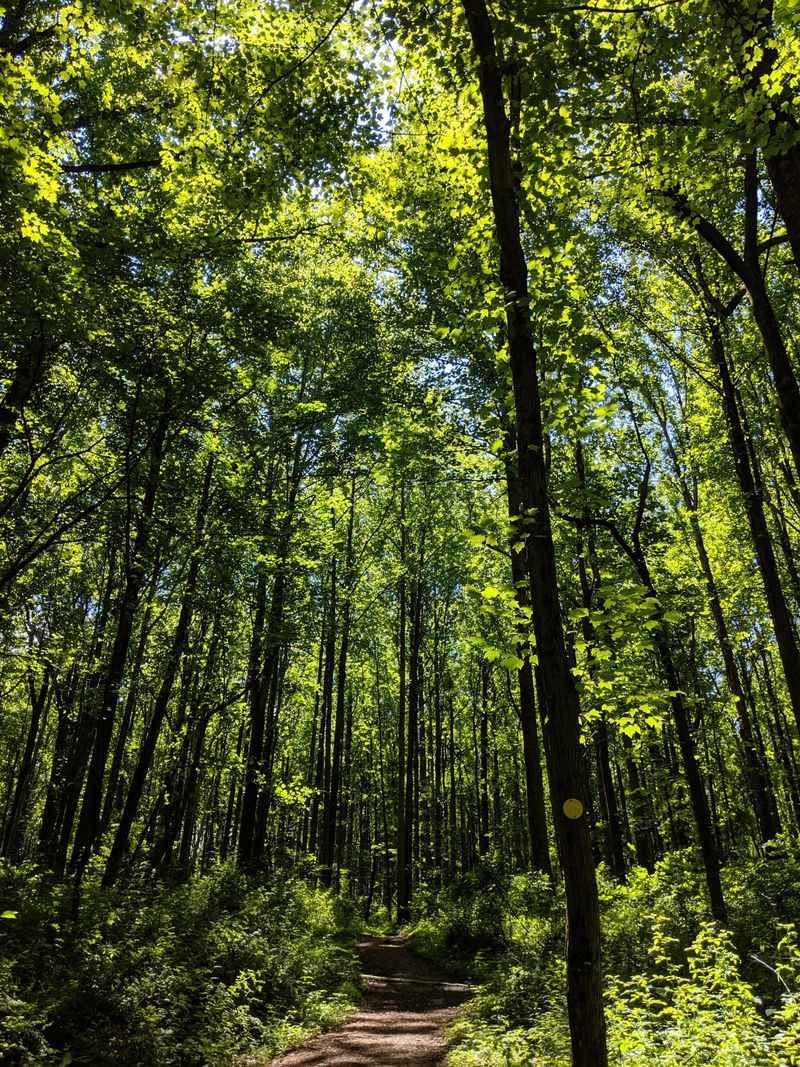
Old-growth forest pockets survive along the byway, containing trees that predate European settlement. These ecological treasures support complex communities of plants, fungi, and animals found only in mature forests. Massive trunks rise toward the canopy while fallen logs slowly decompose, returning nutrients to the soil and providing habitat for countless organisms.
Walking among these ancient giants feels like entering a cathedral built by nature over centuries. Sunlight filters through multiple canopy layers, creating dappled patterns on the forest floor. The air smells rich with earth and growing things, and bird songs echo through the understory.
Forest ecologists study these areas to understand how undisturbed mountain ecosystems function. The lessons learned help inform conservation and forest management decisions throughout the region. Respect these special places by staying on designated trails and never carving into tree bark or removing plants.
These forests took hundreds of years to develop and deserve our careful stewardship.
13. Picnic Areas With Mountain Views
Designated picnic spots along the byway provide tables, grills, and restroom facilities in scenic locations. These developed areas make perfect lunch stops where you can relax and refuel while surrounded by mountain beauty. Many sites include pavilions offering shelter from sudden mountain showers or intense midday sun.
Families appreciate the combination of amenities and natural settings these areas provide. Children can explore safely while adults prepare meals and enjoy conversations. Some locations feature short nature trails or interpretive displays that add educational value to your stop.
Pack a cooler with sandwiches, snacks, and plenty of water to enjoy at these scenic spots. Local grocery stores and delis in mountain towns offer provisions if you prefer not to pack from home. Remember that wildlife, especially bears, are attracted to food odors, so keep everything secured and clean up thoroughly.
Using bear-proof trash receptacles helps protect both animals and future visitors to these beautiful mountain picnic areas.
14. Changing Weather And Cloud Formations
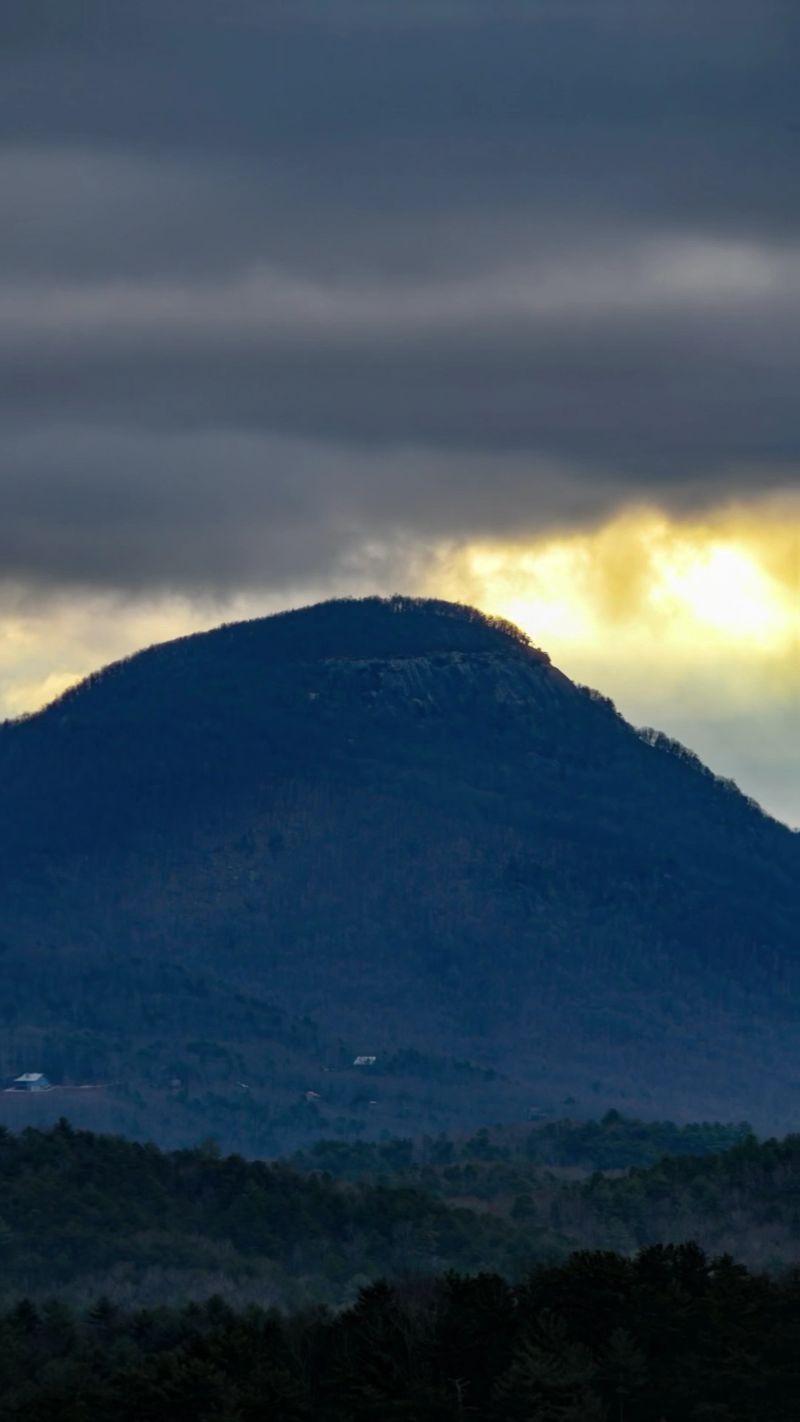
Mountain weather creates constantly evolving atmospheric displays that add drama to your drive. Clouds form and dissipate rapidly as air masses rise over ridges and cool. Fog sometimes fills valleys while summits remain clear, or low clouds may shroud peaks while lower elevations enjoy sunshine.
Afternoon thunderstorms develop frequently during summer months, building over the mountains before unleashing spectacular lightning displays. Rain showers can be intense but often pass quickly, leaving behind fresh-washed landscapes and sometimes rainbows arcing across valleys. Temperature differences between sun and shade, or valley and ridge, can exceed 20 degrees.
Weather variability means you should pack layers and rain gear regardless of morning conditions. Check forecasts before your trip, but expect the mountains to surprise you. These changing conditions create photographic opportunities as light and shadow play across the landscape.
Watching weather systems move through mountain terrain provides its own entertainment and reminds us of nature’s power and beauty in equal measure.
15. Solitude And Peaceful Mountain Atmosphere
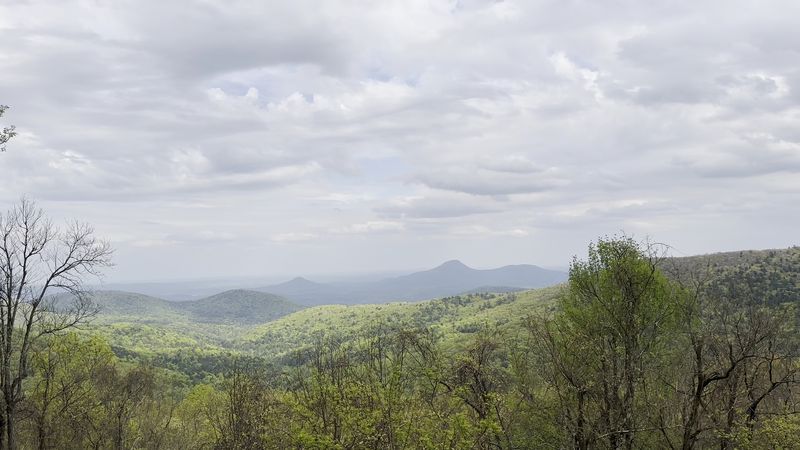
Despite its popularity, the byway offers moments of genuine solitude, especially during weekdays or off-season visits. Pull into a quiet overlook mid-morning on a Tuesday in November, and you might have the entire mountain view to yourself. The peace found in these moments provides deep refreshment for souls weary of modern life’s constant noise.
Forest silence isn’t really silent at all but filled with natural sounds: wind rustling leaves, birds calling, water tumbling over rocks. These organic rhythms calm the mind and reduce stress in ways scientifically proven by researchers. Even brief exposure to this mountain tranquility benefits mental and physical health.
Turn off your phone’s ringer and simply be present in the moment. Breathe the clean mountain air deeply and let tension drain away. The mountains have witnessed countless sunrises and will see countless more, putting our daily concerns into proper perspective.
This sense of timelessness and peace represents perhaps the byway’s greatest gift to those who slow down enough to receive it.