Rock Art Carved Thousands Of Years Ago Still Covers The Rocks At These 5 Idaho Sites
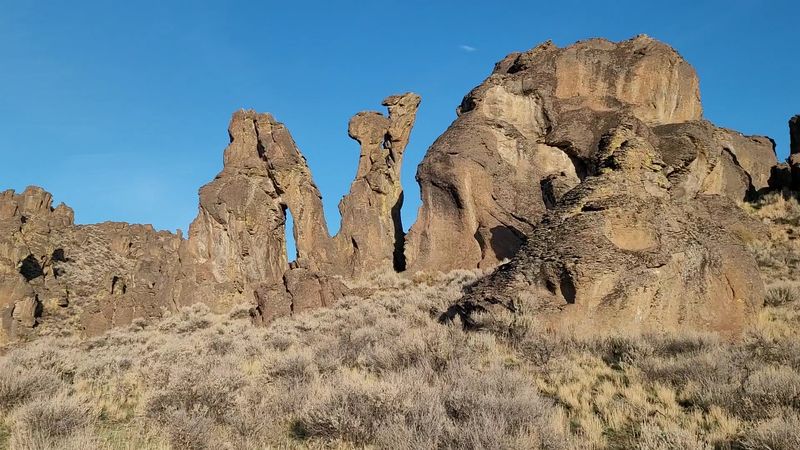
Some of the oldest art in Idaho was pecked into boulders that a flood tossed around like marbles. The Bonneville Flood roared through the Snake River Canyon about 15,000 years ago.
It left behind giant rounded rocks that people later used as canvases.
A few of those carvings may be up to 12,000 years old. That means someone stood in the same canyon, holding a harder stone, tapping out shapes one chip at a time.
I love that the work still sits outside, right where it was made.
You don’t need a museum ticket or a guide to see a lot of it. Some panels sit beside a paved trail.
Others hide under rock overhangs or perch high on canyon bluffs.
So what were these artists trying to say? Nobody knows for sure, and honestly, that mystery is half the fun of going to look.
1. Celebration Park
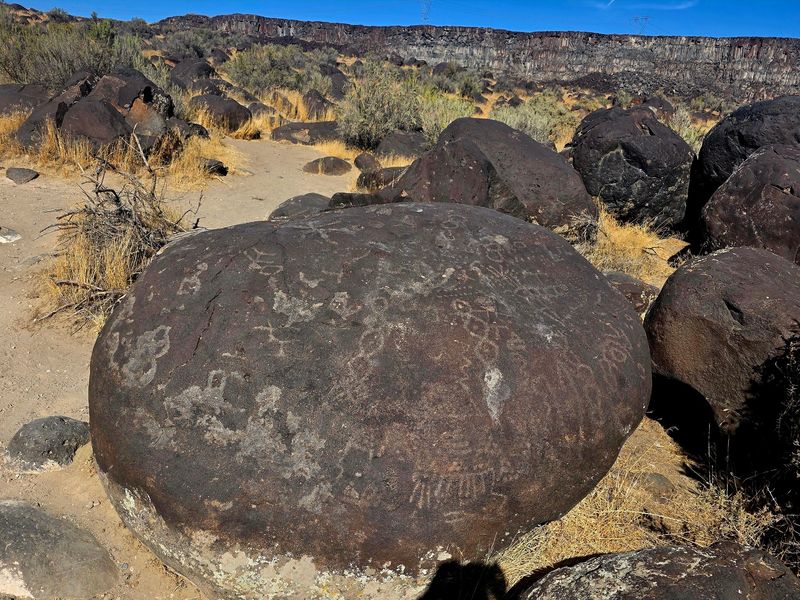
Idaho has exactly one archaeological park, and it sits in the Snake River Canyon near Melba. That alone earns it the top spot on this list.
The canvas here is a field of rounded basalt boulders known as melon gravel. The Bonneville Flood dropped them roughly 15,000 years ago, long before anyone started carving.
Petroglyphs cover many of those boulders, and an easy trail runs right past them. Signs along the way explain what you’re looking at, from the rocks themselves to the markings on them.
Want a hands-on history lesson? The park offers educational tours covering the petroglyphs and the tools ancient people used.
You can also try an atlatl, a spear-throwing tool that came before the bow and arrow. It’s harder than it looks, which gives you fresh respect for the folks who relied on it.
History keeps stacking up here. The Guffey Railroad Bridge, built in 1897, now carries walkers across the Snake River instead of trains.
Picnic tables, restrooms, and grills make it easy to turn the visit into a full day. Fishing and camping are options too, and dogs are welcome.
Parking is paid, so bring a few dollars. Check before driving if you want a tour.
Address: 5000 Victory Ln, Melba, ID 83641
2. Map Rock Petroglyphs Historic District
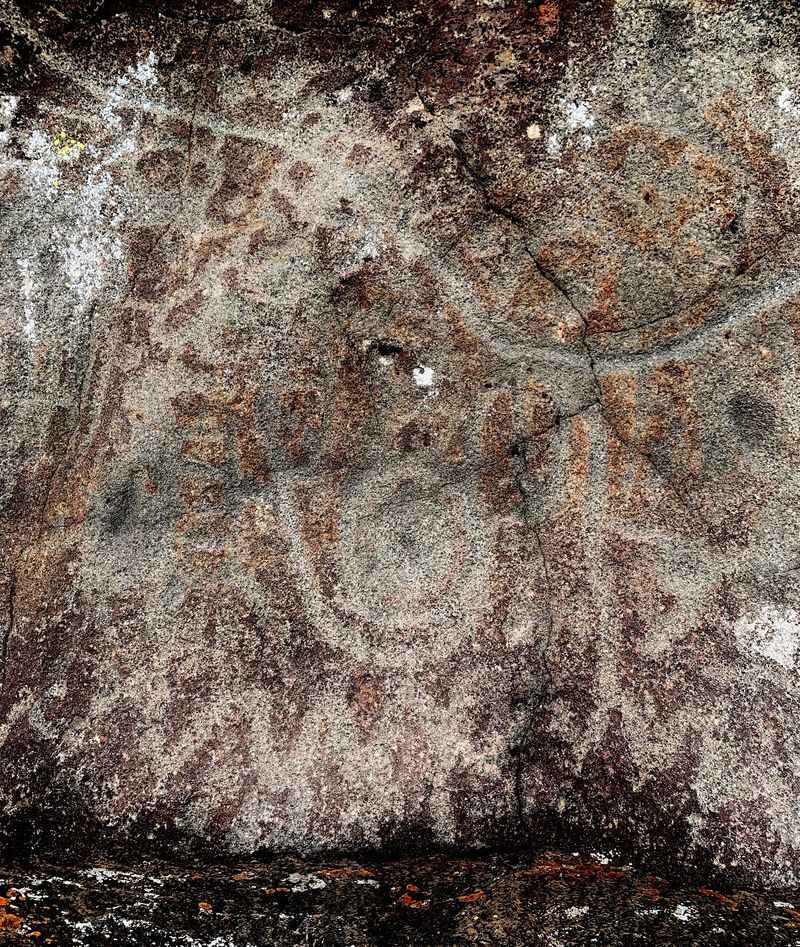
Long before anyone folded a road map wrong, somebody may have carved one into a boulder along the Snake River. That’s the leading idea behind this roadside rock.
The main boulder holds lines that many people read as a map of the Snake and Salmon rivers. Animal figures appear in the carving too, adding to the puzzle.
Is it really a map? Nobody can say for certain, and that’s what makes standing in front of it so fun.
Getting here is refreshingly simple. The rock sits right beside Map Rock Road near Melba, so you can see the carving without a long hike.
Don’t turn around too fast, though. Drive about three-quarters of a mile south, and more petroglyphs sit roughly 60 feet up from the road on the canyon bluffs.
Climbing the hill for a closer look adds a little adventure to the stop. Wear sturdy shoes, because the slope is rocky and the footing can shift.
The river corridor here also draws boaters and water lovers, so you’ll share the area with a mix of visitors. Combine it with Celebration Park for an easy Idaho day of ancient art on the same stretch of the Snake.
Address: Map Rock Rd, Melba, ID 83641
3. Castle Rocks State Park
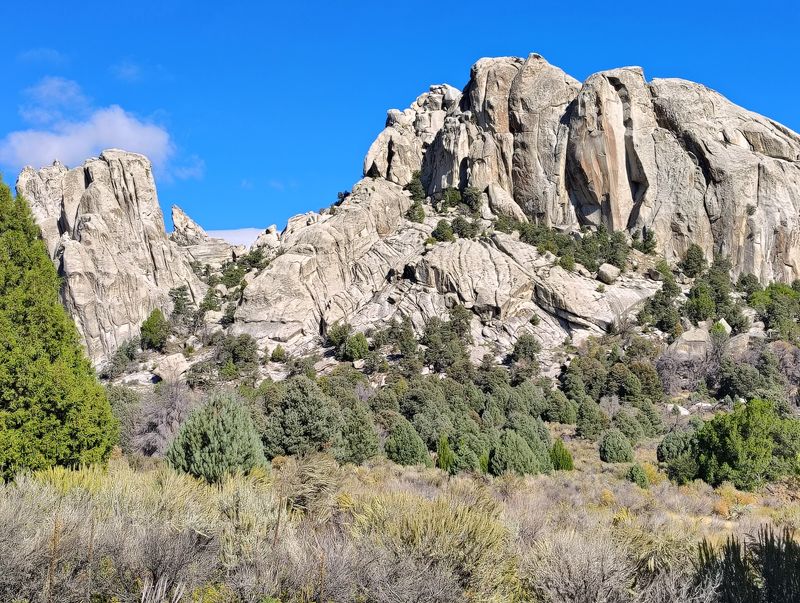
Here’s a twist for the list: the ancient art at this park was painted, not carved. Castle Rocks protects prehistoric pictographs hiding beneath its rock overhangs.
The park sits near Almo in south-central Idaho, surrounded by massive granite formations. Trails lead toward huge stone cliffs, and spotting the artwork becomes a bit of a treasure hunt.
Look up and under the ledges as you hike. Overhangs shelter the paintings from weather, which is likely why they’ve survived.
Climbers know this place well. Castle Rocks offers plenty of routes and bouldering, so you may see people scaling the same stone that holds the old images.
Not a climber? The trails are friendly enough for kids, and the views reward a slow pace.
The park stays quiet compared to many Idaho destinations. Wildlife sightings are part of the deal, so keep your eyes open beyond the rocks.
Picnic tables and restrooms make a long visit easy. Dogs are allowed, which is great news for four-legged hikers.
Expect a small vehicle entry fee. The park keeps daytime hours and closes one weekday, so check before driving.
Please admire the pictographs without touching them. Skin oils can damage paint that has lasted for ages.
Address: 748 E Castle Rock Rd, Almo, ID 83312
4. Indian Rocks Historical Site
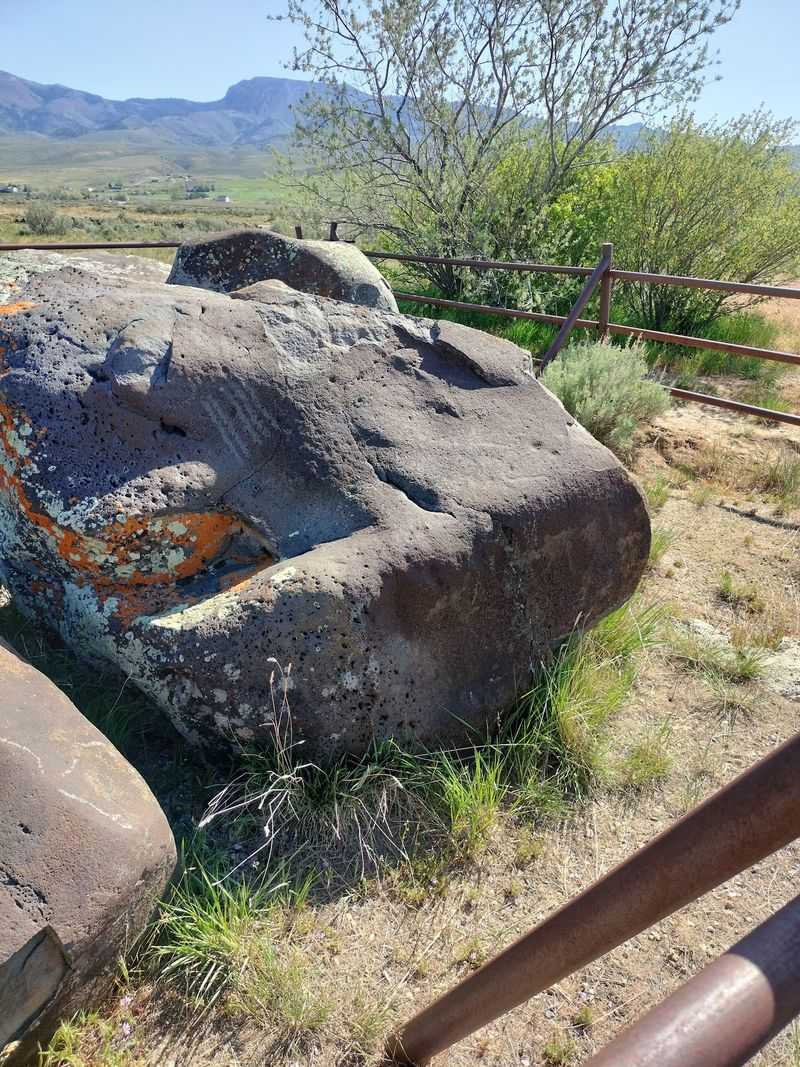
Blink along US-30 near McCammon and you might miss one of eastern Idaho’s quietest rock art stops. A small pile of boulders here carries carvings left by early people.
Size isn’t the selling point. Honesty is, because this site shows you what time and weather do to stone.
Some of the petroglyphs have faded and take patience to spot. Others still stand out clearly, and finding them feels like solving a slow puzzle.
Try visiting early or late in the day. Low sunlight casts shadows into the carved grooves and makes faint lines easier to see.
The site stays open around the clock, which makes it an easy roadside break on a longer drive. Families can stretch their legs and play detective at the same time.
Spending a night nearby turns the stop into something more memorable. Open skies over the high desert pair nicely with art that people made thousands of years ago.
Bring water and pack out what you bring in, since services are limited. Please keep hands off the carvings, because they’re already fragile.
It’s a reminder that rock art isn’t permanent forever. Seeing it now, before more fades, feels like a small privilege.
Address: US-30, McCammon, ID 83250
5. Little City of Rocks
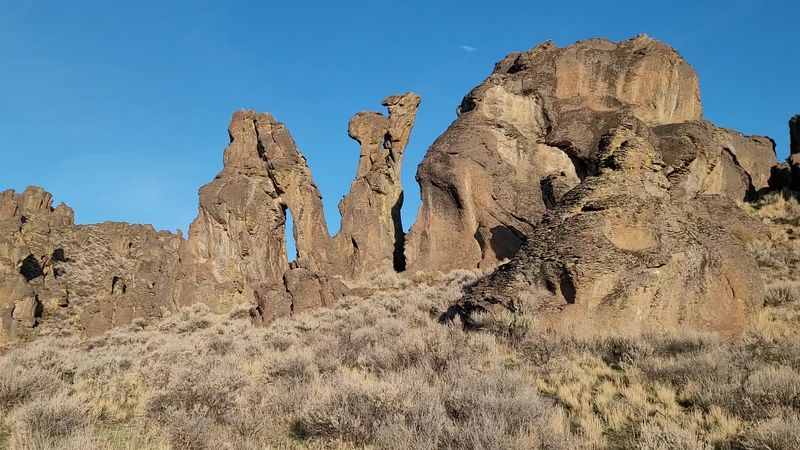
Picture a stone maze that looks like it was designed by a playful giant, then add ancient artwork. That’s the deal north of Gooding in the Magic Valley.
Little City of Rocks earns its name with towers, hoodoos, and odd formations that rise from the desert. It’s often described as a smaller cousin of Idaho’s famous City of Rocks.
Native artwork appears among the formations, which gives the wandering a real purpose. You’re exploring geology and history in one short walk.
The trail isn’t long, but it’s packed with nooks worth poking into. Kids especially enjoy squeezing through gaps and scrambling over big boulders.
Getting here takes a little grit. The access road is short but rough, so a vehicle with decent clearance helps.
Cattle graze on these public lands, so don’t be surprised by bovine neighbors. Close any gates you open and give the herd room.
The area stays open around the clock. Sunset can turn the rocks golden, making it a fine spot to end a day trip.
Treat the artwork gently and leave no marks of your own. These images have lasted thousands of years, and they deserve a few thousand more.
Address: Gooding, ID 83330