Sandhill Cranes Pack The Platte By The Thousands And This Nebraska Center Opens Blinds For Spring Viewing
More than a million sandhill cranes squeeze onto one stretch of river every spring. You can watch them land from a riverside blind at dusk.
That’s not a typo, and the number really does run past a million.
The birds drop from the sky in waves, calling the whole way down. Then they stand in shallow water all night, packed shoulder to shoulder, before lifting off again at sunrise.
I like that this show happens in central Nebraska, a short hop off an interstate many of us drive without a second thought. A trained guide leads you to the river before the birds arrive.
That way, you’re already in place when the sky starts filling up.
The window is short, though, and the peak usually lands in mid-March. So how close can you actually get to the biggest crane roost in the world?
A Prairie Refuge Waits Just Off Interstate 80
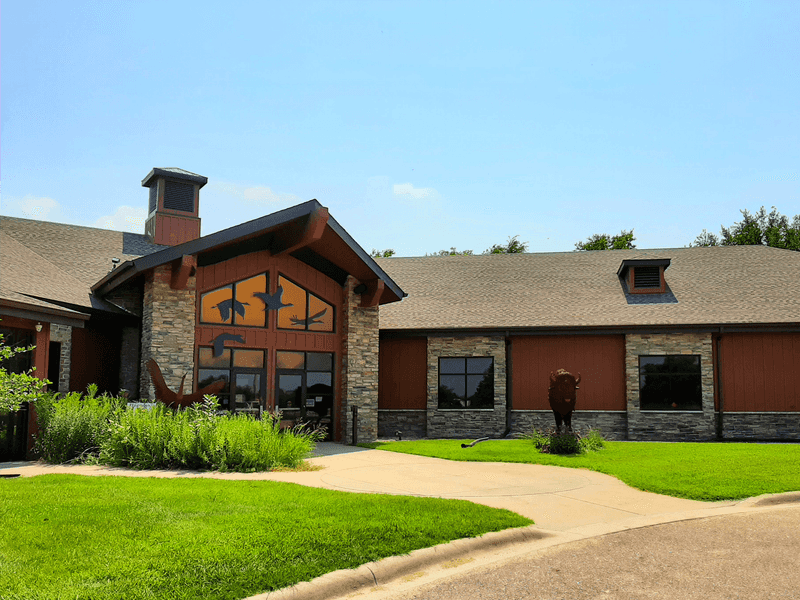
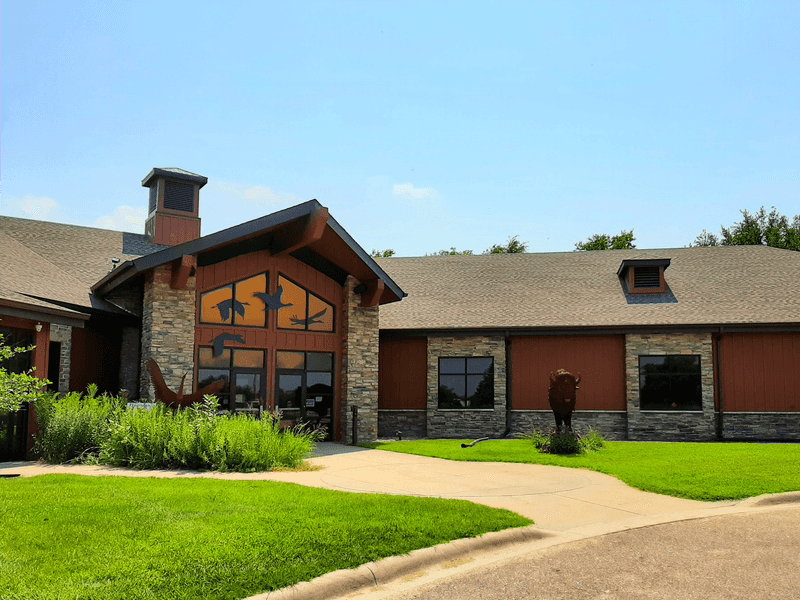
Plenty of Nebraskans have zipped past the Alda exit on I-80 without a glance. That’s a shame, because the Crane Trust Nature & Visitor Center sits right there at Exit 305.
The center is the public front door of the Crane Trust, a conservation group that guards land along the Platte River. Its formal name is a mouthful: the Platte River Whooping Crane Maintenance Trust, Inc.
Behind the building, the land opens into prairie, wet meadow and river channels. The Trust protects nearly 10,000 acres of this habitat for cranes and other migrating birds.
So what do you actually do here? You can browse exhibits and art inside, then head outdoors for trails, a bison herd and an observation tower.
In spring, the big draw shifts to the river itself. Guided tours bring visitors to blinds along what’s considered the largest sandhill crane roost on Earth.
It works as a quick road trip stretch or a full day out. Either way, it’s one of the easiest wildlife detours in the state.
Most travelers expect a rest stop at that exit. Instead, they find a front-row seat to one of the great migrations on the planet.
A Wyoming Dam Dispute Started The Whole Story
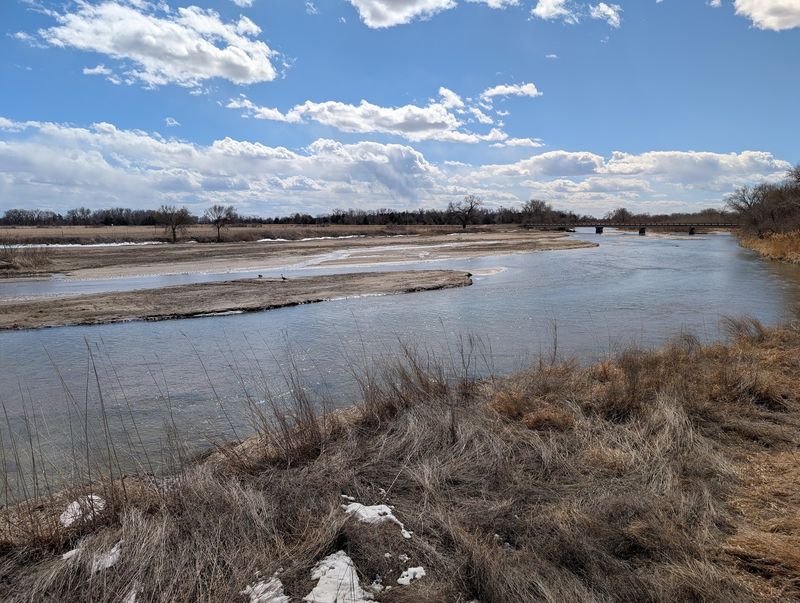
Funny how a fight over a dam in another state ended up protecting Nebraska birds. The Crane Trust was founded in 1978 as part of a court-approved settlement.
That settlement grew out of a controversy over building the Grayrocks Dam in Wyoming. Funding for the new Trust came from the Missouri Basin Power Project.
The idea was simple enough to explain at a kitchen table. If water was going to be held back upstream, someone needed to look after crane habitat downstream.
From there, the Trust went to work on the river. Its mission covers sandhill cranes, endangered whooping cranes and many other migrating species.
The visitor center came later. In 2012, the Trust acquired the Nebraska Nature & Visitor Center to boost its outreach and education.
That move turned a quiet conservation group into a place the public could actually stop and see. Now visitors get to watch the payoff of decades of habitat work up close.
It’s a neat bit of Nebraska history hiding in plain sight. A legal settlement from the late 1970s still shapes what you see along the Platte every spring.
Over A Million Cranes Crowd Into Central Nebraska
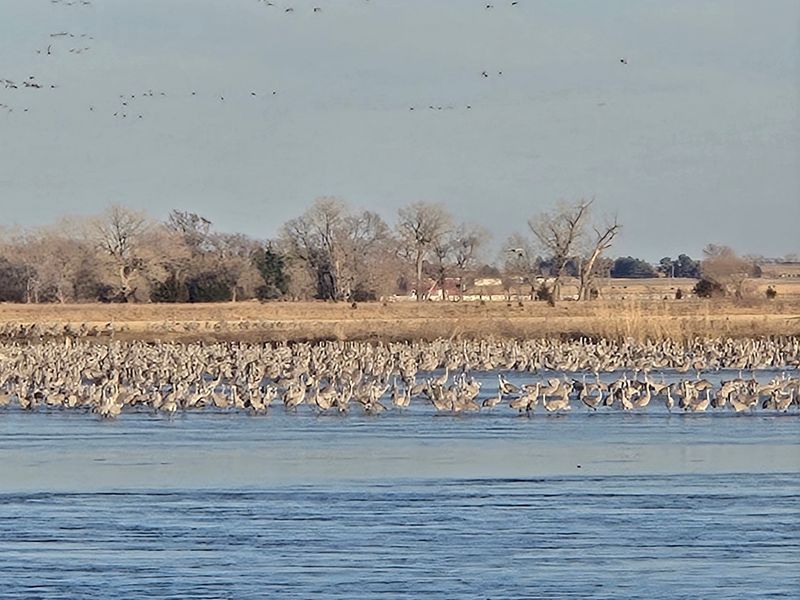
One million cranes. Some counts put the spring total as high as 1.25 million sandhill cranes on the Platte River in central Nebraska.
They show up during the northward migration, using the river as a giant rest stop. The birds generally hang around the area for about six weeks.
Timing matters if you want the biggest crowd. The peak of the gathering typically happens in mid-March.
Each day follows a rhythm you can almost set a watch by. At dawn, the cranes leave their river roosts to feed in nearby cornfields and marshes.
At dusk, they return to the water to spend the night. Standing in shallow channels keeps them safer while they rest.
That daily commute is what makes viewing possible. You know where the birds will be and roughly when they’ll get there.
Nebraska weather can shuffle the schedule, of course. A warm March can push the migration along faster than usual, so earlier in the month is often the safer bet.
Still, any spring visit gives you a shot at a sky that seems to move. Few places anywhere can match that headcount.
The River Blinds Put You In The Front Row
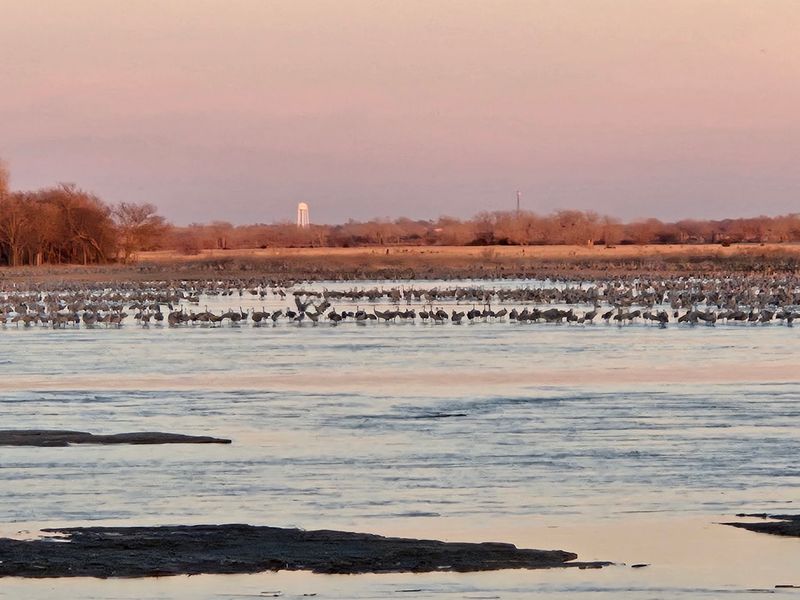
Quiet is the ticket here. The Crane Trust runs guided viewing blind tours during the early morning and evening hours, right when cranes roost on the river.
Trained guides lead each group out to the blinds. You settle in before the action starts, which keeps the birds calm and the view clear.
The location is the headline. These river blinds sit along what’s considered the largest sandhill crane roost in the world.
Evening tours catch the cranes flying in to roost for the night. Morning tours flip the script, with birds waking and lifting off toward the fields.
Which one should you pick? Night owls may like the dusk arrival, while early risers get the sunrise departure.
Guides also share what’s happening as it unfolds. That turns a pretty scene into something you actually understand.
Dress warmly, since March mornings in Nebraska can bite. Tours book up in spring, so planning ahead is smart.
Nothing about it feels like a zoo. You’re simply sitting still while wild birds go about their business a short distance away.
Daylight Tours Follow The Flocks Into The Fields
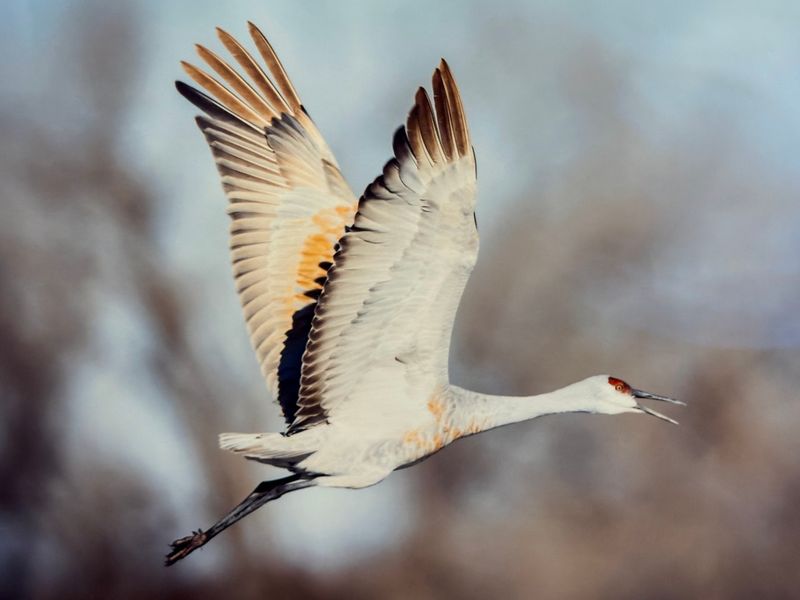
Cranes don’t spend the whole day standing in water. Once the sun is up, they spread out across fields, prairies and wet meadows to feed.
That’s where the daytime driving tours come in. Guides lead 14-passenger bus tours through the countryside around the Trust.
Each tour makes stops at key viewing spots. You get to see the birds foraging, dancing and calling in open ground.
It’s a nice option for folks who aren’t keen on a predawn wake-up. Daylight also makes photos a lot easier.
Another perk is the local knowledge. Your guide knows the back roads and where the flocks tend to gather.
Driving around solo can work, but it’s easy to miss the best spots. Having someone else handle the steering lets you focus on the birds.
Small groups keep things relaxed. Fourteen seats means nobody’s craning their neck behind a giant crowd.
Pair it with a blind tour and you’ll see the full daily cycle. Fields by day, river by night, and a much better sense of why central Nebraska matters so much to these birds.
Rare Whooping Cranes Count On This River Too
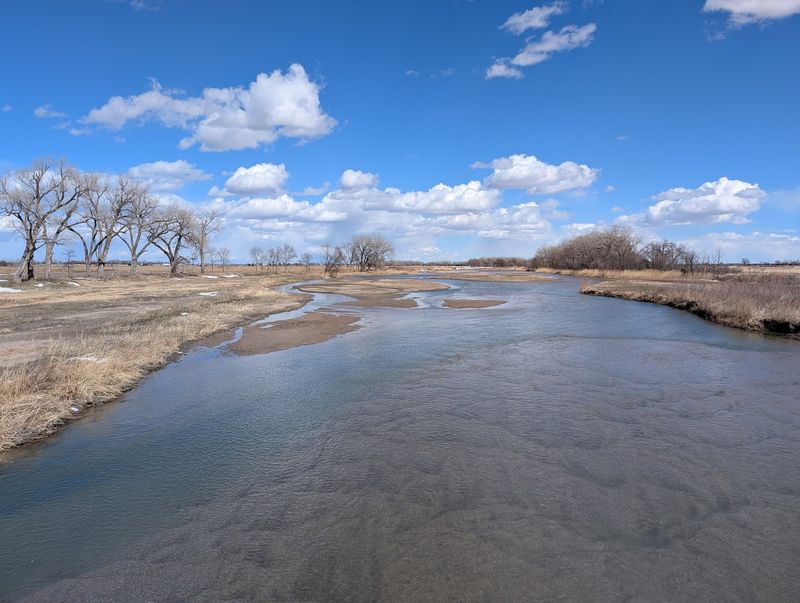
Sandhills get the spotlight, but the Trust’s very name points to another bird. Endangered whooping cranes rely on this protected stretch of migration route too.
These are tall, bright white birds with black wingtips. Seeing even one is a big deal for bird lovers.
So picture the excitement in November 2023. A historic gathering of up to 95 endangered whooping cranes was recorded at the Alda site.
That’s a remarkable number for a species this rare. It shows how much the protected habitat here matters.
The Trust’s year-round work aims to keep the river useful for these birds. Open channels, sandbars and wet meadows are all part of that effort.
Visitors shouldn’t plan a trip expecting to spot one. Whooping cranes are rare, and their visits aren’t guaranteed.
Still, it’s fun knowing they pass through the same ground you’re standing on. The Platte serves both the crowd favorites and the true rarities.
Spring and fall both bring migration traffic. Keep your binoculars handy, because the river always has something moving.
Bison Graze Just Past The Pollinator Garden
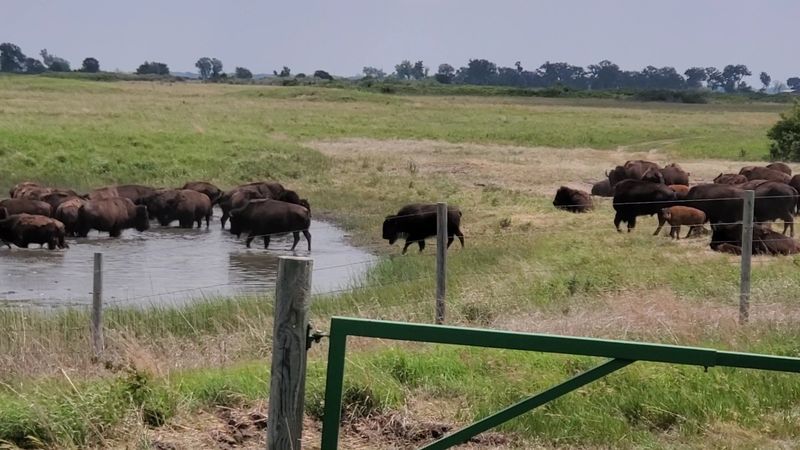
Bonus animals, anyone? The Crane Trust keeps a small research herd of American bison on its land.
A path leads from the visitor center toward the herd. Along the way, you pass a pollinator garden planted for bees and butterflies.
Seeing bison on open prairie feels very Nebraska. It’s a reminder of what this grassland looked like long before fences and highways.
The herd isn’t just for show, either. Bison grazing helps shape prairie habitat, which ties back to the Trust’s conservation mission.
Kids tend to light up at the sight of these shaggy giants. Adults usually do too, if we’re being honest.
Keep a respectful distance and stay on marked paths. These are big, wild-tempered animals, not petting-zoo residents.
The best part is that bison stick around all year. Even outside crane season, there’s a good reason to pull off the interstate.
Bring a camera with a decent zoom. You’ll want a shot of those massive heads against the prairie sky.
Two Footbridges Lead To Ten Miles Of Trails
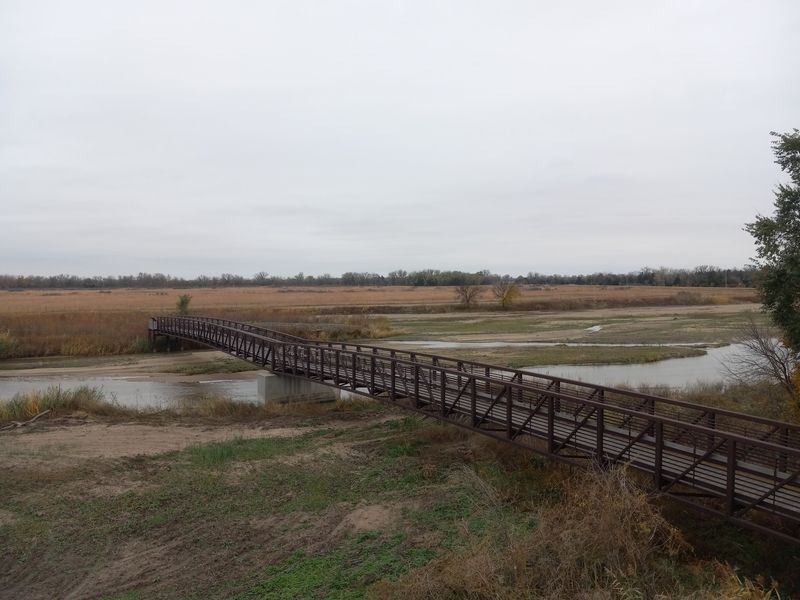
Legs stiff from the drive? The Trust has a fix for that, starting with two footbridges.
Both cross the north channel of the Platte River. On the other side, about ten miles of nature trails wind through prairie and along the river.
You can walk a short loop or make an afternoon of it. Either way, you’ll be out among the same grasslands the cranes and bison use.
Then there’s the 35-foot observation tower. Climb it for a wider look across the land and the river corridor.
From up there, the flat prairie suddenly makes sense. You can see how channels, meadows and fields fit together.
Birdwatchers will find plenty beyond cranes. The habitat draws all kinds of migrating species through the seasons.
Wear sturdy shoes and check the weather before heading out. Spring trails along a river can get muddy.
It’s a peaceful way to round out a visit. Fresh air, open sky and a good stretch before getting back on I-80.
Art, Maps And Keepsakes Fill The Building
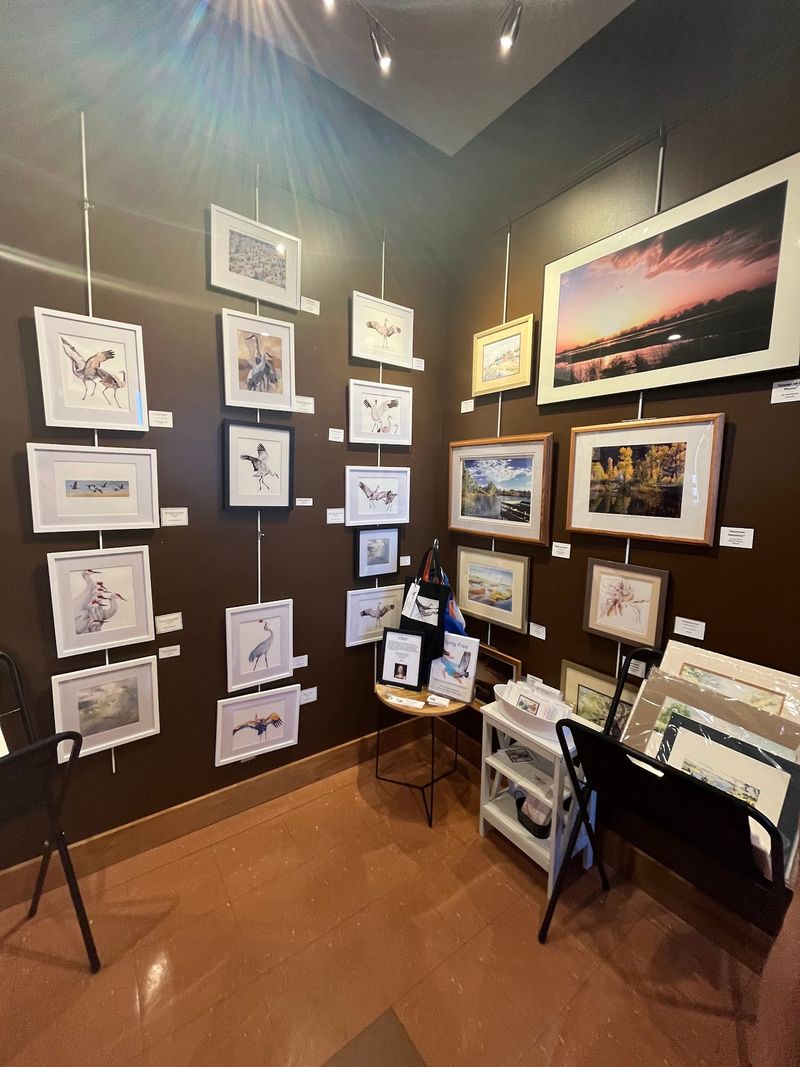
Inside, the building packs more than a quick bathroom break. Interactive exhibits include a Flyway Map and displays on migratory species.
The Flyway Map helps the big picture click. You can trace how cranes travel and why the Platte sits at such a key point.
Art lovers have their own corner. The Hornady Art Gallery shows art and photography from regional artists with Nebraska ties and themes.
Expect wildlife, prairie and river scenes on the walls. It’s a nice way to see the landscape through local eyes.
Then comes the Crimson Crown Gift Shop. Shelves hold books, cards, toys, jewelry, decor and apparel.
Purchases support wildlife and the community. That makes a crane mug or kids’ book feel like a small contribution.
Kids get plenty to look at and learn. Displays break down migration in a way younger visitors can follow.
Give yourself time to wander before or after a tour. The indoor half of the visit holds its own surprisingly well.
New Cabins Turn A Crane Trip Into An Overnight
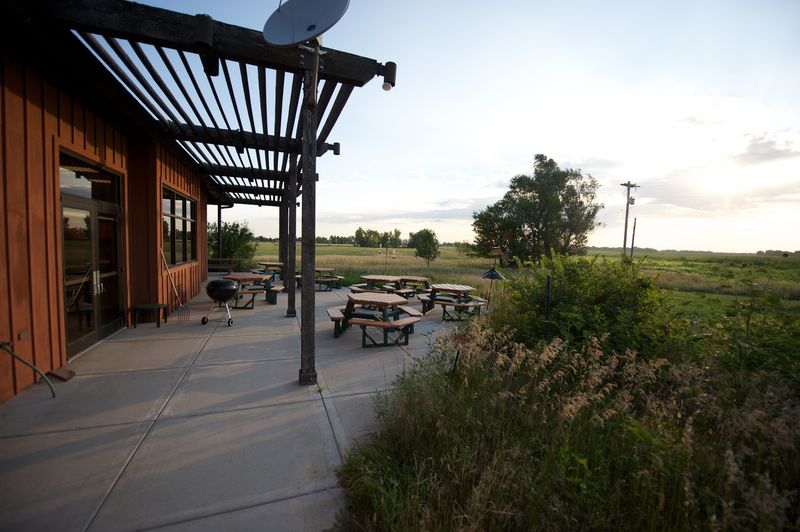
Early blind tours mean early alarms. The Trust’s VIP experiences solve part of that problem with lodging right on site.
These packages include stays in newly constructed cabins. Waking up close to the river beats a long predawn drive from a hotel.
An overnight lets you catch both ends of the crane day. Evening arrivals and morning liftoffs become one easy trip.
It’s a great fit for serious bird fans or anyone marking a special occasion. A crane weekend makes a memorable gift, too.
VIP spots are limited, so book well ahead of spring. March fills fast for obvious reasons.
Staying on site also means more time with the land itself. Trails, bison and quiet prairie evenings are just outside the door.
Details and availability change by season. Check with the Trust directly before planning around a specific date.
If a day trip feels rushed, this is the upgrade. Sleeping beside the world’s biggest crane roost is a rare bragging right in Nebraska or anywhere else.
March Brings Longer Days And Bigger Crowds
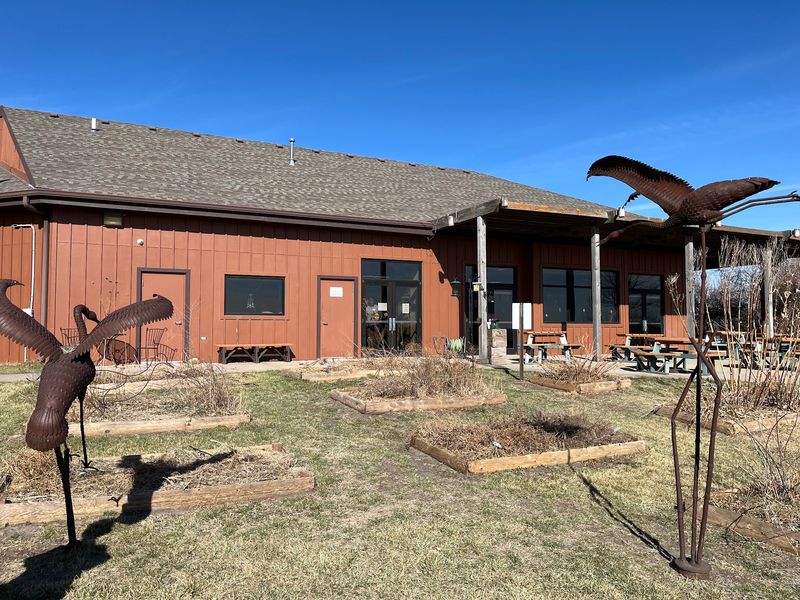
Getting there couldn’t be simpler. Take Interstate 80 to Exit 305, the Alda exit, and follow signs a short way.
The address is 9325 Alda Rd S, Wood River, NE 68883. Grand Island and Kearney both sit within easy driving range.
The center is open year-round, which surprises some first-timers. Outside spring, it runs daytime hours Monday through Saturday.
March is a different animal. The center stretches its hours and opens all seven days to handle crane season.
It does close on holidays. It also shuts down from December 25 through January 1.
Blind tours and bus tours require reservations. Those spots go quickly during peak weeks, so book early.
Plan on an hour or two for the building, garden and a short walk. Add more time for trails, the tower or a guided tour.
Dress in layers for any spring trip. Nebraska weather in March can swing from mild to frosty in a single day.
Worth Circling On Your Spring Calendar
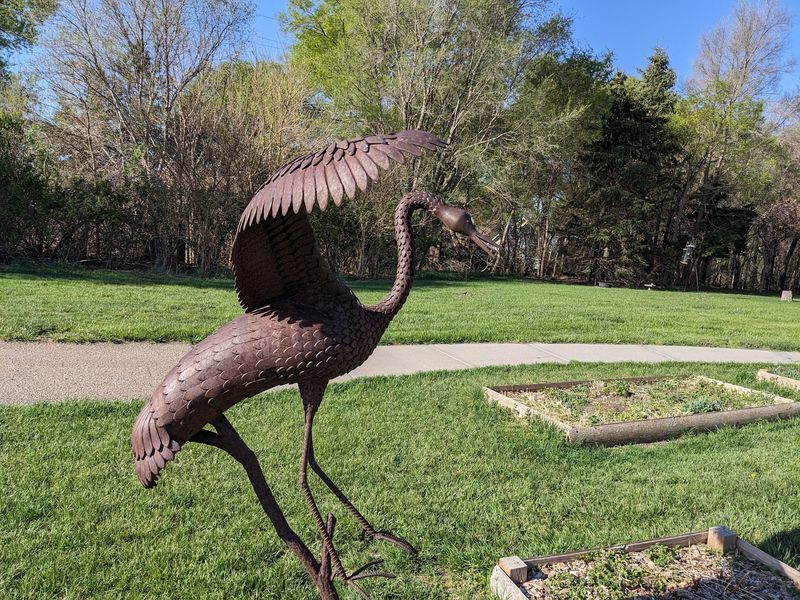
Some outings are nice. The Crane Trust Nature & Visitor Center lands in a different category, especially in March.
Where else can you watch over a million birds use one river like a nightly hotel? It’s a world-class show in the middle of Nebraska.
The beauty is how flexible a visit can be. Families can do exhibits, bison and a short walk, while devoted birders book blinds and cabins.
Even outside migration season, the place earns a stop. Trails, art and that research herd keep it lively all year.
Supporting it feels good too. Gift shop purchases and tours help fund habitat work that started back in 1978.
I can’t think of a better way to welcome spring in this state. The sound of cranes overhead beats any alarm clock.
So check the calendar and reserve early. Mid-March usually brings the peak, though earlier can be the safer bet.
The cranes will be back on the Platte soon. The real question is whether you’ll be in that blind when they land.