9 Scenic Byways And Backroads In Nebraska With Worthwhile Stops Along The Way
A good backroad does not rush anybody.
You follow the curves, slow down near a small town, and start noticing things a highway would have skipped right past.
A strange roadside stop. A historic marker. A view that makes the car go quiet for a second.
Nebraska becomes a different kind of trip when you leave the fastest route behind.
Suddenly a landscape opens up and the stops feel more personal. Even the empty stretches start doing their part.
Scenic byways and backroads work best when the drive feels like more than the space between destinations.
They give you reasons to pull over and let the day unfold without checking the clock every ten minutes.
1. Sandhills Journey National Scenic Byway
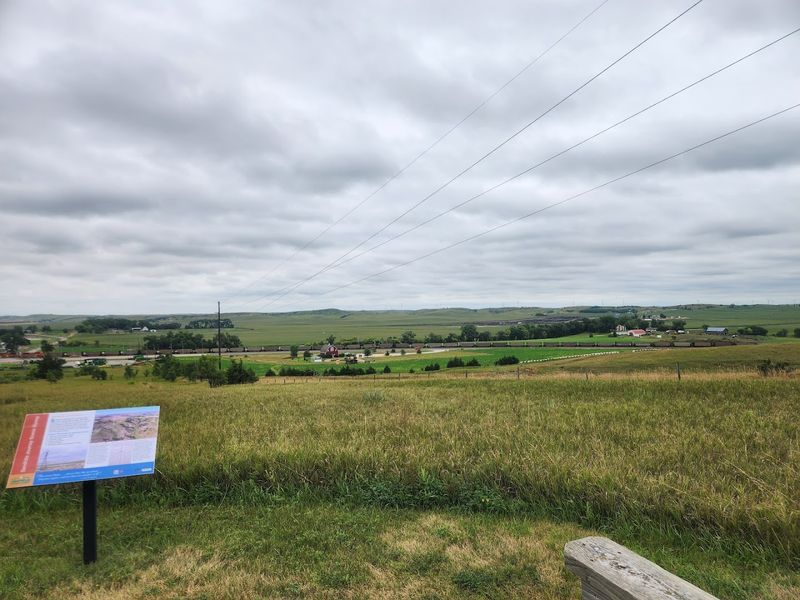
Stretching 272 miles from Grand Island to Alliance, Nebraska Highway 2 cuts through one of the most quietly dramatic landscapes in the entire country.
The Sandhills cover roughly a quarter of Nebraska, and this byway puts travelers right in the middle of those grass-stabilized dunes with very little between them and the open sky.
Spring brings the added spectacle of sandhill crane migration near the Platte River corridor, making the eastern portion especially worth timing carefully.
Broken Bow makes a solid midpoint stop, with the Sandhills Journey Scenic Byway Visitor Center offering maps and regional context that help the drive feel more intentional.
Halsey sits near the Nebraska National Forest’s Bessey Ranger District, which is the largest hand-planted forest in the Northern Hemisphere and offers camping, hiking, and horse trails.
Near Alliance, Carhenge gives the drive a memorably offbeat finish, a full-scale replica of Stonehenge built from vintage American cars arranged in a field.
Dark skies along this corridor rank among the best in the Midwest, so an overnight stop in a small-town motel could make stargazing a genuine highlight. The drive rewards a slower pace rather than a rushed crossing.
2. Bridges to Buttes Scenic Byway
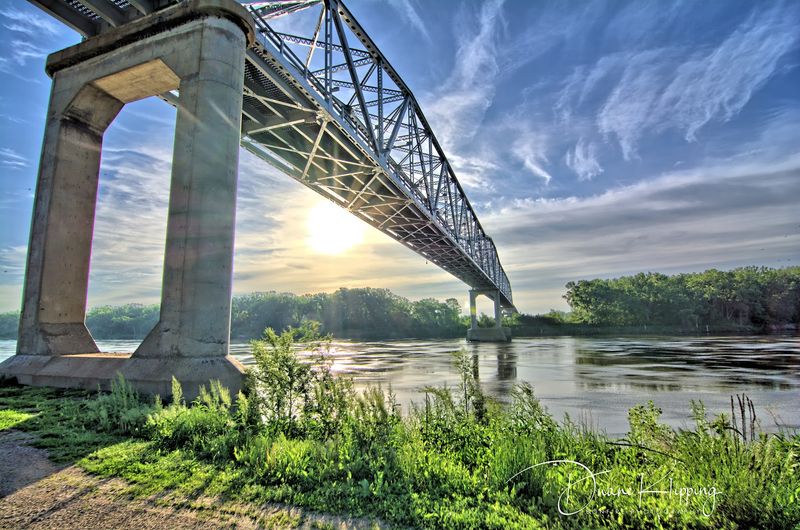
Running 197 miles from Valentine west to the Wyoming border along US Highway 20, this byway transitions through some of Nebraska’s most geologically interesting terrain.
The route moves from rolling Sandhills near Valentine through the Pine Ridge country and into the dramatic butte formations of the far northwest, giving drivers a genuine sense of landscape change over the course of a single day.
Valentine serves as a strong eastern anchor, with Smith Falls State Park just south of town offering Nebraska’s tallest waterfall and easy trail access.
Fort Niobrara National Wildlife Refuge near Valentine has a driving tour route that passes through bison range and prairie dog towns, and Merritt Reservoir to the south holds the distinction of being Nebraska’s first designated Dark Sky Place.
Crawford anchors the western stretch with Fort Robinson State Park, which offers jeep rides, hiking through canyons, and the Trailside Museum of Natural History featuring a remarkable fossil exhibit called Clash of the Mammoths.
Toadstool Geologic Park north of Crawford adds a surreal quality to the final miles, with mushroom-shaped rock formations rising from a badlands-style landscape.
3. Heritage Highway Scenic Byway
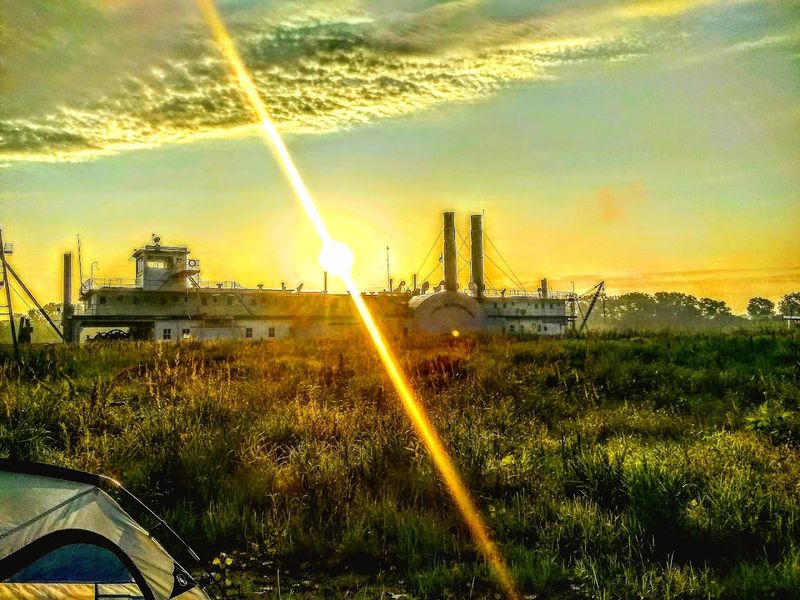
Some roads feel like they were built for unhurried Saturdays, and the Heritage Highway earns that description honestly.
Covering 238 miles along US Highway 136 from Brownville on the Missouri River west to Edison, this byway threads through courthouse squares and prairie farmland that shifts gradually from lush southeast into the flatter south-central part.
Brownville makes a genuinely appealing eastern starting point, with historic downtown streets, a folk art museum, and riverboat cruise options on the Missouri.
Red Cloud anchors the western half with the National Willa Cather Center and several preserved historic sites tied to the celebrated author’s childhood.
Beatrice offers a meaningful stop at Homestead National Historical Park, where the story of the Homestead Act of 1862 is told through exhibits, living history programming, and preserved prairie landscape.
Rock Creek Station State Historical Park near Fairbury adds a rougher historical note, preserving Oregon Trail ruts and the site connected to the early career of Wild Bill Hickok.
Hebron contributes one of the more unusual roadside curiosities along the route, a contender for the world’s largest covered porch swing. The byway rewards travelers who stop often rather than drive straight through.
4. Outlaw Trail Scenic Byway
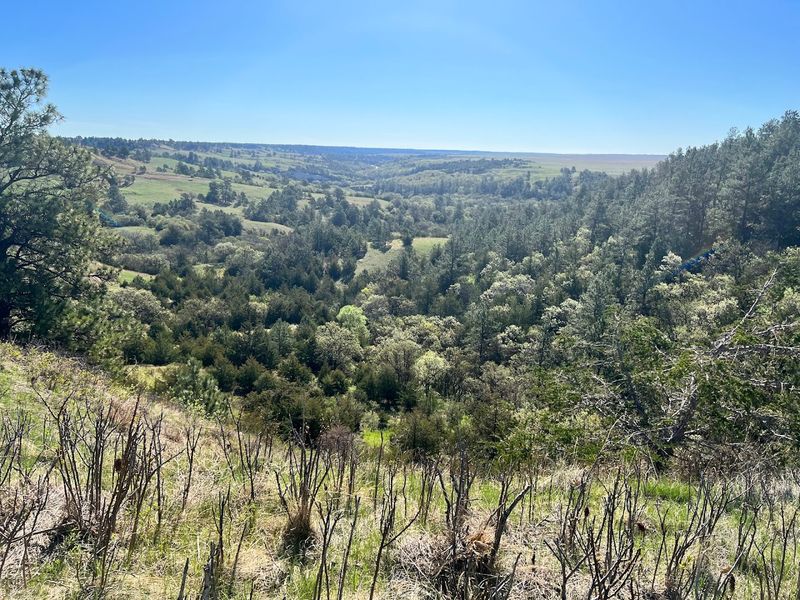
Named for the outlaws who once moved through this rugged northern Nebraska corridor, Highway 12 follows 231 miles from Valentine east to near South Sioux City, hugging the Niobrara and Missouri river country the entire way.
The landscape along this route feels genuinely different from central Nebraska, with wooded bluffs, river overlooks, and small towns spaced far enough apart that the quiet between them becomes part of the experience.
Smith Falls State Park near Valentine is accessible from this route as well as from the Bridges to Buttes Byway, and the waterfall there remains one of the more photogenic spots in the state.
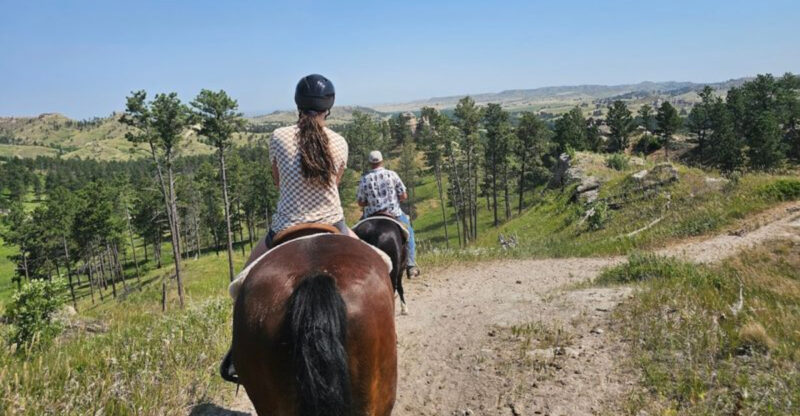
Niobrara State Park sits at the confluence of the Niobrara and Missouri rivers, offering bluff overlooks and seasonal horseback trail rides with views that feel surprisingly expansive.
Ponca State Park near the eastern end of the route provides river overlooks, hiking trails, and a campground with Missouri River views that draw visitors across multiple seasons.
Small towns along the route like Hartington and Wynot add local character without requiring much detour time.
The byway suits travelers who want river scenery and historical texture without committing to a full western Nebraska expedition.
5. Lewis and Clark Scenic Byway
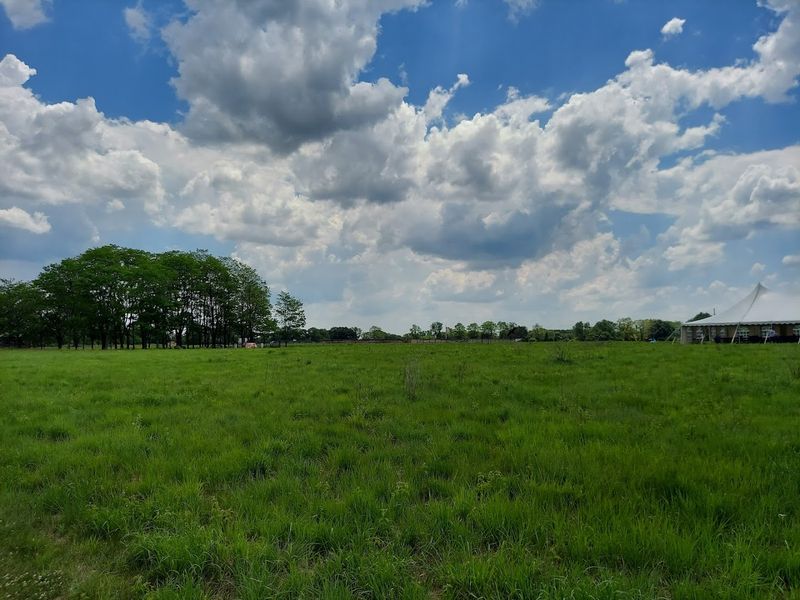
Eastern Nebraska tends to get overlooked on road trip itineraries, but the Lewis and Clark Scenic Byway makes a compelling case for slowing down along the Missouri River corridor.
The route covers roughly 82 miles along US Highway 75 from Omaha north to South Sioux City, tracing the general path followed by the Corps of Discovery during their 1804 and 1806 expeditions through the region.
Fort Atkinson State Historical Park near Fort Calhoun stands out as one of the most historically significant stops on the entire byway.
Built in 1820, Fort Atkinson was the first U.S. military fort established west of the Missouri River, and it was here that Lewis and Clark held their first official council with Native American leaders.
The reconstructed fort and interpretive exhibits bring that history into a tangible form that rewards a proper visit rather than a quick pass-through.
DeSoto National Wildlife Refuge near Blair offers a quieter natural stop, with wetlands and seasonal bird migration that can be substantial in fall and spring.
The Lewis and Clark Interpretive Center in South Sioux City provides a solid endpoint with exhibits covering the full scope of the expedition’s journey. The byway pairs well with a weekend trip out of Omaha.
6. Lincoln Highway Scenic and Historic Byway
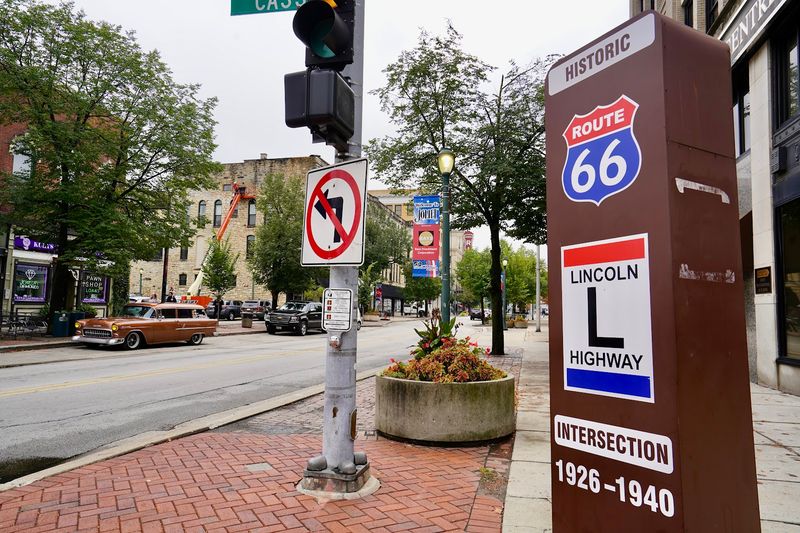
Completed in 1913 as one of America’s first transcontinental highways, the Lincoln Highway carries genuine road-trip history across all 400 miles of its Nebraska stretch along US Highway 30.
Towns grew up around this road, and many of them still show the character of that era in their downtown buildings, old motels, and roadside stops that predate the interstate era entirely.
Gothenburg holds one of the more tangible historical stops along the route, with a preserved Pony Express station that once served riders carrying mail across the frontier.
Kearney sits near the geographic center of the continental United States and offers the Great Platte River Road Archway Monument, a museum structure that literally spans the interstate and tells the story of westward migration from the Oregon Trail through the Cold War.
Grand Island provides a worthwhile eastern stop with the Stuhr Museum of the Prairie Pioneer, one of the largest living history museums in the country.
North Platte anchors the western half with Buffalo Bill Ranch State Historical Park, preserving the home and arena grounds of William Cody.
The Lincoln Highway byway is the only Nebraska scenic byway that crosses the entire state from east to west, making it a natural backbone for a longer trip.
7. Western Trails Scenic and Historic Byway
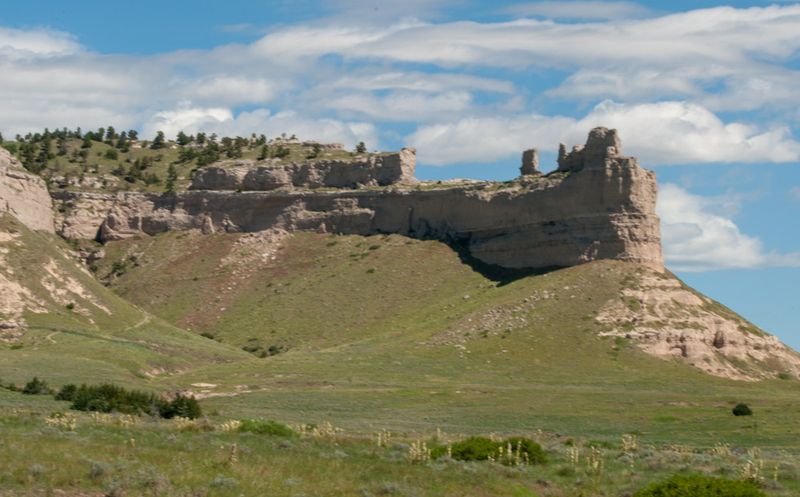
Few drives in Nebraska carry as much pioneer weight as the Western Trails Scenic and Historic Byway, which follows US Highway 26 and Nebraska Highway 92 for roughly 144 miles from Ogallala northwest toward the Wyoming border.
This corridor was the actual road west for hundreds of thousands of emigrants traveling the Oregon, California, and Mormon trails during the mid-1800s.
The landmarks along the route are not reconstructions but the original geological features those travelers used for navigation.
Scotts Bluff National Monument towers about 800 feet above the surrounding valley and served as a critical waypoint for wagon trains moving through the region.
Hiking trails lead to the summit, and a paved road provides access for those who prefer a drive-up view.
Chimney Rock National Historic Site east of Scotts Bluff appears in more pioneer diaries than almost any other landmark on the entire trail, making it one of the most historically documented natural formations in the American West.
Ash Hollow State Historical Park near Lewellen preserves visible wagon ruts and a pioneer grave site that gives the landscape a solemn, unhurried quality.
Courthouse and Jail Rocks near Bridgeport add further visual drama to the approach from the east. The byway rewards travelers with an interest in the actual physical experience of overland migration.
8. Gold Rush Byway
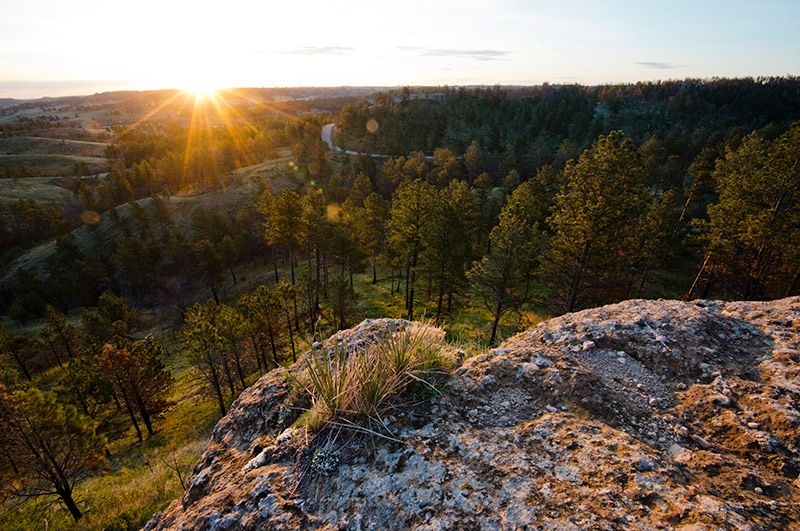
Running 158 miles through the Nebraska Panhandle along US Highway 385 from the South Dakota border south toward Colorado, the Gold Rush Byway moves through terrain that feels more like the Black Hills country.
The route takes its name from the gold rush traffic that once moved through this corridor in the 1870s, and the landscape still carries that sense of remote, high-plains ruggedness.
Chadron anchors the middle of the route with the Museum of the Fur Trade, the only museum in the country dedicated entirely to the North American fur trade industry, covering three centuries of commerce, culture, and exploration.
Chadron State Park nearby offers hiking and mountain biking through pine-covered ridges that feel genuinely remote.
The Pine Ridge National Recreation Area just south of Chadron adds nearly 80 miles of multi-use trail through some of the most scenic terrain in the state.
Crawford provides access to Fort Robinson State Park and Toadstool Geologic Park, both of which appear frequently on lists of Nebraska’s most unusual natural destinations.
Agate Fossil Beds National Monument further south preserves prehistoric mammal fossils in a setting that feels both scientifically significant and visually striking.
The byway suits travelers who prefer rugged scenery over polished tourist infrastructure.
9. Loup Rivers Scenic Byway
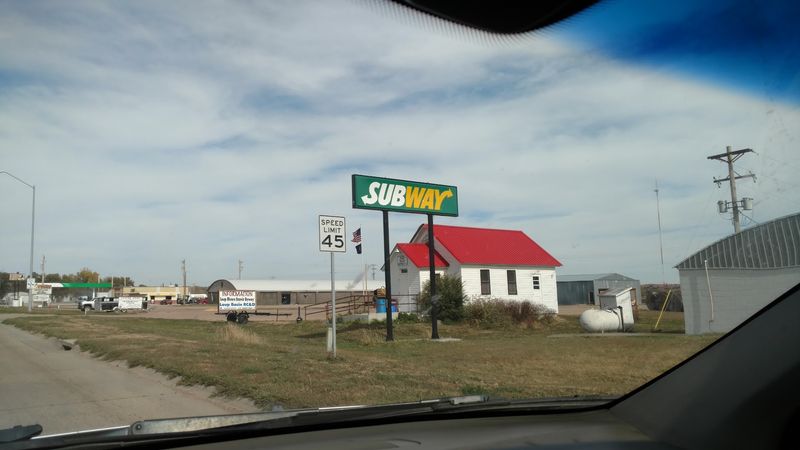
Central Nebraska has a quieter version of scenic driving that rarely shows up on national road-trip lists, and the Loup Rivers Scenic Byway captures it well.
Following Nebraska Highways 11 and 91 for about 150 miles from Wood River to Dunning, this byway tracks through river bottom country where the North Loup, Middle Loup, and South Loup rivers shape the land with gentleness.
Photographers and paddlers tend to favor this route for its unhurried pace and the way morning light hits the river channels and sandhills edges without any development interrupting the view.
The Calamus River area near Burwell adds fishing and canoeing access, and the surrounding grasslands support significant populations of migratory birds during spring and fall.
Crane viewing in this corridor, while less publicized than the Platte River spectacle near Kearney, can be surprisingly rewarding for travelers who time their visit to the migration window.
Small towns along the byway like Burwell and Dunning offer basic services and a genuine sense of rural Nebraska life that feels authentic rather than curated for visitors.
The route suits travelers who want river scenery and open space without committing to a full cross-state drive. A half-day or full-day pace works best here.