13 Scenic Pull-Offs In California Where People Stop For Five Minutes And Stay For Thirty
A quick roadside stop always sounds harmless.
Park the car. Stretch your legs. Take one look. Then the view starts acting like it has no respect for your schedule and half an hour has already gone by.
One roadside glance in California can quietly wreck the whole schedule.
A scenic overlook does not need a long trail or a complicated plan to win people over.
A wide horizon can do the work. So can cliffs, desert light, or a curve in the road that suddenly makes everyone reach for their phone.
Travelers pull in for a glance and end up lingering because the view keeps changing the longer they stand there.
Maybe that is the best kind of detour.
No ticket. No itinerary. Just a place that quietly steals more time than anyone planned.
1. Bixby Bridge Vista Point, Big Sur
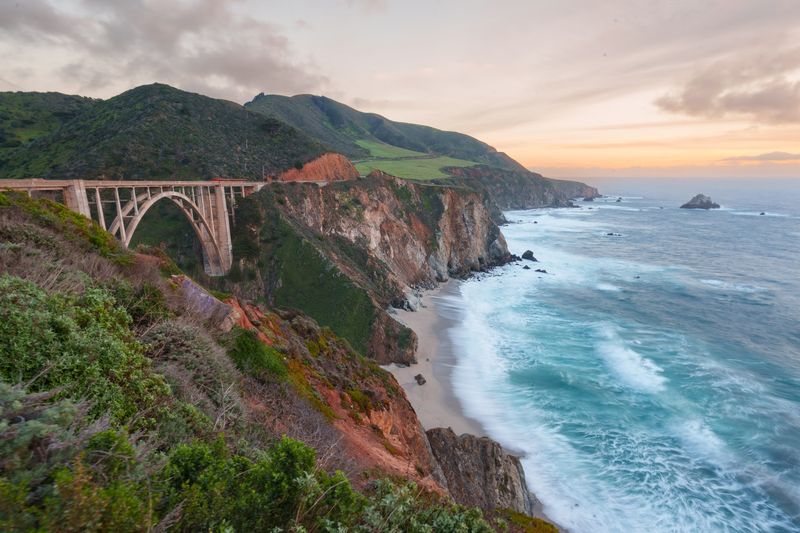
Few structures along the California coast have been photographed as many times as Bixby Creek Bridge, and standing at the vista point just north of it makes it easy to understand why.
The bridge arches over a deep canyon where Bixby Creek meets the Pacific, and the scale of the whole scene tends to catch people off guard even when they think they know what to expect.
Cars slow down instinctively as soon as the view opens up.
The pull-off on the north side of the bridge offers a wide gravel area where visitors can park and walk to the railing without feeling rushed.
Morning light tends to fall softly on the canyon walls and the ocean beyond, making that time of day particularly rewarding for those who make the drive early.
Fog rolls in from the water on many mornings, sometimes wrapping the bridge in a low mist that changes the mood of the whole view.
Highway 1 through Big Sur can get congested on weekends, so arriving on a weekday or in the early hours could make the experience noticeably calmer.
2. McWay Falls Overlook, Julia Pfeiffer Burns State Park
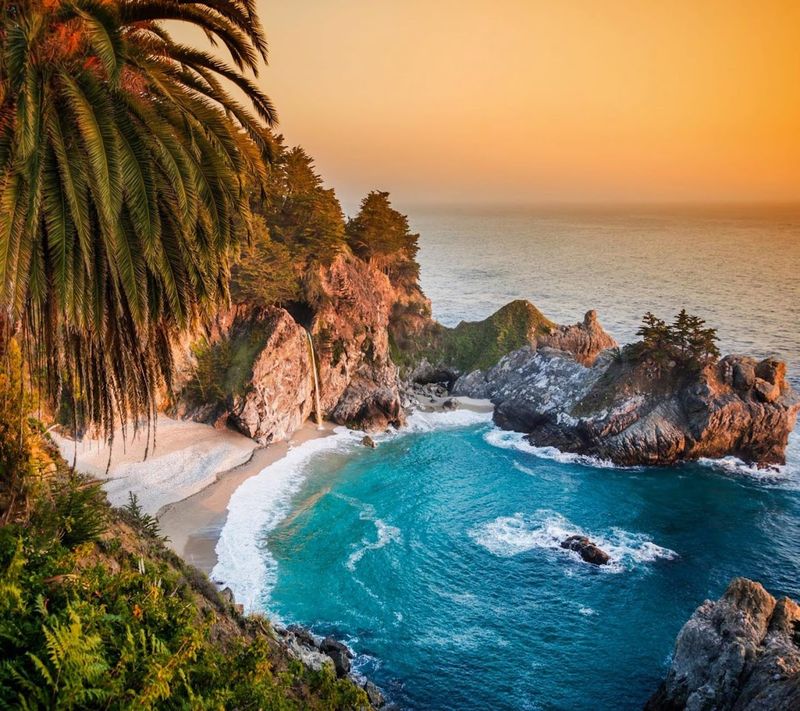
A waterfall that drops directly onto a beach and into the ocean is not something most people expect to find tucked inside a California state park, but that is exactly what the McWay Falls overlook delivers.
The falls drop about 80 feet from a rocky cliff onto a pristine sandy cove, and because the beach is not accessible to visitors, it sits untouched and quietly perfect below the trail.
Julia Pfeiffer Burns State Park sits along Highway 1 in Big Sur, and the short walk to the overlook takes only a few minutes from the parking area.
The trail winds through coastal scrub and then opens onto a wooden platform with a direct view of the falls and the turquoise cove below.
Most visitors end up staying far longer than planned simply because the scene keeps drawing the eye back.
The park charges a day-use fee, and parking can fill up quickly during peak season, so arriving early on busy days is a practical consideration.
Afternoon light tends to illuminate the falls directly, while morning visits offer a quieter atmosphere with fewer people on the trail.
3. Ragged Point Overlook, Big Sur Coast
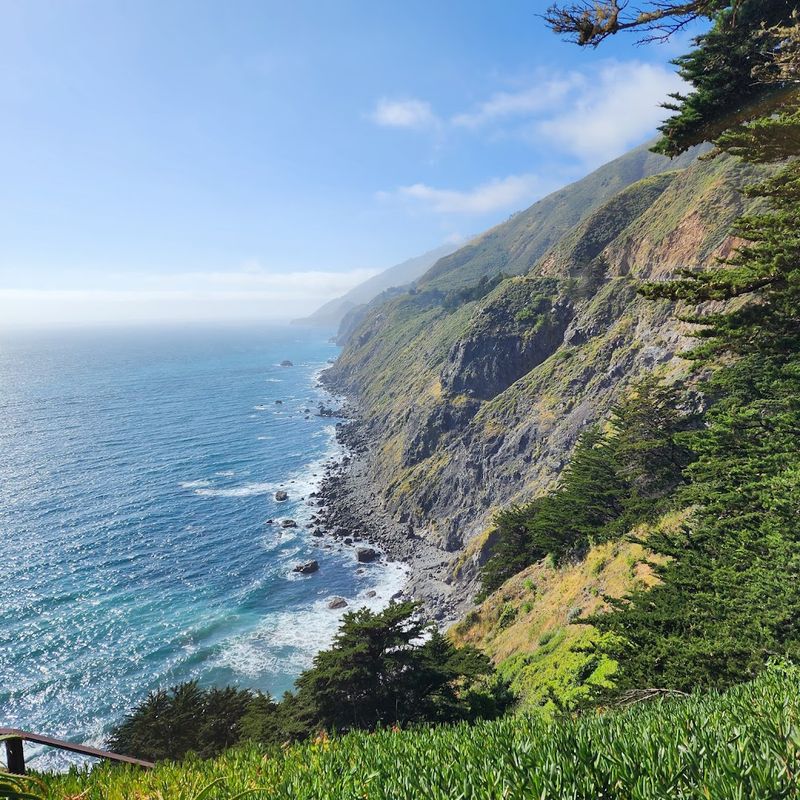
Ragged Point sits near the southern end of the Big Sur coast and serves as a kind of dramatic announcement that the scenery is about to become something serious.
The cliffs here drop steeply to the ocean, and the views stretch north along miles of rugged coastline that looks almost impossibly cinematic in person. It tends to stop people mid-sentence when they first step out of the car.
There is a small inn and cafe at Ragged Point, along with a short trail that leads down toward a waterfall and a black sand beach area.
The trail is steep and not suitable for everyone, but the overlook area itself is accessible and offers sweeping views without requiring any hiking.
Standing at the edge of the cliff with the wind coming off the water and the sound of waves far below is a sensory experience that is hard to replicate anywhere else along this stretch of coast.
Because Ragged Point is one of the first major stops heading north on Highway 1 from San Luis Obispo, it also works well as a natural transition point for road trippers entering the Big Sur region.
The combination of accessible views, a rest stop, and genuine coastal drama makes this pull-off one that earns every minute people spend there.
4. Tunnel View, Yosemite National Park
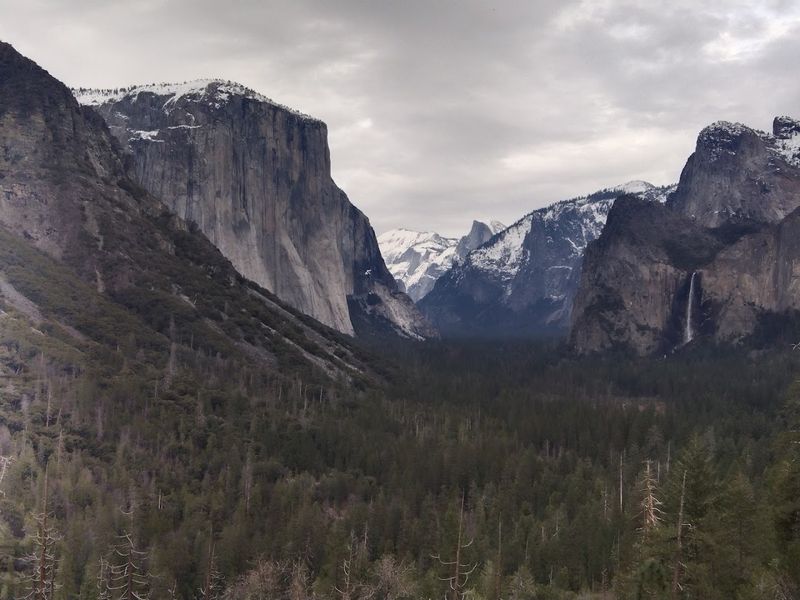
Stepping out of the Wawona Tunnel and into the view at Tunnel View is one of those moments that tends to produce genuine silence.
El Capitan rises on the left, Bridalveil Fall drops on the right, and Half Dome sits perfectly centered in the distance with the entire valley floor stretching out between them.
Tunnel View has a large paved pullout with parking on both sides of the road, and benches are available for those who want to sit and take in the scene without rushing.
Sunrise here is particularly dramatic when the first light touches the granite walls and the valley below is still in shadow.
The shifting quality of light throughout the day means the view looks noticeably different depending on when a visit happens.
Yosemite National Park requires a timed entry reservation during peak season, so planning ahead is essential.
Even with crowds at the pullout, the view has a way of commanding full attention and making the logistics feel worthwhile.
Winter visits can reveal the valley dusted in snow, which changes the entire character of the scene in a way that summer visits simply cannot replicate.
5. Dante’s View, Death Valley National Park
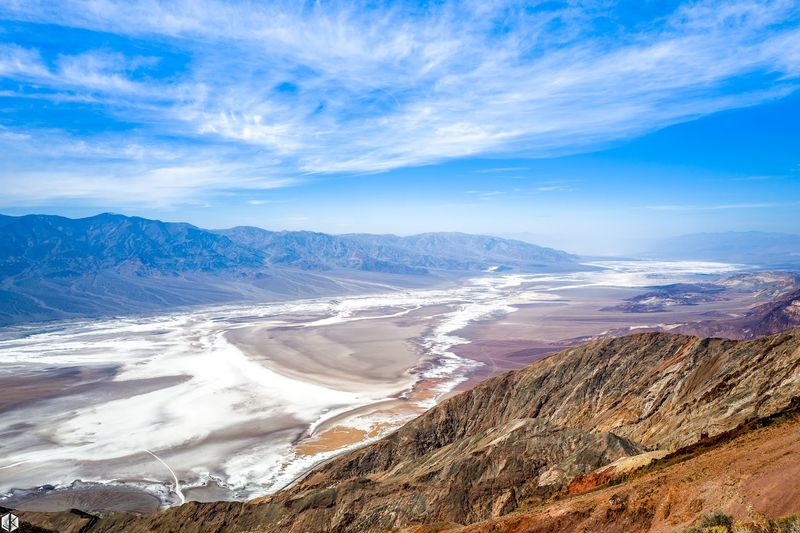
At 5,475 feet above sea level, Dante’s View offers one of the most dramatic elevation contrasts found anywhere in the American national park system.
Looking down from the ridge, Badwater Basin spreads across the valley floor like a white mirror, sitting at 282 feet below sea level.
The road to Dante’s View is paved and accessible by regular vehicles, though the drive up is winding and takes about 25 minutes from the Furnace Creek area.
A parking area at the top provides enough space for multiple vehicles, and short walking paths lead to different vantage points along the ridge.
Early morning is widely considered the best time to visit, when the Panamint Range across the valley catches the first light and the salt flats below glow with an almost unreal quality.
Wind at the ridge can be strong regardless of season, so layering is practical.
Standing at the edge of the ridge with the valley floor spread out nearly a mile below is the kind of perspective that makes the world feel genuinely large and unhurried.
6. Zabriskie Point, Death Valley National Park
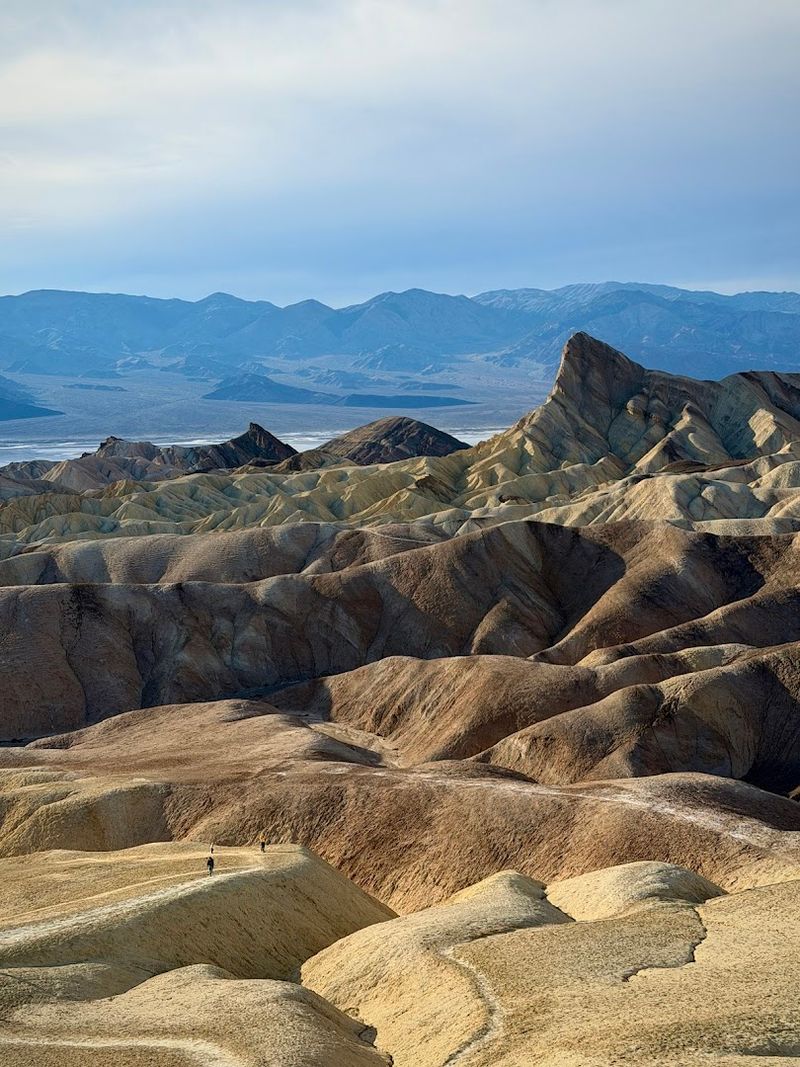
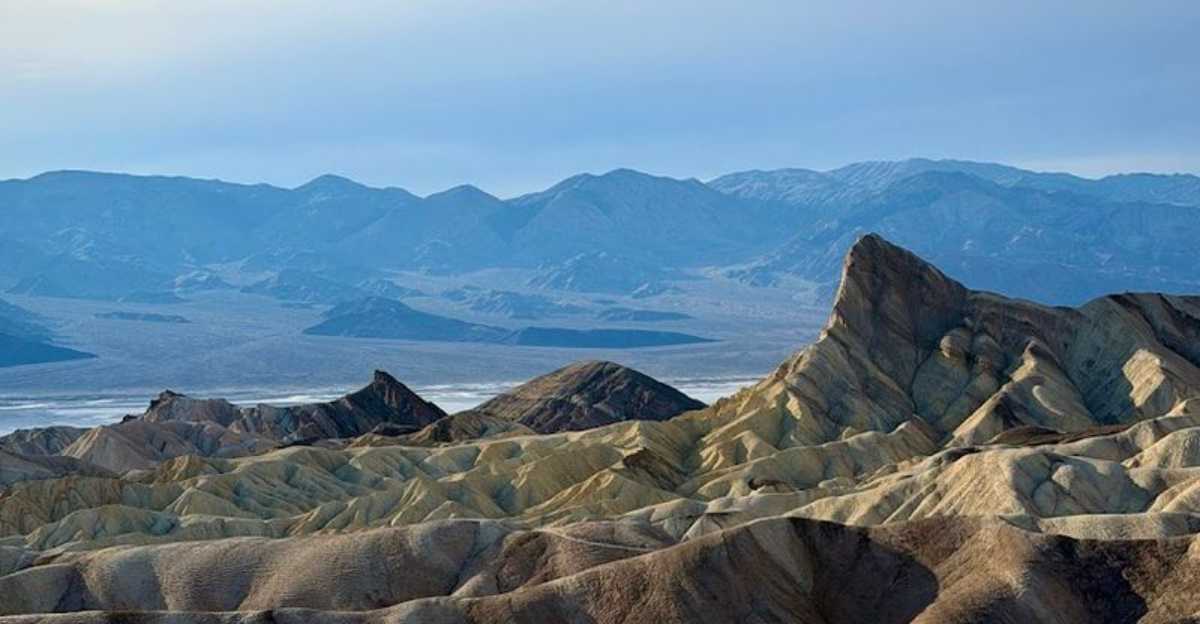
The badlands at Zabriskie Point look like something carved by a patient and deliberate hand, with ridges of golden and brown eroded mudstone folding into each other in a way that seems almost architectural.
The landscape here formed from ancient lake sediments that dried and eroded over millions of years, leaving behind a terrain that changes color dramatically depending on the angle of the sun.
Sunrise tends to be the moment when the whole scene ignites.
A short paved path leads from the parking area to the main overlook, making the walk accessible for most visitors.
The viewpoint sits above the badlands and looks out across the valley toward the Panamint Range in the distance, giving the scene both foreground texture and distant scale.
Many visitors arrive before dawn specifically to watch the light shift from gray to gold across the ridgelines below.
Zabriskie Point is one of the more accessible stops in Death Valley National Park, located just a few miles from the Furnace Creek Visitor Center on Highway 190.
Summer visits are possible but require careful planning around heat, while spring and fall offer more comfortable conditions.
The quiet at this overlook, broken only by wind and the occasional crunch of footsteps on the path, tends to hold people longer than they originally planned to stay.
7. Kings Canyon Overlook, Sequoia & Kings Canyon
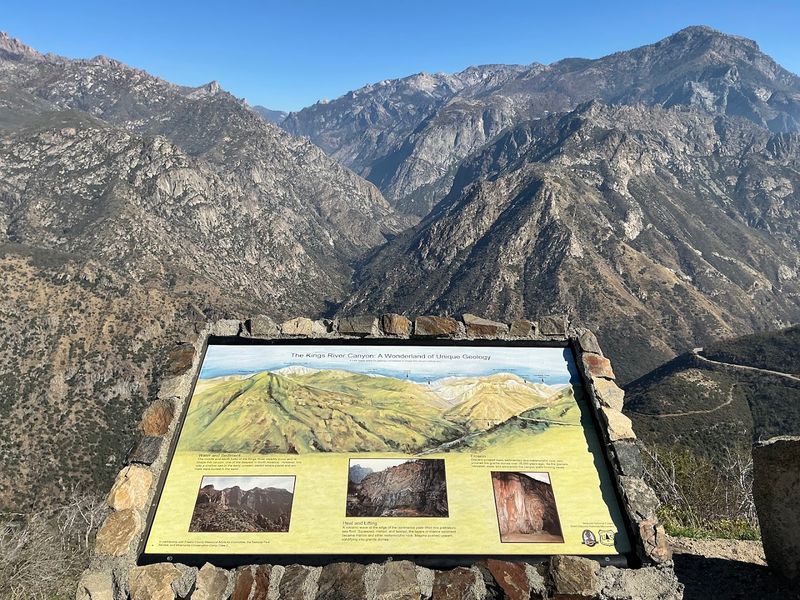
Kings Canyon is one of the deepest canyons in North America, and the overlook along Highway 180 gives visitors a clear sense of just how far the walls drop.
The Kings River carved this canyon over millions of years, and the granite walls that line it are some of the most impressive exposed rock faces in the Sierra Nevada.
Standing at the pullout and looking down into the canyon tends to produce a kind of respectful quiet.
The road through Kings Canyon is known as one of the most scenic drives in California, and the overlook areas along it allow visitors to stop and absorb the scale without having to hike.
Late afternoon light can be particularly striking when it hits the western-facing canyon walls and turns the granite shades of amber and rose.
The river far below catches light in small glimmers depending on the angle.
Highway 180 through the canyon is typically open from late spring through fall, with winter closures common due to snow.
Checking road conditions before making the drive is practical, especially in May and October when conditions can change quickly.
The combination of canyon depth, river sound drifting up from below, and the sheer vertical drama of the granite walls makes this one of the most physically impressive pull-off experiences anywhere in the Sierra Nevada.
8. Golden Gate Overlook, Presidio, San Francisco
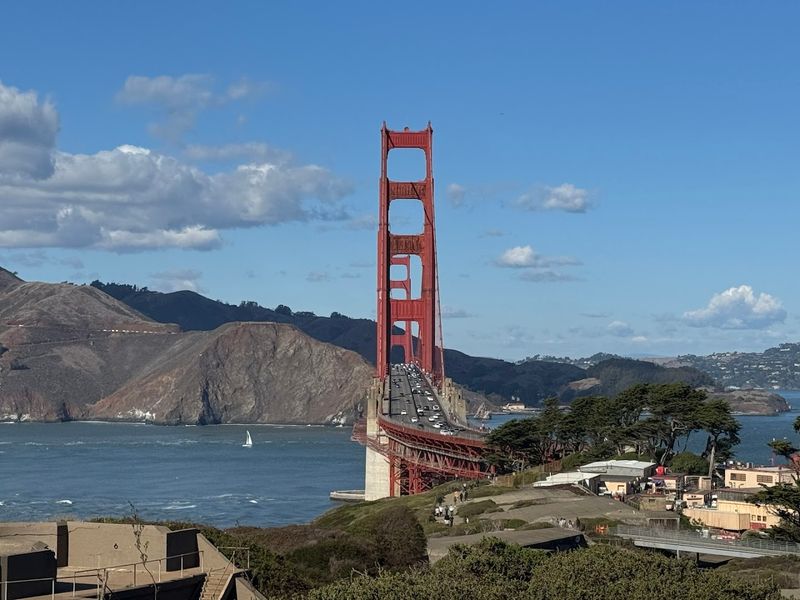
There are many places to view the Golden Gate Bridge, but the overlook within the Presidio of San Francisco sits at an angle and elevation that makes it feel less like a tourist stop and more like a genuine discovery.
The bridge stretches across the bay with the Marin Headlands rising behind it, and the foreground is framed by cypress trees and coastal scrub that give the scene a layered, almost painterly quality.
Wind is almost always present here, which adds to the sense of being at a real edge of land.
The Presidio of San Francisco is a national park site managed by the National Park Service and the Presidio Trust, and parking in the area is available at several lots throughout the park.
The overlook area is accessible on foot from multiple trailheads, and the walking paths nearby offer additional vantage points at different heights along the bluff.
Fog is a common visitor, sometimes obscuring the bridge towers entirely and sometimes framing them in a way that makes the whole scene feel atmospheric and cinematic.
Morning visits can bring soft light and relatively calm winds before the afternoon sea breeze builds. The overlook is accessible year-round and does not require an entry fee for most areas of the Presidio.
The combination of the bridge, the bay, and the natural coastal setting makes this stop genuinely hard to leave quickly.
9. Battery Spencer, Marin Headlands
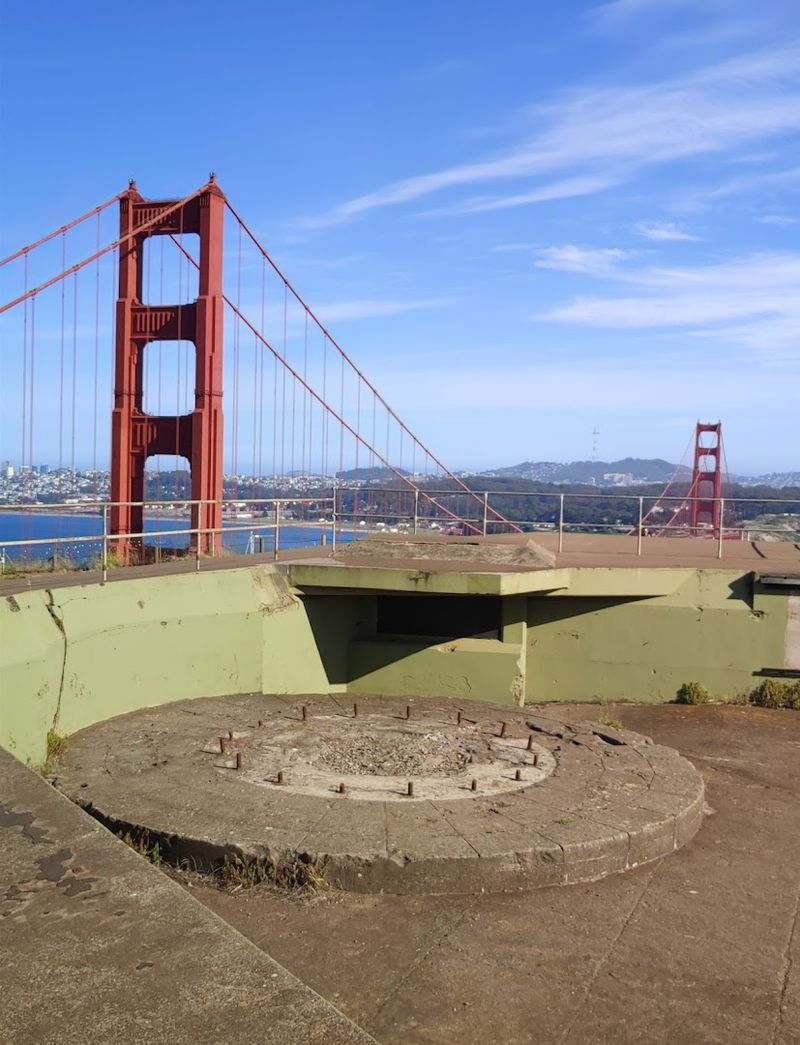
Battery Spencer offers what many consider the most dramatic elevated view of the Golden Gate Bridge available without hiking significant distance.
The old concrete gun emplacements from World War II frame the view in a way that feels raw and unpolished, and the bridge below appears close enough to feel touchable while the San Francisco skyline spreads across the bay behind it.
The combination of military history and natural beauty gives this spot a texture that purely scenic overlooks sometimes lack.
Getting to Battery Spencer requires a short but steep walk from a small roadside parking area just off Conzelman Road in the Marin Headlands.
The road itself is narrow and winding, and large vehicles may find it challenging.
Fog is a significant factor here, and the view can shift from crystal clear to completely socked in within minutes, which is part of what makes repeat visits feel worthwhile rather than redundant.
Sunrise visits are popular and can produce spectacular light on the bridge towers when the fog sits low over the water.
The Marin Headlands are part of the Golden Gate National Recreation Area, and no entry fee is required to access the overlook.
Standing among the old concrete walls with the bridge and bay spread out below tends to keep people rooted in place well past any planned departure time.
10. Morro Bay State Park Overlook / Black Hill Area, Morro Bay
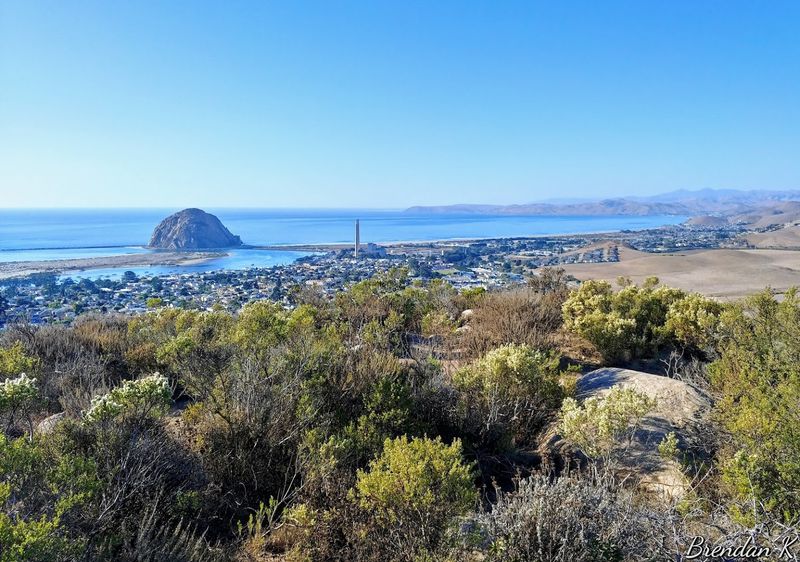
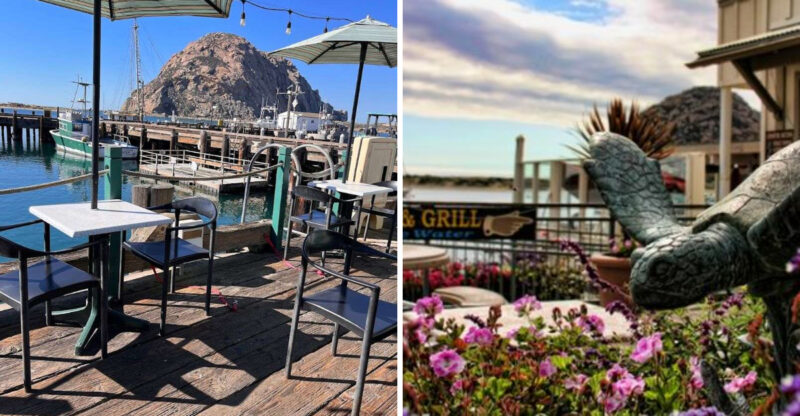
Morro Rock is one of the most recognizable landmarks on the Central California coast, and the overlook near Black Hill in Morro Bay State Park provides an elevated perspective.
From this vantage point the relationship between the rock, the water, and the surrounding landscape becomes clear in a way that ground-level views cannot fully convey.
The estuary below supports a rich bird population that is often visible even from the overlook.
Morro Bay State Park offers hiking trails that lead up toward the Black Hill area, and the views improve with elevation as the trail climbs.
The park is open year-round, and the moderate Central Coast climate makes visits comfortable in most months.
Mornings tend to bring marine layer that softens the light and gives the bay a quiet, almost still quality before the afternoon clears.
The town of Morro Bay sits just north of the park and offers practical amenities for visitors making a longer stop.
The combination of the volcanic rock, the calm bay waters, and the coastal wetlands makes this overlook area feel genuinely layered rather than one-dimensional.
Most people who stop for the view of Morro Rock end up noticing the birds, the estuary, and the sweep of the coastline and stay considerably longer than expected.
11. Inspiration Point, Santa Barbara
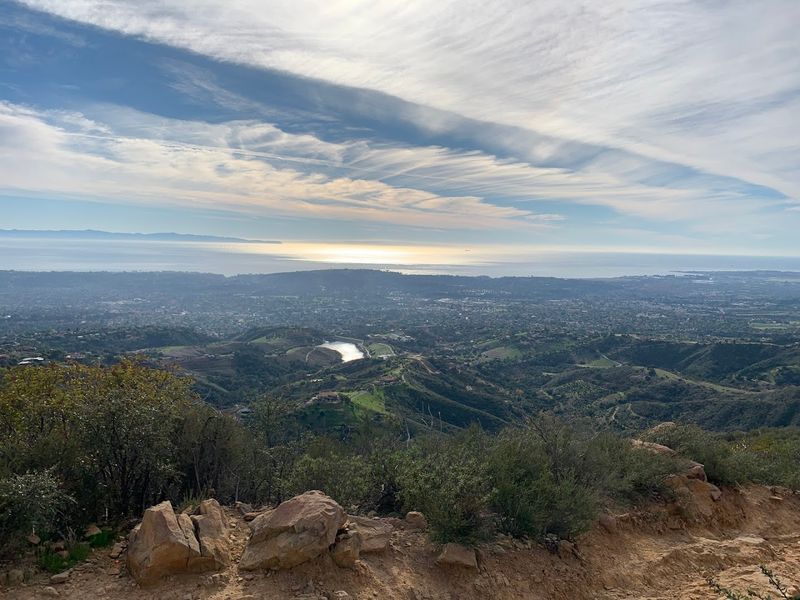
Reaching Inspiration Point above Santa Barbara requires a moderate hike of about 3.5 miles round trip, but the payoff at the top is a 360-degree view that takes in the city below.
The contrast between the urban grid of the city and the open ocean beyond it is striking from this elevation, and the chaparral-covered hills in every direction give the scene a wild, undeveloped quality that surprises many first-time visitors.
The trailhead begins in the Tunnel Trail area of Santa Barbara and gains elevation steadily through shaded canyon terrain before opening onto the exposed ridgeline.
The hike is considered moderate and is accessible to reasonably fit visitors, though the upper section can be warm and exposed on sunny afternoons. Carrying water is practical regardless of the season.
Clear winter days tend to produce the most dramatic views of the Channel Islands, when the air is washed clean by seasonal rains.
Weekday mornings offer a notably quieter experience on the trail compared to weekends, when the hike is popular with locals and visitors alike.
The view from the top has a way of reordering a person’s sense of scale, with the city looking small and the ocean looking enormous, which tends to make the hike feel worthwhile even before the descent begins.
12. Vista Point on Highway 395 near Mono Lake, Eastern Sierra
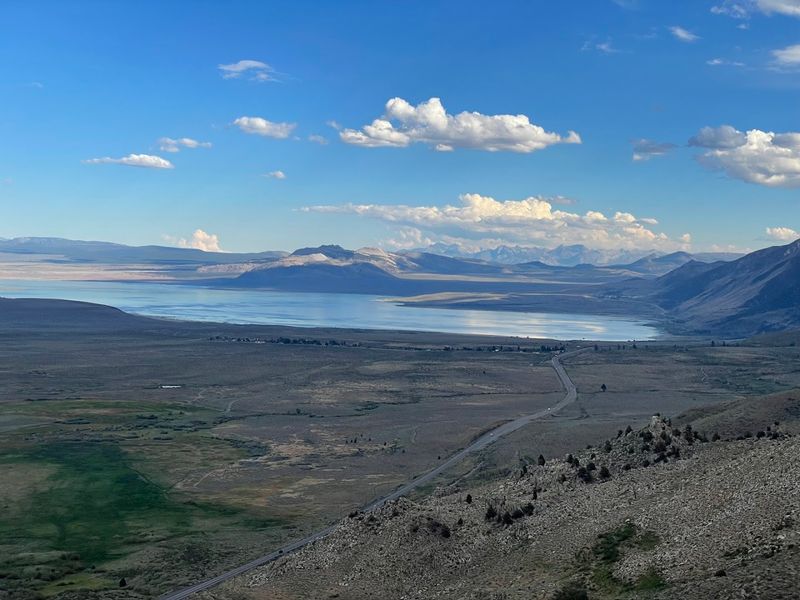
Mono Lake is one of the oldest lakes in North America, and the pull-offs along Highway 395 that look down toward it offer a view that feels genuinely ancient.
The tufa towers rising from the water are formed by calcium-rich springs interacting with the alkaline lake water, and they give the shoreline an otherworldly silhouette that looks unlike anything else in California.
The lake sits in a wide volcanic basin with the Sierra Nevada rising sharply to the west.
Several informal pull-offs along Highway 395 near Lee Vining provide elevated views of the lake before the road descends toward town.
The most developed viewpoint is the Mono Lake Tufa State Natural Reserve, which has a visitor center and short trails leading to the south tufa area.
Sunrise and sunset tend to produce the most dramatic light on the lake surface and the tufa formations.
The Eastern Sierra is accessible year-round along Highway 395, though winter conditions can affect side roads and trails around the lake.
Spring and fall bring migrating birds in large numbers, and the lake is an important stopover for species traveling along the Pacific Flyway.
The combination of the volcanic landscape, the unusual lake chemistry, and the mountain backdrop makes this one of the most visually distinct pull-off destinations in the entire state.
13. Mendocino Headlands Pull-Offs, Mendocino
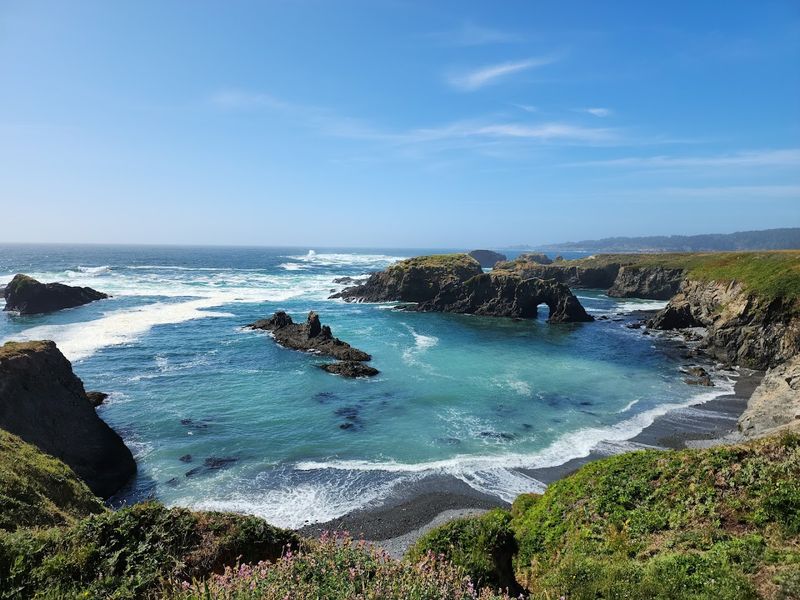
The headlands at Mendocino sit at the edge of the Pacific on a broad, grassy bluff that surrounds the historic village on three sides.
Pull-offs along the headlands road offer direct views of sea arches, blowholes, rocky coves, and waves that come in with real force, especially during winter swells.
The town itself sits behind the bluff, and the combination of Victorian architecture and raw coastal scenery gives Mendocino a visual character that is hard to find anywhere else in California.
Mendocino Headlands State Park surrounds the village and keeps the bluff area protected and undeveloped, which means the views remain open and unobstructed.
The gravel pull-offs along the headlands road are informal and free to use, and walking paths connect them so visitors can move between viewpoints on foot.
Low tide exposes tide pools along the base of the cliffs, and the variety of marine life visible there tends to extend any planned visit considerably.
Fog is common along this stretch of the Mendocino coast, particularly in summer, and it can roll in quickly and change the entire character of the headlands within minutes.
Afternoon sun on clear days illuminates the sea arches and the spray from the waves in a way that feels almost theatrical.
Most visitors who stop at one pull-off end up walking to the next and then the one after that, which is exactly how thirty minutes disappears without anyone noticing.