Searching The Gravel Bars Of Nebraska’s Platte River Turns Up Agates Polished By Ten Thousand Years Of Current
Nebraska’s official state rock is an agate, and the Platte River has been tumbling them smooth since long before anyone drew a map. Those little stones rode the current all the way from the Rocky Mountains and western Nebraska.
Most of them look like plain gray pebbles when dry. Splash some water on one, though, and it can suddenly glow like a piece of hard candy held up to the sun.
I like how this hobby asks for almost nothing. A bucket, a spray bottle, decent boots, and patient eyes will get you started on a braided river that never stops reshuffling the deck.
There is one spot in central Nebraska that makes a terrific home base for the whole adventure. It comes with lakes, a long bridge over the river, and room to camp.
So where do you start looking?
A River Base Camp Just East Of Kearney
Fort Kearny State Recreation Area sits along the Platte River near Gibbon, a short drive east of Kearney. It’s a handy launch point for anyone curious about the river’s famous gravel and the stones hiding in it.
The area is managed by the Nebraska Game and Parks Commission. That matters, because the rules for collecting on state land are different from the rules out in the open river channel.
Think of the recreation area as your headquarters rather than your quarry. You can camp, fish, walk, and study the river here, then plan your rock hunting around legal public access points nearby.
The setting does a lot of the work. Cottonwoods, sandpit lakes, and the wide, shallow Platte create the kind of landscape that makes you slow down and look at the ground.
Buffalo County has long been one of the best-known stretches for Platte agates. Public access near Kearney gives hunters a real shot at exposed gravel when the water drops.
So this park earns its place in the story by location alone. It puts you right in the middle of agate country, with a comfortable spot to rest between searches.
Stones That Traveled Hundreds Of Miles Downstream
Every agate on a Platte gravel bar is a long-distance traveler. The river drains parts of Colorado and Wyoming, pulling rock from the Rocky Mountain front and carrying it east.
Western Nebraska adds its own contribution. The Ogallala Formation, roughly 23 to 5 million years old, is a major source of the prairie agates found across the state.
Then the current gets to work. Pebbles bump, roll, and grind against each other for mile after mile, and the soft edges wear away.
What survives is tough stuff. Chalcedony and agate are hard enough to outlast weaker rock, so they arrive in central Nebraska rounded, smooth, and often surprisingly glossy.
The climate swings of the last 12,000 to 15,000 years shaped how the river moved and sorted its load. Floods and dry spells kept rearranging the gravel, burying some stones and uncovering others.
That’s the magic behind the title. A rock you pick up near Gibbon may have spent thousands of years getting polished by water before landing at your feet, and it didn’t charge a cent for the service.
Meet The Prairie Agate, Nebraska’s Official State Rock
Nebraska made the prairie agate its official state rock in 1967. Not many states can say their state rock might be sitting on a sandbar ten minutes from the campground.
Prairie agates are a rounded, multicolored form of chalcedony. Unlike the classic striped agates in rock shops, they often lack sharp, distinct banding.
That can fool beginners. A prairie agate may look more like a swirl of soft color than a bullseye, so don’t toss a stone just because it lacks neat rings.
The same year brought another honor. Blue chalcedony, often called blue agate, became Nebraska’s state gemstone in 1967.
Finding either one on the Platte feels a little like stumbling onto a piece of state trivia you can hold. It’s a fun bragging right, especially for kids who love a good fact.
Put both stones on your mental checklist before you head out. Learning their look ahead of time makes the hunt far more rewarding, and it keeps you from walking right past a keeper.
The Supporting Cast Of Jasper, Wood, And Moss
Agates get top billing, but the Platte has a deep bench. Common chalcedony turns up often, and it’s the stone that teaches your eyes what translucent really means.
Jasper adds color in red and brown tones. It’s opaque, so light won’t pass through it, but a wet piece can look rich and warm.
Small pieces of petrified wood show up too. Some are agatized and some are opalized, and you can sometimes spot faint grain lines from the original tree.
Banded agate and moss agate are the signature finds. Both trace back to volcanic source rock in the Rockies, which makes their trip to Nebraska even more impressive.
Flint and opal have also been reported in Platte gravels. And once in a long while, a Lake Superior-type agate appears, carried south long ago by glacial outwash.
That variety keeps every bar interesting. Even a day without a perfect agate can fill a bucket with jasper, wood, and chalcedony worth lining up on a windowsill back home.
Why A Spray Bottle Beats A Fancy Gadget
Dry agates are masters of disguise. On a sunny bar, they blend in with ordinary quartzite pebbles almost perfectly.
Water changes everything. A quick spray reveals true color and translucency, and suddenly the agate stands out like someone switched on a lamp inside it.
Most Platte agates run about one to three inches. That’s small enough to miss but big enough to pocket easily once you know what you’re looking at.
The sunlight trick works well too. Hold a promising stone up toward the sky, and real agate or chalcedony lets light glow through its edges.
Quartzite won’t do that. It stays stubbornly solid, which makes the comparison a quick and satisfying test right there on the gravel.
So skip the expensive equipment for your first trip. A refillable spray bottle and a bright afternoon can teach you more than any app, and they won’t need charging halfway through the hunt.
Know Exactly Where Collecting Is Allowed
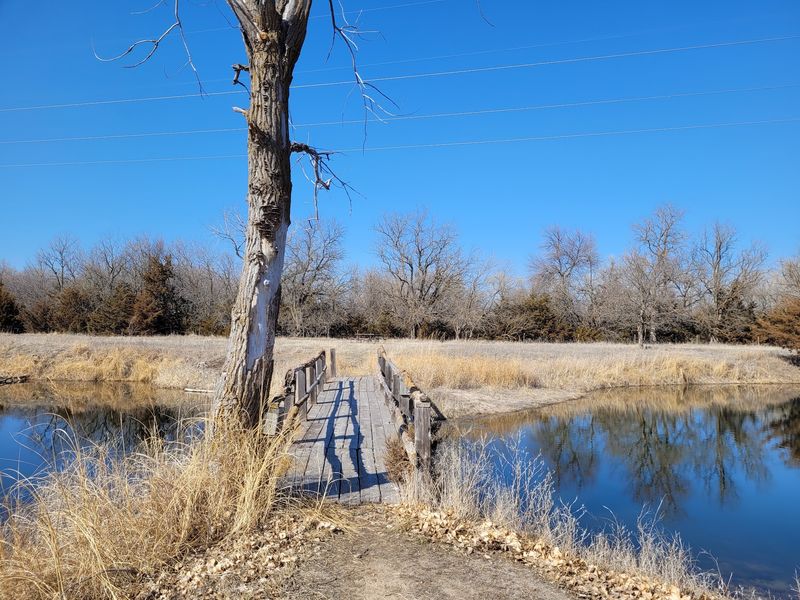
Here’s the part that keeps a fun day fun. Collecting rocks is generally not permitted in Nebraska state parks, and Game and Parks managed areas usually don’t allow it either.
That means Fort Kearny State Recreation Area works best as your base, not your rock pile. Enjoy its trails and lakes, then hunt where the rules clearly allow it.
The Platte channel below the ordinary high-water mark is generally considered public for collecting. You still need to reach it from a legal public point.
Good options include public access areas, bridge crossings, boat ramps, and county parks. Buffalo County has a known public access point near Huron Drive in Kearney.
Crossing private land to reach the river without permission is not allowed. Rules can also vary by county, so a quick call to local authorities before you go is smart.
A little homework now saves headaches later. Knowing your boundaries lets you relax on the gravel and focus on the fun part, which is staring at pebbles like they owe you money.
Low Water Season Is Agate Season
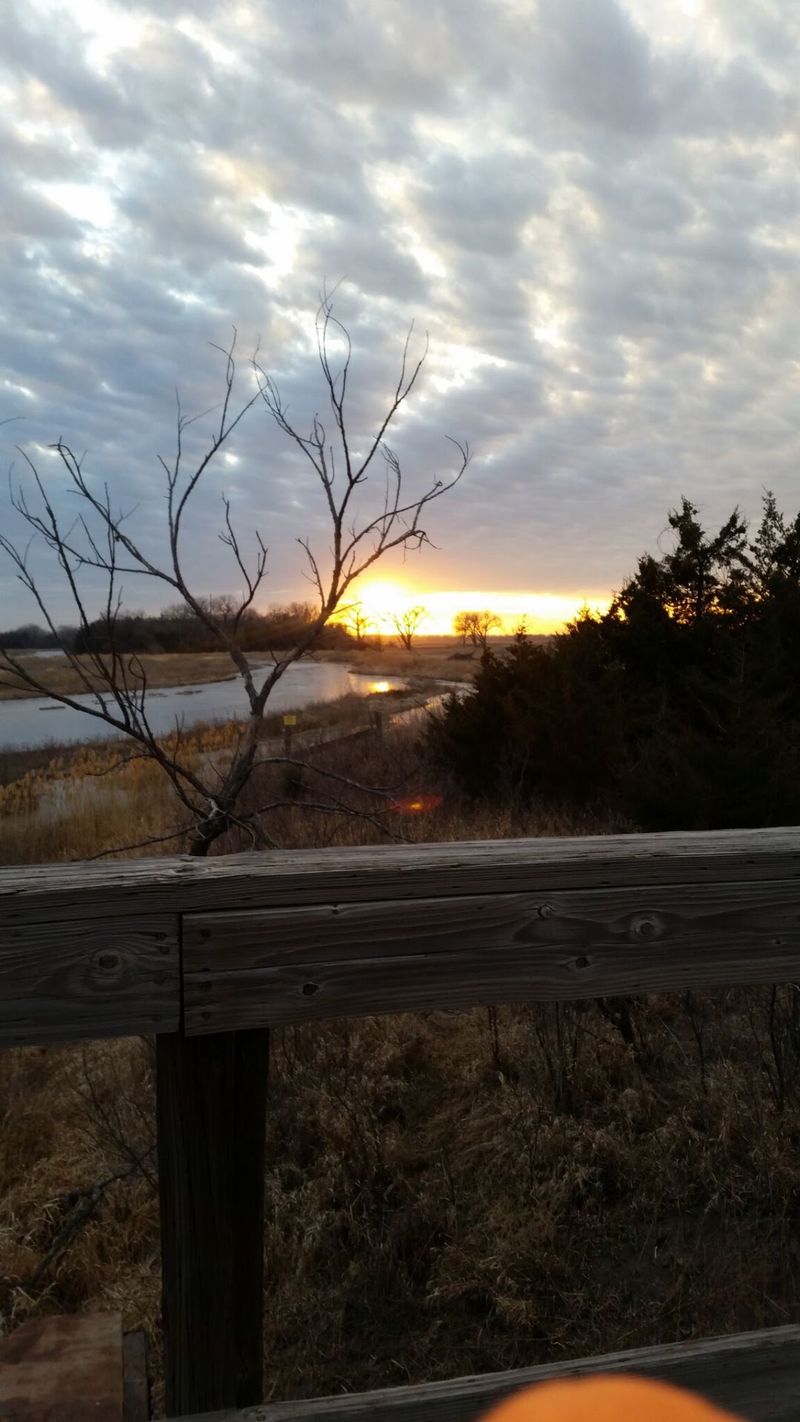
Timing matters more than luck on the Platte. Late summer and fall usually bring lower water, which exposes fresh gravel that’s been hidden for months.
Floods and snowmelt help too, oddly enough. Once high water starts dropping, it often leaves behind newly shuffled bars ready for a careful look.
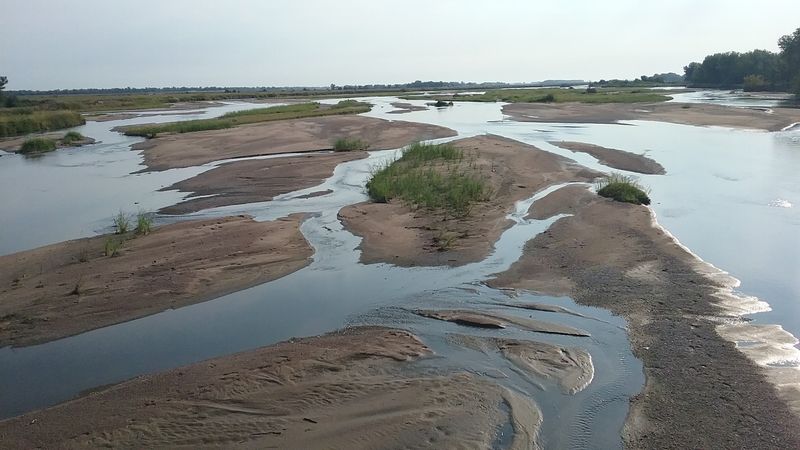
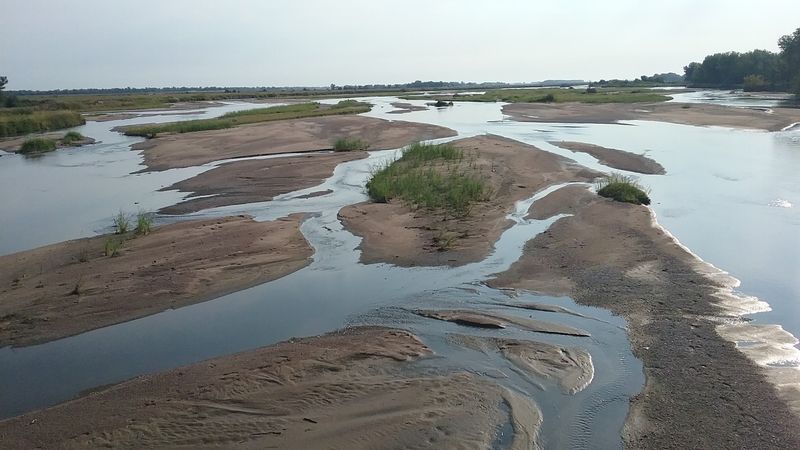
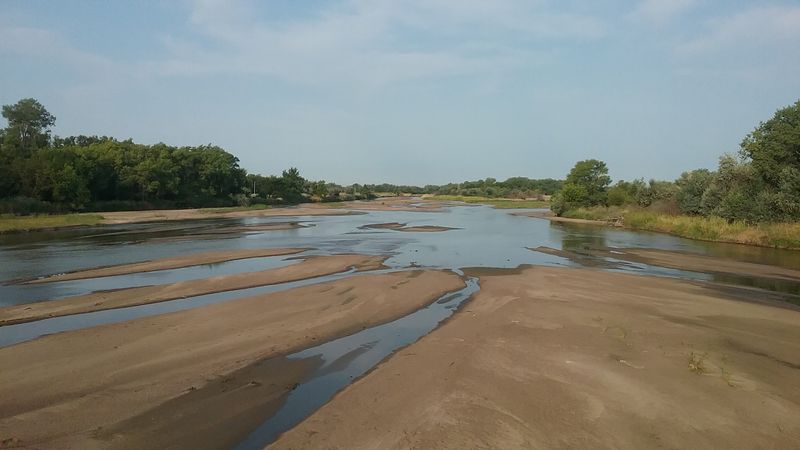
The river is braided, with many shallow channels weaving around sandbars. Each change in flow can move stones, so a bar you checked last month may look brand new.
March through November generally offers comfortable conditions for rockhounding along the river. Winter hunting is possible, but cold water and frozen gravel make it far less pleasant.
Fall carries an extra bonus in central Nebraska. Cottonwoods turn gold along the banks, and the cooler air makes long walks on the bars much easier.
Watch the river levels before you load the car. A week of dry weather can turn a hidden channel into a gravel buffet, and you’ll want to be first in line.
A Long Bridge With A View Of The Braids
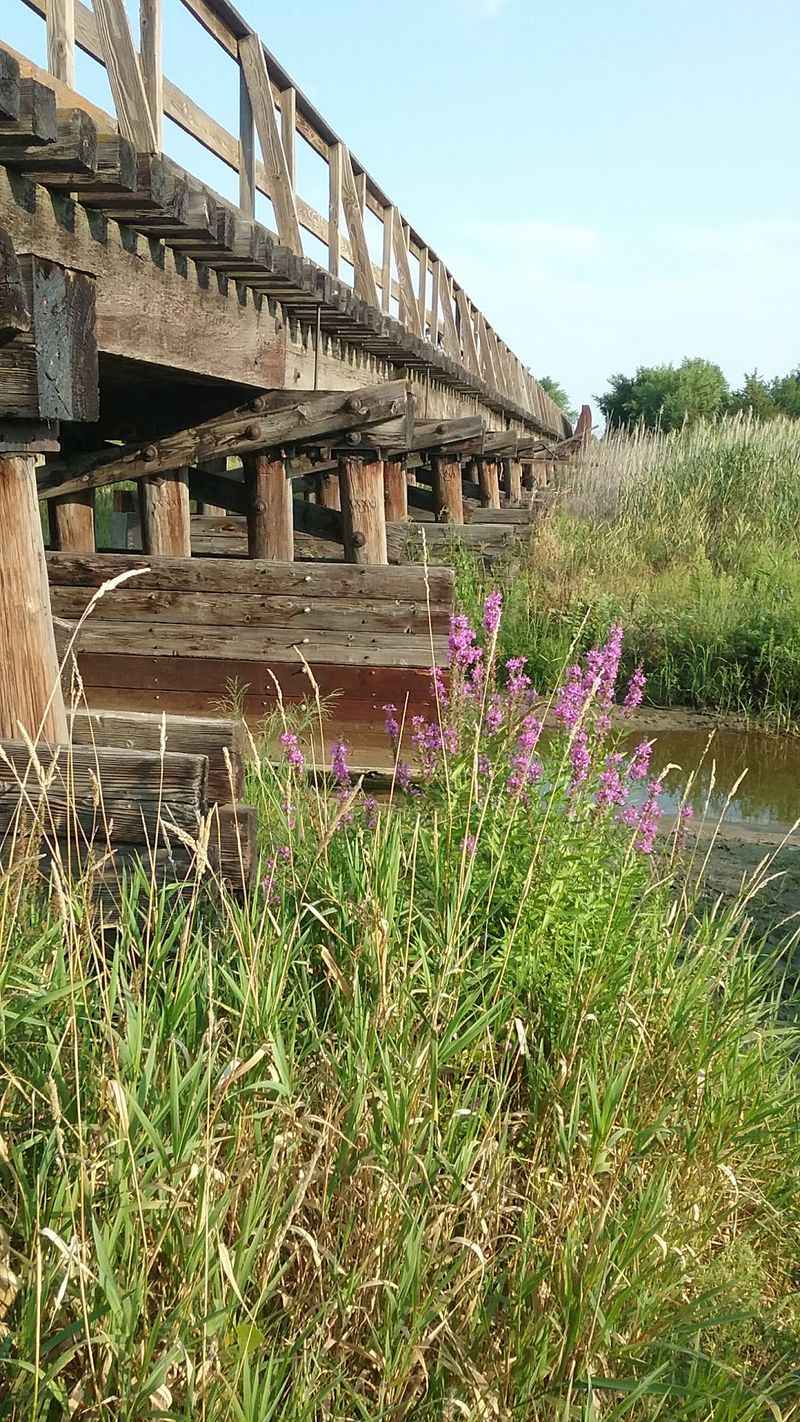
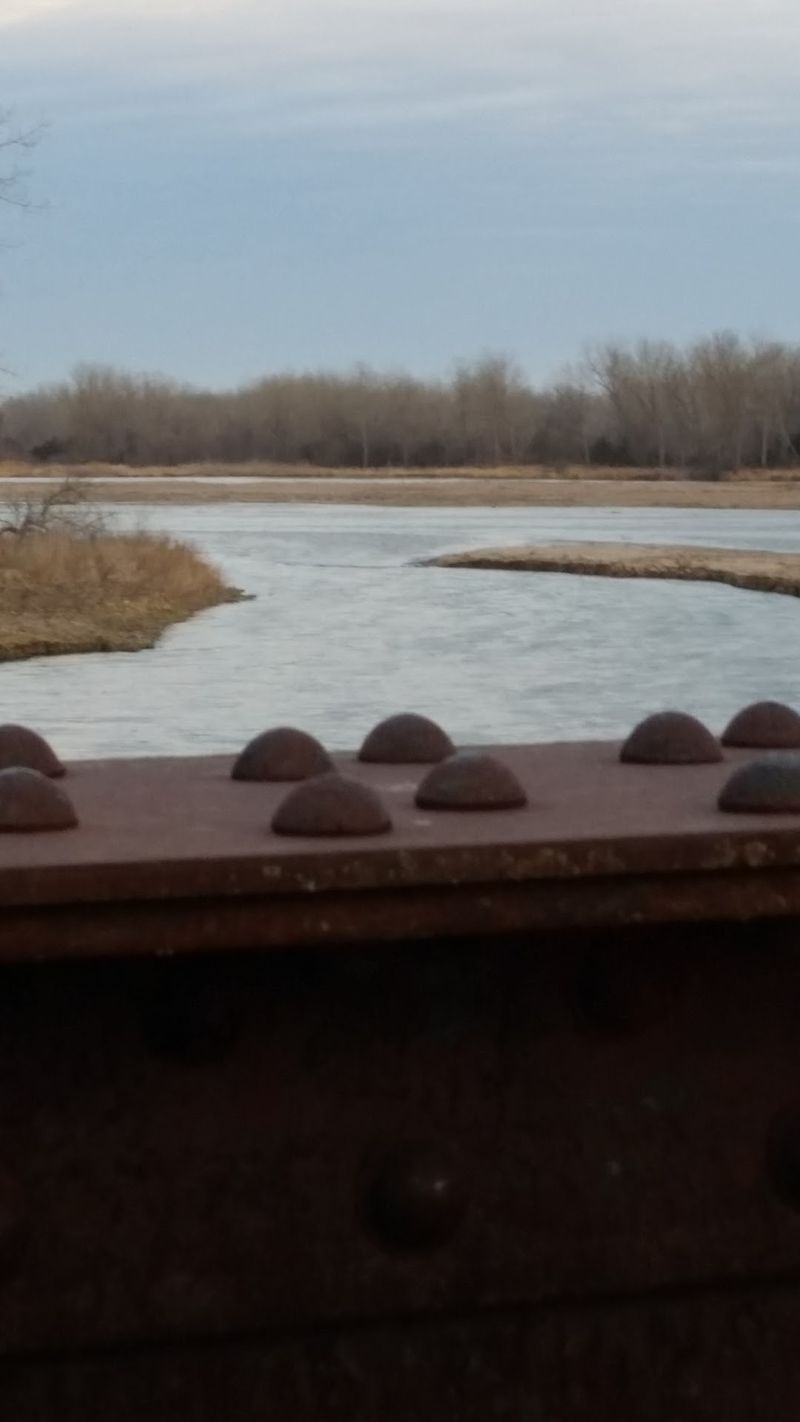
Few spots show off the Platte’s braided shape like the hike-bike trail at Fort Kearny State Recreation Area. It crosses the river on an old railroad bridge, giving you a bird’s-eye look at the channels below.
From up there, the river makes sense. You can see sandbars, shallow ribbons of water, and gravel patches that shift with every season.
It’s a great scouting tool for curious rockhounds. Studying where gravel collects helps you understand what to look for at legal access points downstream or upstream.
The walk is easy and level. That makes it a good outing for families, older visitors, and anyone who wants river views without wading in.
Bring binoculars if you have them. The Platte valley is famous for birds, and the bridge offers an open view across the water and trees.
Even without a single rock in your pocket, the crossing feels rewarding. It’s a reminder that the river doing all this polishing is wide, restless, and very much alive.
Sandpit Lakes For The Downtime
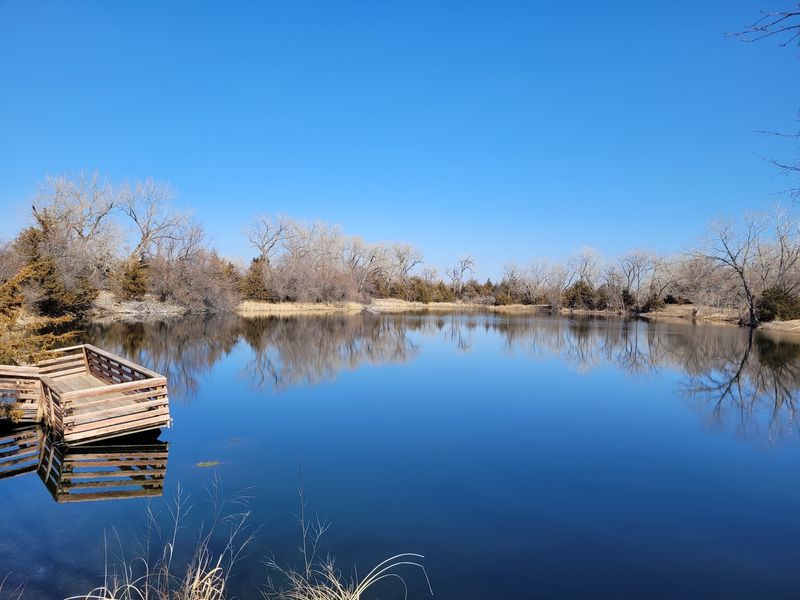
Rock hunting is wonderful until your back starts filing complaints. That’s when the lakes at Fort Kearny State Recreation Area come in handy.
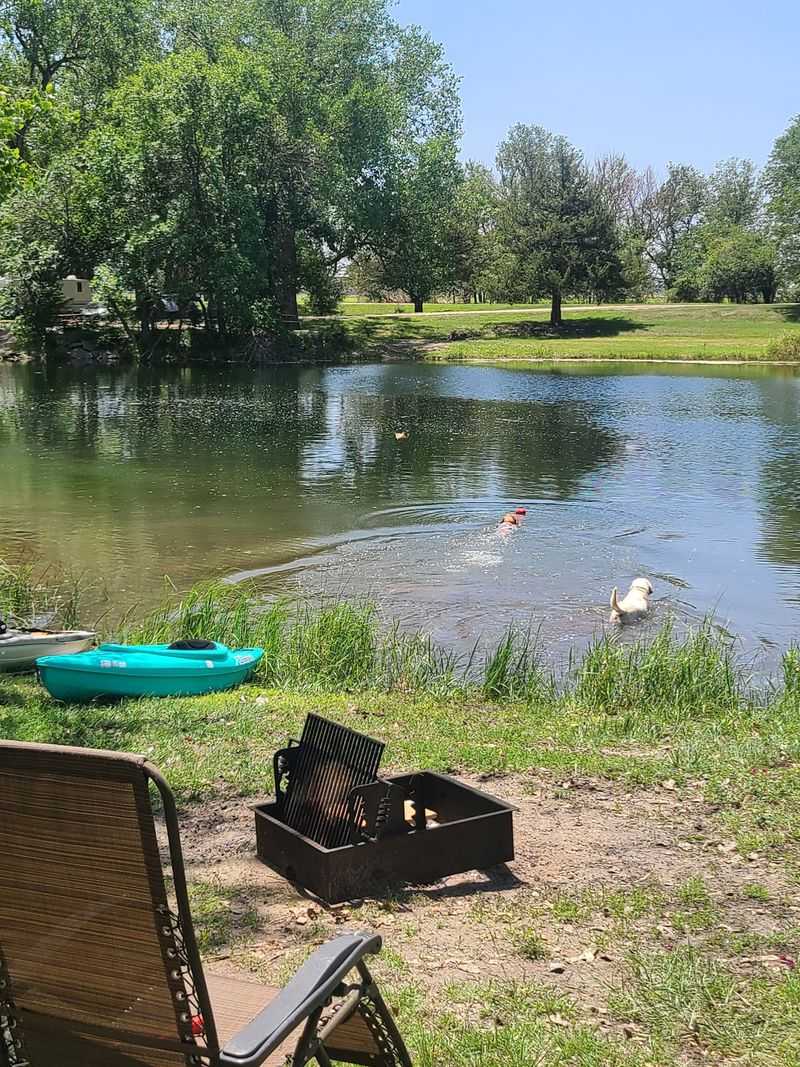
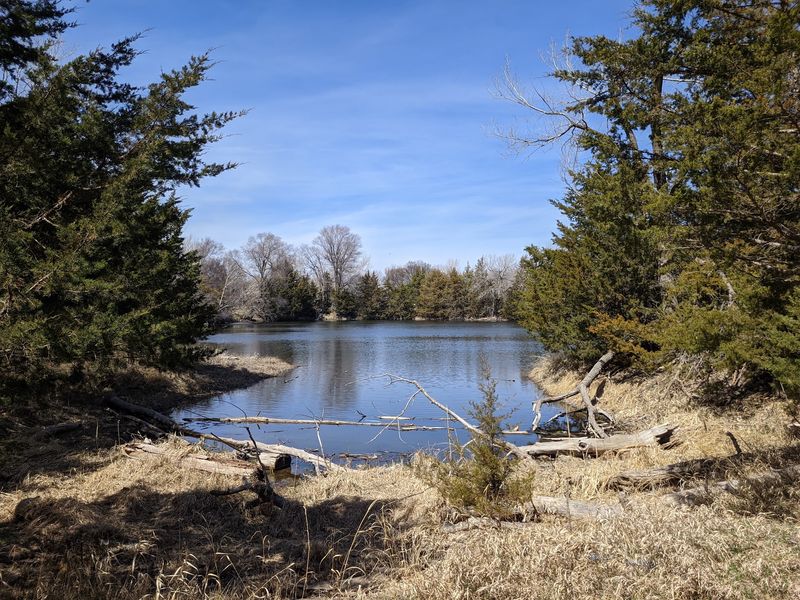
The area has a set of sandpit lakes, left behind by the same kind of river sand and gravel that hides the agates. It’s a fitting place to rest after a morning bent over a bar.
Fishing is a popular pastime here. Kids who lose interest in pebbles may happily switch to watching a bobber.
The calm water also makes a nice contrast to the busy, shifting Platte. One side of the day is slow and still, while the other is all channels and current.
A picnic by the shore turns a rock trip into a full family outing. Lay out your finds on a towel and compare colors while lunch disappears.
It’s a simple setup, and that’s the charm. Hunt in the morning, rest at the lakes, then decide whether the afternoon calls for another river walk.
Camping Close To The Gravel
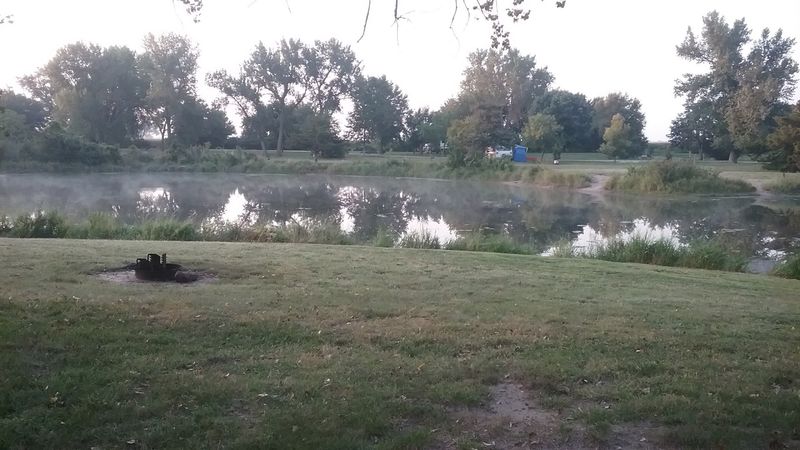
Early light is a rockhound’s best friend. Camping at Fort Kearny State Recreation Area puts you close to the river when the sun sits low and stones catch the glow.
The recreation area offers camping, which turns a quick stop into a weekend. You can scout one day and return to the best-looking access points the next.
Staying overnight also helps with water timing. If levels drop, you’re already nearby to take advantage of freshly exposed gravel.
Evenings can be spent sorting finds by lantern. Wet them again, hold them up to a flashlight, and argue about which one deserves the top spot.
Families tend to love that kind of slow wrap-up. It gives everyone a moment to share their favorite stone and the story of where they spotted it.
Check reservation details and permit requirements with Nebraska Game and Parks before you go. A state park entry permit is needed for vehicles, so plan that into your trip.
Packing Light For A Day On The Bars
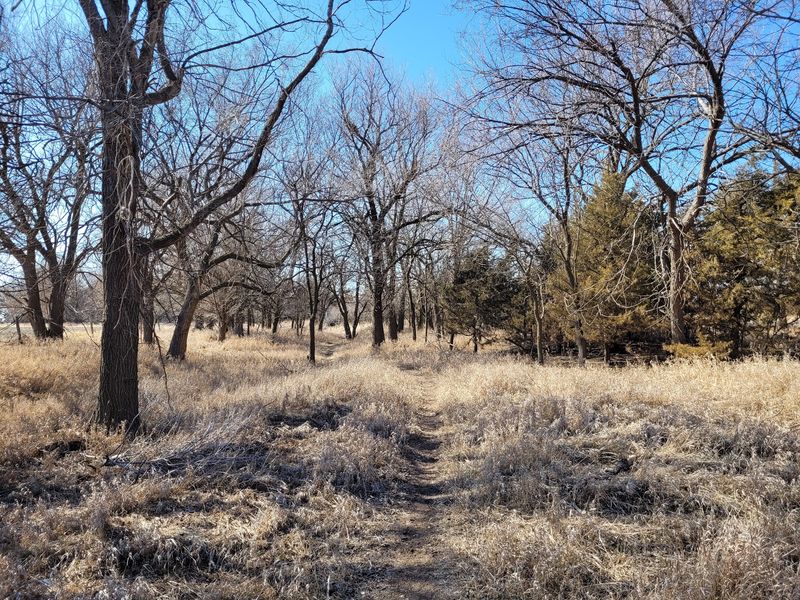
Good news for minimalists. The gear list for Platte agate hunting is short, cheap, and probably half-sitting in your garage already.
Start with sturdy boots. Gravel bars can be uneven, wet, and soft in spots, so solid footing matters more than style.
A small bucket or bag holds your finds. A hand trowel or small shovel helps turn over loose surface gravel where the rules allow it.
Bring a brush for cleaning off sand and mud. Add the trusty spray bottle, and you’ve got everything needed to spot color and translucency.
Sun protection and drinking water belong in the bag too. The open river offers little shade, and time disappears fast when you’re scanning stones.
Keep the haul reasonable and personal. This is a hobby about curiosity, not quantity, and the best souvenir is often one perfect agate rather than a sagging bucket of maybes.
Getting To Gibbon And The River
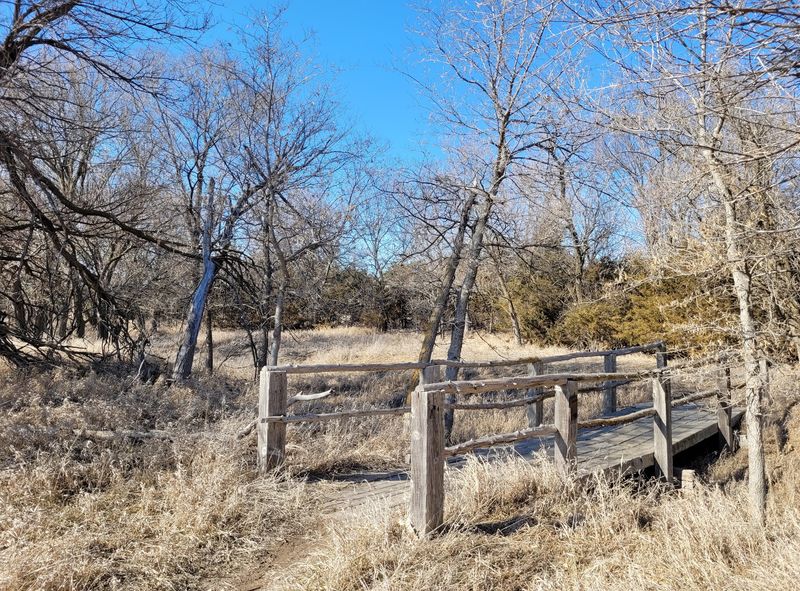
Finding the place is refreshingly simple. Fort Kearny State Recreation Area is listed at Gibbon, NE 68840, along the Platte River southeast of Kearney.
It’s an easy detour for travelers along Interstate 80 in central Nebraska. Kearney sits close by, so food, fuel, and supplies are never far away.
Fort Kearny State Historical Park is in the same neighborhood. Pairing the two gives you river time and a dose of frontier history in one trip.
Remember that a Nebraska park entry permit is required for vehicles at state areas. Sorting that out before arrival keeps the day moving smoothly.
For rock hunting itself, plan your route to a legal public access point. The Huron Drive area in Kearney is one known option along the river.
Grand Island and North Platte also have accessible Platte gravel bars. Starting near Gibbon simply puts you in a comfortable middle ground with plenty of river to explore.
A Pocketful Of Patience Pays Off Here
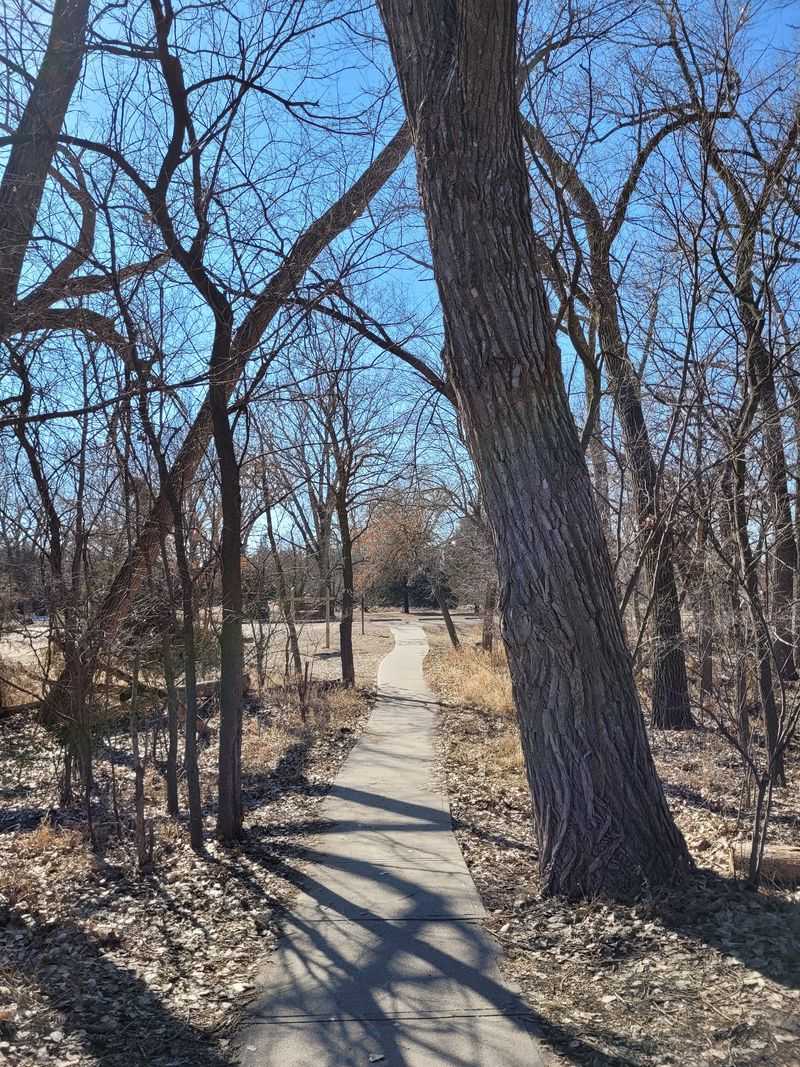
Some outings deliver big moments on schedule. Agate hunting on the Platte prefers quiet surprises, usually right when you’re about to call it a day.
Fort Kearny State Recreation Area makes those surprises easier to chase. It offers a place to camp, walk, fish, and study the river while you hunt legally nearby.
The stones themselves carry a great Nebraska story. They traveled from the Rockies and western Nebraska, then spent thousands of years being polished by moving water.
Kids get a treasure hunt, and grownups get a reason to slow down. Retirees and day-trippers get an easy, low-cost afternoon with a real payoff.
Just respect the rules, stay on public access, and keep your collecting modest. The river will keep doing its job long after your bucket is full.
So grab a spray bottle and watch the water levels. Somewhere on a Platte gravel bar, a little piece of Nebraska’s state rock is waiting for someone with sharp eyes and a free afternoon.