Seven Generations Have Milled Flour From Wheat Grown Right Outside This Nebraska Mill
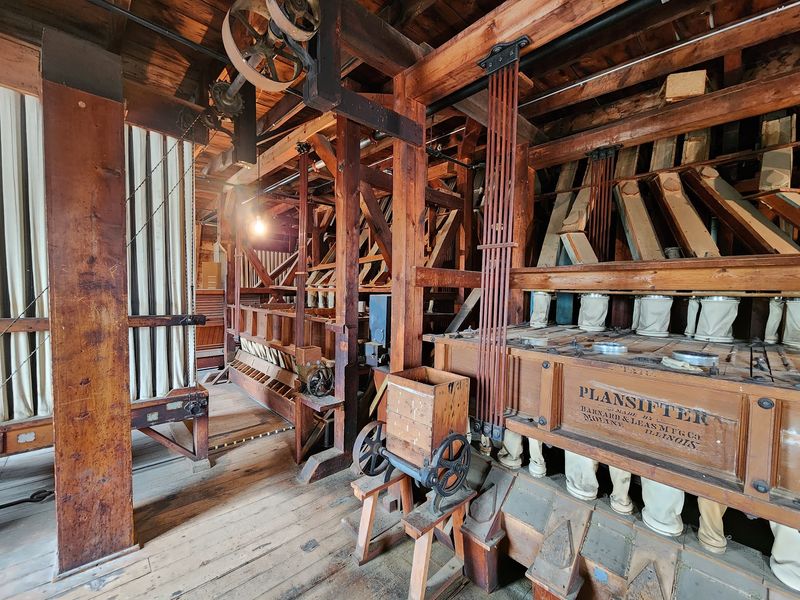
A flour mill built in the 1870s still holds its original milling equipment, right where the workers left it. That alone made me stop and read twice.
Most old mills got gutted, sold for scrap, or turned into something else long ago.
This one sits beside a river in northeast Nebraska. Farmers once hauled wheat here from the fields nearby.
The river turned the machinery, and the flour rolled back out to kitchens across the region.
I like how the story stays physical. You can stand next to the rollers, look up at the wooden chutes, and follow the path grain once took.
Nothing about it feels like a picture in a textbook.
I can’t imagine a better way to understand where bread used to come from. So what does a working-era mill look like when nobody ever cleared it out?
An 1870s Flour Mill Still Standing On The Elkhorn River
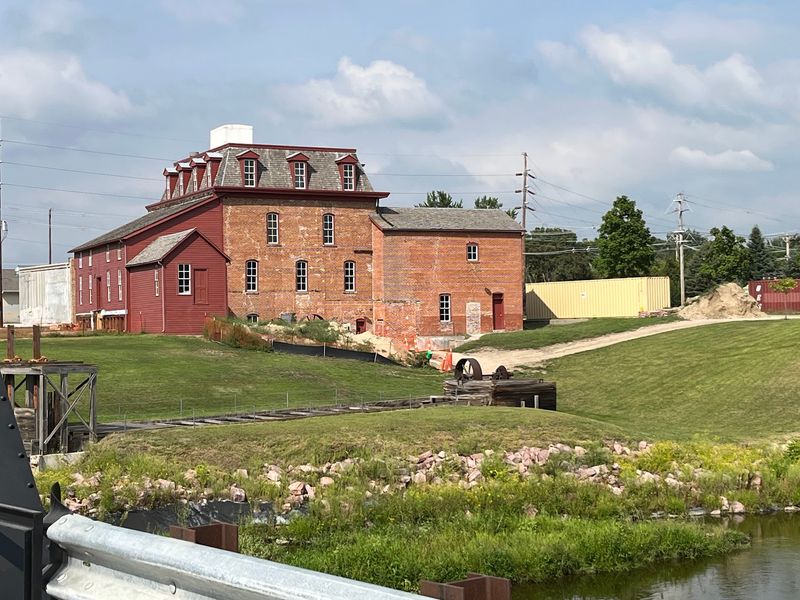
Right on the banks of the Elkhorn River, the Neligh Mill State Historic Site preserves a flour mill from Nebraska’s homestead era. It sits in the town of Neligh, in Antelope County, a few blocks from downtown.
History Nebraska, the state’s historical society, operates the site today. That means the mill is cared for as a public landmark rather than a private relic.
The big draw is simple. The mill still holds its original milling equipment, a rarity among nineteenth-century mills anywhere in the state.
Plenty of old mills survive as empty shells or converted shops. This one kept its guts, and that changes everything about how a visit feels.
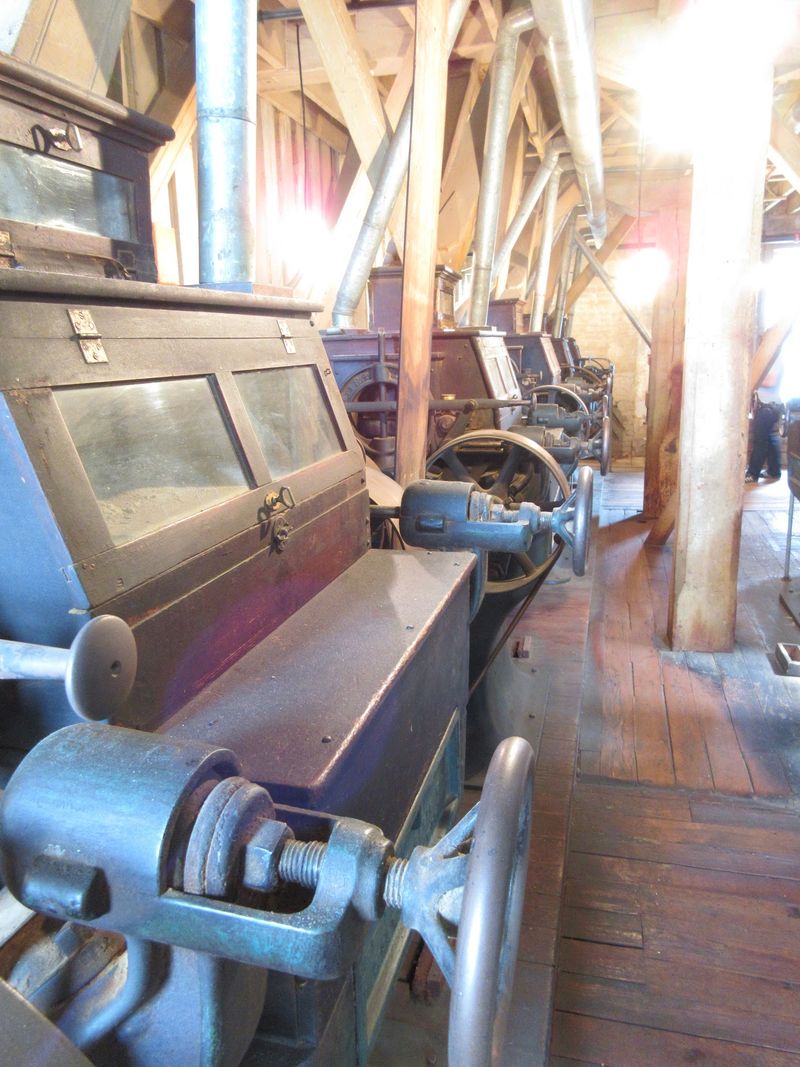
Instead of reading about flour production, you can look at the machines that handled it. Wooden chutes, belts, and rollers fill the floors the way they did when grain still poured in.
The setting helps too. A river, a bridge, and a quiet small-town edge make the place feel more like a stop on a country drive than a museum trip.
Think of it as a time capsule with the lid left open. Curious minds are welcome to poke around.
How A River Town Got Its Mill
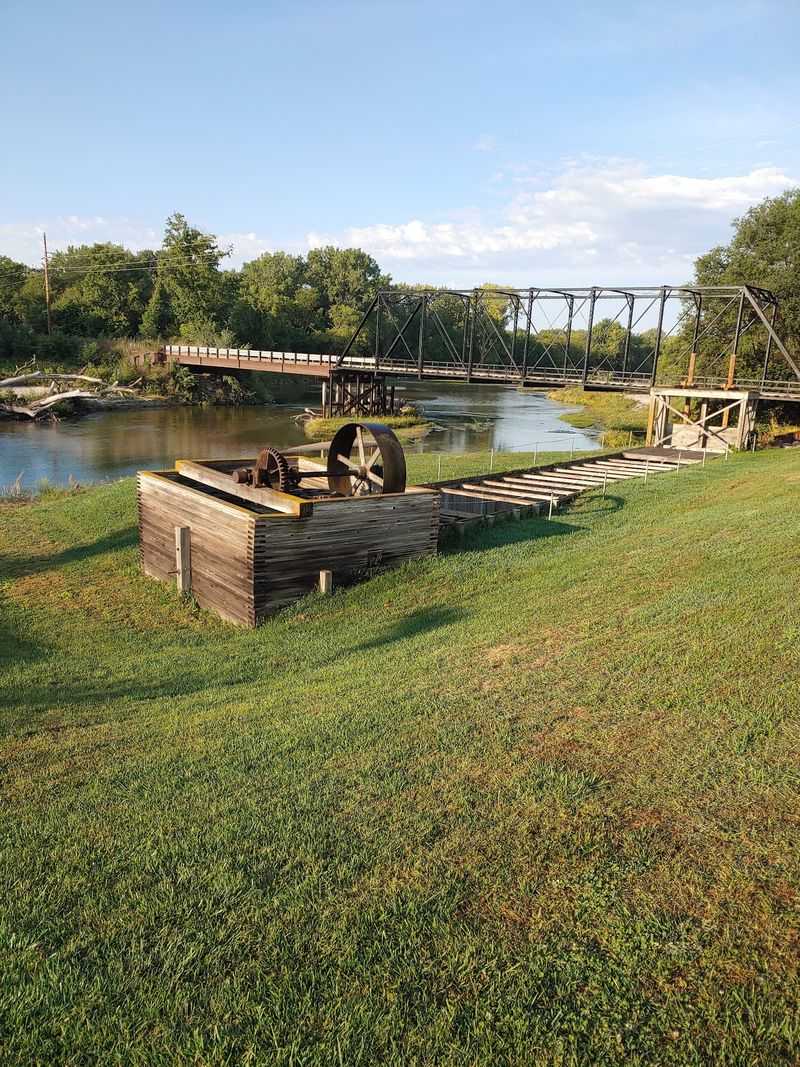
Back in the early 1870s, northeast Nebraska was filling up with homesteaders who needed somewhere to grind their wheat. A mill on the Elkhorn River answered that need.
The town itself carries the name of John D. Neligh, who played a key role in the settlement and the mill’s beginnings.
Name a town after you and folks tend to remember you.
Water power made the location sensible. The Elkhorn could turn the machinery, and farmers could haul grain in from surrounding fields without crossing half the state.
For a young prairie community, a mill was a big deal. It meant local flour, local work, and a reason for people to come to town regularly.
Over the decades, the operation adapted as milling technology changed. That steady updating is part of why the equipment inside tells such a layered story.
The building eventually stopped producing, but it never lost its place in the town’s identity. Neligh grew up around it, and the mill stayed put.
Today the site connects that early settlement chapter to something you can actually touch. Few Nebraska towns can point to their origin story and say, it’s right over there.
Wheat Fields Feeding A Prairie Kitchen
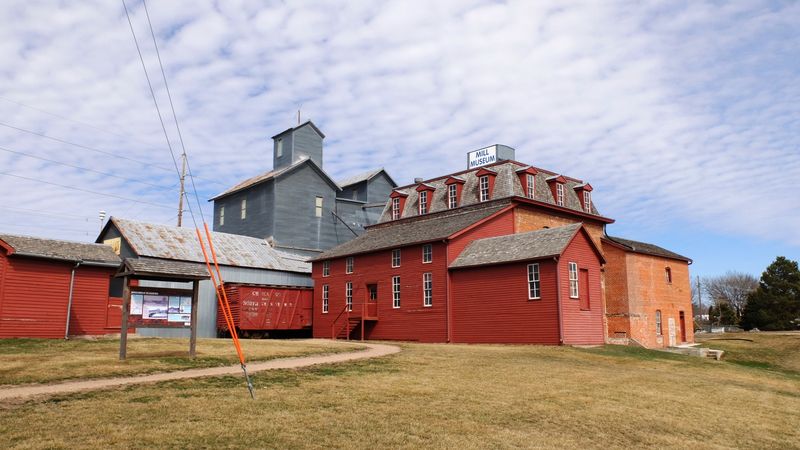
Flour doesn’t start in a bag. Around Neligh, it started in the wheat fields that stretched across Antelope County and the farms beyond.
Farmers brought their harvest to the mill, where it moved through cleaning, grinding, and sifting. The finished flour then headed back out to homes, bakeries, and stores.
That loop between field and mill shaped daily life in this part of Nebraska. Bread on the table often came from wheat grown within a short wagon ride.
It’s a tidy picture of a local food system long before anyone used that phrase. Grain went in, flour came out, and neighbors kept the whole thing moving.
At the historic site, you can trace that path through the building itself. The layout makes sense once you realize every floor had a job in turning kernels into something you could bake.
I find that connection oddly comforting. A biscuit feels different when you know its ancestors traveled only a few miles.
The fields around town still roll on today. Driving in, it’s easy to see why a mill made so much sense right here.
Original Machinery That Never Left The Building
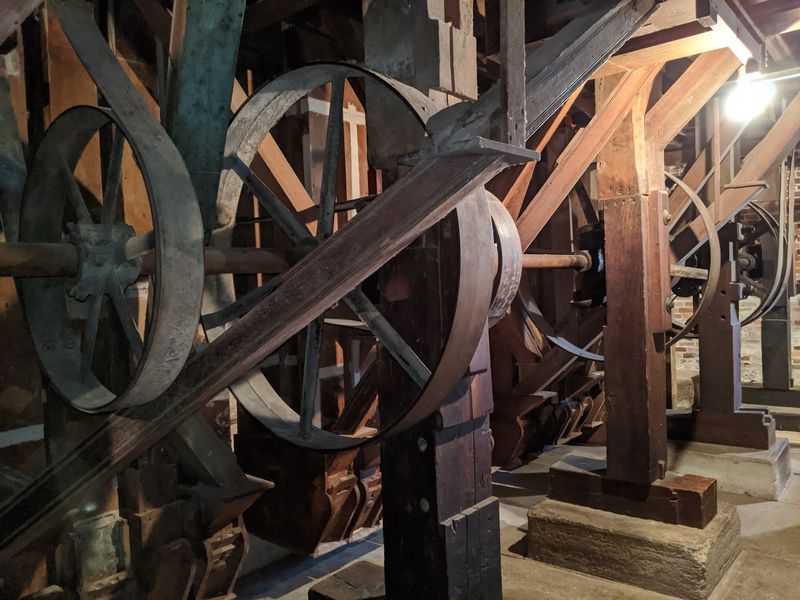
Here’s the detail that sets the Neligh Mill State Historic Site apart. The milling equipment inside is original to the mill, not gathered from elsewhere and staged for show.
Roller mills, sifters, elevators, and belts sit in place across the floors. Each piece had a role in the long chain from raw wheat to fine flour.
The wood and equipment are well maintained, which makes everything easy to study up close. Polished surfaces and sturdy frames show real care from the people who look after them.
For anyone who loves how things work, it’s a playground of pulleys. You can follow a belt with your eyes and guess what it powered.
The machines also show how milling evolved. Upgrades over the years left a record of changing technology right inside one building.
Kids who think flour grows on grocery shelves might get a surprise. Adults might too, honestly.
Take your time with the details. Small fittings, wooden spouts, and old labels add up to a much bigger story than the big machines alone.
Guided Tours Bring The Gears To Life
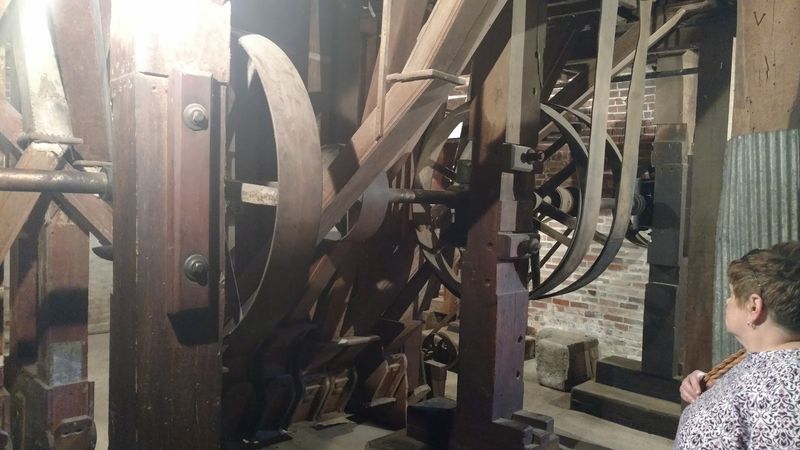
Sure, you could wander the mill alone. But the guided tour is where the place really starts talking.
Guides and the curator walk visitors through the milling process step by step. They explain what each machine did and why it mattered.
The staff are known for being knowledgeable and genuinely passionate about the site. That enthusiasm turns a room of old equipment into a lively history lesson.
Questions are part of the fun. Ask about a strange chute or a mystery lever, and you’ll likely get the backstory behind it.
Tours also cover how the mill shaped Neligh and the surrounding area. You leave knowing more about the town, not just the machinery.
After the tour, there’s usually time to circle back and look again. Seeing a roller a second time hits differently once you know what it did.
If staff aren’t free when you arrive, a self-guided look still works. Still, calling ahead about tours on weekdays is a smart move if you want the full experience.
Power Pulled Straight From The Elkhorn
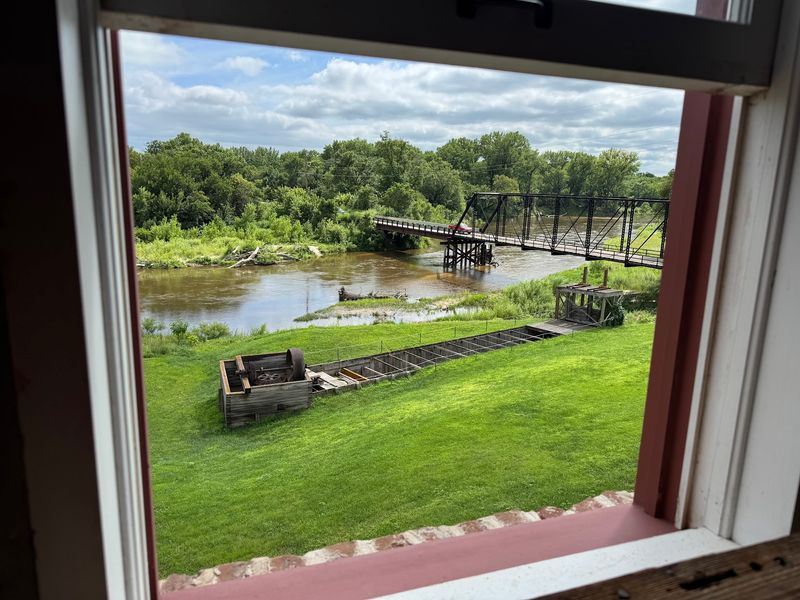
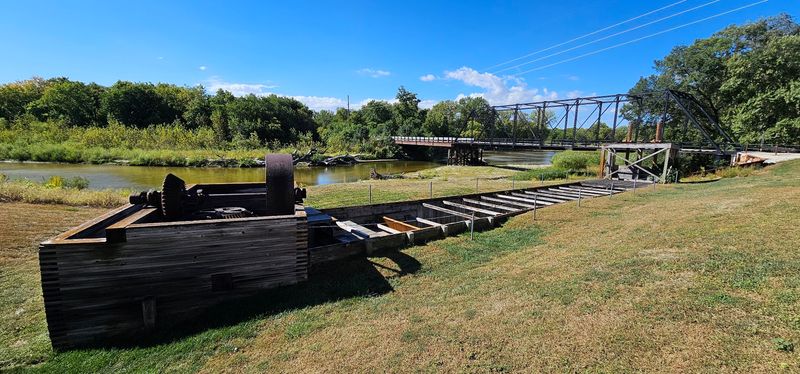
Long before power lines crossed the prairie, rivers did the heavy lifting. At Neligh, the Elkhorn River was the mill’s engine.
Flowing water turned machinery that drove the whole operation. Without the river, there’d be no mill, and maybe a very different town.
That dependence on waterways is one of the big lessons the site teaches. Early rural development in Nebraska often followed rivers for exactly this reason.
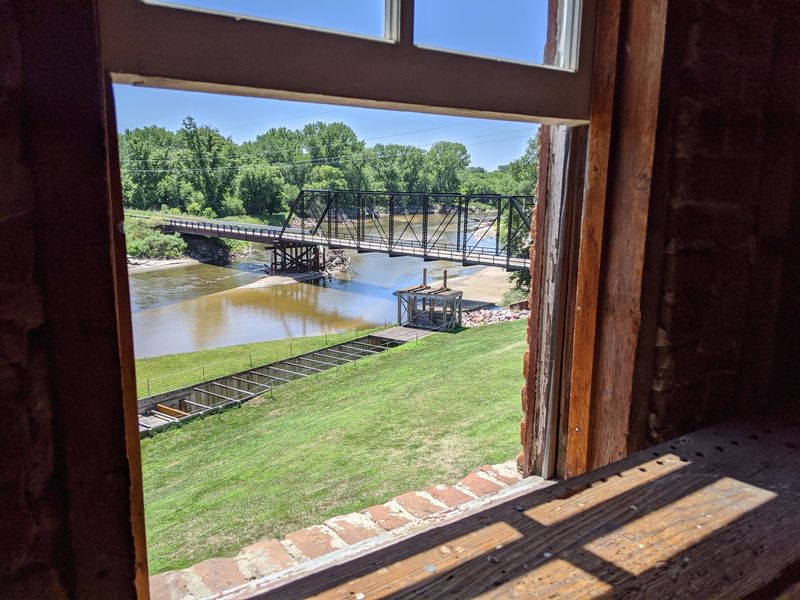
Standing near the bank, you can connect the dots between the water and the gears inside. It’s physics with a postcard view.
The river also gives the site a calm, scenic edge. Trees, moving water, and open sky make it pleasant to linger outside after the indoor tour.
Families can turn it into a mini science lesson. How does a river push a machine?
The answer sits right in front of them.
It’s a reminder that energy once came from the landscape itself. The Elkhorn still flows past, as if waiting for its next shift.
A Bridge Worth The Extra Few Steps
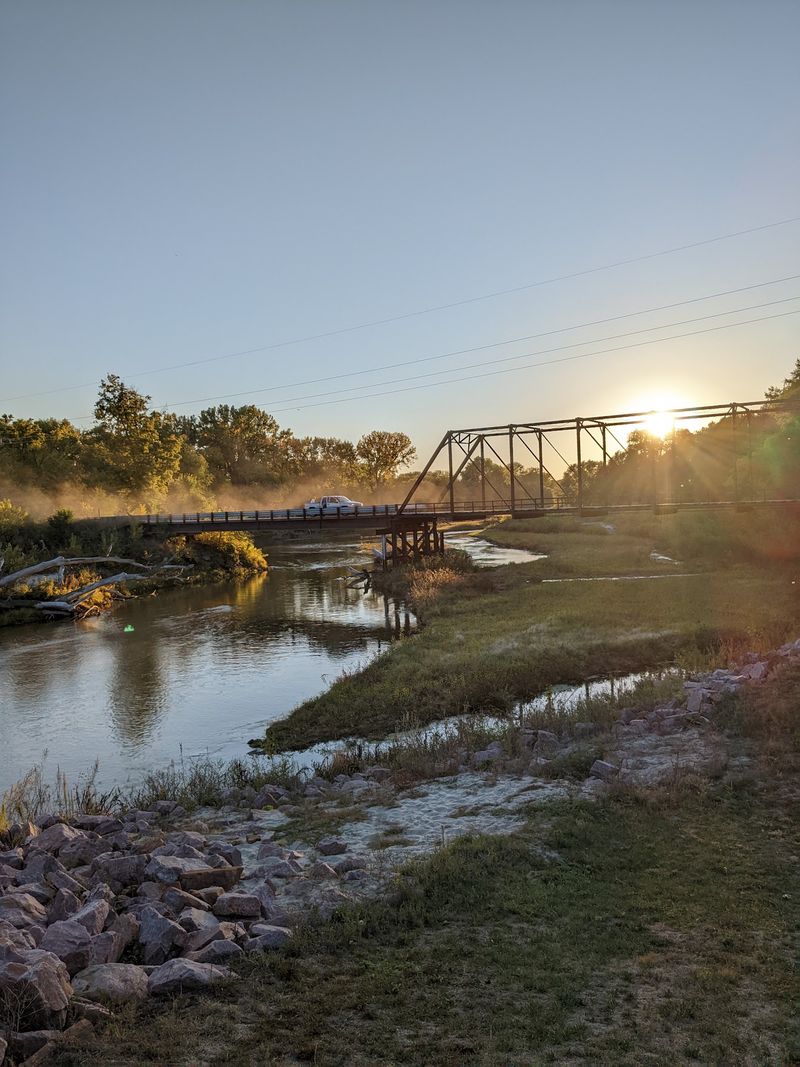
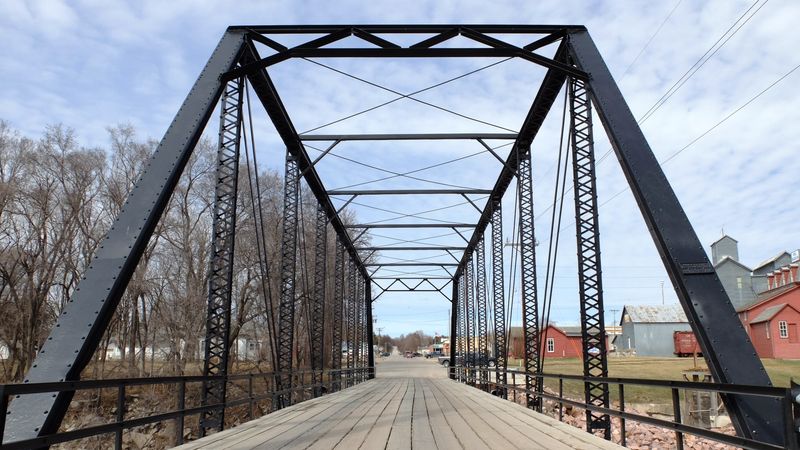
Right beside the mill, a bridge crosses the Elkhorn River, and it’s easily one of the prettiest spots on the grounds. Bring your camera and a little patience.
The river and bridge together make a lovely backdrop for photos. Old brick, flowing water, and riverside trees all fit in one frame.
Road trippers love this kind of stop for a reason. It’s the perfect place to stretch your legs after a long drive.
The bridge also adds context to the mill’s story. Getting grain and flour across the river mattered to farmers and the town alike.
Morning and late afternoon light tend to flatter the scene. Even a cloudy day gives the water a moody, painterly look.
Kids usually enjoy watching the river slide underneath. Adults usually enjoy the quiet.
Make it the final stop of your visit. A few minutes here helps the whole history lesson settle into something you can actually feel.
Artifacts And That Unmistakable Mill Smell
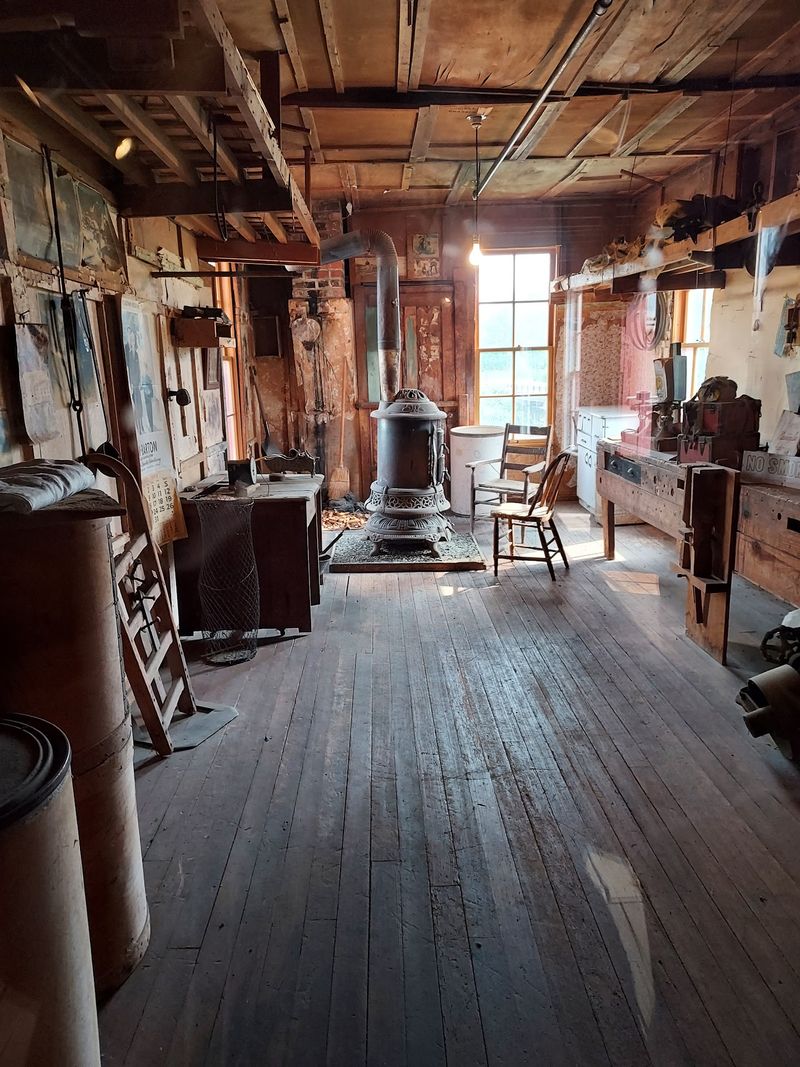
Old wood, old grain dust, and decades of history give the mill a scent all its own. People who visit often mention loving the smell almost as much as the machines.
Beyond the big equipment, the site holds a rich collection of artifacts. These objects help fill in the everyday side of milling life.
Look for items connected to flour production, packaging, and the people who worked here. Small things often tell the most personal stories.
A model train adds a fun touch inside, and it gives the space a playful vibe. Rail connections mattered for getting goods to market, so it fits the theme nicely.
Exhibits are arranged so you can move at your own pace. Linger where something grabs you, and skip ahead where it doesn’t.
For history buffs, the details are a treat. For younger visitors, the train might steal the show.
Either way, the collection rounds out the mill’s story. It reminds you real people lived around these machines every day.
Renovation Work That Keeps History Standing
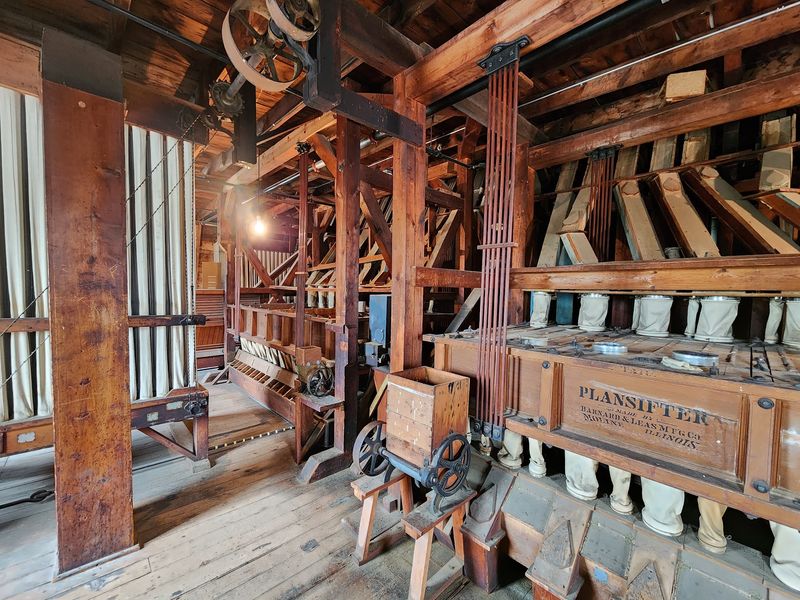
Old buildings need constant care, and this one gets it. In recent years, the Neligh Mill has gone through renovation work to protect the structure for the future.
That effort helps keep both the building and its machinery safe. Preserving original equipment means preserving the walls around it too.
History Nebraska manages the site as one of its state historic sites. Their role ensures the mill is treated as a lasting public treasure.
Preservation isn’t flashy, but it matters. Without it, the river town would lose one of its clearest links to its past.
Visitors often express gratitude that the mill is being saved. It’s easy to see why once you notice how complete the interior remains.
The mill also earned a spot on the National Register of Historic Places. That recognition highlights its importance far beyond Antelope County.
So when you visit, you’re seeing the result of steady, careful work. Every beam still standing is a small victory for Nebraska history.
Who Gets The Most Out Of A Visit
History lovers are the obvious fans, but they’re hardly the only ones. The mill suits a surprisingly wide crowd.
Families can turn it into a hands-on lesson about food, machines, and river power. Seeing the actual equipment beats any worksheet.
Retirees and grandparents often enjoy the slower pace and the stories. Some may even recognize tools or flour brands from their own childhoods.
Engineers and tinkerers might never want to leave. Following the belts and rollers is basically a puzzle with a delicious answer.
Photographers get brick, wood, water, and a bridge in one stop. That’s a strong lineup for a small-town site.
Casual road trippers benefit too. A quick visit works fine, though serious mill fans may want a couple of hours.
Bakers deserve a special mention. Understanding how flour once got made can make that next loaf feel a little more meaningful.
Basically, if you’re curious about how things used to work, you’ll fit right in.
Perfect Pit Stop On The Way North
Heading toward the Niobrara River or the Sandhills? Neligh lands neatly on the route for plenty of Nebraska travelers.
The mill makes a great break from the road. You can stretch, learn something, and get back to the drive without losing your whole day.
Many visitors stop on a whim and end up staying longer than planned. That’s the mark of a good detour.
The town sits in northeast Nebraska, within a reasonable drive of communities like Norfolk and Battle Creek. Day trips are very doable from much of the region.
Pair the visit with lunch in town or a stroll downtown. Neligh has small-town charm worth soaking in for an hour or two.
If you’re mapping a longer route, the mill pairs well with scenic drives through the Sandhills. History in the morning, wide-open views in the afternoon.
It’s the kind of stop that makes a road trip feel richer. Nobody complains about a bonus chapter.
Finding Your Way To Wylie Drive
Getting there is refreshingly simple. The Neligh Mill State Historic Site sits at Wylie Dr, Neligh, NE 68756, close to the Elkhorn River.
Neligh is the county seat of Antelope County in northeast Nebraska. Highways bring travelers in from several directions.
Once in town, the mill is easy to spot near the river’s edge. Its brick walls stand out against the trees and water.
A GPS will handle the last stretch without fuss. If you get turned around, just head toward the river.
The grounds give you room to walk around outside before or after heading in. The bridge and riverbank are right there too.
Plan your timing around the site’s weekday schedule. Showing up on a Saturday would be a sad little plot twist.
Comfortable shoes are a good call. Exploring several floors of a working-era mill means some stairs and standing.
After that, all that’s left is to slow down and look around.
Weekday Hours And A Budget-Friendly Visit
Timing matters here. The mill opens on weekdays, Monday through Friday, and stays closed on weekends.
Doors open in the morning and close in the late afternoon. Arriving earlier gives you more breathing room for a full tour.
Schedules can shift with seasons or staffing, so checking with History Nebraska before you go is wise. A quick call can also confirm whether a guided tour is available.
The visit has long been an easy one on the wallet. Some visitors have described it as free, though it’s best to confirm current admission before heading out.
Plan for at least an hour. Mill enthusiasts might happily spend two or more.
Weekday hours make it ideal for retirees, homeschool groups, and summer road trips. Working folks may want to save it for a vacation day.
Bring questions and a little curiosity. Those cost nothing and pay off nicely.
A modest plan can easily become a memorable afternoon here.
A Quiet Mill With A Lot To Say
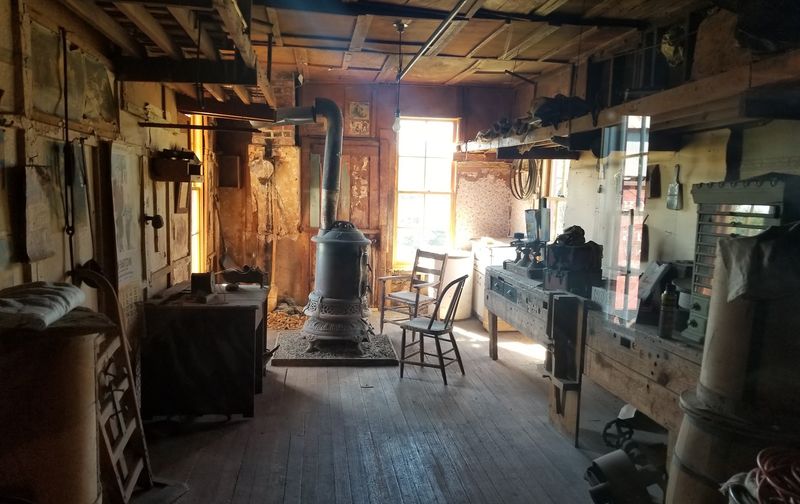
Not every historic site keeps its story intact. The Neligh Mill State Historic Site managed it, machines and all.
That’s what makes it worth the drive. You get to see the real tools that once turned Nebraska wheat into flour for prairie kitchens.
The guides bring warmth and knowledge. The river and bridge bring beauty and calm.
Together, they create an outing that feels both educational and relaxing. Few places balance those so easily.
I believe stops like this keep small-town Nebraska history from fading into footnotes. Standing among the rollers, the past feels close enough to touch.
It won’t take your whole day, and it won’t drain your wallet. It will probably change how you look at a bag of flour, though.
Plan a weekday visit, ask plenty of questions, and leave time for the riverbank. Bring someone who loves old things, or someone who doesn’t yet.
Either way, this mill along the Elkhorn deserves a spot on your next drive.