Waterfowl By The Thousands Stop At These 9 Nebraska Wetlands Before Heading South
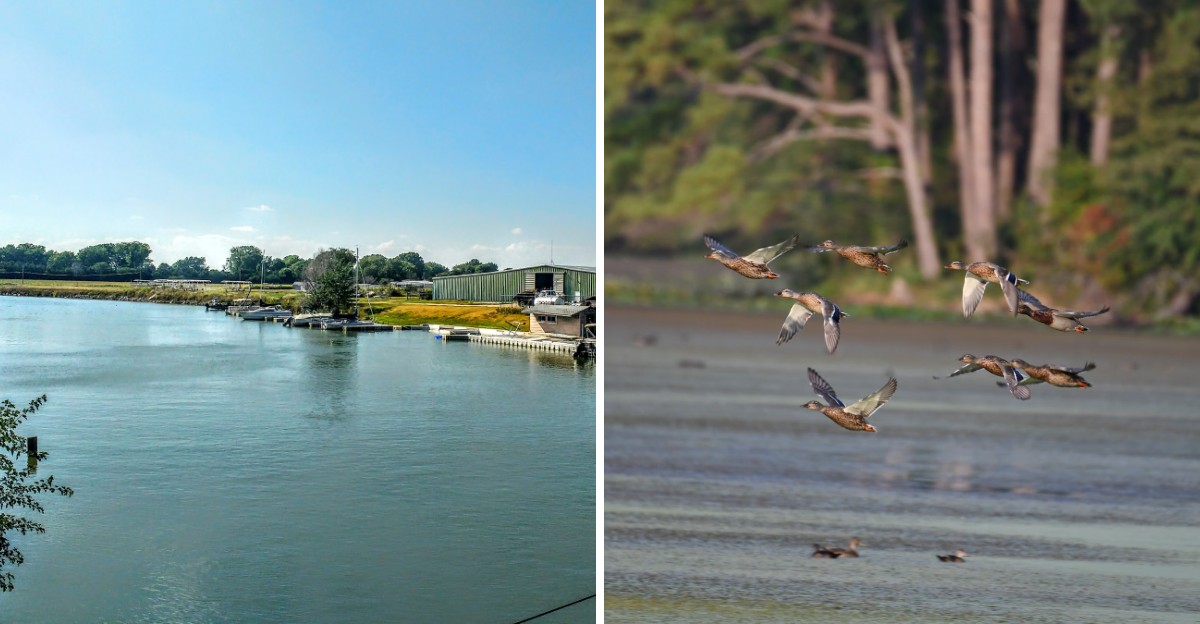
Snow geese can pack a single shallow Nebraska marsh so tightly that the water looks frozen over. It isn’t ice.
It’s birds, wingtip to wingtip, resting before the next leg of a very long trip.
Many of these wetlands started as rain-filled dips in farm country. Glaciers had nothing to do with them.
Wind and rain shaped the shallow basins, and the water still collects there each wet season.
I love that the show is free to watch from a gravel road or a simple trail. You bring binoculars, patience, and maybe a thermos of coffee.
The birds bring the noise.
The nine stops below range from tiny basins near small towns to Sandhills refuges larger than some cities. Each one hosts its own crowd of ducks and geese.
Which one will you visit first?
1. Funk Waterfowl Production Area
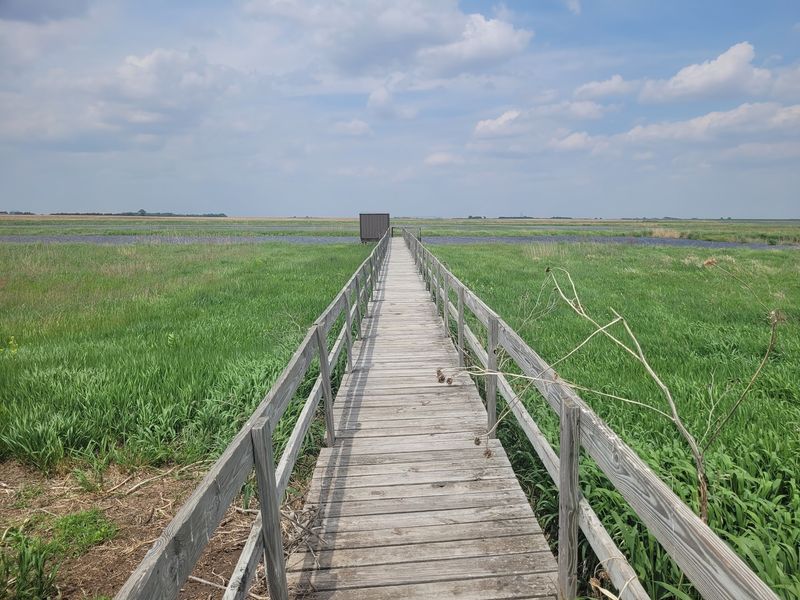
Size matters in the Rainwater Basin, and this spot wins the contest. Funk covers 1,989 acres, making it the largest Waterfowl Production Area in its district.
More than 1,163 of those acres are wetland. The rest is upland grass, which gives ducks and geese room to rest and feed nearby.
You’ll find trails for stretching your legs and an observation blind for quiet viewing. The blind lets you watch without sending a whole flock into the air.
Millions of migrating ducks and geese use the Rainwater Basin as a stopover, and Funk plays a major role. Endangered whooping cranes also visit here.
Restoration work has helped bring more whooping crane activity in recent years. Spotting one of these tall white birds would be a day-making moment.
Waterfowl Production Areas are generally open from sunrise to sunset year-round. That makes early mornings a smart window for catching birds lifting off the water.
Photographers, hunters, and birders all share this ground in season. Pack layers, because the Phelps County wind rarely takes a day off.
Address: 73746 V Road, Funk, NE 68940
2. Crescent Lake National Wildlife Refuge
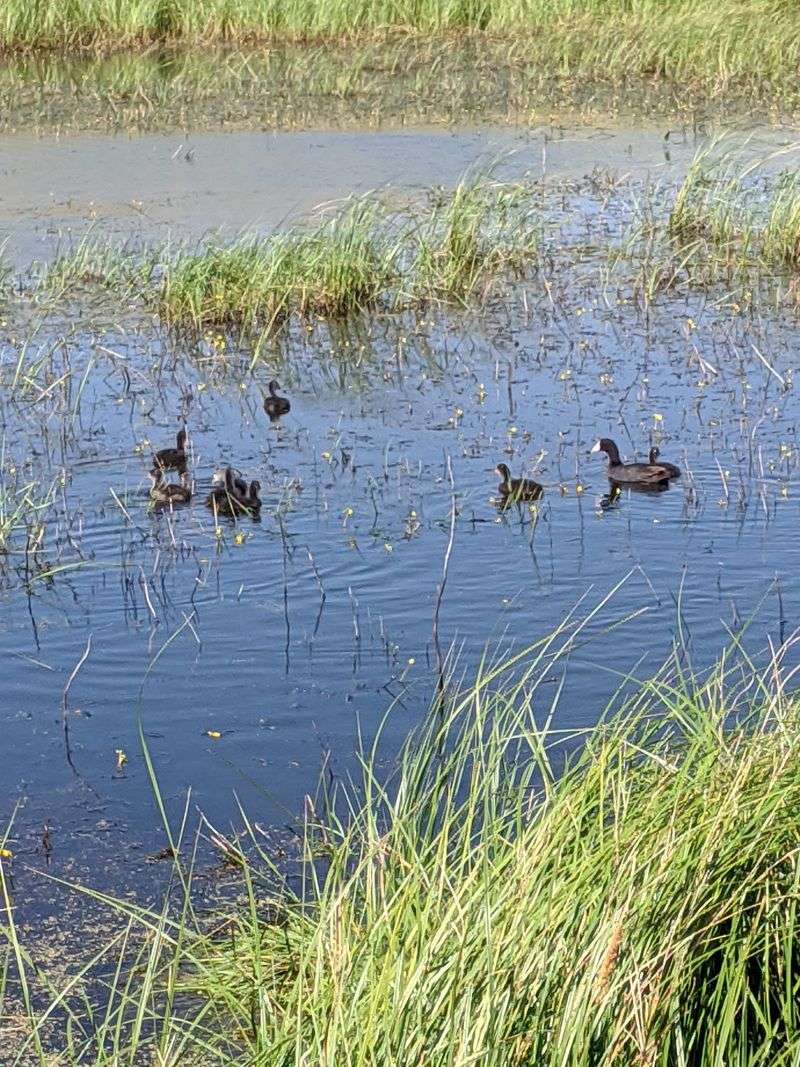
Solitude comes standard out here. Crescent Lake National Wildlife Refuge sprawls across more than 46,000 acres of the Nebraska Sandhills.
Established in 1931, the refuge was created as a breeding ground for migratory birds. It still serves that job nearly a century later.
The landscape mixes sub-irrigated meadows, upland dunes, and shallow lakes and marshes. Its 21 wetland complexes make up roughly 18 percent of the total acreage.
Sitting in the Central Flyway puts the refuge right on the travel route. Waterfowl and waterbirds gather here in impressive numbers during migration.
A long one-way road lets you cruise slowly and scan the lakes from your car. You can also hike, fish, boat, or hunt in season.
Families will find kid-friendly hikes and a public restroom at the visitor center. Bug spray is smart, since ticks are part of the Sandhills package.
The refuge is open from sunrise to sunset daily. Plan for a real drive, because the nearest towns are a good distance away.
Address: 10630 Rd 181, Ellsworth, NE 69340
3. Valentine National Wildlife Refuge
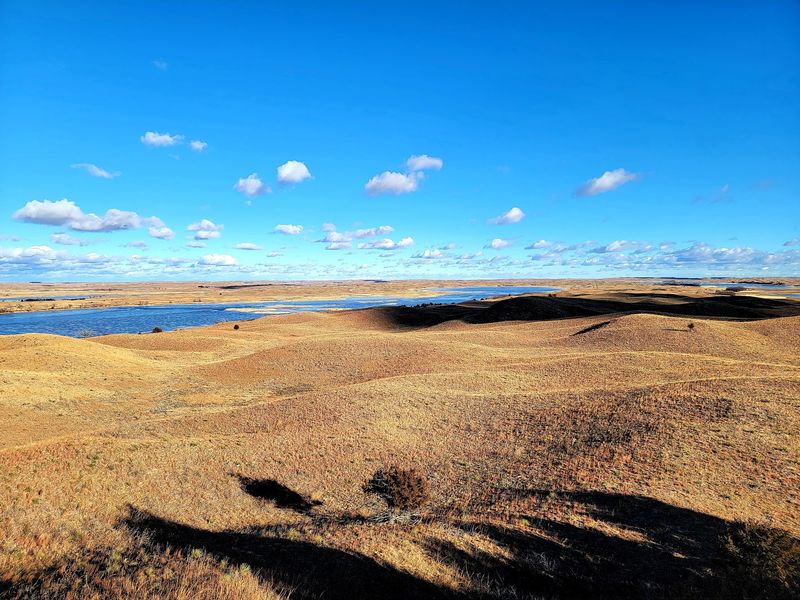
Up to 150,000 ducks. That’s the kind of crowd Valentine National Wildlife Refuge can host during peak migration in May and October.
The refuge dates to 1935 and protects roughly 71,500 acres. Tall and mid-grass prairie surrounds a scattering of lakes and marshes.
Bird watchers have recorded more than 260 species here. That list makes it a serious stop for anyone carrying a field guide.
It earned National Natural Landmark status in 1976. In 2005, it was named a Nebraska Important Bird Area.
You can hike maintained trails, cast a line, or simply watch the water. Seasonal hunting covers upland game, deer, and waterfowl.
Kids can handle several of the trails without much fuss. The lakes and dunes give them plenty to look at along the way.
Open year-round during daylight, the refuge makes a fine fall road trip from Valentine. October brings the ducks, and the prairie colors come along for free.
Address: 39679 Pony Lake Rd, Valentine, NE 69201
4. Sacramento-Wilcox State Wildlife Management Area
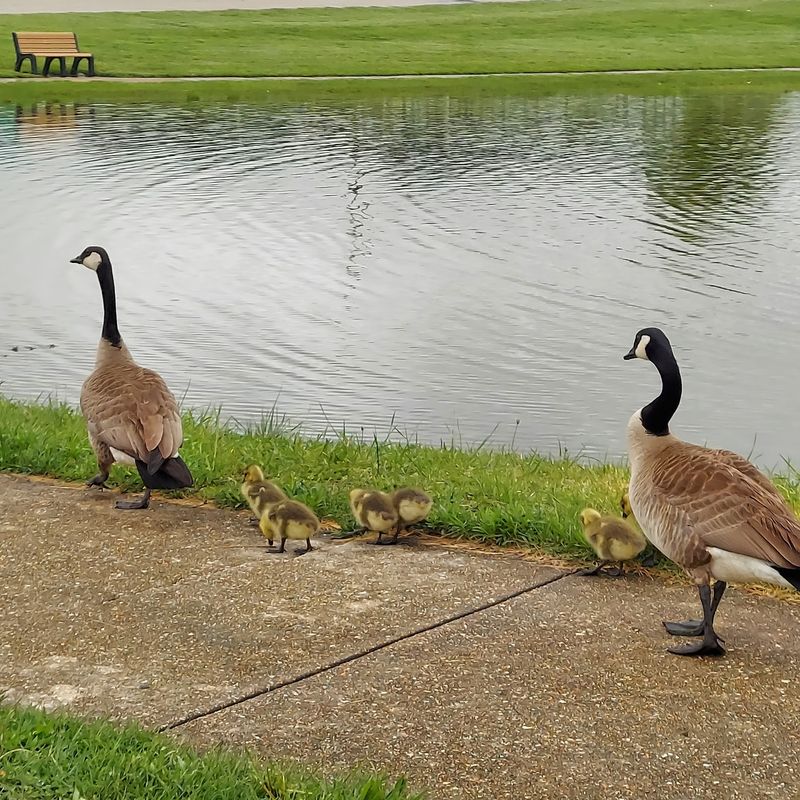
Hundreds of thousands of geese and ducks need somewhere to sleep. Sacramento-Wilcox was built around managed wetland impoundments to give them exactly that.
The area sits in Phelps County near the small town of Wilcox. It’s a state wildlife management area set inside the Rainwater Basin.
Managers keep water and marsh available for roosting and foraging. Birds use it during both spring and fall flights along the flyway.
That two-season traffic makes it a handy pick for return trips. You can visit in fall, then come back in spring for round two.
Picture the basins as a rest stop with no vending machines. The birds get water, cover, and food from nearby fields instead.
Bring binoculars and a field guide for sorting out duck species. A spotting scope helps when flocks settle far across the marsh.
Morning and evening are classic times to watch birds coming and going. Keep a respectful distance so the flocks can rest undisturbed.
Address: Wilcox, NE 68982
5. Harvard Waterfowl Production Area
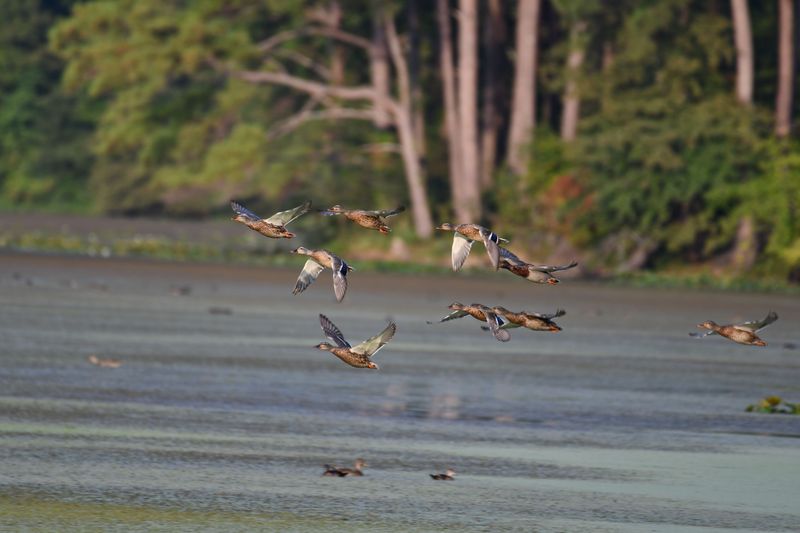
Playa wetlands sound like something from a beach vacation. In Clay County, they’re shallow basins that fill with water and then fill with geese.
Harvard Waterfowl Production Area protects a classic Rainwater Basin playa. It’s federal land, set aside for migrating waterfowl.
Snow geese and other waterfowl stop here by the thousands. They rest on the open basin water and feed in the surrounding fields.
That back-and-forth creates a lot of action for watchers. Flocks lift off, circle, and settle again throughout the day.
Nebraska’s Rainwater Basin gets its water from rain and snowmelt rather than rivers. So conditions shift from year to year depending on the weather.
A wet spring can mean more water and more birds. Dry seasons may shrink the basin, so checking conditions before driving out is wise.
The site is easy to reach from Harvard and nearby Hastings. It makes a quick add-on to any south-central Nebraska birding loop.
Address: Rd 319, Harvard, NE 68944
6. Cottonwood Federal Waterfowl Production Area
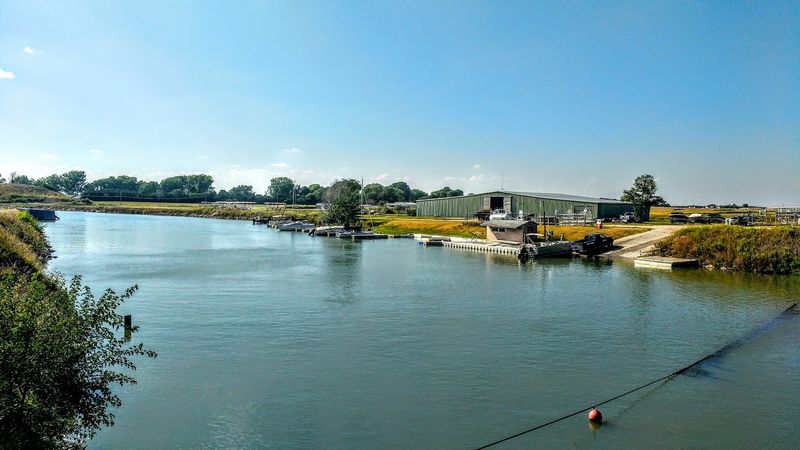
Gosper County doesn’t get much birding buzz, which is exactly why this stop is fun. Cottonwood sits near Bertrand on the western edge of the basin network.
It’s a federal Waterfowl Production Area made up of wetland basin acreage. The site belongs to a larger web of migratory stopovers across south-central Nebraska.
Open staging water gives passing flocks a place to land and regroup. Think of it as a refueling station on a very long highway.
Because it sits farther west than many basin sites, it pairs well with a Funk visit. You can hop between the two in one outing.
Fewer famous names nearby often means quieter viewing. You may have the marsh mostly to yourself on a calm weekday.
Pack snacks, because amenities are minimal at these production areas. A pair of boots also helps if the ground is soft.
Watch the sky as well as the water. Long lines of waterfowl overhead are half the show.
Address: Bertrand, NE 68927
7. Brauning Waterfowl Production Area
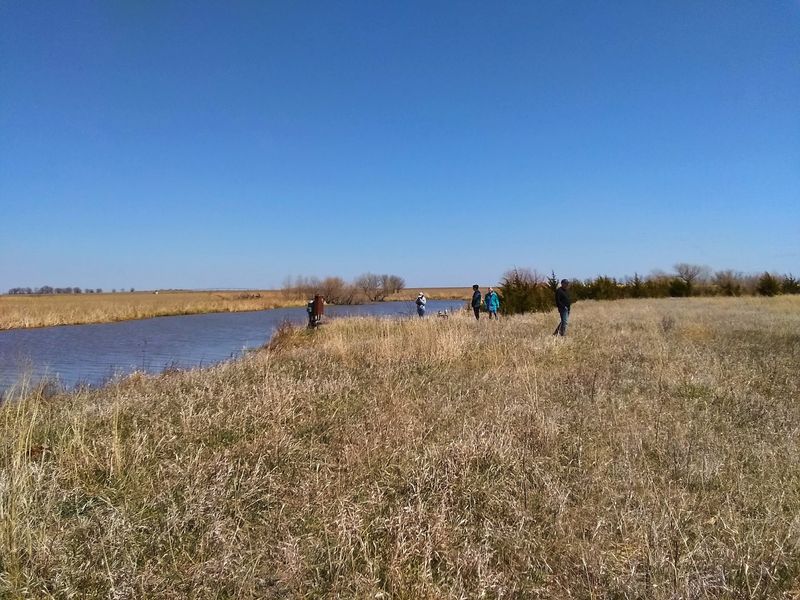
Grafton is a small town with a big seasonal guest list. Just nearby, Brauning Waterfowl Production Area welcomes massive flocks of geese and ducks.
The site sits squarely in the Rainwater Basin corridor of Fillmore County. It protects wetland basin habitat for birds passing through.
Migrating flocks use it to rest and refuel before moving on. For a tired goose, that’s the whole point of the trip.
Fillmore County holds several of these basins close together. Brauning makes a strong first stop on a short loop.
The flat ground helps you see a long way. When flocks lift off, you’ll likely hear them before you sort out the shapes.
Federal production areas like this one serve hunters, birders, and photographers. Check seasonal rules before you go, especially during hunting season.
Bring a warm hat if you’re visiting late in the year. Nebraska wind loves an open marsh.
Address: Grafton, NE 68365
8. Real Waterfowl Production Area
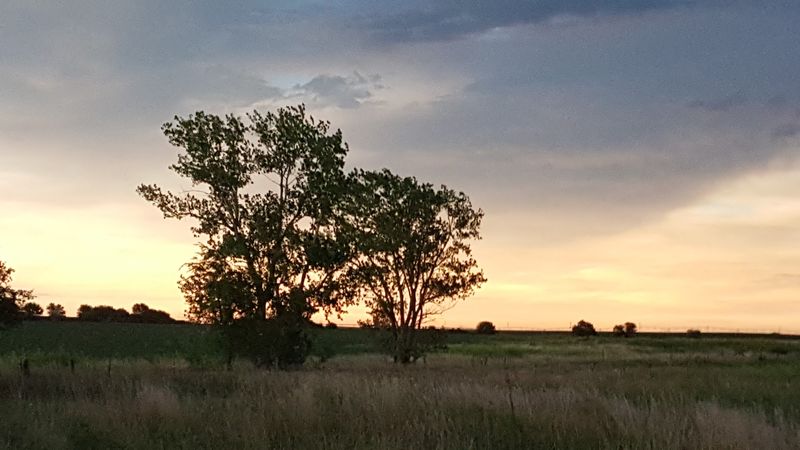
Yes, that’s really the name. Real Waterfowl Production Area near Fairmont sounds like a joke, but the birds take it seriously.
The site protects both wetland and grassland basin habitat in Fillmore County. That mix gives waterfowl water for roosting and cover nearby.
Thousands of geese use these waters to roost before continuing south. Dense flocks gather here during migration.
Roosting birds tend to settle in as evening comes. Dawn often brings a noisy departure toward surrounding fields.
Those two windows are your best bets for big movement. Midday can be calmer, which suits anyone wanting a quiet scan.
Because Brauning sits in the same county, you can pair the two easily. A short drive connects them through farm country.
Keep your car as a blind when birds sit close to the road. Staying inside usually keeps the flock relaxed.
Address: Fairmont, NE 68354
9. North Lake Basin State Wildlife Management Area
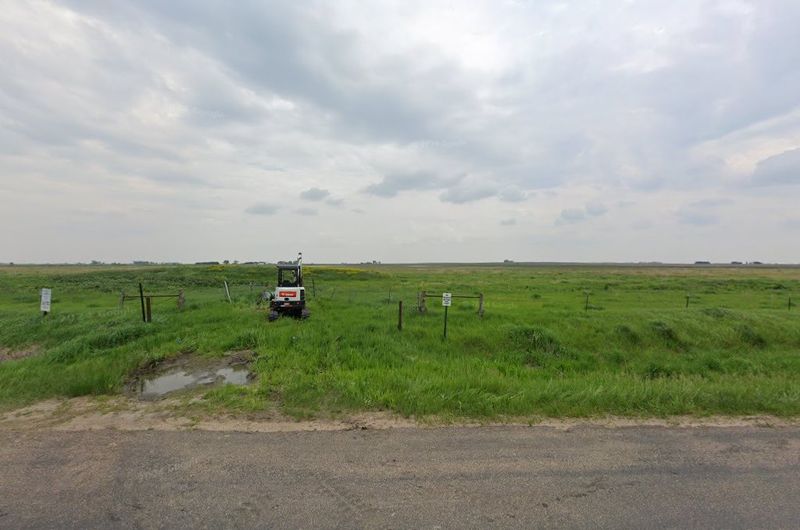
Lincoln folks don’t have to drive far for this one. North Lake Basin sits near Utica in Seward County, an easy trip from the capital.
The state wildlife management area preserves a major Rainwater Basin wetland lake and marsh. It ranks among the eastern stops on this list.
Open water and marsh plants give migrating waterfowl what they need. Large numbers of geese gather during seasonal flights.
That makes it a smart choice for a half-day outing. You can be home before dinner and still see serious flocks.
Wetland plants along the edges offer food and shelter for ducks. Scan those borders closely, since birds often tuck into the vegetation.
State wildlife management areas follow Game and Parks rules. Review current regulations before you visit, especially in hunting season.
Bring binoculars and a little patience. Nebraska’s flocks rarely keep a schedule, but they’re worth waiting for.
Address: Utica, NE 68456