This Nebraska Shrine Out In The Countryside Is One Of 114 Matching Chapels Around The World
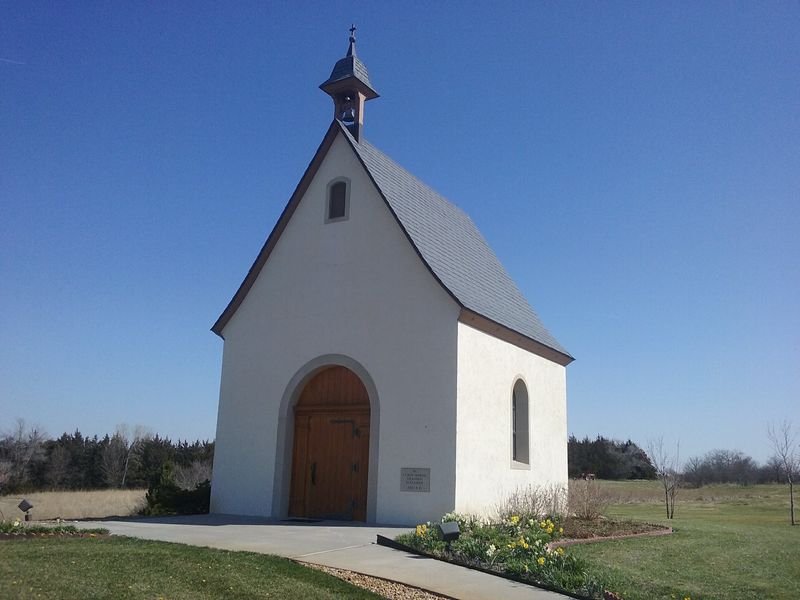
The two-lane highway looked like any other stretch of southeast Nebraska, all fence posts and farm fields, until a small pale chapel appeared on its own patch of open land. Nothing about the road hinted at anything unusual.
Then came the surprise: that tiny building is a near-perfect twin of a chapel in Germany, with matching siblings on every continent. An aimless, hungry afternoon drive turned into a lesson in how far one small idea can travel.
A Countryside Chapel in Saline County, Nebraska
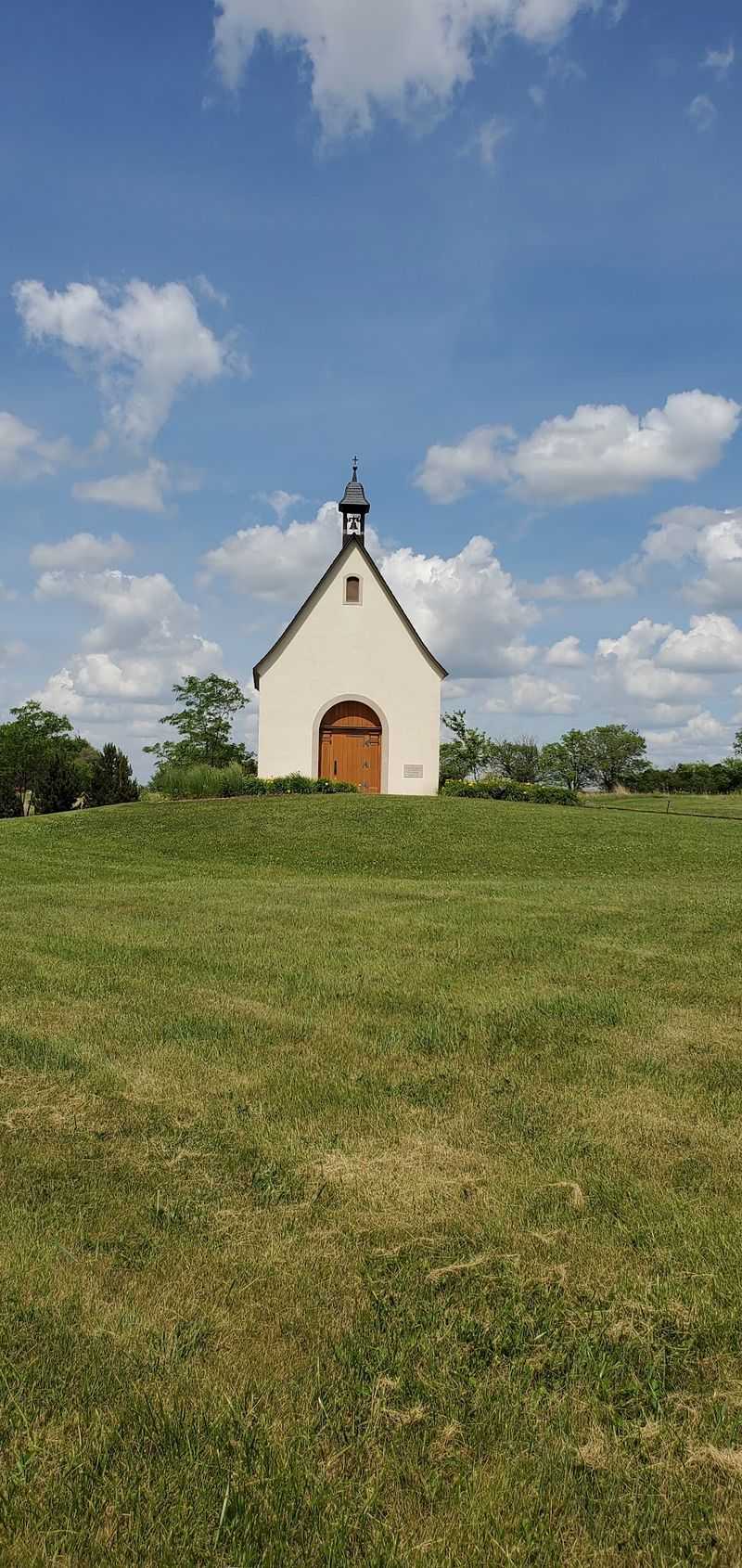
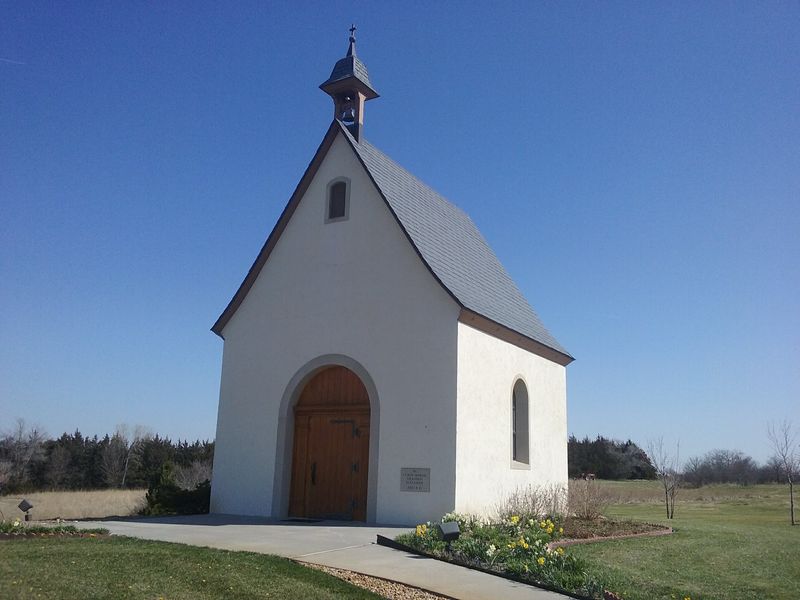
Farm fields roll right up to the edge of the property on Highway 103, just north of Crete. Out here, a small chapel with pale walls and a pitched roof would be easy to mistake for a family church built generations ago.
It is something far more unusual.
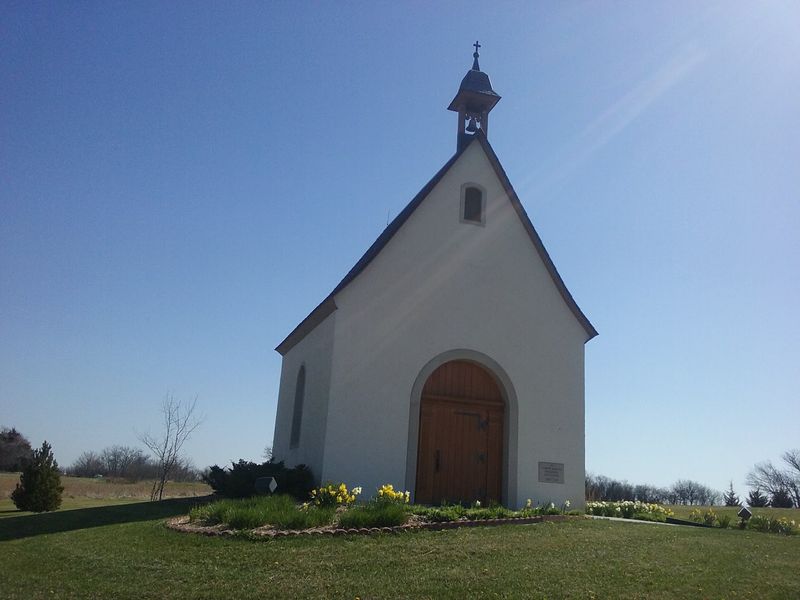
What stands on this land is Our Lady of Schoenstatt Shrine Cor Mariae, a Catholic Marian shrine and an exact copy of a tiny chapel in Vallendar, Germany. Cor Mariae is Latin for the Heart of Mary, a name that fits the building’s purpose as a place of prayer devoted to her.
The shrine belongs to the worldwide Schoenstatt Movement, and every one of its shrines shares the same design.
So how does a German chapel end up surrounded by Nebraska farmland? The answer involves a priest, a group of determined sisters, and a vision of spiritual homes spread across the globe.
The next few sections trace that story, walk through the grounds, and cover the practical details for anyone planning a drive. For now, picture a quiet building, a wide sky, and a road most people pass without a second glance.
A Priest, a Chapel, and the Year 1914
Every story needs a starting point, and this one begins in Germany in 1914. That year, Father Joseph Kentenich founded the Schoenstatt Movement in a small chapel in Vallendar, a town along the Rhine.
The building he used became known as the Original Shrine, and it is the model for every copy built since, including the one in Saline County.
Faith woven into ordinary life sits at the center of the movement. Schoenstatt teaches that holiness is not reserved for monasteries or special occasions, and that farmers, teachers, parents, and students can grow spiritually through their regular routines.
Mary holds a central place in that vision, honored within the movement under the title Mother Thrice Admirable.
Why copy a single small building again and again? Within the movement, the Original Shrine is treated as a spiritual home, a place of grace connected to Mary, and matching copies let members far from Germany share that same home.
Over the following century, the practice of building identical shrines spread, giving people on distant continents the same small room to pray in that Father Kentenich knew. That choice explains why a Nebraska pasture holds a German twin today.
How Schoenstatt Found a Home in Nebraska
Seed planting took time. Schoenstatt arrived in Nebraska in 1993, when Sister Marie Dey helped organize the first groups within the Catholic Diocese of Lincoln.
Those early gatherings were small, built on prayer, fellowship, and a shared interest in the movement’s message of everyday holiness.
Fourteen years passed between those first groups and a finished shrine. In November 2007, the Cor Mariae Shrine was formally dedicated, giving the growing community a permanent spiritual center on the prairie north of Crete.
For a movement that treats each shrine as a home, that dedication marked the moment Nebraska members stopped borrowing space and gained a place of their own.
Planning a building that had to match a chapel an ocean away was no small task. Every shrine must follow the original design, so the Nebraska version needed the same proportions, windows, and interior layout as its model in Vallendar.
The result looks at home among Saline County fields yet points straight back to Germany.
Today the shrine serves as the heart of Schoenstatt life across the region, hosting prayer, pilgrimages, and retreats throughout the year.
One Blueprint Shared by Hundreds of Chapels
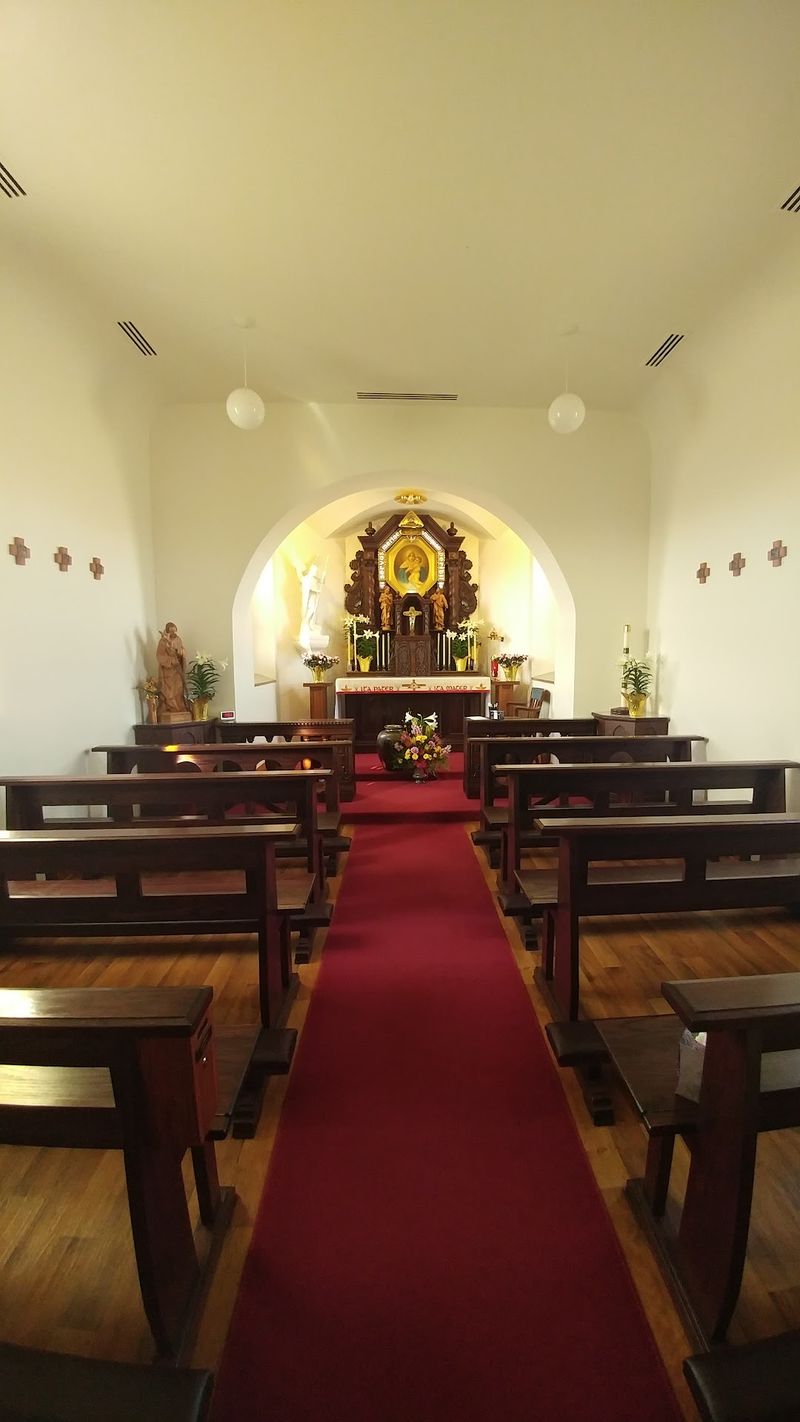
Imagine stepping into a chapel in Nebraska, then traveling to another continent and walking into the exact same room. That is the whole point of the Schoenstatt design.
Numbers have shifted over the years. One widely shared count placed the total at 114 matching shrines, but the network has kept growing, and the movement now counts more than 200 identical shrines in roughly 35 countries.
They reach every continent.
Consistency is the goal. Each shrine copies the Original Shrine in Vallendar, from its modest footprint to its interior arrangement, so a pilgrim who has prayed in one can feel oriented in any other.
The movement describes the purpose in three parts: the grace of a home in Mary’s heart, inner transformation, and inspiration for apostolic commitment, which simply means sharing faith through action.
That global family gives the Crete chapel an unusual kind of company. On any given day, people in dozens of countries may be sitting in a room shaped just like this one.
For a small building surrounded by crops, that is a surprisingly wide circle of relatives.
An Altar Crafted in South America
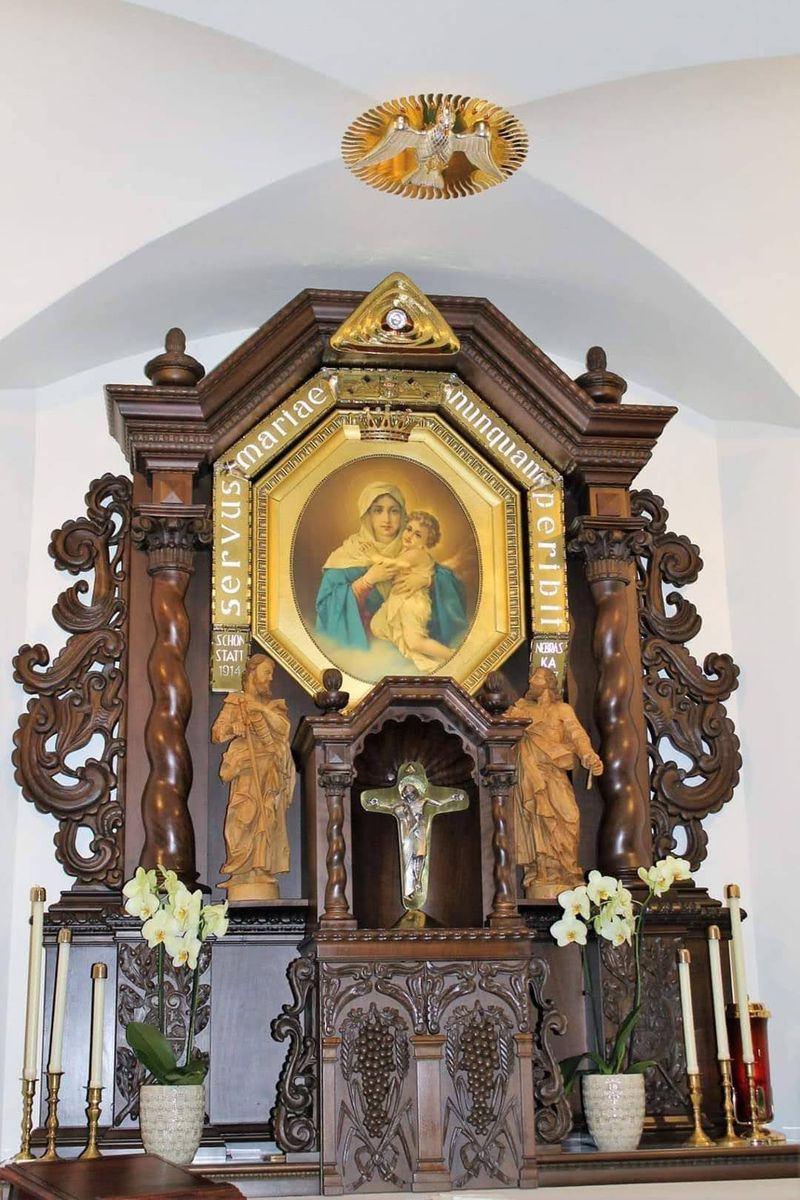
Step through the door and the scale hits first: the room is small, built for intimate prayer rather than large congregations. Seating faces the front, where the altar and an image of Mary draw every eye.
Here is where the Nebraska shrine adds its own signature. Its altar was crafted in South America, a detail that links the chapel to yet another corner of the world.
A building designed in Germany, furnished with work from South America, and set in Nebraska farm country makes a fitting picture of an international movement.
Why does one handmade feature matter so much when every shrine follows the same plan? Precisely because the rules are strict.
With the walls, layout, and proportions fixed, small touches like the altar become the way each community leaves a personal mark without breaking the design.
Take a moment near the front before leaving. Noticing the craftsmanship up close is one of the easiest ways to connect the local shrine to the global story it belongs to, and it rewards anyone who slows down long enough to look.
Ninety-Two Acres Along Walnut Creek
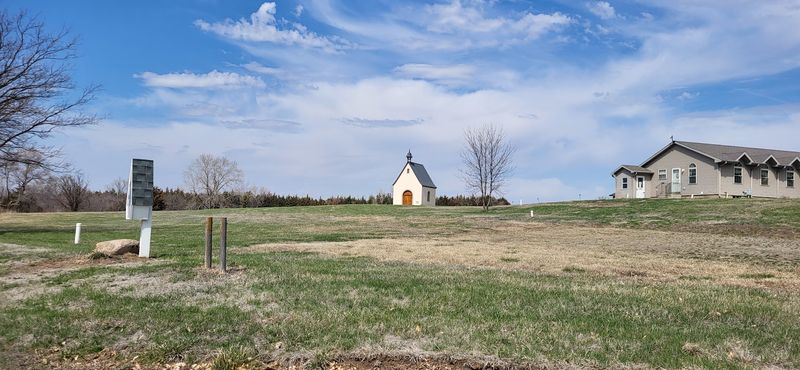
Wind moving through tall grass is often the loudest sound on the property. The shrine sits on a spread of 92 acres north of Crete, with Walnut Creek running along the land and open sky stretching in every direction.
That much space changes the experience. Instead of a chapel squeezed between parking lots, the building stands with room to breathe, and the approach feels like a slow transition from highway noise to stillness.
A short walk around the grounds offers a chance to see the shrine from different angles and take in the Saline County scenery that rings it.
Is it a park? Not exactly.
The acreage exists to support prayer and retreat life, so the setting is best enjoyed with a respectful pace and a low voice. Families with children can still appreciate the wide views, as long as everyone remembers this is a sacred place first.
Seasons shape the scenery here. Spring brings fresh green to the fields, summer fills the air with the hum of insects, fall turns the landscape gold and brown, and winter leaves the chapel standing out against a pale horizon.
Each visit can look a little different.
Father Kentenich Hall and the Retreat Life
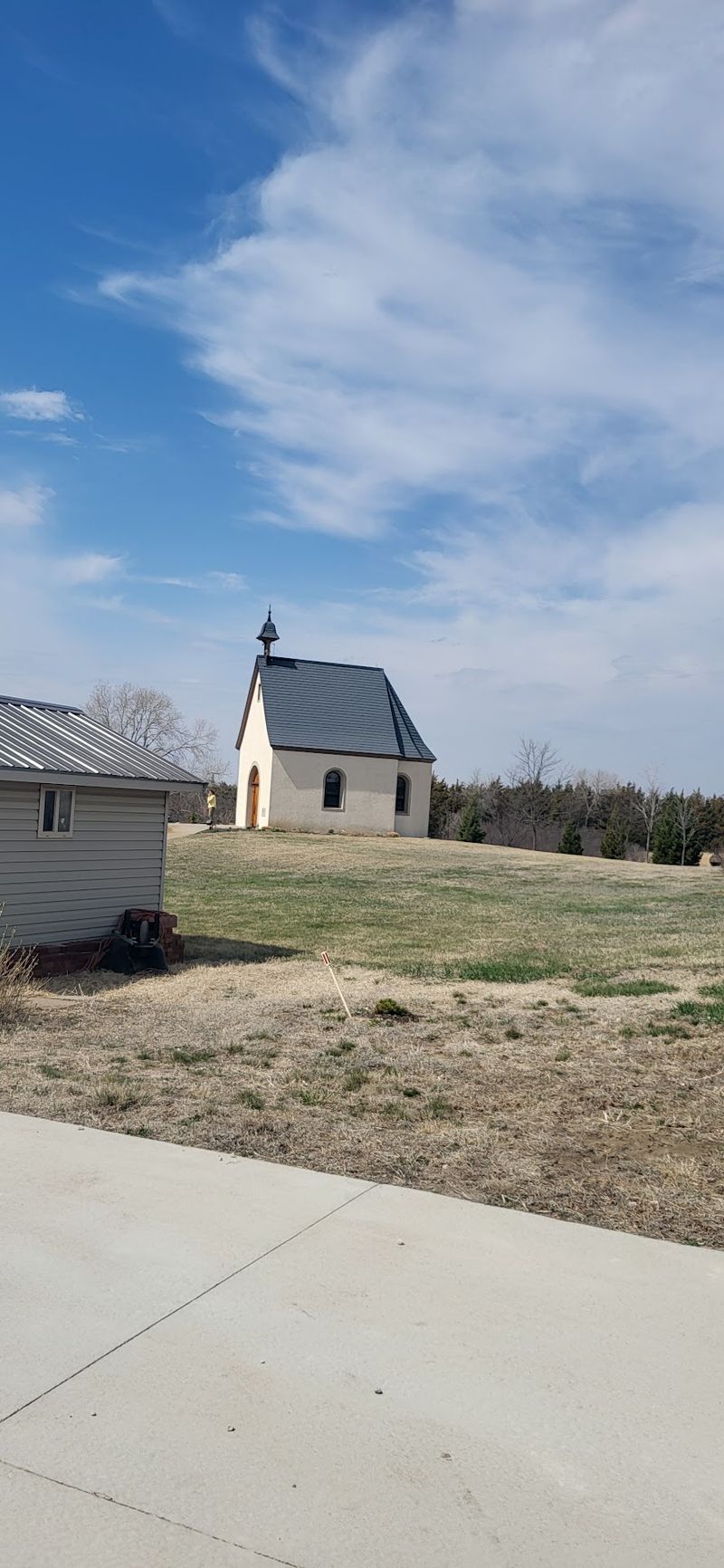
Beside the chapel’s hush, a second building handles the busier side of shrine life. Father Kentenich Hall, named for the movement’s founder, hosts retreats, community gatherings, and events that bring Schoenstatt members together from across the region.
Groups arrive by car and sometimes by tour bus. When a group schedules a stop, one of the Schoenstatt sisters may share the story of the movement, from Father Kentenich’s early work in Germany to the shrine’s arrival in Nebraska.
Hearing that history in person adds layers that a quick walk-through cannot.
The shrine also functions as a center for pilgrimage, evangelization, and reconciliation. Those three words sum up its mission: welcoming people who travel to pray, sharing the faith, and offering a place to heal relationships with God and others.
The movement’s hope is to form what it calls everyday saints, regular people living faith in ordinary settings.
For parish groups, prayer circles, or church clubs planning an outing, the hall makes the site practical. It provides space to gather, learn, and talk things over after time in the chapel, which turns a short stop into a fuller day of reflection.
Stillness, Solitude, and Who Will Feel at Home
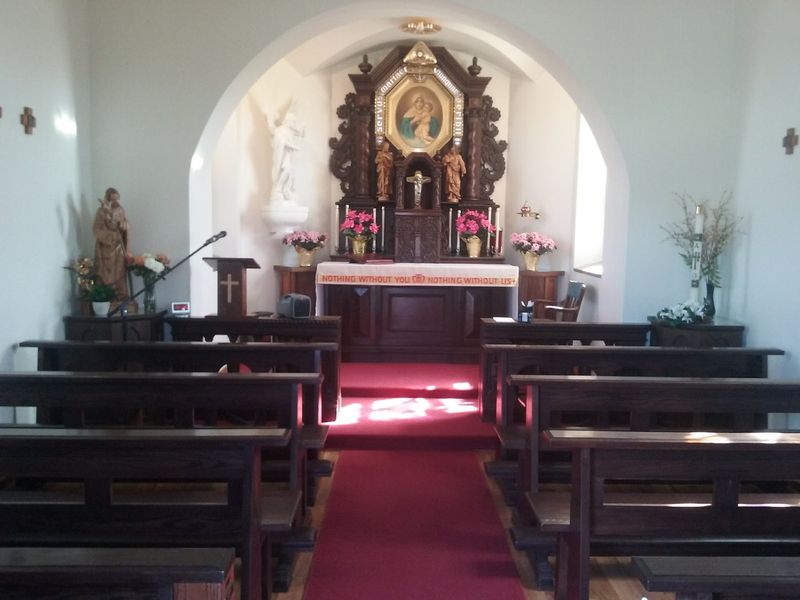
Sometimes a tour bus pulls away and the chapel empties out completely, leaving a single person alone with the altar and the hum of the fields. Those moments define the atmosphere here.
The mood is serene and prayerful, with none of the bustle of a big-city cathedral.
Catholics devoted to Mary will find the most obvious connection, especially those already familiar with Schoenstatt. Yet the shrine also suits a wider crowd.
History fans curious about global religious movements, architecture buffs interested in exact replicas, and anyone craving a calm hour away from screens can all find something meaningful.
Contrast that with most day trips, which revolve around shopping, eating, or checking off attractions. A stop here asks for less and offers a different reward: silence, reflection, and a slower pace.
Late afternoon, close to closing time, can bring the fewest people, and arriving then may mean having the room almost entirely to yourself.
Respectful behavior matters. Phones on silent, soft voices, and modest expectations about activities keep the space welcoming for those in prayer.
Children who can handle a few minutes of calm will do fine, and the open grounds give restless legs a place to stretch afterward.
Hours, Directions, and Planning Your Drive
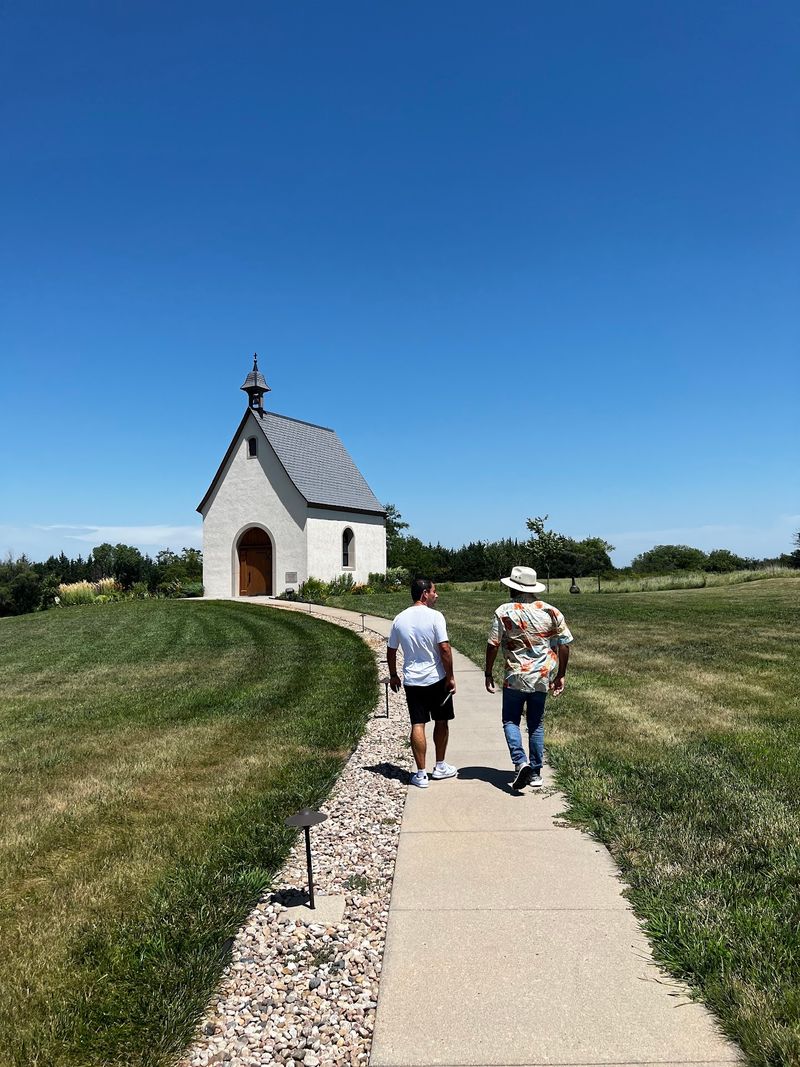
Highway 103 is the route to know. The shrine sits along it just north of Crete in Saline County, an easy drive from Lincoln for anyone in southeast Nebraska.
The rural setting means signs of civilization thin out quickly, so having directions ready before leaving town helps.
Hours are generous. The chapel opens every day of the week, generally from morning into early evening, which roughly lines up with daylight for much of the year.
In the shortest days of winter, plan on arriving well before dark to enjoy the grounds.
Groups hoping for a talk from one of the sisters or time in Father Kentenich Hall should reach out to the Schoenstatt community ahead of time. Retreats and events follow their own schedules, and arranging things early keeps everyone from missing out.
What should go in the car? Comfortable shoes for walking the property, a jacket for the Nebraska wind, and water on warm days.
Modest clothing fits the setting. Crete sits close by for meals and fuel, so a stop in town before or after makes the outing easy to pair with lunch.
A Small Room With a Very Long Reach
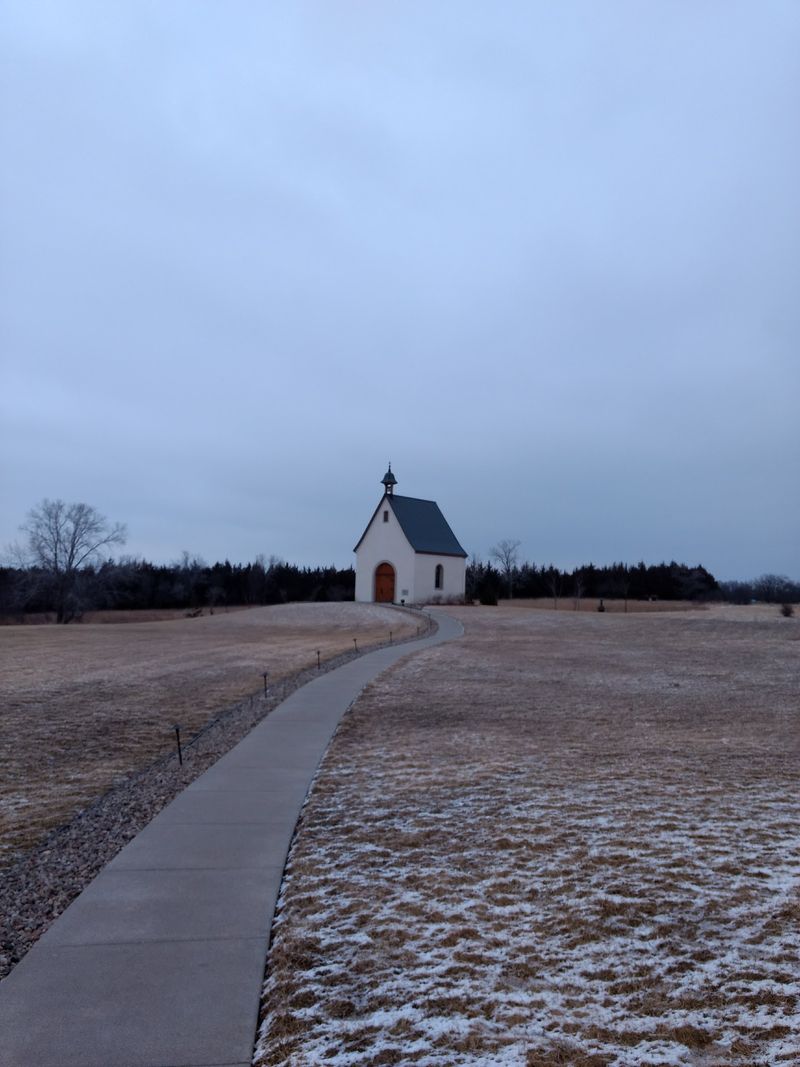
Few buildings in Nebraska can claim relatives on every continent. That fact alone makes the Cor Mariae Shrine one of the more surprising stops in Saline County, a little German-designed chapel that looks perfectly natural beside farm fields.
The appeal is not about size or spectacle. It comes from the story behind the walls: a priest in 1914, a sister organizing groups in 1993, a dedication in 2007, and an altar crafted in South America.
Each layer adds meaning to a room that might take only a minute to cross.
How long to stay is up to the individual. A quick prayer and a look around fits an afternoon errand run, while a retreat at Father Kentenich Hall can fill a whole weekend.
Either approach works, and neither requires much planning beyond checking the daily hours.
Driving away down Highway 103, the chapel shrinks in the rearview mirror until it blends into the landscape again. Knowing that hundreds of identical rooms stand in faraway countries makes that small shape feel a lot bigger.
For anyone who enjoys a quiet road with a meaningful destination, this corner of the countryside delivers.