This Omaha, Nebraska Market Turns One Downtown Stroll Into An All-Day Adventure
A simple walk through downtown can become surprisingly difficult to end.
One block invites a quick look inside. The next adds a reason to keep going.
Before long, the original plan has stretched into lunch, a little shopping, and the realization that heading back to the car would mean missing whatever waits around the next corner.
In Omaha, Nebraska, this part of the city rewards curiosity more than efficiency.
The appeal comes from how easily the atmosphere shifts.
Historic streets give way to open public spaces, busy storefronts, and places that encourage lingering without demanding a schedule.
Families, couples, and solo wanderers can all move through the area at their own pace, which makes every visit feel slightly different.
The danger is not getting lost. It is finding so many reasons to stay that the entire afternoon quietly disappears.
Three Parks Create One Enormous Riverfront Playground
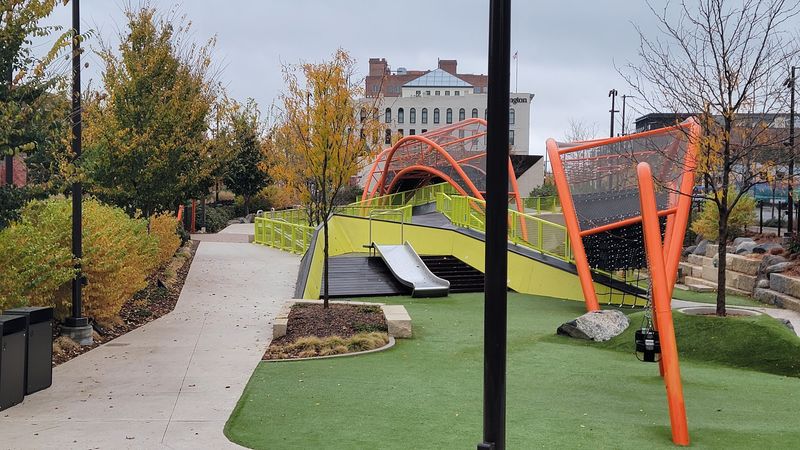
Seventy-two acres of connected downtown green space sounds like a lot until visitors actually start walking and realize just how much has been packed into this revitalized district.
The RiverFront in Omaha, Nebraska ties together three distinct parks, Gene Leahy Mall, Heartland of America Park, and Lewis and Clark Landing, into one continuous outdoor experience.
Trails weave between open lawns, cultivated gardens, play areas, and gathering spaces without any jarring interruptions between sections.
Each park carries its own character, so the district never starts to feel monotonous even after several hours of wandering.
Gene Leahy Mall leans urban and active, Heartland of America Park opens up toward the river with broader and calmer views, and Lewis and Clark Landing brings recreation right to the water’s edge.
That range of settings is part of what makes the whole area work so well as a single destination.
Visitors who arrive expecting a standard city park often leave surprised by how much variety the district actually offers.
The connected layout means there is no need to drive between sections, and the transitions between parks feel natural rather than abrupt.
Planning a full afternoon here is easy because the space itself encourages unhurried exploration at whatever pace feels comfortable.
Gene Leahy Mall Sits Right Beside The Old Market
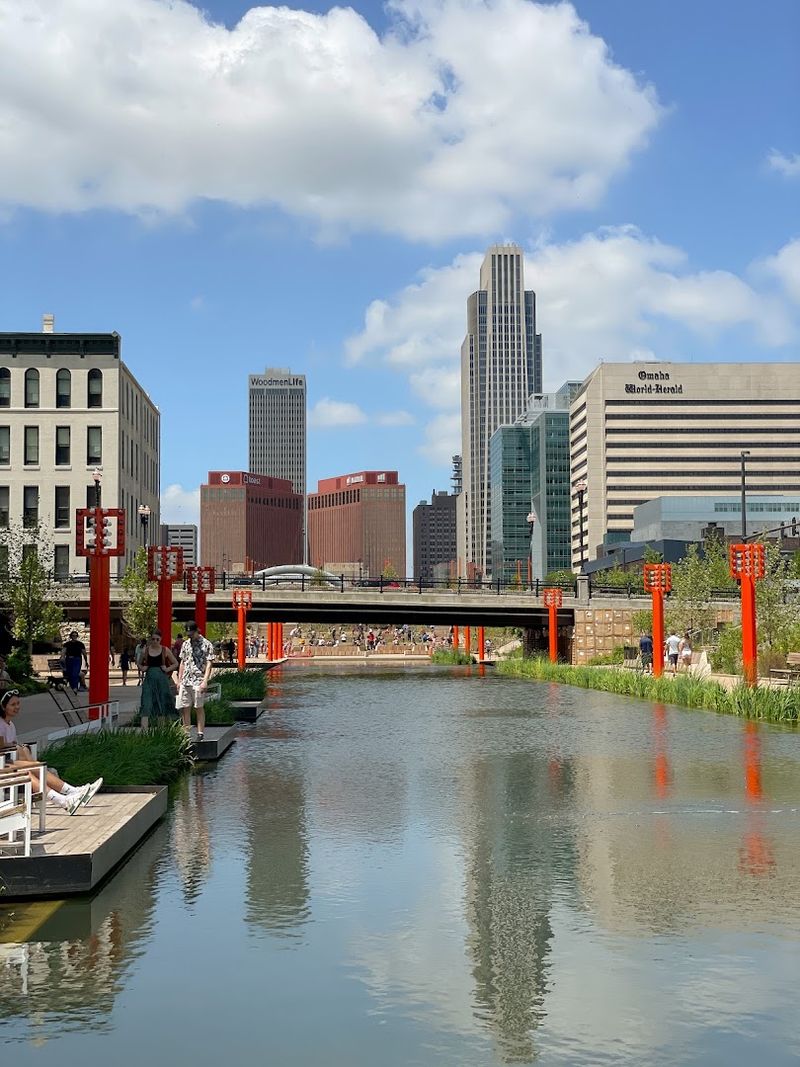
Positioned between 13th and 8th streets, Gene Leahy Mall occupies the most urban section of The RiverFront and places visitors within easy walking distance of the Old Market’s cobblestone streets.
That proximity is genuinely useful because it removes the need to plan separate trips for outdoor time and neighborhood exploration.
A morning in the park can flow naturally into an afternoon of browsing shops or sitting down for lunch.
The mall itself features open lawns, water elements, seating areas, and the iconic slide terrace, all arranged in a way that feels accessible rather than overwhelming.
Sightlines are clear throughout, which makes it comfortable for families keeping track of children while also taking in the surrounding downtown architecture.
The mix of modern park design against the backdrop of older buildings creates a visual contrast that gives the area a distinct sense of place.
On weekdays the space tends to feel calm and unhurried, while weekends bring more activity and energy, especially during warmer months.
Knowing that the Old Market is only a few blocks away makes it easy to treat Gene Leahy Mall as a starting point rather than a final destination, setting the tone for a longer and more varied day downtown.
A Skate Ribbon Adds Year-Round Energy
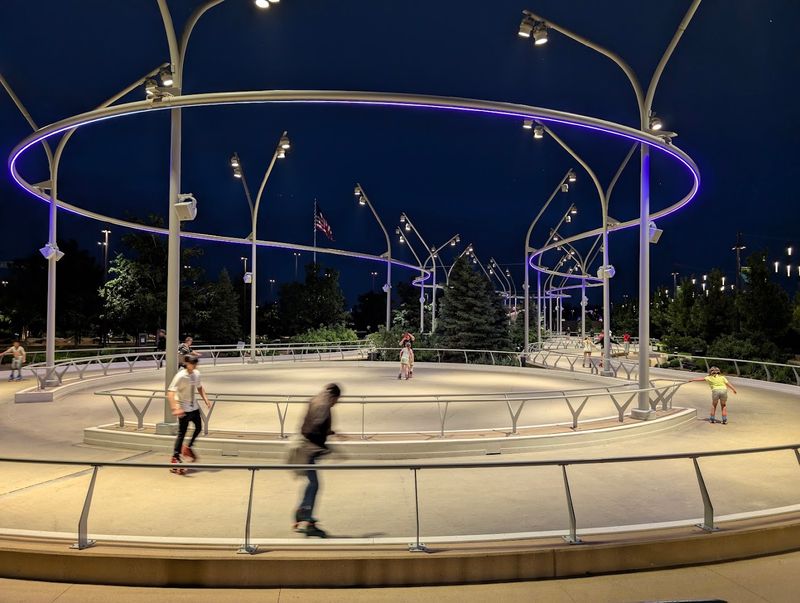
Rectangular skating rinks are common enough, but the skate ribbon at The RiverFront takes a different approach by creating a winding path that moves through the park rather than simply circling a fixed area.
That layout changes the feel of skating from a repetitive loop into something closer to an actual journey through the space.
The path’s curves and length give skaters a reason to keep moving and exploring rather than counting laps.
During winter months the ribbon typically operates as an ice skating surface, while warmer seasons may bring roller skating options depending on current programming and scheduling.
Checking The RiverFront’s website before visiting is a practical step for anyone planning to skate, since seasonal transitions and event schedules can affect availability.
Equipment rental options may be available on-site, though confirming details in advance is always a good idea.
Even for visitors who have no interest in skating, the ribbon adds visual energy to the park.
Watching skaters navigate the curves against the backdrop of the Missouri River and downtown skyline is its own kind of entertainment.
The feature contributes to the sense that The RiverFront was designed to stay active and engaging across all four seasons rather than peaking only during summer and going quiet the rest of the year.
Heartland Of America Park Opens Toward The River
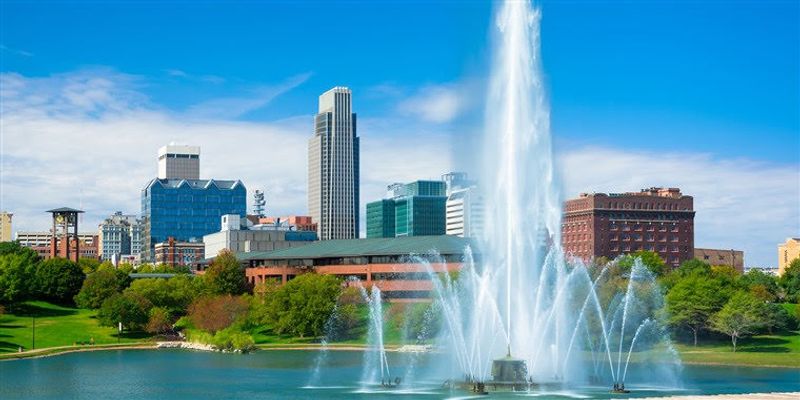
Covering 31 acres, Heartland of America Park is the largest of the three sections that make up The RiverFront, and that extra space is immediately noticeable when walking through it.
The broad lawns and open sight lines toward the Missouri River create a noticeably calmer atmosphere compared to the more active sections of Gene Leahy Mall.
Visitors looking for a quieter place to sit, walk, or simply take in the view tend to gravitate toward this part of the district.
After completing major renovations, the park reopened in August 2023 with updated features including a lake at its center.
Three fountains operate on the lake, and one of them can send water up to 300 feet into the air, which makes for a memorable visual when it is running at full height.
The fountain has become one of the more photographed features in the entire riverfront district.
The park’s scale also makes it feel less crowded even when the broader RiverFront area is busy, which can be a welcome change of pace on weekend afternoons.
Benches and open lawn areas are spread throughout, giving visitors plenty of options for settling in without feeling like they need to compete for space.
The combination of water features, river views, and open green space makes this section of the district easy to linger in.
A Pier Reaches Out Toward the Missouri
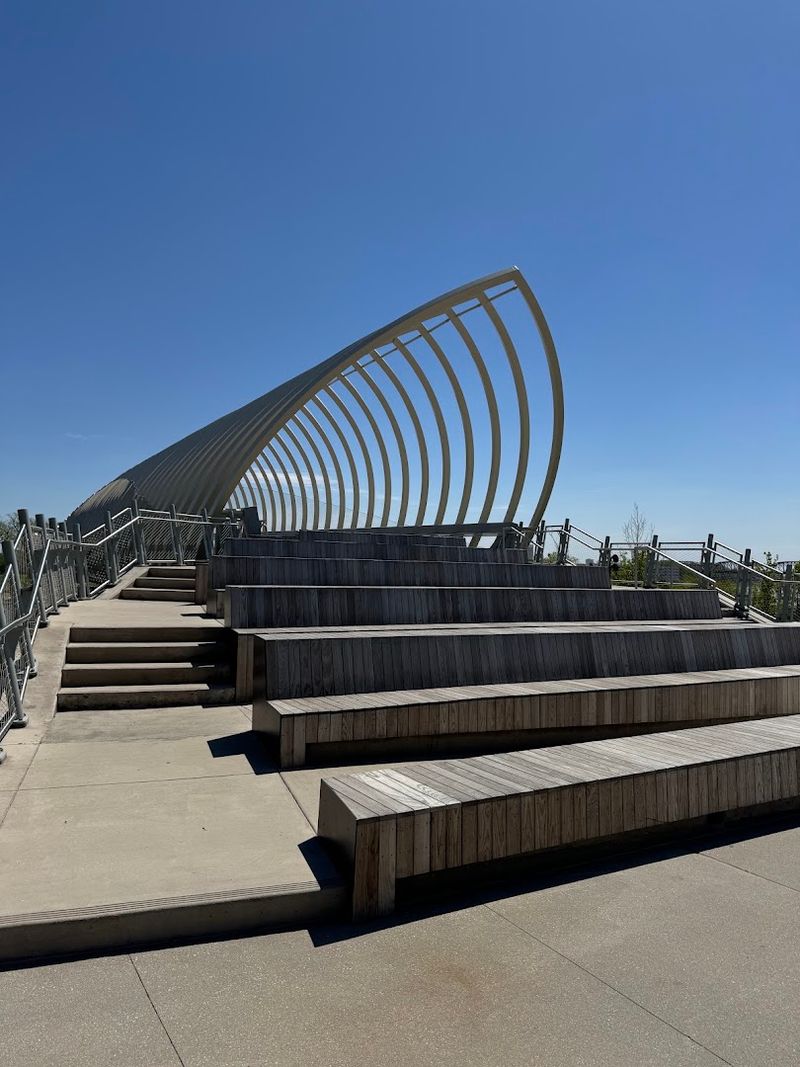
Walking out onto Nebraska’s Farnam Pier is one of those moments that shifts the entire perspective of a downtown visit.
The pier extends 200 feet into the Missouri River from Heartland of America Park, placing visitors over the water and well away from the surrounding park activity.
From that vantage point the river feels much wider and more present than it does from the shore, and the downtown skyline fills the view looking back toward the city.
Sunset is a particularly well-suited time to visit the pier because the light changes quickly over the water and the reflections on the river surface tend to produce striking photographs without requiring any special equipment.
Even outside of golden hour, the pier functions as a natural pause point in what might otherwise be a continuous walk through the district.
Standing at the end with the river moving below is a genuinely calming experience.
The pier is accessible without any admission fee, which makes it one of the easier decisions of the day.
Families, couples, and solo visitors all find their way out here at various points during a RiverFront visit, and the space is wide enough that it rarely feels crowded even when the surrounding park is busy.
Lewis And Clark Landing Brings Recreation To The Water’s Edge
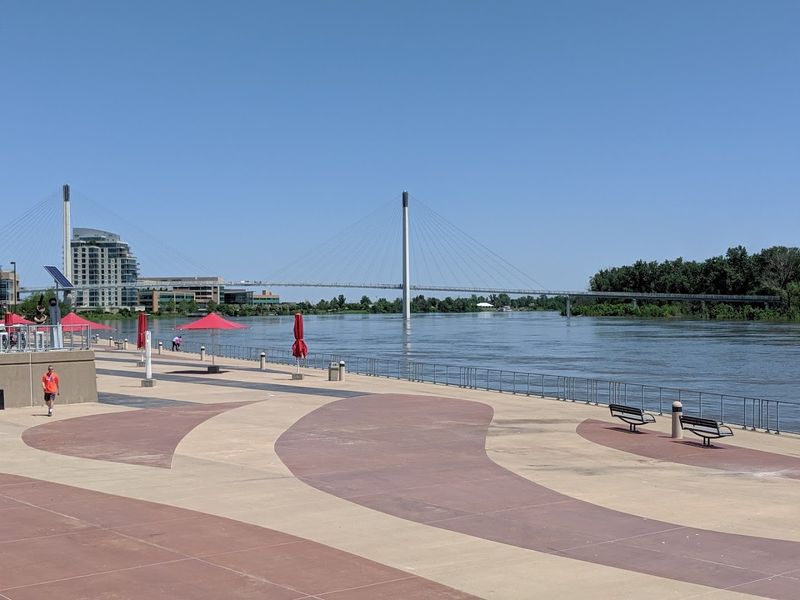
East of the CHI Health Center Omaha, Lewis and Clark Landing occupies the stretch of riverfront that sits closest to the Missouri River’s actual bank.
Trails run through the area and connect to the broader RiverFront path network, making it easy to fold this section into a longer walk through the district without backtracking.
The open spaces here feel less structured than Gene Leahy Mall, which gives the area a more relaxed and unhurried character.
The landing officially opened in August 2023 as part of the larger RiverFront redevelopment effort, and its completion helped close a gap between downtown Omaha and a stretch of riverfront that had previously felt disconnected.
Before the redevelopment, this section of the waterfront was difficult to access and underutilized relative to its location.
The transformation turned it into a genuinely walkable and enjoyable part of the district.
Recreational features in the area complement the trails and open lawns, giving visitors reasons to linger beyond a quick walk through.
The proximity to the Kiewit Luminarium makes Lewis and Clark Landing a natural starting or ending point for families who want to combine outdoor time with an indoor museum visit.
The Kiewit Luminarium Adds Hands-On Science
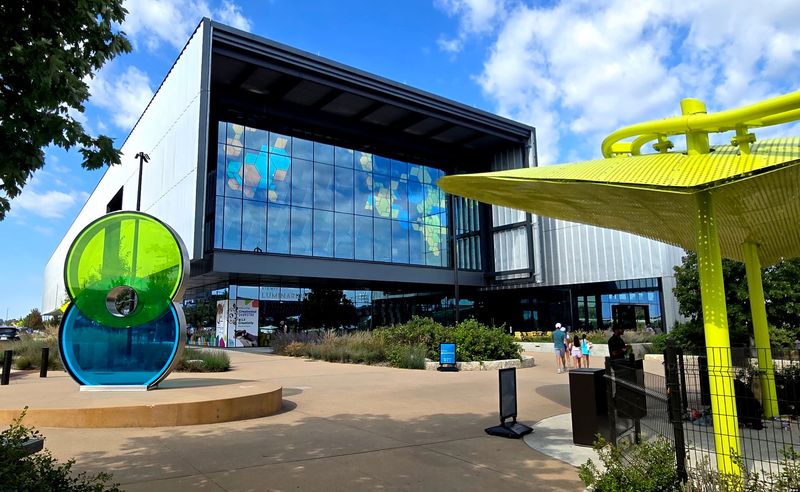
Hands-on science museums can be hit or miss, but the Kiewit Luminarium earns its place as a genuine highlight of the riverfront district.
Located at 345 Riverfront Drive, Omaha, Nebraska 68102, the museum sits within Lewis and Clark Landing and focuses on interactive exhibits covering science, technology, engineering, and mathematics.
The building itself is modern and visually distinctive, making it easy to spot while walking through the eastern section of The RiverFront.
Exhibits are designed to engage visitors through direct participation rather than passive observation, which tends to hold attention more effectively across different age groups.
Children who might lose interest quickly in a traditional display-based museum often find themselves genuinely absorbed here because the activities require physical engagement and problem-solving.
Having an indoor option within the riverfront district is a practical benefit that should not be underestimated, particularly on days when the weather shifts unexpectedly or when the sun becomes too intense for comfortable outdoor activity.
The Luminarium allows a visit to continue without leaving the area or making a separate trip across town.
Old Market Streets Still Carry Historic Character
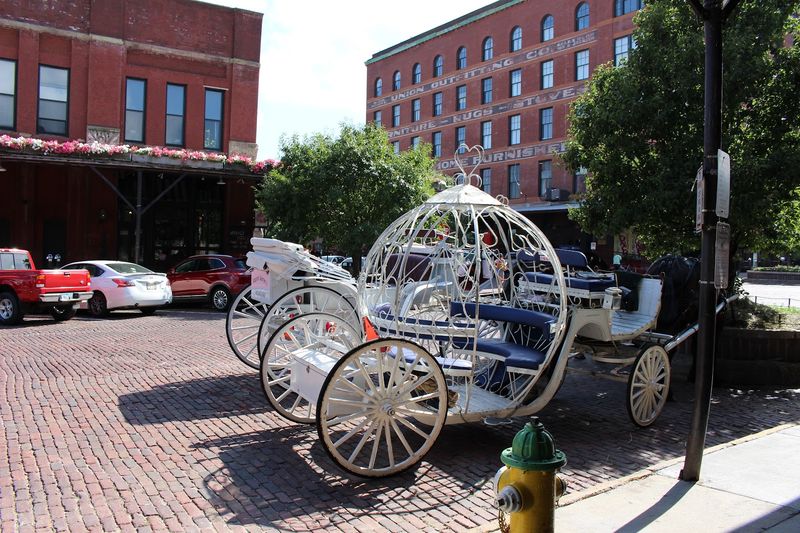
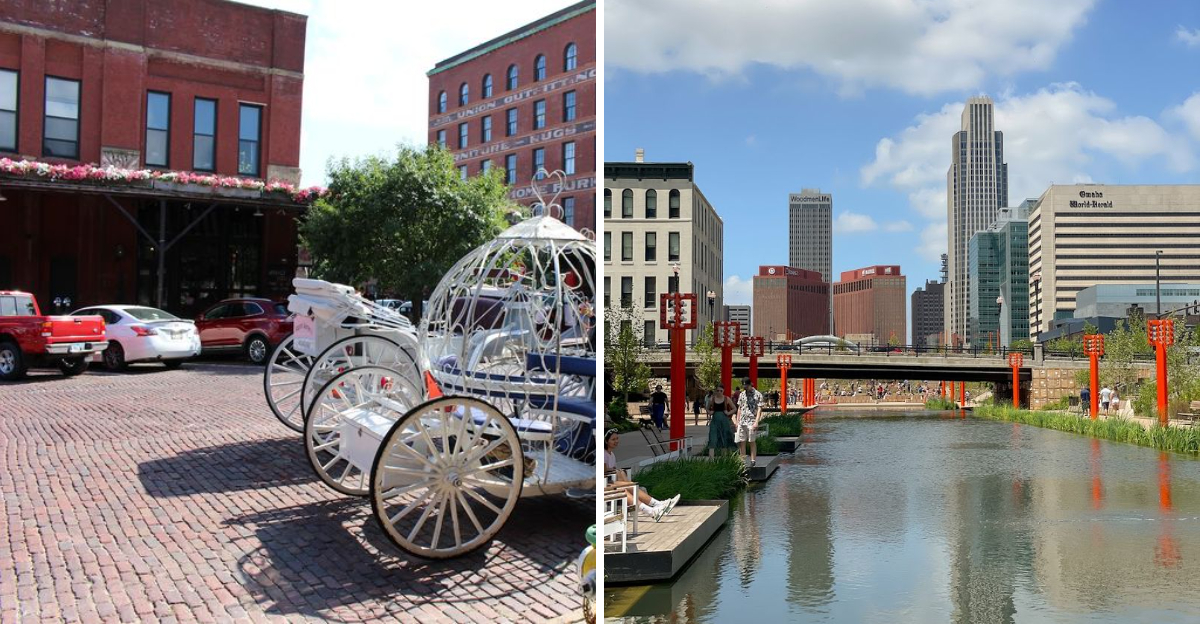
Stepping off the modern park paths and onto the Old Market’s cobblestone streets feels like crossing a clear visual boundary between two different eras of the city.
The neighborhood’s brick buildings, converted warehouses, and vintage architectural details preserve the atmosphere of Omaha’s former wholesale district in a way that feels genuine rather than staged.
The textures here, rough stone underfoot, weathered brick facades, and iron details on older storefronts, give the area a sensory quality that newer developments rarely replicate.
The contrast with The RiverFront’s contemporary design is part of what makes the combination of the two areas so interesting as a day trip.
Walking from a modern sculpture garden through a neighborhood where the buildings date back more than a century creates a sense of moving through different layers of the same city.
That kind of layered experience tends to make a place feel more substantial and worth returning to.
The Old Market’s historic character also functions as a backdrop that makes everything within it feel a little more interesting.
A coffee shop tucked into a century-old building carries a different atmosphere than the same shop in a modern strip mall, and the same applies to galleries, restaurants, and boutiques throughout the district.
The setting elevates the ordinary details of a neighborhood visit into something more memorable.
More Than 40 Restaurants Fill The District
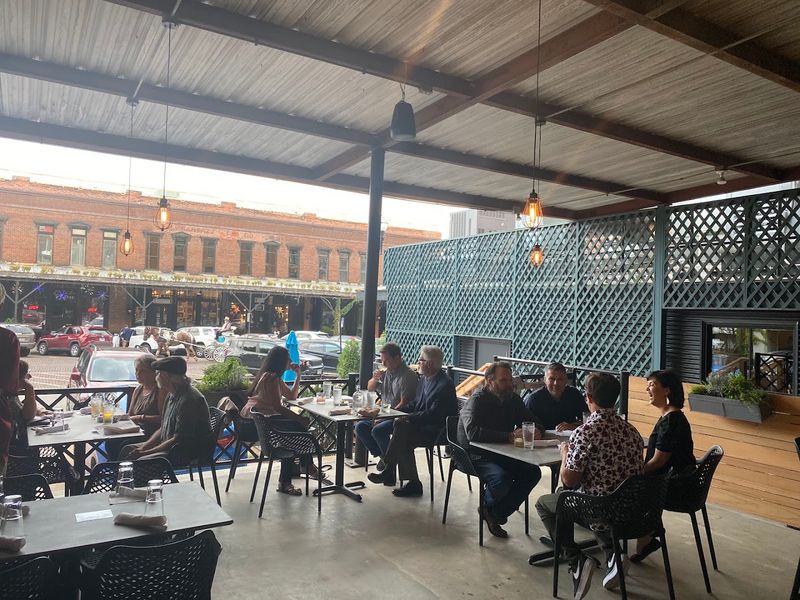
Forty-plus restaurants in a single walkable neighborhood is a number that takes on real meaning after spending a few hours in the parks and working up an appetite.
Nebraska’s Old Market’s dining options cover a wide enough range that nearly any preference can be satisfied without leaving the district.
Relaxed cafes suited for a casual midday break sit alongside more substantial lunch counters, international cuisine spots, and establishments appropriate for a longer evening meal.
The variety makes the Old Market particularly well-suited as the dining half of a RiverFront day trip.
Rather than committing to a specific restaurant before the day begins, visitors can let their mood and hunger level guide the decision once they arrive.
That flexibility is genuinely useful because the pace of a day that includes park time, museum visits, and neighborhood browsing tends to shift in unpredictable ways.
Dining rooms throughout the district benefit from their historic settings, with exposed brick walls, high ceilings, and large windows appearing in many of the spaces.
Outdoor seating is available at several establishments during warmer months, and the cobblestone street atmosphere makes al fresco dining feel particularly suited to the neighborhood’s character.
Checking individual restaurant hours before arriving is a sensible habit, especially on weekdays when some spots may have limited midday service.