13 Simple Steps Behind The Pecan Pie Recipes Georgia Kitchens Love Most
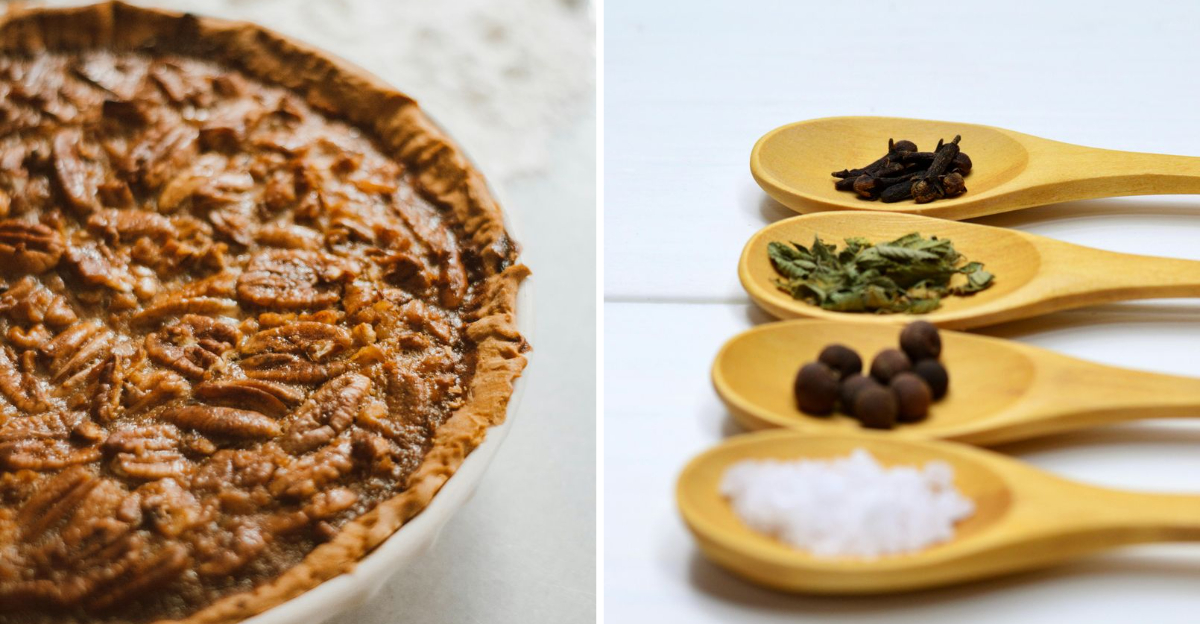
Pecan pie holds a special place in Georgia kitchens, where the sweet, nutty dessert has been passed down through generations.
I’ve gathered the most beloved techniques that home bakers across the state swear by for creating that perfect slice.
These straightforward steps will help you master this Southern classic and understand why Georgia cooks consider it essential to their baking repertoire.
1. Start with Fresh Georgia Pecans
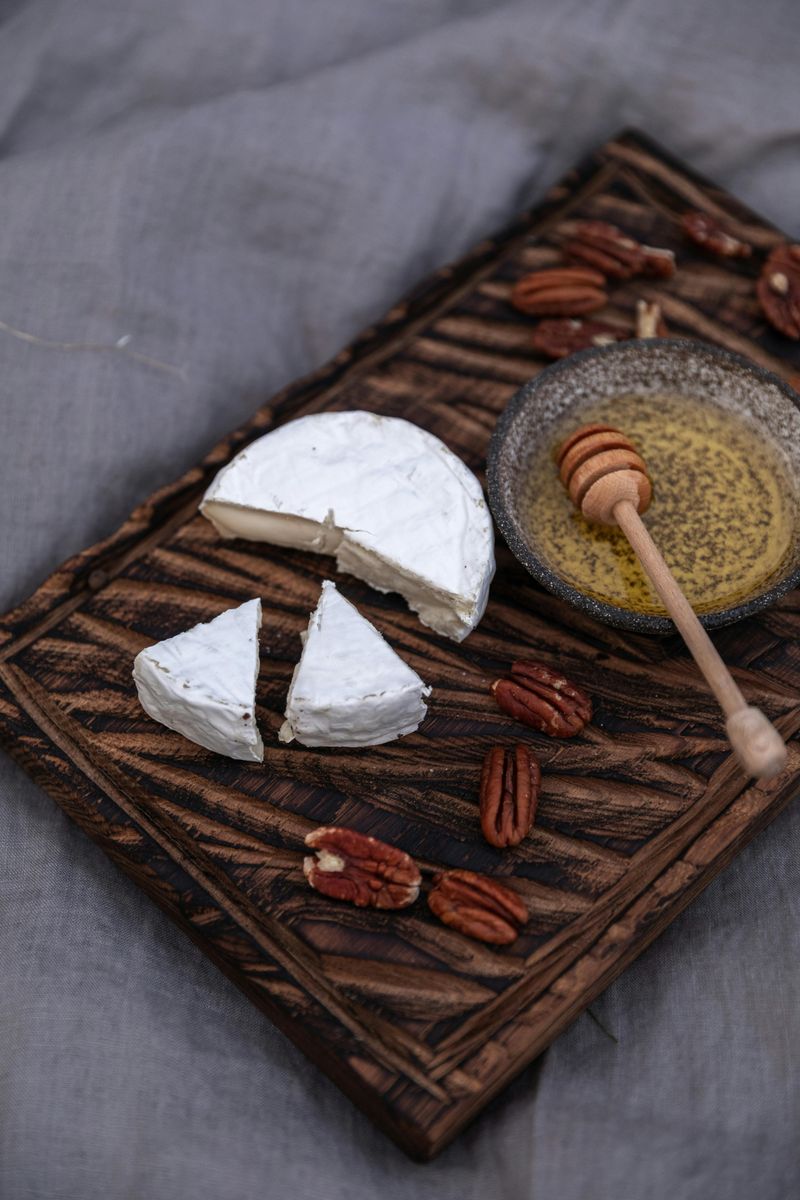
Quality nuts make all the difference when you’re aiming for an authentic Southern dessert.
I always recommend sourcing your pecans from local Georgia growers or farmers markets throughout the state, where you’ll find the freshest options available.
The nuts should smell sweet and buttery, never rancid or stale.
Georgia produces more pecans than any other state, so you’re getting the best when you buy local.
Store your pecans in the freezer until you’re ready to bake, which keeps them from going bad.
This simple storage trick preserves their natural oils and flavor.
When you’re ready to use them, let the pecans come to room temperature for about thirty minutes.
Toast them lightly in a dry skillet to enhance their natural nuttiness before adding them to your pie.
This extra step brings out deeper flavors that make your dessert truly memorable.
2. Choose the Right Pie Crust

Your foundation matters more than most people realize when creating this classic dessert.
I prefer making my crust from scratch using cold butter, flour, salt, and ice water for the flakiest results.
The dough should be handled minimally to prevent it from becoming tough.
Many Georgia bakers swear by adding a tablespoon of vinegar or vodka to their dough for extra tenderness.
These ingredients evaporate during baking but keep the gluten from developing too much.
You can also use a store-bought crust if time is limited, though homemade always tastes better.
Roll your dough to about one-eighth inch thickness and fit it carefully into your pie pan without stretching.
Trim the edges and crimp them decoratively using your fingers or a fork.
Refrigerate the prepared crust for at least thirty minutes before filling to prevent shrinkage during baking.
3. Measure Your Corn Syrup Carefully

Corn syrup creates that signature glossy filling that defines a proper pecan pie.
I use light corn syrup for a milder sweetness, though some Georgia cooks prefer dark corn syrup for a more robust molasses flavor.
The standard recipe calls for one cup, which provides the right consistency.
Spray your measuring cup with cooking spray before pouring the corn syrup to make it slide out easily.
This trick saves you from wasting sticky syrup that clings to the cup.
Room temperature corn syrup mixes more smoothly with other ingredients than cold syrup straight from the pantry.
Some traditional recipes combine corn syrup with cane syrup or sorghum for added depth of flavor.
These alternatives give your pie a distinctly Southern taste that connects to Georgia’s agricultural heritage.
Whatever you choose, accurate measurement ensures your filling sets properly without being too runny or too firm.
4. Beat Eggs to the Perfect Consistency
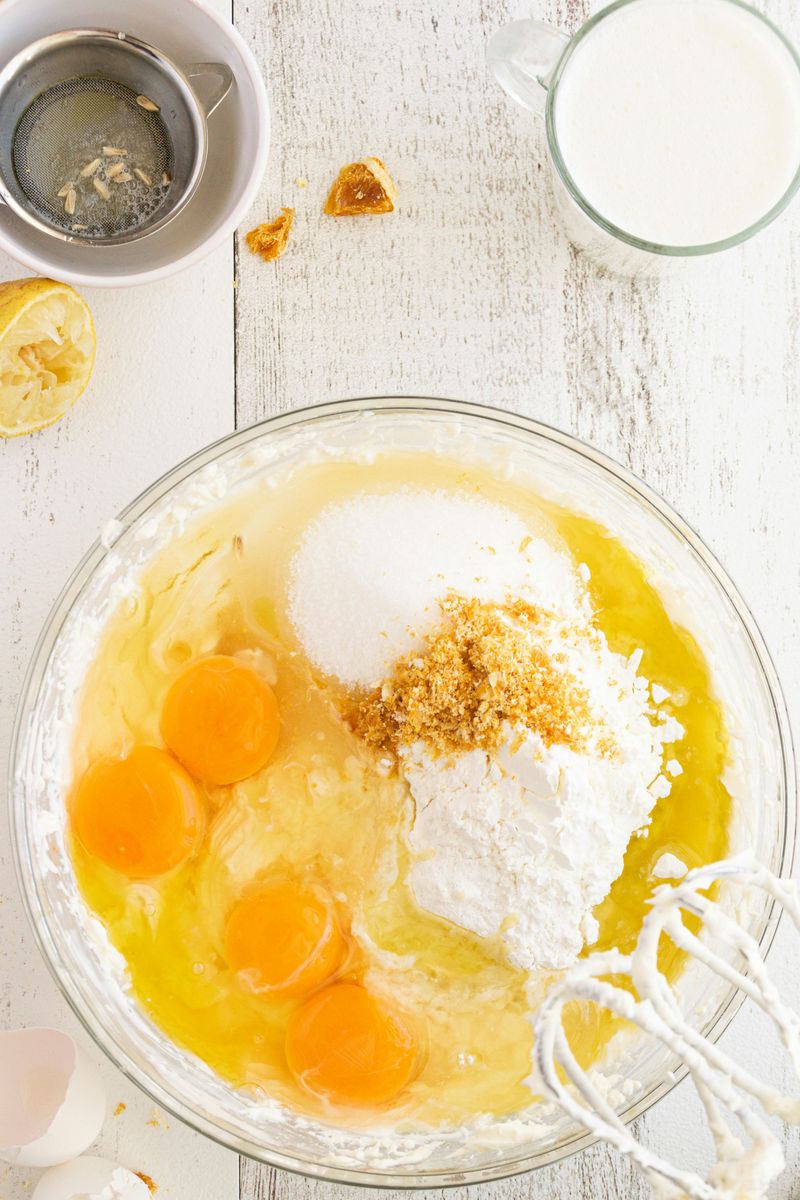
Eggs bind everything together and give your filling structure without making it rubbery.
I crack three large eggs into a bowl and beat them until they’re completely uniform in color with no streaks of white remaining.
This usually takes about thirty seconds with a whisk or fork.
Room temperature eggs incorporate better into your filling than cold ones straight from the refrigerator.
Let them sit on the counter for about twenty minutes before using them in your recipe.
The warmer temperature helps them blend smoothly with the sugar and corn syrup.
Avoid over-beating your eggs, which can introduce too much air and create a foamy texture.
You want them well-mixed but not frothy or bubbly.
Some Georgia bakers add their eggs one at a time to the sugar mixture, stirring after each addition for better control over the consistency and texture of the final filling.
5. Add Real Vanilla Extract
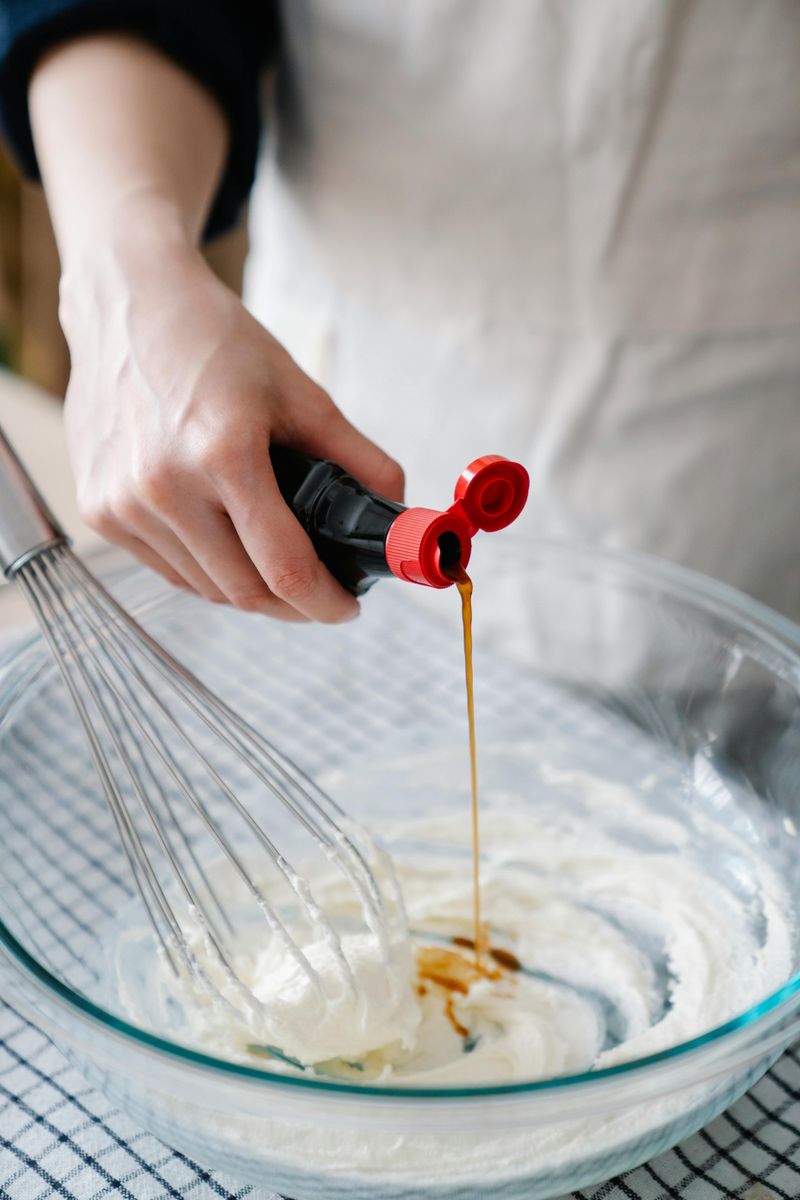
Pure vanilla extract elevates your pie from good to extraordinary with its complex flavor notes.
I always use the real stuff rather than imitation vanilla, which tastes artificial and lacks depth.
One or two teaspoons is usually sufficient for a standard nine-inch pie.
Georgia bakers often keep a bottle of high-quality vanilla in their pantries specifically for special desserts.
The extract enhances the sweetness of the filling without adding extra sugar.
It also balances the richness of the butter and eggs.
Add your vanilla after you’ve mixed the wet ingredients but before folding in the pecans.
This timing ensures even distribution throughout the filling.
Some cooks make their own vanilla extract by soaking vanilla beans in vodka for several months, creating an intensely flavored product.
Whether homemade or store-bought, quality vanilla makes a noticeable difference in the final taste of your pecan pie.
6. Melt Butter and Let It Cool
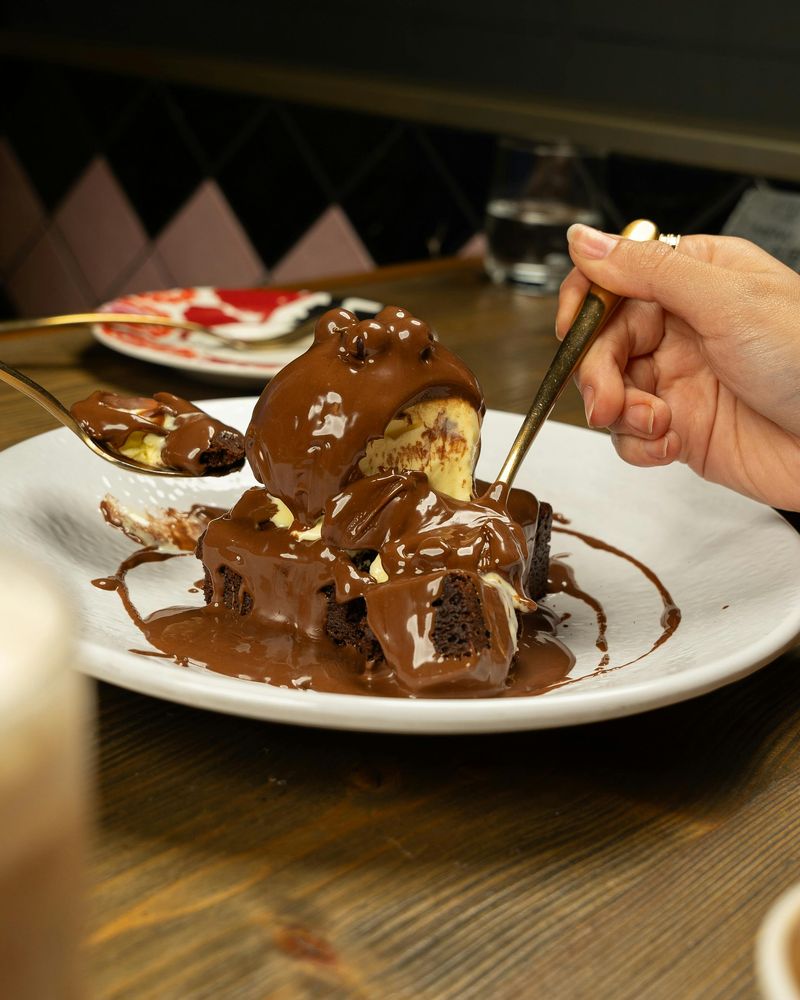
Butter adds richness and helps create that smooth, custard-like texture everyone loves.
I melt four tablespoons of unsalted butter and then let it cool for about five minutes before adding it to my egg mixture.
Hot butter can scramble the eggs, which ruins the consistency.
You can melt your butter in the microwave or on the stovetop in a small saucepan.
Either method works fine as long as you don’t let it brown.
Browned butter changes the flavor profile, which some people enjoy but isn’t traditional for this classic recipe.
Salted butter can be used if that’s what you have on hand, but reduce the added salt in your recipe accordingly.
Many Georgia kitchens stock both types for different baking purposes.
The cooled melted butter incorporates smoothly into your filling, distributing its richness evenly throughout every bite of your finished pie.
7. Mix Sugar Thoroughly
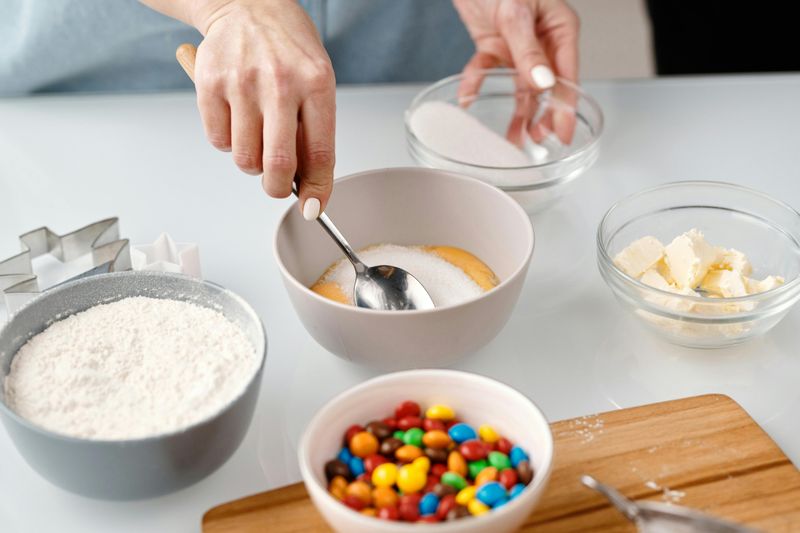
Granulated sugar provides sweetness and helps create the filling’s structure as it bakes.
I combine one cup of sugar with my corn syrup and beaten eggs, stirring until no grains remain visible.
This complete dissolution is important for a smooth final texture.
Some Georgia recipes call for a combination of white and brown sugar for added molasses flavor.
The brown sugar contributes moisture and a deeper caramel taste that complements the pecans beautifully.
You can experiment with different ratios to find your preferred level of sweetness.
Stir your sugar mixture gently but thoroughly to avoid creating excess bubbles.
The goal is complete incorporation without whipping air into the filling.
Let the mixture rest for a minute after stirring, which allows any foam to settle.
This patience results in a glossy, professional-looking pie that would make any Georgia grandmother proud of your baking skills.
8. Season with Salt and Spices
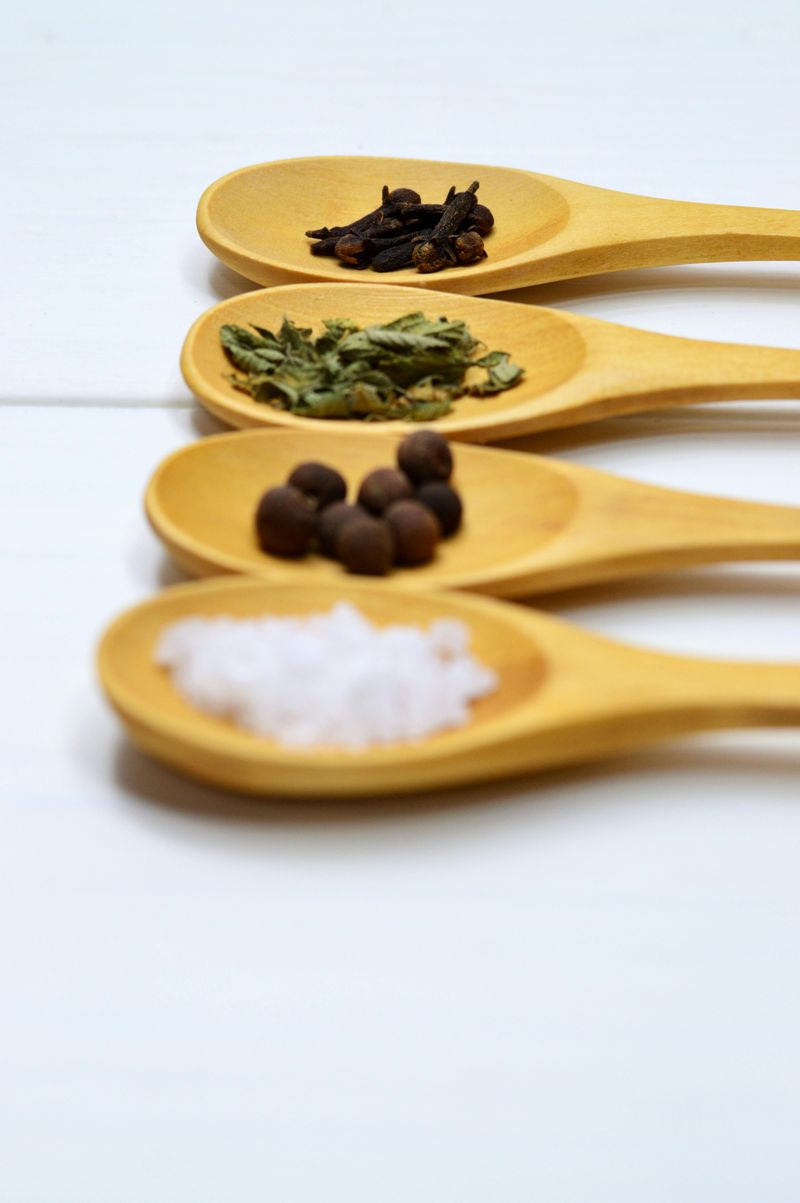
A pinch of salt might seem insignificant, but it balances the sweetness and enhances all the other flavors.
I add about one-quarter teaspoon to my filling mixture, which is just enough to brighten the taste without making it salty.
Salt also strengthens the egg proteins for better structure.
Many traditional Georgia recipes stop at salt, but you can add warmth with cinnamon or nutmeg if you like.
A dash of either spice complements the pecans without overwhelming them.
Some bakers include a splash of bourbon for an adult twist on the classic.
Stir your seasonings into the liquid ingredients before adding the nuts.
This ensures even distribution throughout the filling.
Taste your mixture before pouring it into the crust to check if the seasoning level suits your preferences.
Remember that flavors intensify slightly as the pie bakes, so season with a light hand initially.
9. Arrange Pecans in the Crust
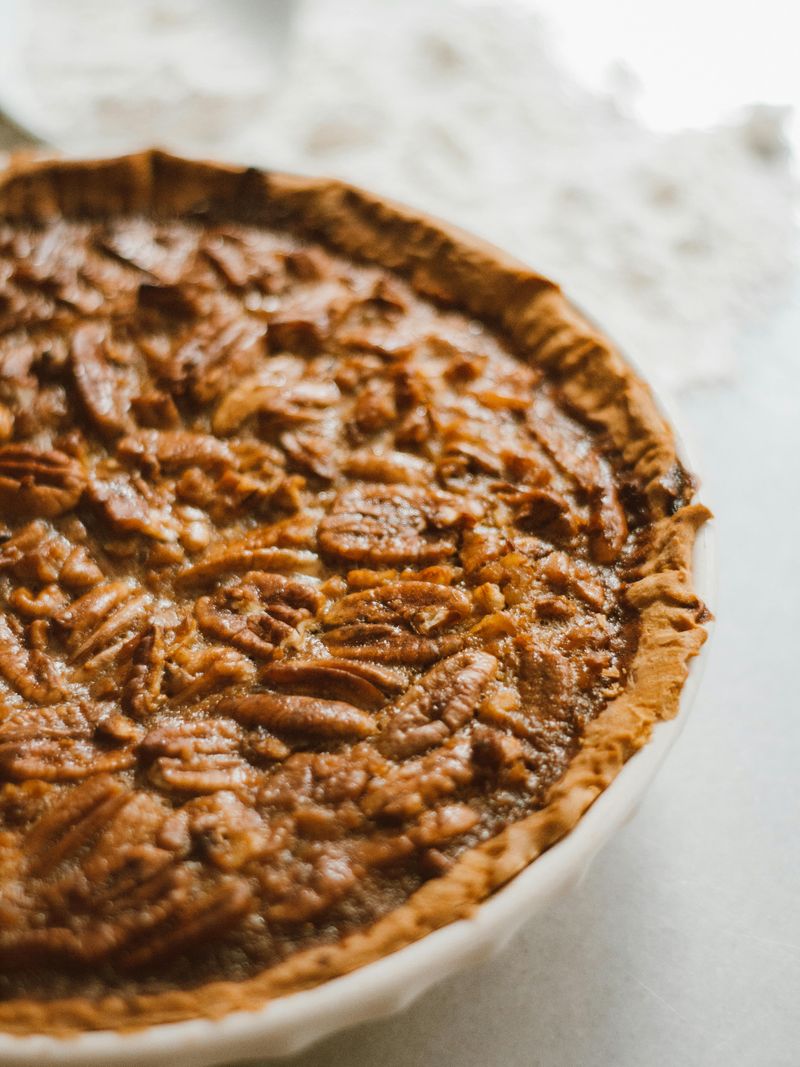
How you place your pecans affects both appearance and texture throughout the pie.
I pour about half my pecans into the unbaked crust first, spreading them evenly across the bottom.
This creates a solid layer that prevents the filling from making the crust soggy.
Some Georgia bakers arrange their pecans in concentric circles for a beautiful presentation.
Others prefer a more rustic, scattered look that shows the pie was made with love rather than fussiness.
Either approach works wonderfully as long as the nuts are distributed evenly.
Reserve your prettiest pecan halves for the top layer, which will be visible after baking.
Pour your liquid filling over the bottom layer of nuts, then arrange the remaining pecans on top in whatever pattern pleases you.
The filling will rise slightly during baking, suspending the nuts in that classic pecan pie arrangement everyone recognizes immediately.
10. Pour Filling Without Spilling

Getting your liquid filling into the crust without making a mess requires a steady hand and patience.
I place my prepared crust on the oven rack first, then carefully pour the filling into it while it’s already positioned.
This technique prevents spills while carrying a full pie across the kitchen.
Use a ladle or large measuring cup with a spout for better control over the pour.
Fill the crust to about three-quarters full, leaving some space for the filling to bubble slightly during baking.
Overfilling leads to messy spills in your oven.
If you do overfill slightly, use a turkey baster to remove excess filling before baking.
Work slowly and deliberately, and don’t worry if a few drops land on the crust edge.
They’ll bake into the pie without causing problems.
Many Georgia cooks keep a damp towel nearby to wipe the pie pan rim before baking.
11. Bake at the Right Temperature
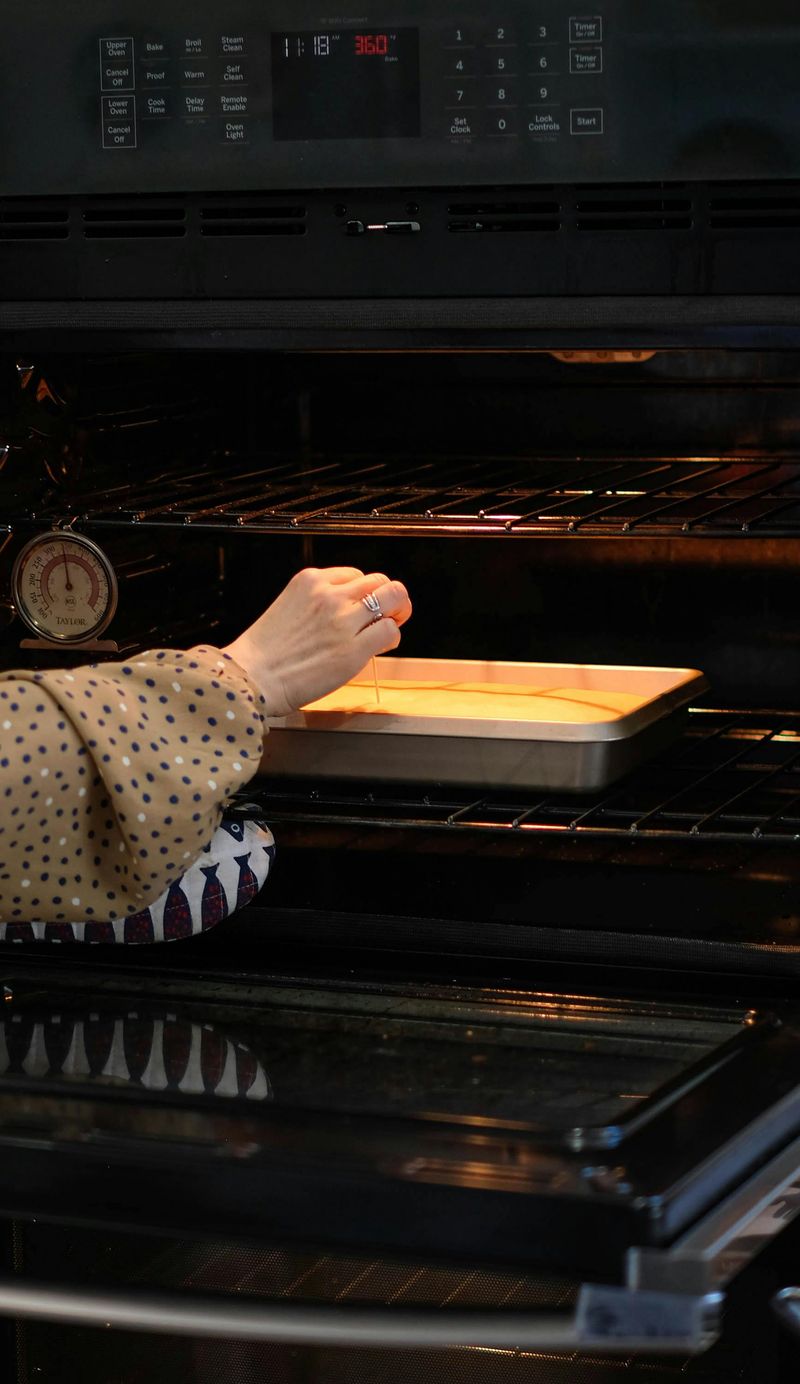
Proper oven temperature makes the difference between a perfectly set pie and a runny disappointment.
I preheat my oven to 350 degrees Fahrenheit, which is the sweet spot for most pecan pie recipes.
This moderate heat cooks the filling through without burning the crust edges.
Place your pie on the middle rack where heat circulates most evenly around it.
Avoid opening the oven door frequently during baking, which causes temperature fluctuations.
Each peek can add several minutes to your total baking time.
Most pies need fifty to sixty minutes at this temperature, though your specific oven may vary slightly.
The filling should be mostly set with just a slight jiggle in the center when you gently shake the pan.
Remember that the pie continues cooking from residual heat after you remove it from the oven, so slight under-baking is better than over-baking, which can make the filling grainy.
12. Check for Doneness Properly

Knowing when your pie is perfectly baked takes practice and attention to visual cues.
I look for a filling that’s puffed slightly and set around the edges with just a small wobbly spot in the very center.
The pecans on top should be toasted and fragrant.
Insert a knife about an inch from the center to test doneness without disturbing the middle completely.
The knife should come out mostly clean with just a little filling clinging to it.
A completely clean knife means you’ve overbaked, while a very wet knife indicates more time is needed.
The internal temperature should reach about 200 degrees Fahrenheit when measured with an instant-read thermometer.
Many Georgia bakers rely on experience and visual cues rather than thermometers.
Your pie will continue setting as it cools, so don’t wait for it to be completely firm before removing it from the oven or you’ll end up with an overcooked dessert.
13. Serve with Whipped Cream or Ice Cream
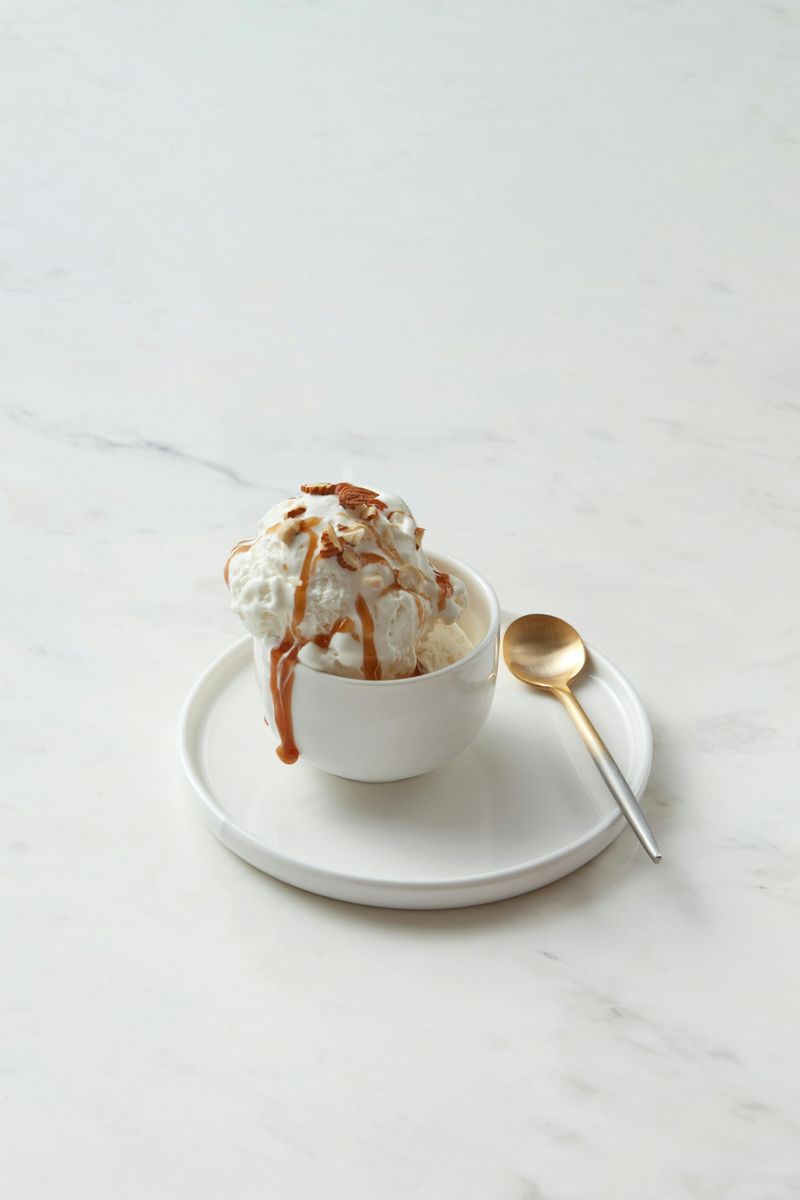
The right accompaniment takes your pecan pie from delicious to absolutely heavenly.
I always offer both whipped cream and vanilla ice cream when serving, letting guests choose their preferred topping.
The cool, creamy contrast balances the pie’s intense sweetness perfectly.
Homemade whipped cream takes just minutes to make and tastes far better than store-bought versions.
Beat heavy cream with a little sugar and vanilla until soft peaks form.
Some Georgia cooks add a splash of bourbon to their whipped cream for extra Southern flair.
Quality vanilla ice cream is the traditional choice across the state, melting slightly into the warm pie if you serve it fresh from the oven.
You can also try butter pecan ice cream for a double dose of nutty flavor.
A dollop of sweetened sour cream offers a tangy alternative that cuts through the richness beautifully, though it’s less common than the classic cream or ice cream options.