12 Small California Towns That Turn July Weekends Into Little Getaways
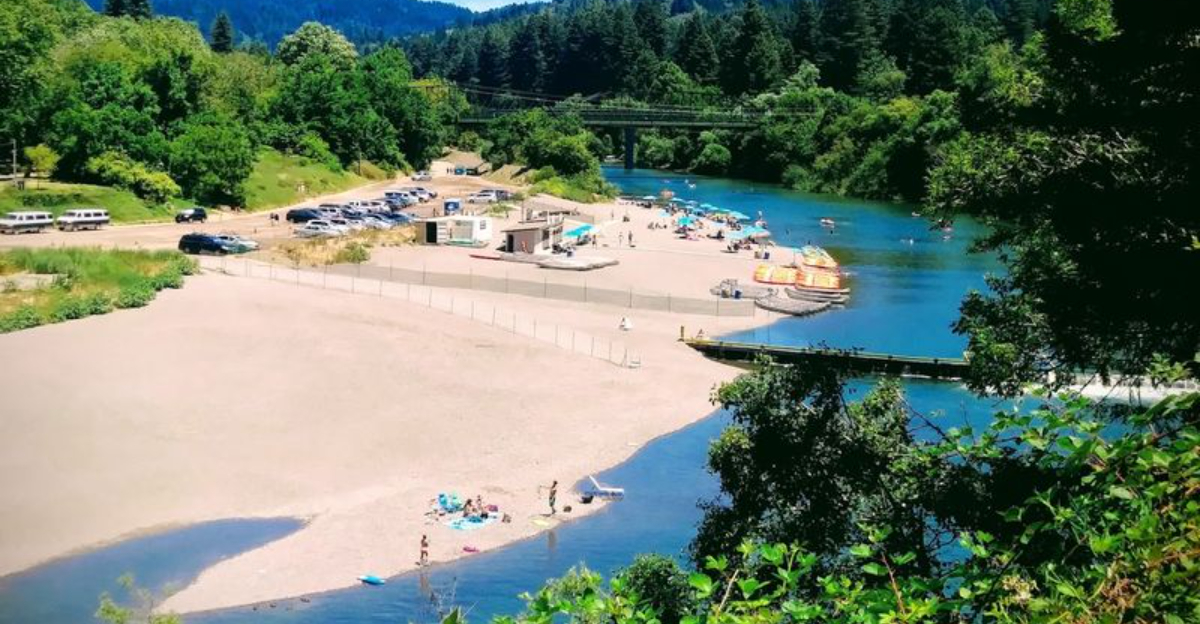
July weekends can make even a short escape feel like a full reset.
A small town helps. So does a walkable main street, a shady bench, and enough character to make the day feel different before the first iced coffee is gone.
The best little getaways do not need a packed schedule. They just need the right mood.
In California, a quick weekend can turn tiny towns into summer’s best excuse to wander.
Some places lean coastal and breezy. Others bring mountain air, lake views, or quiet streets where the biggest decision is where to eat next.
That variety keeps the idea fresh. One weekend can feel slow and scenic. The next can bring trailheads or a sunset that makes the drive home feel rude.
The magic is how manageable it all feels.
No massive itinerary. No airport drama. Just a small town with enough charm to make July feel bigger than the calendar says.
1. Carmel-by-the-Sea
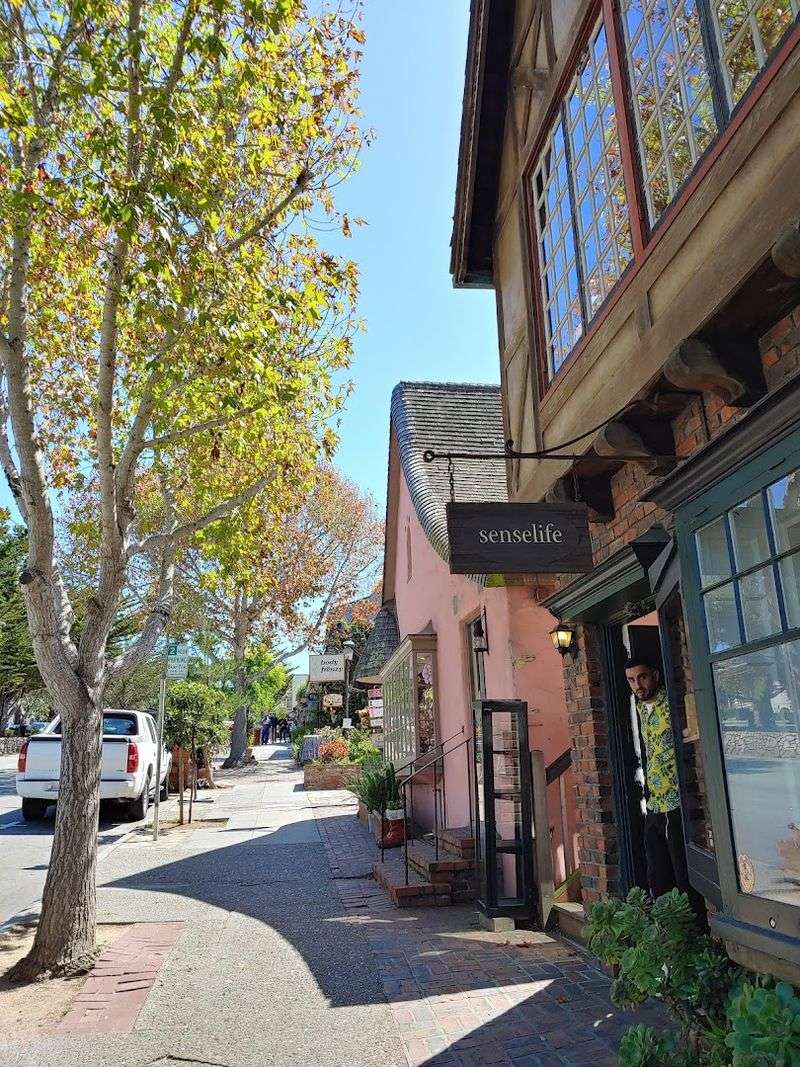
Along the Monterey Peninsula, Carmel-by-the-Sea has a storybook quality that feels almost too charming to be real.
The streets are lined with hand-built stone cottages, climbing roses, and art galleries that spill color onto narrow sidewalks.
July brings long, mild afternoons that are perfect for walking Ocean Avenue down to the white sand beach at the end of the road.
The historic Carmel Mission Basilica is worth a visit for its quiet courtyard and well-preserved architecture dating back to the 1700s.
The surrounding downtown area is compact enough to explore on foot without a map, and most shops and cafes are within a short walk of each other.
The beach itself is free and open daily, with soft sand and views of Pebble Beach in the distance. Mornings tend to be foggy and cool, which keeps crowds lighter early in the day.
By afternoon the fog usually lifts, making it a good time to settle on the sand or browse the galleries along Dolores Street.
2. Mendocino
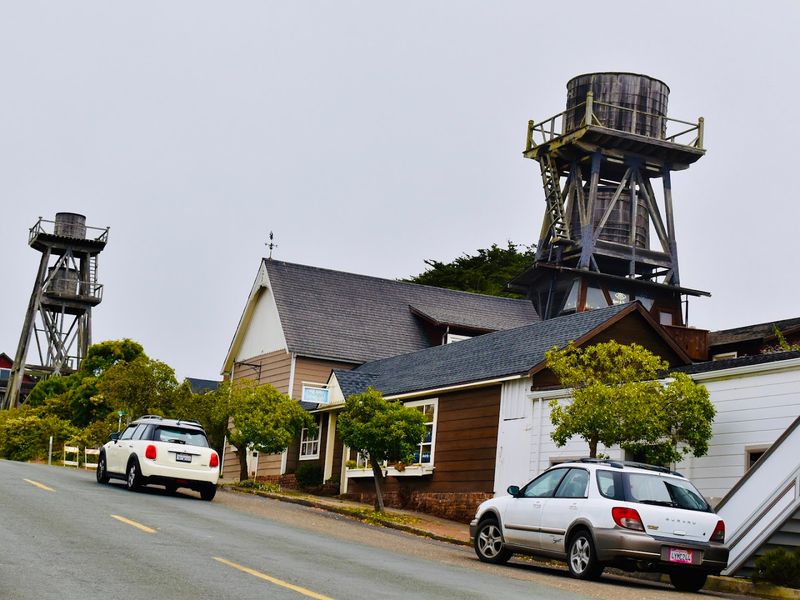
Standing on a headland above the Pacific, Mendocino looks like a New England fishing village that somehow ended up on the California coast.
The Victorian-era buildings, water towers, and weathered wood storefronts give the town a distinct character that feels genuinely old rather than staged.
The Mendocino Headlands State Park wraps around the village and offers trail walks along the bluffs with views of sea stacks and crashing surf below.
July is a lively month here because the Mendocino Music Festival brings outdoor concerts to the headlands, drawing visitors who enjoy classical and folk performances in an open-air setting.
The town itself is small enough to walk entirely in an afternoon, with locally owned shops, bakeries, and galleries filling the main streets.
Fort Bragg, just a few miles north, adds more options for food and exploration, including the Mendocino Coast Botanical Gardens.
The redwood groves of Montgomery Woods State Natural Reserve are about an hour inland and offer a cool, shaded contrast to the breezy coast.
Cell service can be limited in parts of the area, so downloading maps ahead of time is a practical step.
3. Ojai
Settled into a narrow valley east of Ventura, Ojai has a quiet confidence that draws people back year after year.
The downtown arcade, a long covered walkway lined with local shops and studios, makes for a pleasant afternoon of browsing without the pressure of a crowded mall.
The surrounding Topatopa Mountains turn a soft pink at sunset, a phenomenon locals call the pink moment, and it happens reliably enough to plan around.
The Ojai Valley Trail is a paved multi-use path that runs about nine miles through the valley floor, connecting the town to nearby Ventura.
It is flat, well-maintained, and shaded in sections, making it a good option for cyclists and walkers who want to cover some ground without climbing.
Rental bikes are available in town for those who did not bring their own.
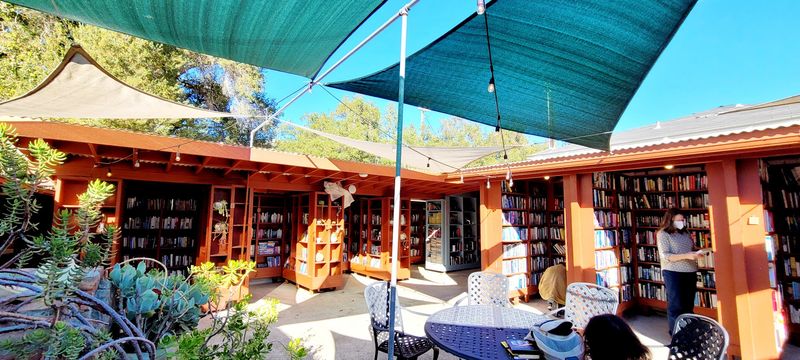
Bart’s Books is one of the more unusual spots in town, with shelves built into an open courtyard and books sorted by genre along the outer walls.
July temperatures in the valley can climb into the 90s by midday, so planning outdoor activities for the morning hours tends to be more comfortable.
4. Solvang
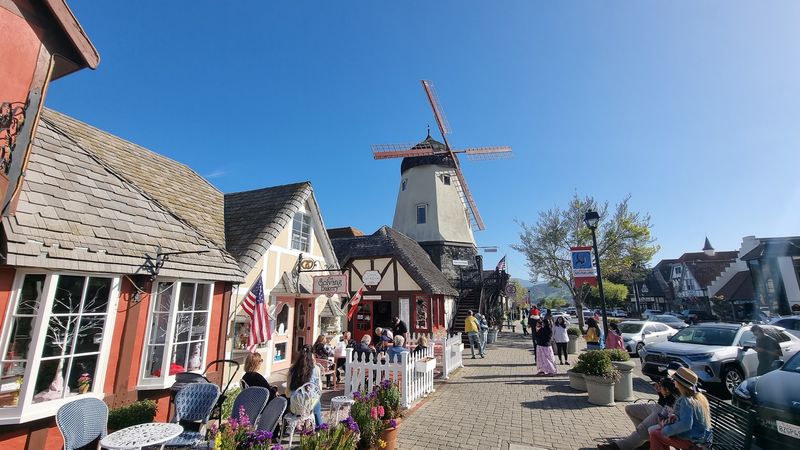
Walking through Solvang feels like a small geography puzzle, because the Danish-style architecture, windmills, and hand-painted signs do not immediately suggest central California.
The town was founded in 1911 by Danish immigrants who built their community in the Santa Ynez Valley, and the European aesthetic has been carefully maintained ever since.
Bakeries selling aebleskiver, a round Danish pancake, line the main streets and are popular stops throughout the day.
The Santa Ynez Valley scenery surrounding the town is genuinely beautiful, with rolling golden hills and horse ranches visible from most roads leading into and out of Solvang.
A stroll through the village center takes about an hour at a relaxed pace, with plenty of shops selling Scandinavian imports, handmade goods, and local food products.
The Old Mission Santa Ines, located at 1760 Mission Drive, Solvang, CA 93463, sits at the edge of town and offers a peaceful garden courtyard open to visitors.
July weekends bring steady foot traffic, so arriving in the morning or later in the afternoon tends to mean shorter lines at the bakeries.
The town is compact and entirely walkable, with most of the main attractions within a few blocks of each other.
5. Julian
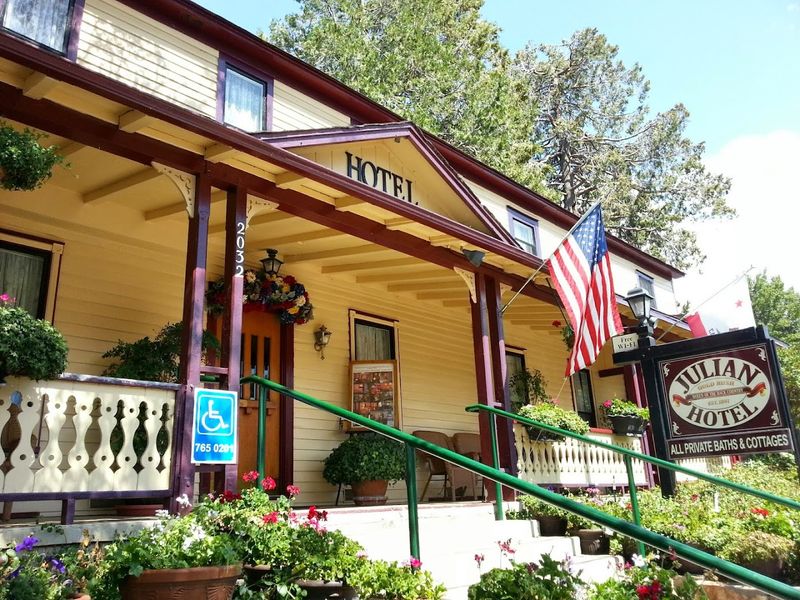
About an hour east of San Diego, Julian sits at roughly 4,200 feet in the Cuyamaca Mountains and offers a noticeably cooler alternative to the coast during July.
The town became famous during the 1870 gold rush, and its main street still has the look of that era, with wooden storefronts, a working historic schoolhouse, and a small museum dedicated to the mining days.
Apple orchards surround the town, and while the main harvest runs in fall, apple products including pies, ciders, and jams are available year-round from local shops.
The Julian Pioneer Museum offers a compact but well-organized look at the town’s history, covering everything from mining tools to early settler photographs.
Hiking options nearby include Volcan Mountain Wilderness Preserve, which has trails leading to views across the valley.
The drive up from San Diego on Highway 78 or 79 is scenic on its own and passes through chaparral and oak woodland.
July weekends can bring day-trippers from the city, so parking along the main street fills up by late morning. Arriving early or later in the afternoon tends to make the experience more relaxed and enjoyable.
6. Idyllwild
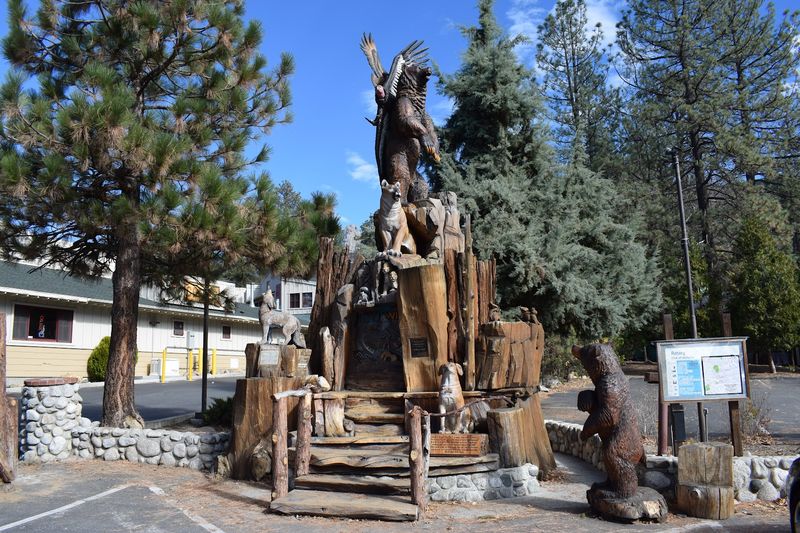
Perched at about 5,400 feet in the San Jacinto Mountains, Idyllwild has the kind of laid-back mountain energy that feels immediately different from the desert communities just a few thousand feet below.
The town is small enough that the main commercial strip takes only about twenty minutes to walk, but it packs in an unusual number of art galleries, live music venues, and independent shops for its size.
The surrounding forest smells of pine and cedar, and the air temperature in July tends to run fifteen to twenty degrees cooler than in nearby Palm Springs.
Mount San Jacinto State Park borders the town and provides access to serious hiking trails, including routes toward the summit at nearly 11,000 feet.
Rock climbing is also popular here, with granite formations like Suicide Rock and Tahquitz Rock drawing climbers from across Southern California throughout the summer.
Tahquitz Rock is visible from parts of town and gives Idyllwild a dramatic backdrop that sets it apart from other mountain communities.
The town has a range of cabin rentals and small inns for overnight stays.
July weekends fill up quickly, so booking accommodations a few weeks in advance is a reasonable approach for anyone planning to stay more than a day.
7. Nevada City
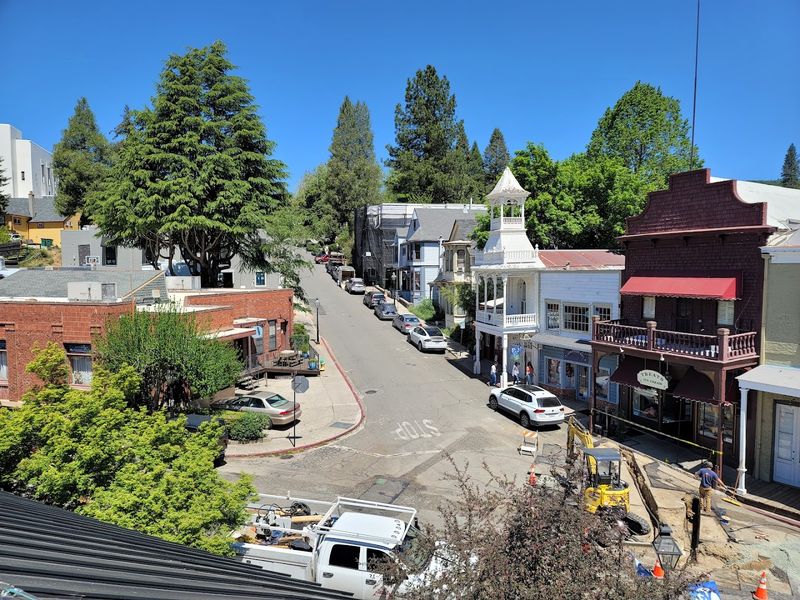
Few small towns in California have preserved their Gold Rush-era character as thoroughly as Nevada City.
Broad Street, the main commercial corridor, is lined with 1850s brick buildings, Victorian storefronts, and gas-style street lamps that make an evening stroll feel genuinely historic.
The Nevada Theatre, which opened in 1865, still hosts performances and is considered the oldest continuously operating theater building in California.
The Miners Foundry Cultural Center is a large stone building from the 1850s that now serves as a venue for concerts, film screenings, and community events throughout the summer.
In July, the South Yuba River draws locals and visitors to swimming holes and shaded banks just outside town, offering a natural and refreshing way to spend a warm afternoon.
The Empire Mine State Historic Park in nearby Grass Valley adds a deeper look at the region’s mining history for those who want a half-day excursion.
The weekly farmers market and various summer events keep the downtown lively without making it feel overwhelming.
Nevada City is compact and walkable, and most of the historic sights are clustered within a short distance of each other, making it easy to cover a lot of ground on foot.
8. Truckee
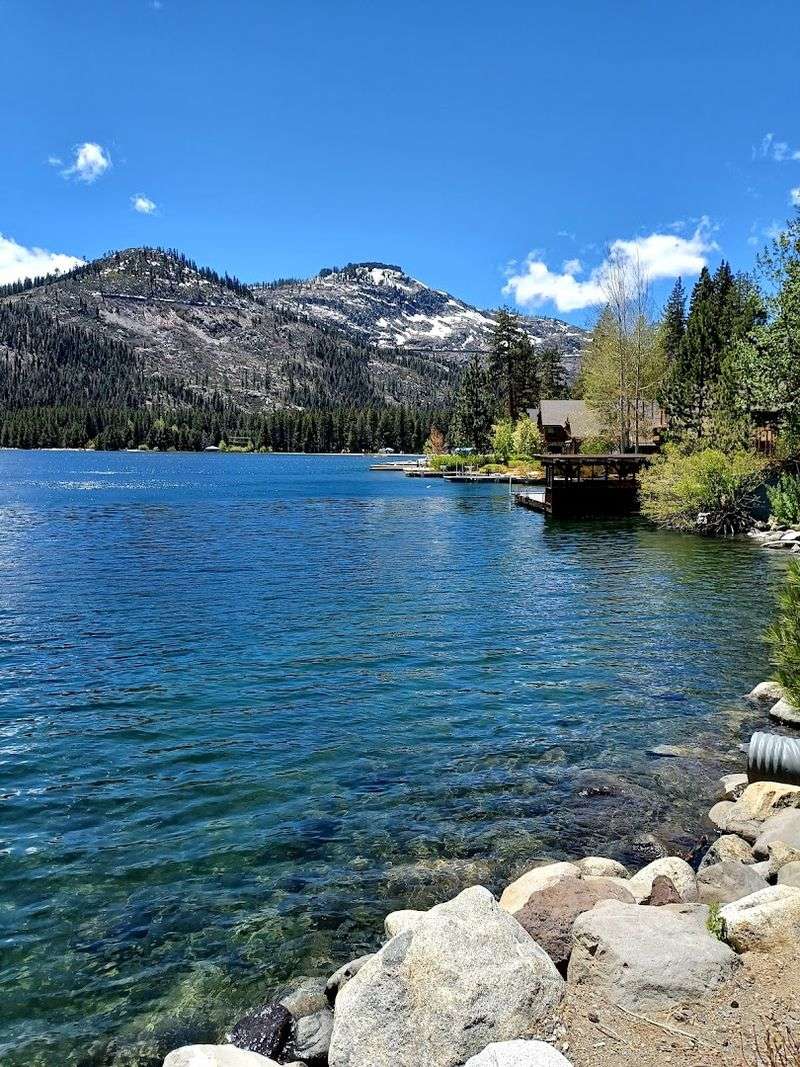
Sitting at just over 5,800 feet in the northern Sierra Nevada, Truckee is one of those mountain towns that works just as well in summer as it does in winter.
The historic downtown along Donner Pass Road has a well-worn, authentic character, with old brick buildings housing restaurants, gear shops, and local businesses that cater to both outdoor enthusiasts and casual visitors.
July temperatures are comfortable and the long daylight hours give plenty of time to explore.
Donner Lake, just west of town, offers swimming, kayaking, and paddleboarding in calm, clear water surrounded by forested ridges.
The Truckee River Legacy Trail is a paved path that follows the river through town and into the surrounding valley, making it a good option for cyclists and walkers who want a scenic, low-effort route.
Donner Memorial State Park includes a museum covering the history of the Donner Party as well as lakeside picnic areas open throughout the summer.
Lake Tahoe is about fifteen minutes south of Truckee, which makes it easy to combine a visit to both areas in one weekend.
Parking near the lake and in downtown Truckee can get tight on busy July weekends, so arriving before midday is generally a better approach.
9. Cambria
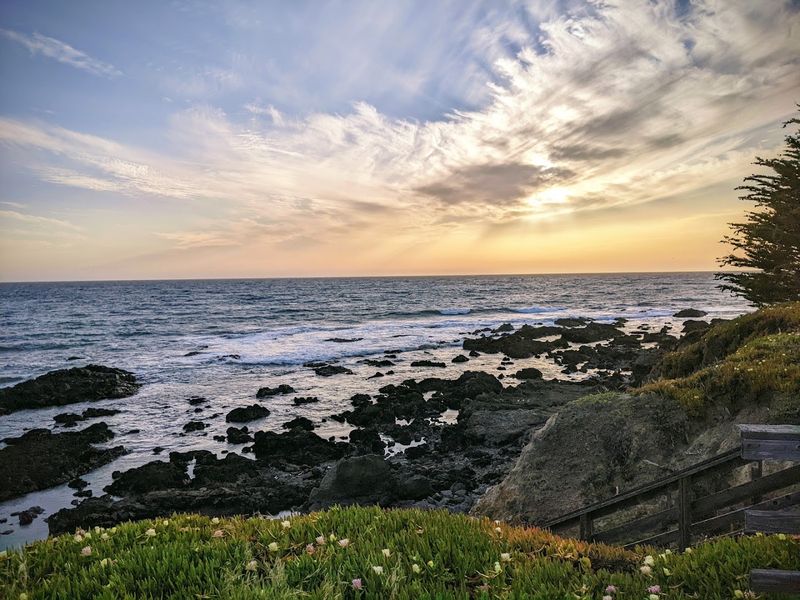
Hugging the Central Coast just north of San Simeon, Cambria has a relaxed, unhurried energy that makes it easy to spend a full weekend without feeling like anything was missed.
The Moonstone Beach Boardwalk runs along the bluff above the shoreline and offers a flat, easy walk with unobstructed views of the Pacific and the rocky beach below.
Pieces of moonstones and sea glass wash up along the shore, giving the beach its name and adding a small element of treasure hunting to a simple beach walk.
The town is divided into two distinct areas: the East Village and the West Village.
The East Village has a slightly older, more residential feel with antique shops and art galleries tucked along Burton Drive, while the West Village sits closer to the coast and has more cafes and visitor-oriented shops.
Both are small enough to explore on foot without much effort.
Highway 1 runs directly through Cambria, making it a natural stopping point on a longer Central Coast road trip.
Hearst Castle, located about seven miles north in San Simeon, is a popular add-on for visitors who want to spend a full day in the area.
Elephant seal viewing at the nearby Piedras Blancas rookery is free and accessible year-round from a designated pullout along the highway.
10. Guerneville
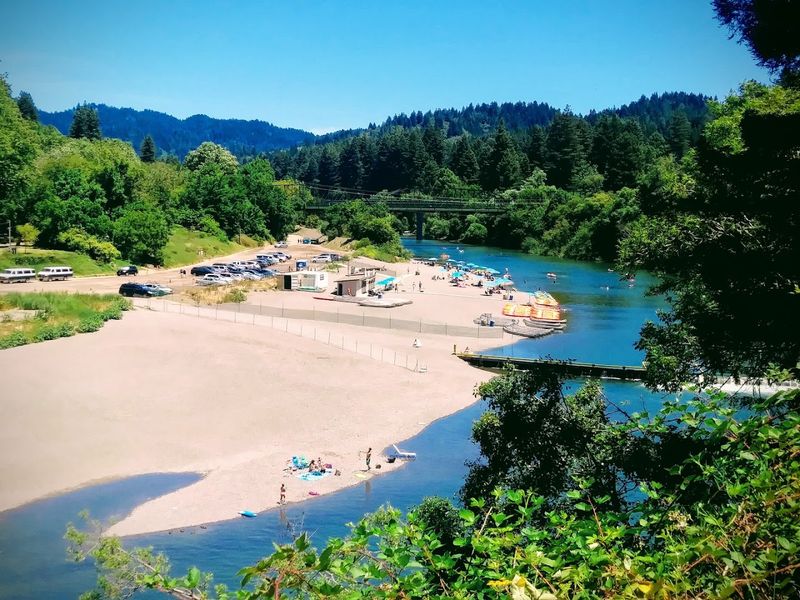
On a hot July day, floating down the Russian River on an inflatable tube with redwood trees rising on both banks is exactly as good as it sounds.
Guerneville is the center of Russian River country in Sonoma County, and the town has built a relaxed, welcoming identity around its natural setting and easygoing summer culture.
Johnson’s Beach provides river access for swimming, floating, and canoeing, and equipment rentals are available on-site during the summer season.
Armstrong Redwoods State Natural Reserve is just two miles from downtown and contains old-growth coast redwoods that create a cool, cathedral-like environment even on the warmest days.
Trails inside the reserve range from short, flat walks near the entrance to longer routes that climb into the surrounding hills.
The contrast between the sunny river and the shaded redwood forest makes it easy to fill a full weekend with different kinds of outdoor experiences.
Downtown Guerneville has a small but lively collection of restaurants, vintage shops, and casual eateries along Main Street.
The town has a notably inclusive and community-oriented atmosphere that regulars often mention as part of what keeps them coming back each summer.
11. Capitola
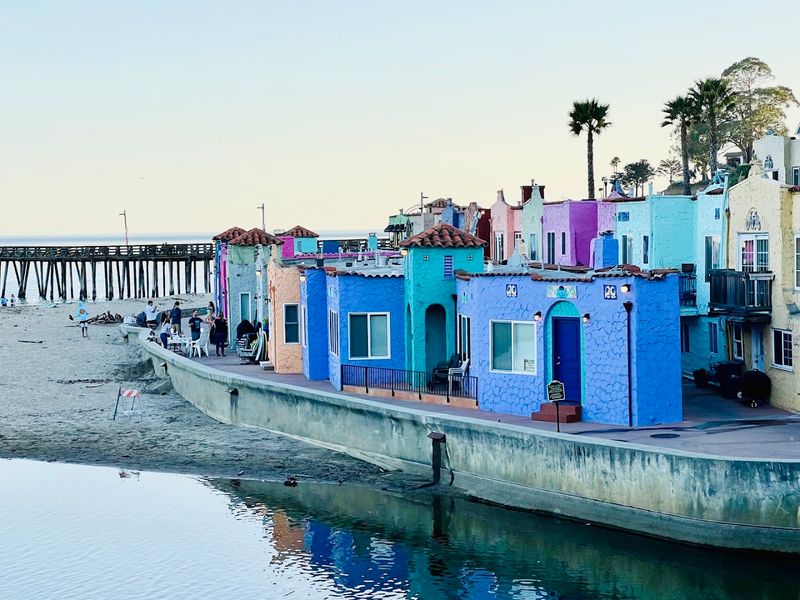
Painted in shades of peach, turquoise, and coral, the waterfront cottages of Capitola Village are some of the most photographed in California, and they look even better in the warm light of a July afternoon.
The village sits at the mouth of Soquel Creek where it meets Monterey Bay, creating a calm, sheltered beach that is popular with families and casual swimmers.
The whole area is compact enough to explore in a few hours, but relaxed enough that most visitors end up staying longer than planned.
Capitola is located just south of Santa Cruz, making it easy to combine with a visit to the Santa Cruz Beach Boardwalk or the natural bridges at Natural Bridges State Beach.
The village itself has a selection of small restaurants, surf shops, and boutiques along Capitola Avenue and the beachfront esplanade.
Parking can be limited during peak summer weekends, and the village parking lot fills quickly, so arriving before 10 a.m. or using the shuttle from nearby lots tends to make the experience smoother.
The Capitola Pier extends out into the bay and offers a good vantage point for watching surfers and pelicans without getting in the water.
Sunset from the pier, with the colored cottages glowing behind, is a reliable highlight of any visit to this cheerful little beach town.
12. Dunsmuir
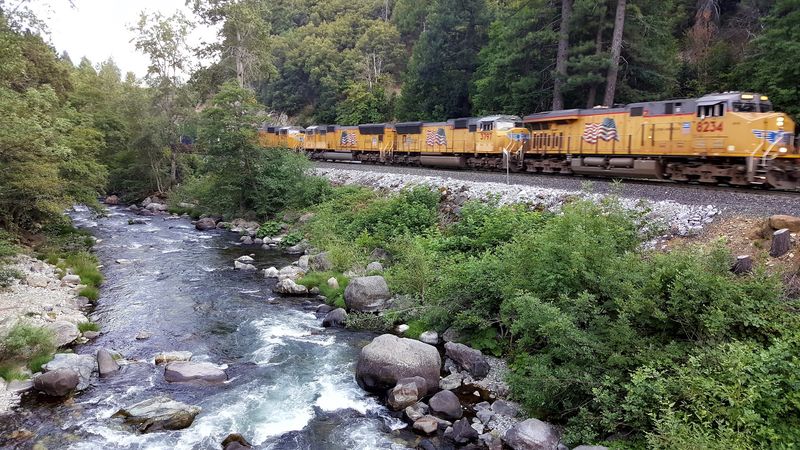
Fewer people know about Dunsmuir than probably should, which is part of what makes it such a satisfying find for a July weekend.
In a narrow canyon in far Northern California along Interstate 5, this small railroad town sits beside the upper Sacramento River and is surrounded by volcanic rock formations and some of the clearest water in the state.
The river here is well regarded among fly fishers, but non-fishing visitors find plenty to appreciate in the scenery alone.
Mossbrae Falls is one of the more unusual natural features in the area, with water seeping out of a mossy cliff face directly into the Sacramento River.
Access involves a walk along an active railroad track, so checking current access conditions and local guidance before visiting is important for safety.
Hedge Creek Falls, located just north of town near the freeway, is an easier and more accessible waterfall hike that takes about twenty minutes round trip.
The historic downtown along Dunsmuir Avenue has a handful of locally owned restaurants and shops that reflect the town’s unpretentious character.
Castle Crags State Park is just a few miles south and offers trails leading toward dramatic granite spires that rise above the tree line.
July is generally dry and clear in this part of the state, making it a reliable time to visit.