10 Small New York Towns Where Your Weekend Budget Can Stretch Surprisingly Far
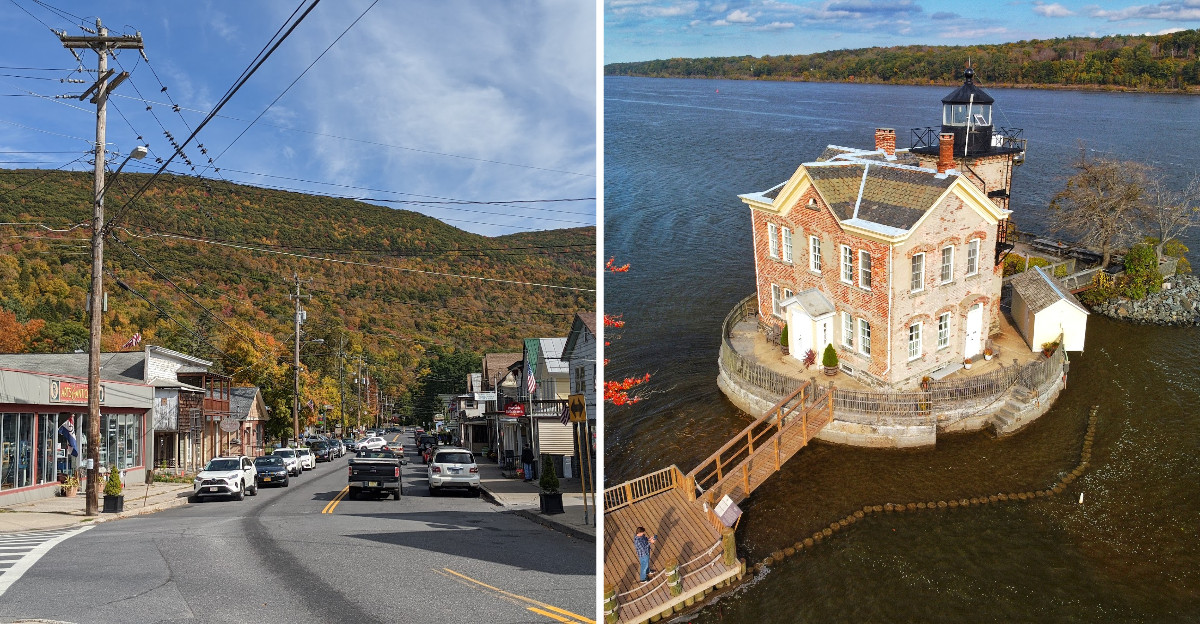
Where in New York can you reach a working lighthouse on a trail that sometimes floods at high tide?
Care to take a guess? It sits at the end of a marshy path, and you can even book a night inside it.
One mountain village builds a full palace out of lake ice almost every winter, and volunteers do the heavy lifting. Another town once cooked a buckwheat pancake so huge it set a world record.
Did you see any of that coming? Each of these spots lets you trade pricey resort weekends for trails, history, and small-town charm.
So, how many can you name before the answers show up?
1. Saranac Lake
Most towns celebrate winter with a snowman or two. Saranac Lake goes bigger and builds an entire palace out of lake ice.
The Winter Carnival began in 1897, though the Ice Palace tradition started the following year. Volunteers harvest blocks from Lake Flower’s Pontiac Bay and stack them into towers, walls, and arches.
The finished creation glows with colorful lights after sunset, and exploring the exterior is free.
Summer brings a different challenge. The Saranac Lake 6er invites hikers to summit six nearby mountains, including Baker and Ampersand. Baker offers a relatively short climb, while the complete challenge requires considerably more stamina.
Finish all six, register your achievement, and ring the bell at Berkeley Green downtown. For the Baker portion, the official challenge begins and ends at Berkeley Green, rather than the shorter mountain trailhead.
The village also has an unusual architectural legacy. Its historic cure cottages feature deep, open porches where guests once spent hours resting in the Adirondack air.
These distinctive porches remain visible on residential streets, adding a history lesson to an ordinary walk.
Surrounded by forests and waterways, this Adirondack community makes a fine base for picnics, paddling, and independent exploration.
Choosing free trails and carnival festivities can leave more room in your weekend budget for breakfast and a cozy overnight stay.
2. Cooperstown
Baseball fans already know this village as a pilgrimage stop. Yet you can enjoy Cooperstown even if you think a double play is a theater term.
The National Baseball Hall of Fame and Museum anchors Main Street. If the game is your thing, set aside part of your sightseeing budget for its exhibits.
A block away, historic Doubleday Field offers another reminder of the village’s sporting heritage, even when you’re simply strolling past. The historic field dates to 1920, adding another chapter to the village story.
Otsego Lake stretches north from the village. Novelist James Fenimore Cooper called the lake Glimmerglass, a fitting name when sunlight dances across its surface.
His father, William Cooper, established the community in the late eighteenth century, so the village name has a direct family connection.
Lakefront Park gives you a place to sit near the water and take in the hills across the lake. Bring sandwiches from town for a picnic and enjoy the scenery between Main Street stops.
Brick storefronts, older houses, and compact blocks make an afternoon of exploring on foot especially appealing. Seasonal events and ballgames can bring plenty of activity, while quieter dates leave extra time for browsing shop windows.
This part of central New York offers a satisfying mix of sport, literature, and lakeside views without requiring a packed schedule.
3. Watkins Glen
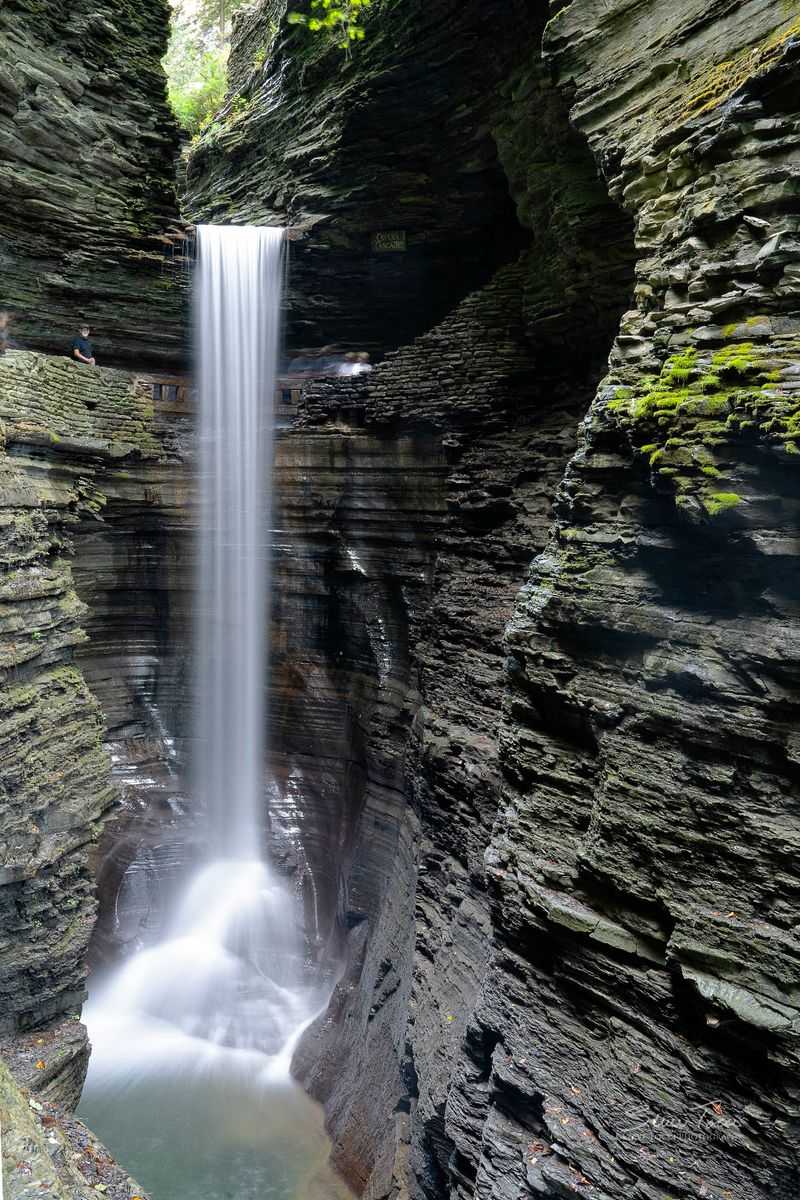
Nineteen waterfalls along a mile-long gorge sounds like a brag. In Watkins Glen, it’s simply the description of the main trail.
Watkins Glen State Park sits right beside the village. The Gorge Trail follows a dramatic, roughly mile-long section with 19 waterfalls, winding up stone stairways beside pools and sculpted rock walls.
Near Rainbow Falls, the walkway passes behind a curtain of falling water. A light jacket comes in handy when the spray drifts across the path. On sunny days, light filters through the gorge and catches the drifting mist.
The gorge usually welcomes hikers from spring until around mid-October, depending on conditions. The park itself remains open throughout the year, with rim trails providing other ways to enjoy the forest when the gorge route is seasonal.
Down in the village, Seneca Lake begins its long stretch northward. The harbor area is pleasant for a waterfront stroll, with boats and distant hills adding to the view.
Want more walking? The Catharine Valley Trail follows a former railroad corridor through the surrounding countryside. Its gentler grades make it suitable for a relaxed bike ride as well.
Motorsports enthusiasts will recognize Watkins Glen International outside the village. Race weekends can fill local accommodations, so consider a quieter date if your goal is waterfalls, walking, and lakeside time.
4. Penn Yan
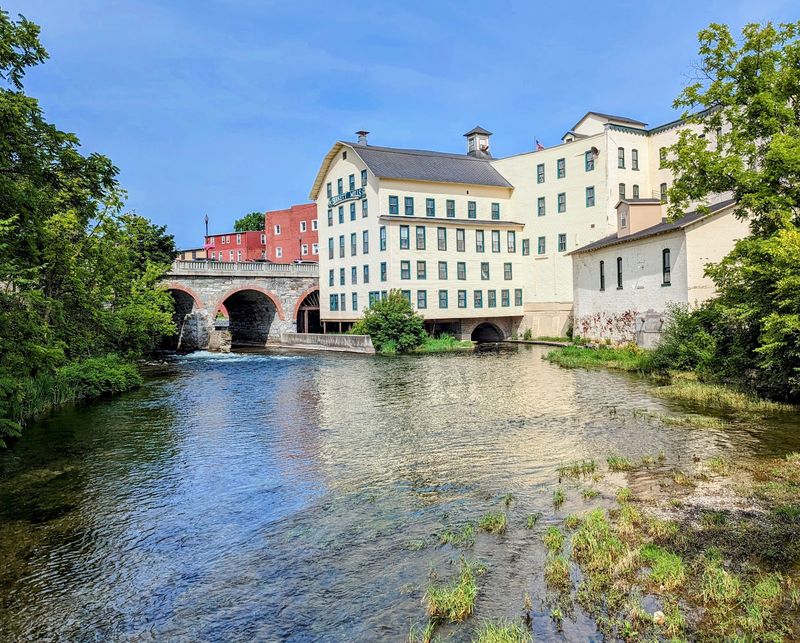
Pancakes and Penn Yan go way back. In 1987, the town cooked a buckwheat pancake so big it landed in the record books.
The Birkett Mills, a longtime local buckwheat producer, helped create the enormous pancake, which measured 28 feet across. Its size made the event memorable, but the village’s everyday attractions are easier to fit into a leisurely weekend.
The curious name has equally local roots. Penn Yan combines references to Pennsylvania and Yankee settlers, reflecting the backgrounds of families who came to the area.
The Keuka Lake Outlet Trail is a particularly appealing free outing. Running seven miles between Penn Yan and Dresden, it follows a former railroad corridor beside the stream connecting Keuka and Seneca lakes.
You’ll encounter waterfalls, remnants of mills, and traces of the old Crooked Lake Canal along its mostly gentle route.
Keuka Lake has a distinctive Y shape, with Penn Yan at the northern end of its eastern branch. That makes waterfront scenery an easy addition to a morning exploring Main Street.
Farm stands in the surrounding countryside offer seasonal produce and homemade baked goods. Gather a few treats, take a scenic drive, and make a picnic part of the adventure.
5. Tupper Lake
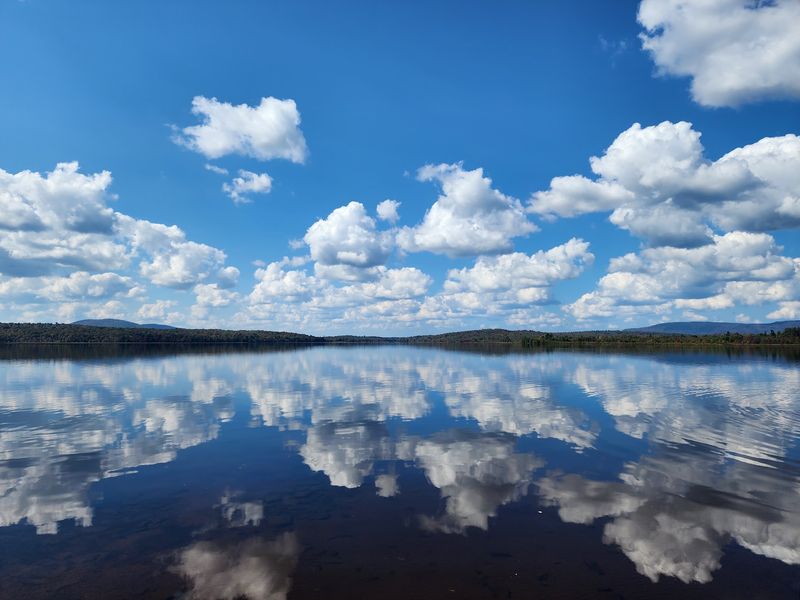
Three little mountains, one big bragging right. Tupper Lake hands out patches to hikers who finish its Triad challenge.
The Tupper Lake Triad features Coney Mountain, Goodman Mountain, and Mount Arab. Each summit is reachable on a relatively short marked trail, although rocky terrain and climbs still call for suitable footwear.
Complete all three, register the hikes, and you can earn a patch for either the summer or winter challenge.
Mount Arab has a historic fire tower with sweeping Adirondack views. Coney Mountain offers an open, rocky summit with a broad panorama of nearby hills and lakes.
Goodman Mountain provides another rewarding outlook along a trail that begins on an old road.
For a day indoors and out, The Wild Center combines natural history exhibits with Wild Walk, an elevated pathway through the treetops.
Admission makes it a planned splurge, while nearby hiking opportunities give you plenty of ways to balance the weekend.
The waterfront at Raquette Pond offers calmer scenery between mountain outings. Clear skies offer another treat. Coney Mountain is known for stargazing, although night hiking takes careful planning, lighting, and attention to the conditions.
The surrounding waterways and forest trails give Adirondack travelers options for paddling, picnics, and relaxed afternoons. A simple campsite or modest lodging base can suit a trip focused on the outdoors.
6. Sharon Springs
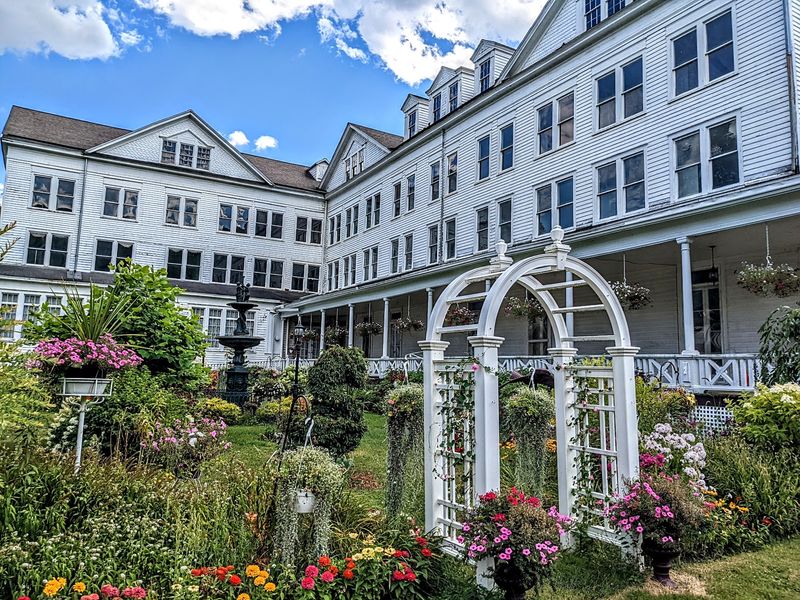
Back in the 1800s, people traveled here to sip water that smelled like eggs. Strange? Sure, but the sulfur springs made Sharon Springs a famous spa town.
Visitors once arrived for mineral baths and extended stays at grand hotels.
Their presence shaped the village, leaving a remarkable collection of resort architecture, bathhouses, and spring pavilions that still define its historic district.
Rather than rushing between attractions, spend an afternoon following Main Street and examining the details of its older buildings.
The White Sulphur Temple and other surviving spring structures recall the village’s unusual resort past, while the surrounding streets showcase architecture from several eras.
An early morning walk is especially pleasant when the storefronts are quiet. The historic district was added to the National Register of Historic Places in 1994.
Its mixture of small businesses, houses, and former spa properties makes a self-guided stroll especially interesting.
Beyond the village, Schoharie County’s hills and farmland provide a lovely backdrop for winding drives, particularly when autumn leaves brighten the roadsides.
Small shops and places to stop for a bite add easy breaks between stretches of countryside.
This quieter side of New York lends itself to unhurried travel. A walk among the old spring buildings and an afternoon enjoying rural views can fill a day without a complicated itinerary.
7. Phoenicia
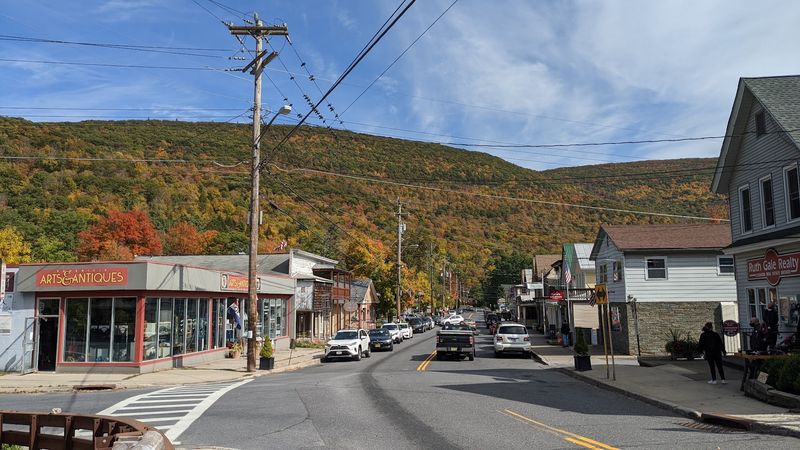
Floating down a mountain creek in an inner tube might be the most relaxing workout ever. In Phoenicia, it’s a summer tradition on Esopus Creek.
The creek runs right by this Catskills hamlet, and local outfitters arrange tubing excursions when water conditions allow. With forested hills rising around the valley, even a short visit puts the area’s mountain scenery on full display.
Prefer dry land? The Mount Tremper trail begins a short drive away and climbs toward a historic fire tower.
The round trip runs about six miles, with substantial elevation gain and a rocky route. It’s a rewarding choice for hikers ready for a more strenuous outing rather than a quick casual walk.
Afterward, the Phoenicia Diner on Route 28 offers breakfast plates, sandwiches, and other familiar comfort foods in a classic roadside setting.
Railroad history has a place here too. The Empire State Railway Museum occupies the restored 1899 Phoenicia station and features photographs, model displays, and historic equipment.
Its regular visiting season runs from late spring into autumn. The old station itself recalls the era when rail travel brought vacationers into the Catskills.
The compact Main Street area is pleasant to explore between meals and outdoor adventures. Nearby trails provide room for additional wandering, while Esopus Creek is known for trout fishing with the appropriate license.
8. Narrowsburg
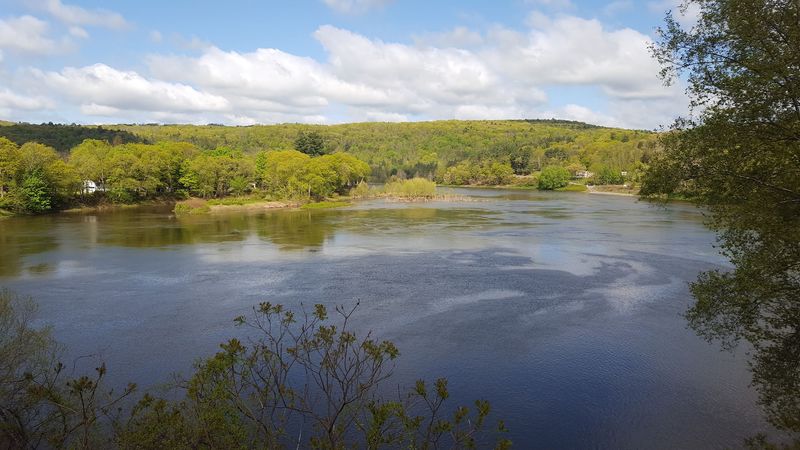
The Delaware River squeezes tight at Narrowsburg, which explains the name. That pinch also creates one of the deepest spots along the river.
This section is known as the Big Eddy.
A public observation deck on Main Street gives you an impressive view of the water as it bends between wooded hills. It’s the sort of stop that deserves a few quiet minutes with the camera put aside.
Bald eagles inhabit the Upper Delaware region, making the river corridor an appealing destination for birdwatching. Bring binoculars and take your time scanning the trees and open sky. Every bend offers another viewpoint.
The waterway forms part of the Upper Delaware Scenic and Recreational River, where paddling opportunities range from gentle stretches to more active currents.
A public launch in Narrowsburg provides river access, and local outfitters can help organize excursions.
Across the river lies Pennsylvania, linked to the hamlet by the Narrowsburg Bridge. That gives a little geographic novelty to an otherwise simple afternoon outing.
History enthusiasts can explore Fort Delaware Museum of Colonial History on Route 97 during its seasonal opening period. Its reconstructed pioneer settlement features demonstrations of early crafts and everyday activities.
Main Street rounds out the trip with galleries, boutiques, and cafes. Spending the day walking, birdwatching, and enjoying river views keeps the itinerary flexible.
9. East Aurora
Here’s a fun fact for toy lovers. Fisher-Price got its start in East Aurora back in 1930 and still has its headquarters here.
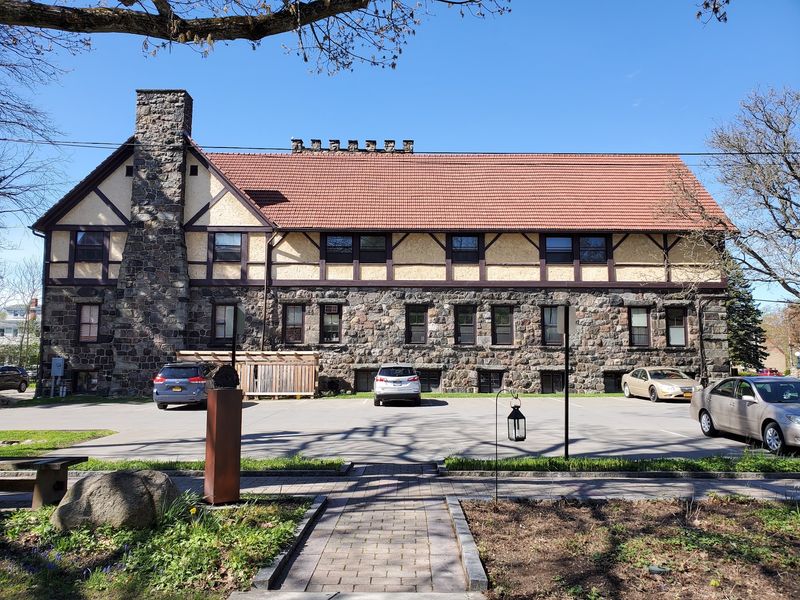
The village has plenty of grown-up charm too. Its standout historic attraction is the Roycroft Campus, established by Elbert Hubbard in 1895.
This Arts and Crafts community produced furniture, printed materials, metalwork, and other handcrafted pieces that helped define an influential design movement.
Today the campus is a National Historic Landmark. Admiring the distinctive stone and timber buildings from the grounds is a worthwhile stop, with tours available for anyone wanting to explore the history more deeply.
Next, head to Vidler’s 5 & 10 on Main Street. Its old-fashioned shelves are packed with candy, toys, household finds, and nostalgic surprises. Browsing is practically an attraction in itself.
Presidential history adds another layer. Millard Fillmore once lived in the village, and his former home now serves as a museum.
For outdoor time, Knox Farm State Park provides hundreds of acres of open fields, wooded trails, and peaceful countryside just beyond the main shopping streets.
It’s an inviting place to stretch your legs before dinner. In spring, wildflowers brighten sections of the former estate’s trails.
East Aurora sits a short drive from Buffalo in western New York, making it an accessible small-town getaway with plenty to enjoy on foot.
10. Saugerties
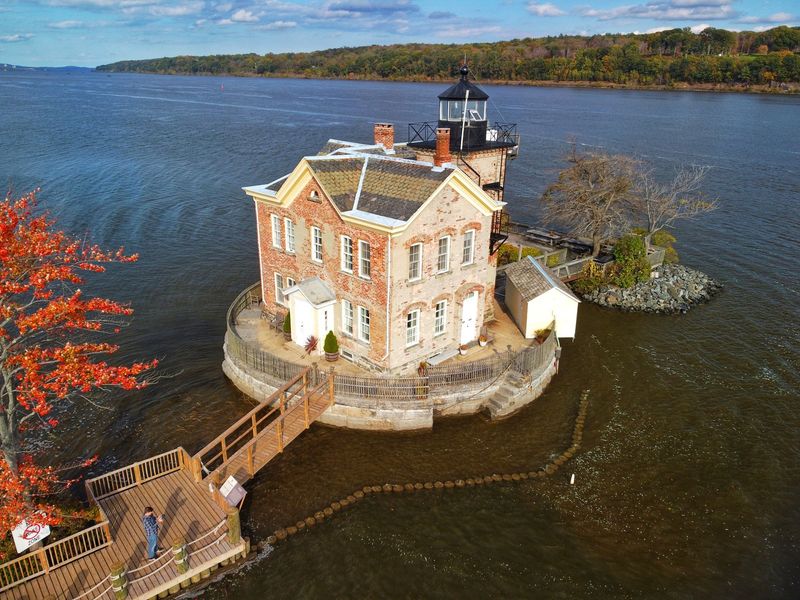
Some lighthouses greet you from a parking lot. The Saugerties Lighthouse makes you earn it with a half-mile nature trail.
Built in 1869, the brick lighthouse stands where Esopus Creek meets the Hudson River.
Reaching it involves a route through freshwater wetlands, with willow trees, wildlife, and shifting river views along the way. Portions of the path flood at high tide, so check the tide schedule before setting out.
Here’s the wild part. The lighthouse also operates as a bed-and-breakfast, letting overnight guests stay inside the historic building. Reservations are required, but you can enjoy the nature trail without booking a room.
The trail opens daily from sunrise to sunset, while access to the riverside deck follows a more limited weekday schedule. Summer Sunday tours offer another opportunity to learn about the lighthouse and its working history.
Art lovers can visit nearby Opus 40, where sculptor Harvey Fite shaped an extraordinary, six-acre bluestone artwork within an old quarry. This seasonal attraction requires admission, making it an optional addition to a simpler waterfront outing.
The village center offers antique shops, cafes, and independent stores along Main and Partition streets. The Catskill foothills provide another scenic backdrop for a leisurely afternoon drive.
Saugerties also hosted the 1994 Woodstock anniversary festival, another chapter in the Hudson Valley community’s history.