11 Small Towns Across Far Northern California Are Slowly Losing Residents
In one tiny mountain town, you can climb into the cab of a real diesel locomotive and actually run it. That same town has been quietly shrinking for years.
Up near the Oregon border, there’s also a Chinese temple from 1874 that people still use today. Down the road, a lighthouse sits on an islet you can only reach at low tide.
The top of California holds stories like these in towns most people zoom past. Mills closed. Rail crews moved on. Wildfires and water cuts pushed families out.
Yet the places left behind are anything but empty of character. I can’t stop wondering what keeps the folks who stay so loyal.
Maybe a quick visit is the best way to find out, before these little dots on the map get even smaller.
1. Alturas
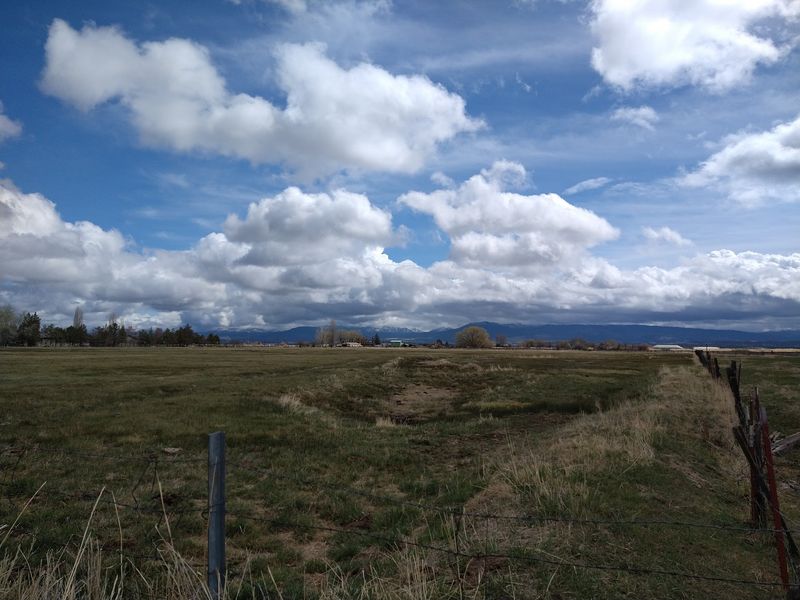
Most county seats come with traffic, but this one comes with sagebrush and a whole lot of sky. Alturas runs the show for Modoc County with roughly 2,700 people.
That number has been slipping for decades. Census counts show Modoc County losing residents as farm and timber jobs shrank.
So what keeps the lights on? A historic Main Street corridor still anchors the town, and city offices keep things humming.
The star of that street is the Niles Hotel at 304 South Main Street. Construction started in 1904, back when it was called the Curtis Hotel.
J.E. Niles bought it, finished it in 1912, and slapped his own name on it. Fair enough, honestly.
For generations, the hotel worked as the town living room. It closed in 1976, and later owners brought it back to life.
Today you’ll find period furnishings and themed rooms upstairs. Downstairs, the Niles Dining Room and Niles Coffee Company handle the hungry crowd.
Remote is the key word here. Alturas sits in the far northeastern corner of California, so plan your fuel stops like a pro.
The payoff is quiet in a way big cities can’t fake. You get open land, old buildings, and a pace that lets you actually notice them.
Spend a night, grab a coffee, and stroll Main Street slowly. A shrinking town still loves a visitor who stays awhile.
Address: Alturas, CA 96101
2. Tulelake
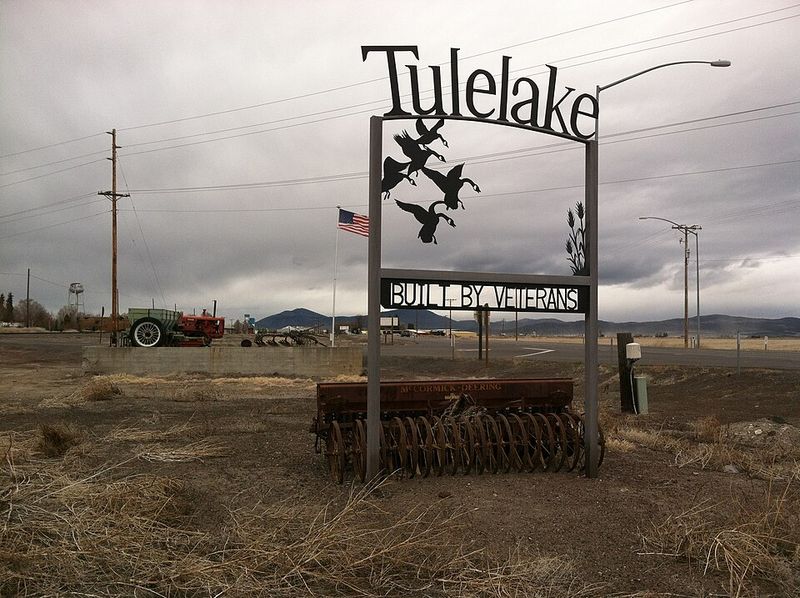
Water is the whole story in Tulelake. When it flows, farms thrive, and when it gets cut, people pack up.
Fewer than 900 residents live here now. The town sits in far northern Siskiyou County, right by the Oregon line.
Recent census cycles keep showing the same slide. Water allocation cuts in the Klamath Basin hit local growers hard.
Farm consolidation added to the squeeze. Bigger operations need fewer hands, and younger families often head elsewhere for work.
Still, the town has a compact, rustic Main Street grid that feels like a time capsule. You can wander the whole thing without breaking a sweat.
The flat farmland around it stretches out like a giant quilt. It’s a reminder of how much food this basin has grown over the years.
History runs deep nearby too. Tule Lake National Monument preserves the site of a World War II incarceration camp for Japanese Americans.
Lava Beds National Monument sits a short drive south. Caves, lava flows, and wide views make it a strong add-on to any visit.
Want a tip? Bring snacks and a full tank, because services are limited out here.
Tulelake rewards curious travelers who like real places over polished ones. Ask questions, read the signs, and let the landscape tell you how hard folks have fought to stay.
Address: Tulelake, CA 96134
3. Dorris
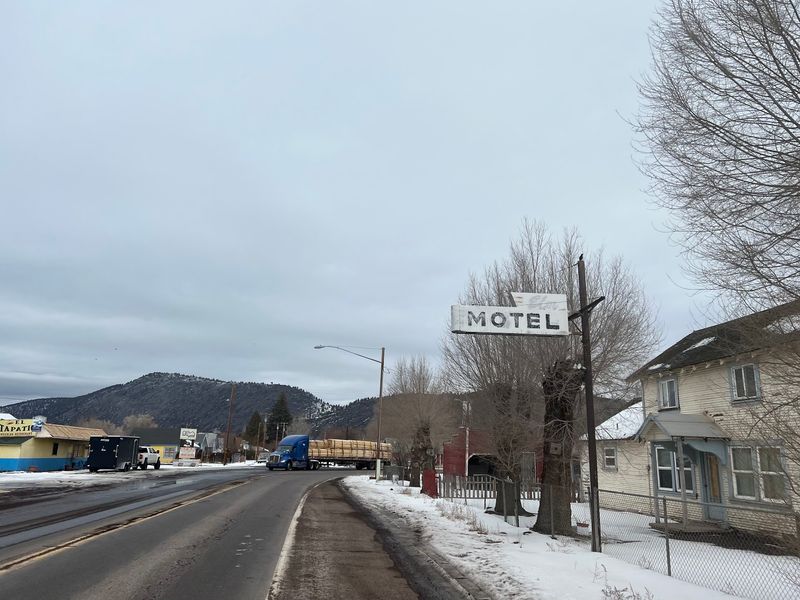
Blink on Highway 97 and you might miss Dorris entirely. That would be a shame, because this little Butte Valley town has stories baked into its streets.
Roughly 850 people call it home. It’s one of those places where the main-street center is the town, plain and simple.
Back in the day, rail depot activity kept things busy. Regional timber processing helped fill paychecks too.
When both slowed down, residents started drifting away. The loss has been gradual, but it’s lasted for decades.
Butte Valley itself is the real showpiece. Wide rangeland and big views make the drive feel like a reset button for your brain.
The town also sits close to the Oregon border. That makes it a handy pause if you’re road-tripping between the two states.
Here’s a friendly suggestion. Stop, stretch your legs, and take a slow lap through town instead of rolling right through.
Small towns notice visitors who spend time and money locally. Even a quick snack stop helps keep doors open.
The Butte Valley Chamber represents the city online, which says a lot. In a town this size, neighbors wear many hats.
Dorris won’t wow you with crowds or flashy signs. It wins you over with stillness, open land, and the feeling that everyone still knows your truck.
Address: Dorris, CA 96023
4. Dunsmuir
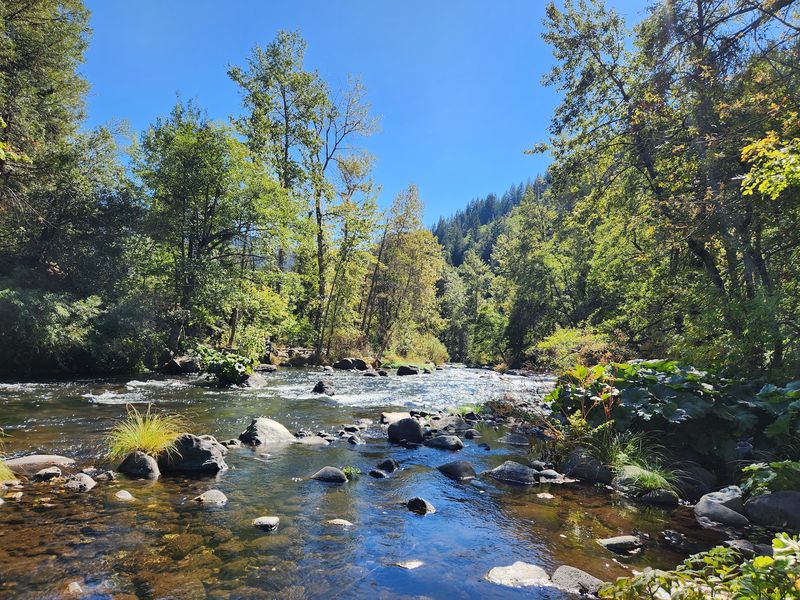
Trains still rumble through this canyon, but the crews that once filled the town are mostly gone. Dunsmuir grew up as a railroad stop along the Upper Sacramento River.
Around 1,700 people live here today. That’s well below its mid-1900s peak.
As railroad maintenance moved away and became automated, jobs vanished. Families followed the work out of town.
What stayed behind is pretty special. A preserved historic district lines Dunsmuir Avenue with old storefronts.
Hungry? Cornerstone Cafe sits right on that avenue and serves hearty American breakfast and lunch.
Fresh cinnamon rolls, muffins, and scones show up on the menu. Sandwiches, coffee, and vegetarian options round things out.
Timing matters here. The cafe usually opens Thursday through Monday, from 7:30 AM to 2:00 PM.
After eating, wander the canyon. The Upper Sacramento River runs right past town, and the forest crowds in close.
Railroad fans will love watching the tracks. Even if trains aren’t your thing, the history hits differently when you hear one go by.
Dunsmuir is proof that a smaller town can still feel full. Bring an appetite, a camera, and some patience for slow, scenic mornings.
Address: Dunsmuir, CA (Cornerstone Cafe: 5759 Dunsmuir Avenue, Dunsmuir, CA 96025)
5. Susanville
A prison closure can reshape a town fast. Susanville learned that lesson when the California Correctional Center shut down.
The town is bigger than others on this list, with about 13,000 residents. Even so, recent years brought sharp population drops.
Prison jobs supported many households here. When those positions disappeared, plenty of families moved away.
Susanville is still the county seat of Lassen County. It sits in high-desert country in the northeastern corner of the state.
History buffs should head straight to the Lassen County Courthouse. Crews built it between 1915 and 1917 from native sandstone and concrete.
The Classical Revival design shows off a central porch and a grand two-story lobby. A symmetrical staircase adds serious old-school drama.
Upstairs, the former courtroom holds rich architectural details. The building is listed on the National Register of Historic Places.
Fun fact for your next trivia night? Isaac Roop donated the city block where the courthouse stands.
Today the building houses county offices. It’s open weekdays from 7:30 AM to 5:30 PM, so plan a midweek peek.
Pair that visit with a walk through the older Main Street core. Susanville may be shrinking, but its sandstone pride stands tall.
Address: Susanville, CA (Lassen County Courthouse: 220 South Lassen Street, Susanville, CA 96130)
6. Chester
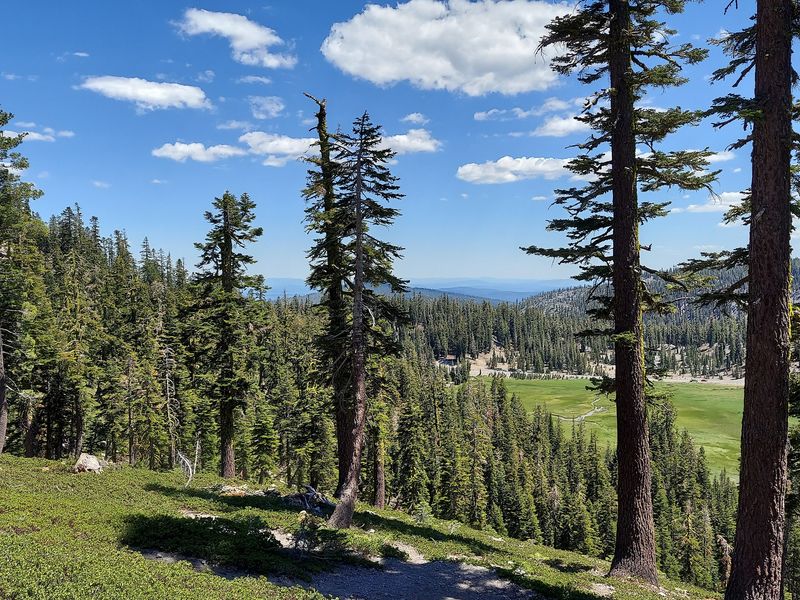
Lakefront living sounds like a dream, yet Chester keeps losing year-round neighbors. The town hugs the shore of Lake Almanor in northern Plumas County.
About 2,100 people live here. Chester is unincorporated, so there’s no city hall running the show.
Timber built much of this community. Its Main Street strip still reflects that lumber-and-lake heritage.
When the timber industry slowed, paychecks shrank too. An aging population added to the slow decline.
Wildfire has also shaped life across Plumas County. Smoke seasons and fire damage have pushed some households to leave.
Even with those challenges, the scenery is hard to beat. Lake Almanor sparkles against tall pines, and Lassen Peak rises in the distance.
Summer brings boaters, anglers, and paddlers to the water. Many of the homes nearby now fill up seasonally instead of year-round.
That shift matters for local businesses. Fewer full-time residents means quieter winters for shops and cafes.
Visiting in the off-season can actually help. You’ll enjoy calm shorelines, and your dollars go further for local owners.
Chester feels like a lake town that remembers its working roots. Toss a line in the water and soak up a view that keeps the loyal ones staying put.
Address: Chester, CA 96020
7. Portola
Ever wanted to drive a train? In Portola, that wish can actually come true.
The Western Pacific Railroad Museum runs a Run A Locomotive program. You climb into the cab and take the controls of real equipment.
The collection is massive for a town this size. Think 40 locomotives and 85 passenger cars, cabooses, and freight cars.
Founded in 1983, the museum sits on a former Western Pacific locomotive facility. The Feather River Rail Society keeps it running.
Seasonal events add extra fun. The Pumpkin Express and Santa Trains bring families out, weather permitting. Plan around winter, though. The museum closes for the cold months.
Portola itself has about 2,100 residents along the Middle Fork Feather River. Its layout still looks like a classic railroad town.
Changes in railroad employment have shaped Portola’s economy, although the town’s population has fluctuated rather than consistently declined.
Young people moving away for jobs made the dip deeper. It’s a common tale across rural Northern California.
Still, few small towns let you climb into a locomotive cab for real. Portola hands you the controls, and that’s a memory no shrinking census number can erase.
Address: Portola, CA 96122 (Western Pacific Railroad Museum: 700 Western Pacific Way, Portola, CA 96122)
8. Weaverville
Since 1874, a Chinese temple in Weaverville has welcomed worshippers. It’s the oldest continually used Chinese temple in California.
Weaverville Joss House State Historic Park protects that remarkable building. Inside, you’ll find altars, detailed art objects, and historical artifacts.
Guided tours explain the lives of Chinese immigrants during and after the Gold Rush. Their work helped shape this whole region.
The site became a State Historic Park in 1956. It’s a must for anyone who likes history with real depth.
Around the temple, the town keeps its Gold Rush charm. A picturesque 19th-century brick Main Street makes for an easy stroll.
About 3,600 people live here in Trinity County. The rugged Trinity Alps rise around town like a giant stone fence.
Like its neighbors, Weaverville has seen residents slowly leave. Fewer resource-extraction jobs and rural outmigration drove the trend.
That makes visitors even more valuable. Shopping and eating on Main Street keeps local businesses going strong.
Leave time to look up at old brick facades and iron details. Many buildings still look like they did generations ago.
Weaverville gives you mountains, Gold Rush history, and a living temple in one stop. Not bad for a town many maps barely label.
Address: Weaverville, CA (Joss House: 111 Main Street, Weaverville, CA 96093)
9. McCloud
One company once owned nearly the whole story in McCloud. The McCloud River Lumber Company built this place as a classic mill town.
When mill operations stopped, the year-round crowd started thinning. Around 1,100 residents remain today.
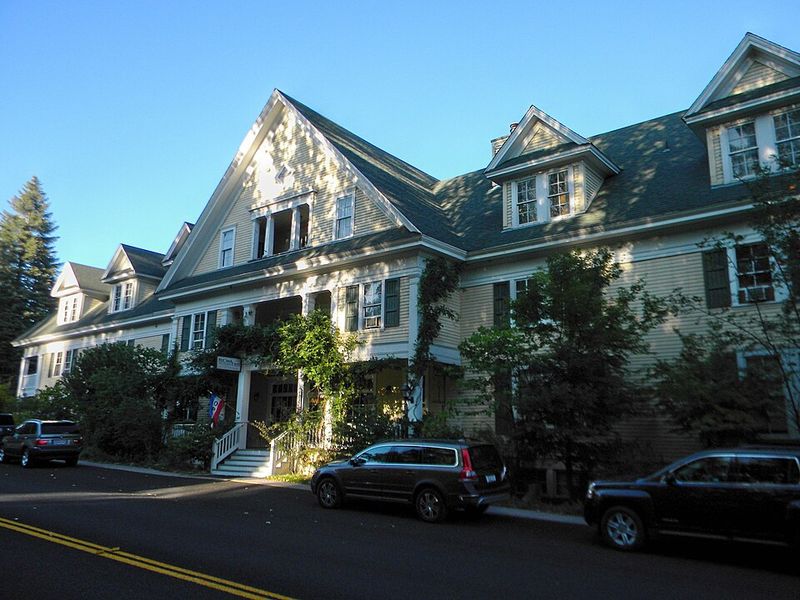
Many homes have turned into seasonal vacation spots. That shift means busier summers and much quieter off-seasons. The good news? The vintage wooden architecture survived, and it’s lovely.
A traditional Main Street commercial area still anchors town. Walking it feels like flipping through an old family photo album.
McCloud sits just south of Mount Shasta in Siskiyou County. The mountain views are a nice bonus on any stroll.
Nature lovers have extra reasons to linger. The McCloud River nearby is known for its scenic waterfalls.
Hikers and photographers can easily fill an afternoon there. Pack water and good shoes for the trails.
Since McCloud is unincorporated, community groups and locals carry much of the load. Supporting small businesses here makes a real difference.
McCloud mixes mill-town roots with mountain-getaway energy. It’s quiet, pretty, and just a little nostalgic, like a town humming an old song.
Address: McCloud, CA 96057
10. Fort Jones
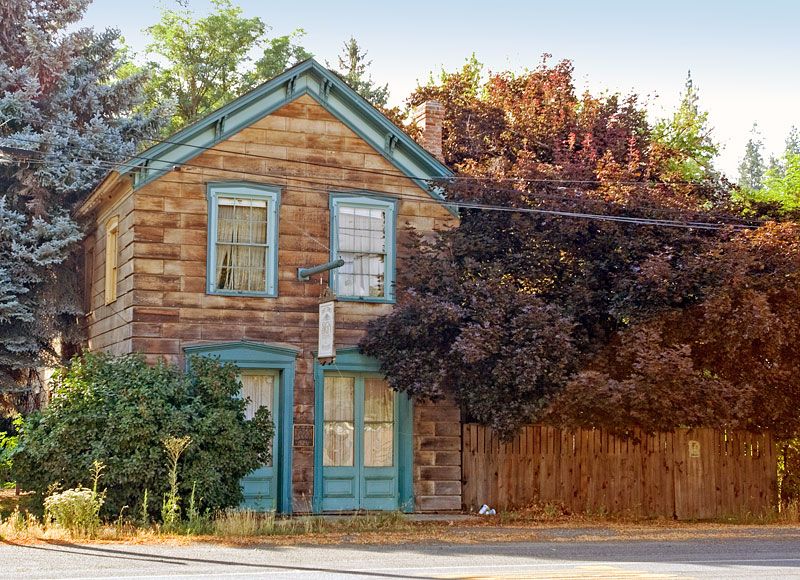
Cowboy movies would fit right in on this street. Fort Jones has an Old West-style Main Street that looks ready for its close-up.
Only about 700 people live here. Still, it’s an incorporated town with its own local government.
Fort Jones sits in Scott Valley in Siskiyou County. Green pastures and mountain ridges frame nearly every view.
Ranching shapes daily life in the valley. As family ranches consolidate, fewer jobs stay local.
Young people often move away for school or work. That slow outmigration explains much of the population dip.
Yet the valley remains gorgeous. Spring and summer bring lush fields that look almost painted.
Driving Scott Valley makes for a peaceful side trip. The pace drops, and suddenly you’re waving at strangers.
Take a few minutes to walk Main Street. Old storefronts give you a feel for frontier California history.
Small purchases matter in a town this size. A coffee, a snack, or a souvenir helps keep doors open.
Fort Jones is a tiny town with big-sky style and plenty of grit. If this is how a town fades, it’s fading with a whole lot of swagger.
Address: Fort Jones, CA 96032