Spice Up Your Week At This Illinois Indian Kitchen Locals Are Talking About
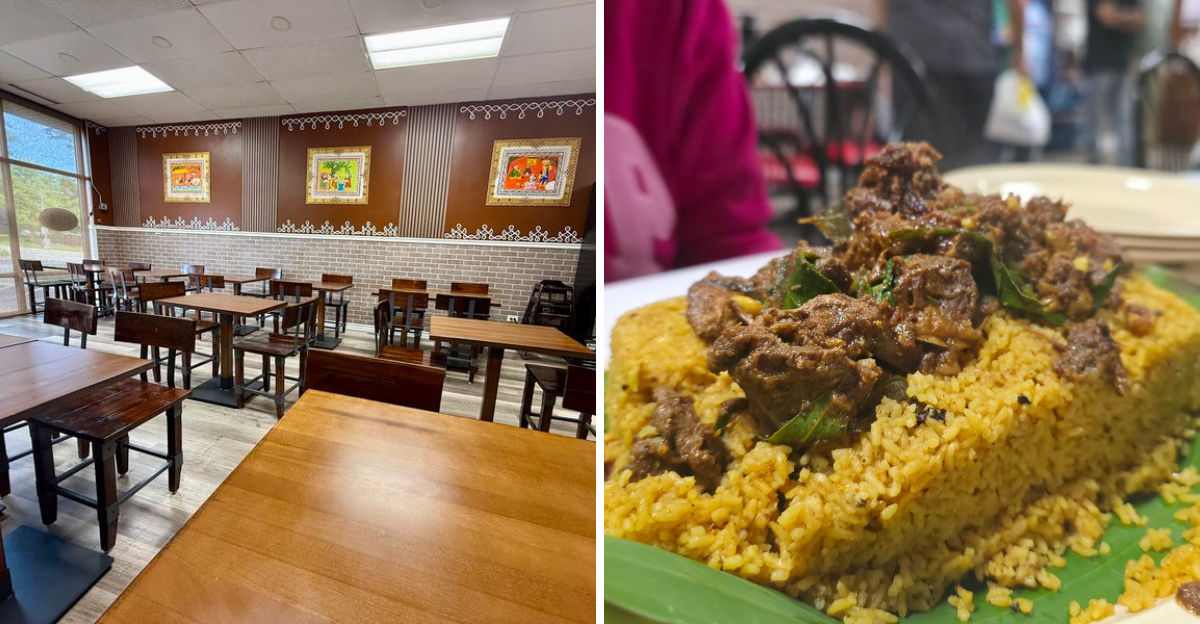
You have a dinner rotation. Admit it.
Roughly four meals cycling on repeat until you stop tasting them.
There is a kitchen in Illinois that would like a word about that. The place does not look like much from the road, and the sign has clearly never been updated.
Inside, the smell hits you before anyone hands you a menu.
Cardamom, cumin, something sweet and something smoky. The kind of air that makes you order more than you planned to.
The regulars have opinions here, and they will share them unprompted. One will tell you what to get.
Another will disagree loudly. Both are correct, which is a very good sign about a restaurant.
The heat levels are real, so ask before you commit. The bread arrives blistered and steaming.
Your dinner rotation is about to lose a member, and it will not be missed.
Finding This Spot In A Quiet Aurora Corner
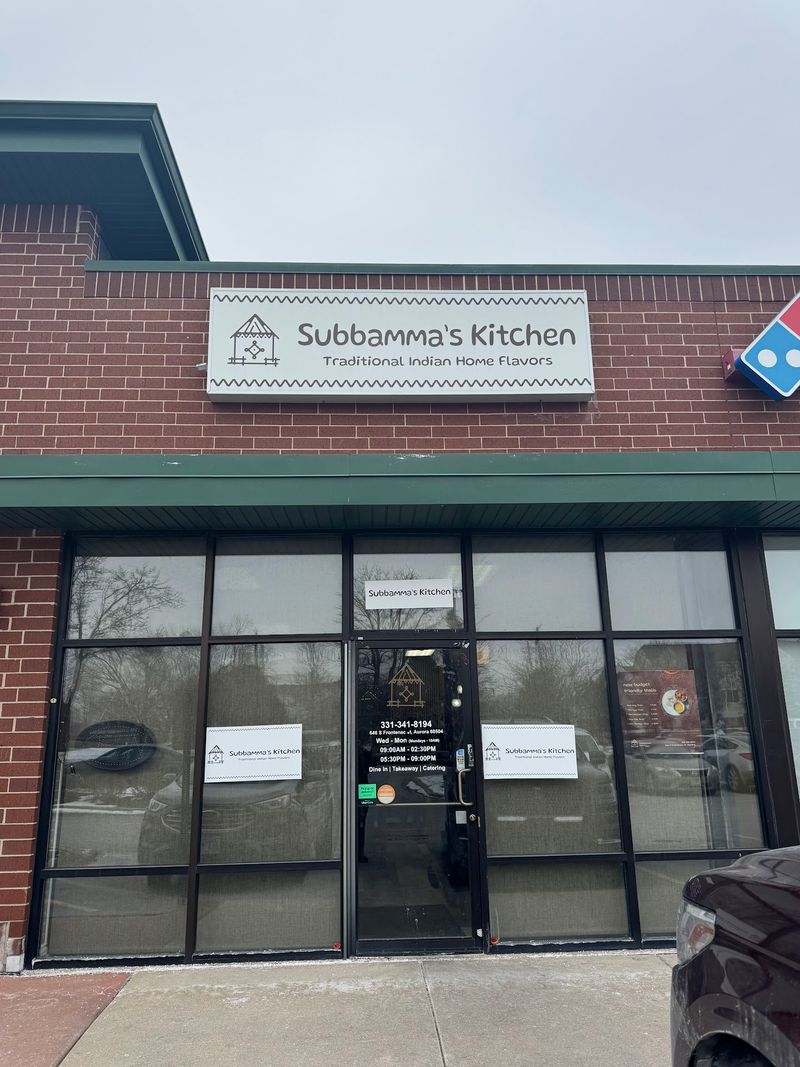
Subbamma’s Kitchen does not shout for attention, and that is part of the charm. The building looks plain, but the aroma near the door tells a different story.
I expected a quick takeout counter. What I found was a kitchen that treats South Indian cooking like a serious craft.
The neighborhood around it is calm and residential. Parking is easy, which already puts it ahead of half the restaurants I love.
Regulars walk in without looking at a menu. They already know their order, and they say it like a password.
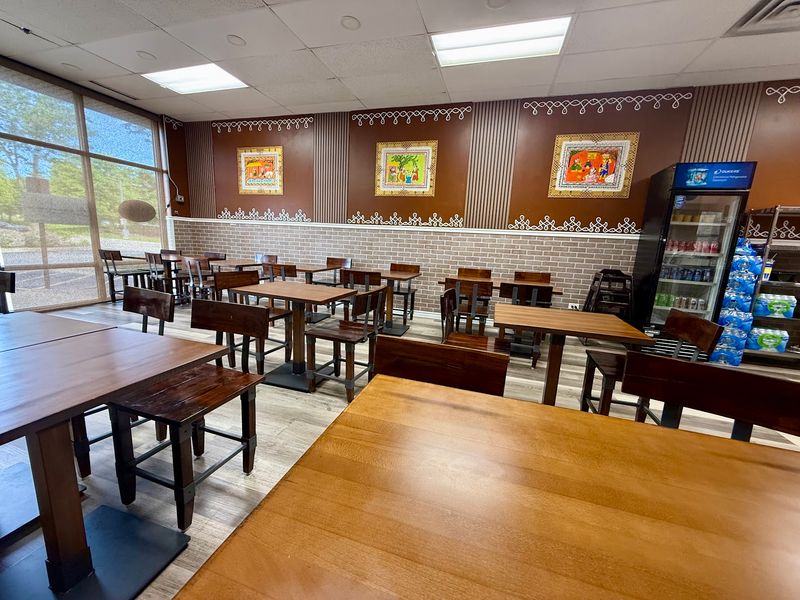
Inside, the space is simple and clean. Tables, a counter, and the sound of something sizzling in the back.
Nothing about it feels designed for photos. Everything about it feels designed for eating.
You will find it at 646 S Frontenac St, Aurora, Illinois. Put that in your phone before you forget, because word of mouth is doing most of the advertising here.
Dosas That Arrive Bigger Than The Plate
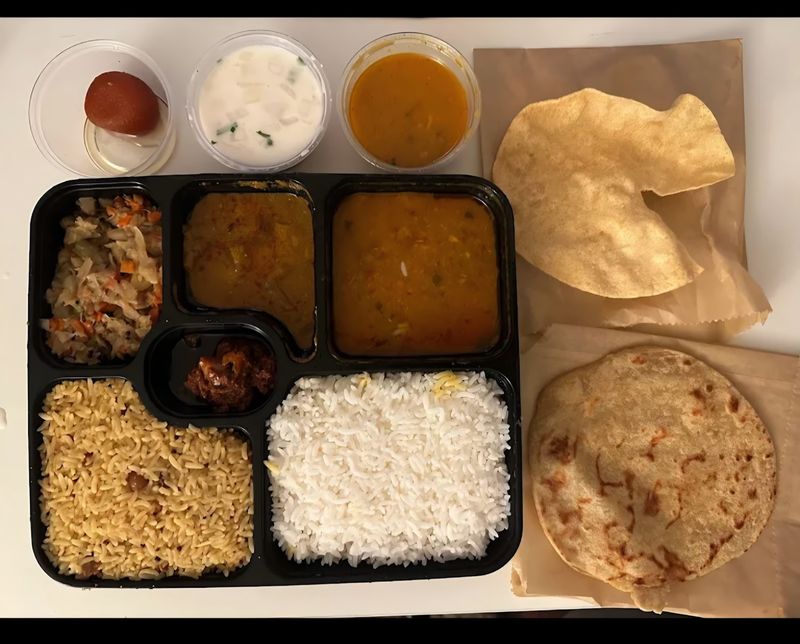
My first dosa here hung over the edge of the plate like a rolled newspaper. I laughed, then stopped laughing after one bite.
The outside crackles. The inside stays soft, with a faint sourness from the fermented batter.
Masala dosa comes stuffed with spiced potatoes and onions. The filling is soft, golden, and lightly seasoned with mustard seed.
Sambar arrives on the side in a small bowl. It is thin, tangy, and made for dunking torn pieces of dosa.
Coconut chutney is the quiet hero. Cool, mild, and slightly sweet against the pepper.
Fun fact worth knowing: dosa batter needs hours of fermenting before it ever hits a griddle. That patience is why the flavor tastes layered instead of flat.
Order one to share if you have never tried it. Two people can absolutely split a large dosa without feeling shorted.
Eat it fast. A crisp dosa waits for nobody, and it softens within minutes.
I still think about the edges. They shatter like a thin cracker and taste faintly toasted.
Idli And Vada For The Soft And Crunchy Crowd
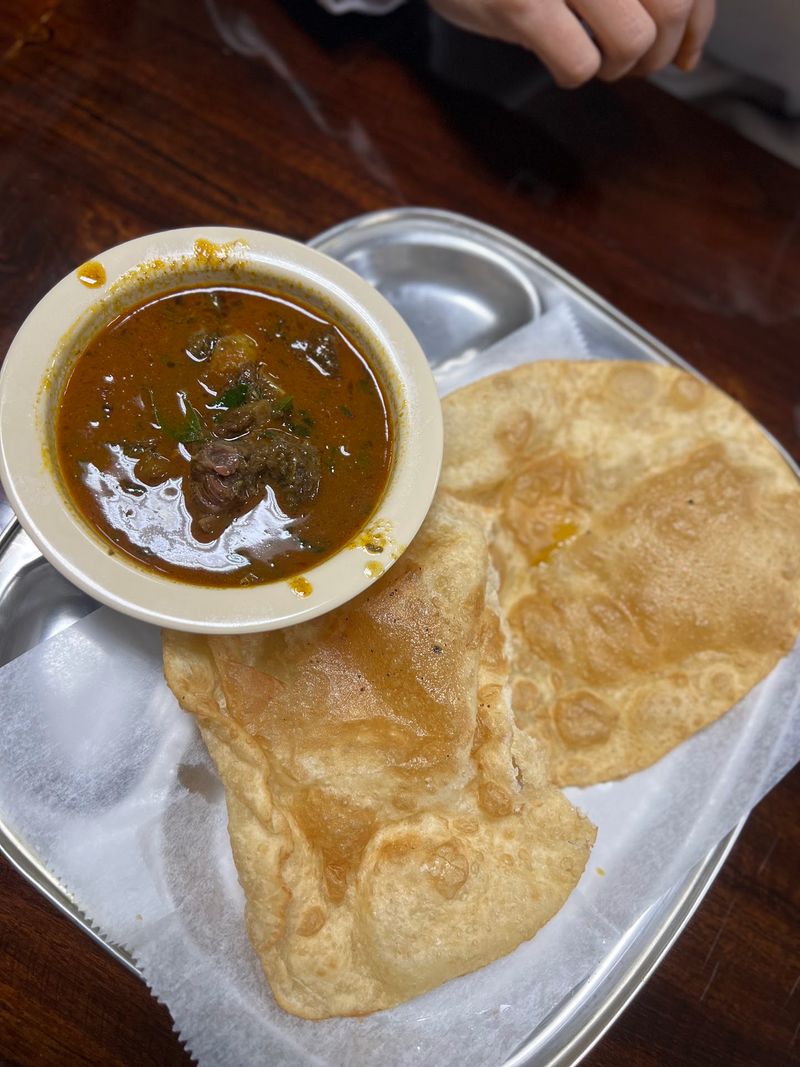
Two textures, one plate, and a decision I never manage to make. Idli is pillowy steam, vada is crunchy fried edges.
Idli looks plain and white, almost boring. Then it soaks up sambar and turns into something comforting.
Vada is shaped like a small donut with a hole in the middle. The outside crisps while the inside stays fluffy.
Both are steamed or fried from lentil and rice batter. No heavy sauces, no showmanship, just clean flavor.
These are breakfast foods across much of South India. Eating them at lunch feels like a small, harmless rebellion.
They also work well for kids or anyone nervous about heat. Neither is fiery on its own.
Dip vada in coconut chutney instead of sambar sometimes. The change in flavor is bigger than you would expect.
Leftovers do not travel well. Order what you can finish at the table.
Biryani Worth Rearranging Your Evening For
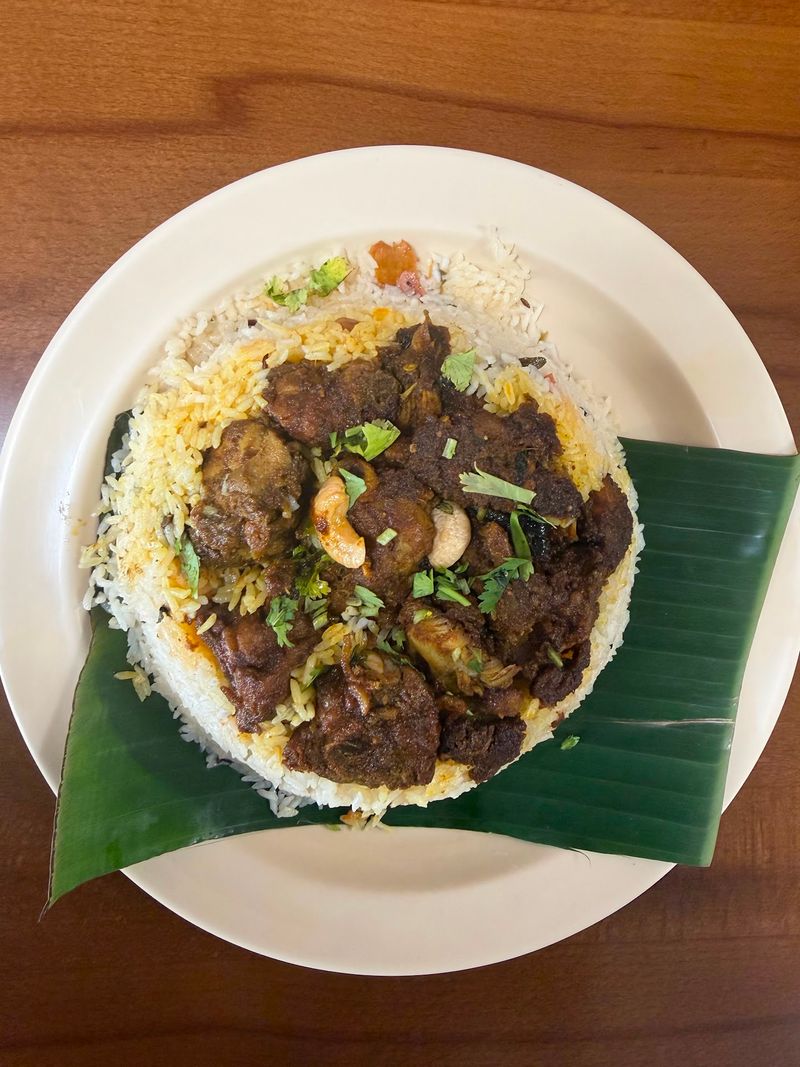
The lid comes off and the steam does the talking. Biryani here smells like cardamom, clove, and toasted onion.
Rice grains stay separate and long. Nothing clumps, which tells you the timing was handled carefully.
Chicken pieces sit buried in the middle. They come out tender, seasoned all the way through, not just coated.
Raita cools things down between bites. Yogurt, cucumber, and a little salt do more than any drink can.
There is usually a vegetable version too. Vegetarians are not treated like an afterthought in this kitchen.
Biryani was built for feeding crowds, and portions reflect that history. One order can easily stretch across two meals.
I recommend eating it slowly. The spice builds in layers rather than hitting all at once.
Ask about heat level when ordering. Medium here has real backbone.
Curries With Real Depth, Not Just Heat
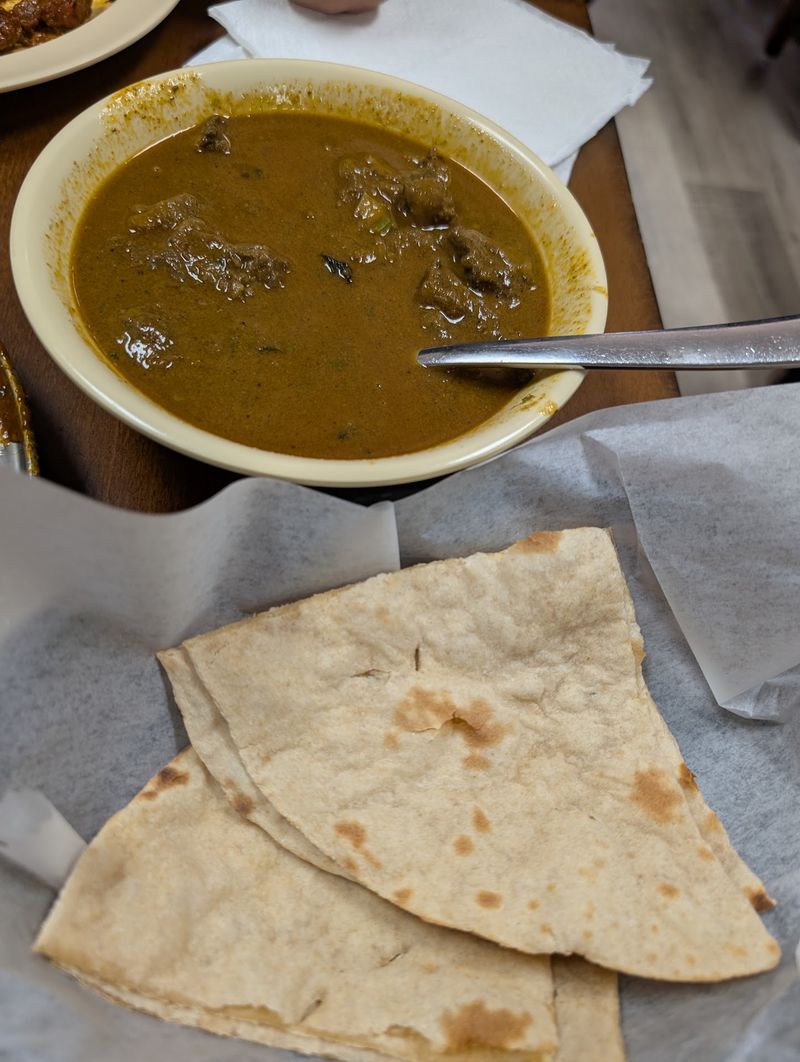
Heat is easy. Depth is hard, and depth is what shows up in these curries.
Gravies taste slow-cooked, with onion and tomato broken down completely. You can smell the toasted spices before the bowl lands.
Chicken curry leans savory and rich. Paneer options bring a milder, creamier balance.
Bread or rice both work. I go with rice when the gravy is thin and bread when it clings.
Nothing tastes like it came from a shortcut jar. The flavors shift as you keep eating, which is the sign of real spice work.
Ask for mild if you are unsure. The kitchen adjusts without making the dish bland.
Vegetable curries deserve attention too. Lentil and legume dishes here carry serious flavor for something so simple.
Order a bread to share across the table. Sopping up leftover gravy is half the fun.
A Menu Vegetarians Get Excited About
My vegetarian friend usually reads menus with low expectations. Here she read the whole thing twice and got greedy.
South Indian cooking has always leaned heavily on lentils, rice, and vegetables. That means meatless dishes are the tradition, not a substitution.
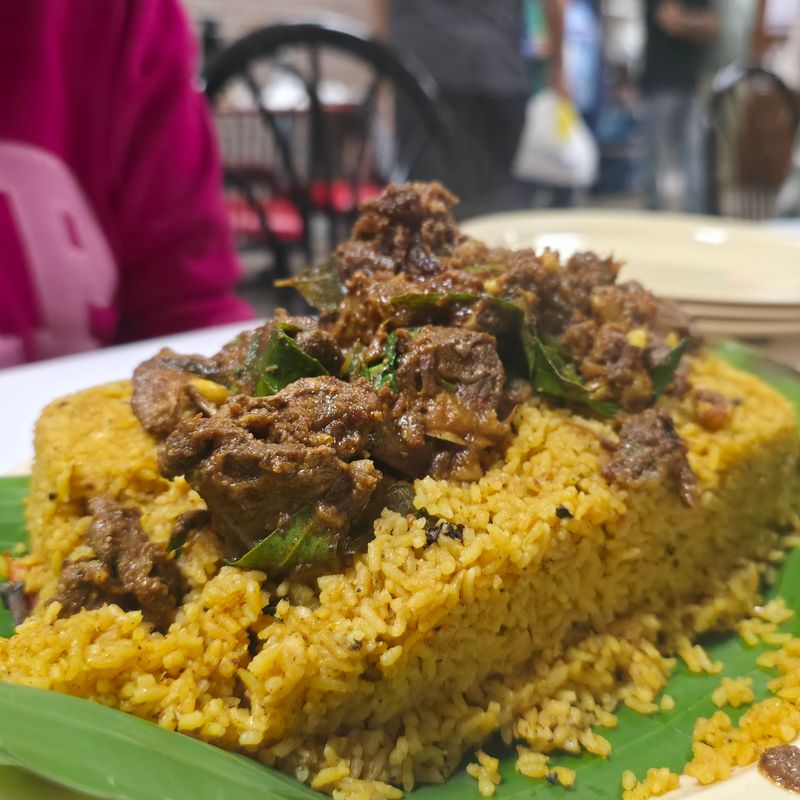
Lentil dishes taste hearty enough to be a main course. Nothing feels like a side dish pretending to be dinner.
Paneer shows up for anyone wanting something soft and rich. It soaks up spice beautifully.
Dosas and idli are naturally vegetarian too. That alone gives you several full meals to choose from.
Vegans can usually find options with a quick question. Coconut based chutneys help a lot.
Flavor never gets sacrificed for the sake of being meatless. The spice work does the heavy lifting.
Bring a picky eater and let them be surprised. It has worked for me more than once.
Chai, Coffee, And The Sweet Finish
Dessert is the part I usually skip, and the part I regret skipping here. Sweets in Indian kitchens tend to be small but powerful.
Gulab jamun style sweets are soft and soaked in syrup. One is plenty, two is a commitment.
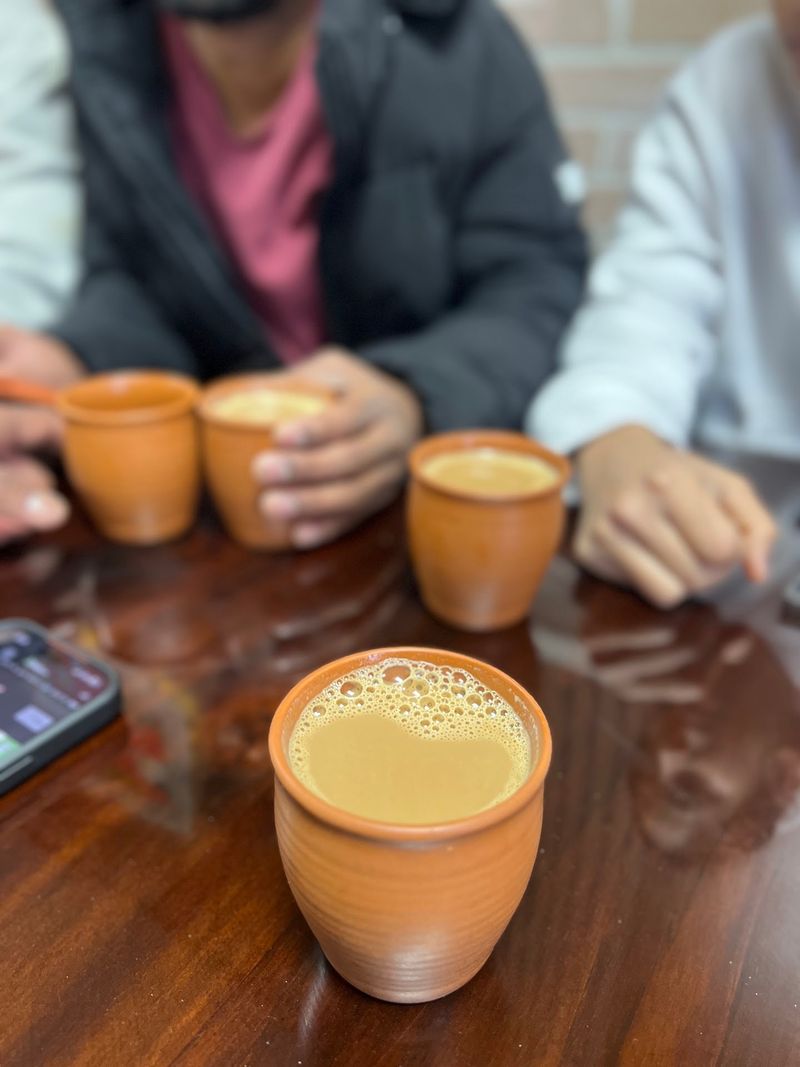
Chai comes hot and spiced. Cardamom and ginger cut straight through a heavy meal.
South Indian filter coffee is strong and slightly sweet. It is served small, and it wakes you right up.
Order the drink before dessert if you want them together. Timing makes both better.
Sweets here are traditional rather than trendy. No fusion twists, no towering plates.
Share one dessert across the table. Nobody needs their own after a full biryani.
Ask what is fresh that day. The answer changes, and the answer is usually right.
Smart Tips Before You Go
A little planning in Illinois turns a good meal into a great one. Here is what I learned the practical way.
Go slightly outside peak lunch and dinner hours. Fresh dosas take time, and a packed kitchen means waiting.
Call ahead for large orders. Biryani and party portions are worth reserving.
Be specific about spice level. Mild, medium, and hot mean real things here.
Bring cash awareness and check current hours before driving over. Small kitchens sometimes adjust schedules.
Order family style if you come with a group. Two mains, a dosa, and rice feeds four comfortably.
Takeout works well for curries and biryani. Crispy items are best eaten right away.
Ask the staff for suggestions. They have steered me toward dishes I never would have picked myself.