8 Spooky Colorado Spots That Are Almost Too Creepy To Visit Alone
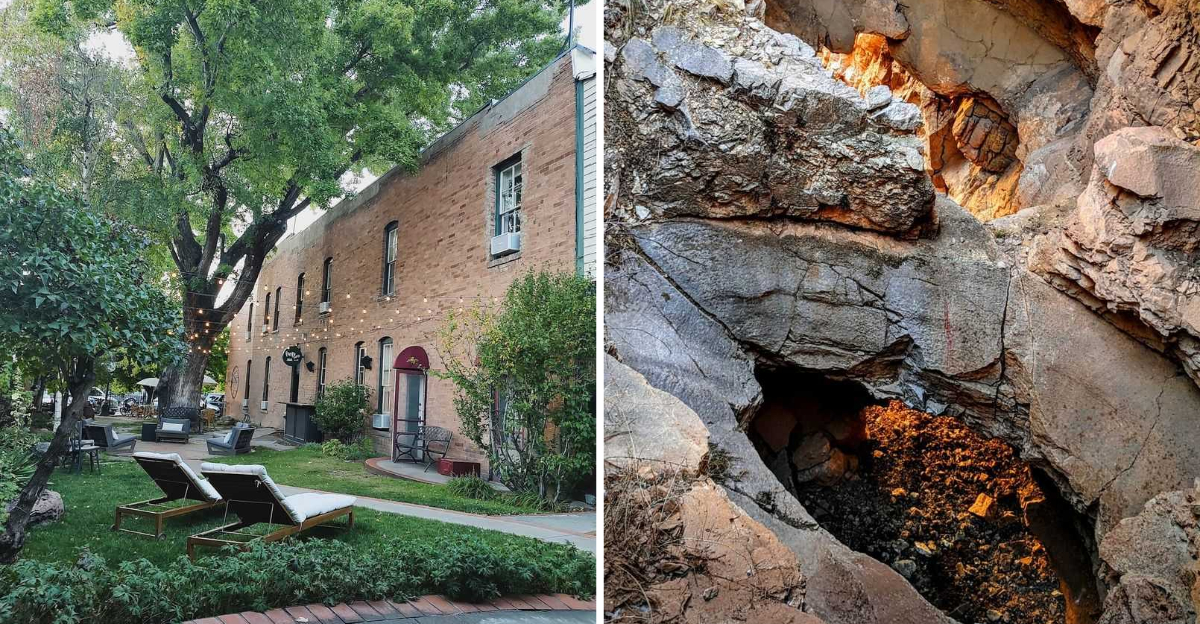
I am perfectly comfortable hearing ghost stories in the car. Standing inside the building where they supposedly happened is another matter.
That distinction becomes important on this road trip.
Colorado has enough haunted legends, old mining history, eerie hotels, and mysterious places to keep even confident skeptics entertained.
I wanted spots with real history behind the spooky reputation, not just stories created for cheap scares.
That search led toward historic buildings, caves, old towns, and places locals have talked about for years.
Believe every legend or believe none of them. Either works. Just bring someone who will admit they heard that strange noise too.
1. The Stanley Hotel, Estes Park
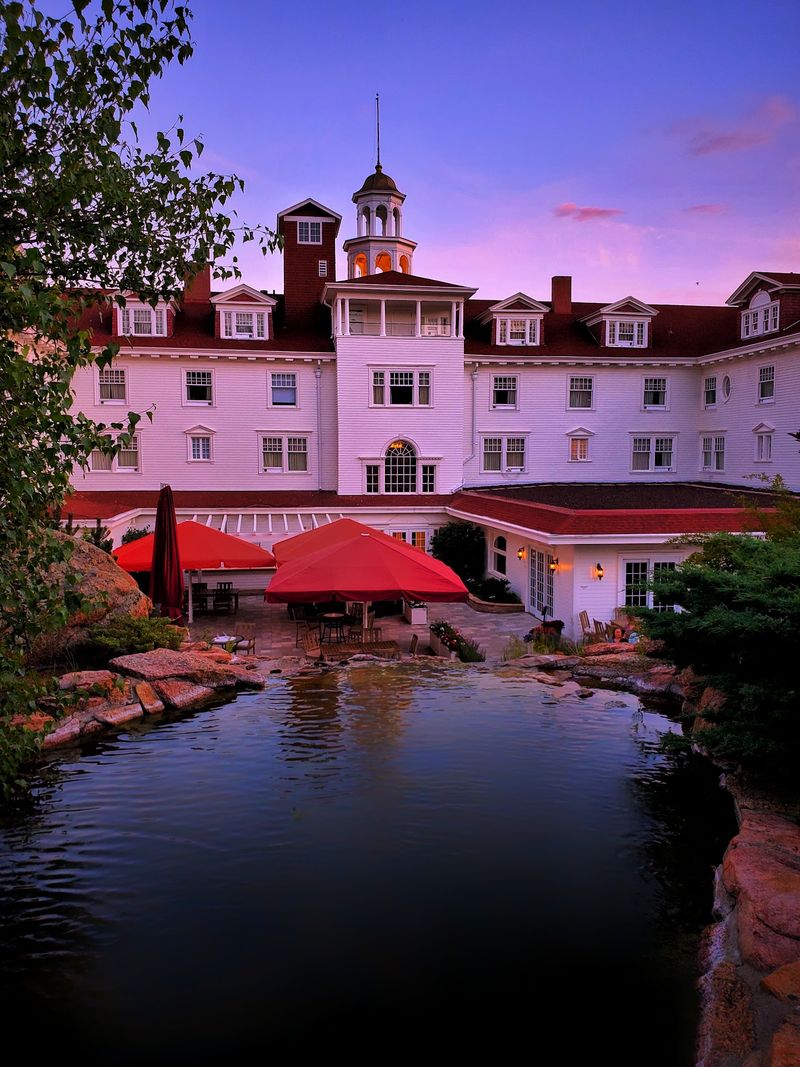
One author’s uneasy overnight stay turned into one of the most famous horror novels ever written. That single night sparked Stephen King’s The Shining.
The Stanley Hotel in Estes Park opened in 1909 and still stuns with its white Georgian Revival exterior. Long porches frame sweeping views of the Rocky Mountains. Inside, ornate hallways stretch toward guest rooms with original woodwork.
Four spirits reportedly roam the property. Founder Freelan Oscar Stanley is said to appear in the lobby and billiard room. His wife Flora supposedly plays the ballroom piano when nobody is seated there.
The fourth floor gets the most attention from guests. Reports include phantom footsteps, children’s laughter, and luggage moving without help. Some describe a whiff of sweet perfume in empty corridors.
The Concert Hall holds its own reputation. Built as a separate entertainment building for the Stanley family, it now echoes with unexplained music and laughter. Staff have described voices coming from the balcony.
Guided night tours run year round and fill quickly during autumn. Booking ahead saves you disappointment in October. Daytime history tours work better for younger travelers who want facts without the fright.
Even skeptics enjoy the architecture and the elk that wander the grounds. Winter brings quiet halls and dramatic snowy views. Summer means easy access to Rocky Mountain National Park just minutes away.
You will find The Stanley Hotel at 333 Wonderview Avenue, Estes Park.
Pack a warm layer, keep your camera ready, and let those creaky floorboards do the storytelling for you.
2. Miramont Castle, Manitou Springs
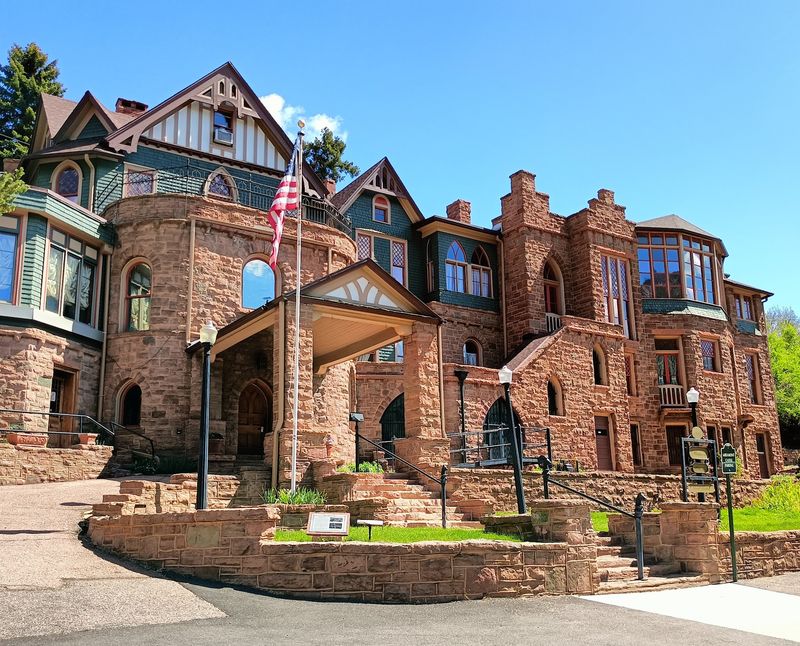
Nine architectural styles in one building sounds like an argument, yet somehow it works beautifully. English Tudor meets Byzantine curves under the same roof.
Miramont Castle in Manitou Springs went up in 1895 as a private residence. The stone walls climb four stories into the hillside. Arched windows, turrets, and a chapel-like wing make it wildly photogenic.
Its second chapter is where things get interesting. The building later served as a sanatorium, treating patients who came for the mountain air. Nuns cared for the sick within these very rooms.
Ghost stories associated with Miramont sometimes involve nuns, footsteps and unexplained sounds, though those claims belong to local paranormal lore rather than documented history.
Others describe hushed whispers, footsteps on empty stairs, and doors that swing shut on calm days. Cold pockets appear in warm rooms.
Self-guided tours let you set your own pace through more than thirty rooms. Authentic Victorian furnishings fill the parlors and bedrooms. A miniature collection and a model railroad room add unexpected charm.
Look closely at the fireplaces and stained glass while you wander. Shadows in mirrors have startled more than a few guests. Bring a friend for the upper floors, which stay noticeably quieter.
Autumn brings special evening programs and a tea room that draws steady crowds. Mornings are best for photography, since sunlight hits the stonework beautifully. Comfortable shoes help with the many staircases.
The museum sits at 9 Capitol Hill Avenue, Manitou Springs, an easy stroll from town shops.
Between the mineral springs nearby and this stone fortress, Manitou Springs makes a fine afternoon of history with a shiver on the side.
3. Cheesman Park, Denver
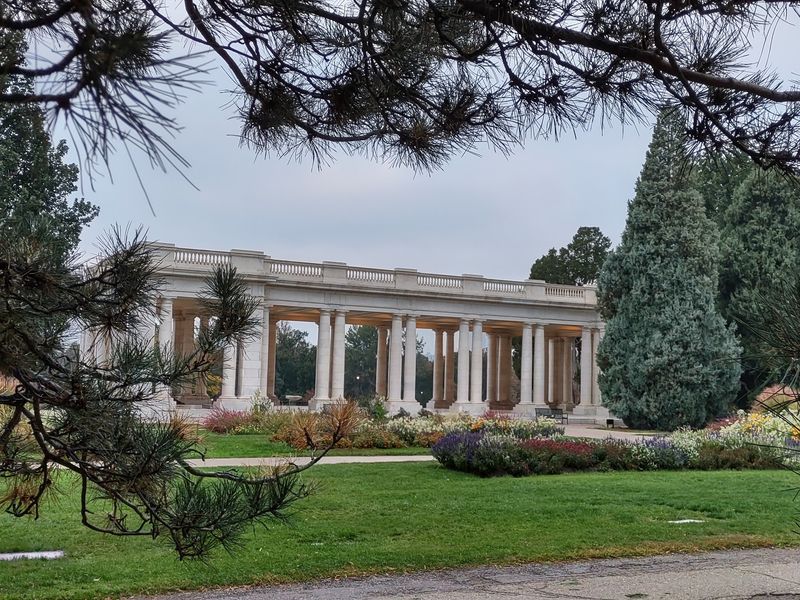
Roughly 2,000 gravesites still rest beneath one of Denver’s prettiest lawns. Picnickers have no idea what lies below.
Cheesman Park in Denver covers about eighty acres of open grass, mature trees, and mountain views. Joggers loop the paths every morning. A white marble pavilion built in 1910 anchors the west side.
The land began as Mount Prospect Cemetery in 1858. By the 1890s the city wanted a park instead. The relocation of graves went badly wrong, and thousands of remains were never moved.
That messy history fuels the reputation. Its cemetery history has fueled decades of ghost stories involving strange sounds, apparitions and uneasy feelings after dark.
Shadow figures moving between tree trunks show up in many accounts. Dogs sometimes refuse to walk certain paths. Photographers occasionally catch odd shapes in twilight frames.
By daylight, the park feels welcoming and green. Bring a blanket, watch kites fly, and admire the Denver Botanic Gardens right next door. The neighborhood around it holds gorgeous historic mansions.
Evening walks change the mood completely. Streetlights are limited, and the open lawns turn shadowy fast. Going with company is genuinely smarter here.
Spring brings blossoming trees, while autumn lights up the canopy in gold. Weekday mornings stay peaceful if crowds bother you.
Find the park at 1599 East 8th Avenue, Denver, minutes from downtown. Few urban green spaces carry this much buried history, so tread gently and let the trees keep their secrets.
4. Phantom Canyon Road, Near Victor
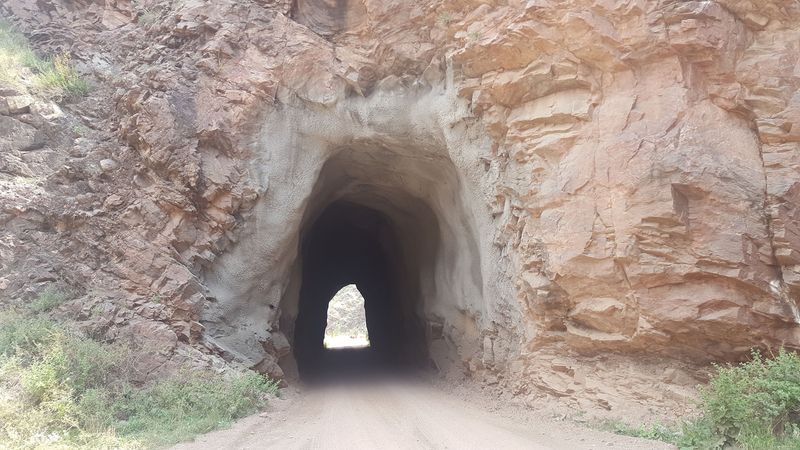
A road with this name was never going to be boring. The title alone should tell you something.
Phantom Canyon Road near Victor follows an abandoned railway grade for miles. Narrow, unpaved, and cut through steep rock walls, it climbs from Florence toward the old gold camps. Two historic tunnels and a steel bridge survive from its railroad days.
Old mining ruins peek out along the route. Interpretive signs explain how trains once hauled ore through this tight canyon. Wildflowers brighten the slopes in early summer.
Its name and isolated railroad history have inspired plenty of ghost stories, although the documented history is dramatic enough on its own.
Unexplained lights drift in the distance with no road or cabin nearby. The strangest tale involves a phantom executed inmate said to walk the old rail bed.
Driving those tunnels in silence unsettles most travelers. Sound bounces oddly off the stone, and the temperature drops noticeably. Cell service is unreliable, so download maps first.
A high-clearance vehicle helps, though careful drivers manage in regular cars during dry weather. Snow and mud close sections in winter. Allow two hours to enjoy the drive without rushing.
Pack water, snacks, and a full tank of gas. Pullouts let you stop for photos of the gorge below. Bighorn sheep sometimes appear on the cliffs.
Nearby Victor rewards you with weathered brick storefronts and mining history museums.
Roll down the window, listen to the wind in the canyon, and decide for yourself who else might be traveling this old grade.
5. Gold Camp Road, Colorado Springs
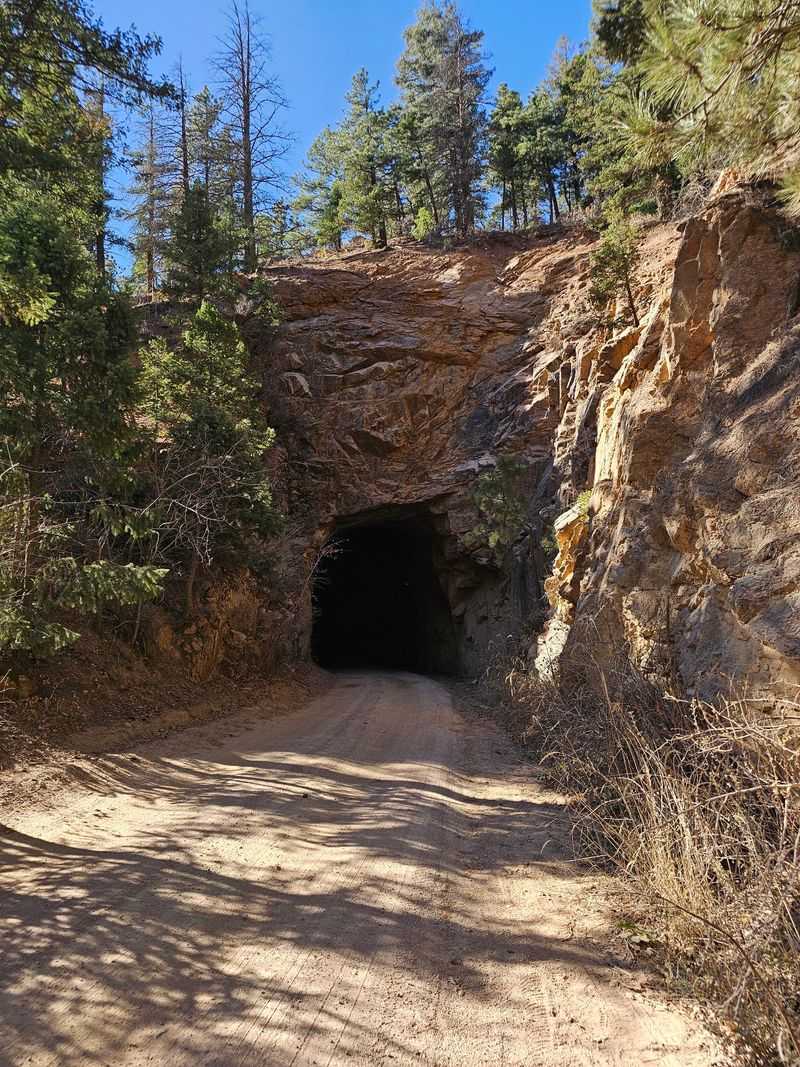
Ever had your car stall for absolutely no reason at all? Drivers on this route swear it happens more than chance allows.
Gold Camp Road in Colorado Springs traces another converted railway grade, once linking the city to Victor and Cripple Creek. Gravel switchbacks climb through ponderosa pines. Views open across Pike National Forest at nearly every bend.
Construction of the rail line was brutal work during the gold rush era. Workers lost their lives building tunnels through solid granite. Apparitions tied to those crews turn up in countless accounts.
Reports follow a pattern. Local ghost stories claim stalled cars, strange lights and eerie sounds around the old tunnels. Drivers describe sudden cold and the sense of someone in the back seat.
One tunnel collapsed years ago and remains closed, adding to the eerie reputation. Hikers and cyclists still use the open sections happily. Trailheads connect to North Cheyenne Cañon Park below.
Go in daylight your first time to learn the curves. The road narrows in spots with steep drops and no guardrails. Yield to uphill traffic and drive slowly.
Autumn turns the aspens gold along the higher stretches. Early mornings bring mule deer and wild turkeys. Sunset views over the city are stunning, though the return drive gets dark quickly.
An accessible parking area sits at 4415 Gold Camp Road, Colorado Springs.
Bring a buddy, keep your gas tank happy, and treat every flicker of your dashboard as part of the entertainment.
6. Hotel Colorado, Glenwood Springs
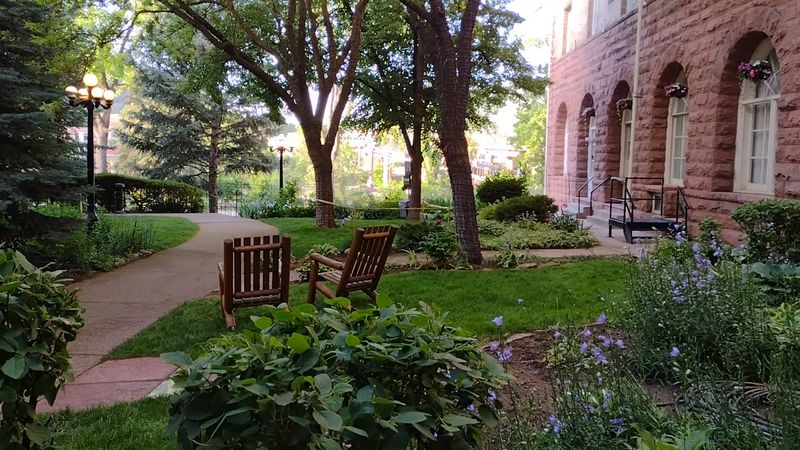
A perfume that stopped being made decades ago still shows up in these hallways. Gardenia, to be exact.
Hotel Colorado in Glenwood Springs opened in 1893 as an Italianate showpiece of sandstone and towers.
A courtyard fountain, grand lobby, and sweeping staircases carry serious old-world elegance. Presidents once stayed here, earning it the nickname the little White House of the West.
During World War II the building served as a Naval Convalescent Hospital. Wounded sailors recovered in rooms that once hosted galas. That chapter left emotional fingerprints all over the property.
A ghostly nurse called Bobbie is the most reported presence. Guests glimpse her in hallways and the dining room. That gardenia scent usually arrives with her.
Other oddities keep staff busy. Children’s laughter echoes on quiet floors, and housekeeping carts get rearranged when nobody is around. Founder Walter Devereux supposedly still crosses the lobby, announced by cigar smoke.
The location is a treat beyond the stories. Glenwood Hot Springs sits a short walk away, and the Colorado River runs right past. Hiking trails to Hanging Lake and the adventure park are close by.
Ask about the historic tower rooms when booking. Autumn and spring bring lower crowds and beautiful canyon colors. Winter pairs the hotel nicely with nearby ski trips.
The building stands at 526 Pine Street, Glenwood Springs. Order breakfast, admire that fountain, and see if a faint floral scent follows you toward the staircase.
7. Rochester Hotel, Durango
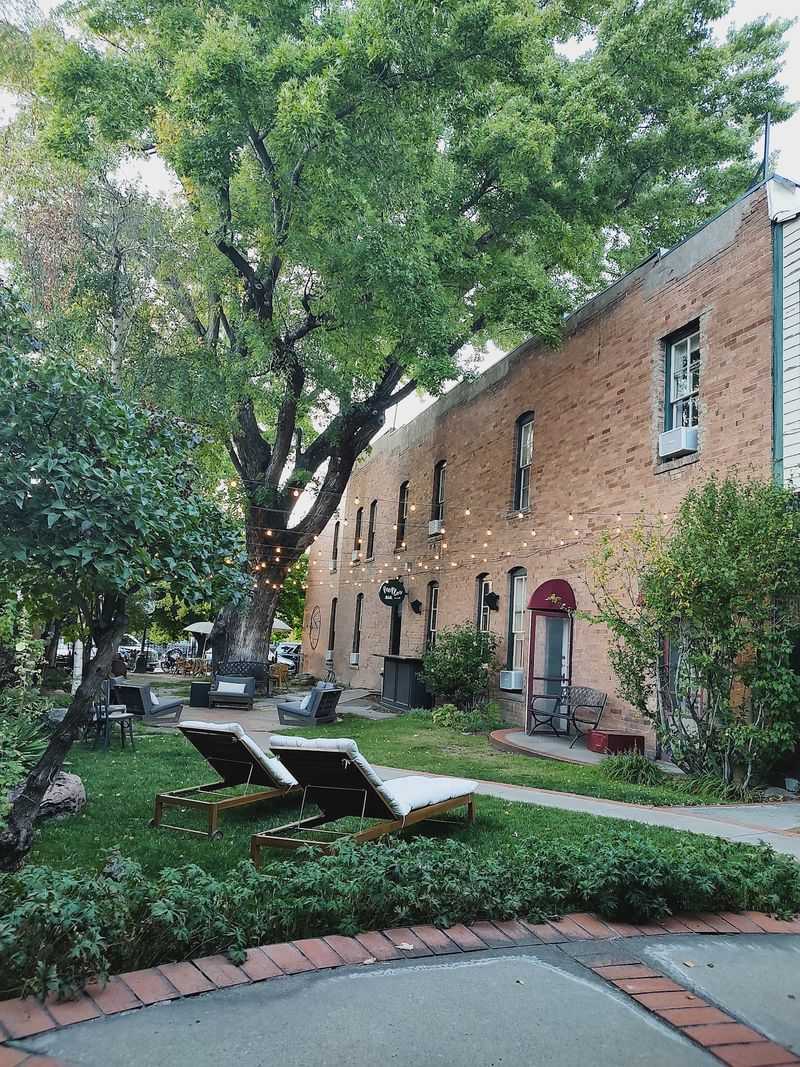
Room 204 has a nickname, a movie connection, and a reputation that raises eyebrows. Guests request it on purpose.
The Rochester Hotel in Durango dates to 1892 and runs as a boutique property today. Old West styling nods to the many films shot around this corner of southwest Colorado. Movie posters line the wide hallways.
Also called the John Wayne Room, 204 collects the most stories. A woman in Victorian-era clothing appears there, sometimes leaving a rose-scented trace behind. Guests describe her as calm rather than frightening.
Sightings continue elsewhere in the building. A woman in white stands at the top of the stairwell, watching quietly. A small boy reportedly plays along the second floor.
The garden courtyard is a genuine highlight. Flowers, seating, and morning coffee make it a pleasant start to any day. Breakfast here is unhurried and generous.
Durango itself pulls you outside quickly. The Durango and Silverton Narrow Gauge Railroad departs a few blocks away. Mesa Verde National Park is an easy day trip south.
Book early for summer railroad season, since rooms disappear fast. Autumn delivers golden aspens along the train route. Winter connects you to Purgatory Resort skiing.
Ask staff about the hotel’s history and they will happily share the timeline. Walking the historic downtown at night adds atmosphere.
Look for it at 726 East Second Avenue, Durango. Sleep with the lamp on if you like, then enjoy the strange thrill of possible company at the foot of your bed.
8. Cave Of The Winds Mountain Park, Manitou Springs
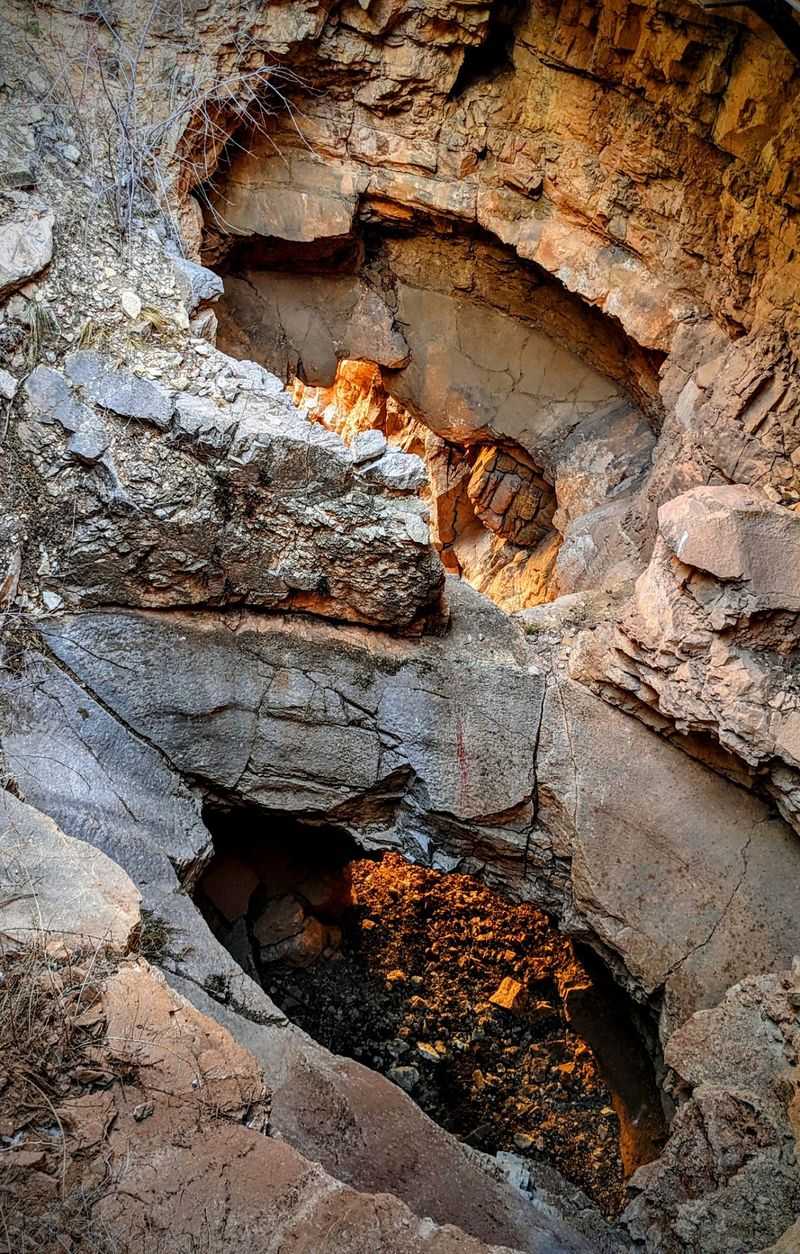
Turn off every flashlight underground and darkness becomes something you can practically feel. Lantern flames only reach so far.
Cave Of The Winds Mountain Park in Manitou Springs reopened its lantern-lit tours after decades of quiet.
Guests carry handheld lanterns through winding limestone passages. Formations rise overhead in shapes carved by water over millions of years.
Historic graffiti from early explorers still marks some walls. Old dance floors once hosted underground parties in these very chambers. That layered human history makes the tour more than a rock walk.
Since reopening, staff and explorers have reported repeated paranormal activity. Whispers arrive when nobody speaks. Shadowy figures appear at the edges of the lantern glow, then vanish.
Sound behaves strangely down here. The enclosed chambers amplify every footstep and drip. A sudden noise in total stillness will absolutely raise the hair on your arms.
Temperatures stay cool and steady year round, so bring a light jacket. Closed-toe shoes with grip help on uneven stone. Tours involve stairs, ducking, and narrow squeezes.
Book in advance because group sizes stay small. Reservations tend to sell out during summer and October. Photography works best with a steady hand, since flash ruins the atmosphere.
The Manitou Springs area pairs well with the trip. Mineral springs, quirky shops, and Pikes Peak views fill the rest of your day.
Kids old enough to handle darkness usually love it, though anxious travelers may want a daytime option.
Hold your lantern steady, follow the guide closely, and let the cave decide how much it wants to show you.