This Spooky Macabre Museum In Georgia Will Send Shivers Down Your Spine
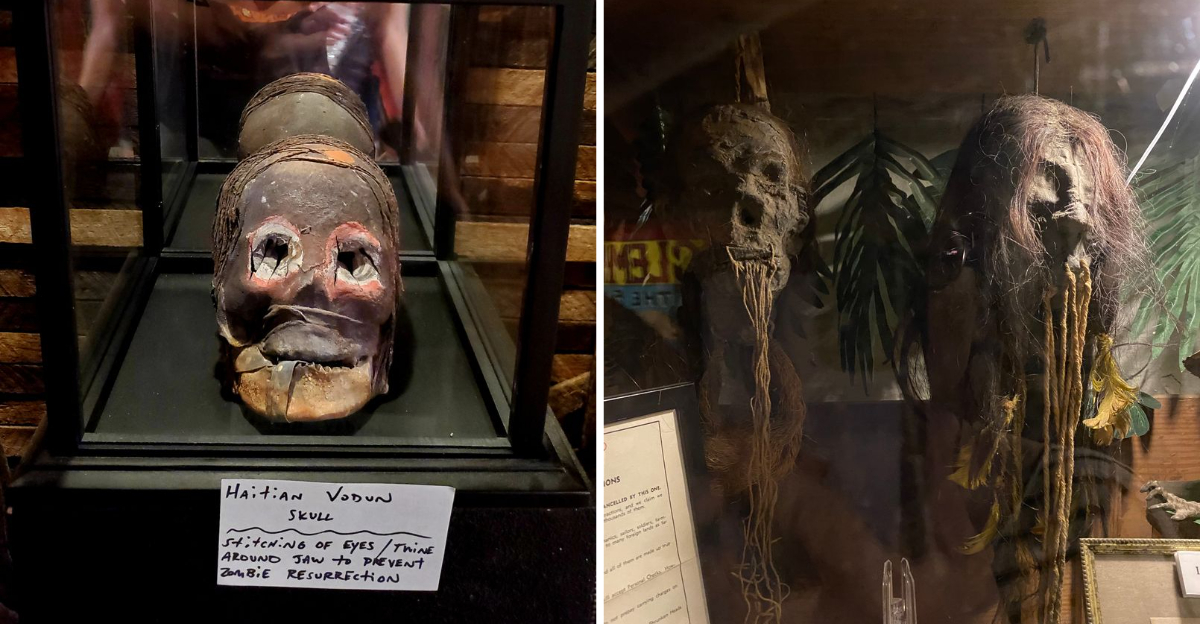
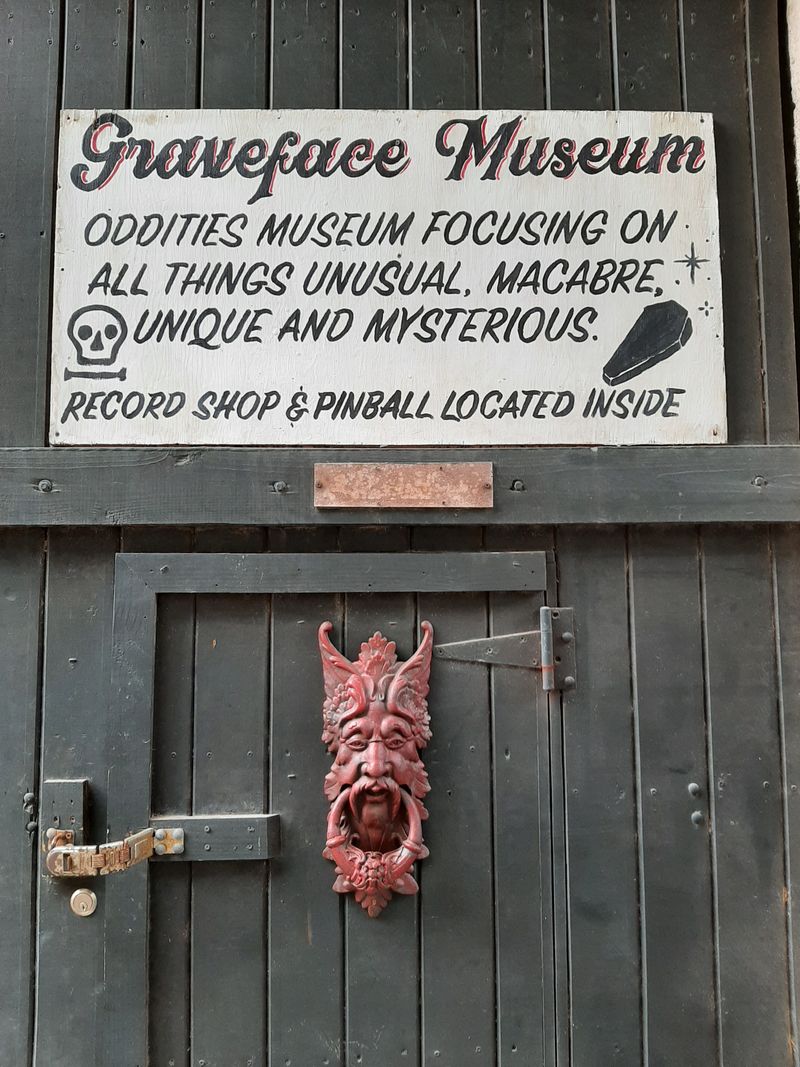
Walking through the doors of the Graveface Museum in Savannah feels like crossing into a world where the strange, the eerie, and the deeply fascinating all coexist. Located at 410 East Lower Factors Walk, this one of a kind attraction invites visitors to explore collections that challenge comfort zones while sparking intense curiosity. The exhibits range from true crime artifacts to preserved specimens and unusual historical items that tell stories rarely explored in traditional museums.
Every display is designed to provoke thought, intrigue, and sometimes a chill down your spine. The atmosphere leans into the macabre without losing its educational edge, making the experience feel both unsettling and captivating. Whether you are a true crime enthusiast, a lover of oddities, or simply drawn to the darker corners of history, the museum delivers something unforgettable.
These 16 reasons will reveal why the Graveface Museum stands as one of the South’s most unusual and talked about destinations.
1. Serial Killer Memorabilia Collection
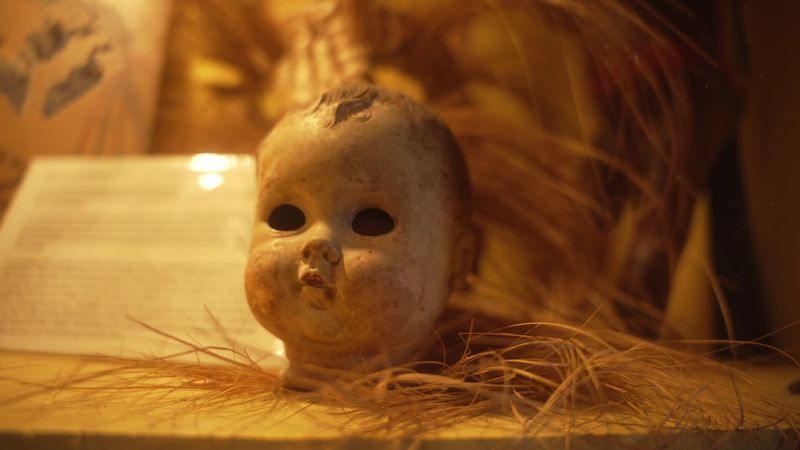
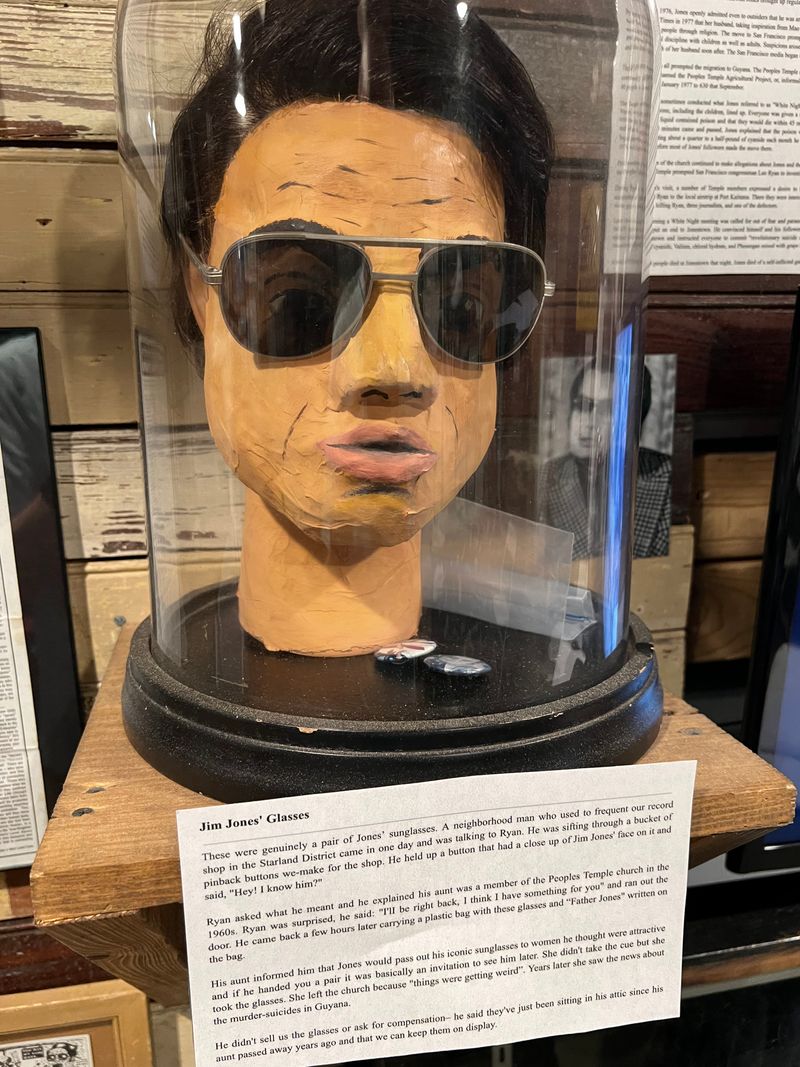
Few places in America let you get this close to the minds of infamous criminals. The museum houses an extensive collection of letters, artwork, and personal items from some of history’s most notorious figures. You’ll find yourself reading handwritten correspondence that reveals chilling insights into criminal psychology.
Each item comes with detailed context about the case and the individual. The curators take care to present these artifacts educationally rather than glorifying violence.
Standing before these displays creates an eerie connection to real events that shaped criminal justice. The handwriting alone tells stories that textbooks can’t capture. This collection represents years of careful acquisition and research into America’s darkest chapters.
2. John Wayne Gacy’s Original Artwork
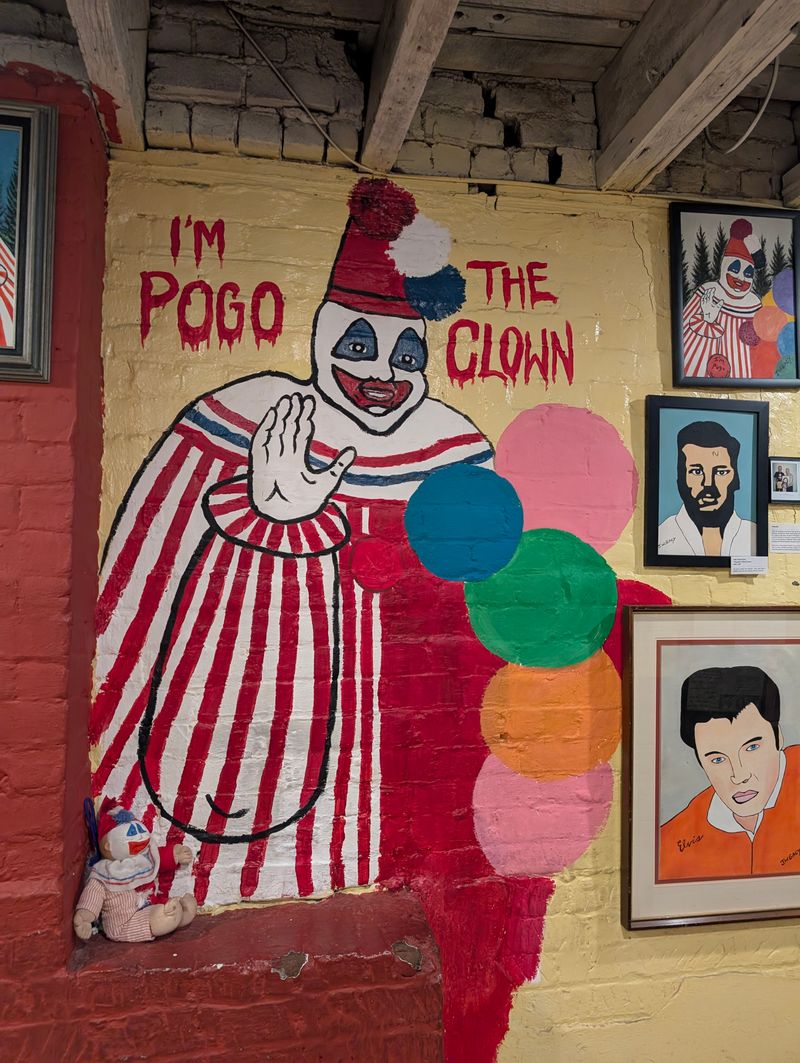
Original paintings by one of America’s most infamous criminals hang on these walls. John Wayne Gacy created dozens of artworks during his time on death row, and several pieces reside in this collection. The clown paintings he’s famous for take on new meaning when you see them in person.
Each brushstroke was made by hands that committed terrible crimes. The artwork reveals a complex mind that could create beauty while harboring darkness. Museum staff provide background on when and why Gacy created each piece.
Visitors often stand silently before these paintings, processing the contradiction they represent. The collection sparks important conversations about art, crime, and human nature. You can visit the museum at 436 Whitaker Street in Savannah’s historic district.
These pieces remain some of the most controversial items in the entire facility.
3. Charles Manson Personal Effects
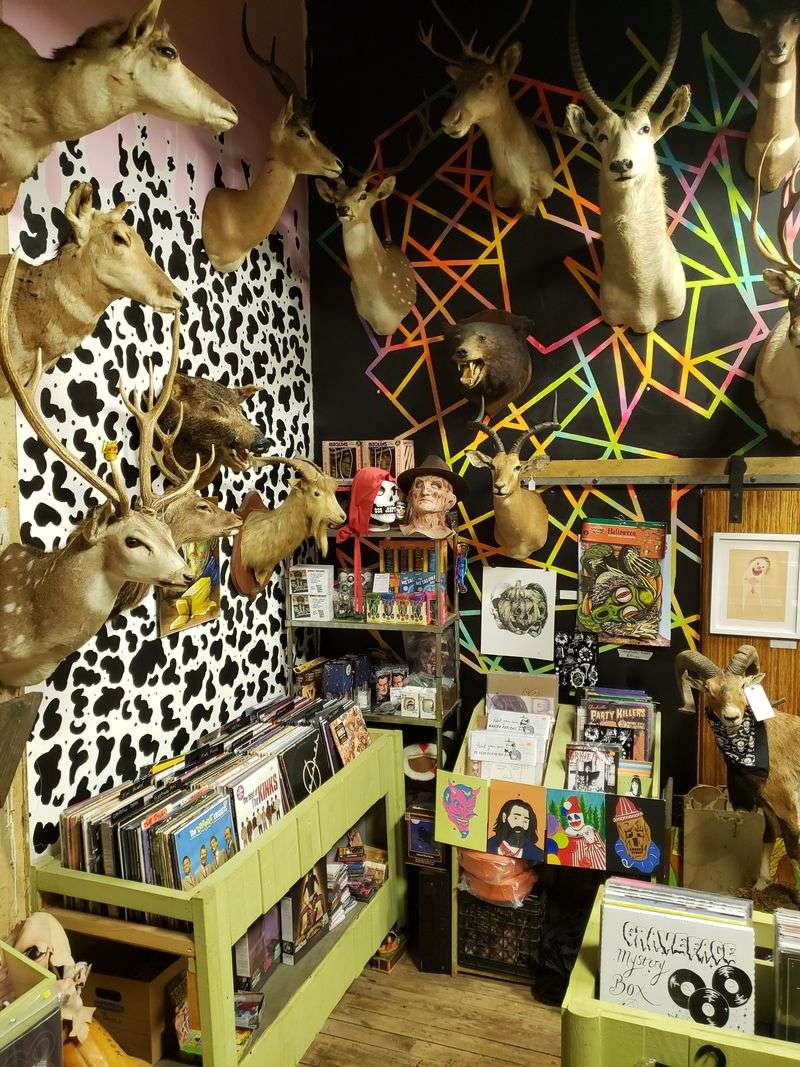
Personal items belonging to Charles Manson offer a window into cult leadership and manipulation. The collection includes letters he wrote from prison, revealing his thought patterns and communication style. You’ll see how he maintained influence over followers even while incarcerated.
These artifacts help criminologists and psychologists understand charismatic control. Each piece includes information about the Manson Family crimes and their cultural impact.
Reading his actual words creates an unsettling experience that documentaries can’t replicate. The handwriting shows someone who believed deeply in his own twisted philosophy. This collection serves as a cautionary tale about blind devotion and dangerous ideologies that still resonate today in our society.
4. Preserved Oddities and Specimens
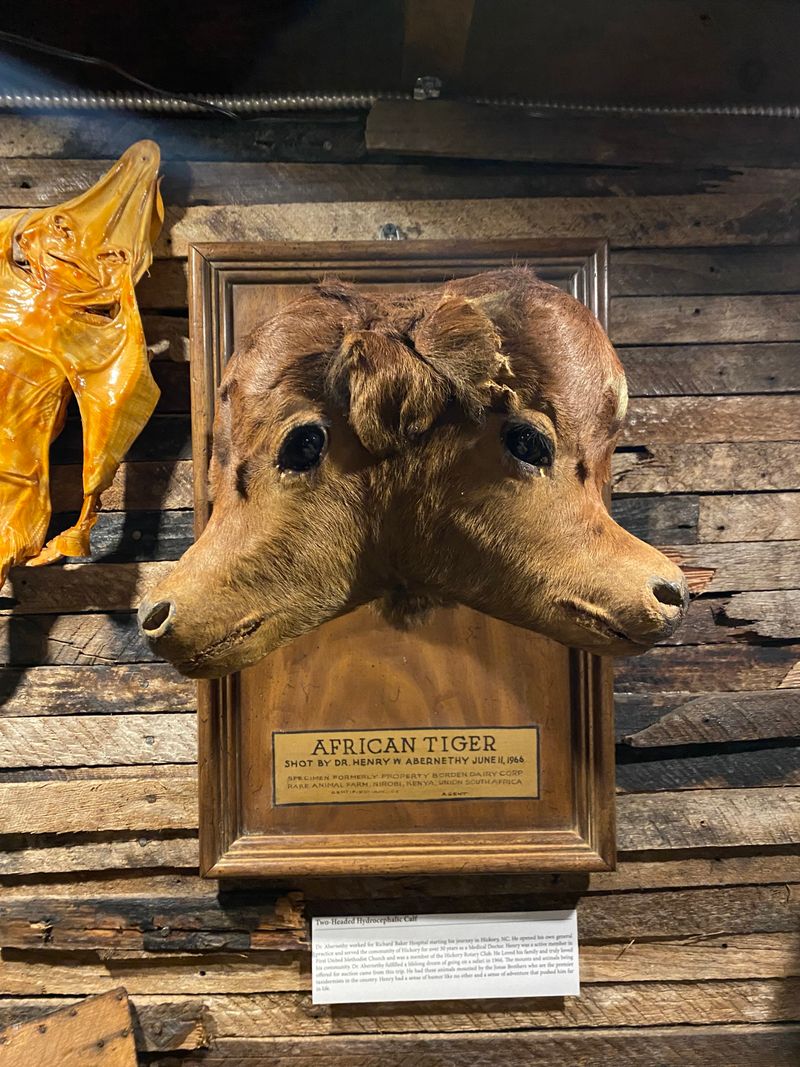
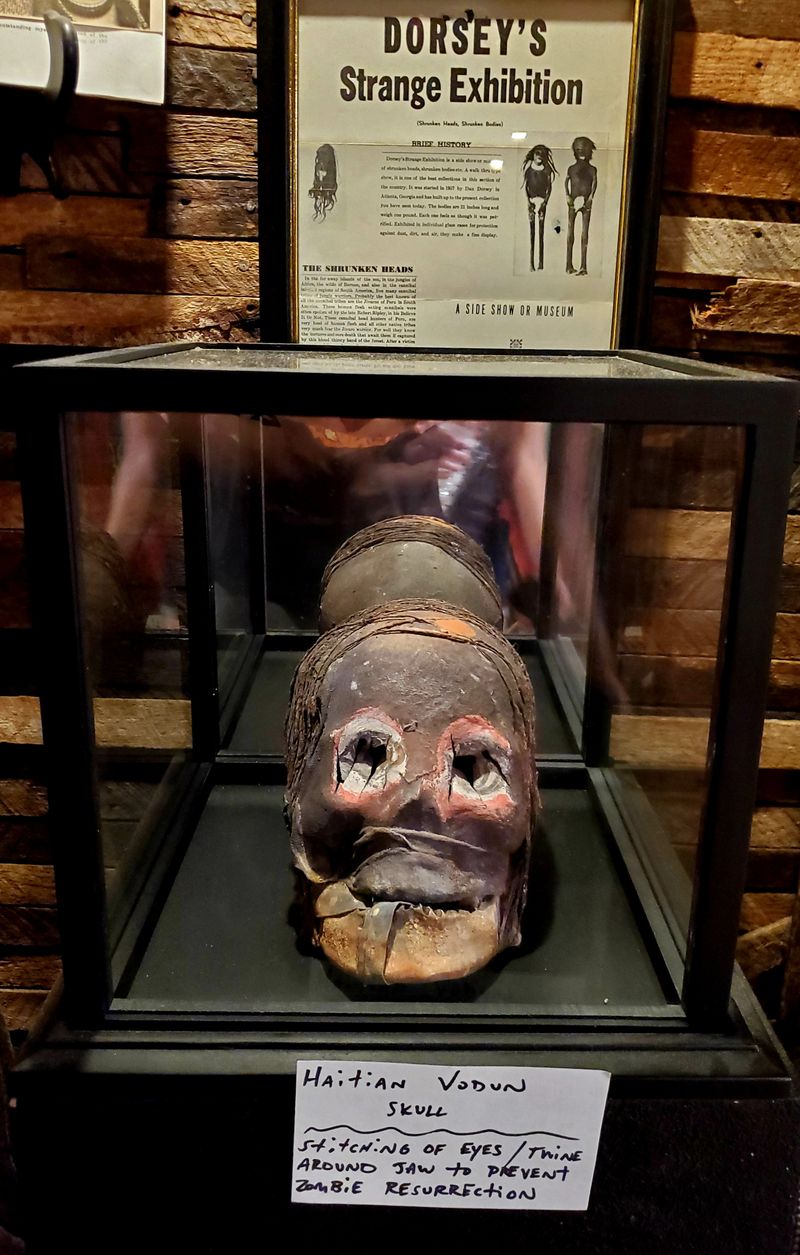
Medical specimens from another era fill glass cases throughout the museum. You’ll encounter preserved organs, skeletal remains, and anatomical preparations that were once used for teaching. These items remind us how far medical science has advanced while showing us what doctors once studied.
The preservation techniques themselves represent fascinating historical practices. Some specimens date back over a century, maintained through methods no longer used today. Each display includes information about its origin and purpose in medical education.
Walking among these cases feels like visiting a Victorian cabinet of curiosities. The museum at 436 Whitaker Street houses specimens that would otherwise remain hidden in storage. These biological artifacts challenge our comfort levels while teaching us about human anatomy and historical medical practices that shaped modern healthcare understanding.
5. Death Culture Artifacts
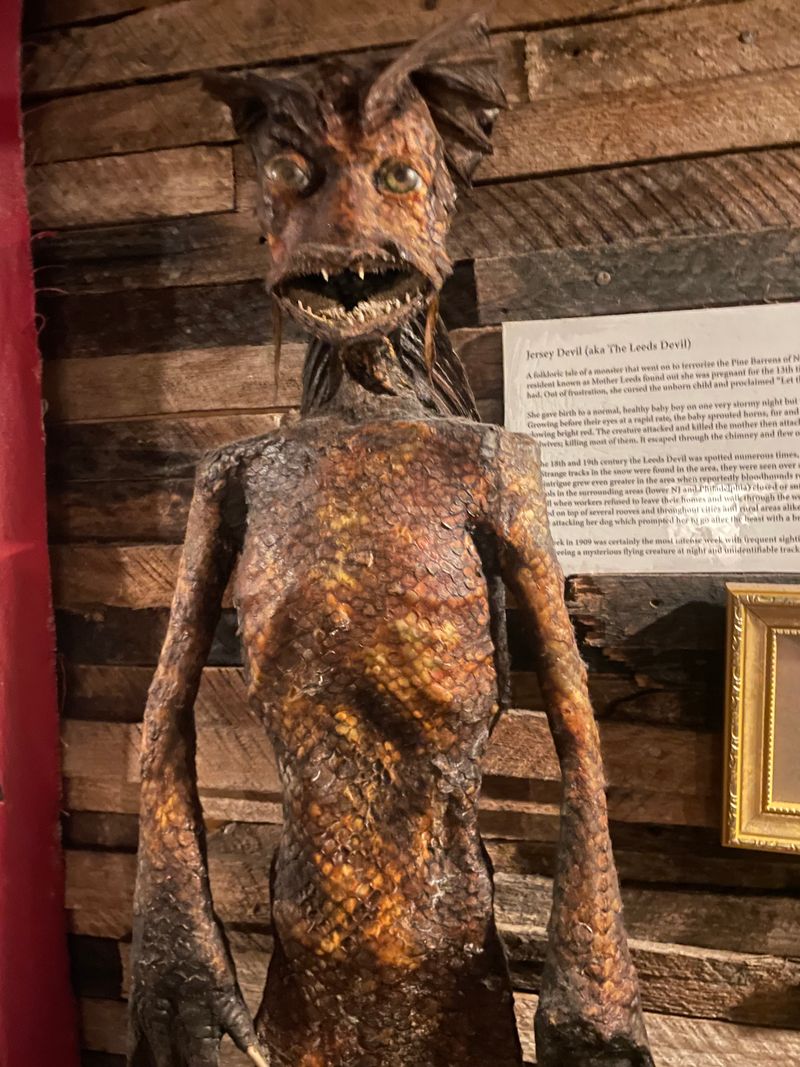
Victorian mourning practices seem foreign to modern sensibilities. This collection showcases how our ancestors dealt with death through jewelry made from human hair, post-mortem photography, and elaborate funeral customs. These artifacts reveal a society that embraced death as part of daily life rather than hiding it away.
Hair jewelry sparkles behind glass, each piece crafted from a deceased loved one’s locks. Post-mortem photographs show families posing with deceased relatives in their final portraits. The museum provides context for these practices that seem strange to us now.
Understanding historical death culture helps us appreciate how attitudes toward mortality have shifted. These items represent love, remembrance, and grief expressed through customs we’ve largely abandoned in contemporary American society.
6. Occult and Ritual Objects
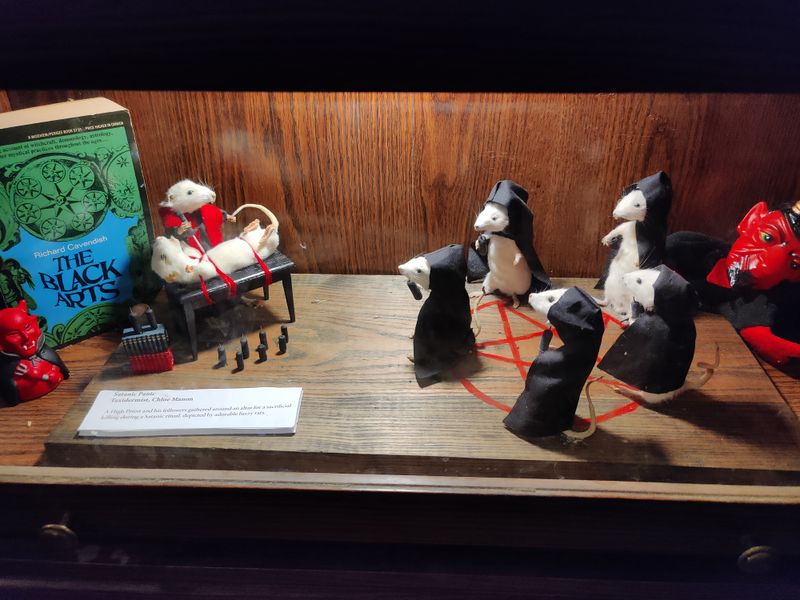
Ritual objects from various occult traditions fill an entire section of the museum. You’ll see ceremonial daggers, spell books, tarot decks, and items used in practices most people only read about. These artifacts represent belief systems that exist outside mainstream religion.
Each object tells a story about human attempts to connect with unseen forces. The collection includes both historical pieces and contemporary ritual tools. Museum staff explain the context and purpose behind each item without judgment or sensationalism.
The objects range from beautiful to unsettling, reflecting the diversity of occult practices. Understanding these traditions helps us appreciate the variety of human spiritual expression throughout history and across different cultures worldwide today.
7. Taxidermy Oddities Collection
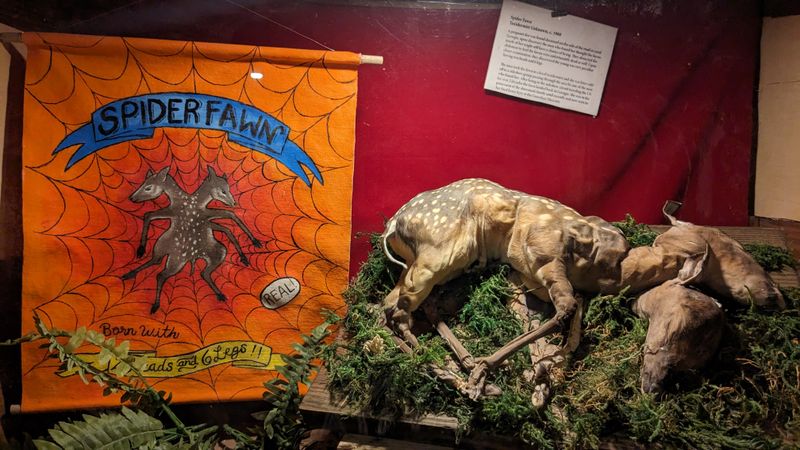
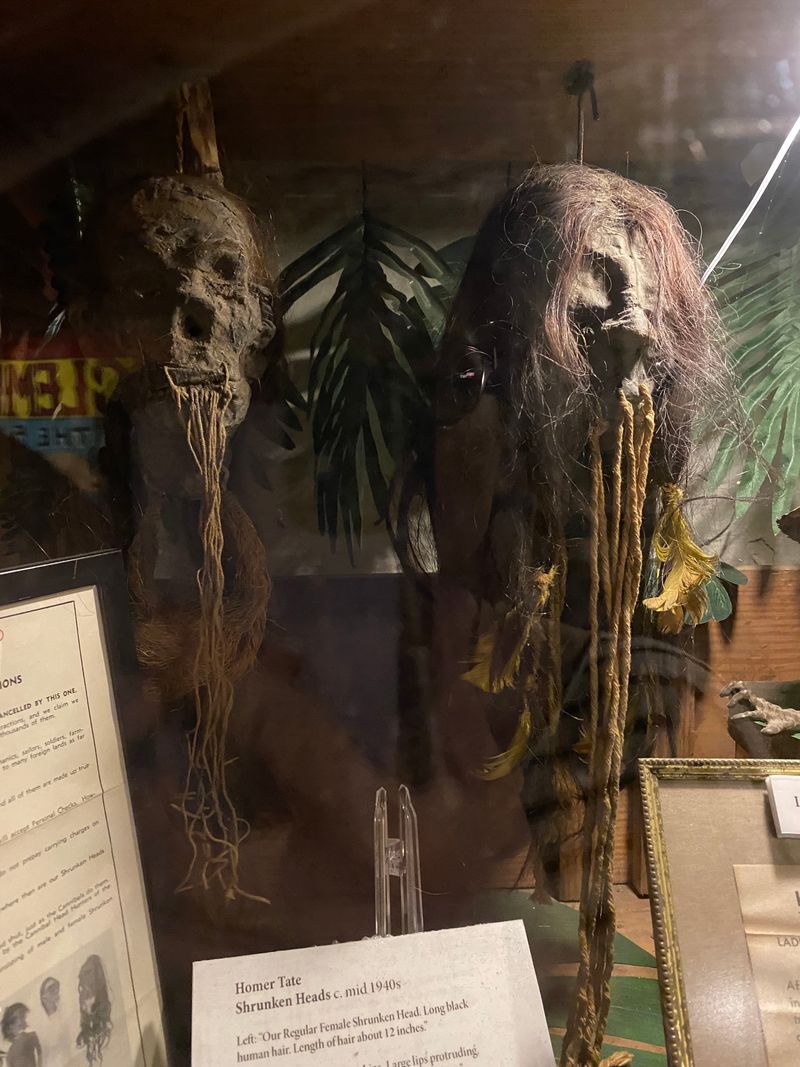
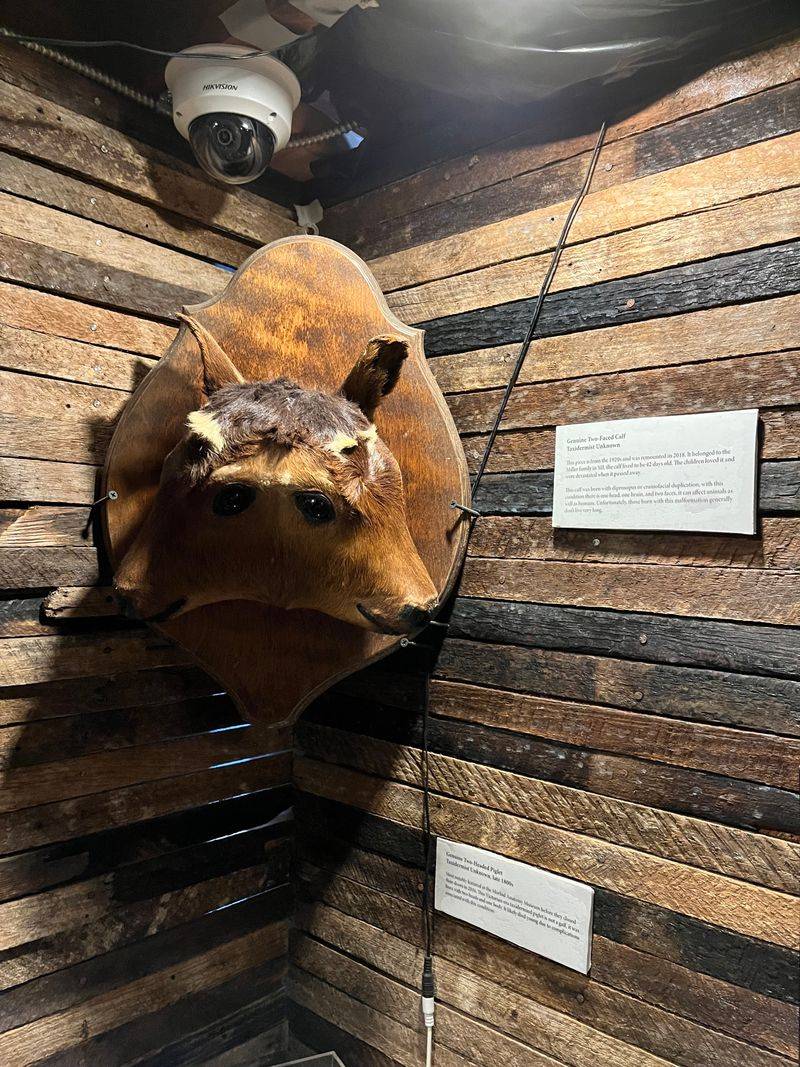
Unusual taxidermy specimens challenge our understanding of natural variation. The collection includes animals with rare genetic mutations, two-headed creatures, and specimens that seem almost too strange to be real. Each piece represents nature’s occasional departures from typical development patterns.
These mounted animals once traveled with sideshows and curiosity exhibitions. Now they educate visitors about genetic anomalies and developmental biology. The taxidermy work itself showcases skills that few practitioners maintain today.
You’ll find yourself staring at these creatures, trying to understand how they developed. These oddities remind us that nature constantly experiments, sometimes creating beings that don’t fit our expectations of how animals should look or function in their environments.
8. True Crime Photography Archive
Historical crime scene photographs document cases that shaped forensic science. This archive includes images from investigations spanning decades, showing how evidence collection and documentation have evolved. You’ll see the birth of modern forensic photography through these carefully preserved prints.
Each photograph captures a moment in criminal investigation history. The collection includes famous cases and obscure crimes that never made headlines. Museum curators present these images respectfully, focusing on their historical and educational value.
Viewing actual crime scene documentation creates a different understanding than watching dramatized television shows. These images represent real tragedies while teaching us about investigative techniques that protect communities today through scientific advancement and careful documentation methods.
9. Haunted Objects Display
Objects with reported paranormal activity occupy a special section of the museum. Each item comes with documented stories of strange occurrences, unexplained phenomena, and alleged hauntings. Whether you believe in ghosts or not, the histories attached to these objects prove genuinely unsettling.
Dolls with disturbing backstories sit behind protective glass. Mirrors that supposedly show more than reflections hang on walls. Personal items from haunted locations complete the collection.
Visitors often report feeling uncomfortable near certain displays. Some objects have been investigated by paranormal researchers who documented unusual readings. This collection explores the intersection of belief, fear, and the unexplained in ways that spark fascinating discussions about what we accept as real versus imagined experiences.
10. Gothic Art Installation
Contemporary gothic artists showcase their darkest visions in rotating installations. These pieces explore themes of mortality, decay, and the beautiful side of darkness. You’ll encounter sculptures, paintings, and mixed media works that challenge traditional notions of beauty.
The art ranges from subtle and melancholic to shocking and confrontational. Each artist brings their unique perspective on death, fear, and the macabre. The installations change regularly, giving repeat visitors new experiences.
Standing before these works provokes emotional responses that lighter art rarely achieves. The gothic aesthetic celebrates darkness as a valid artistic expression rather than something to avoid. These pieces remind us that beauty exists in unexpected places, including themes most people prefer not to contemplate daily.
11. Historical Execution Equipment
Tools of historical punishment and execution reveal society’s brutal past. The collection includes restraints, implements of torture, and devices used in legal executions from various time periods. These objects represent justice systems that valued retribution over rehabilitation.
Each piece comes with historical context about when and where it was used. The museum explains how punishment philosophies have evolved over centuries. You’ll see how different cultures approached criminal justice through physical means.
Understanding historical brutality helps us appreciate modern justice reforms. The equipment itself shows craftsmanship applied to terrible purposes, creating an uncomfortable appreciation for the skill involved. This collection challenges us to consider how future generations might view our current practices.
12. Oddball Ephemera Collection
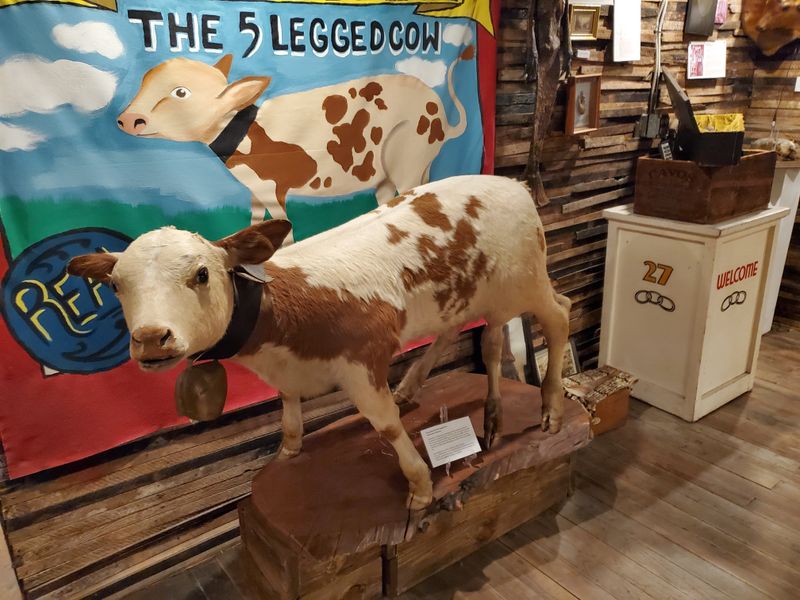
Strange printed materials from decades past reveal how odd popular culture once was. You’ll find bizarre advertisements, unsettling postcards, unusual medical pamphlets, and printed materials that seem too weird to have been real. These ephemera pieces document the strange side of everyday life.
The collection includes items that would never be printed today due to changing social standards. Each piece reflects the attitudes, fears, and fascinations of its era. The museum preserves these materials that most people would have discarded.
Browsing through these displays feels like exploring a parallel universe where normal was different. Located at 436 Whitaker Street, the museum houses thousands of these printed oddities. The ephemera collection shows how commercial culture, medical advice, and entertainment have transformed.
These forgotten pieces of paper tell stories about societies that viewed the world through perspectives we’ve largely abandoned today.
13. Celebrity Death Memorabilia
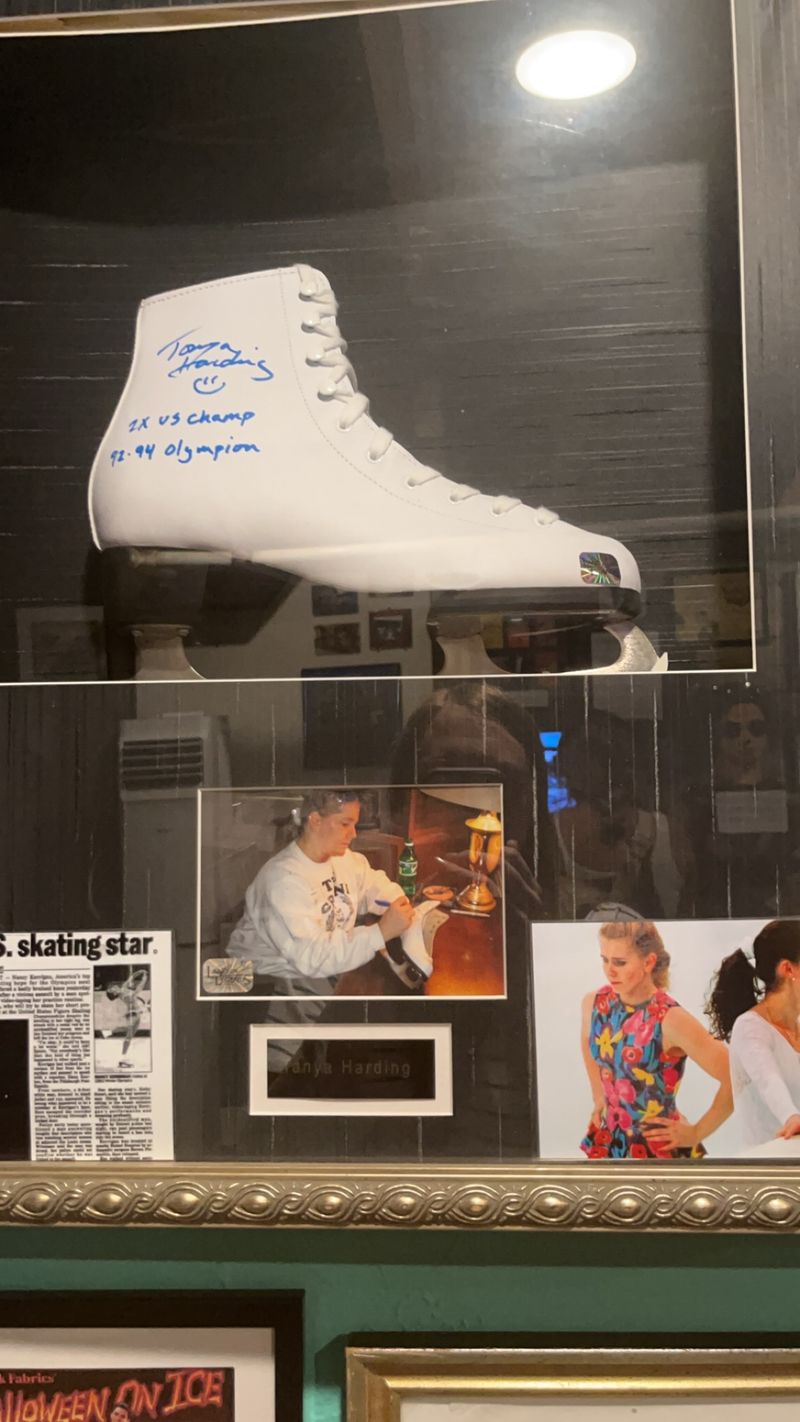
Items connected to famous deaths explore our fascination with celebrity mortality. The collection includes newspapers announcing shocking deaths, photographs from funeral services, and artifacts connected to tragic endings. These pieces document how society processes the loss of public figures.
You’ll see memorabilia from deaths that stopped the world, from musicians to actors to cultural icons. Each item represents a moment when collective grief united strangers. The museum presents these artifacts as cultural history rather than morbid curiosity.
Our relationship with celebrity death reveals much about fame and mortality. These artifacts show how media coverage and public mourning have evolved. Understanding our fascination with famous deaths helps explain modern memorial culture and how we connect with people we’ve never met personally.
14. Funeral Industry Artifacts
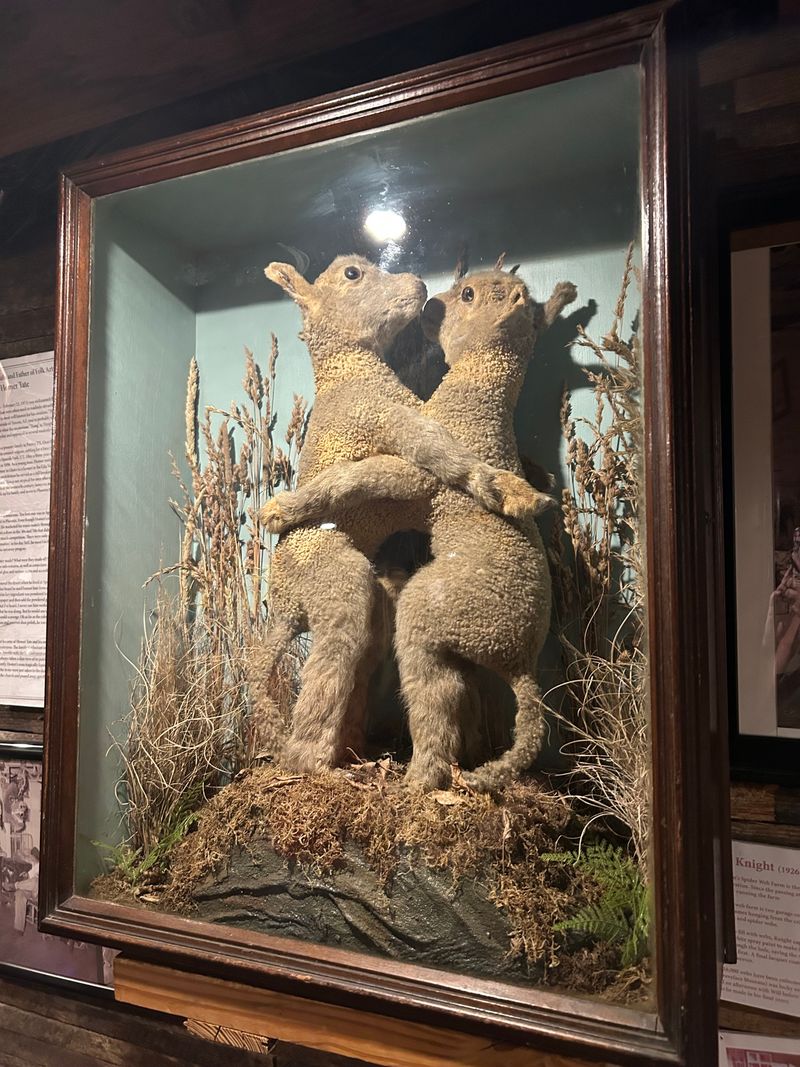
Behind-the-scenes funeral industry equipment shows what happens after death. The collection includes embalming tools, casket hardware, mortuary cosmetics, and equipment that funeral directors use. These artifacts reveal a profession most people never think about until they need it.
Vintage embalming kits show how preservation techniques have changed over time. Casket plates and handles display the craftsmanship involved in funeral products. The museum explains each item’s purpose in the death care industry.
Learning about funeral practices removes some of death’s mystery and fear. The collection honors funeral professionals who help families through difficult times. These artifacts demonstrate that death care combines science, art, and compassion in ways most people never consider until personally affected by loss.
15. Autopsy and Medical Examiner Tools
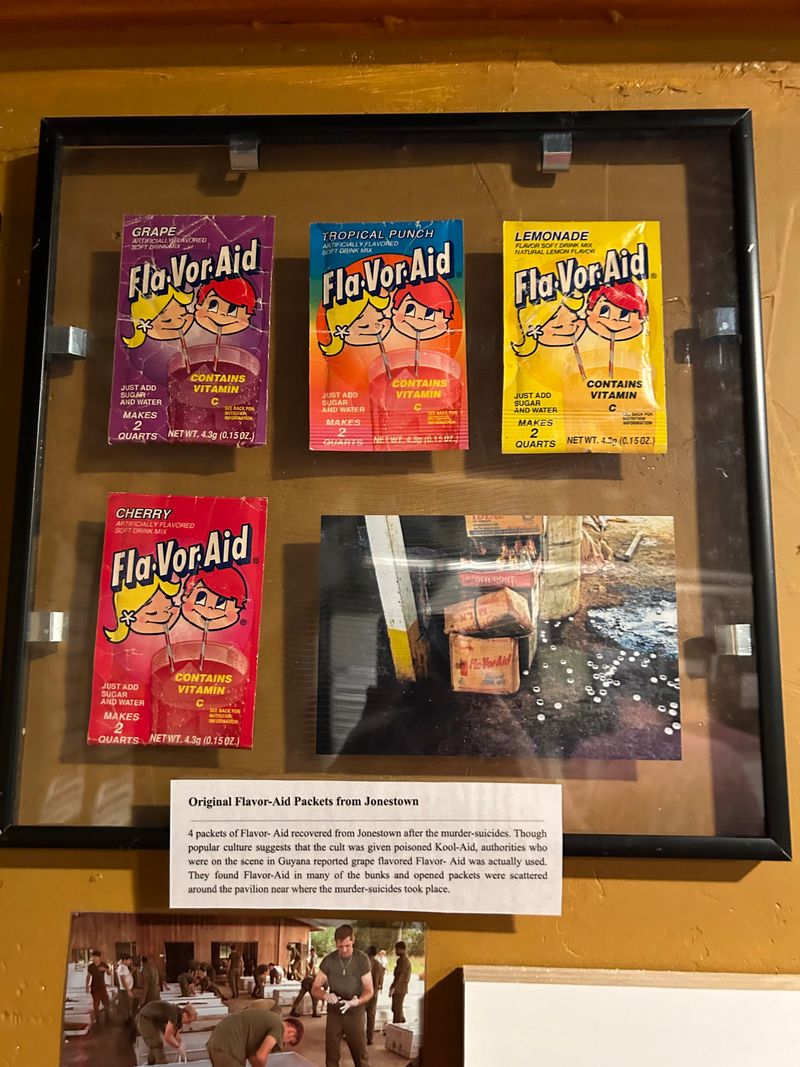
Instruments used in death investigation reveal forensic medicine’s evolution. The collection includes autopsy tools, medical examiner equipment, and devices used to determine cause of death. These instruments represent the scientific approach to understanding mortality.
Vintage autopsy kits contain implements that modern pathologists still use in updated forms. Each tool serves a specific purpose in examining deceased bodies. The museum explains how these investigations protect public health and solve crimes.
Understanding forensic pathology helps us appreciate this crucial medical specialty. Medical examiners use these tools to give voices to those who can no longer speak. The collection shows how death investigation combines medical knowledge with detective work to serve justice and advance our understanding of human health and disease processes.
16. Interactive Dark History Experience
Hands-on exhibits let you engage with macabre history actively. Interactive displays include audio stations with recorded accounts, touchscreens exploring case files, and opportunities to examine replica artifacts. These experiences make dark history accessible and educational rather than just observational.
You can listen to interviews with experts discussing various topics throughout the museum. Digital archives let you explore deeper into subjects that interest you most. The interactive elements accommodate different learning styles and engagement levels.
Active participation creates stronger memories than passive viewing alone. Interactive stations encourage questions and critical thinking about difficult subjects. This approach makes uncomfortable topics more approachable while maintaining respect for real tragedies and the people affected by the dark events documented throughout this unique collection.