Spring Water Pours From Solid Basalt Into A Turquoise Pool At This Idaho State Park
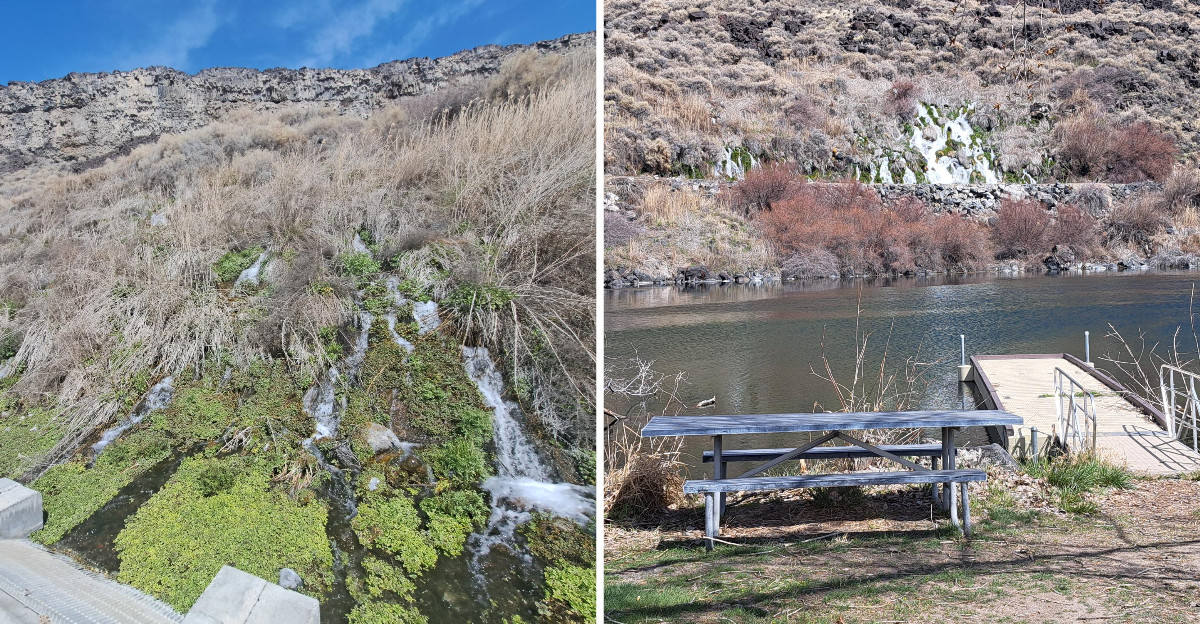
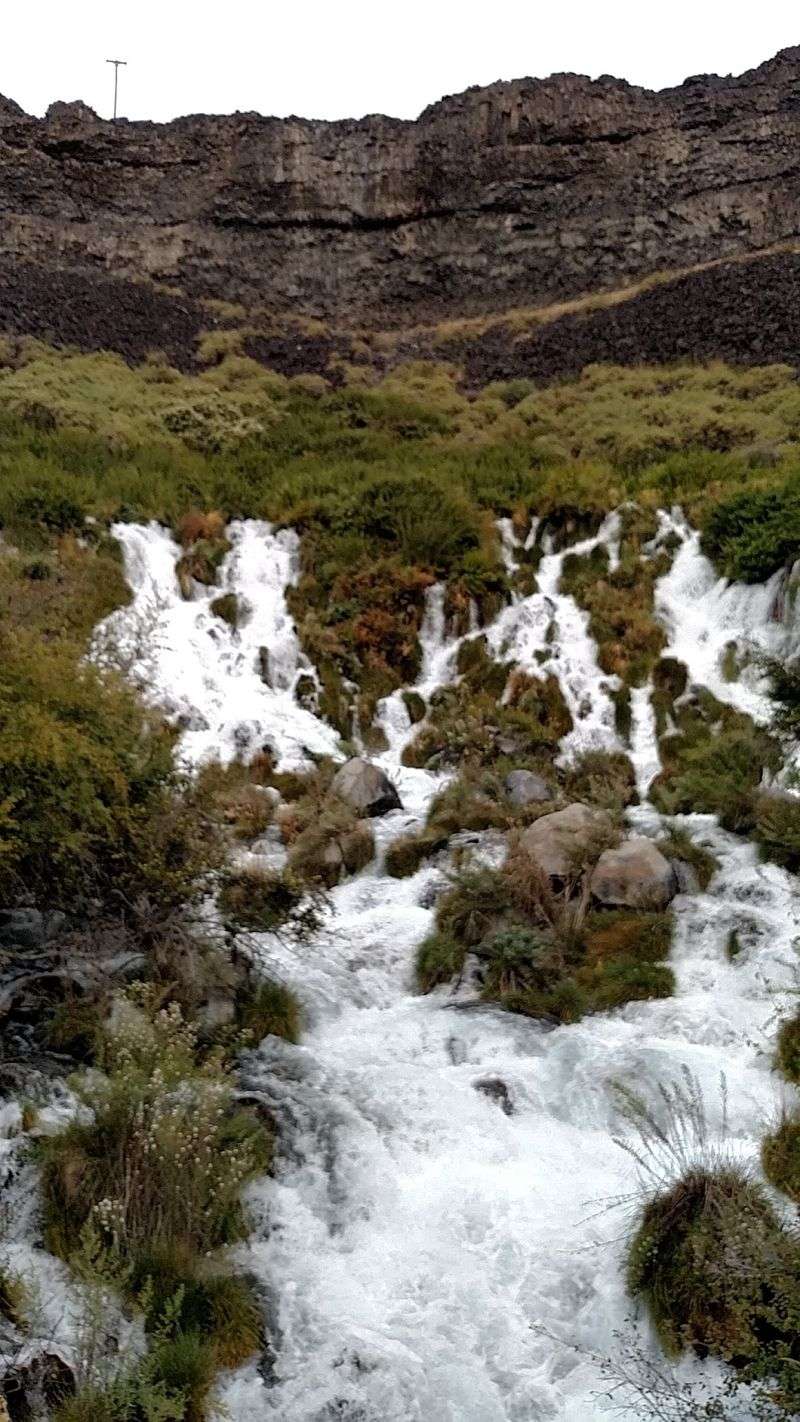
Roughly 250 cubic feet of water per second bursts straight out of a basalt cliff wall in southern Idaho.
No river feeds it from above. It just pours out of the rock like the canyon sprang a leak.
The water stays a steady 58 degrees all year. It tumbles down the slope in white ribbons and settles into pools of startling blue-green.
That color shows up against dark lava rock and dry high-desert slopes.
I like how unlikely the whole scene feels.
Farm fields sit up top, and then the road drops hundreds of feet into a canyon full of rushing springs. It’s a dramatic change in a very short drive.
And here’s what grabs me most. That water may have traveled underground for up to 200 years before reaching daylight.
So where does it start?
A Canyon Spring That Earned A Famous Name
Calling anything Niagara is a bold move, but this spring backs it up. Niagara Springs State Park sits in the Snake River Canyon, about 10 miles south of Wendell in Idaho’s Magic Valley.
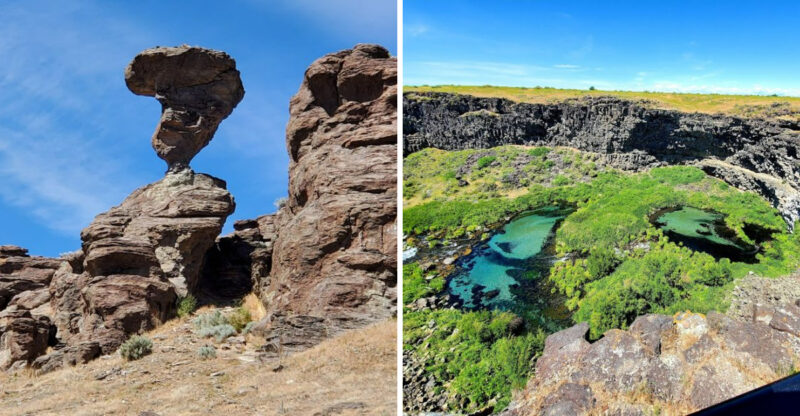
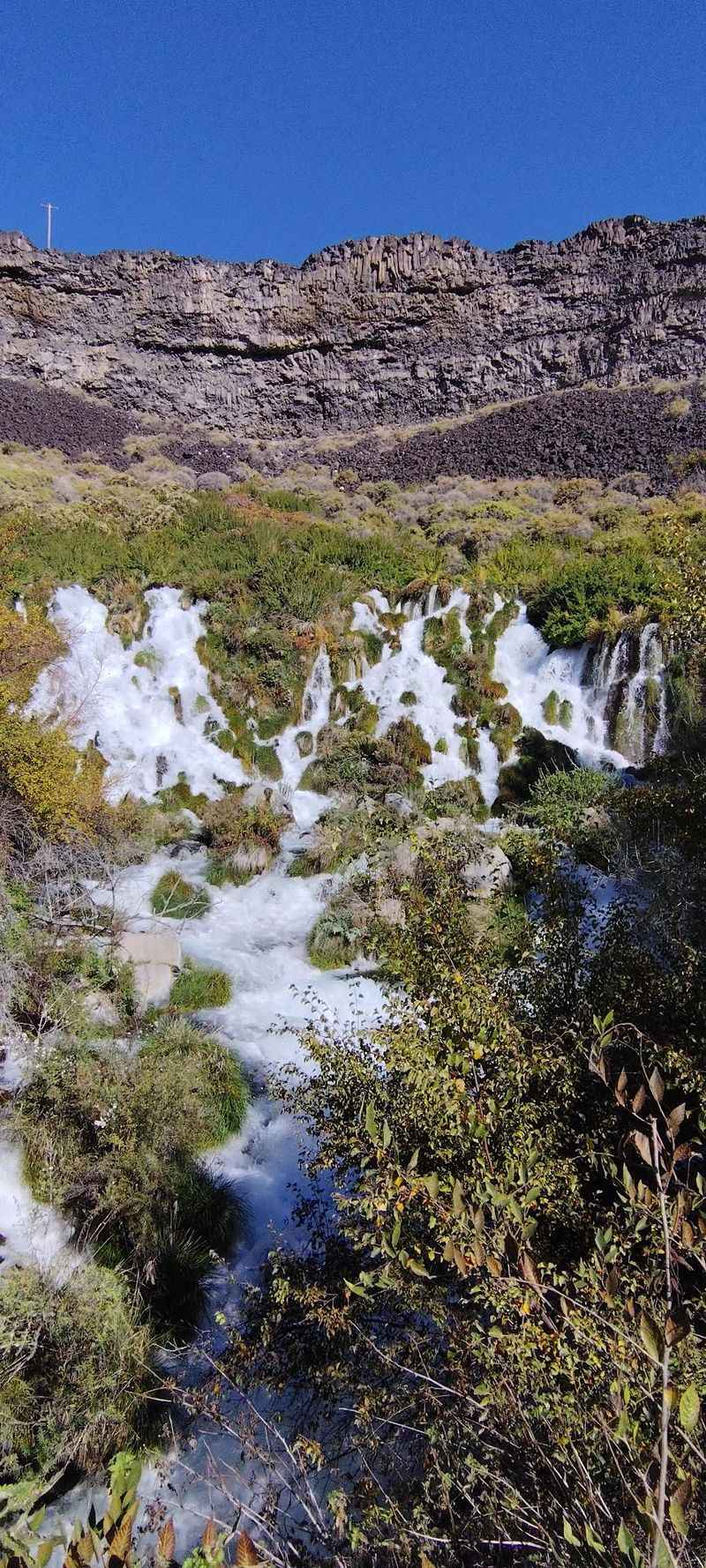
The canyon here runs roughly 350 feet deep. At its base, clear water bursts from the basalt wall through a dozen or so openings along the cliff.
The flow comes out to around 100,000 gallons every minute. That works out to about 250 cubic feet per second, all of it tumbling down toward the river in foamy white ribbons.
The springs carry serious credentials too. Niagara Springs is a National Natural Landmark, a title given to places with outstanding geological or biological value.
The park also belongs to the Thousand Springs State Park complex. That group of units along the Snake River celebrates the many powerful springs pouring from these canyon walls.
So what makes this one different from the others? Mostly sheer drama.
The water practically shoves its way out of the rock instead of seeping politely, and the result looks unreal against the dry canyon slopes.
The Turquoise Color That Makes People Stop Talking
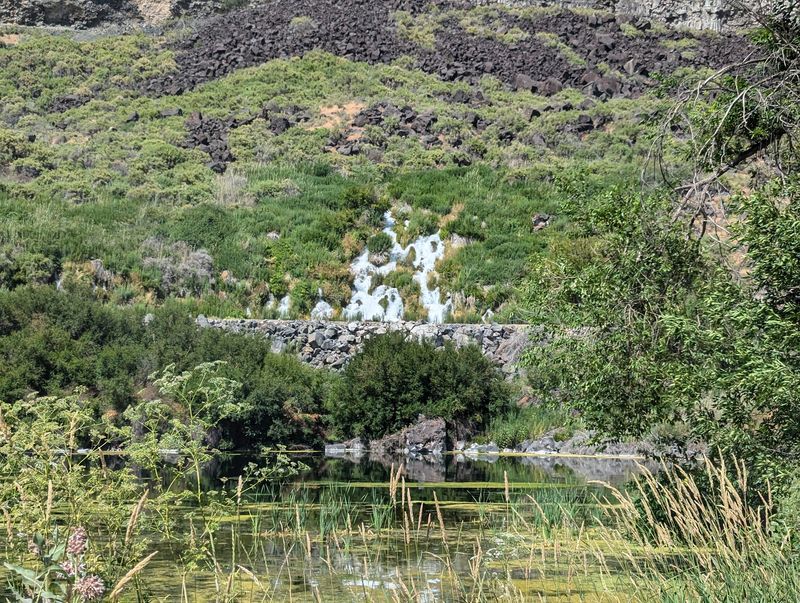
Blue-green water in the middle of sagebrush country feels like a typo. Yet the pools below Niagara Springs glow with exactly that shade.
The color comes from two things working together. The water carries its own mineral content, and it’s exceptionally clean after its long trip through the ground.
Light passing through that clear, cold water picks up the vivid hue. The darker basalt underneath and around the pools makes the turquoise pop even harder.
Temperature plays its part in the mood as well. The springs hold at a steady 58 degrees Fahrenheit, so the water stays brisk in July and surprisingly mild-looking in January.
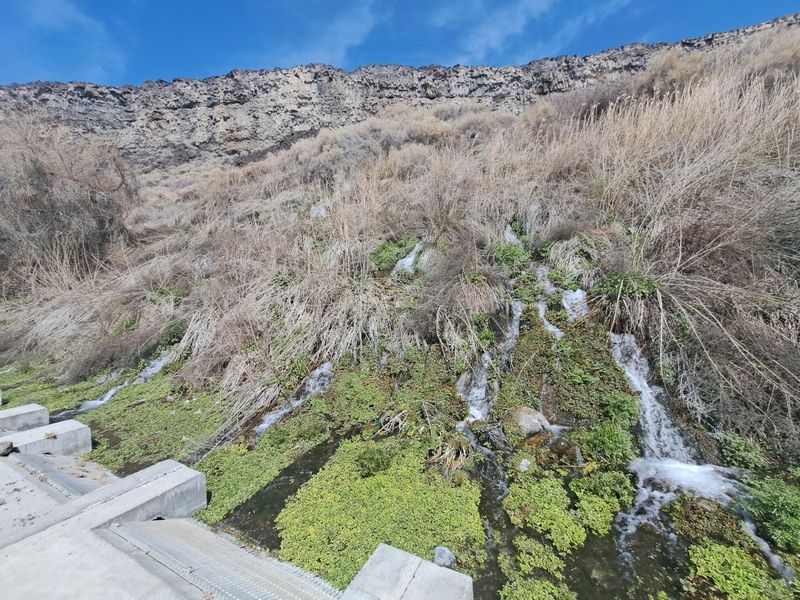
That constant flow also feeds green plant life along the cascades. It’s a lush strip of color running down a canyon that is otherwise rock and dry desert scrub.
Bring a camera, obviously. You’ll probably also want a moment without one, just to look at water that seems borrowed from a tropical postcard.
Idaho doesn’t usually get credit for this color palette, and this spot quietly makes the case.
Two Centuries Underground Before The Big Reveal
Patience is the secret ingredient in this water. It comes from the Snake River Plain Aquifer, one of the largest underground water systems on Earth.
Snowmelt and rain from mountains in central and eastern Idaho soak into the ground. From there, the water creeps west through porous lava beneath the plain.
That journey can take up to 200 years. Some of the water splashing past you today may have started as snow long before anyone paved a road into this canyon.
The lava acts like a giant natural filter along the way. That slow trip helps explain why the water arrives so clean and so cold.
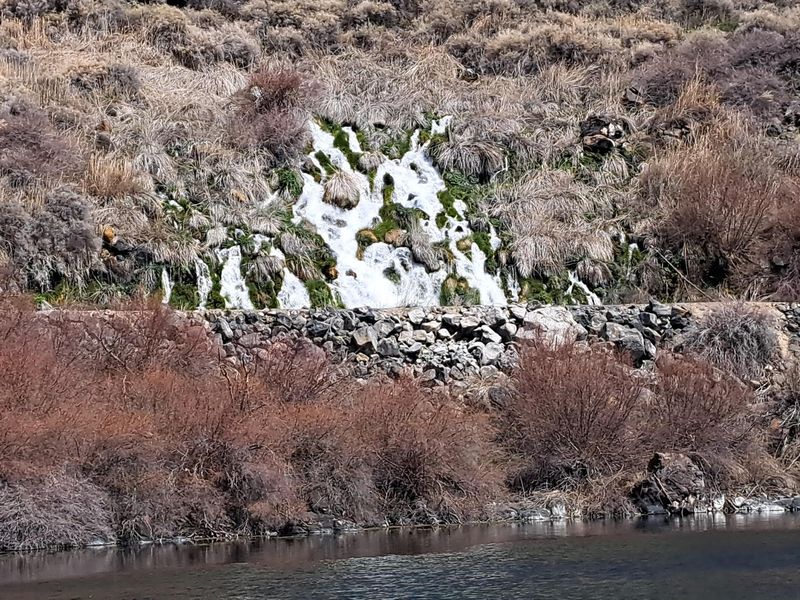
Then the canyon slices right through the aquifer’s path. With nowhere else to go, the water spills out of the cliff face in a steady rush.
I can’t think of a better example of the Snake River Plain showing its hidden plumbing. Most of the year, the aquifer works out of sight under farms and highways.
Here, it finally gets its big stage moment, and it doesn’t hold back.
Lava Walls And Flood Boulders Tell The Backstory
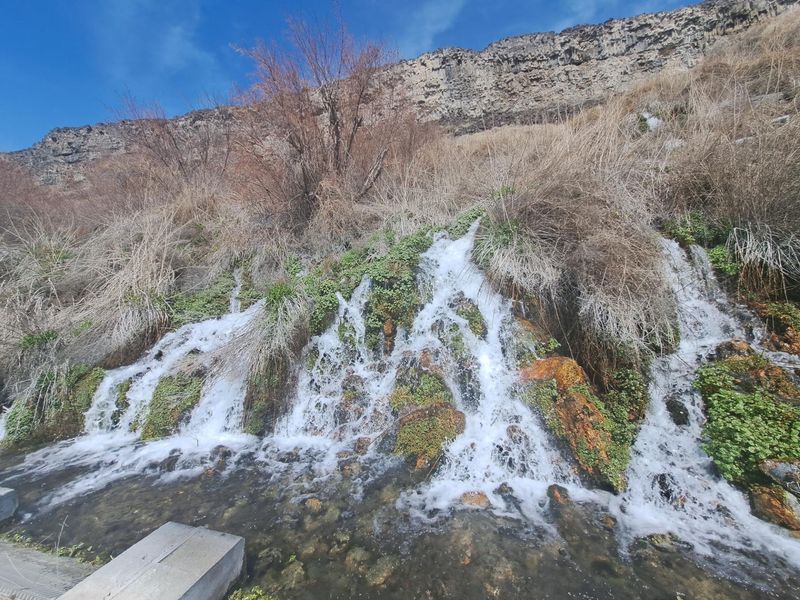
Look up, and you’re reading millions of years of volcanic history. The canyon walls formed from layer after layer of basalt lava, roughly 3.5 million years ago.
Each flow cooled into dark rock and stacked on top of the last. Over time, the river carved down through them and exposed the layers like pages in a thick book.
Now look down at the canyon floor. Large, rounded boulders sit scattered around, and they didn’t roll there by accident.
They’re leftovers from the Bonneville Flood about 15,000 years ago. That enormous rush of water tore through the Snake River Canyon and tumbled rocks smooth along the way.
Put the pieces together and the setting gets even better. Ancient lava built the walls, a giant flood decorated the floor, and aquifer water now pours out of the middle.
Kids who love rocks will have a field day here. Adults will too, honestly, once they realize those boulders have a better travel story than most of us.
Geology rarely feels this easy to see in one sweep.
Leave The Big Rig Home For This Steep Grade
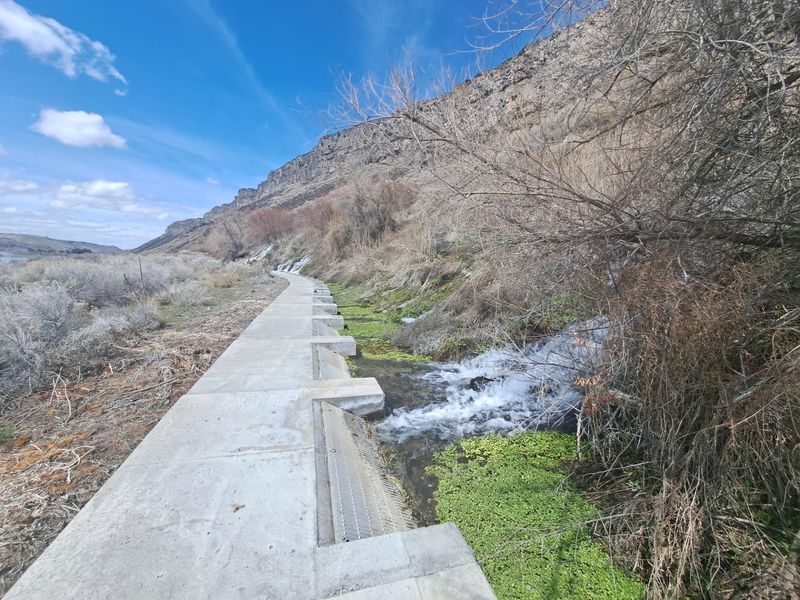
Getting here is half the show. The road drops from flat farm country straight down into the Snake River Canyon.
The grade is steep and narrow, so motorhomes and large trailers are a poor match. A regular car or truck handles the trip much more comfortably.
Winter adds another reason for caution. The canyon roads are graded, but slick conditions and tight curves call for a slow, careful pace.
The view shift is the reward for going slowly anyway. Fields give way to dark basalt walls, and suddenly the whole gorge opens up below you.
Near the bottom, the road passes the fish hatchery and narrows even more. A short bridge comes next, and the springs appear right beside the road.
Parking near the main spring is extremely limited. Arriving with some flexibility and patience makes life easier for everyone sharing that small pullout.
Plan to take your time on the way back up too, since the climb out is every bit as steep as the drop in.
Crystal Springs Lake Gives Anglers A Calm Corner
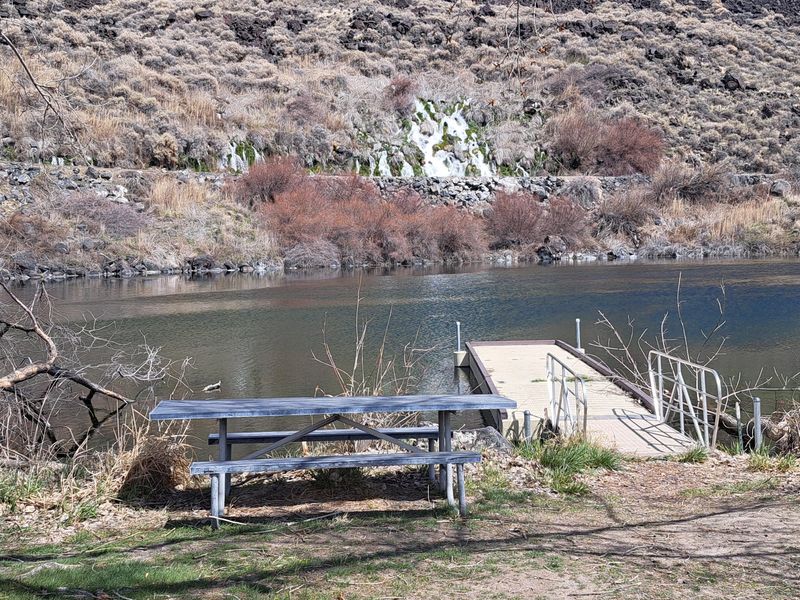
Fishing fans get their own reason to make the drive. Crystal Springs Lake covers about seven acres inside the park.
Docks line the water, so you don’t need a boat to cast. There’s also a handicap-accessible fishing site, which opens the lake to more anglers.
The setting helps the whole outing feel relaxed. Shade trees surround parts of the lake, and canyon walls rise in the background.
It makes a nice contrast with the roaring springs nearby. One minute you’re watching water blast out of a cliff, and the next you’re watching a bobber sit perfectly still.
Families can easily split their time between both moods. Let the kids gawk at the cascades, then settle them on a dock with a line in the water.
Remember that an Idaho fishing license applies for anyone old enough to need one. Checking current Idaho Fish and Game rules before you go saves a headache at the shoreline.
After that, the only real question is whether the fish feel like cooperating.
Herons, Pelicans And Other Canyon Regulars
Bring binoculars, because the birds didn’t miss the memo about this water. The Snake River and its semi-desert surroundings draw wildlife throughout the year.
Great blue herons and night herons work the shallows. White pelicans and cormorants also appear along the river.
Fall and winter can be especially lively. That’s when migratory waterfowl arrive and add even more traffic to the canyon.
The mix of habitats explains a lot. Cold springs, a calm lake, river water and dry slopes all sit close together here.
That variety gives wildlife plenty of options within a small area. It also gives you several spots to scan without walking far.
Quiet observers usually do best. Find a patch of shade, keep your voice low and let the herons go about their slow, serious business.
They take fishing far more seriously than most of us ever will, and watching one strike is worth the wait.
Know Before You Go: Fees, Seasons And Directions
A little planning keeps this trip smooth. The park sits at 2136 Niagara Springs Grade, Wendell, ID 83355, about 10 miles south of town.
Expect a motor vehicle entry fee of a few dollars at the state park booth. An Idaho State Parks Passport covers entry if you already have one.
The main springs are accessible year-round during daylight hours. The park keeps longer hours in summer, roughly from Memorial Day to Labor Day.
Schedules can shift, so check before driving. That’s especially smart in winter, when canyon road conditions matter more.
Parking near the main spring holds only a couple of vehicles. If it’s full, be patient and courteous, since the roadway there is narrow.
Wear sturdy shoes for the short paths near the cascades. A few smaller falls sit along the dirt road beyond the main spring, and reaching them involves a short hike.
Bring water, snacks and a little extra time, because leaving early is harder than it sounds.