This Idaho Lavender Farm Has Tours, Lavender You Pick Yourself, And A Shop Of Handmade Salves
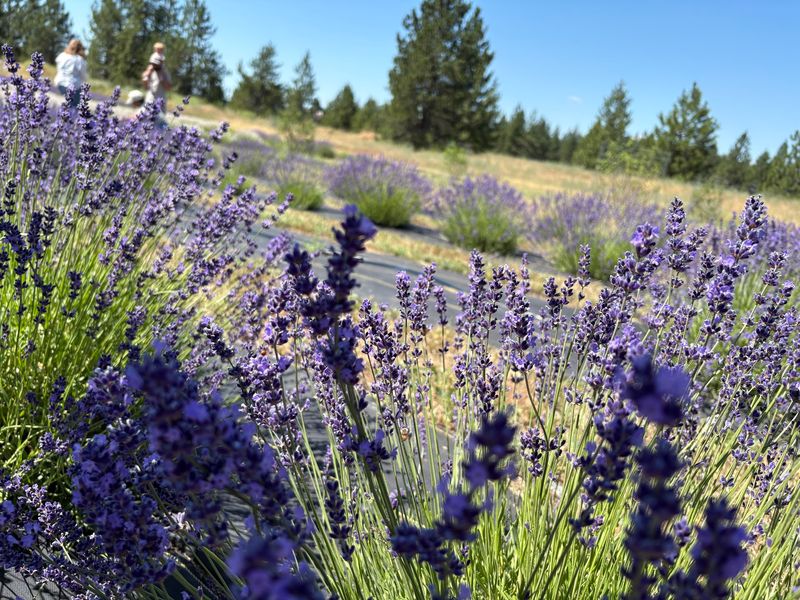
Purple rows, a pair of borrowed scissors, and a basket that slowly fills with stems you cut yourself make a summer morning in North Idaho feel different. Off an old highway in the Panhandle, a small family farm grows lavender the slow way and turns much of it into soaps, oils, and salves right on site.
The bloom only lasts a few weeks each year, so timing matters. Here is what to know before you go, from the fields to the little shop that smells like summer.
Ten Acres Between Two Lake Towns
Halfway is a handy place to be. Blooming Fields Lavender Farm sits in Athol, roughly 30 minutes north of Coeur d’Alene and about 30 minutes south of Sandpoint, right in the heart of the Idaho Panhandle.
That location makes it an easy add-on to a lake day in either direction. One visitor described it as a hop, skip, and a jump from Coeur d’Alene, which feels about right once you’re on the road.
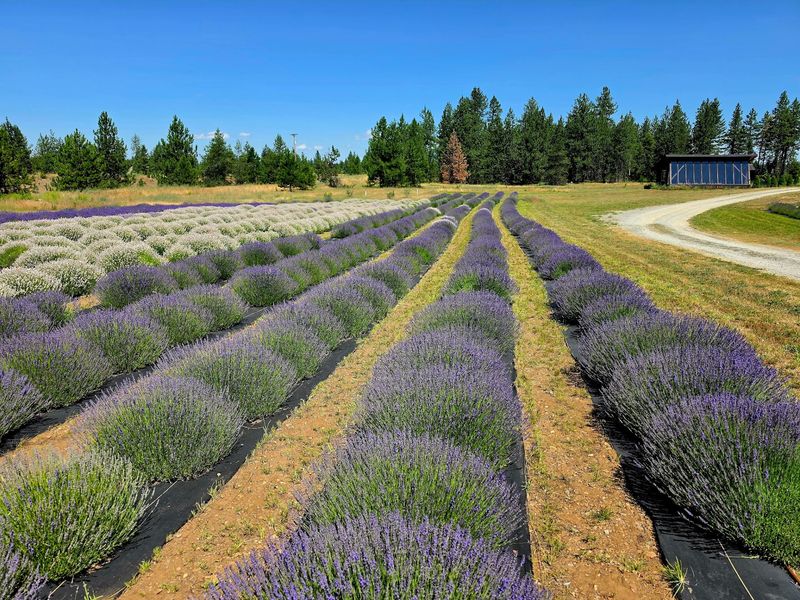
The farm itself covers 10 acres. It isn’t a sprawling operation with parking lots and ticket booths, but a family-run place where neat rows of lavender stretch across open rural ground.
Officially, it’s listed as a farm shop, and that’s a fair starting point. Still, the store is only part of the picture.
Visitors come for guided tours, the chance to cut their own bundles, and shelves of products made from the same plants growing outside the door.
Plenty of people drive past Athol on the way to somewhere else. For a few weeks each summer, though, this stretch of North Idaho gives travelers a very good reason to slow down, pull over, and breathe in deeply for a while.
A Family Farm Growing Its Own Way
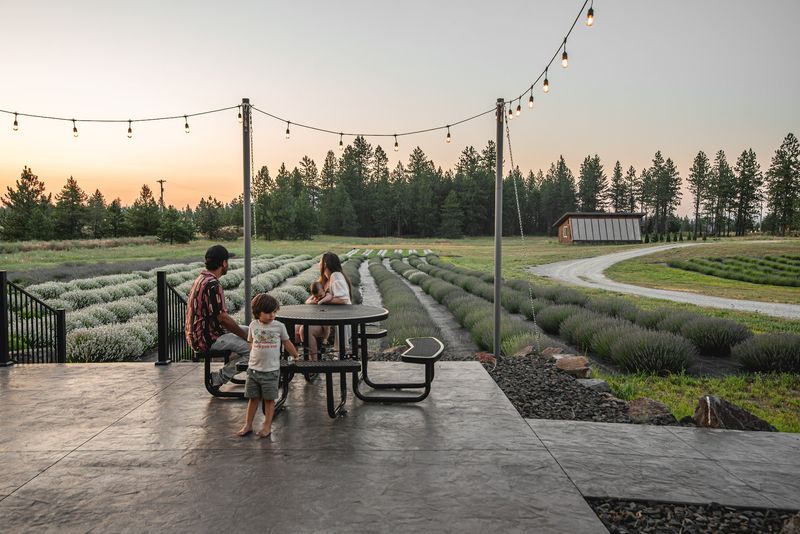
Behind every bundle is a hardworking couple. Blooming Fields is family owned and operated, and the people running it are often the same ones greeting guests, answering questions, and explaining what makes each plant different.
Their growing approach is simple but demanding. All of the lavender is raised without synthetic pesticides, herbicides, or fertilizers, which takes extra patience and plenty of hands-on care through the season.
Visitors regularly mention how friendly and informative the owners are. One guest noted that the family clearly has a vision for the farm, and that you can see it taking shape year after year.
That sense of growth runs through the whole place. Early visitors called it an upcoming farm, and later guests describe a well-kept field with more to see and do.
The farm has also shown up in the wider community. It has hosted events, including a gathering for remote school kids that featured lavender scones and lavender lemonade, and it has appeared at the Athol farmers market.
Small details like these explain why the farm feels personal. You’re not visiting a brand so much as visiting neighbors who happen to grow a lot of lavender.
Purple And White Rows Of Variety
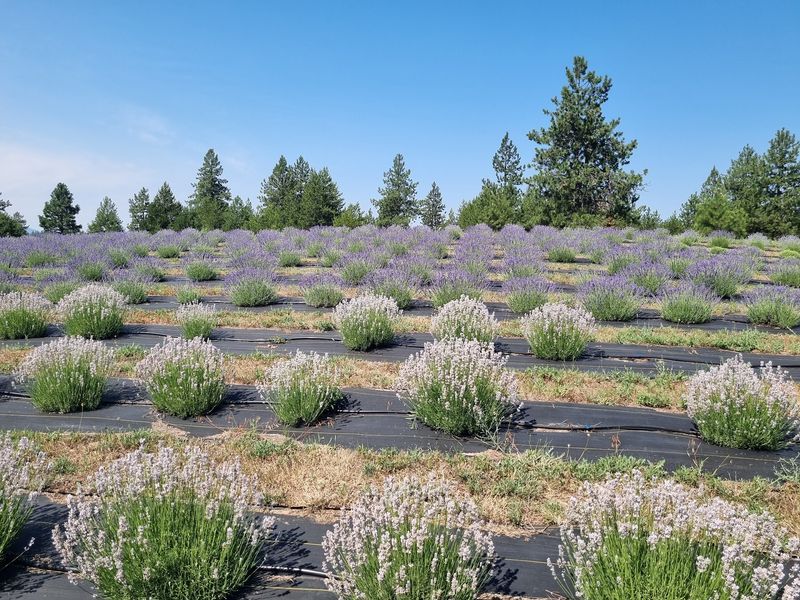
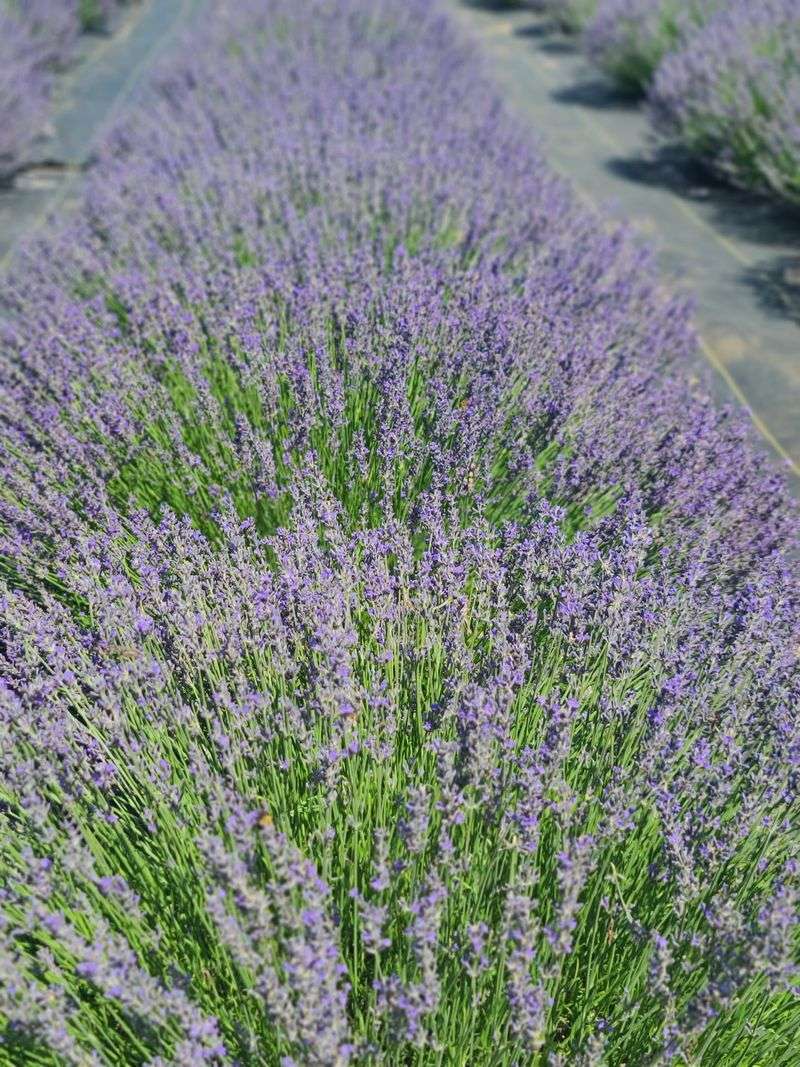
Not all lavender is the same shade of purple. Blooming Fields grows somewhere between 11 and 14 varieties, and the differences become obvious the moment you walk the rows.
Guests describe fields of both purple and white lavender, with some plants bred for scent and others favored in the kitchen. One recent visitor said their tour focused on four different types, each with its own look and use.
Here’s a fun detail worth knowing. Culinary lavender tends to have a softer, sweeter flavor, which is why cooks pick it for baking and desserts rather than reaching for the strongest-smelling plant.
Visitors have gone home with mixed bundles, like two of culinary lavender and one of a fragrant purple type. Another couple picked mostly culinary stems and turned them into homemade lavender ice cream.
Learning the varieties changes how you see a field. Rows that looked identical from the road suddenly show subtle differences in color, height, and smell.
So take your time between the plants. Lean in, compare the scents, and ask which one suits what you want to make, whether that’s a bouquet, a sachet, or something sweet.
Walking The Field With A Guide
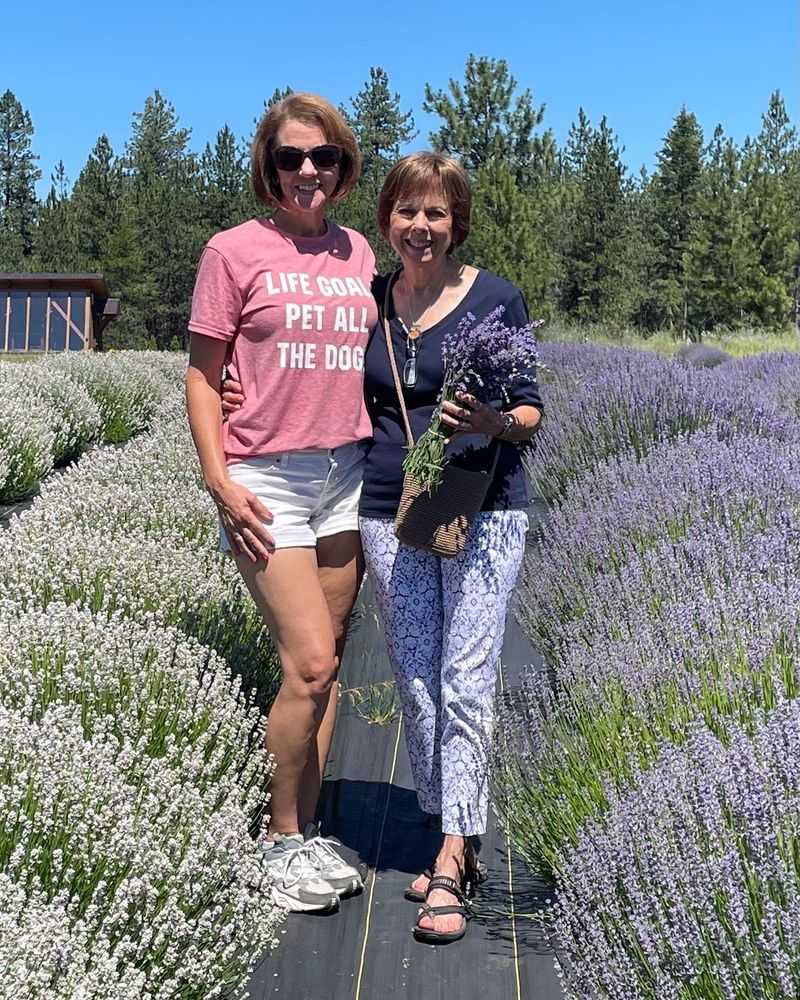
Curiosity gets rewarded on a farm tour here. Guides walk visitors through the fields and explain how lavender is grown, harvested, and turned into the products sold in the shop.
Farm tours come up again and again in visitor comments. Guests appreciate that the hosts take time to answer questions, no matter how basic, and share the reasons behind their growing choices.
One host, Stacey, gets mentioned by name for her friendly explanations. Visitors say she gave them a real education on the varieties and showed them exactly how to cut stems properly.
Some guests have even been shown the machines used to make the farm’s products. That peek behind the scenes helps connect the plants outside with the bottles and bars on the shelves inside.
Reservations are required for tours, so plan ahead rather than just showing up. Spots during peak bloom can be limited, especially on summer weekends.
For families, the tour turns a pretty stop into a small lesson. Kids get to see where a product actually comes from, and adults often leave knowing far more about lavender than they expected.
Scissors, Baskets, And Your Own Bundle
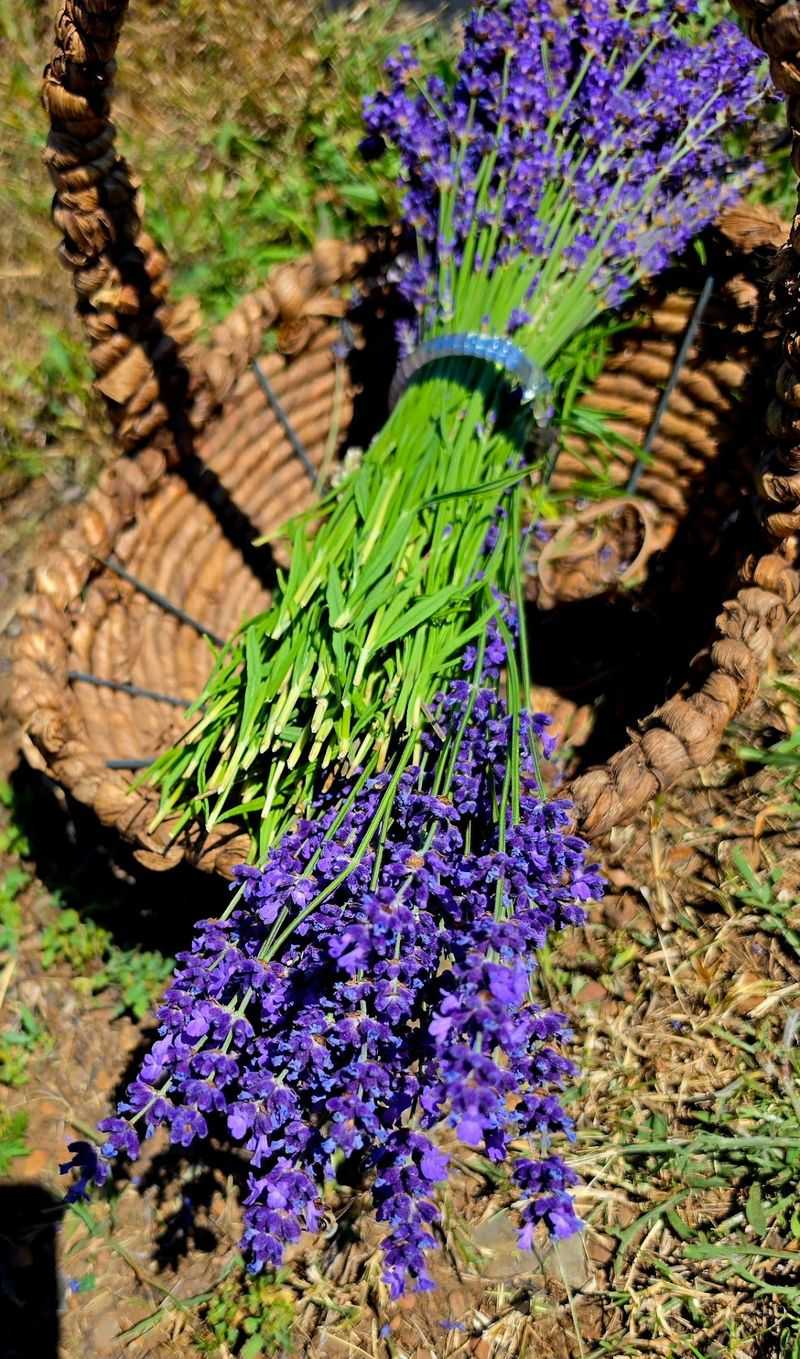
Overpacking is a common rookie move. One visitor admitted to searching online for what to bring to a lavender pick, then discovering the farm already provided scissors, a basket, and rubber bands.
So keep it simple. Sunglasses and sunscreen are the real essentials, since the rows are open to the summer sun.
U-pick is one of the farm’s biggest draws. After a quick lesson on cutting, you wander the rows, choose your stems, and bundle them up to take home.
Visitors call the experience super fun, and it’s easy to see why. There’s something satisfying about choosing each stem yourself instead of grabbing a bundle off a shelf.
Like tours, u-pick requires a reservation. Booking ahead helps the farm manage the fields and keeps the experience relaxed rather than crowded.
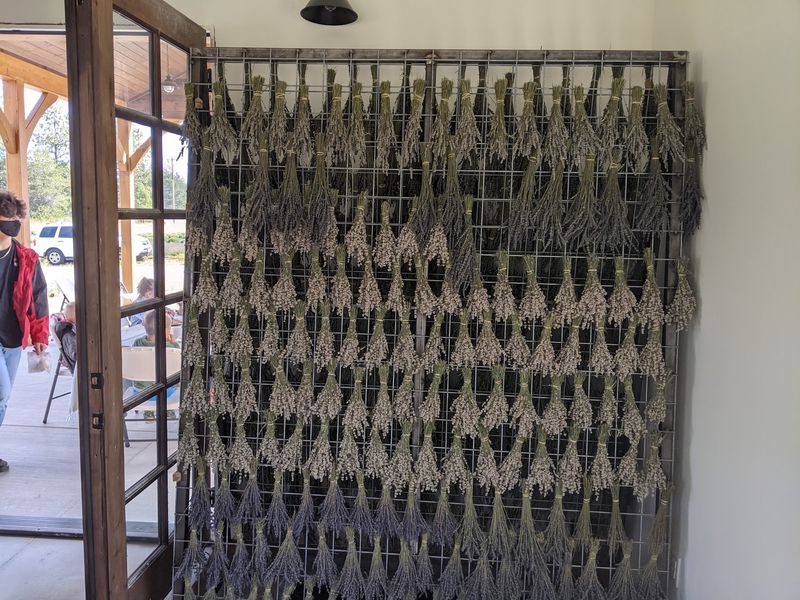
Not in the mood to cut? The farm also sells pre-cut bundles, and guests say those fresh bundles are very reasonably priced.
Either way, the car ride home will smell wonderful, and so will your kitchen or living room for days afterward.
Salves, Soaps, And Shelves That Smell Sweet
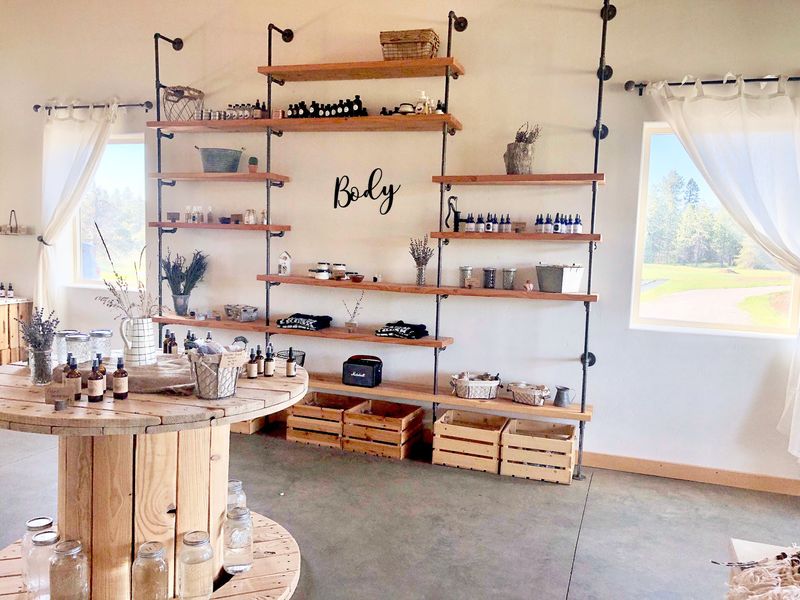
Step inside and your nose notices first. Visitors say the store smells yummy the moment the door opens, thanks to shelves packed with lavender goods.
The lineup is made right on the farm. Expect hand-poured salves, homemade soaps, lotions, essential oils, culinary lavender, sachets, aromatherapy sprays, and candles.
Salves get special attention from guests. One visitor who once made her own creams said the soap and hand salves were amazing, and another went home with lavender salve and a bouquet that left her living room smelling great.
Another favorite is the lavender body oil, which one regular called a must try. Gift baskets also bundle several products together, making it easy to sample the range or grab a present.
Prices are described as really reasonable, which helps when it’s hard to choose just one thing.
The shop itself has a rustic, elegant feel that guests find soothing. It’s a calm little room where browsing feels unhurried, and nobody rushes you toward the register.
Oil Pressed From This Year’s Harvest
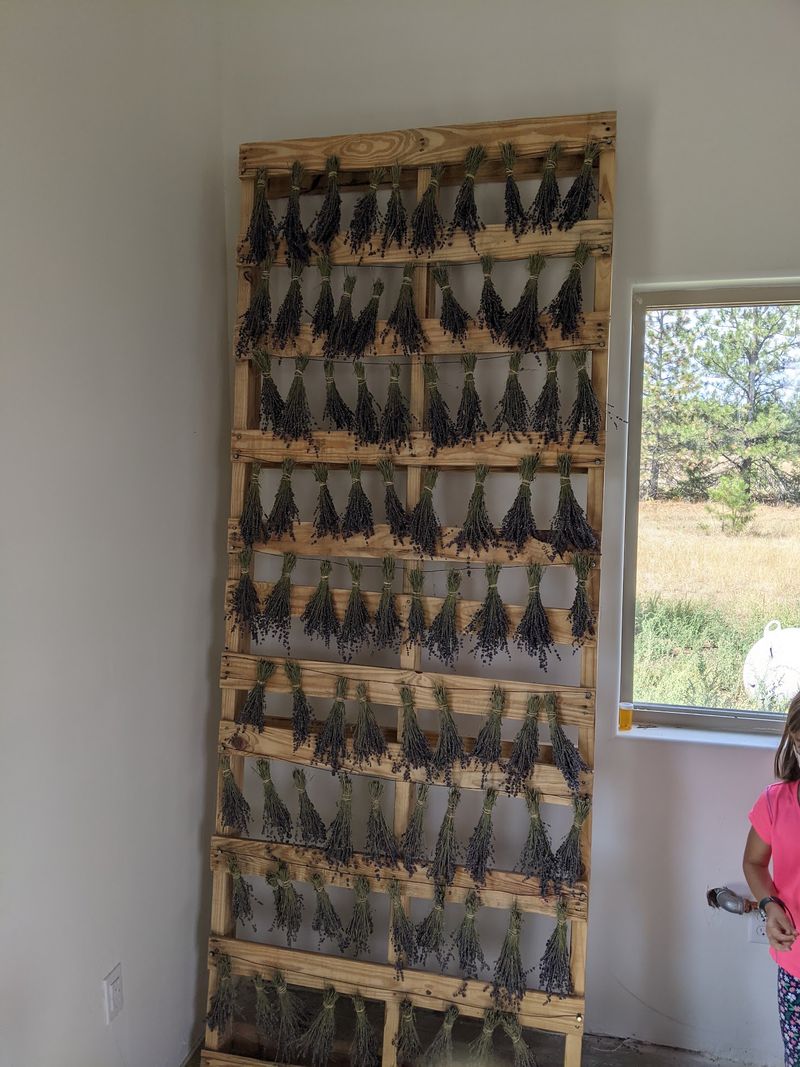
Turning flowers into oil takes a lot of flowers. Blooming Fields distills its own pure essential oil from its harvest, which means the bottles in the shop began as plants in the nearby rows.
Distilling lavender is an old process. Steam passes through the plant material, carries the fragrant oils with it, and then cools so the oil can be separated and collected.
Fun fact: it takes a surprisingly large pile of lavender to produce a small bottle of oil. That’s part of why farm-made oil feels a little special.
Visitors have mentioned being shown the equipment used on the farm, which makes the process feel real rather than mysterious. Seeing the setup in person helps explain why handmade products differ from mass-produced ones.
The oil then finds its way into other goods too, like sprays, lotions, and salves. Everything traces back to the same fields you just walked.
For anyone who likes knowing where things come from, this part of the farm may be the most interesting. It closes the loop between the purple rows outside and the tiny bottle in your bag.
Shade, Quiet, And A Slower Afternoon
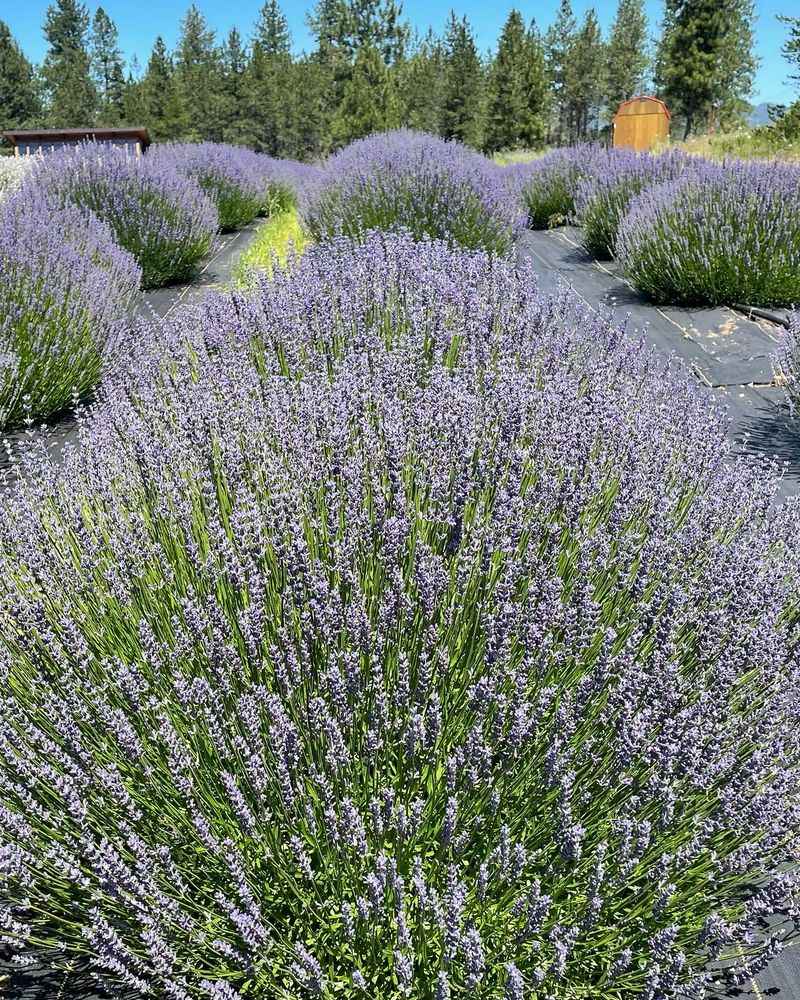
One visitor found the farm while waiting for her husband’s meetings to wrap up. She ended up resting and reading in the shade, calling the place an oasis.
That story sums up the mood well. Blooming Fields is calm, clean, and carefully kept, with a rural setting that encourages people to linger rather than rush.
Guests describe the grounds as impeccably maintained. Every detail seems considered, from the tidy rows to the welcoming shop.
Staff warmth comes up often. Visitors say the owners treat guests like family, which goes a long way toward making a first visit feel comfortable.
The atmosphere suits a wide mix of people. Couples enjoy the quiet, families like the hands-on picking, and solo travelers find a peaceful break from the highway.
Bees hum, the air smells sweet, and conversation tends to drop to a softer volume. Few stops in the Panhandle feel this relaxed.
Bring a little extra time if you can. A slow lap through the rows, a seat in the shade, and an unhurried browse inside make the visit feel complete.
Timing The Late June Bloom
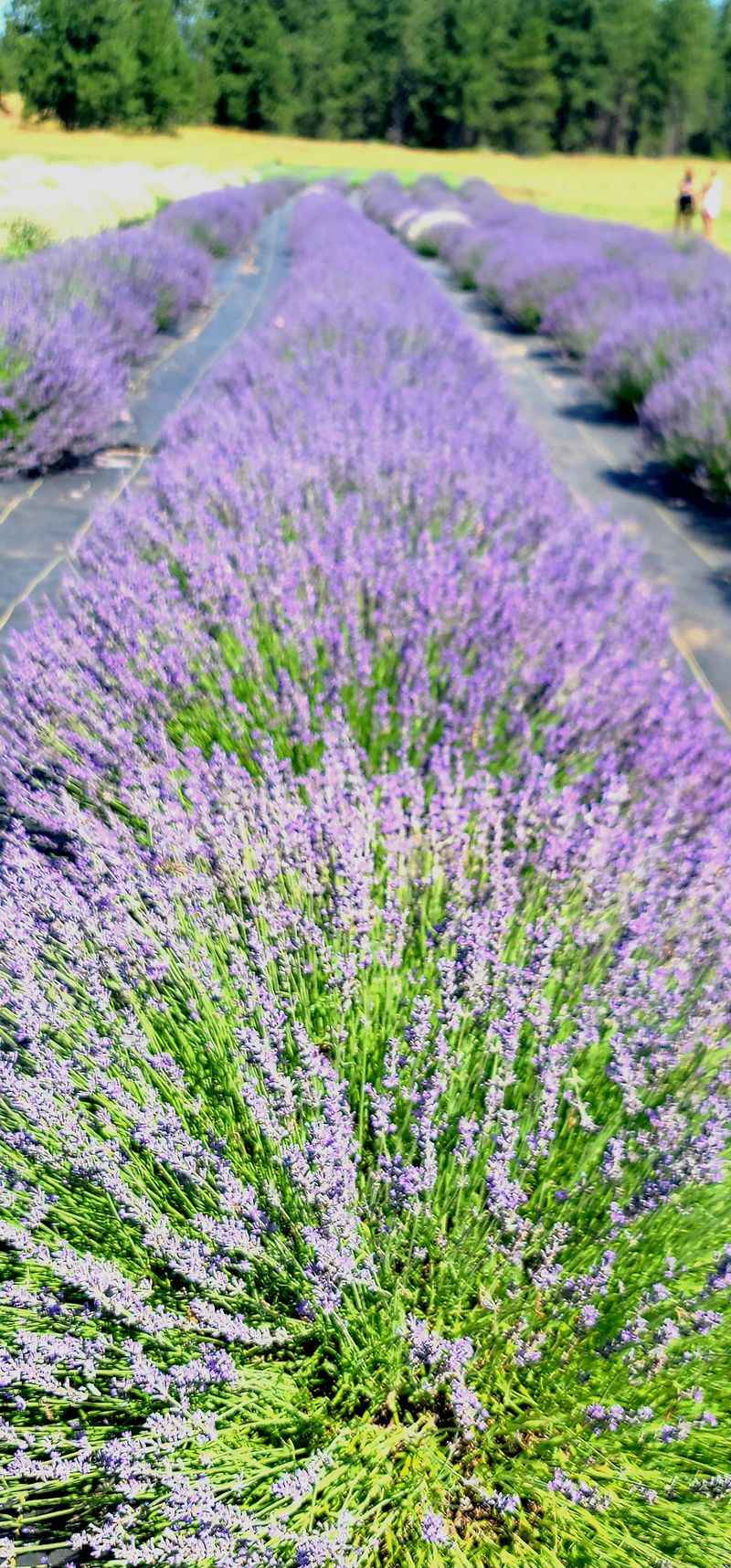
Calendars matter with lavender. The bloom at Blooming Fields typically runs from late June through July, which is when the fields look their fullest and u-pick is in swing.
The farm’s broader growing season generally runs from May through August. During that window, the farm store opens most days, though it closes on Mondays, so plan accordingly.
Hours can shift with weather and the plants themselves. Checking ahead before driving is always smart, especially if you have your heart set on picking.
Visiting outside the main bloom? The farm suggests reaching out in advance to see what’s available.
Winter doesn’t mean going without. The physical store is seasonal, but the online shop stays open year-round for salves, soaps, and oils.
For the best experience, aim for mid-bloom and book your tour or u-pick time early. Mornings tend to be cooler for walking the rows, and the scent is lovely in the warm summer air.
Mark it on the calendar now. Those few purple weeks pass quickly in North Idaho.
Finding Old Highway 95
Directions are refreshingly simple. Blooming Fields Lavender Farm is at 34391 N Old Hwy 95 in Athol, Idaho, just off the main north-south route through the Panhandle.
Visitors describe it as easy to find. One guest admitted it’s a bit out of the way but said the drive was well worth it.
From Coeur d’Alene, plan on about 30 minutes heading north. Coming from Sandpoint, it’s roughly the same drive heading south, making it an easy midday stop either way.
Pack a few basics before leaving. Sunglasses and sunscreen top the list, and comfortable shoes help in the rows.
Remember that tours and u-pick need reservations. Booking before you leave home saves disappointment at the gate.
Prices for bundles and products are described as reasonable, though it’s best to check current details before your trip.
Consider pairing the visit with other Athol stops or a lake afternoon nearby. A lavender morning followed by a picnic makes for a full, easy summer day in North Idaho without much time spent behind the wheel.
Worth A Summer Detour
Repeat visits say a lot. One guest returned a second year and brought more family along, and plenty of others say they can’t wait to go back.
That loyalty makes sense. Blooming Fields offers something specific and hands-on: real fields, real people, and products made a few steps from where the lavender grows.
It’s not a theme park. Expect a quiet family farm, a small shop, and a short season that rewards good timing.
For North Idaho locals, it’s a nearby outing that feels special without a long drive. For travelers, it’s a memorable break between Coeur d’Alene and Sandpoint.
Bring home a bundle you cut yourself, a tin of salve, or a culinary pouch for baking. Each one carries a little of that summer afternoon with it.
Some guests call it one of their favorite places in North Idaho. Visit during the bloom, take your time in the rows, and you’ll likely understand why.
Just book ahead, check the season, and leave room in the car for the scent.