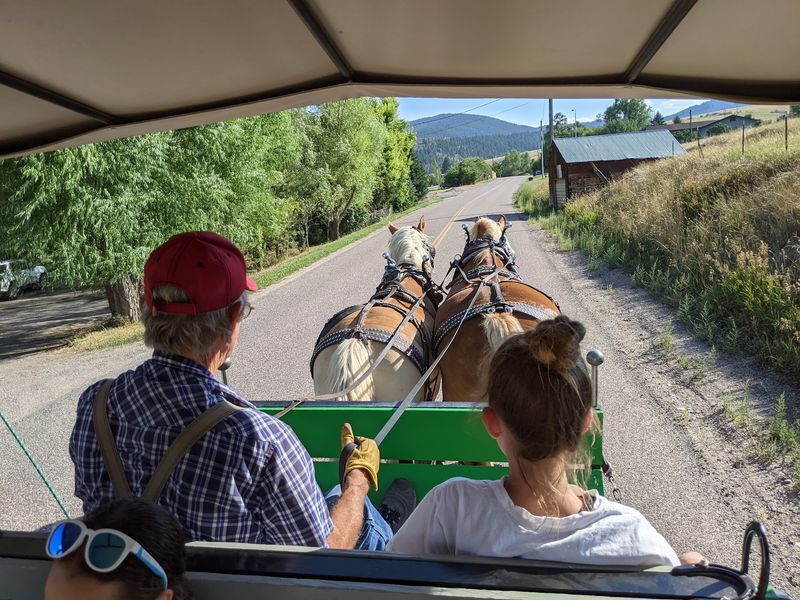
Stargazers Are Watching The Leonids From These 5 Idaho Dark Sky Spots Next Week
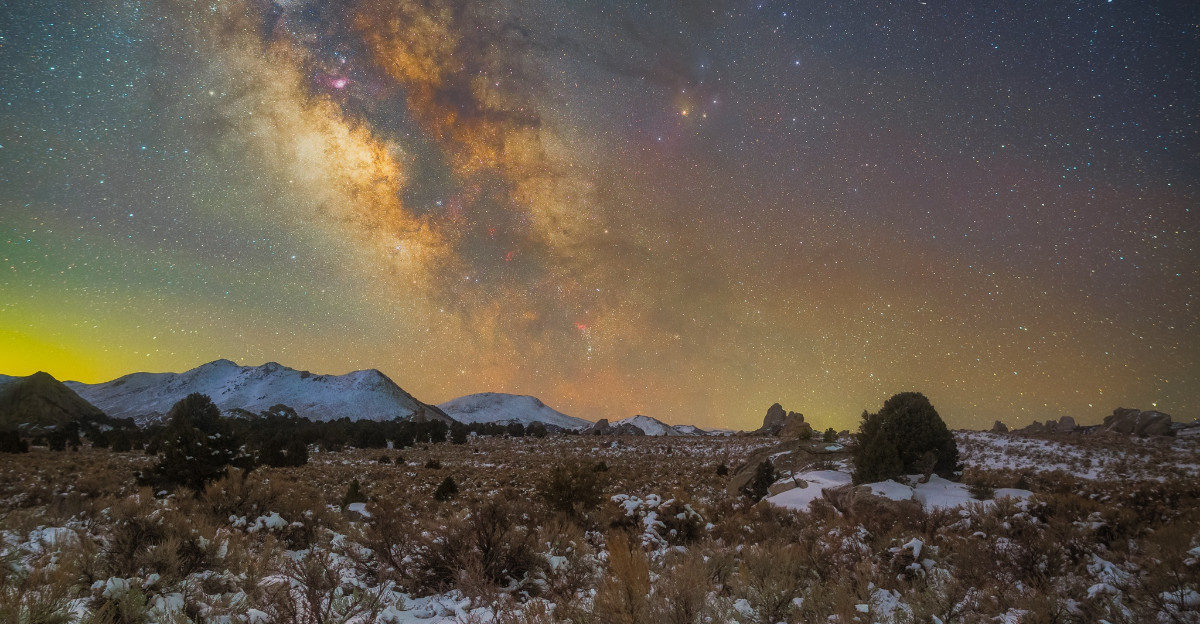
The Leonid meteors hit our atmosphere at roughly 44 miles per second. That makes them some of the fastest shooting stars of the whole year.
They come from dust left behind by Comet Tempel-Tuttle. Each November, Earth plows right through that old trail of crumbs.
The bits are tiny, but the streaks they leave can be bright and quick.
I love that Idaho has some of the darkest skies in the country for this show. We have official dark sky parks and even a huge dark sky reserve.
That means fewer streetlights and more meteors for anyone willing to bundle up.
These spots below each bring something different to a cold night outside. One sits on old lava, and another sits beside giant sand dunes.
Which one would you pick for a few hours under the stars?
1. Craters Of The Moon National Monument & Preserve
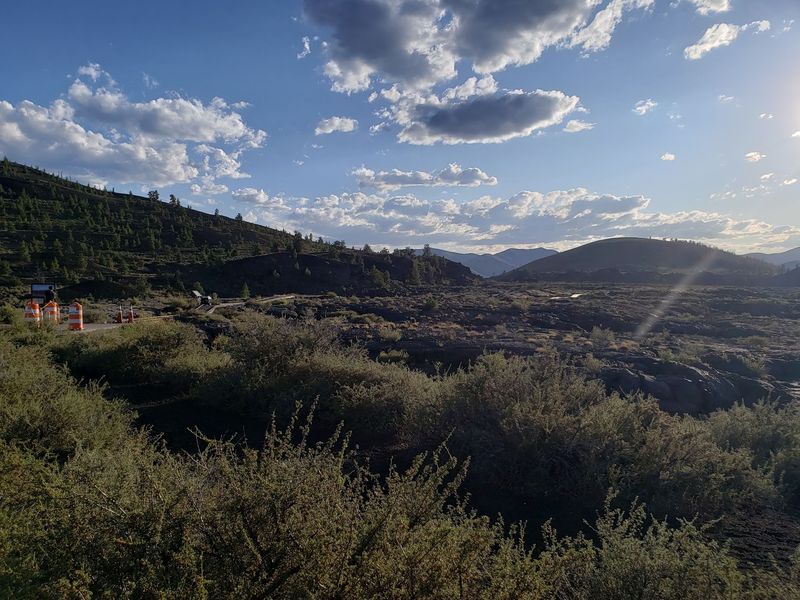
Astronauts once trained on this lava, so watching meteors here feels a bit like borrowing their homework. The ground looks like a different planet, and the sky plays along.
Miles of dormant lava fields spread out in every direction. You’ll find cinder cones, splatter cones, and lava tubes formed by ancient volcanic eruptions.
The monument holds International Dark Sky Park status. That label means the night sky here gets real protection from stray light.
Better yet, the monument stays open 24 hours a day. You won’t have to pack up right when the Leonids start picking up speed.
Paved trails and informative plaques make the area easy to explore. Scout a spot in daylight so you’re not stumbling over lava rock in the dark.
A visitor center, picnic tables, and public restrooms help on a long night. Kid-friendly hikes make it a smart pick for families, too.
November nights out on the Snake River Plain can get bitterly cold. Pack extra layers, a thermos of cocoa, and a sleeping bag to sit in.
Lie back on a pad and let your eyes adjust for about 20 minutes. The black lava below and the black sky above make each streak pop.
Address: 1266 Craters Loop Road, Arco, ID 83213
2. Bruneau Dunes State Park
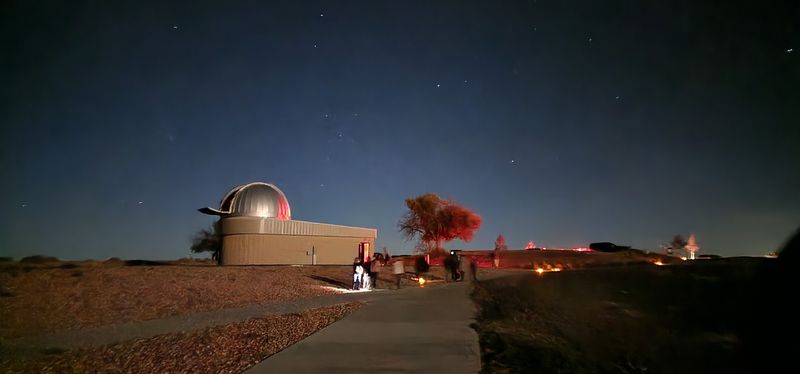
Sand dunes and shooting stars sound like a desert postcard, yet you can find both in Idaho. Bruneau Dunes pairs giant piles of sand with some seriously dark skies.
Here’s a fun fact for your next trivia night. The park holds the tallest single-structured sand dune in North America.
It also has an on-site observatory, which tells you how much the park cares about the night sky. Observatory programs run seasonally, so check before driving if you hope to catch one.
The park lists day hours of 7 a.m. to 10 p.m. Camping is your ticket to staying out for the late meteor action.
Campers get bathrooms with showers, electric hookups, fire pits, and picnic tables. A hot shower after a frosty night of sky watching sounds pretty great.
Daytime gives you plenty to do before the show. You can climb the dunes, fish the pond, or let the kids burn energy at the playground.
Dogs are allowed, so your four-legged buddy can join the stakeout. Just know they probably won’t care much about the meteors.
The quiet setting south of Mountain Home keeps city glow far away. Grab a blanket, face the dunes, and start counting.
Address: 27608 Bruneau Sand Dunes Rd, Bruneau, ID 83604
3. Galena Summit Overlook
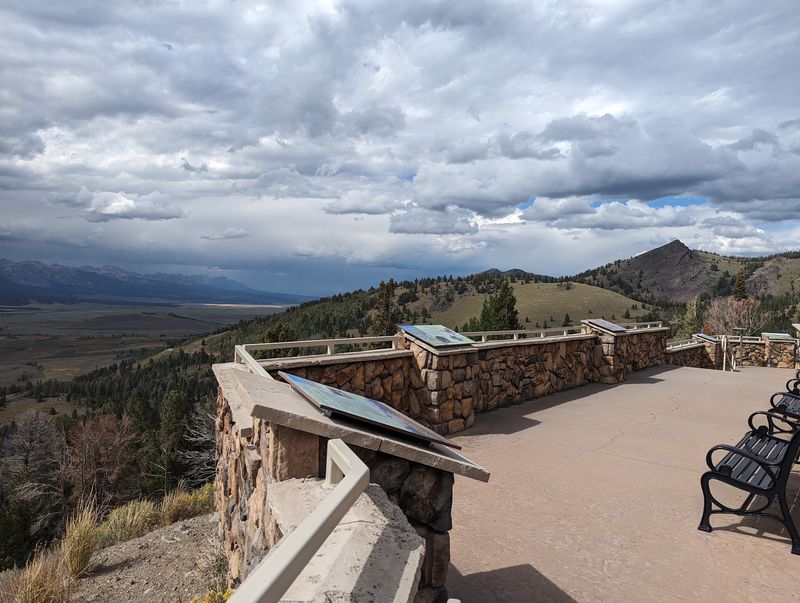
Few roadside pullouts come with a view this big. Galena Summit Overlook sits high above the Sawtooth Valley on Highway 75.
From here, you look out over the jagged Sawtooth Mountains. You can also spot the headwaters region of the Salmon River below.
The overlook falls inside the Central Idaho Dark Sky Reserve. It’s a gold-tier reserve, the first of its kind in the United States.
Gold tier means the darkness here ranks among the best anywhere. On a clear night, the stars can feel close enough to bump your head on.
Informational displays share what you’re seeing during daylight. At night, the sky becomes the main exhibit.
The overlook offers wheelchair-accessible parking and an accessible entrance. That makes it a solid choice for stargazers who need easy access.
There’s no restaurant up here, so pack snacks and something hot to drink. A camp chair and thick gloves are smart additions, too.
Elevation brings cold air, and November weather can change fast on this pass. Check road conditions before driving, since winter can arrive early in the Sawtooths.
Pull over, kill the headlights, and look up. The mountains do a great job of hiding any distant glow.
Address: Galena Summit Overlook, Highway 75, Sawtooth City, ID 83340
4. Sawtooth National Recreation Area
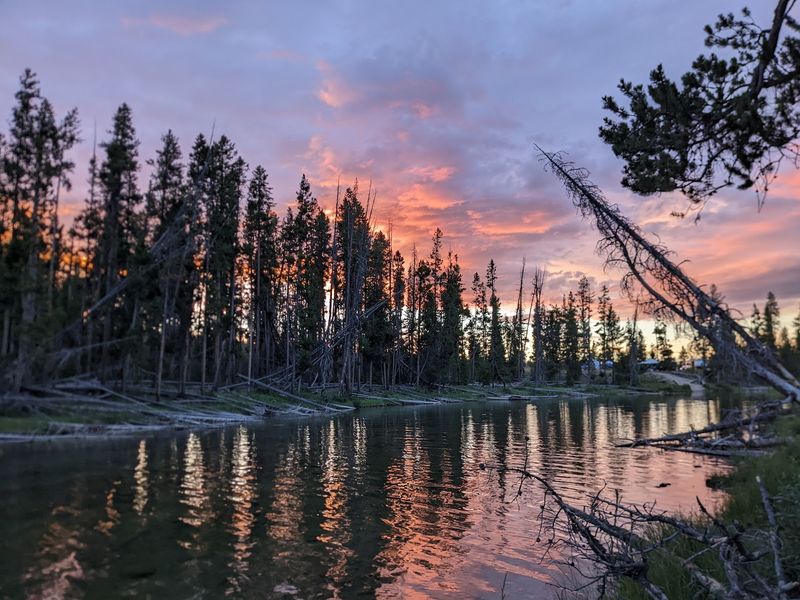
Darkness is so serious here that even one visitor center light can earn a grumble. That’s how protective folks get about the night sky in this corner of Idaho.
The Sawtooth National Recreation Area forms the heart of the Central Idaho Dark Sky Reserve. Its vast public lands give you plenty of room to spread out.
Mountains, lakes, and valleys stretch across the area. You can pick a spot and claim your own private chunk of sky.
Meteor watchers love wide, open views with little interference. This area delivers that across huge swaths of land.
The headquarters sits north of Ketchum on North Fork Canyon Road. It’s a smart first stop for maps and advice on where to go.
Families will find plenty of room for kids to explore by day. Then everyone can bundle up and wait for the Leonids after dark.
Roads into the high country can turn icy in November. Give yourself extra time and check conditions before heading out.
A reclining chair saves your neck during a long watch. Face away from any towns, and be patient with the slow stretches.
Every streak that crosses above the Sawtooths feels like a small reward. Here’s hoping you catch a fireball.
Address: 5 N Fork Canyon Rd, Ketchum, ID 83340
5. City Of Rocks National Reserve
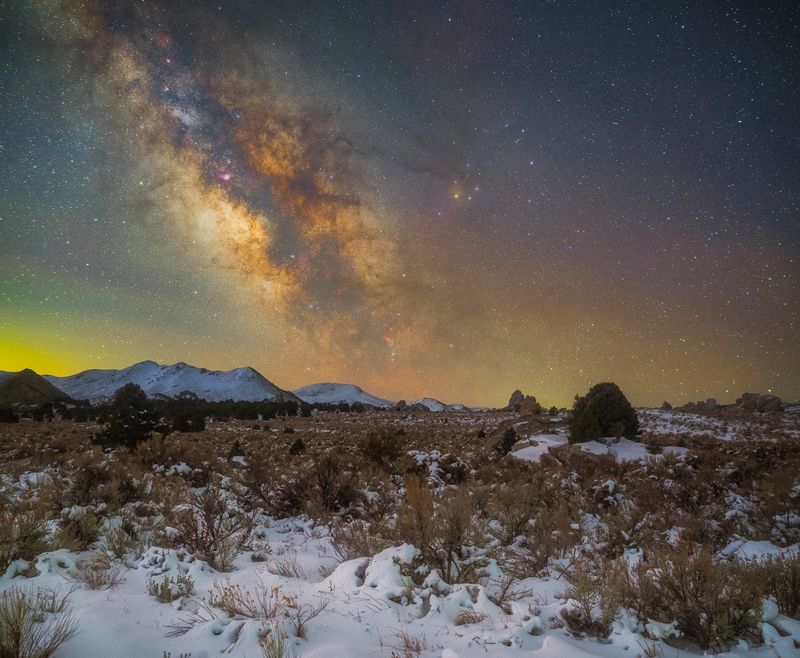
Some of these granite formations date back about 2 billion years. That makes a passing meteor look like a brand-new arrival by comparison.
City of Rocks sits in rural Cassia County near the Utah line. It’s an International Dark Sky Park, and the remote setting keeps the skies wonderfully black.
Towering granite spires rise all around the reserve. At night, they turn into dark shapes framing your piece of sky.
The reserve stays open 24 hours a day. That’s handy, since meteor showers often get better in the hours before dawn.
Camping is your best move for a late night here. The reserve has 63 campsites, and sites 61 through 63 are remote with fantastic stargazing.
Want a pre-show warm-up? Finger Rock is a great spot to catch the sunset before the stars arrive.
Climbers flock here by day, and hikers find plenty of short trails. The visitor center staff know the area well and can help you plan.
Picnic tables and restrooms make a long evening easier. Dogs are welcome, too, if your pup enjoys a chilly night.
Bring a headlamp with a red light setting. Your night vision will thank you.
Address: Almo, ID 83312