Step Back In Time In Connecticut On Rails Full Of History
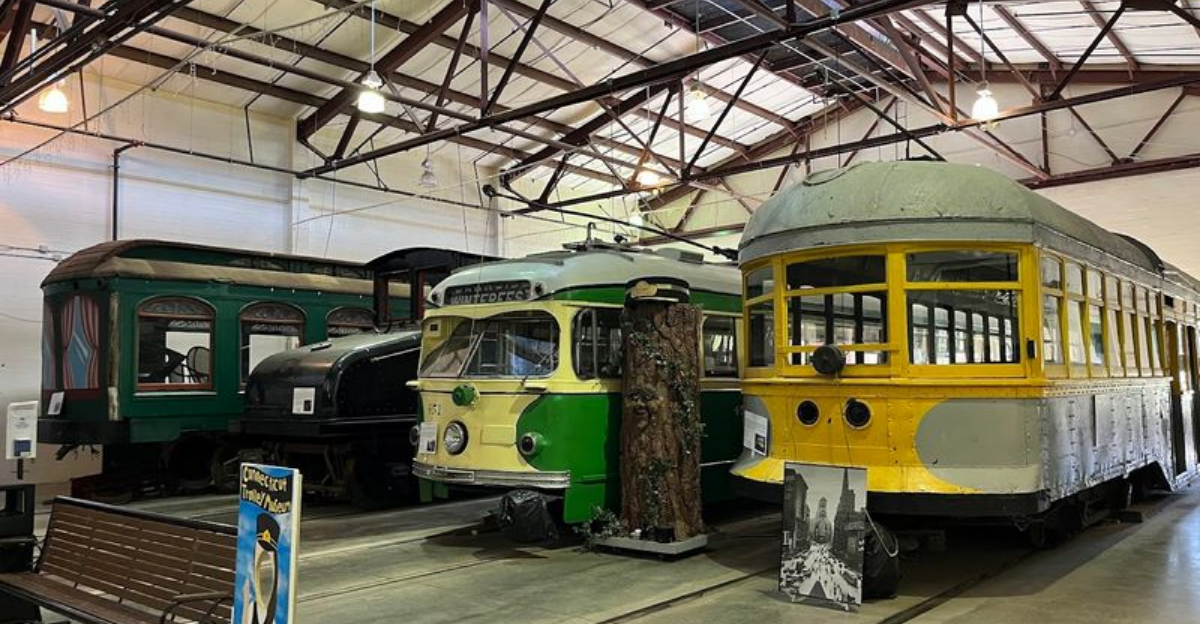
There is something about old trolleys that hits differently from every other form of transportation nostalgia and this place captures that feeling better than anywhere else.
Restored cars that actually run, history you can sit inside rather than just read about on a placard, and an atmosphere that makes the whole visit feel genuinely interactive rather than just observational.
The kind of museum that works on every level regardless of how much you thought you cared about trolley history before you arrived. Stepping back in time in Connecticut on rails full of history has a way of turning even the most casual visitor into someone who leaves with a real appreciation for what public transportation looked like before everything got replaced.
Kids love the rides and adults get pulled into the stories behind each car in a way nobody really saw coming. One of those afternoons that surprises you completely and sticks around in the memory long after.
1. Historic Rails Set The Scene In East Windsor
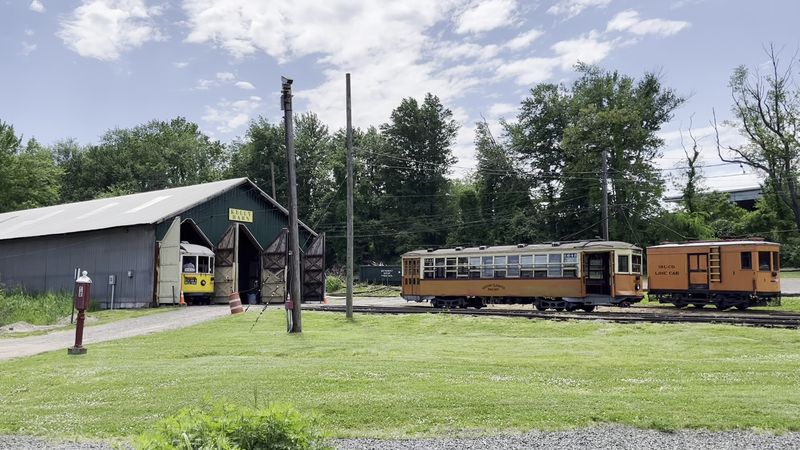
A visit to the Connecticut Trolley Museum feels like pressing pause on modern life and letting the past roll in on steel rails. The setting in East Windsor does half the work right away, with real working track, leafy stretches along the route, and barn-style buildings that make the whole place feel grounded rather than overly polished.
It is the kind of museum where history does not sit quietly behind glass. Here, it moves, rumbles, and invites you to come along for the ride.
Part of the fun is how sensory the experience feels. The smell of old wood and metal, the sound of wheels on the track, and the sight of vintage trolley cars lined up for visitors make the place feel alive before you even dive into the exhibits.
Families can take their time, kids have room to stay curious, and the open layout keeps the visit feeling easy instead of crowded.
Parking is available on site, and the entrance area is stroller-friendly, which makes arrival simple. You’ll find the museum at 58 N Rd, East Windsor, CT 06088, tucked into a quiet part of town that suits its old-fashioned charm.
From the first few minutes, it feels like a ride worth taking.
2. The Ride Is Part Of The Museum Experience
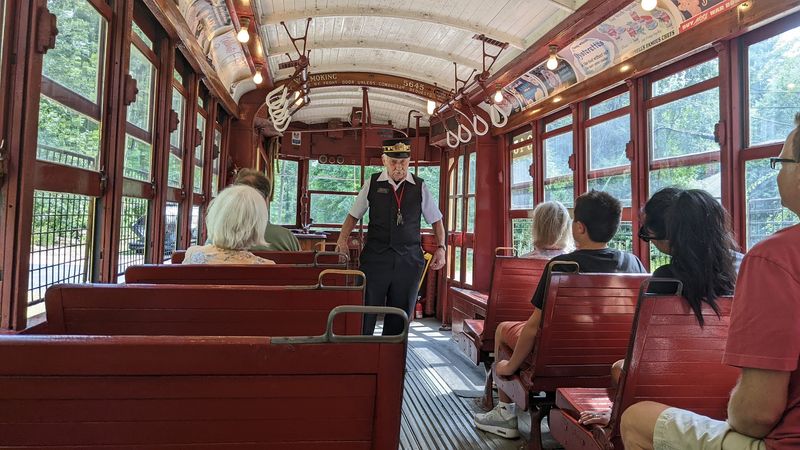
A museum that lets visitors actually ride the collection is doing something most institutions only dream about. At the museum, the trolley ride is not a bonus feature added to the side of the experience, it is the centerpiece around which everything else is built.
Boarding a car that is well over a century old and feeling it move along real track is genuinely difficult to describe without sounding like an exaggeration.
The round-trip route takes riders through a stretch of wooded landscape, crossing over an actual road at one point where the conductor stops traffic just as operators did generations ago. That single moment tends to get a reaction from nearly every age group on board.
The pacing is relaxed enough to take in the scenery without feeling rushed.
Seats on some of the cars have reversible backs that flip so passengers always face the direction of travel when the trolley changes direction. Kids tend to find this feature endlessly entertaining, and adults usually admit they do too.
The conductor and motorman often share historical context during the ride, keeping the experience informative without turning it into a lecture. It is the kind of transportation history that genuinely sticks.
3. Old Trolley Details Make Every Stop Worth Noticing
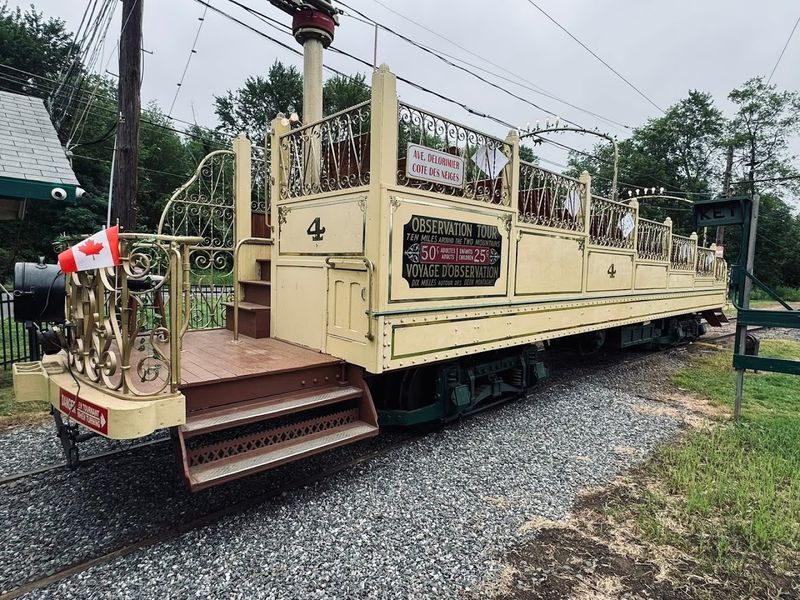
Small details inside a trolley more than a hundred years old can be surprisingly captivating. The worn edges of a wooden armrest, the mechanical simplicity of a hand brake, and the way light filters through old glass windows all reward slow, careful looking.
Rushing through the collection would mean missing much of what makes it special.
Original conductor controls on several of the cars are still intact, giving a clear picture of just how hands-on the job of operating a streetcar actually was. The physical effort involved in stopping, starting, and signaling a heavy vehicle through city streets becomes much easier to appreciate when the equipment is right in front of you rather than described in a textbook.
Some of the cars have dress-up stations and interactive elements near them, which gives younger visitors a tactile way to connect with the history. Even details like the style of the destination signs or the shape of the headlamps carry information about the period and place each car came from.
Paying attention to those smaller elements turns a single walkthrough into a genuinely layered experience that holds up well on repeat visits.
4. Families Can Learn Without Feeling Stuck Indoors
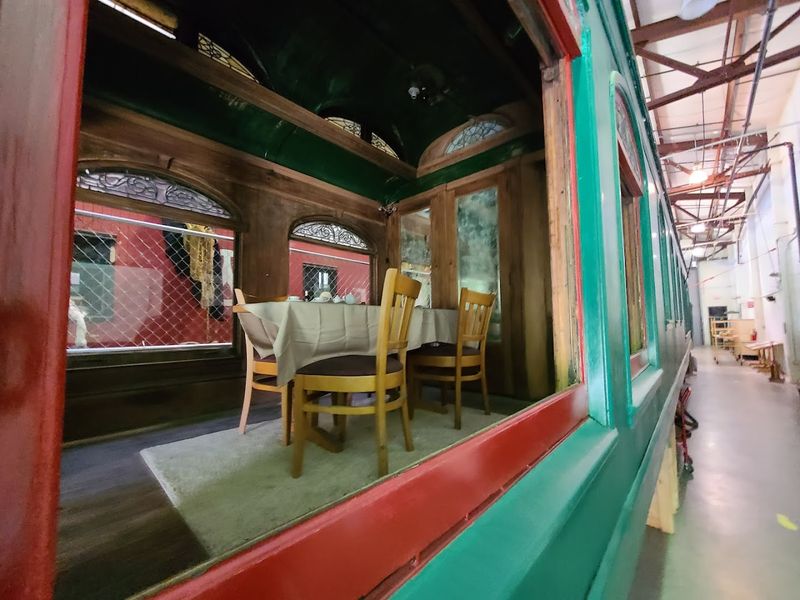
One of the more practical things about the Connecticut Trolley Museum is that it manages to be educational without feeling like a classroom. The combination of outdoor space, hands-on vehicles, and an actual moving ride gives families a variety of ways to engage with the material rather than relying on reading panels alone.
Kids who might lose interest in a traditional exhibit tend to stay curious here because there is always something to touch or climb into.
The visitor center has activity areas that include train tables and hands-on stations suited to younger children, which helps when energy levels vary across a group. The layout of the property also allows for some outdoor time between indoor sections, which can make a real difference on a warm day when sitting still is the last thing on a child’s mind.
An attached fire museum on the same property is included with admission and adds another layer of interest for kids who are drawn to vehicles of any kind. Historical fire trucks and equipment fill the space, and the contrast between the two collections keeps the visit from feeling repetitive.
For families looking for something genuinely different from a standard day trip, the range of things to do here covers a surprising amount of ground without requiring a full day to complete.
5. Seasonal Events Add Extra Magic To The Visit
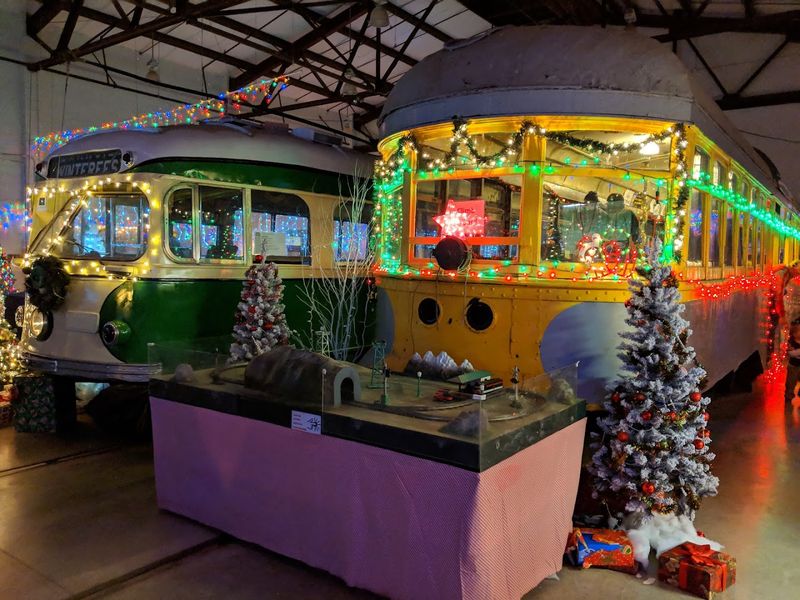
Special events give the museum a different feel throughout the year. In fall, the Pumpkin Patch Trolley brings families out for a seasonal ride and a visit tied to autumn traditions.
It is one of the museum’s better-known family events, and advance tickets are a smart choice because popular departure times can fill.
During the holiday season, Winterfest and the Tunnel of Lights turn the museum into a bright evening attraction. Visitors ride through displays while the museum grounds and interior spaces are decorated with thousands of lights.
It gives the historic trolley ride a festive setting without taking away from the charm of the old cars themselves.
These events make return visits feel worthwhile because the property changes with the season. A regular daytime trip is still the best way to focus on the collection, but seasonal programs add color, music, decorations, and a more celebratory atmosphere.
Checking the museum’s current calendar before go
6. Summer Afternoons Feel Made For A Trolley Ride
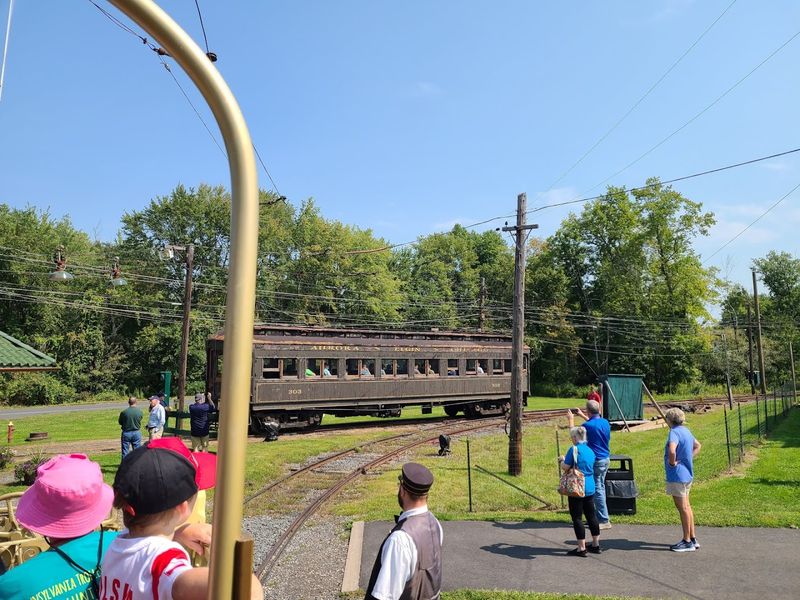
Warm weather is a good time to visit the museum because the ride, outdoor areas, and historic setting all work well together. The trolley route gives visitors a slower view of the property and surrounding landscape, making the trip feel relaxed rather than rushed.
On pleasant days, the ride is especially enjoyable because the open air and green surroundings add to the old-fashioned feel.
Summer visits also give families more room to pace themselves. Instead of moving only from exhibit to exhibit indoors, visitors can spend time outside, watch the trolleys arrive and depart, and take breaks between parts of the museum.
Picnic tables are available, so bringing lunch can turn the visit into a longer outing without needing to leave the property right away.
Weekends can bring more visitors, especially when the weather is good, so arriving earlier in the day can make the experience smoother. The museum is open rain or shine, though trolley rides may be paused or canceled during thunderstorms.
Checking the day’s schedule before leaving home is the safest way to plan around ride times and weather.
7. The Collection Shows How People Once Traveled
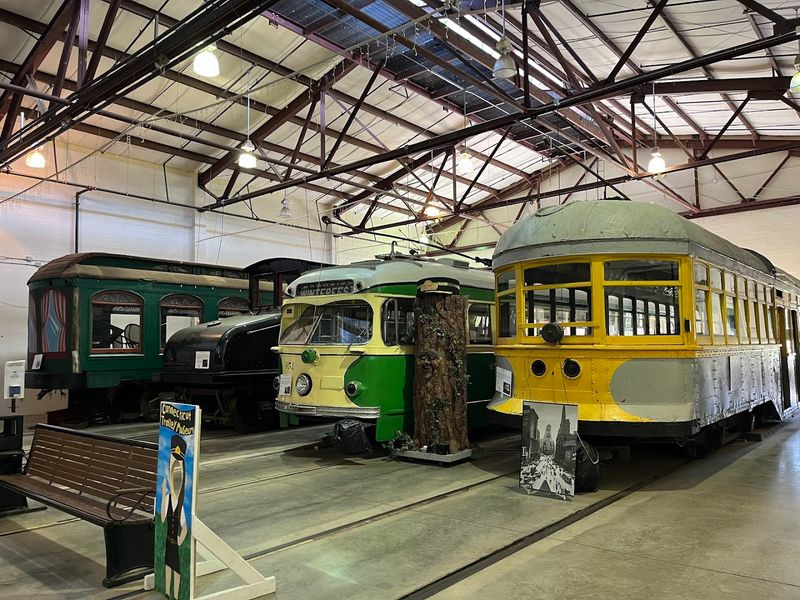
This museum preserves a large collection of trolley and rail equipment that shows how people once moved through towns, cities, and surrounding communities. The museum’s collection includes more than 70 pieces of rail equipment, with examples dating back to 1869.
That range gives visitors a look at different stages of street railway and transit history rather than a single moment in time.
Some pieces are restored for operation, while others are displayed as historic equipment. Together, they show changes in materials, design, seating, controls, and passenger comfort.
Looking closely at the cars makes it easier to imagine daily travel before private automobiles became the center of American transportation.
The collection includes passenger and freight trolley cars, interurban cars, railway equipment, service cars, locomotives, and other related pieces. Some came from Connecticut, while others came from cities and transit systems beyond the state.
That variety helps explain how widespread trolley travel once was and how many different forms it could take.
For visitors, the best part is that the history is physical. You can see the size, shape, wear, and craftsmanship up close.
8. This Museum Turns History Into A Moving Adventure
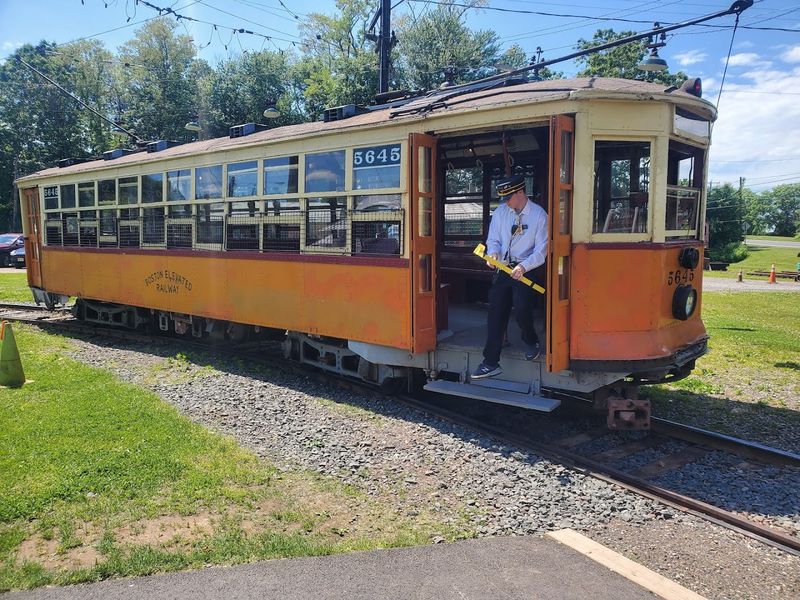
This museum works because the history does not stay still. Visitors can look at historic trolley cars, learn about the role they played in everyday travel, and then ride one along real track.
That moving element makes the visit feel different from a standard museum, especially for children or anyone who connects more easily with history when they can step inside it.
The trolley ride is included as a central part of the experience during regular operation, and it gives the collection a sense of life. Seats, windows, controls, sounds, and movement all help show what older transit felt like in a way photographs cannot fully capture.
The ride also gives visitors a break from reading displays while still keeping them connected to the story.
The museum also offers group options and birthday parties, including use of trolley #1326, known as the Birthday Party Trolley. That detail fits the spirit of the place: historic equipment is not treated only as something behind a rope.
It is used, shared, and kept meaningful for new generations.
For a day trip, the museum offers a rare mix of transportation history, hands-on learning, and a ride people actually remember.