12 Surprisingly Affordable Small California Towns To Visit Before Summer Ends
Summer does not have to finish with one last expensive getaway.
A tank of gas, a modest lunch budget, and a small town with enough to fill an afternoon can still go a long way.
The trick is choosing places where the scenery, downtown wandering, and simple pleasures do not all come with premium vacation pricing.
California has small towns where a late-summer escape can feel memorable without turning into a financial headache.
Use the savings wisely. Stay somewhere basic. Pick the local café instead of the fanciest reservation. Walk more. Browse slowly.
Spend on the one thing that actually feels worth remembering and skip the rest. These 12 towns make that approach surprisingly easy.
You get the getaway feeling and one last excuse to stretch summer a little longer. Your bank account gets to come home relaxed too.
1. Crescent City, Redwoods And Rugged Shoreline For Almost Nothing
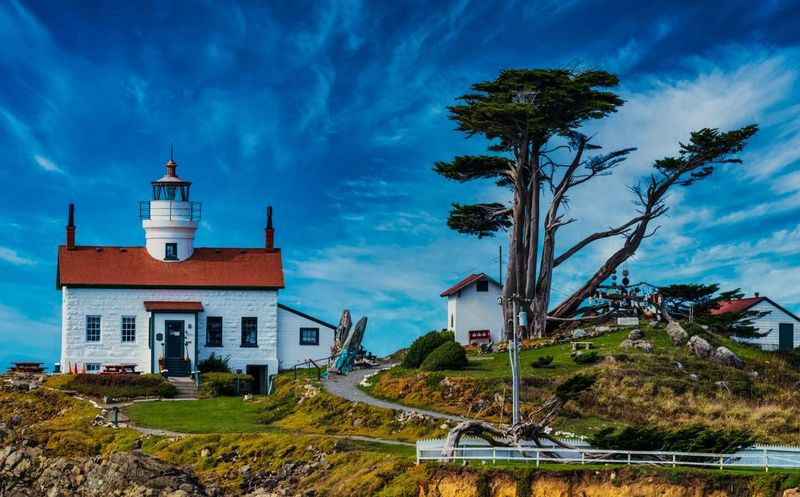
In California’s far northwest corner, Crescent City might be the best deal on this entire list. Motel 6 rooms here have shown rates starting around $50 a night, with Travelodge near $84 and Super 8 around $95.
What makes the town such a bargain is that the scenery costs nothing. Ancient redwood groves sit minutes from downtown, and the wide, driftwood-covered beaches are open to anyone with a pair of shoes.
Battery Point Lighthouse is the local star, sitting on a small island you can walk to when the tide pulls back. Time it wrong and you’ll be waiting a few hours, so check the tide chart before you go.
Crescent City Harbor is another easy stop, with fishing boats, sea lions barking in the background, and cheap fish and chips if you’re hungry. Families with kids often add Ocean World for a low-cost indoor break.
Fog rolls in often, even in August, so pack a jacket no matter what the calendar says. Locals joke that summer here arrives sometime in September.
Fun bit of history: a tsunami in 1964 reshaped much of the waterfront, and you can still spot markers around town showing how far the water reached. Walk the coastal trails, watch for whales, and let the trees do the entertaining.
2. Morro Bay, A Central Coast Town Where The Big Rock Is Free
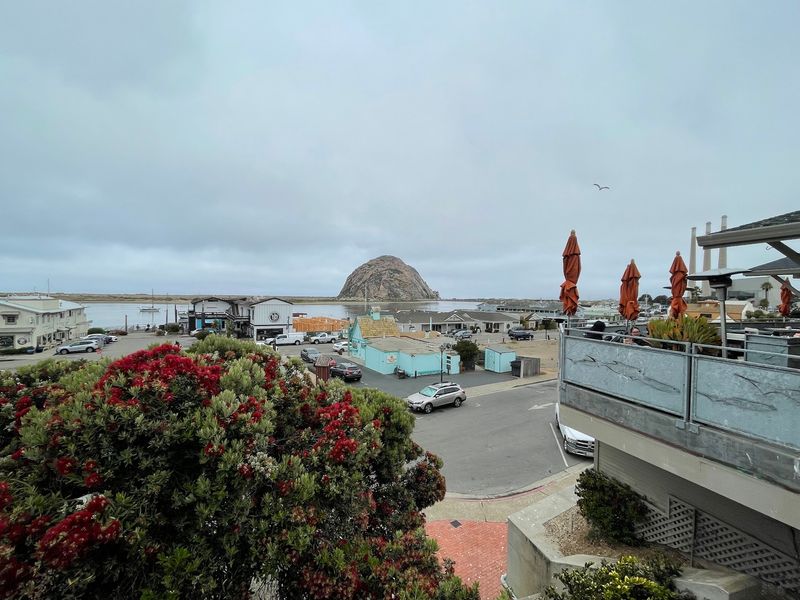
Morro Rock rises 576 feet straight out of the water, and looking at it doesn’t cost a dime. That single fact sums up why Morro Bay stretches a vacation budget better than most Central Coast stops.
Lodging leans practical rather than luxurious. Sundown Inn, Morro Bay Sandpiper Inn, Harbor House Inn, and Motel 6 all give you a bed near the water without draining your savings.
The Embarcadero boardwalk is the heart of town, lined with taco shops, saltwater taffy, and kayak rentals. Walking it end to end takes maybe half an hour and costs nothing at all.
Birdwatchers love the Morro Bay Estuary, where herons, egrets, and pelicans show up in serious numbers. Sweet Springs Nature Preserve is another quiet, free spot most visitors drive right past.
Morro Bay State Park adds hiking trails, mountain biking, fishing spots, and sailing on protected water. Low tide opens up tidepools where kids can spot sea stars and crabs.
Sunsets over the rock draw a small crowd every evening, and nobody charges admission for the view. Bring a blanket, grab clam chowder in a bread bowl, and call it dinner and a show.
One tip: parking near the Embarcadero fills up fast on weekends, so arrive earlier than you think you need to.
3. Carpinteria, Santa Barbara Beaches Without Santa Barbara Prices
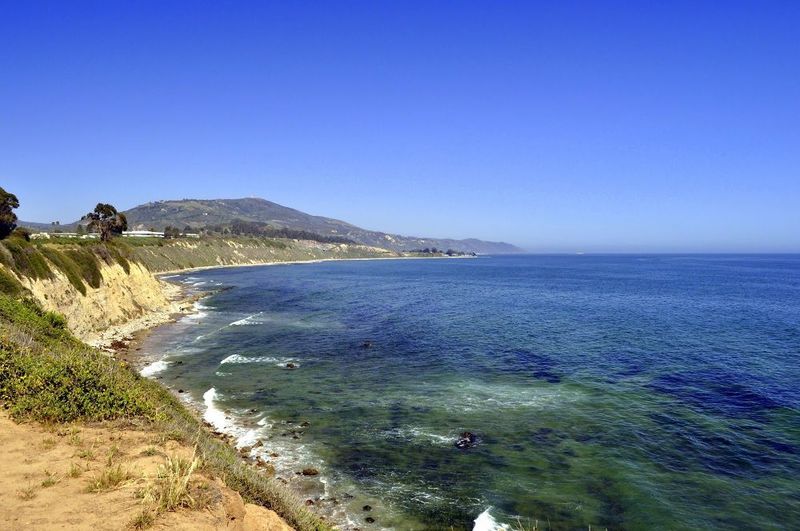
Twelve miles down the coast from Santa Barbara sits a town that charges a fraction of the price for nearly identical sunshine. Carpinteria is the classic swap for travelers who want the beach but not the bill.
Motel 6 Carpinteria North has shown rates around $67, while the south location has run closer to $95. Studio 6 Suites adds another affordable choice with free Wi-Fi and easy parking.
The main draw is Carpinteria State Beach, sometimes nicknamed the world’s safest beach because a natural reef keeps the surf calm. Kids can splash without parents holding their breath the whole time.
Rincon Beach Park is a short drive away and popular with surfers who don’t mind a walk down the bluff stairs. Sunset there is genuinely worth planning around.
Head to the Carpinteria Seal Sanctuary in the right season and you can watch harbor seals lounging on the sand from a safe overlook. The Salt Marsh Nature Park offers flat boardwalk trails and plenty of birds.
Downtown Linden Avenue stays refreshingly low-key, with taco stands, a small movie theater, and ice cream instead of designer boutiques. Weekday nights bring cheaper rooms than Saturdays, so shift your trip if you can.
4. Fort Bragg, Mendocino Coast Scenery, Friendlier Room Rates
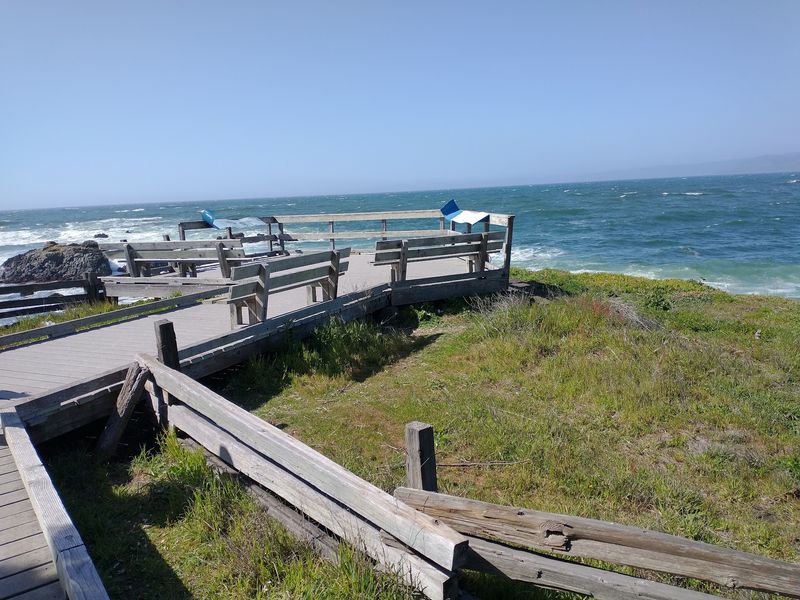
Everybody raves about Mendocino village, then gasps at the room rates. Fort Bragg sits about ten miles north with the same dramatic coastline and noticeably gentler prices.
Motel 6 Fort Bragg averages around $98 a night, and Super 8, Studio 9, and Surf Motel and Gardens fill out the budget lineup. Booking midweek usually shaves off another chunk.
Glass Beach is the town’s most talked-about spot, where decades of tumbled glass from an old dump turned into smooth, colorful pebbles. Look all you want, but leave the glass where it lies.
Pomo Bluffs Park delivers big ocean views, whale watching in season, and picnic tables for anyone eating on a budget. Otis Johnson Park hides quiet redwood trails right inside town limits, completely free.
The Noyo Harbor area is worth a wander for fishing boats, seafood shacks, and the occasional sea lion doing absolutely nothing. Coastal Trail sections stretch for miles along the bluffs with no entry fee.
Weather here plays tricks. Mornings often start gray and cold, then clear up by afternoon, so layers beat optimism.
Fort Bragg was once a lumber town, and that working-class history still shows in the practical downtown and unpretentious diners. You’ll spend less and probably talk to more locals than you would down the road.
5. Bishop, Eastern Sierra Basecamp Built For Thrifty Travelers
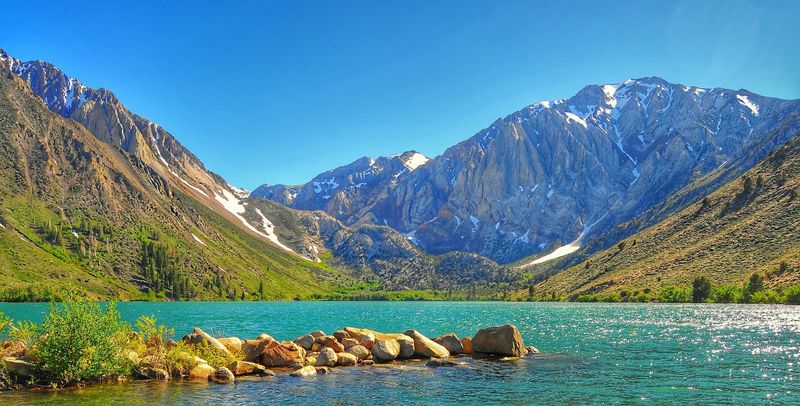
Climbers, hikers, and fishing families have quietly used Bishop as headquarters for decades, and the town never went fancy on them.
Instead of resorts, you get roadside motels, hostels, RV parks, and campgrounds spread along Highway 395.
That mix matters. When one option gets pricey, another usually stays reasonable, which is rare in mountain towns during peak season.
Campgrounds in the surrounding national forest cost a fraction of any hotel and put you closer to the good stuff anyway. Bishop Creek Canyon, Lake Sabrina, and South Lake all sit a short drive uphill.
The Buttermilk Country boulders west of town are world famous among climbers, and just walking among those giant granite blocks feels otherworldly. No ticket required.
Bishop is also home to Erick Schat’s Bakkery, where the sheepherder bread has been a road-trip tradition since the 1930s. Grab a loaf and some deli meat and you’ve covered lunch for cheap.
Summer afternoons in the valley get genuinely hot, so most visitors hike early and hang out in the shade later. Elevation climbs fast once you leave town, so drink more water than feels necessary.
Fishing licenses are inexpensive and the creeks are stocked, making this one of the better low-cost family trips in the state.
6. Lone Pine, Where The Landscape Does All The Work
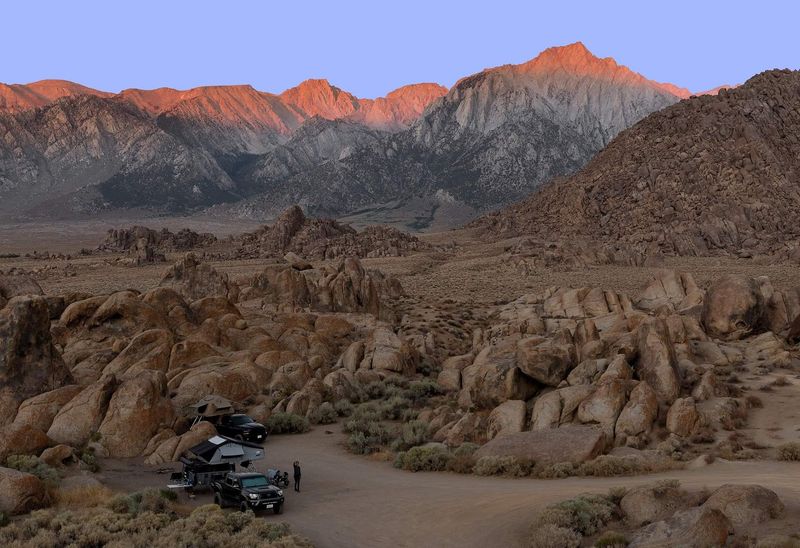
Hollywood figured out Lone Pine’s secret almost a century ago. Hundreds of Westerns were filmed in the Alabama Hills just outside town, and those rounded granite boulders still look like a movie set.
Rooms stay reasonable for such a scenic spot. The Historic Dow Hotel has shown nightly rates around $66, Mt Whitney Motel near $103, and Trails Motel and Lone Pine Budget Inn in the low $120s depending on dates.
The Alabama Hills cost nothing to explore. Mobius Arch is a short, easy walk that frames Mount Whitney perfectly, and photographers show up before sunrise for that shot.
Dispersed camping is allowed in parts of the area, which makes the trip even cheaper for anyone with a tent and a sense of adventure. Bring your own water, because there isn’t any out there.
Downtown covers about three blocks. The Museum of Western Film History charges a small admission and is genuinely fun, packed with props, posters, and old stagecoaches.
Stop by the Eastern Sierra InterAgency Visitor Center for free maps and honest advice about trail conditions. Rangers there will tell you what’s open and what’s not.
Nights get surprisingly cool and the stars are absurd. Sitting outside looking up is the best free activity in the whole valley.
7. Kernville, River Days On A Shoestring
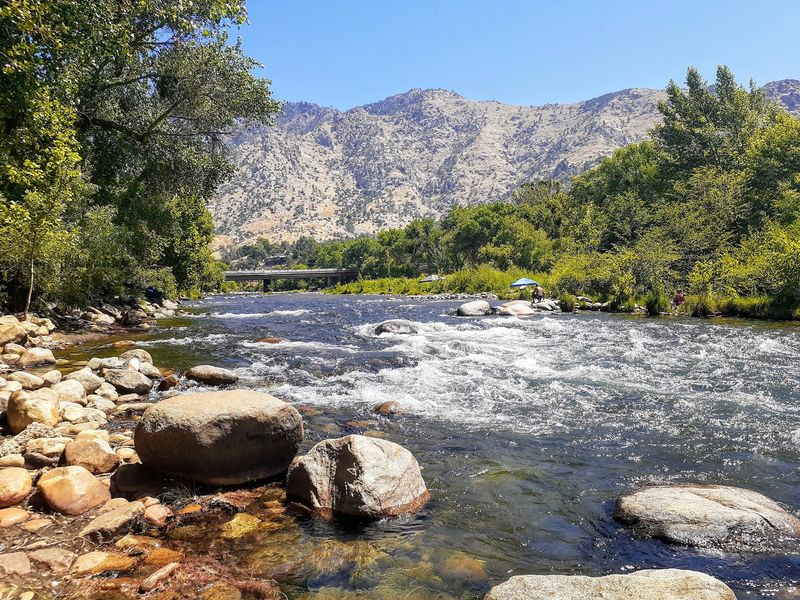
Picture a rushing river, pine-covered hills, and a tiny downtown with a general store vibe.
Kernville sits along the Kern River in the southern Sierra, and most of what people come for happens outdoors and costs little or nothing.
Campgrounds line the river and the lake, giving budget travelers a real alternative to motel rooms. Reserving early matters in summer because the good riverside spots vanish fast.
Whitewater rafting is the flashy option, but plenty of visitors just float, swim in calmer pools, or fish from the bank. Trails in Sequoia National Forest fan out in several directions with free access.
Lake Isabella sits just downstream and adds boating, shoreline picnics, and bird watching. Sunsets over the water are a nightly local ritual.
Safety deserves a mention here. The Kern moves faster than it looks and has a serious reputation, so stick to designated swimming areas and wear a life jacket while rafting.
Downtown Kernville has an old-fashioned square, a few cafes, and an ice cream shop that stays busy all afternoon. The whole place feels frozen in a friendlier decade.
Temperatures climb high in July and August, which is exactly why the river feels so good. Bring shade, sunscreen, and more water than you think you’ll drink.
8. Mariposa,The Smart Way To See Yosemite On A Budget
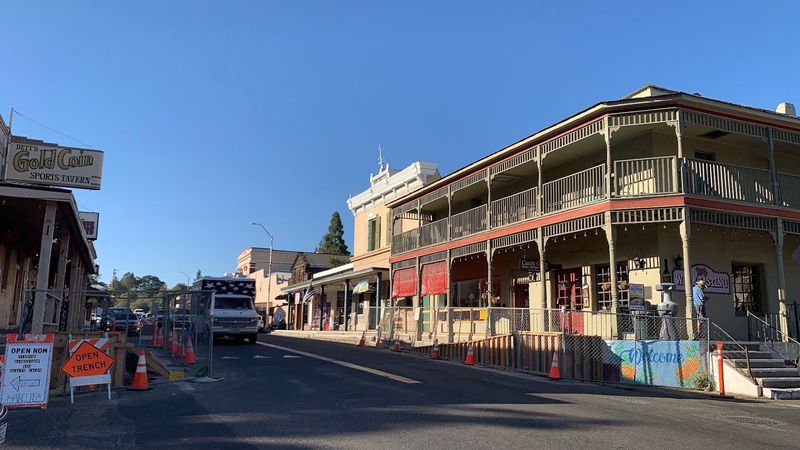
Anyone who has priced lodging inside Yosemite knows the sticker shock is real. Mariposa solves that problem, sitting about 45 minutes from the park’s Arch Rock entrance with far friendlier rates.
The local tourism bureau leans into that reputation, actively promoting budget lodging and value-focused Yosemite trips. Motels, inns, and cabins around town regularly beat in-park pricing by a wide margin.
Downtown Mariposa is a Gold Rush leftover with wooden storefronts, a courthouse from 1854 that still operates, and small museums that cost only a few dollars.
The California State Mining and Mineral Museum sits just south of town and holds a 13-pound gold nugget. Kids tend to stare at that one for a while.
Grocery stores here charge normal prices, which means you can pack lunches instead of buying overpriced park food. That single habit saves families a surprising amount.
Yosemite entry costs one fee per vehicle for a week, so a Mariposa base plus a few park days spreads that cost out nicely. Leave early to beat the entrance line and the heat.
Evenings back in town are quiet, dark, and full of stars. Sitting on a motel porch listening to crickets is part of the appeal.
9. Oakhurst, Yosemite’s Southern Doorstep At Lower Rates
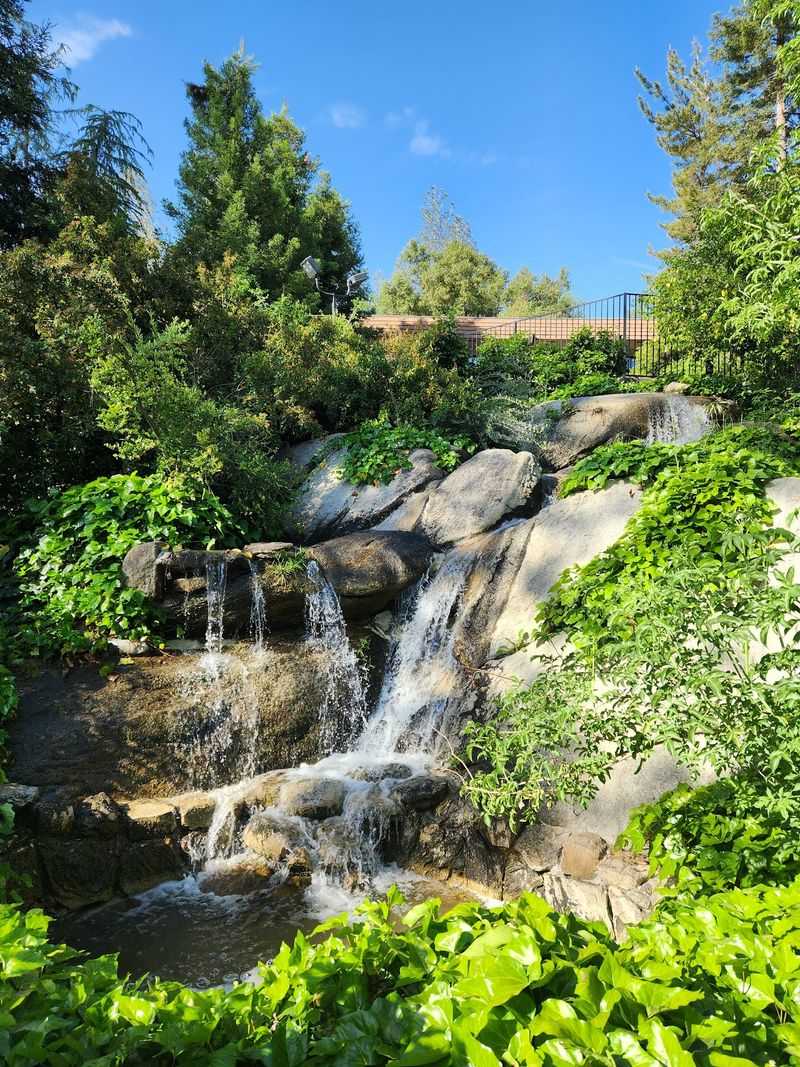
Roughly 15 miles from Yosemite’s south entrance, Oakhurst has quietly become the practical choice for travelers who refuse to pay park-lodge prices.
Chain hotels and independent motels here often cost dramatically less than anything inside the boundary.
Because it’s a real working town, not a tourist bubble, you also get regular grocery stores, gas stations, and restaurants at normal prices. Stocking a cooler before heading into the park is the standard money-saving move.
The drive up Highway 41 to Wawona and the Mariposa Grove of giant sequoias takes well under an hour. Those trees are among the largest living things on earth and they don’t charge extra.
Bass Lake sits a short drive from town, offering swimming beaches, boat rentals, and shady picnic areas. Locals treat it as their summer backyard.
Oakhurst also has an unexpected claim to fame in the culinary world, having hosted one of California’s most decorated country restaurants for years. Plenty of cheaper diners and taco spots keep things realistic though.
Elevation here sits around 2,300 feet, so nights cool off nicely even after a hot day. Bring a light jacket for evenings on the patio.
Book ahead for August weekends, since Yosemite traffic fills rooms quickly and last-minute prices climb.
10. Yreka, Gold Rush Streets Near Mount Shasta
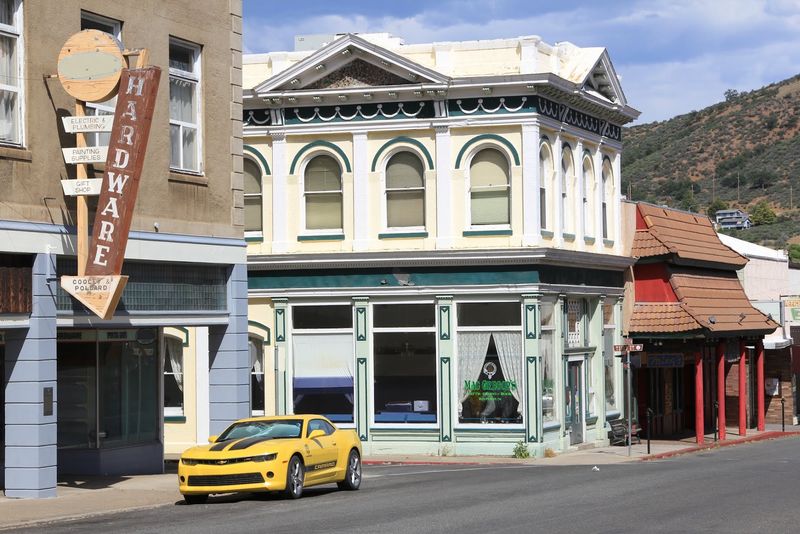
Most travelers blow past Yreka on Interstate 5 without slowing down, which is exactly why rooms stay cheap. Jefferson Inn has shown rates around $70, Motel 6 near $73, and Relax Inn of Yreka about $78.
Miner Street downtown is the reason to stop. A free self-guided walking tour leads past Gold Rush era buildings, old brick facades, antique shops, and coffee spots with actual character.
The Siskiyou County Museum keeps an outdoor section filled with relocated historic buildings and mining equipment you can walk right up to. Admission is modest and the volunteers love to talk.
Mount Shasta looms to the south, and the drive toward it delivers alpine lakes, waterfalls, and trailheads without resort-town markups. Lake Siskiyou and Castle Crags make easy day trips.
Summer days get hot in this valley, but mountain mornings stay crisp. Sunrise views of Shasta from the highway are worth an early alarm.
A quirky bit of local lore: Yreka once served as the symbolic capital of the proposed State of Jefferson, a 1941 movement to break away and form a new state. You’ll still spot the double-cross flag around town.
Fill up on gas here too. Prices tend to be gentler than in the tourist corridors nearby.
11. Weaverville, Trinity Alps Quiet Without The Crowds
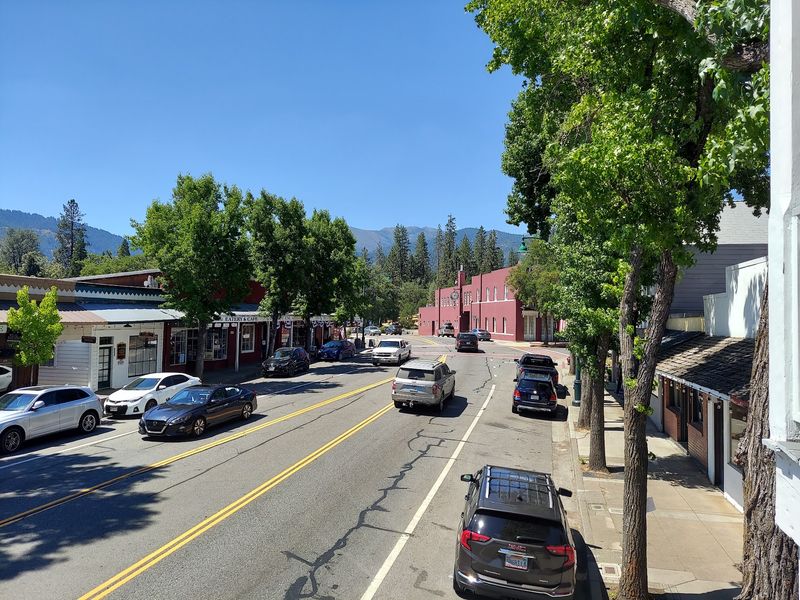
Ask most Californians about Weaverville and you’ll get a blank stare, which is precisely its charm.
This Gold Rush town in Trinity County sees a tiny fraction of the tourism that hits Tahoe or Mammoth, and prices reflect that.
Budget lodging is available in and around town, from small motels to nearby forest campgrounds. Nothing here is trying to be a resort, and that keeps costs honest.
Downtown looks close to how it did in the 1800s, complete with iron shutters and distinctive outdoor spiral staircases leading to second-floor doors. Photographers love that detail.
The Weaverville Joss House is a state historic park and one of the oldest continuously used Chinese temples in California, built by miners in the 1870s. A small admission gets you a guided look inside.
Trinity Alps Wilderness starts just outside town with granite peaks, alpine lakes, and trails that rarely feel crowded. Trinity Lake adds swimming, boating, and shoreline camping.
Cell service gets patchy fast once you leave the highway, so download maps before you go. That disconnection is half the point for many visitors.
Late summer can bring wildfire smoke to this region, so check air quality before committing. On clear days, the mountain views rival anywhere in the state at a fraction of the cost.
12. Lompoc, A Central Coast Home Base That Won’t Wreck Your Wallet
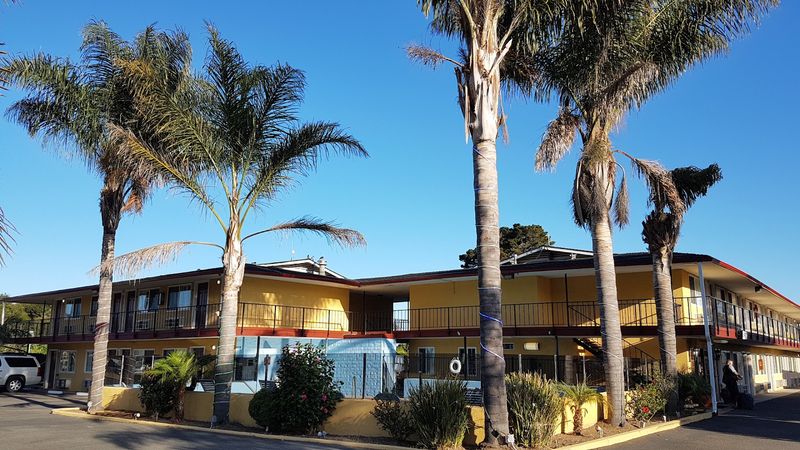
Lompoc runs a little bigger than the other towns here, but it still feels like a small-town getaway with an unusually useful location.
The local tourism bureau openly markets its budget-friendly hotels as a cheaper Central Coast base, and the numbers back that up.
Lotus of Lompoc has shown rates around $68, Inn at Highway 1 near $86, and Budget Inn Lompoc about $90. Motel 6 rounds out the affordable options.
La Purisima Mission State Historic Park is the standout attraction, one of the most completely restored Spanish missions in California. Wandering the adobe rooms and gardens costs just a few dollars.
Flower fields once made Lompoc famous, and colorful murals throughout downtown still celebrate that history. A free mural walk fills a pleasant afternoon.
River Park offers shaded picnic areas and easy walking paths for anyone eating on a budget. Beaches at Jalama and Surf Beach sit a short drive west, both wild and windswept.
Wineries in the Santa Rita Hills surround the town, and tasting fees here generally run lower than in flashier wine regions. Designate a driver and enjoy.
Vandenberg Space Force Base is right next door, so rocket launches sometimes light up the sky. Check the launch schedule before your trip for a free show nobody forgets.