Survey Reveals California’s Must-See Destinations For 2026
Dream trips tend to form around places that promise variety, beauty, and a sense of scale that feels larger than everyday life.
Few destinations deliver that combination as consistently as this one, where dramatic shifts in scenery can happen within a single day of travel.
Snow-dusted peaks give way to sunlit coastlines, dense forests open into wide desert valleys, and iconic cities sit just miles from raw, untamed nature.
Recent survey results highlight which locations are standing out most as travelers map out plans for 2026. The list reflects more than popularity alone.
It points to places that leave strong impressions, spark repeat visits, and feel timeless even as travel trends change.
Natural landmarks continue to dominate attention, while cultural hubs and coastal escapes hold their ground as must-see stops.
California plays a central role in this year’s rankings, offering a rare mix of outdoor adventure, scenic beauty, and vibrant urban life.
These destinations resonate because they invite exploration at every pace, whether that means hiking, sightseeing, or simply taking in the view.
The results reveal not just where people want to go next, but what kind of experiences they value most when they travel.
Why These California Destinations Made The 2026 Must-See List
Rankings don’t appear out of nowhere, and the destinations featured in this year’s survey earned their spots through a combination of natural beauty, visitor satisfaction, and the kind of experiences that stick with people long after they return home.
U.S. News & World Report compiled feedback from travelers, tourism experts, and destination data to identify places that consistently deliver memorable visits.
California claimed five spots in the national rankings, proving that variety and quality matter just as much as name recognition.
Each location brings something different to the table, whether that’s wilderness adventure, coastal drama, or urban exploration.
Visitors looking for outdoor thrills gravitate toward national parks and mountain retreats, while those seeking culture and dining find plenty to love in California’s cities.
The survey results reflect a desire for destinations that feel authentic and offer more than just photo opportunities.
What sets these places apart is their ability to appeal to different types of travelers without losing their character.
Families, solo adventurers, and couples all find reasons to visit, and the infrastructure supports a range of budgets and travel styles.
The 2026 list highlights destinations that have maintained their appeal over time while continuing to offer fresh reasons to visit.
California’s geographic diversity means that a road trip can take visitors from alpine meadows to ocean cliffs in a matter of hours, making it easier to experience multiple destinations in one trip.
Yosemite National Park: Why It Ranked Highest In California
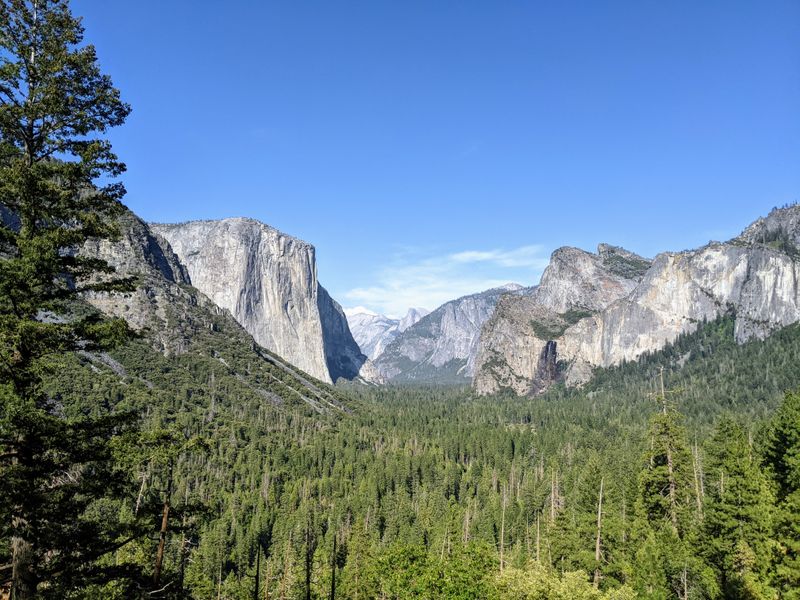
Granite walls rise thousands of feet above valley floors, creating a landscape that feels larger than life and somehow still approachable.
Yosemite National Park secured the 6th spot nationally, making it California’s highest-ranked destination in the survey.
The park’s combination of iconic landmarks, accessible trails, and year-round appeal keeps it at the top of travel lists, and visitor feedback consistently highlights the sense of wonder that comes with seeing places like Half Dome and El Capitan in person.
Crowds can be significant during peak summer months, but the park’s size and variety of trails mean that quieter experiences are possible for those willing to venture beyond the main valley.
Spring brings waterfalls at their most powerful, while fall offers cooler temperatures and changing colors in the high country.
Winter transforms the park into a snowy wonderland, though some roads and facilities close seasonally. What makes Yosemite stand out is the way it balances grandeur with accessibility.
Visitors can experience dramatic scenery without needing advanced hiking skills, though more challenging routes are available for those seeking them.
The park’s infrastructure includes shuttle services, visitor centers, and ranger-led programs that help people connect with the landscape.
Yosemite’s ranking reflects its ability to deliver on the promise of natural beauty while providing the resources visitors need to explore comfortably.
Yosemite National Park: Iconic Sights And Outdoor Experiences
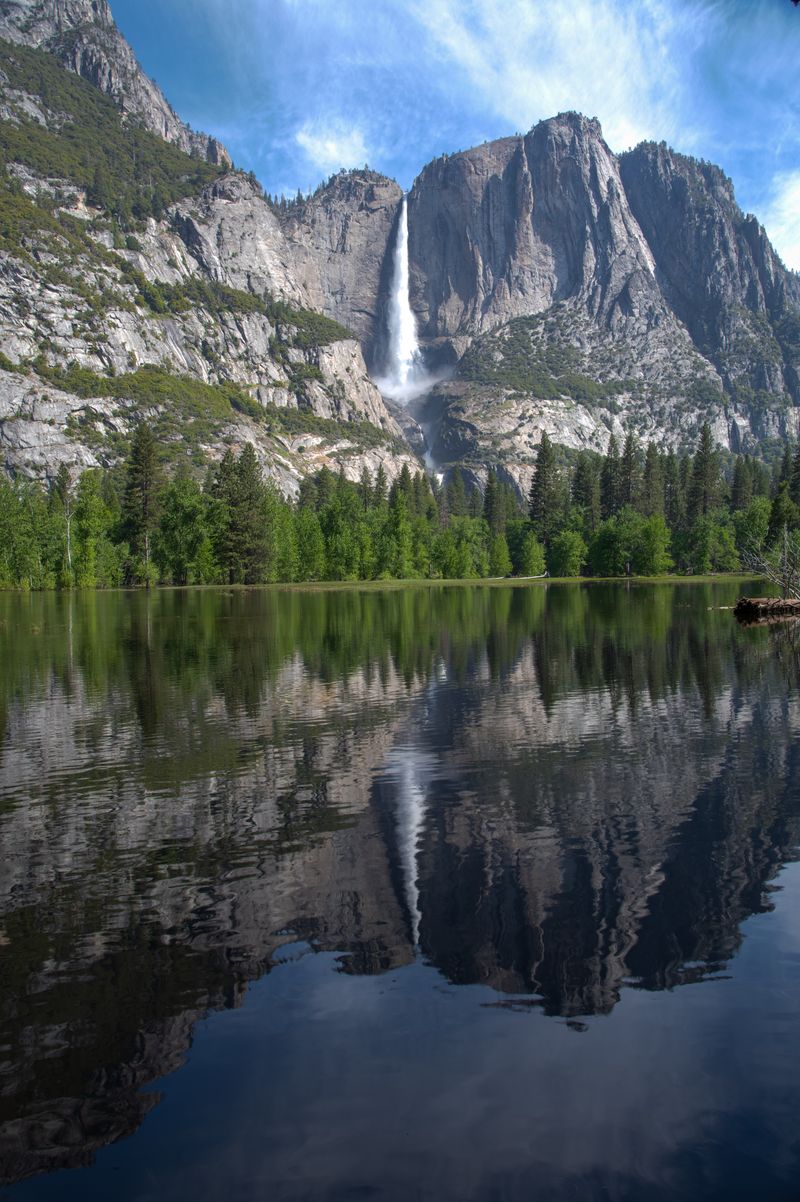
Yosemite Falls drops 2,425 feet in three sections, making it one of the tallest waterfalls in North America and a sight that draws visitors back year after year.
The falls are most impressive in late spring when snowmelt feeds the cascade, though the flow can slow to a trickle by late summer.
Glacier Point offers a panoramic view of the valley, Half Dome, and the High Sierra, accessible by car in warmer months or by a challenging hike when the road is closed.
Trails range from easy valley loops to strenuous climbs, with options like the Mist Trail leading hikers close enough to waterfalls to feel the spray.
The Mariposa Grove of Giant Sequoias provides a quieter experience among trees that have stood for thousands of years. Visitors often find that spending time among these giants shifts their sense of scale and time.
Rock climbing draws enthusiasts from around the world, with routes on El Capitan and other formations offering challenges at every skill level.
Photography opportunities appear around every corner, from reflections in the Merced River to wildlife sightings at dawn and dusk.
The park’s landscapes change throughout the day as light shifts across the granite faces, creating scenes that feel different with each visit. Planning ahead for parking and accommodations is essential, especially during busy seasons.
Lake Tahoe: A Year-Round Alpine Escape
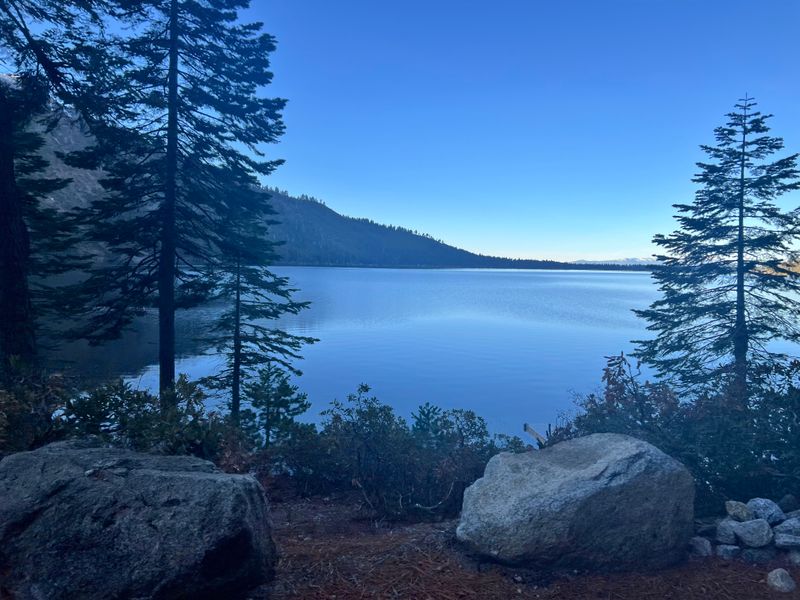
Straddling the California-Nevada border, Lake Tahoe sits at 6,225 feet elevation, surrounded by peaks that create a dramatic backdrop for the famously clear water.
The lake earned the 9th spot nationally, reflecting its reputation as a destination that never really has an off-season.
Summer brings boaters, swimmers, and hikers, while winter transforms the area into a snow sports paradise with multiple ski resorts offering varied terrain.
The water’s clarity comes from its depth and the purity of its mountain sources, and on calm days, visibility can extend more than 70 feet below the surface.
Beaches along the shore range from sandy stretches perfect for families to rocky coves that feel more secluded.
The surrounding national forest provides miles of trails that weave through pine forests and open up to lake views that justify every uphill step.
Towns around the lake offer different atmospheres, from the busier South Lake Tahoe with its casinos and nightlife to quieter North Shore communities that feel more residential.
Weekends tend to bring heavier traffic, especially during peak seasons, and parking at popular trailheads and beaches fills quickly.
The combination of natural beauty and recreational options keeps Lake Tahoe on the must-visit list, and the area’s ability to deliver distinct experiences across all four seasons makes it worth multiple trips.
Lake Tahoe: What Travelers Can Do In Every Season
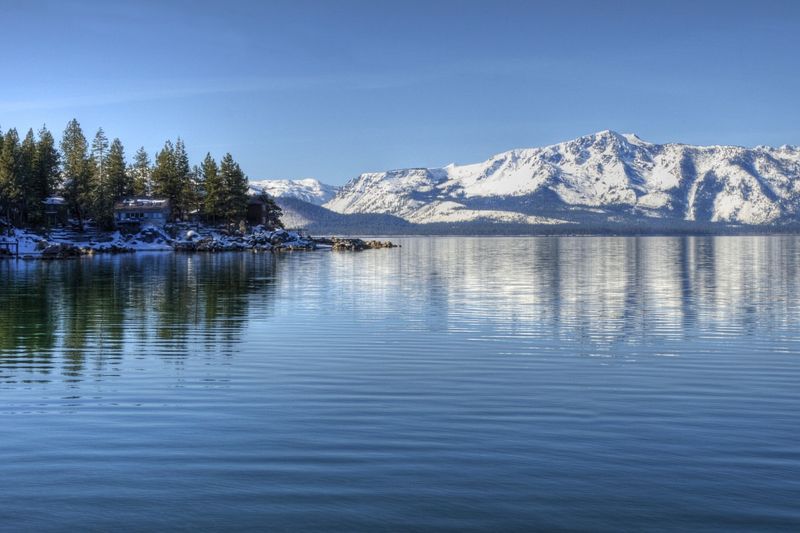
Winter activities center around skiing and snowboarding, with resorts like Heavenly, Palisades Tahoe, and Northstar offering terrain for beginners through experts.
Snowshoeing and cross-country skiing provide quieter ways to explore the winter landscape, and many trails remain accessible even when snow blankets the ground.
Ice skating rinks pop up in town centers, and the contrast between snowy shores and the deep blue lake creates scenes that feel almost surreal.
Spring brings wildflowers to lower elevations while higher trails may still require snowshoes into May or June. This transition season offers fewer crowds and the chance to watch the landscape wake up after winter.
Summer is the busiest time, with water activities taking center stage – kayaking, paddleboarding, and swimming all become possible as the water temperature rises, though it remains quite cold even in August.
Fall transforms the aspen groves into patches of gold, and the cooler air makes hiking more comfortable than the sometimes-hot summer days.
September and October often bring clear skies and a noticeable drop in visitor numbers once schools resume. Fishing is possible year-round, with different species active in different seasons.
Each season demands different preparation, from sun protection in summer to layered clothing and tire chains in winter, but the lake’s beauty remains constant regardless of when visitors arrive.
San Francisco: Culture, Neighborhoods, And Walkability
Hills define the city’s character, creating neighborhoods with distinct personalities and views that open up unexpectedly as visitors climb steep streets.
San Francisco ranked 16th nationally, earning recognition for its cultural diversity, historic landmarks, and the way different districts feel like separate villages within the larger city.
Walking remains one of the best ways to experience San Francisco, though comfortable shoes and a willingness to tackle inclines are essential.
Haight-Ashbury still carries echoes of its counterculture past, with vintage shops and colorful Victorian homes lining the streets.
The Mission District draws visitors with its murals, Latin American influences, and a food scene that ranges from taquerias to innovative restaurants.
Chinatown, the oldest in North America, offers narrow alleys filled with shops, tea houses, and dim sum restaurants that have served generations of families.
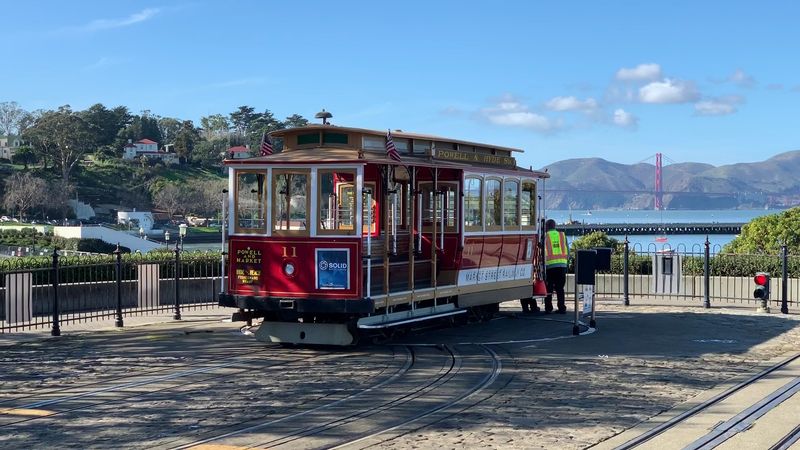
Public transportation includes historic cable cars, buses, and the MUNI metro system, making it possible to navigate the city without a car.
Parking can be challenging and expensive, and the city’s compact nature often makes walking or transit more practical.
Fog is common, especially in summer, and temperatures can vary significantly between neighborhoods and times of day.
Layered clothing helps visitors adapt as they move from sunny spots to areas where the marine layer lingers. San Francisco’s walkability and neighborhood diversity create opportunities for discovery that feel organic rather than forced.
San Francisco: Top Attractions First-Time Visitors Shouldn’t Miss

The Golden Gate Bridge spans 1.7 miles across the entrance to San Francisco Bay, and walking or biking across it provides perspectives that car passengers miss.
The bridge’s International Orange color stands out against blue skies or emerging through fog, and various viewpoints around the city offer different angles for photography.
Alcatraz Island requires advance ticket purchases, as tours sell out weeks ahead during busy periods, but the ferry ride and audio tour through the former prison provide historical context that brings the notorious facility to life.
Pier 39 combines tourist attractions with sea lion viewing, as dozens of the animals have claimed floating docks as their resting spot since 1989.
Their barking carries across the water, and watching their interactions provides free entertainment that delights visitors of all ages.
Golden Gate Park stretches for three miles, encompassing gardens, museums, lakes, and meadows that offer quiet spaces within the urban environment.
Lombard Street’s famous crooked block features eight hairpin turns lined with flowers, creating a photo opportunity that draws constant crowds.
The best views come from the top or bottom rather than attempting to drive it during busy times.
Fisherman’s Wharf remains a classic stop despite its touristy reputation, with seafood vendors, sourdough bread bowls, and views of the bay that capture the city’s maritime heritage.
First-time visitors often try to pack too much into a single day, but San Francisco rewards a slower pace that allows time to wander and discover.
Big Sur: California’s Most Scenic Coastal Stretch
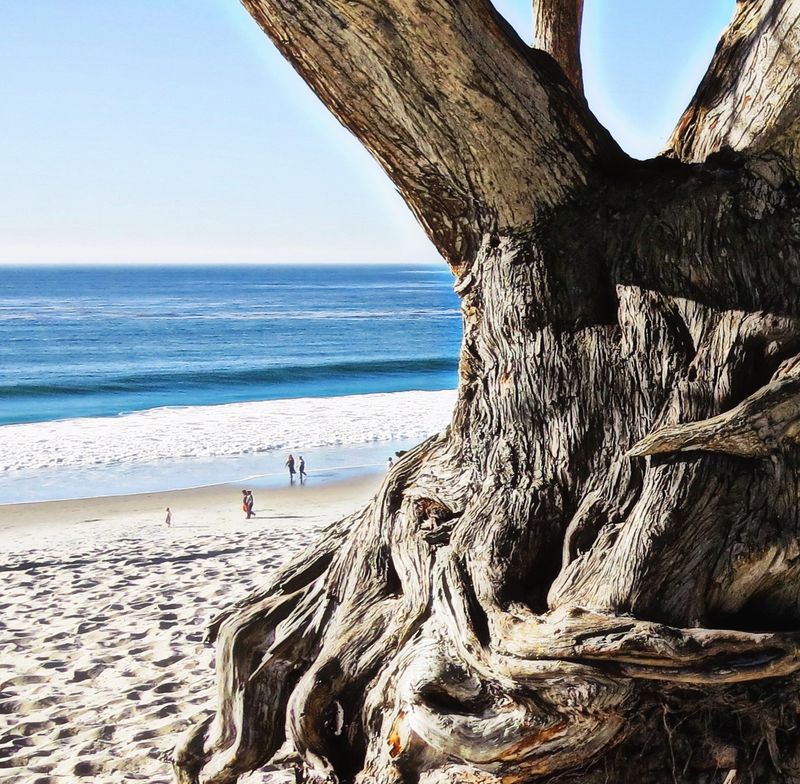
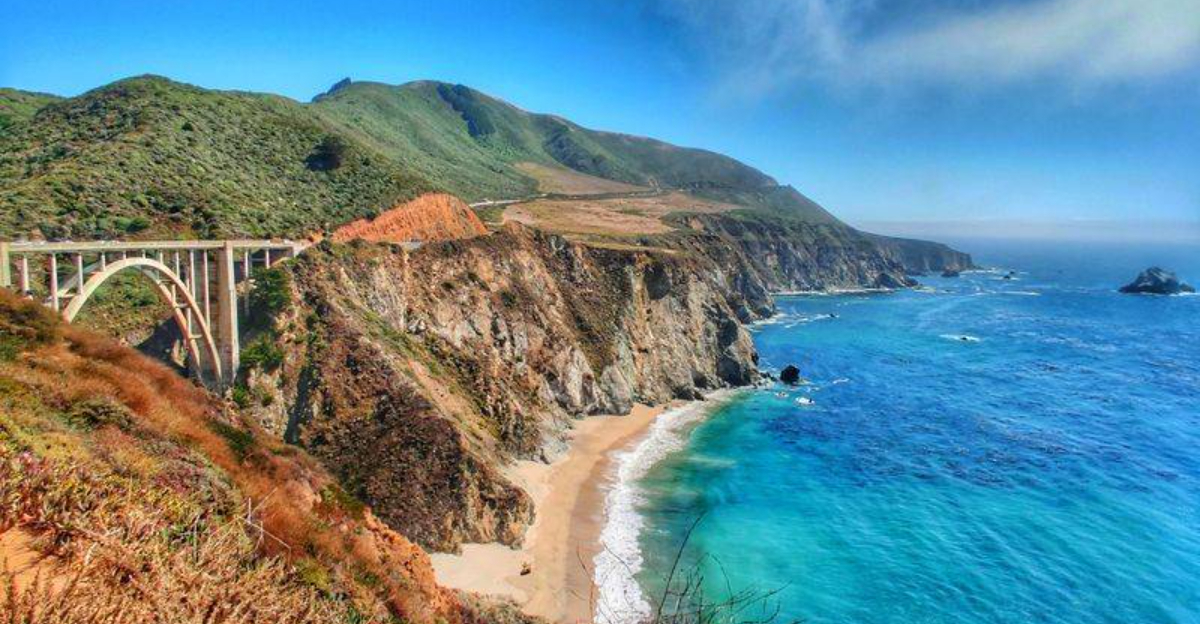
Rocky cliffs plunge into turquoise water along 90 miles of coastline where the Santa Lucia Mountains meet the Pacific Ocean.
Big Sur claimed the 19th spot nationally, drawing visitors who seek dramatic landscapes and a sense of remoteness that feels increasingly rare.
Highway 1 winds through this rugged terrain, with pullouts offering views that make it tempting to stop every few minutes, though the narrow, winding road demands careful driving.
The area’s beauty comes with limited services – gas stations and restaurants are spaced far apart, and cell phone coverage is spotty or nonexistent in many areas.
This isolation is part of Big Sur’s appeal, creating an environment where natural features take center stage and the pace of life slows considerably.
Fog often blankets the coast in summer mornings, burning off by afternoon to reveal the full scope of the dramatic scenery.
Accommodations range from campgrounds to high-end resorts, but advance reservations are strongly recommended regardless of budget or season.
Winter storms occasionally close sections of Highway 1, and checking road conditions before visiting is wise year-round.
The lack of development preserves Big Sur’s wild character, and visitors who arrive expecting rugged beauty rather than resort amenities tend to appreciate the experience most.
The coastline’s power and scale create moments that feel humbling, reminding visitors of nature’s ability to shape landscapes over millions of years.
Big Sur: Parks, Viewpoints, And Coastal Trails
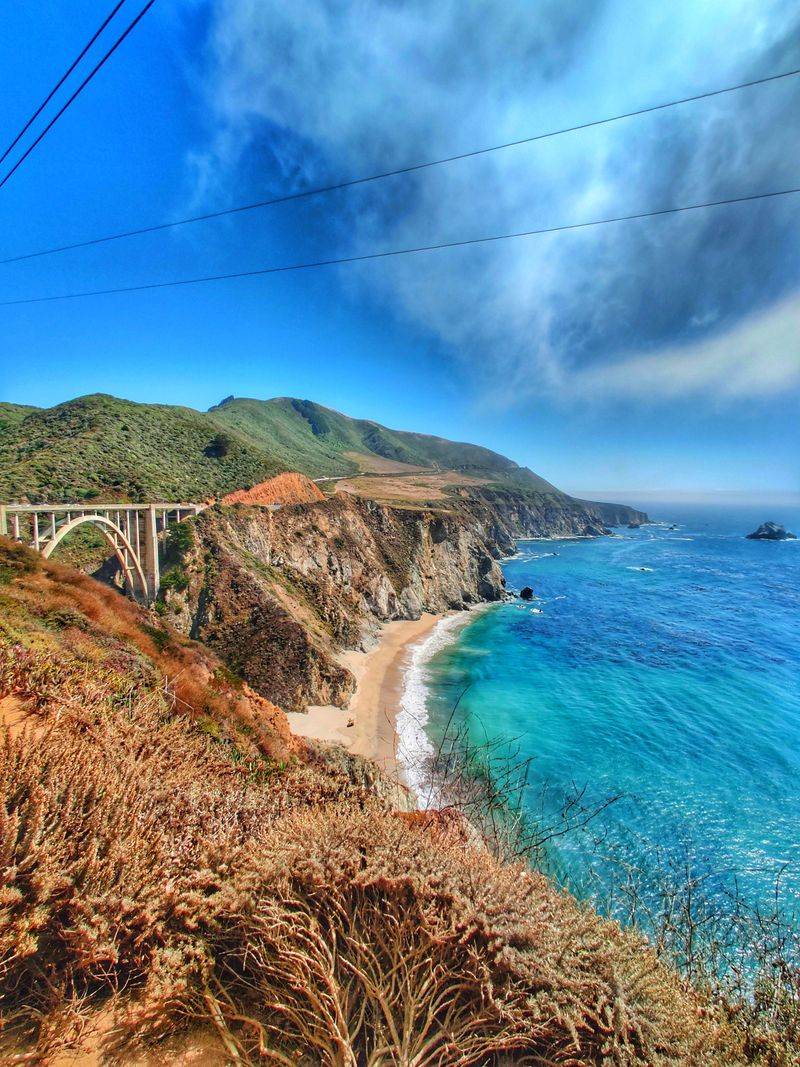
Bixby Bridge arches 260 feet above Bixby Creek, creating one of the most photographed spans along the California coast.
The bridge’s graceful concrete arch dates to 1932, and pullouts on either side allow visitors to capture its profile against the coastal backdrop.
Julia Pfeiffer Burns State Park features the McWay Falls, where an 80-foot waterfall drops directly onto a beach or into the ocean depending on tide levels, creating a scene that looks almost tropical despite the California location.
Pfeiffer Beach requires a sharp turn off Highway 1 onto a narrow, unmarked road, but the effort rewards visitors with purple sand created by manganese garnet particles washing down from the hillside.
Rock formations create natural arches that frame the ocean, and sunset light transforms the beach into a photographer’s dream.
Andrew Molera State Park offers several miles of trails leading to beaches and blufftop views, with a more rugged feel than some of the smaller state parks.
Point Sur Light Station sits atop a volcanic rock 361 feet above the ocean, accessible only through guided tours that climb the steep path to the historic lighthouse.
The tours provide historical context and access to areas otherwise closed to visitors.
Trails vary from short walks to viewpoints to longer hikes that climb into the coastal mountains, with elevation gain rewarding hikers with expanded views.
Spring wildflowers add color to the hillsides, and whale watching is possible from many viewpoints during migration seasons.
San Diego: Beaches, Culture, And Laid-Back City Life
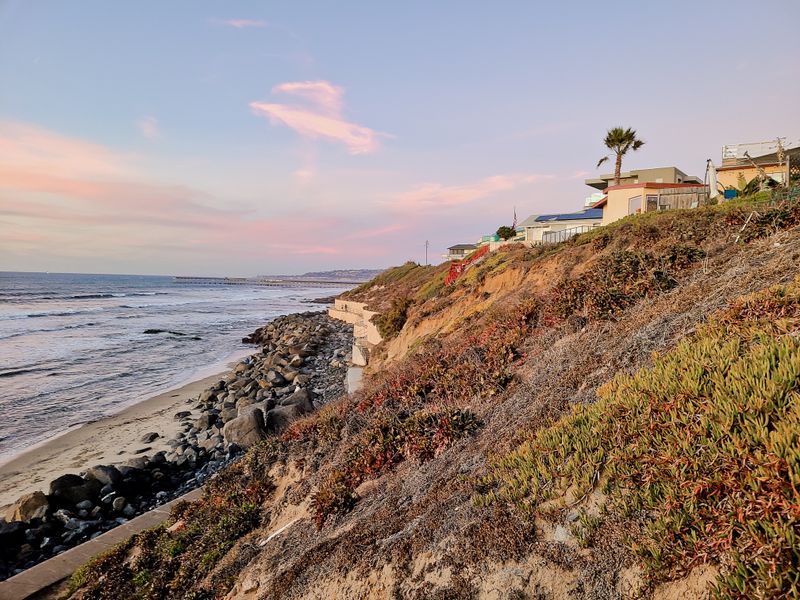
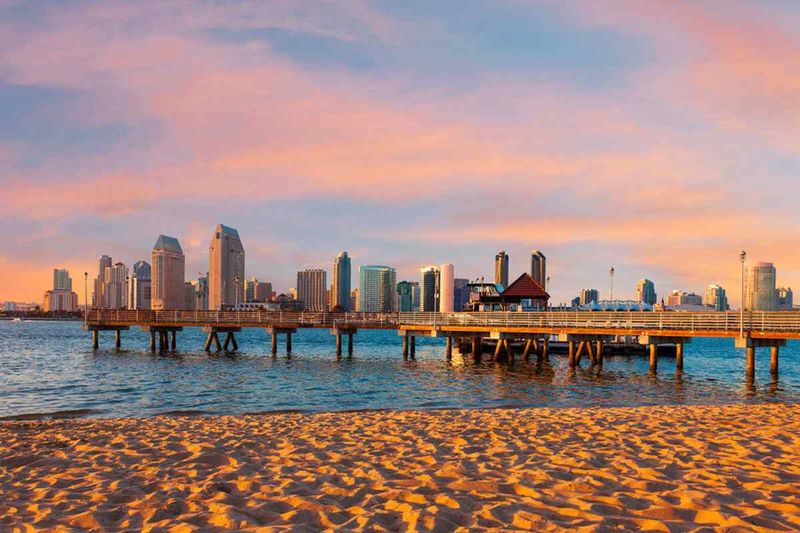
Sunshine dominates San Diego’s weather patterns, with an average of 266 sunny days per year creating conditions that support outdoor activities throughout all seasons.
The city ranked 20th nationally, appealing to travelers seeking beaches, cultural attractions, and a relaxed atmosphere that feels distinctly Southern California.
Neighborhoods spread across coastal and inland areas, each offering different vibes from the historic Gaslamp Quarter downtown to the upscale shops and restaurants of La Jolla.
Mission Beach and Pacific Beach draw younger crowds with their boardwalks, surf breaks, and casual beach culture, while families often gravitate toward Coronado Island’s wider, calmer beaches.
Torrey Pines State Natural Reserve preserves rare coastal landscape north of the city, with trails winding through sandstone formations and native plants before descending to the beach below.
Balboa Park contains museums, gardens, and the famous San Diego Zoo within its 1,200 acres, providing enough attractions to fill multiple days.
The city’s proximity to the Mexican border influences its food scene, with authentic tacos and seafood available throughout the region.
Traffic tends to be less intense than in Los Angeles or San Francisco, and the city’s sprawling layout means that a car is often necessary to explore beyond a single neighborhood.
San Diego’s combination of natural beauty, cultural offerings, and consistently pleasant weather creates an environment where visitors can easily settle into a relaxed rhythm that matches the local pace.