Take An Unforgettable Open-Air Train Ride Through Washington
‘All aboard’ sounds considerably more exciting when the train comes with open-air seats and mountain views in Washington.
Who needs another ordinary scenic drive when vintage railroad equipment can do the traveling instead?
The journey brings fresh air, forest scenery, river views, and historic railway character together without asking passengers to do much beyond enjoy themselves.
On favorable days, the surrounding mountain landscape can make the ride even more memorable.
Railroad enthusiasts will have plenty to inspect, but you certainly do not need to know locomotives to have fun.
Sit back and let the tracks choose the route. Honestly, watching the world roll past beats staring at another highway any day.
Where The Whistle Begins
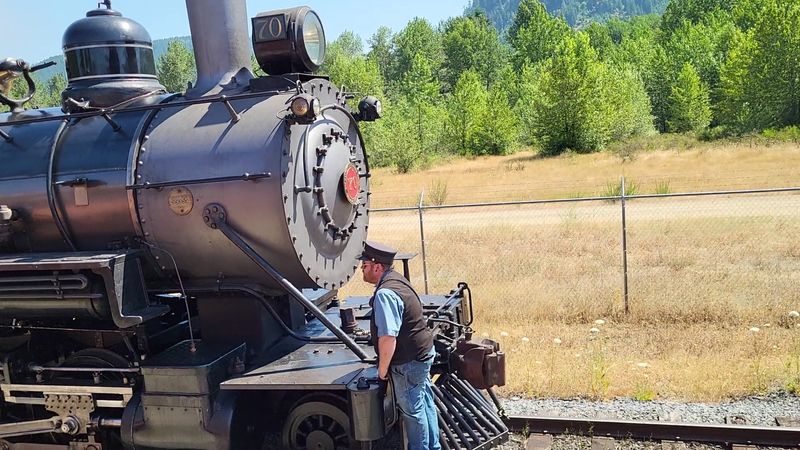
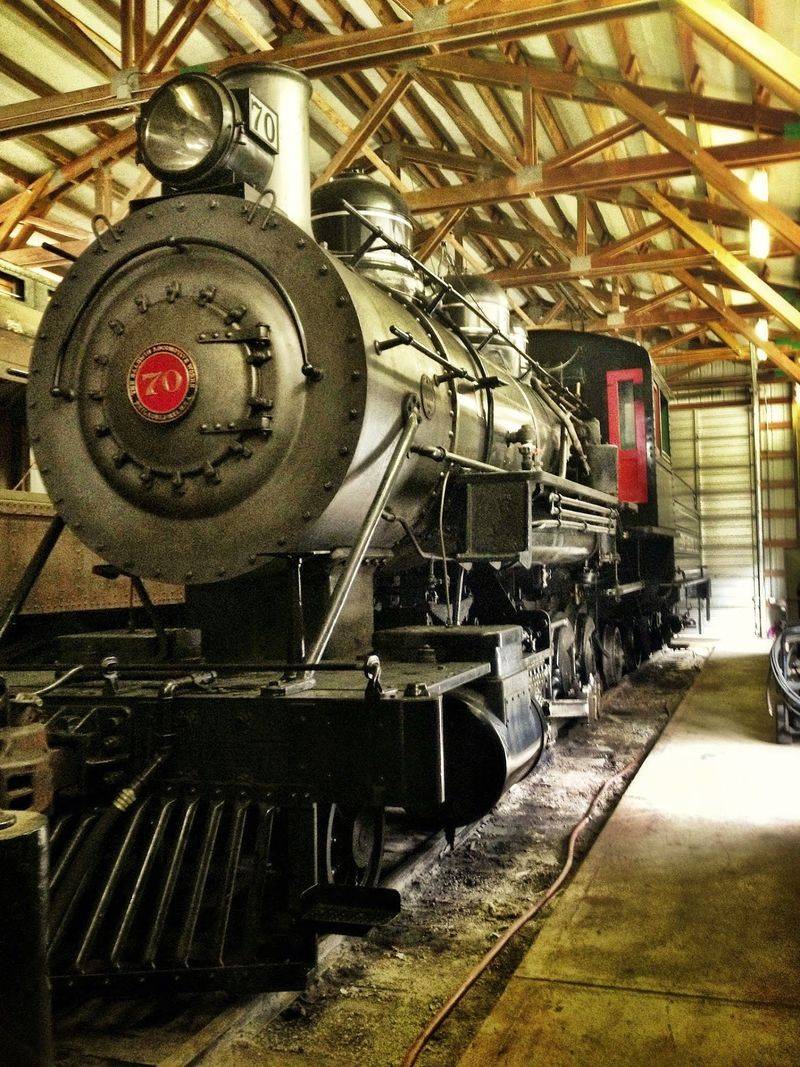
My first clue that this ride would be special came before boarding. A steam locomotive sat hissing quietly beside the platform, patient as an old workhorse.
The depot in Elbe is small, wooden, and pleasantly unfussy. Tickets are picked up here, and the crowd builds fast before each departure.
I arrived about thirty minutes early, which turned out to be smart. Seating on the Mt. Rainier Scenic Railroad works on a first-come basis, so groups who show up early sit together.
While waiting, I wandered the grounds and watched the crew prep the engine. The historic Elbe Church stands nearby, tiny and photogenic, and worth a quick look.
Elbe itself is a speck of a town in Pierce County, Washington. Shops and small restaurants sit across the road, and a proper scooped root beer float is easy to find.
The depot buzzes right before departure, then empties out once the whistle blows. That contrast makes the whole place feel alive.
Operating days generally run Thursday through Sunday, so plan around that schedule. You will find the depot at 54124 Mountain Hwy E in Elbe.
Timber Rails Turned Tourist Line
Long before cameras and souvenir shirts, these rails carried something far heavier. Logs stacked high rolled out of the forests toward growing towns.
The line got its start in the early 20th century as a working logging railroad. Commercial hauling continued until the 1970s, when the operation finally wound down.
Instead of fading away, the tracks found a second calling. In 1980, logging preservationist Tom Murray Jr. began operating it as a heritage passenger railroad, saving historic steam locomotives from the scrap heap in the process.
The railroad changed hands more than once over the following decades, most recently landing with the Western Forest Industries Museum, a local nonprofit, in August 2022. Since 1980, more than 1.6 million riders have climbed aboard.
I like knowing the route was not built for tourists at all. Every curve exists because timber crews needed it there.
The Mt. Rainier Scenic Railroad now preserves a chapter of Washington industry that could easily have vanished. Rusted rails became a living classroom instead.
Conductors sprinkle history through the ride, and it never feels like a lecture. Small details about camps and crews stick with you.
The revival also gave the surrounding rural communities a steady visitor draw. Preservation and local economy roll along together here.
Geared Engines Built Tough
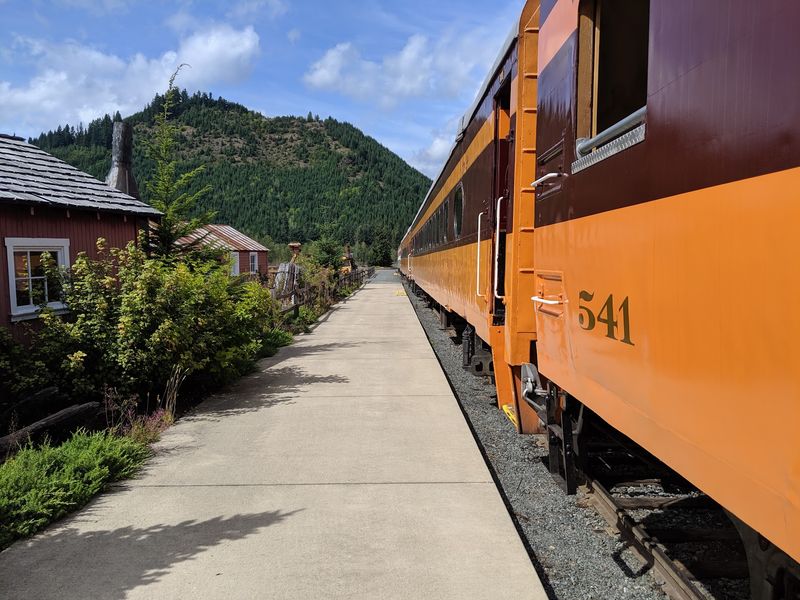
Train fans get a little starry-eyed here, and honestly, they should. The locomotive collection is the mechanical heart of the whole operation.
Geared steam engines are the stars, including Shay, Heisler, Climax, and Willamette types. Each one was engineered for the brutal demands of logging work.
Regular steam engines struggled on steep grades and sharp curves. Geared designs handled rough, uneven track without complaint.
That toughness explains why they dominated Pacific Northwest timber country. Power mattered more than speed on those hillsides.
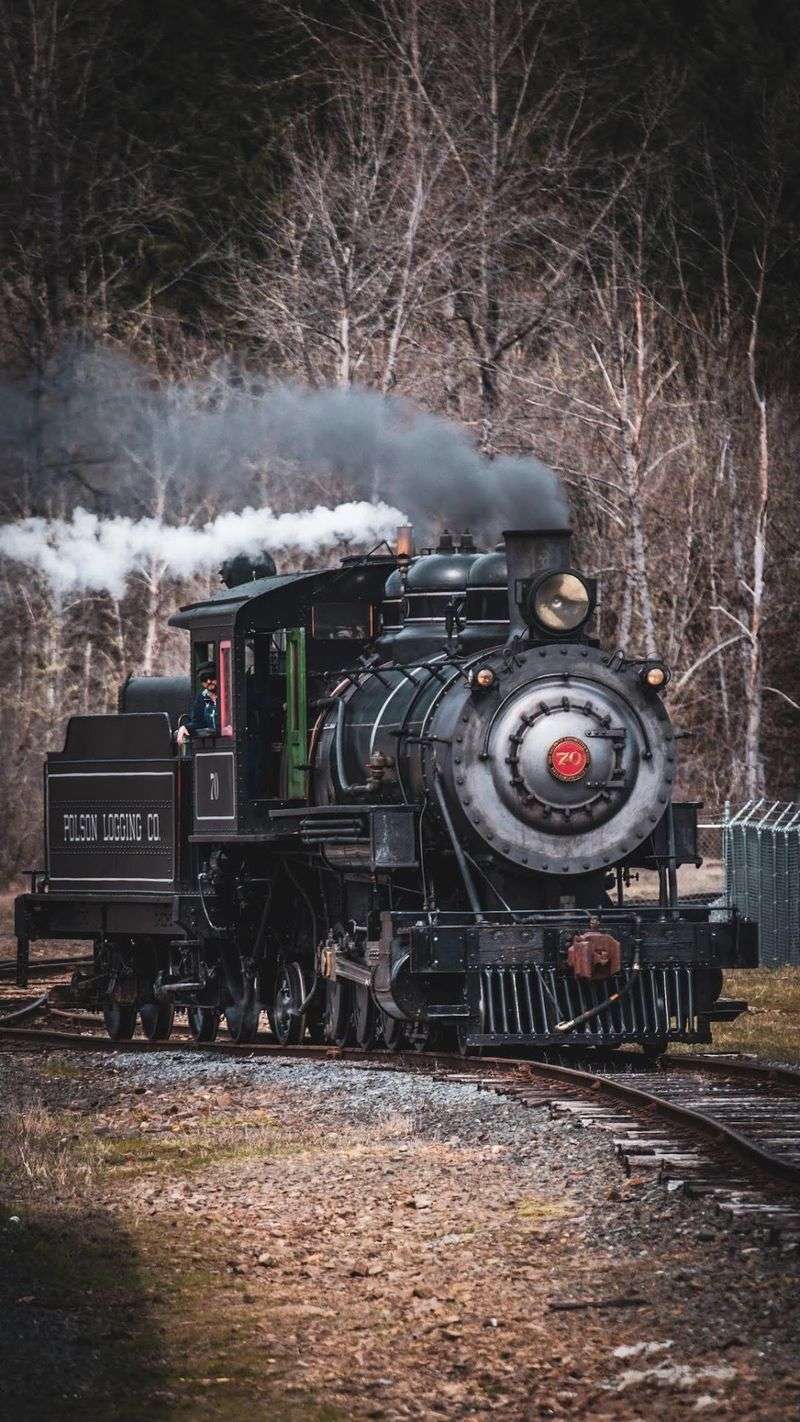
Polson No. 70 is the historic engine that pulls many excursions. Watching it work, with rods pumping and steam curling upward, never gets old.
Restoration continues behind the scenes, too. Porter No. 5, a 1925 locomotive, is slated to debut in 2026 after decades of patient work.
One tip from experience: engines occasionally come off duty for annual inspection. Diesel power fills in, and the scenery stays just as good.
Ask the crew questions if you get the chance. Their enthusiasm for these machines is contagious and completely unforced.
Open-Air Car Bliss
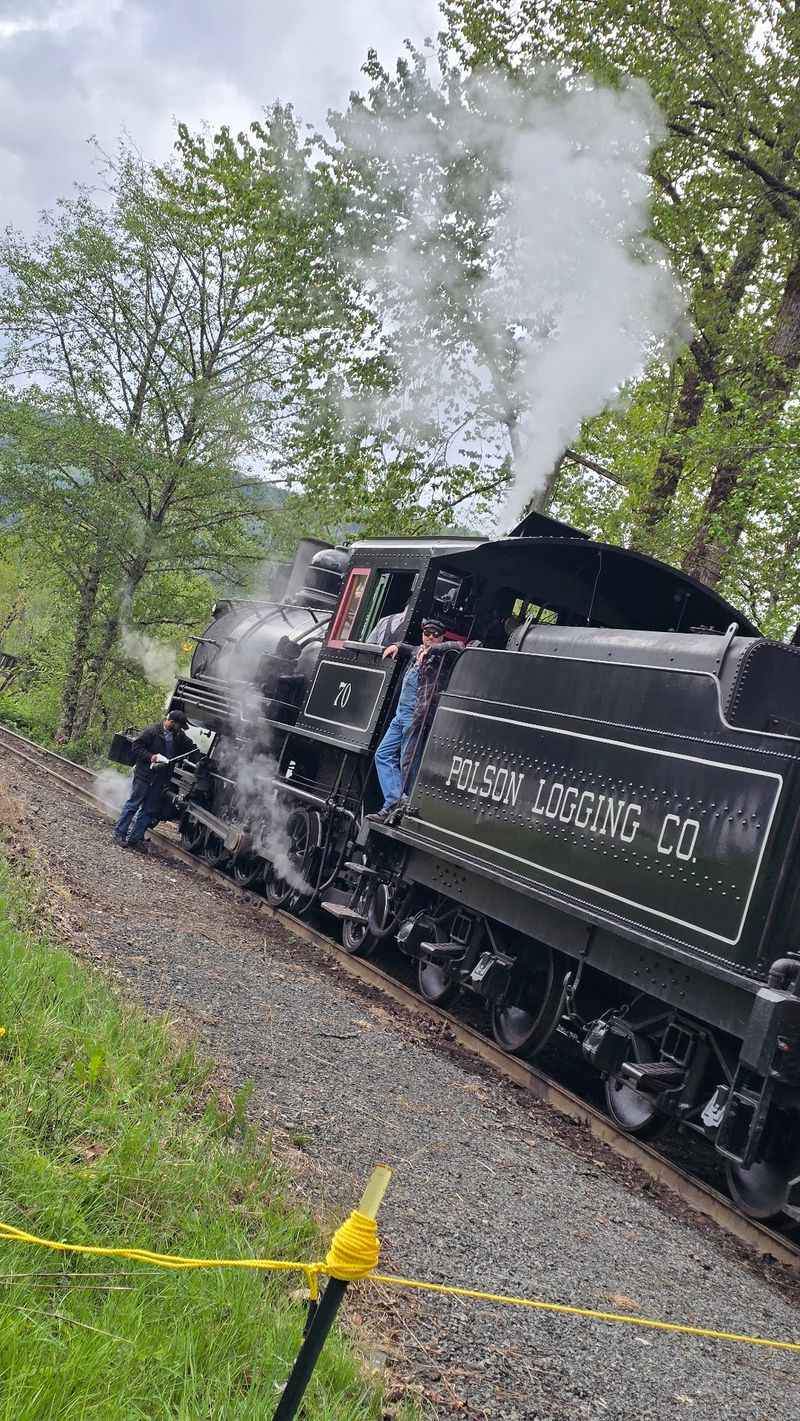
Ask me where to sit, and my answer arrives instantly. Head straight for the open-air car.
No windows, no glass glare, just cool mountain air rushing past your face. Photographers get unobstructed views in every direction.
Passengers may move freely through the train while it rolls. I bounced between cars more than once, chasing better angles.
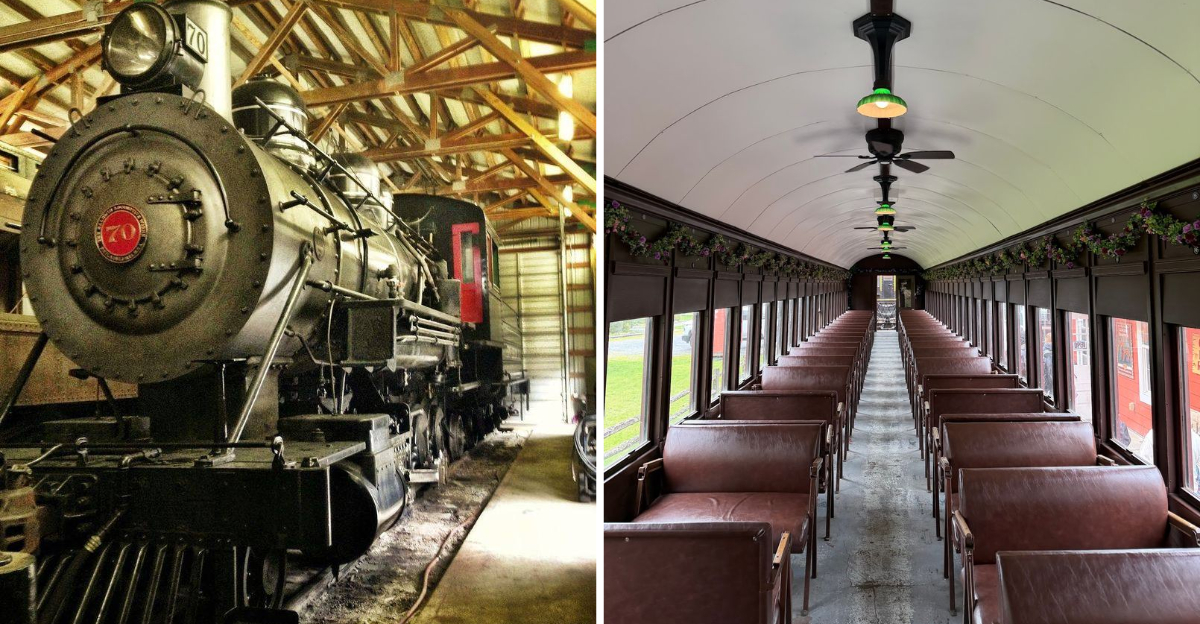
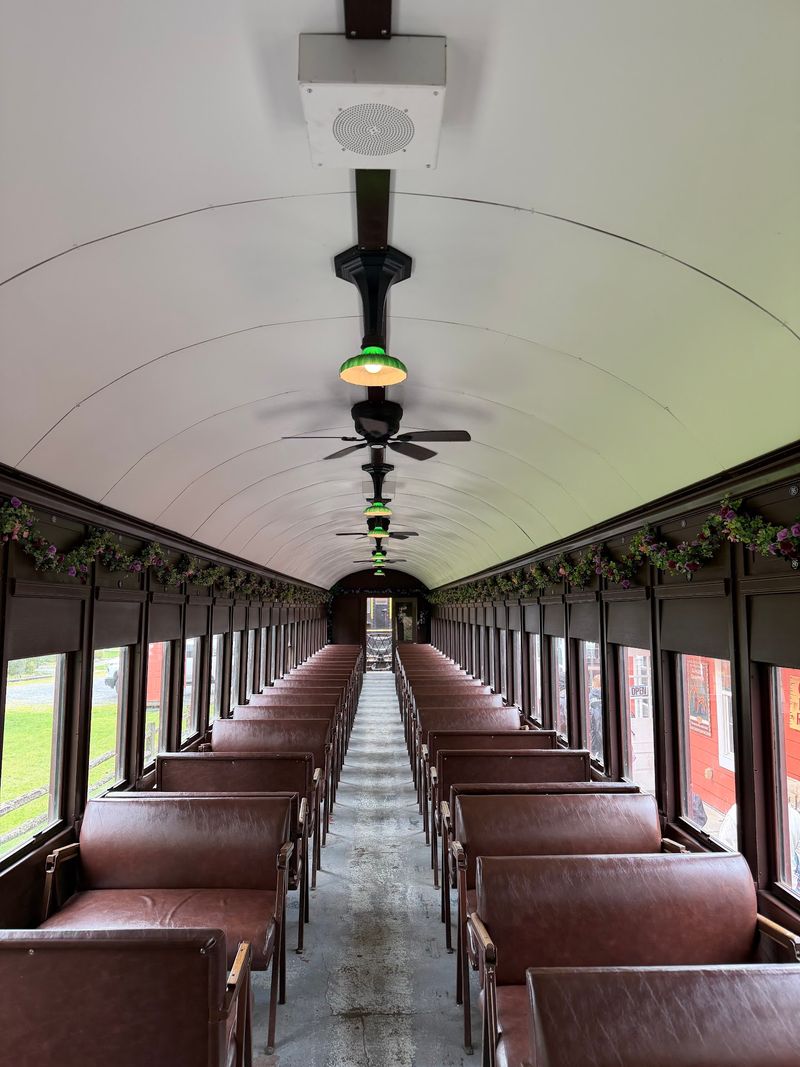
Two Pullman coaches from the 1920s offer enclosed seating with vintage walkover seats. Those seat backs flip, so families can face each other. Kids love the freedom to explore car to car. It turns a ride into a small adventure.
A separate parlor car provides a quieter, more relaxed adult setting with cushier seating. It feels calmer without being stuffy.
There is no air conditioning, because 1920s builders never bothered. Bring water on hot afternoons and a jacket on cool ones.
Accessibility is handled thoughtfully, with a wheelchair lift and accessible restrooms available. The onboard restroom stayed clean during my trip.
An old baggage car has been converted into a gift shop and snack stop. Hot chocolate and cider warm up chilly rides nicely.
River Bends And Mountain Peeks
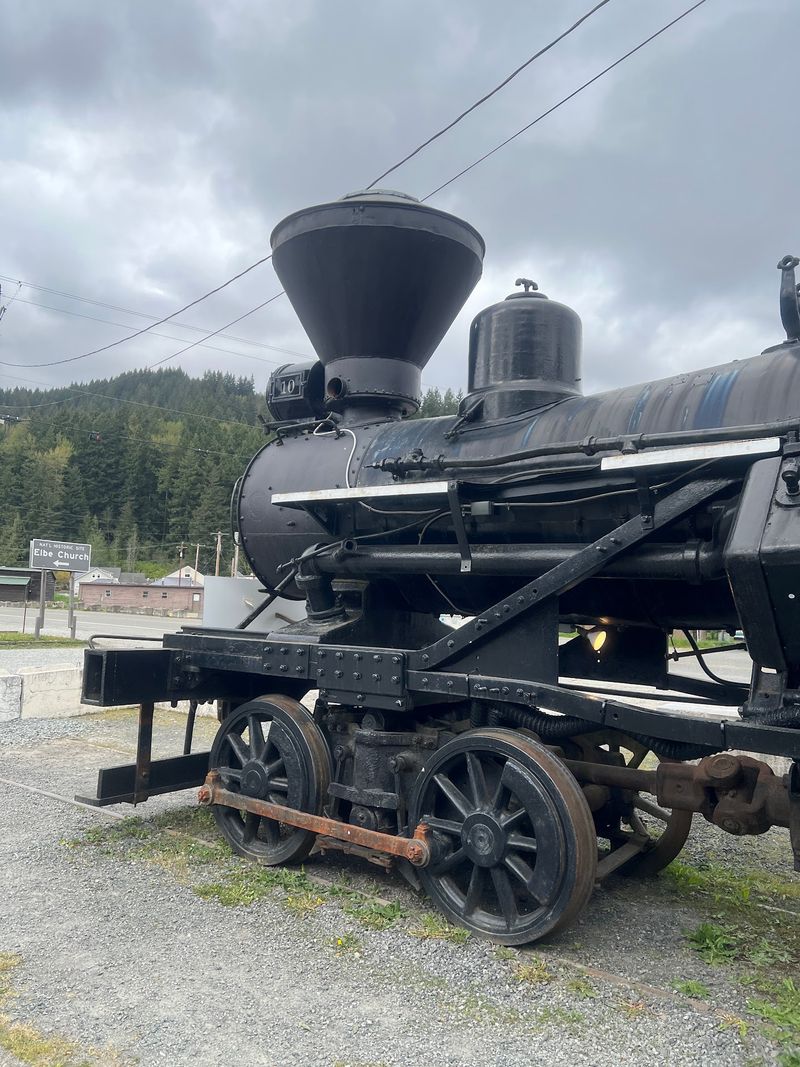
The scenery does the talking once the whistle fades. Green walls of forest close in, then suddenly split open.
The excursion runs roughly an hour and fifteen minutes through foothills below the big mountain. Trains travel between Elbe and Mineral, both in Washington.
The Nisqually River glimmers alongside stretches of the route. Water levels shift by season, so spring runoff looks very different from late summer.
Wooden bridges add drama, with river views dropping away beneath the wheels. I heard more than a few delighted gasps.
Mount Rainier makes its appearance on clear days, towering above the treeline. Cloud cover is common, so treat a sighting as a bonus.
Wildlife shows up unannounced. Elk sometimes graze near the rails, occasionally standing right on them.
Not every mile is postcard perfect, since the line passes through lived-in backyards. That honest, working-country feel grew on me.
Narration points out landmarks and history as the miles pass. It helps connect the scenery to the people who shaped it. By the time the train slowed, my camera roll had doubled and my neck ached from looking up.
Mineral Stop And Logging Museum
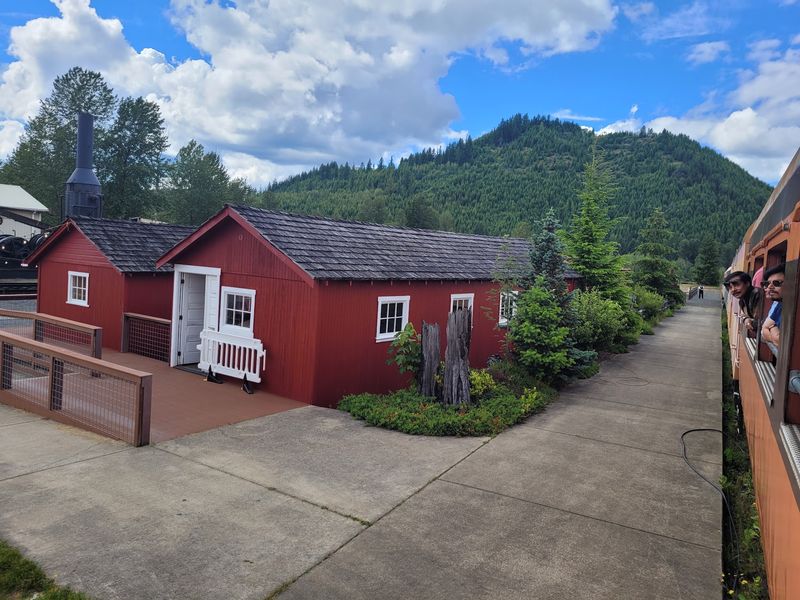
Halfway through the journey comes a change of pace. The train pauses in Mineral, a tiny community deep in the woods.
The site holds a logging museum built around old bunkhouses. Those simple buildings once housed the crews who felled these forests.
Exhibits focus on the culture of timber work and the engineering that tamed rough terrain. Practical problem-solving fills the displays.
Access varies, since restoration projects are ongoing and some areas remain closed. Check ahead if the museum is your main reason to ride.
The Western Forest Industries Museum plans a full reopening in phases. A new regional museum is also planned for Eatonville.
The broader vision leans into human stories, not just machinery. Camp cooks, buckers, and engineers all belong in that history.
Even with limited access, the stop stretches your legs and refreshes your view. Fresh air and quiet woods make a fine intermission.
I found the old bunkhouse cluster quietly moving. Simple structures say plenty about hard, ordinary days.
Photographers should hop off quickly, because the pause is not endless. Grab your shots before the whistle calls everyone back.
Choosing Your Best Season
Timing changes this trip more than any other factor. I learned that the hard way after chatting with repeat riders.
Autumn wins plenty of votes, and the reason is obvious. Yellow, red, and orange foliage frames the tracks in every direction.
Summer delivers lush greenery, longer daylight, and better odds of clear mountain views. Warm days also mean packing water for that breezy open car.
Late winter can look bare, with leafless trees and lower river flow. Snowy days, however, turn the same route into something quietly magical.
Spring brings new growth and fuller water in the Nisqually. Easter weekend events add egg hunts and activities for small kids.
Holiday Timber Trains stretch the season into colder months. The Polar Express style excursions are wildly popular with families.
Trains sell out regularly, especially on sunny weekends and during holiday runs. Booking early saves disappointment at the window.
A newer railbike attraction, RailCycle Mt. Rainier, offers pedal-powered fun on historic rails. It suits visitors who prefer active outings.
Smart Tips Before Boarding
A few practical details make this outing smoother, and I wish I had known them sooner. Small preparations pay off big.
Arrive at least thirty minutes early to claim seats near your group. Departures fill quickly, particularly on weekends.
Reserving tickets online ahead of time is wise, since popular runs sell out. Walk-up availability can disappear fast.
Operating days typically fall Thursday through Sunday, with the depot closed early in the week. Hours shift seasonally, so verify before driving.
Pack layers, water, and sunscreen for warm months. The open car catches wind, sun, and occasional cinders from the engine.
Concessions on board are limited to snacks and hot drinks. Eating beforehand in Elbe keeps everyone happier.
Restrooms exist on the train and are single-use, so plan accordingly with kids. The gift shop car sells shirts and keepsakes.
Manage expectations about mountain views, because clouds win often in Washington. Treat the forest, river, and history as the main event.
Little kids adore this ride, and toddlers seem especially thrilled. The ability to roam between cars keeps them busy.