10 Massachusetts Towns With Main Streets That Make You Want To Slow Down
There is a specific kind of magic that happens when you slow down in a town that was built before anyone was in a hurry.
You park the car, step onto a brick sidewalk, and suddenly the afternoon opens up in a way you did not plan for.
Massachusetts is full of these moments, in towns where the main street is not just a road but an actual reason to show up.
A bookshop that smells like it has been there for a century. A bakery with something warm in the window.
A bench outside a coffee shop where two strangers are deep in conversation like they have known each other forever.
I have driven through dozens of these towns, sometimes by accident and sometimes chasing a recommendation.
The ones that stay with you are always the ones where slowing down felt less like a choice and more like the only reasonable response. These are exactly that kind of place.
1. Stockbridge
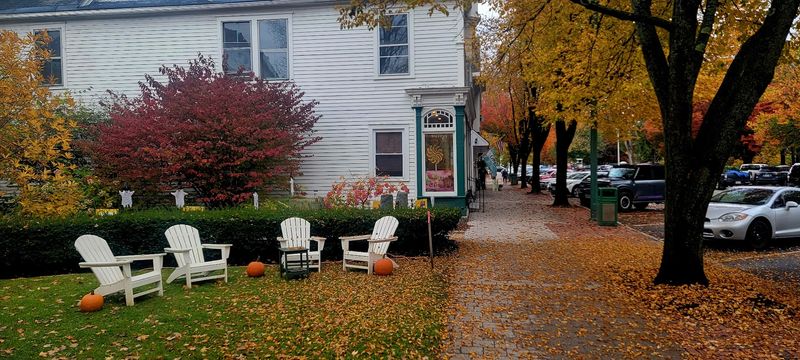
Norman Rockwell did not choose Stockbridge by accident. He lived and painted here for over two decades, and if you stand on Main Street long enough, you start to understand exactly why.
The street looks almost exactly like his famous painting of it, complete with the Red Lion Inn anchoring one end like it has owned the place since 1773, which it basically has.
The town moves at a pace that feels almost rebellious in the best way. There are no chain restaurants cluttering the sidewalk, no neon signs fighting for attention.
Just well-kept colonial architecture, a handful of thoughtful shops, and people who actually say hello.
The Norman Rockwell Museum sits just outside the center at 9 Route 183, and it is worth every minute.
His original studio was moved to the museum grounds and preserved exactly as he left it. Walking through it feels oddly personal, like you have been invited somewhere private.
Stockbridge in October, when the Berkshire hills go full color, is one of those experiences that sneaks up on you and refuses to leave your memory alone.
2. Concord
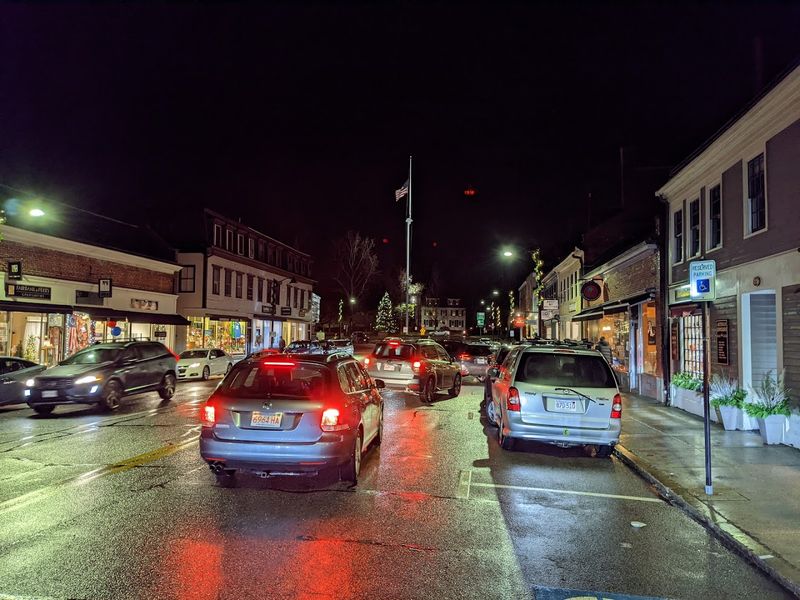
Concord carries more history per square foot than almost anywhere else in the country, and somehow it never feels like a museum.
The town center is alive with bakeries, bookshops, and people walking dogs past buildings that stood during the American Revolution. That combination of real history and real daily life is genuinely rare.
Monument Square anchors the downtown, and from there you can walk to the Old North Bridge in about fifteen minutes.
Standing at that bridge, where the first shots of the Revolution were fired in April 1775, is one of those moments that makes the history suddenly feel very immediate.
Main Street itself is lined with independent shops and restaurants that have clearly been there long enough to know their regulars by name.
The Concord Bookshop on Main Street is the kind of place you enter planning to buy one thing and leave an hour later with a bag full of surprises.
Concord rewards the kind of visitor who slows down, looks carefully, and resists the urge to photograph everything before actually seeing it.
3. Northampton
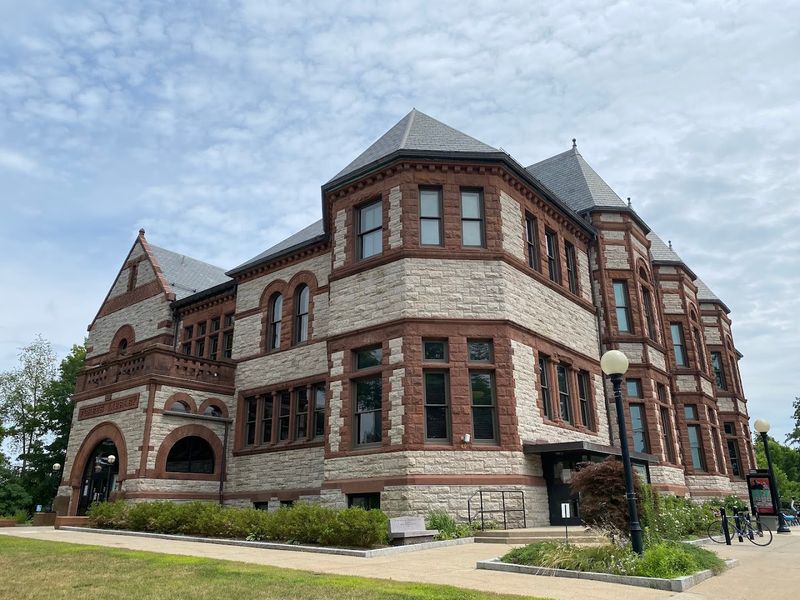
This town does not try to be charming. It just is, effortlessly and a little defiantly.
Main Street here is one of the most genuinely lively stretches of sidewalk in the entire state, packed with independent bookstores, art galleries, coffee shops, and restaurants that actually have something to say about what they serve.
The energy here is different from the quieter Berkshire towns. Street musicians show up on warm afternoons, the kind who are actually good.
Smith College sits just off Main Street and brings a constant current of creative energy into the town. You can feel it in the shop windows, the murals, and the conversations spilling out of open cafe doors.
Thornes Marketplace at 150 Main Street is worth a wander on its own.
It is a converted department store turned independent market, spread across several floors with vendors selling everything from handmade jewelry to specialty food.
The building has character that no new construction could fake.
Northampton also has one of the best live music scenes in western Massachusetts, centered around the Iron Horse Music Hall, which has hosted legends since 1979.
Come hungry, stay curious, and plan to stay longer than you expected.
4. Shelburne Falls
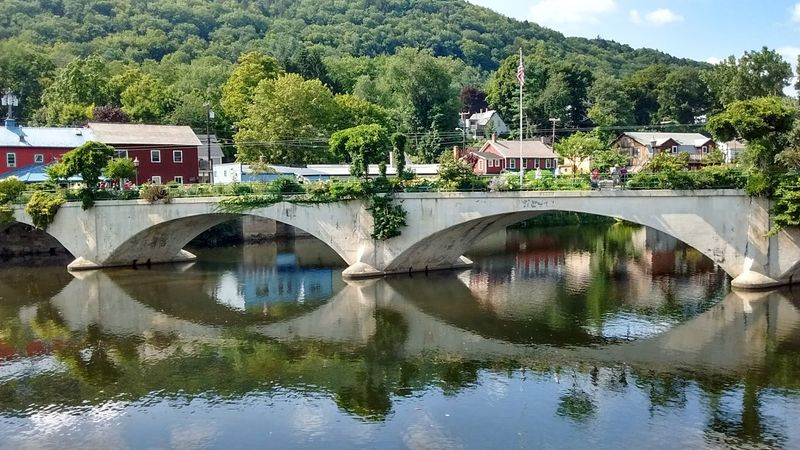
Shelburne Falls has a bridge made entirely of flowers.
That sentence sounds made up, but the Bridge of Flowers is completely real.
A 400-foot trolley bridge that was rescued from abandonment in 1929 and transformed into a pedestrian walkway planted with hundreds of varieties of flowers and plants.
It blooms from April through October and it is genuinely one of the most unusual things you will find in New England.
The town sits along the Deerfield River in Franklin County, and it has the relaxed, creative feel of a place where artists and farmers live side by side without making a fuss about it.
Main Street here is short but full of personality, with galleries, a small cinema, and the kind of cafe where the owner knows the regulars and the coffee is actually good.
The glacial potholes carved into the riverbed just below the falls are another surprise worth seeing. Formed by swirling glacial meltwater thousands of years ago, they look like something from another planet.
The town is located at the intersection of Buckland and Shelburne, about 20 miles west of Greenfield on Route 2. Shelburne Falls rewards slow visitors who let the place reveal itself at its own pace.
5. Falmouth
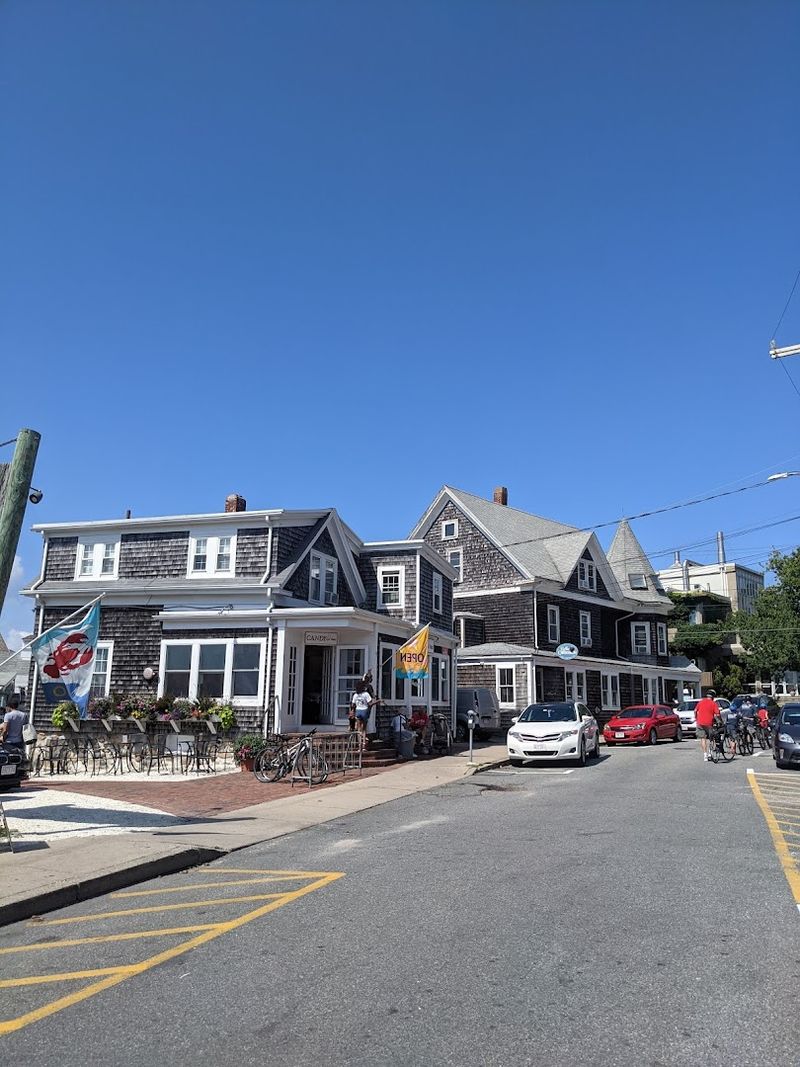
It sits at the upper end of Cape Cod and manages to feel like the Cape before the Cape became a summer traffic jam.
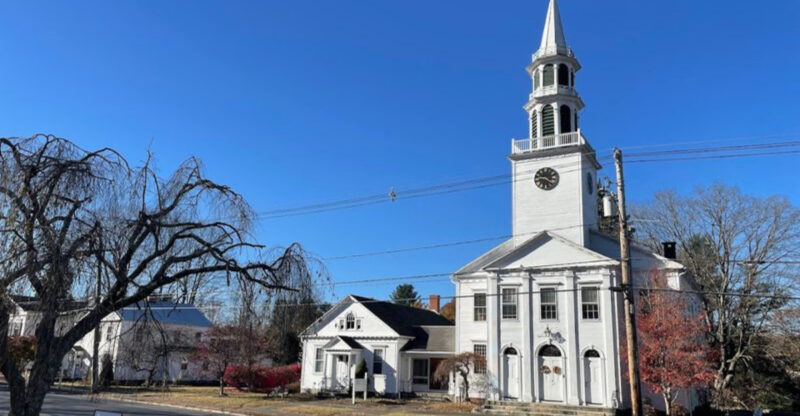
The village green is one of the prettiest in the state, ringed by white-clapboard buildings and a church steeple that has been pointing at the sky since 1796.
It is the kind of scene that makes you want to sit on a bench and do absolutely nothing for a while.
Main Street runs right alongside the green and offers a solid mix of independent shops, good food, and local history that does not feel performed for tourists.
The Falmouth Historical Society at 55 Palmer Avenue runs a small but genuinely interesting museum that covers everything from whaling to Katherine Lee Bates, who was born here and wrote the lyrics to America the Beautiful.
That detail alone earns the town a certain kind of respect.
Woods Hole, just a few miles south, adds another dimension to a Falmouth visit. It is home to the Woods Hole Oceanographic Institution, and the small aquarium there is free and surprisingly engaging.
Falmouth in early summer, before the crowds fully arrive, is the Cape at its most comfortable and most itself. Arrive on a Tuesday morning and you might feel like you have the whole town to yourself.
6. Chatham
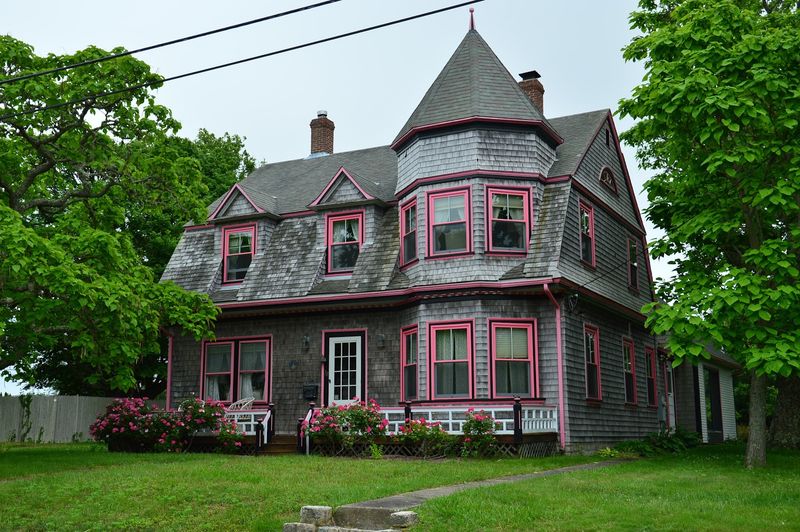
It sits at the elbow of Cape Cod, far enough from the highway that only people who actually want to be there end up there.
Main Street is compact and walkable, lined with shops that lean toward quality over quantity and restaurants that take their seafood seriously.
The Chatham Fish Pier at Shore Road is the real thing.
Commercial fishing boats unload their catch there in the afternoons, and watching it happen while eating a lobster roll nearby is the kind of simple experience that stays with you.
The pier has been operating since the 1940s and is one of the few working fish piers left on the Cape where you can watch the whole process unfold.
The Chatham Lighthouse at 37 Bridge Street has been warning ships away from the outer bars since 1808, and the view from the overlook near it stretches far enough to make you feel properly small in the best way.
Friday nights in summer bring a free band concert on the Kate Gould Park bandstand, a tradition since 1936.
Chatham does not shout about itself. It simply delivers, quietly and consistently, which is exactly why people return every single year.
7. Lenox
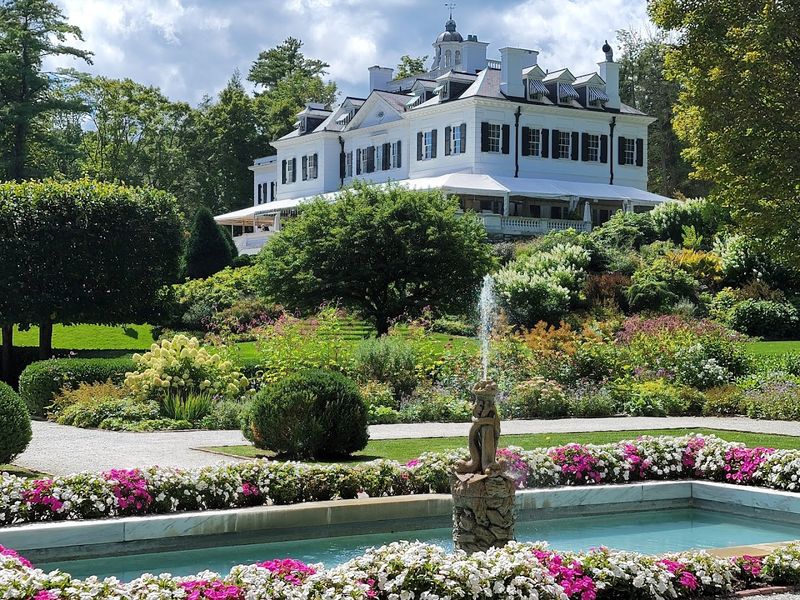
Lenox is the kind of town that raises your expectations the moment you arrive and then somehow still exceeds them.
Berkshire County has no shortage of appealing towns, but Lenox has a particular combination of cultural depth and physical beauty that is hard to beat.
The downtown is small and elegant, with Church Street and Main Street forming a quiet core of good restaurants, independent bookshops, and galleries.
Tanglewood, the summer home of the Boston Symphony Orchestra, sits just outside the center at 297 West Street.
It has been drawing music lovers to the Berkshires since 1937, and a lawn concert there on a warm summer evening is one of those experiences that sounds idyllic and actually is.
The grounds are beautiful, the music is world-class, and the whole thing feels wonderfully unhurried.
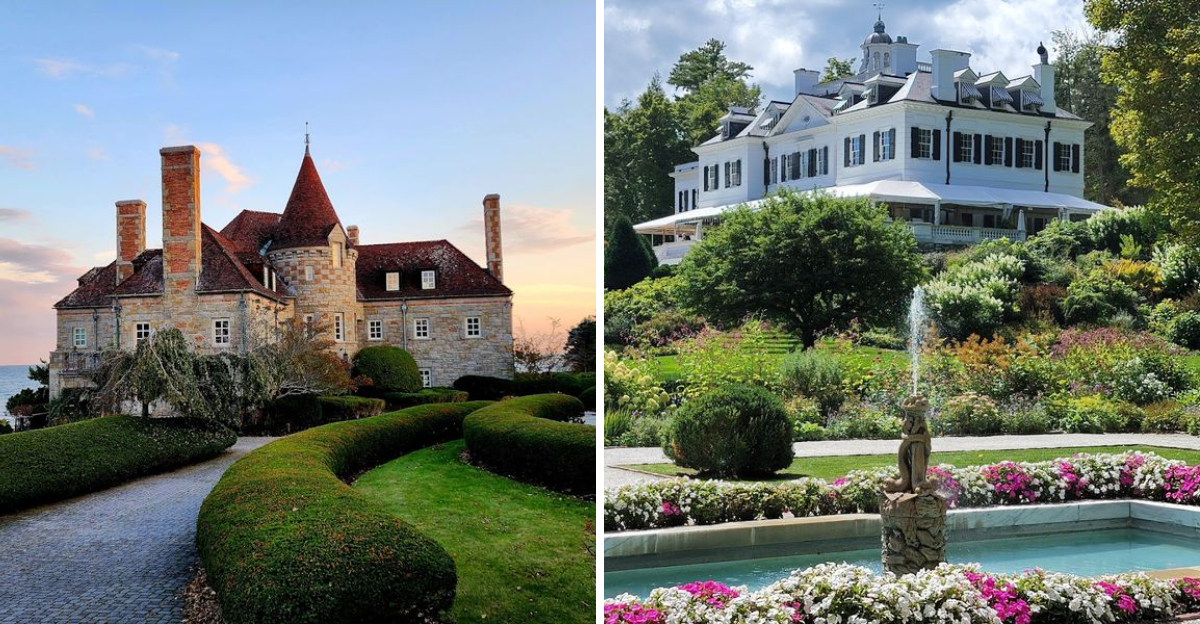
The Mount, Edith Wharton’s estate at 2 Plunkett Street, is another reason to spend real time in Lenox.
Wharton designed the house herself, drawing on her own theories about architecture and landscape, and the result is stunning. She wrote several major novels there, including The House of Mirth.
Touring the estate while knowing that context makes the rooms feel inhabited rather than preserved. Lenox in any season earns a long weekend, not just a passing visit.
8. Marblehead
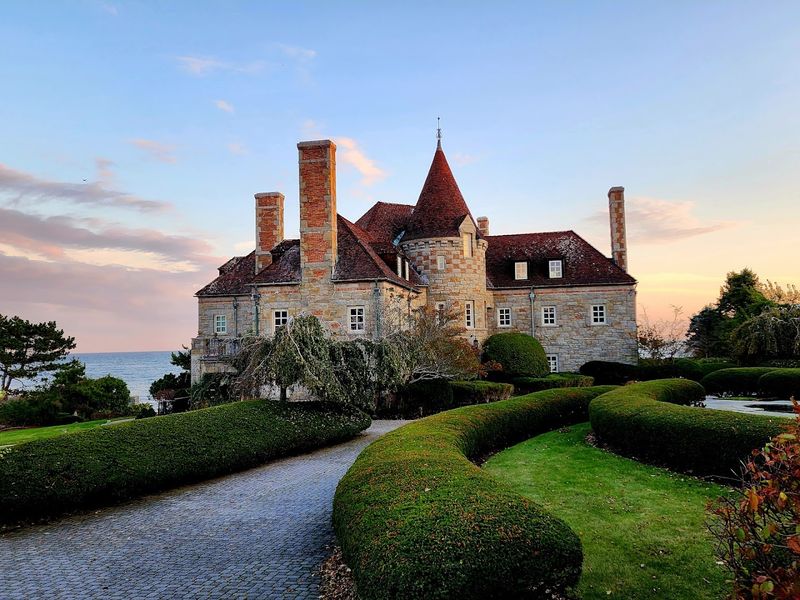
The town that makes you reconsider everything you thought you knew about what a New England harbor should look like is Marblehead.
The streets downtown are so narrow that two cars passing each other is genuinely a negotiation.
Buildings lean toward each other across the lanes in a way that feels more like a medieval village than a Massachusetts coastal town.
The harbor is one of the most active sailing harbors on the East Coast, and the view from Fort Sewall, a fortification dating to the 1640s, is the kind of thing that stops you mid-sentence.
Washington Street runs through the heart of the historic district and is lined with colonial homes that have been standing since the 1700s, many of them still privately owned and impeccably kept.
The Marblehead Museum at 170 Washington Street holds a collection that includes portraits, maritime artifacts, and a surprisingly moving exhibit on the town’s role in the Revolution.
Marblehead claims to be the birthplace of the American Navy, and there is a solid historical argument for that claim.
Marblehead rewards walkers who get lost in its lanes on purpose and find something new every time.
9. Deerfield
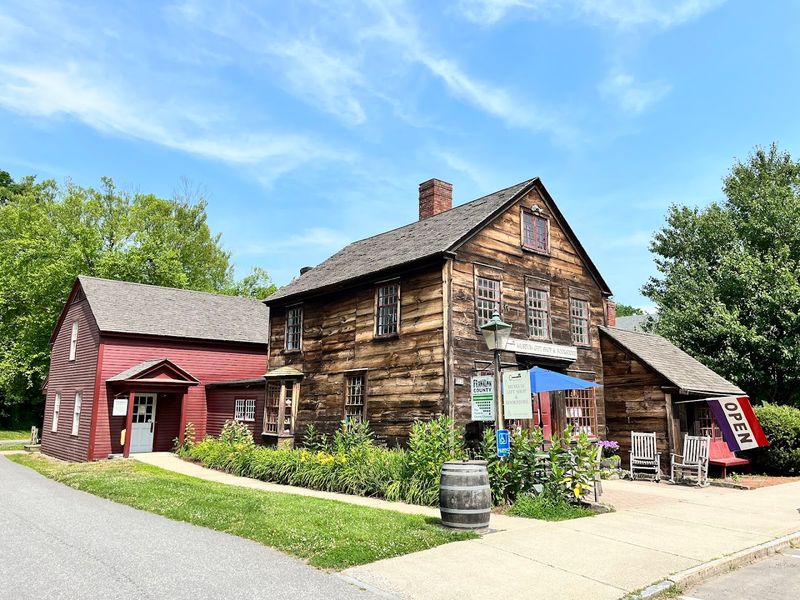
Historic Deerfield is one of the best-preserved colonial streetscapes in the entire United States, and it somehow stays under the radar in a way that feels almost unfair.
The main street, called simply The Street, is a mile-long stretch lined with more than 80 historic structures, most of them dating to the 18th century.
Walking it feels like stepping into a working history lesson that nobody forgot to maintain.
The town is managed in part by Historic Deerfield, a museum organization that preserves and interprets the buildings and their collections.
Guided tours take you inside a dozen of the homes, where the furnishings, textiles, and ceramics are museum-quality but presented in their original domestic context.
It is a completely different experience from a traditional museum layout.
Deerfield’s history is not simple or comfortable. The town was the site of a devastating raid in 1704, and that history is addressed honestly in the interpretation.
The Memorial Hall Museum at 8 Memorial Street holds artifacts from that period and tells the story without softening it.
The surrounding Pioneer Valley farmland adds to the atmosphere, especially in fall when the fields are harvested and the light turns golden in the late afternoon.
Deerfield is the kind of place that serious history enthusiasts and curious first-timers both leave talking about.
10. Newburyport
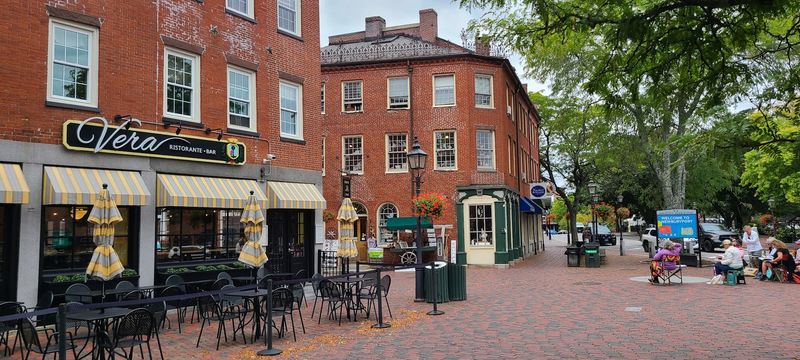
This might be the most polished main street in Massachusetts, and it earns that distinction through genuine architectural character rather than renovation gloss.
State Street and Inn Street run through the center of a downtown built almost entirely in Federal-style brick, the result of a rebuilding effort after a devastating fire in 1811.
The uniformity of the architecture gives the whole downtown a cohesion that feels almost cinematic.
The waterfront boardwalk along the Merrimack River adds a dimension that most inland towns cannot match.
You can walk from the shops on State Street down to the river in about five minutes, then follow the boardwalk past restaurants, boats, and the wide tidal estuary that eventually opens to the sea.
The Custom House Maritime Museum at 25 Water Street sits right on the waterfront and covers the city’s deep history as a shipbuilding and maritime trade center.
Plum Island, accessible via a short drive from downtown, offers one of the best barrier island beach experiences in New England.
Parker River National Wildlife Refuge takes up most of the island and is extraordinary for birdwatching during migration season.
Newburyport also has a genuinely strong restaurant scene for a city its size, concentrated along Inn Street and the waterfront.
It is the kind of place that works equally well for a day trip or a full weekend, depending entirely on how much you like eating well and walking slowly.