10 Texas Places So Beautiful That Keeping Them To Yourself Starts To Feel Selfish After A While
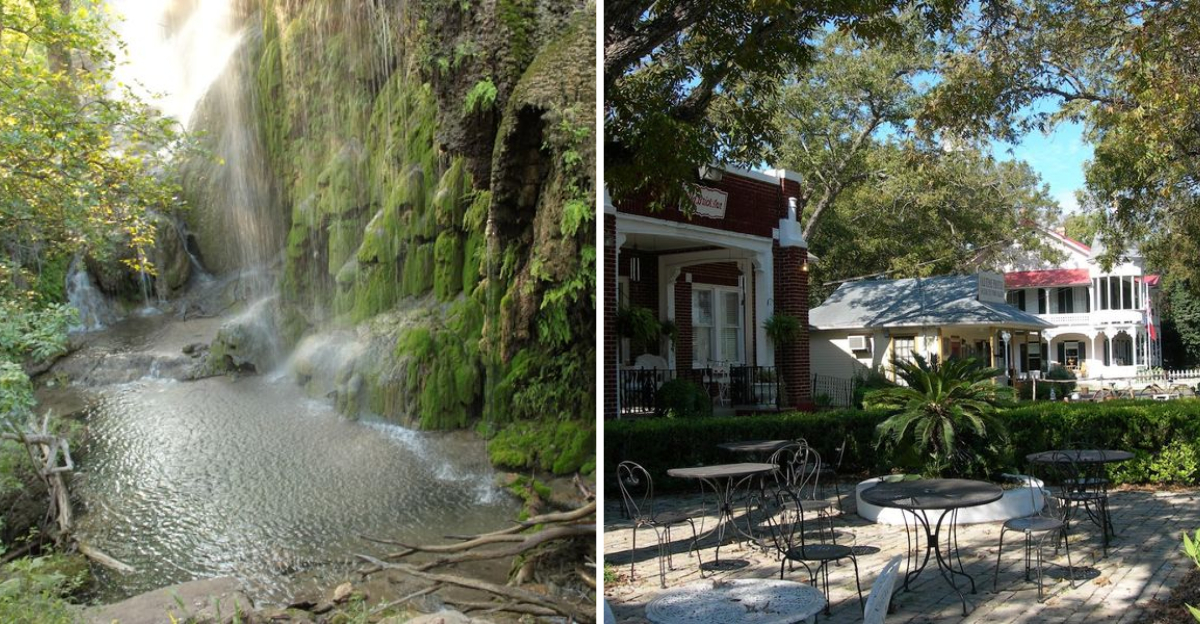
Keeping these views to yourself feels like a crime against nature. Texas holds landscapes that will take your breath away quite fast.
Every valley and hill looks like a master painted the scene. I often stare at the horizon until the stars come out.
How can one state hold so much diverse and natural wonder? You will see fields of flowers that stretch toward the sky.
Clear rivers flow over ancient rocks in the cool morning light. Sharing these spots feels right once you see them in person.
The scale of this beauty is hard to put into words. Take a look at these stunning and wide open spaces.
1. Marfa
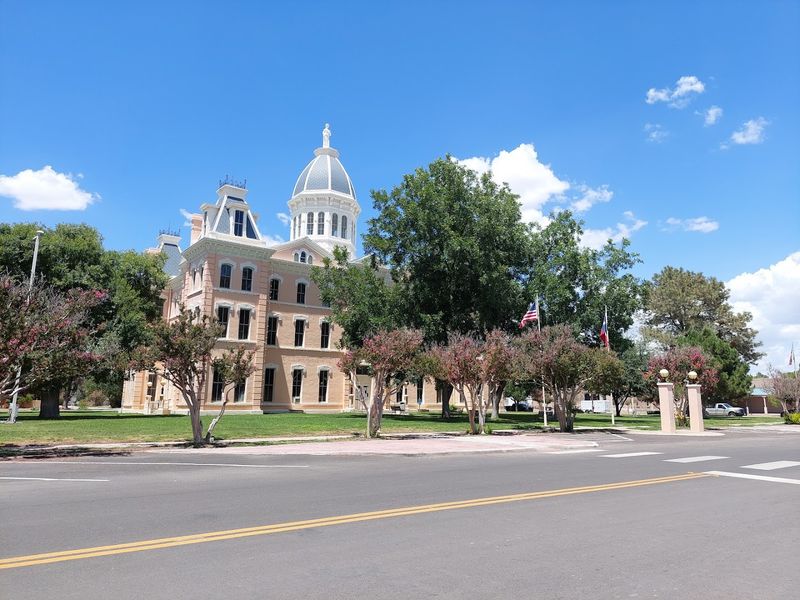
You might not believe me when I say a tiny town in the middle of the West Texas desert became one of my favorite places in the whole state.
Marfa sits in Presidio County, and it is unlike anything else you will find in the Lone Star State.
The town has about 1,800 residents, but it punches way above its weight. World-class art installations, quirky hotels, and a laid-back creative energy fill every block.
The famous Prada Marfa art structure stands just outside town on US-90, and it is genuinely one of the most photographed spots in all of Texas.
At night, the skies above Marfa are jaw-dropping. Light pollution is almost nonexistent out here, so the Milky Way shows up clear and brilliant.
The mysterious Marfa Lights, unexplained glowing orbs seen near Mitchell Flat, have puzzled scientists and tourists for decades.
Spring and fall bring the most comfortable weather for exploring. The annual Marfa Lights Festival draws crowds every Labor Day weekend.
Cheap motels and upscale boutique stays both exist here, so your budget does not have to decide whether you go.
2. Terlingua Ghost Town
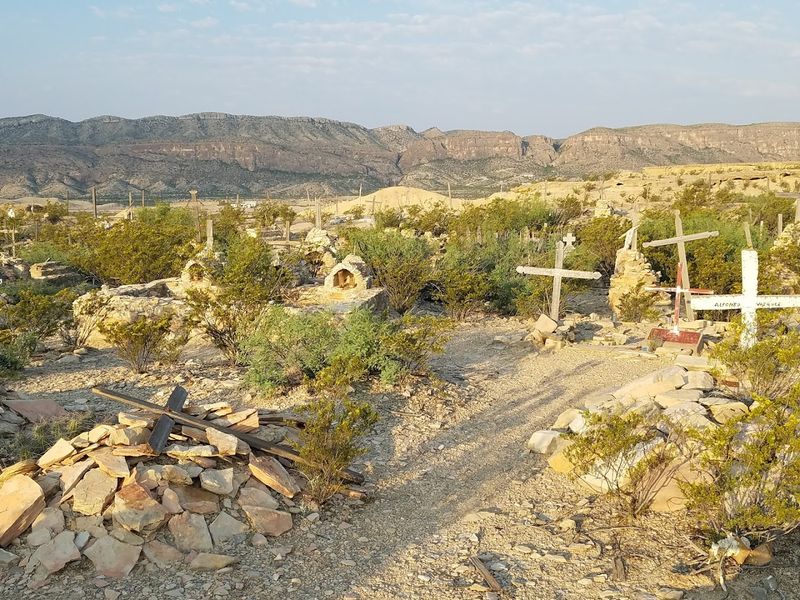
Who would have thought that a crumbling mining town could feel this alive?
Terlingua Ghost Town in Brewster County, right on the edge of Big Bend country in West Texas, is one of the most hauntingly beautiful places I have ever wandered through.
The town was once a thriving quicksilver mining hub in the early 1900s. When the mines closed, nearly everyone left.
What stayed behind were adobe ruins, a hilltop cemetery with hand-painted grave markers, and an atmosphere so thick with history you can almost feel it in the dry desert air.
Today, a small community of artists, adventurers, and free spirits has quietly moved back in. A few restaurants, a trading post, and a porch full of storytellers make Terlingua feel oddly warm for a ghost town.
The sunsets here are genuinely unreal, painting the Chisos Mountains in deep orange and red.
Every November, the Terlingua International Chili Championship brings thousands of chili lovers to the desert. If you time your trip right, you get ghost town history and world-famous chili in the same weekend.
That is a hard deal to beat.
3. Caddo Lake State Park
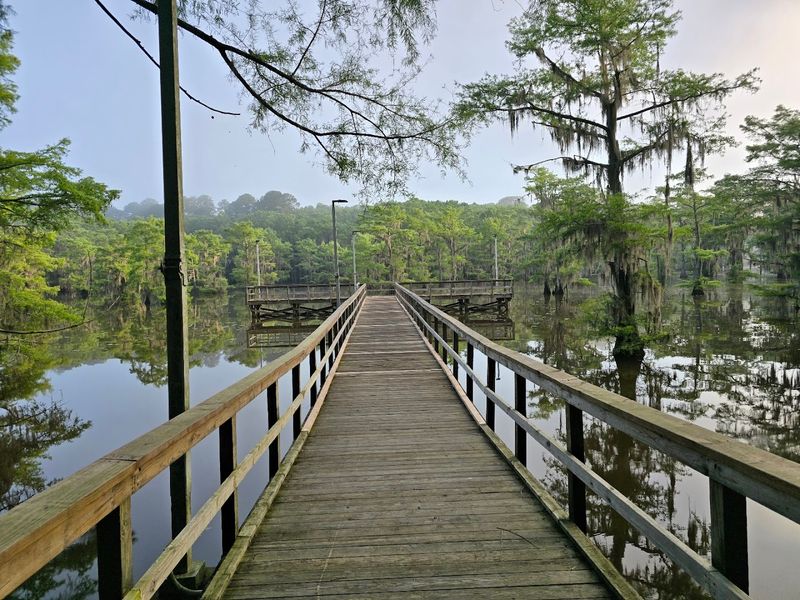
I never would have guessed that the only naturally formed lake in Texas looks more like a Louisiana bayou than anything else in the state.
Caddo Lake State Park at 245 Park Rd 2 in Karnack in East Texas, is a world apart from the dry plains most people picture when they think of Texas.
Ancient bald cypress trees, some hundreds of years old, rise straight out of the dark water. Spanish moss drips from every branch.
The whole place has a mysterious, almost dreamlike quality, especially in the early morning when mist sits low over the surface.
Paddling through the bayou channels is the best way to experience this park. Canoe and kayak rentals are available nearby, and guided tours are a smart choice for first-timers since the waterways can be tricky to navigate.
Alligators, herons, and wood ducks are regular sights out on the water.
Caddo Lake is also one of the most important wetland ecosystems in North America, supporting over 70 species of fish. Camping, fishing, and hiking trails round out the experience.
Fall foliage season here is quietly stunning and worth planning a trip around.
4. Palo Duro Canyon State Park
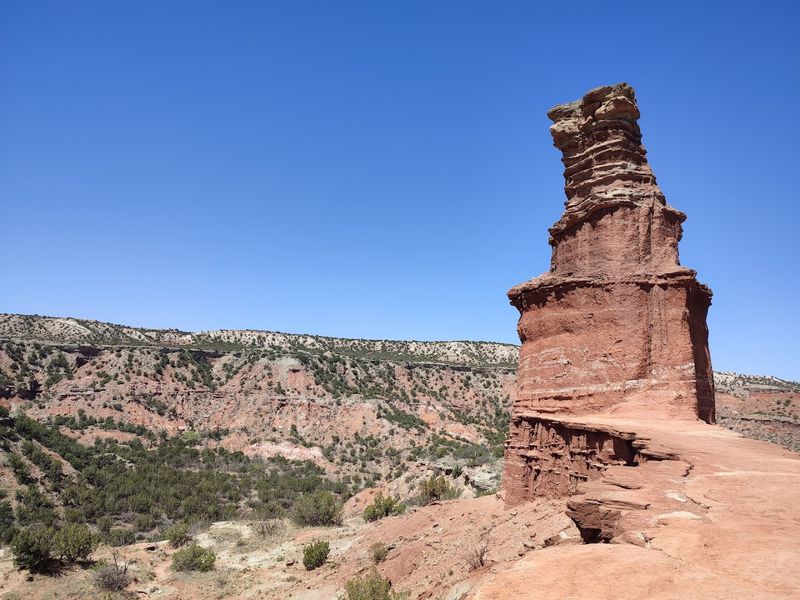
Can you believe the second largest canyon in the United States sits quietly in the Texas Panhandle, and most people have never heard of it?
Palo Duro Canyon State Park, near the city of Canyon in the Panhandle region of Texas, earns the nickname “The Grand Canyon of Texas” without any argument from me.
The canyon stretches roughly 120 miles long and drops about 800 feet at its deepest point. Red, orange, and purple rock layers tell 250 million years of geological history in vivid color.
The famous Lighthouse Rock formation is the most photographed landmark here, and the hike to reach it is about six miles round trip.
Mountain biking, horseback riding, and camping are all popular activities throughout the park. The Pioneer Amphitheater hosts a dramatic outdoor musical called TEXAS every summer, drawing audiences from across the country.
Temperatures in the Panhandle can swing wildly, so spring and fall are the most reliable seasons for a comfortable trip. The park opens daily, and the entrance fee is very reasonable for what you get in return.
5. Seminole Canyon State Park And Historic Site
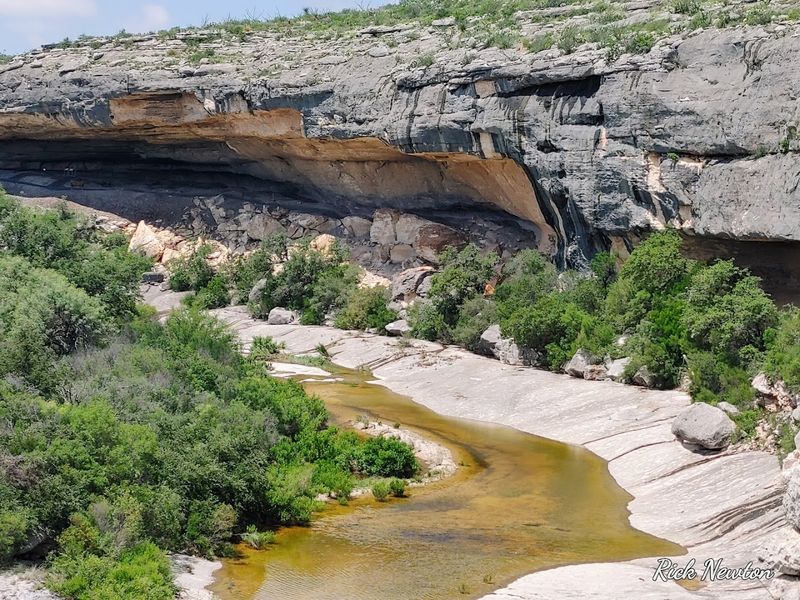
Doesn’t it sound interesting, finding some of the oldest rock art in North America in a dry canyon along the Rio Grande?
Seminole Canyon State Park and Historic Site, on US-90 near Comstock in Val Verde County, West Texas, holds pictographs that are believed to be over 4,000 years old.
The Fate Bell Shelter inside the canyon contains hundreds of ancient paintings created by the Pecos River culture. Guided tours are the only way to access the shelter, and those tours are absolutely worth booking in advance.
The canyon landscape itself is dramatic and beautiful, with steep limestone walls dropping down to a dry riverbed.
Hiking trails wind along the canyon rim with sweeping views of the surrounding desert and the Rio Grande valley below.
Camping is available inside the park, and the night sky out here rivals anything you will find in West Texas. Spring is the best season to come, when wildflowers carpet the rocky hillsides and temperatures stay manageable.
6. Lost Maples State Natural Area
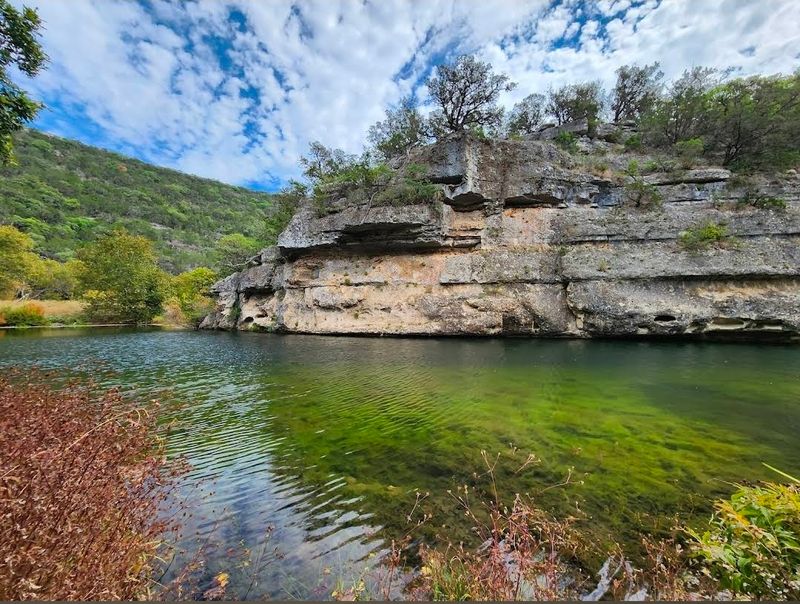
I know, right, fall foliage in Texas sounds like something made up. But it’s real!
Lost Maples State Natural Area at 37221 RM 187 near Vanderpool in the Texas Hill Country, proves that the Lone Star State can absolutely compete when it comes to autumn color.
The park is named for its rare stand of bigtooth maple trees, which blaze red, orange, and gold every October and November.
These maples are a relic population left over from a cooler climate thousands of years ago. They survived by settling into the protected limestone canyons of the Sabinal River watershed.
Hiking here is genuinely rewarding at any time of year. The East Trail and the West Trail together cover about ten miles of canyon terrain, creek crossings, and ridge views.
Golden-cheeked warblers nest here in spring, making it a top birding destination as well.
Fall weekends get very crowded, and the park does cap daily entry numbers. Booking a campsite or arriving early on weekdays is the smart move during peak color season.
The Sabinal River running through the park adds a cooling, peaceful element that makes even a hot summer hike feel worthwhile.
7. Enchanted Rock State Natural Area
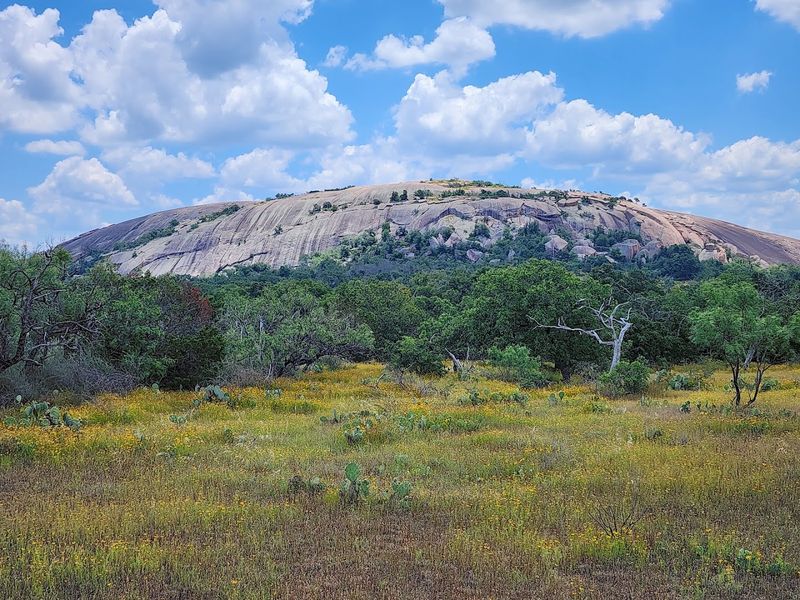
There is something almost magnetic about a bare pink granite dome rising 425 feet above the Texas Hill Country.
Enchanted Rock State Natural Area, located at 16710 Ranch Rd 965 near Fredericksburg in Llano County, is one of the most iconic natural landmarks in all of Texas.
The main dome is one of the largest batholiths in the United States, formed by ancient volcanic activity about one billion years ago.
Climbing to the top is a moderate hike of about half a mile, but the 360-degree views at the summit are absolutely worth every step. On clear days, you can see for miles across rolling Hill Country terrain.
The Tonkawa people considered this rock sacred, and legends of spirits and strange sounds have followed the site for centuries.
Stargazing here is spectacular, and the park holds a Dark Sky designation that draws astronomy enthusiasts from across the region.
Wildflower season in spring turns the meadows around the base into a carpet of bluebonnets and Indian paintbrush. The park fills up fast on weekends, and timed entry passes are required.
8. Gorman Falls At Colorado Bend State Park
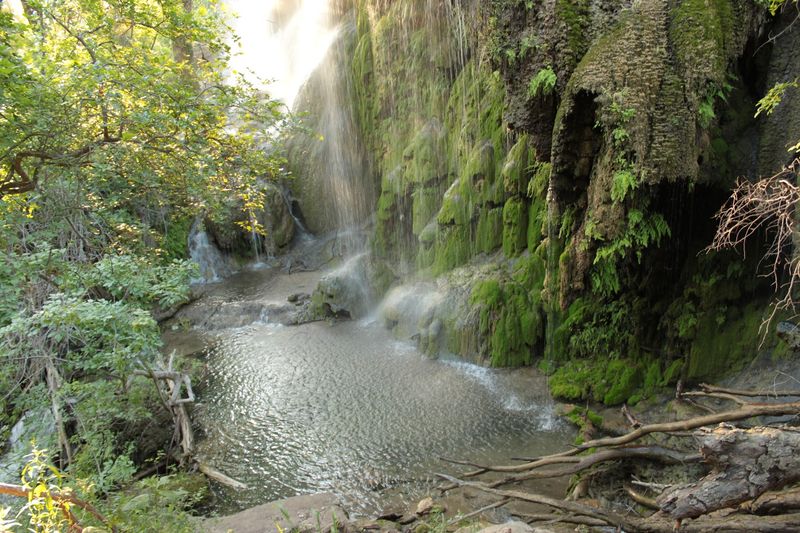
Behind miles of rough caliche road and a rocky canyon hike, Gorman Falls rewards every bit of effort it asks of you.
Colorado Bend State Park, at 2236 Park Hill Dr in Bend in San Saba County, Central Texas, is home to one of the most stunning waterfalls in the state.
Gorman Falls drops about 70 feet over travertine limestone coated in vivid green moss and ferns. The constant mist keeps the surrounding vegetation lush and tropical-looking, which feels completely surprising this deep in Central Texas.
The hike to the falls is about three miles round trip from the main trailhead. The trail passes through cedar and live oak woodland before descending into the canyon.
Swimming is not permitted at the falls to protect the delicate ecosystem, but the Colorado River running through the park offers excellent swimming and tubing spots.
Cave tours, birding, and night sky programs are also offered at this park. Spring brings wildflowers and rushing water levels after winter rains.
The park is remote enough that crowds are rarely a problem, which makes the whole experience feel like a private discovery every single time.
9. Hamilton Pool Preserve
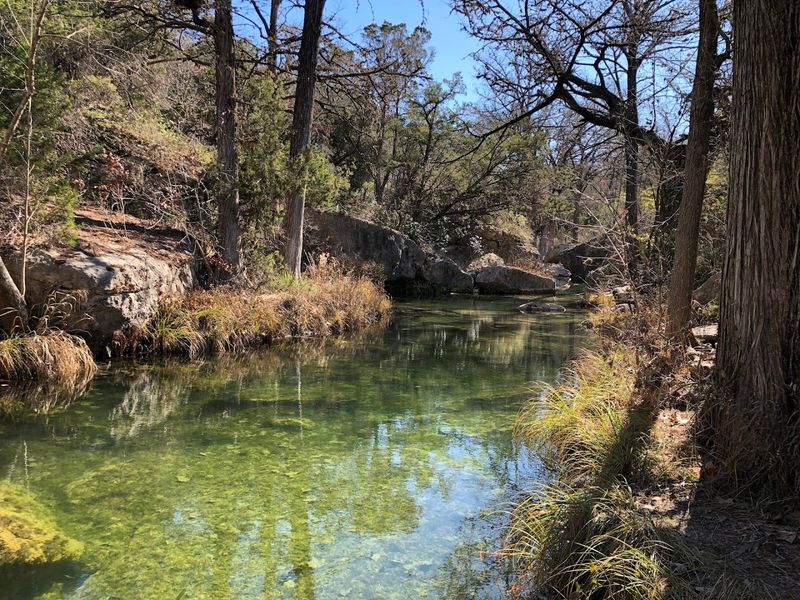
I remember the first time I saw a photo of this place and assumed it had to be somewhere in Iceland or New Zealand.
Hamilton Pool Preserve, located in Travis County west of Austin in Central Texas, is one of the most visually dramatic swimming holes anywhere in the American Southwest.
The pool was formed thousands of years ago when the dome of an underground river collapsed.
What remained is a jade-green swimming hole surrounded by a curved limestone grotto, with a 50-foot waterfall pouring over the mossy overhang into the water below.
Massive cypress trees frame the whole scene. Swimming access depends on water quality and flow conditions.
Arriving early on weekday mornings is the best strategy for a less crowded experience.
The Pedernales River trail nearby adds a worthwhile extension to any visit, winding through cedar and oak woodland along the canyon rim. Golden-cheeked warblers and painted buntings are frequently spotted in the trees around the preserve.
Even on days when swimming is closed, the view of the grotto and falls alone makes the drive from Austin completely worthwhile.
10. Gruene Historic District
Some places earn their reputation the old-fashioned way, one generation at a time.
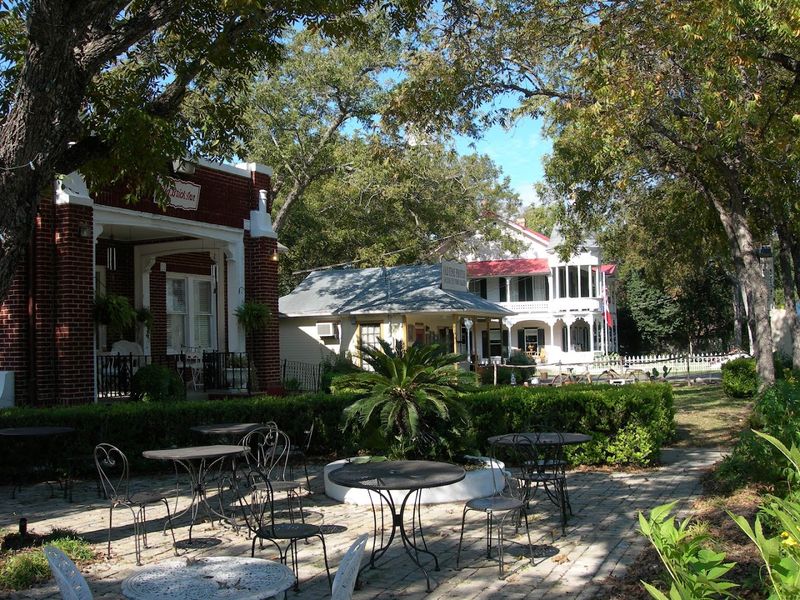
Gruene Historic District, located at 1601 Hunter Rd in New Braunfels in the Texas Hill Country, is the kind of living piece of Texas history that feels more relevant now than it did a hundred years ago.
Gruene Hall at 1281 Gruene Rd, established in 1878, is the oldest continually operating dance hall in Texas.
The wooden floors have been worn smooth by decades of two-stepping, and the lineup of performers over the years reads like a country music hall of fame.
Shows happen nearly every weekend, and the atmosphere inside is completely irreplaceable.
The Guadalupe River runs right along the edge of the district, making tubing a natural afternoon activity after exploring the shops and eateries along the main street.
Antiquing, boutique shopping, and live music spill out of nearly every corner of this small but perfectly preserved neighborhood.
German settlers founded the town in the 1870s, and that heritage still shows in the architecture and community pride. Fall and spring weekends bring festivals and markets that pack the streets with energy.
New Braunfels is about 30 miles from San Antonio and 50 miles from Austin, making Gruene an easy and very satisfying day trip from either city.