The Best Family-Owned Fabric Store Hidden In Atlanta, Georgia
I only needed a yard of lining fabric. That was the whole plan.
Then I walked past a wall of silk that stopped me mid step, and somehow two hours disappeared.
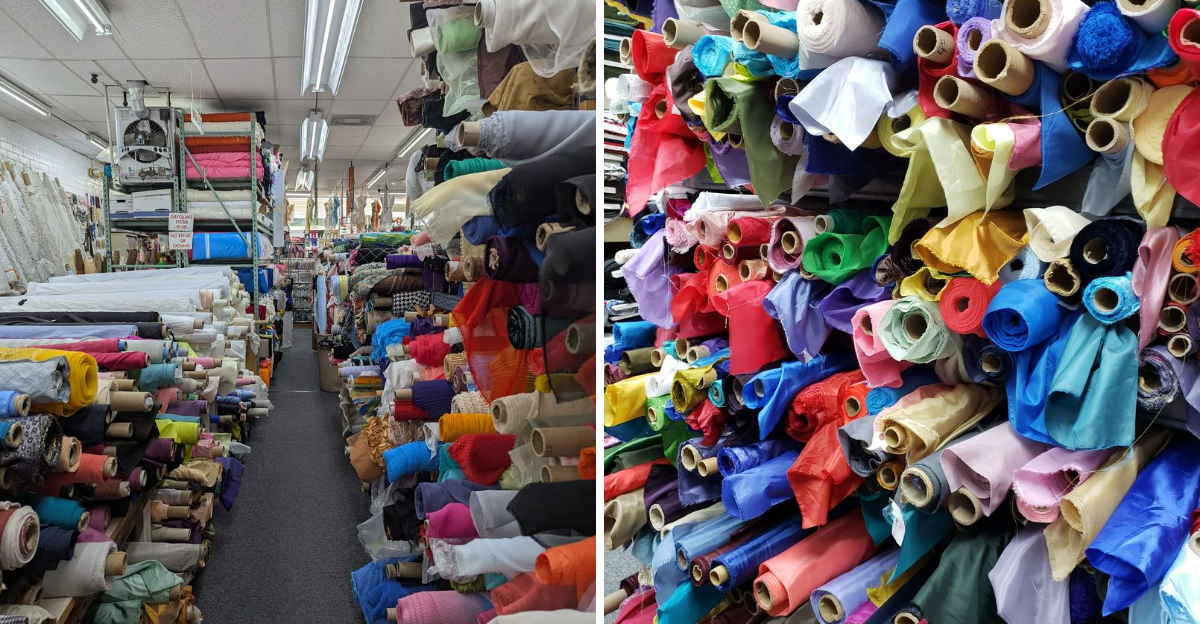
Bolts of fabric climbed to the ceiling in every direction, buttons filled bins by the thousands, and a woman behind the counter remembered a customer’s order from three weeks earlier without checking a single note.
This is not a chain store with fluorescent lights and a self checkout. It is family run, the kind of place where the owner still measures your fabric by hand.
I have lived in Georgia my whole life and never found anywhere quite like it. If you sew, or you have ever thought about learning, this corner of Georgia might just change your mind completely.
A Brick Storefront With A Blue Awning
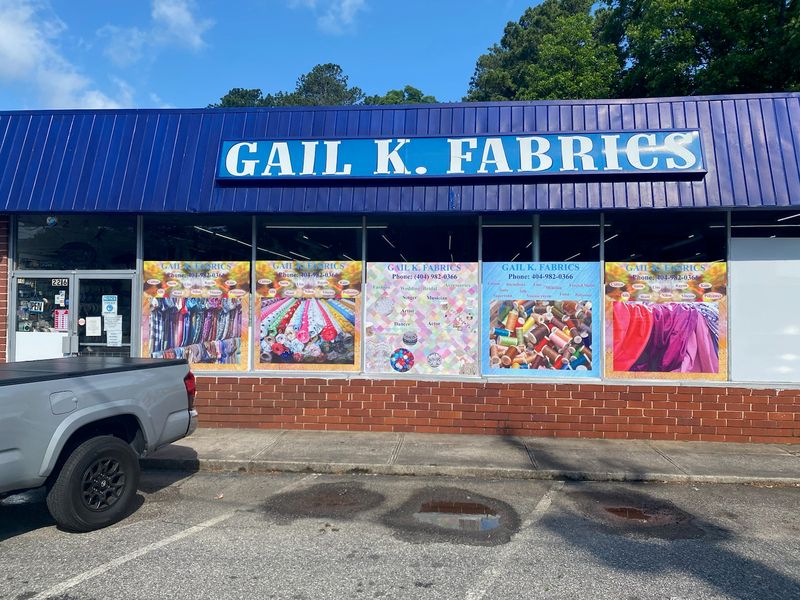
Blink while driving and you might sail right past the front door. The building is a modest one-story brick structure with a blue awning over the entrance.
Nothing about the outside shouts for attention. That quiet exterior hides one of the most stocked fabric inventories in the region.
Parking sits close to the door, though the lot is snug. On busy Saturdays, patience helps more than speed does.
The neighborhood along Cheshire Bridge Road has a mixed, working character. Shops here feel practical rather than polished, which suits a store built around real projects.
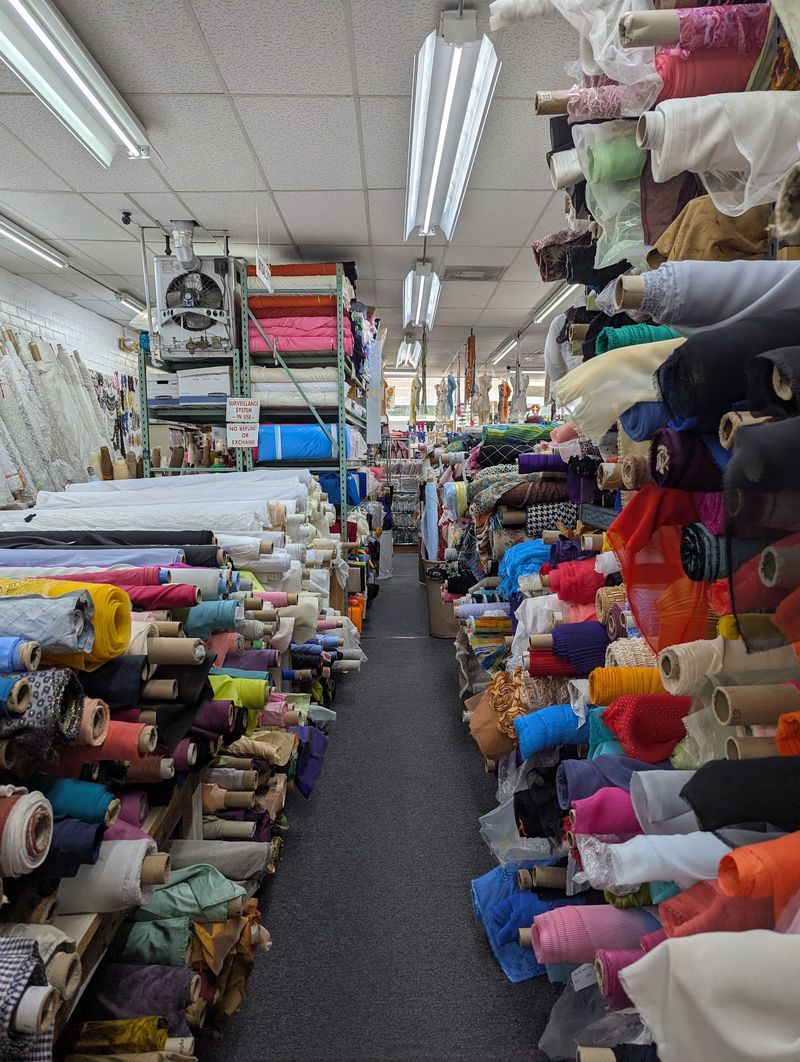
Walk in and the scale registers immediately. Aisles narrow as bolts climb toward the ceiling in every direction.
There is no showroom fluff or staged display window. Every inch of floor space carries inventory instead.
Regulars know the trick is to slow down and look up. Treasures hide on the high shelves where casual browsers never glance.
The address is 2216 Cheshire Bridge Rd NE, Georgia, and the shop goes by Gail K Fabrics Inc.
Bolts Stacked From Floor To Ceiling
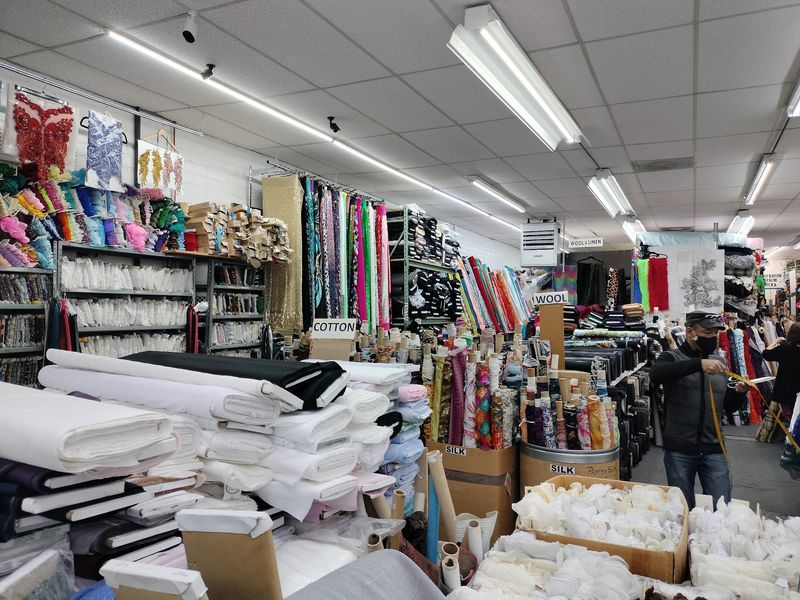
Bolts of fabric fill the room from floor to ceiling. Shoppers often compare the sheer volume to the famous fabric houses in New York.
Every wall serves a purpose here. Shelving runs from the baseboards to the ceiling tiles without a wasted gap.
The aisles are narrow as a result. Some shoppers and people using mobility aids may find the aisles tight.
Reaching a high bolt is not a solo job. Staff members carry poles and ladders and will pull down whatever catches your eye.
Some sections are neatly sorted by fiber or color. Other corners feel joyfully jumbled, which is where the surprises hide.
Shoppers may find materials as different as patent leather and worsted wool displayed near one another. That kind of range makes browsing feel like treasure hunting.
Give yourself real time. A quick errand here rarely stays quick, and rushing means missing the good stuff.
Bring a photo of your project idea on your phone. It helps enormously when you are standing in front of four hundred options.
Bridal, Prom, And Eveningwear Heaven
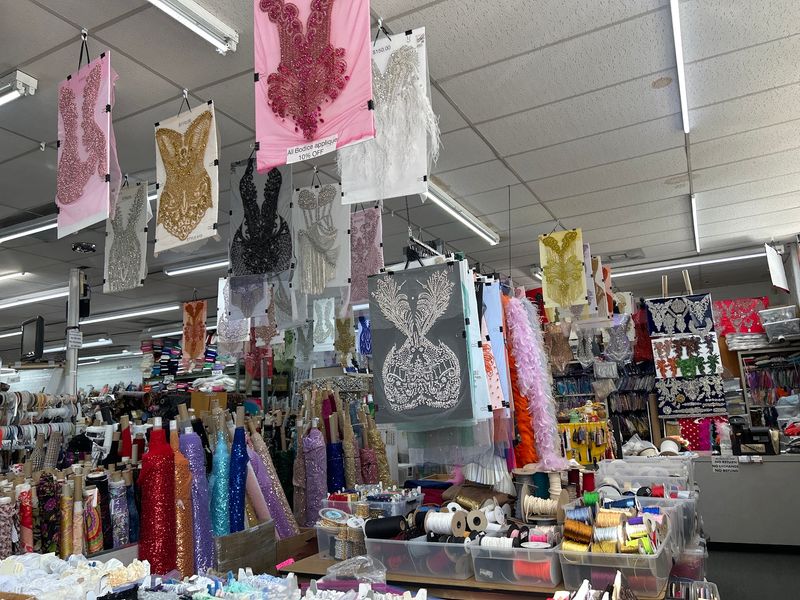
Special occasion sewing is where this shop truly flexes. Bridal laces, beaded panels, and sequined yardage hang throughout the space.
Premanufactured sequin and beaded torso insets dangle from the ceiling. Smaller appliques sit scattered across tables and racks nearby.
Prom season brings a steady stream of hopeful designers. Teens sketch dresses on their phones while parents hold bolts up to the light.
Pageant sewers treat the store as a starting line. Everything from subtle ivory lace to full crystal shine lives under one roof.
The silk selection deserves its own mention. Charmeuse, chiffon, and dupioni show up in a wide spread of colors.
Prices vary quite a bit by material. Beaded and hand-finished goods cost more, while basics stay refreshingly reasonable.
Ask about yardage requirements before cutting. The staff can estimate what a full gown needs and help you avoid buying short.
Bring a swatch if you are matching an existing garment. Store lighting and daylight read colors differently, and a physical sample settles the question fast.
The Legendary Button And Trim Walls
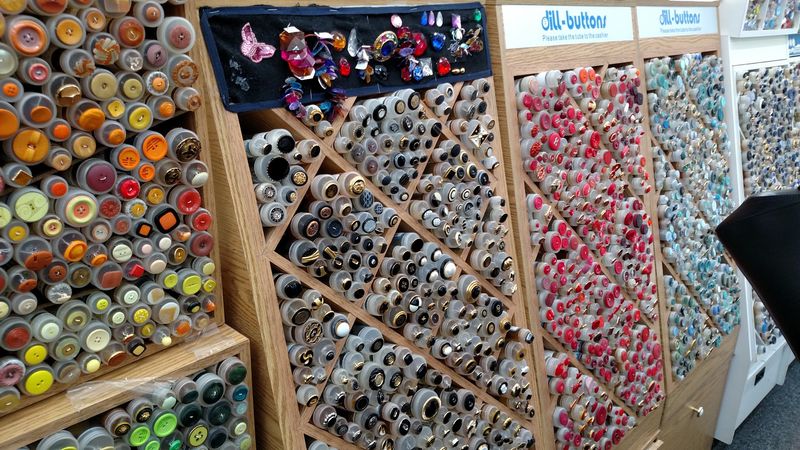
Buttons get mentioned constantly by shoppers, and after one visit I understand why. Entire walls hold them, sorted by size, shine, and shape.
Vintage-looking brass sits near clear rhinestone styles. Chunky coat buttons share space with tiny pearl shirt closures.
Trims run alongside them in ribbons of every texture. Braided cord, fringe, piping, and metallic edging fill the racks.
Finishing details make or break a handmade garment. A plain jacket becomes something special once the right button lands on it.
Prices are marked, and many notions cost only a few dollars. Small purchases add up slowly, which is dangerous in the best way.
Consider calling ahead if you have questions about accepted payment methods. It keeps the checkout simple and quick.
Take your fabric to the button wall before choosing. Holding the two together beats guessing from memory every single time.
Buy one extra button beyond what you need. Replacing a lost one later is nearly impossible with unique stock.
Knits, Lycra, And Swimwear Supplies
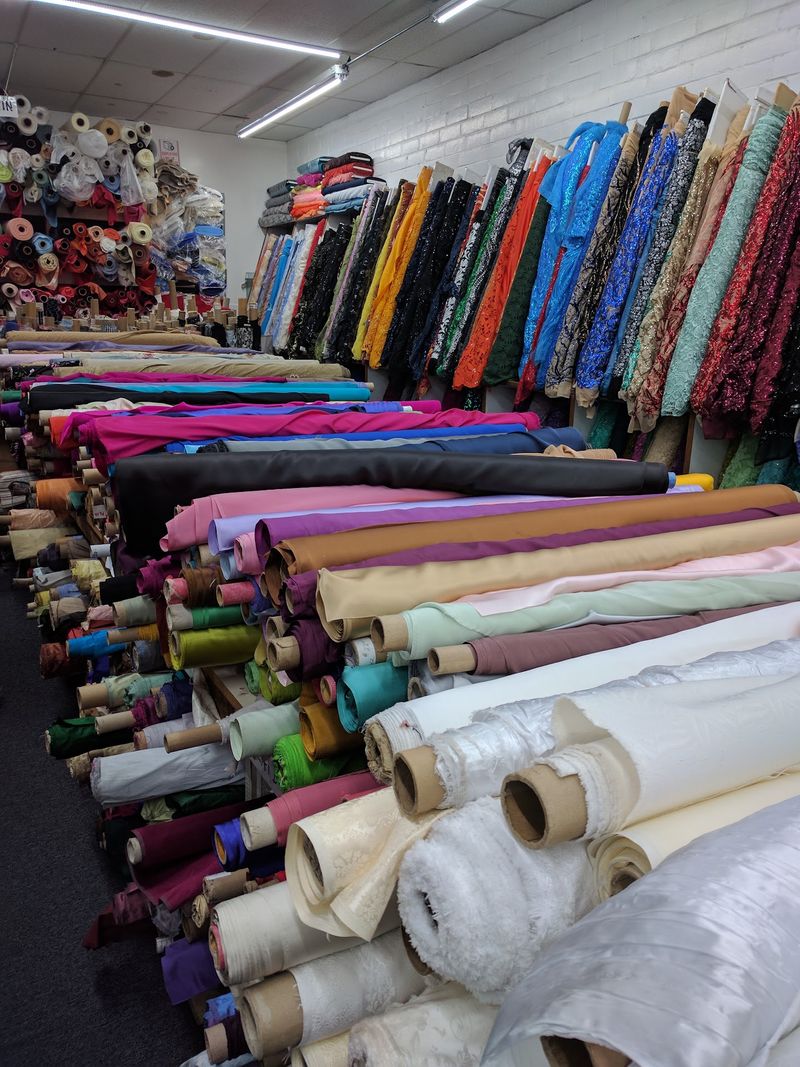
Stretch fabric shoppers have a hard time in most stores. Chain retailers stock a thin selection, and online swatches lie about texture.
Here the knit and lycra area is genuinely deep. Swimwear weights, dancewear spandex, and everyday jersey all get real shelf space.
Dancers and skaters find this section especially useful. Costumes demand fabric that stretches four ways and recovers cleanly.
Testing stretch in person is the whole advantage. You can tug a corner and feel exactly how it behaves before buying.
Color ranges run wide, including bold brights and metallic finishes. Matching a team uniform or a group costume becomes realistic.
Athletic sewing needs matching notions too. Elastic, lining, and thread live nearby so one trip covers the whole project.
My advice is to buy a quarter yard extra for stretch projects. Fitting adjustments eat fabric faster than beginners expect.
Wash your swim fabric before cutting if the pattern recommends it. Some blends shift slightly, and finding out early saves the garment.
A Cosplay And Costume Maker’s Playground
Costume builders talk about this store like a workshop secret. Halloween, conventions, and theater productions all send people through the door.
Unusual materials are the draw. Woven beads, mod sixties prints, faux leather, and strange textured novelties turn up regularly.
A costume often needs something no normal store carries. Wild scale, odd sheen, or a print nobody else has chosen.
Bringing a reference photo works wonders. Staff will point you toward sections that match the look you are chasing.
Budget flexibility helps too. Cheaper alternatives often exist right beside the expensive version of the same effect.
Theater sewers appreciate the durability options. Stage costumes take a beating, and sturdy base fabrics matter more than shine.
African wax prints have shown up here at friendly per-yard prices. Bold pattern hunters should always check that area.
Layering different textures creates depth on camera. Mixing a matte base with a metallic accent reads beautifully in photos.
Start early in the season. The best costume fabric disappears fast once October approaches.
Staff Who Actually Know Fabric
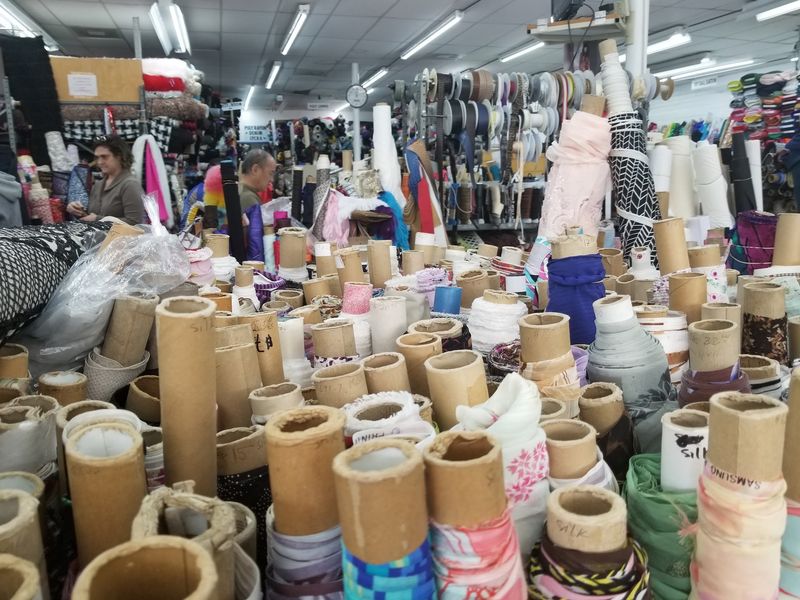
Product knowledge separates a good fabric store from a frustrating one. The team here can name fibers, weights, and drape on sight.
Helpful and knowledgeable staff members are frequently mentioned in customer reviews.
The style is direct and efficient. Questions get straight answers rather than long sales talk.
Beginners are welcome, and being upfront about your experience level helps. Say what you are making and let them guide you.
The cutting table is where the magic happens. You choose your bolt, and they measure and cut to your yardage.
Color matching advice comes free. Hold two options up and someone will tell you which one works better.
Cost-saving suggestions are common as well. If a cheaper fabric achieves the same look, they will say so.
Come with rough measurements written down. Precise numbers make the whole exchange faster and cheaper.
A little politeness goes a long way in a busy shop. Friendly customers tend to get the extra tips.
Fair Prices Across Every Budget
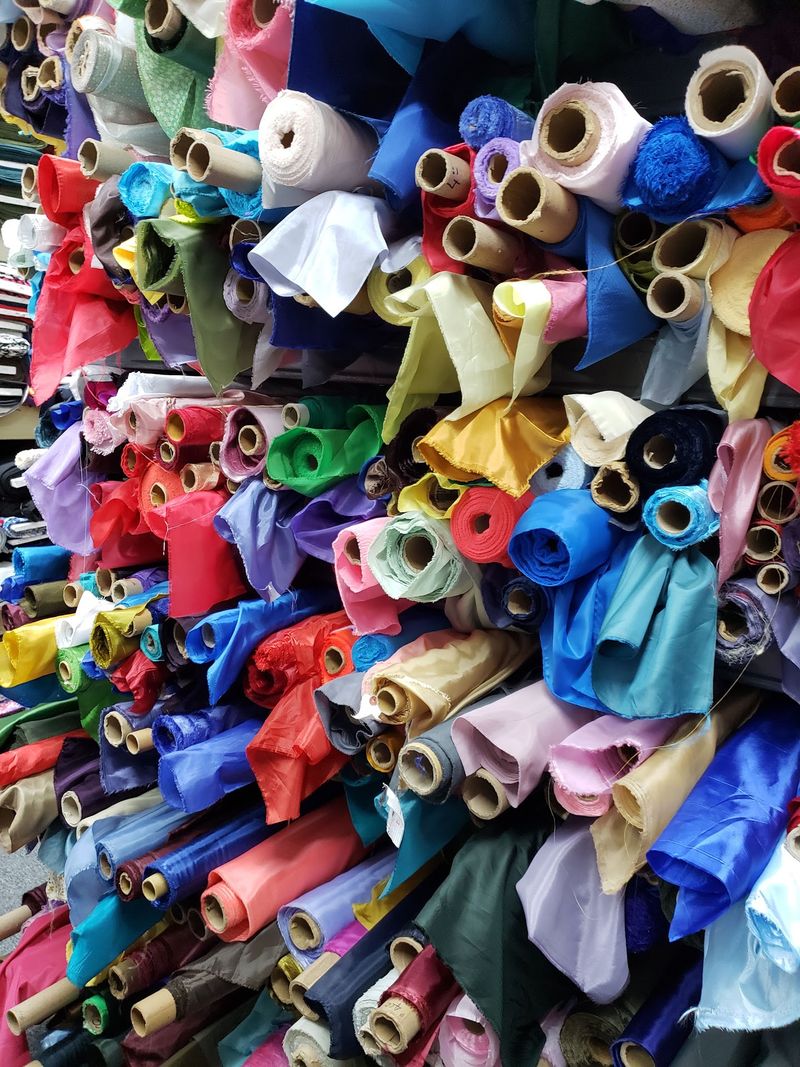
Sticker shock rarely happens here, which surprises first-time visitors. Prices are marked clearly on the bolts.
Shoppers regularly call the pricing fair and competitive. Basic cottons and muslins stay affordable for practice projects.
Luxury goods naturally cost more. Beaded panels and fine silk carry higher per-yard tags, which makes sense given the work involved.
The budget range is the real strength. Beginners and professionals both find something workable in the same aisle.
African wax prints are sometimes available, but prices and inventory may change. Denim, lining, and utility fabrics also land in friendly territory.
Practice fabric matters more than people admit. Testing a pattern in cheap muslin first prevents wasting expensive silk.
Ask about remnants and short ends. Smaller pieces work perfectly for accents, linings, and trim.
Check the store’s current payment policy before visiting.
Compare two similar bolts before committing. A few dollars per yard adds up across a multi-yard project.
Planning The Perfect Visit
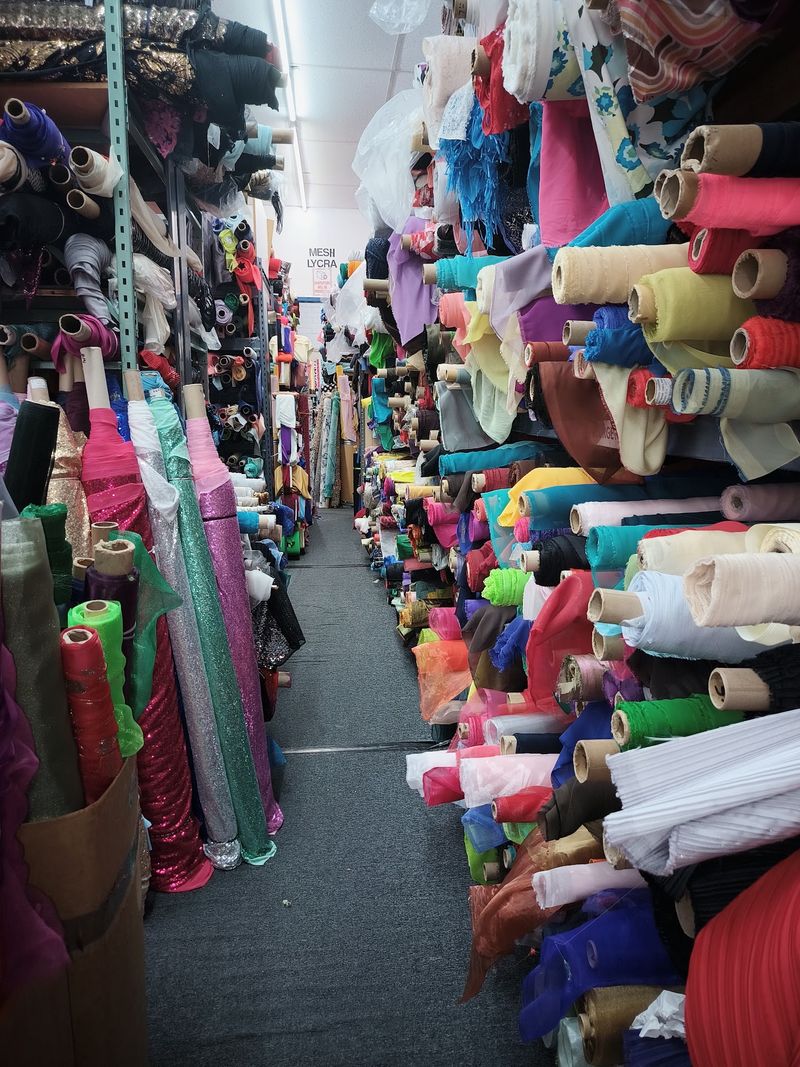
Timing shapes the whole experience at a store this packed. Weekday mornings feel calm, while weekends fill the narrow aisles quickly.
Doors open Tuesday through Saturday from 10 AM to 5 PM. Sunday runs 11 AM to 4 PM, and Monday stays closed.
Calling first is smart before a long drive. Holiday hours may differ, so call before making a long drive.
Pack a small kit for shopping. A tape measure, pattern envelope, and phone photos make decisions easier.
Wear something comfortable. You will be reaching, bending, and squeezing between tall stacks of bolts.
Set aside at least an hour. Rushing through means missing the shelves that make the trip worthwhile.
Mobility matters here, so know that walkways are tight. Wheelchairs and walkers face real challenges in the narrower sections.
Bring a friend who sews. Second opinions save money and prevent impulse yardage you will never use.
Leave room in the trunk. With so much inventory, it is easy to find more than originally planned.