This Georgia University Climbed 31 Spots In National Rankings And Its Engineering Programs Are A Big Reason Why
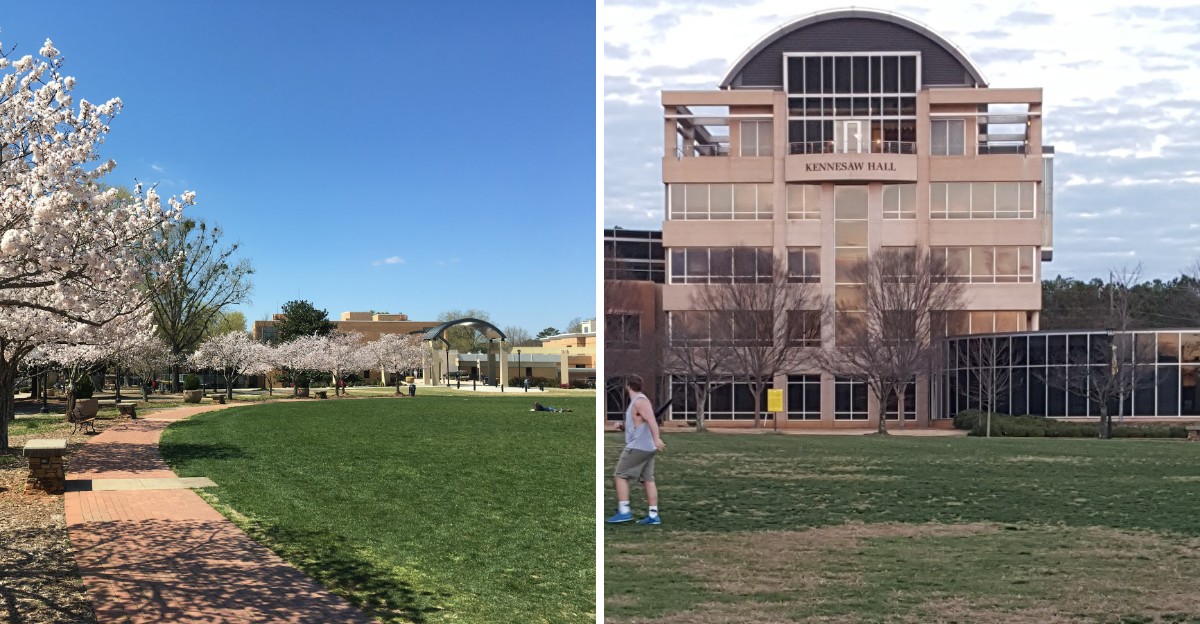
Thirty-one spots is not a nudge. It is a leap.
Most universities shift a place or two each year, if they move at all. Rankings tend to be slow and stubborn that way.
So when one Georgia school jumped this far up the national list, I had to know what changed.
The answer kept circling back to engineering. Rankings reward research, graduate outcomes, and respect from peer institutions.
This campus has been building on all three. Its engineering programs pulled much of that weight, and that momentum is hard to ignore.
I find stories like this oddly thrilling. A school puts in the work for years without much applause.
Then the numbers finally catch up. For students and families weighing their options in Georgia, this climb deserves a closer look.
The story behind it is even better than the headline.
A 31-Spot Leap That Turned Heads
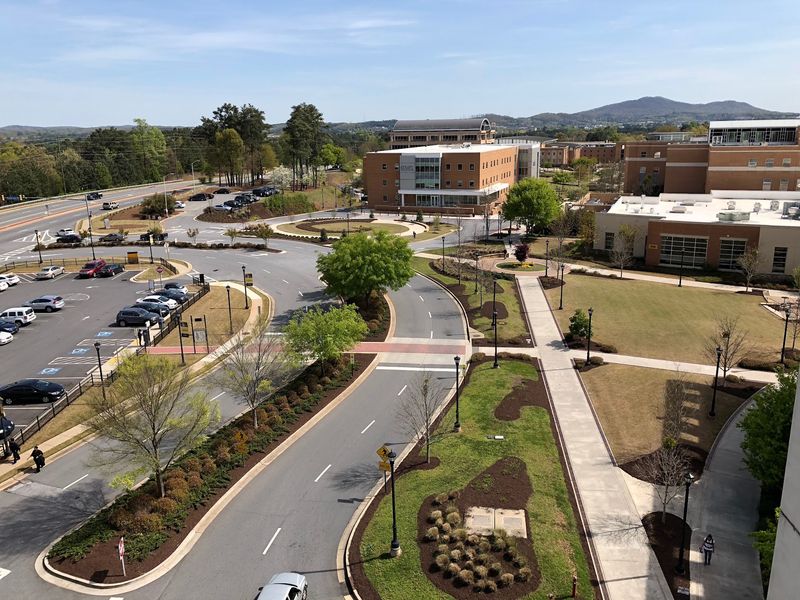
Rankings rarely make me cheer out loud, but this one did. Jumping 31 places is like going from the back row straight to center stage.
The jump came in the U.S. News and World Report 2027 Best Colleges list for national universities.
That list is one of the most watched college guides in the country. Families use it every year to plan where students might apply.
Here is the part that impressed me most. Over the past two years, the school has climbed a total of 50 spots.
That is not luck from one good year. It shows steady, focused progress that keeps building.
Think of it like training for a race. One fast lap is nice, but getting faster every month means real work is happening.
Teachers, students, and leaders all play a role in a climb like this.
If you are a student comparing schools, a rising trend matters a lot. It can mean new programs, better resources, and more chances to grow.
That is why so many people are now talking about Kennesaw State University, which sits at 1000 Chastain Rd NW, Kennesaw, GA 30144.
Engineering That Shares Georgia’s Top Spot
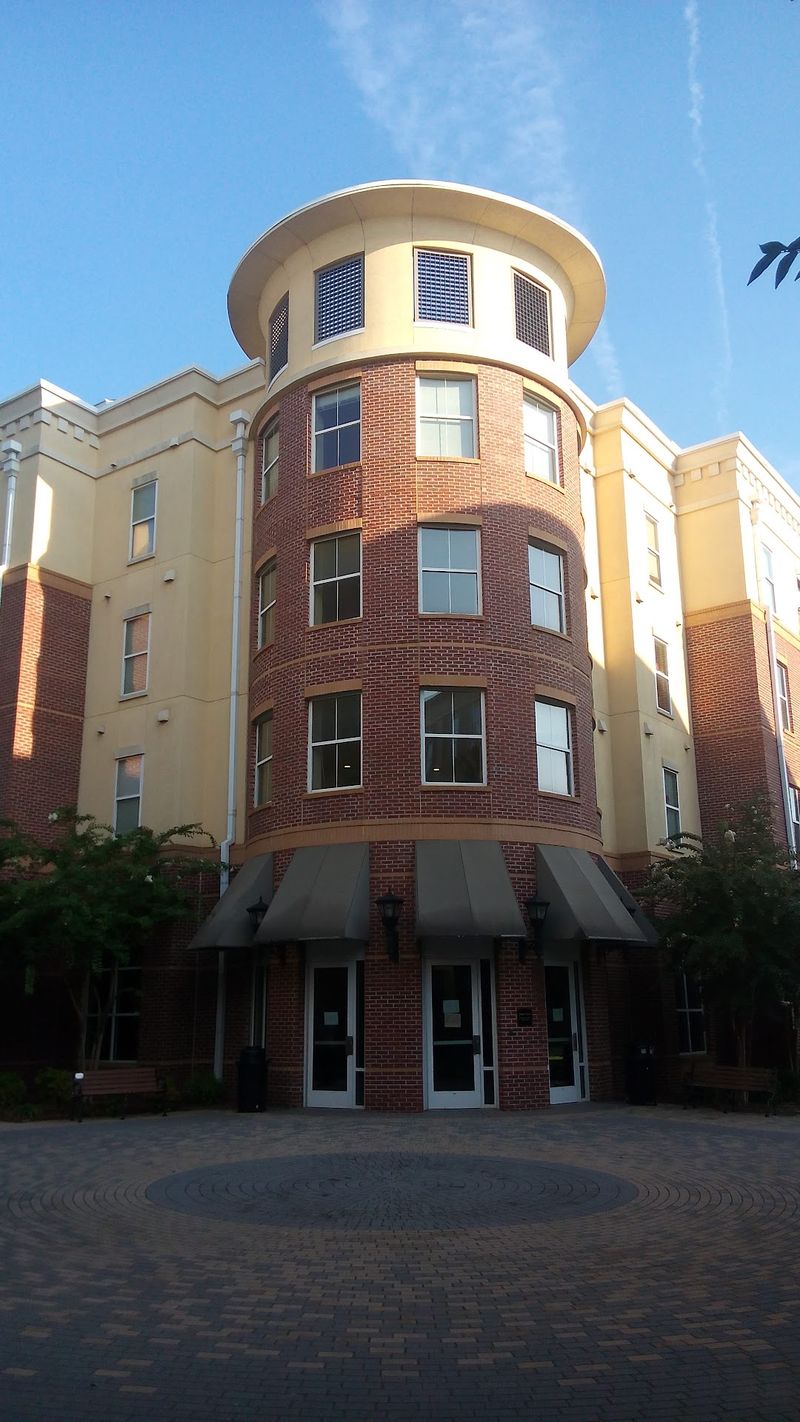
Tying for first place in an entire state is no small trick. The undergraduate engineering programs here did exactly that in Georgia.
These programs rose 16 spots in the undergraduate engineering category. They now sit in the top 15 percent of programs across the nation.
That puts them ahead of many schools with much longer track records.
When I first read those numbers, I had to double check them. A jump like that usually takes a decade, not a couple of years.
It shows how fast the department has been improving.
So what does that mean for a regular student? It means you can get a nationally respected engineering education without leaving the state.
For many Georgia families, that also keeps travel and living costs more manageable.
Employers notice rankings too, even if they do not say it out loud. A strong program name on a resume can help open doors for interviews and internships.
It gives graduates one more reason to feel confident.
The best part is that the growth seems far from finished. New degrees and research are still being added.
Students joining now get to ride the wave while it is still rising.
Meet The College Behind The Momentum
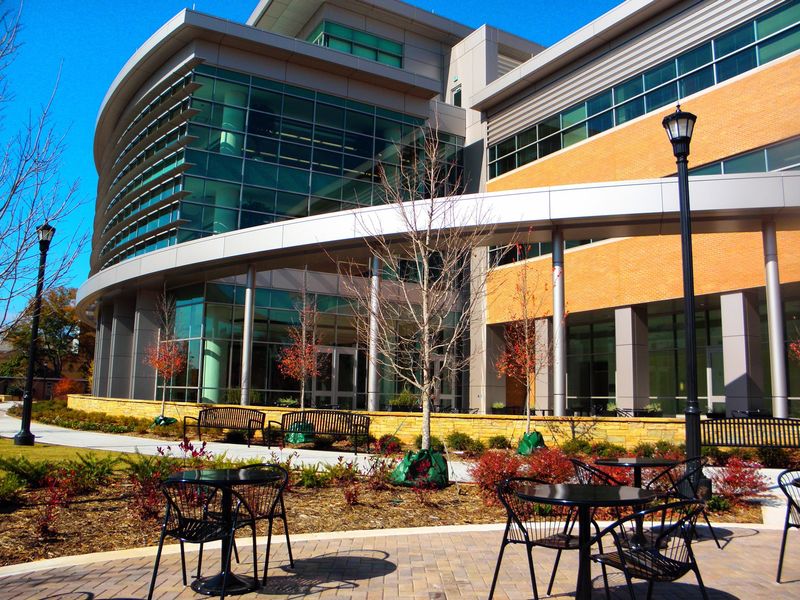
Behind every great team there is a home base. For engineering here, that base is the Southern Polytechnic College of Engineering and Engineering Technology, often called SPCEET.
The name is a mouthful, so I just say SPCEET like everyone else. It holds a wide mix of programs under one roof.
Students can study civil, electrical, mechanical, and mechatronics engineering, among others.
Each field solves different kinds of problems. Civil engineers think about roads, bridges, and buildings.
Electrical engineers work with power and circuits, while mechanical engineers design machines that move.
Mechatronics might be the least familiar name on the list. It blends mechanical parts, electronics, and computer control into one skill set.
Think robots, smart factories, and gadgets that sense and react.
Having all these options together is a real advantage. Students can take classes across fields and discover what fits them best.
Plenty of people change majors, and nearby choices make that switch easier.
My advice is simple if you are curious. Look at the course lists for two or three majors side by side.
You may find that one subject lights you up in a way you never expected.
Mechanical Engineering Draws A Crowd
Popularity can tell you a lot about a program. When thousands of students choose the same major, something good is usually happening.
Mechanical engineering is the university’s largest engineering discipline by student enrollment. That is a big number for a school that was not always known for engineering.
It is also the largest engineering discipline on campus.
Mechanical engineering happens to be the largest engineering field across the country too. It covers so much ground, from car engines to medical devices to heating systems.
That variety is a big reason students love it.
Large programs come with some real perks. There are more classmates to form study groups with and more clubs to join.
You also meet people heading toward many different careers.
I once watched a friend rebuild a lawn mower engine in a weekend. He later said that project was what pushed him toward mechanical engineering.
Little hands-on wins can reveal big interests.
If that sounds familiar, try taking apart an old gadget at home with permission. Notice how each part connects and moves.
That curiosity is exactly what this field rewards.
Learning By Building, Not Just Reading
Textbooks are useful, but nothing beats getting your hands a little greasy. The engineering curriculum here leans hard into real projects.
Practical assignments and undergraduate research are central to how students learn. Instead of only memorizing formulas, they build, test, and fix things.
Mistakes become lessons that stick.
The Engineering Technology Center gives students modern tools to work with. Labs like these let ideas move from paper sketches to working models.
That jump is where real confidence grows.
Then there is the Hornet Hub, a new 12,000-square-foot space for competition teams. Teams finally have room to spread out, store parts, and work together.
Picture a giant garage made for student inventors.
Competition teams are a great way to learn teamwork under pressure. Members handle deadlines, budgets, and surprise problems, just like real engineers.
These experiences give students opportunities to develop practical skills beyond the classroom.
My tip for new students is to join a team early. Even if you only help with small tasks at first, you will learn fast.
You will also make friends who share your goals and late-night snack habits.
Doctoral Graduates Change The Category

Sometimes success moves you into a tougher league. That is happening right now with engineering at this university.
The school is moving out of the non-doctorate engineering category. The reason is simple and impressive.
Students are now graduating from its Ph.D. in Interdisciplinary Engineering program.
A Ph.D. is the highest degree most people can earn. Students spend years doing original research and adding new knowledge to their field.
Having those graduates shows the school is serious about deep study.
Interdisciplinary means mixing different areas together. One project might blend mechanical design, computer science, and electrical systems.
Many real problems need that kind of combined thinking.
Why should undergraduates care about doctoral programs? Ph.D. students often help mentor younger students in labs.
Their research also brings new equipment and fresh ideas to campus.
Moving into a new ranking category might feel like starting over. However, it also means competing with bigger research schools.
That is a sign of growing confidence and ambition.
If you enjoy asking why and how, keep graduate school in mind. Talking with a Ph.D. student can show you what research life looks like.
Gains Beyond The Engineering Labs

Engineering may lead the parade, but other programs are marching right behind. The climb in rankings came from strength across campus.
The psychology program jumped an amazing 46 spots. The undergraduate business program also rose in a big way.
Clearly, good things are happening in many departments at once.
Social mobility saw one of the most meaningful gains. The school improved 47 spots nationally in that measure.
It tracks how well schools enroll and graduate students who receive Pell Grants.
Pell Grants help students from lower-income families pay for college. Graduating those students well shows a school truly supports them.
To me, that number says more about character than almost any other.
I remember how stressful college costs felt for my own family. Knowing a school helps students finish, not just start, matters a lot.
It turns a dream into a diploma.
If you are worried about paying for college, talk to a financial aid office early. Ask about grants, scholarships, and work programs.
You might qualify for more support than you think, and every bit adds up.
A Flight Plan For Research And The Future

Great results rarely happen by accident. Here, the growth follows a strategic plan called Taking Flight.
The plan guides the university toward student success, academic excellence, and community impact. Those three goals show up in nearly every win described above.
It is like a map that keeps everyone heading the same way.
Research is another big piece of the puzzle. The school recently joined the Georgia Research Alliance.
That membership places it among the top research institutions in the state.
The university continues to expand its research activities and opportunities for students. More funding means more labs, more projects, and more chances for students to help.
Discoveries often start with a curious student and a patient mentor.
Office hours vary by department, so visitors should check ahead before arriving. If you plan a visit, a weekday works best for meeting staff.
My final advice is to visit and ask lots of questions. Sit in on a tour, check out the engineering spaces, and imagine yourself there.
A school this focused on rising might help you rise too.