The Breathtaking 69-Mile Drive In Idaho You’ll Be Talking About For Years
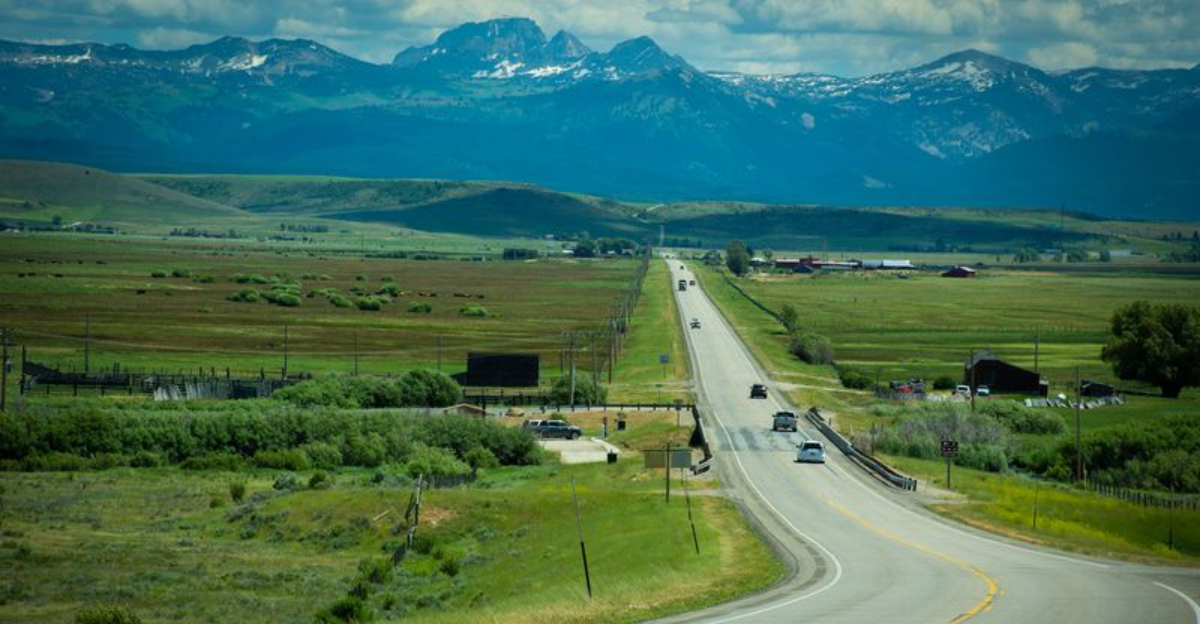
A quiet drive through Idaho has no business turning into a full emotional event, yet this route manages it before anyone in the car has finished settling in.
At first, the road acts innocent, with calm fields stretching beside the pavement and everyone assuming the day is going to behave like a normal scenic outing.
Then the mountains begin rising ahead with absolutely no sense of restraint, and suddenly the windshield feels less like glass and more like a front-row seat to Idaho showing off.
Even the person who claimed they were “not really a scenery person” usually starts leaning forward, because the views keep getting bigger, sharper, and harder to ignore.
By the time the route keeps unfolding past open land, small towns, and sky that looks wildly oversized, every ordinary road starts seeming a little underqualified.
Eastern Idaho Drive That Feels Almost Unreal
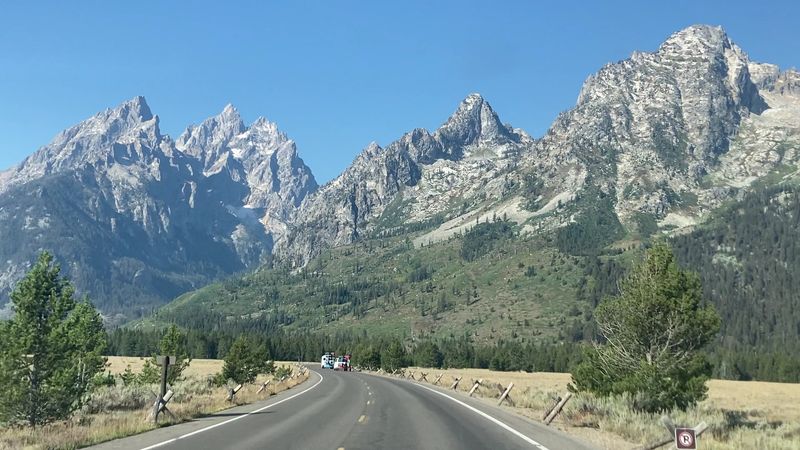
Jagged mountain scenery gives the Teton Scenic Byway its biggest reason to slow down.
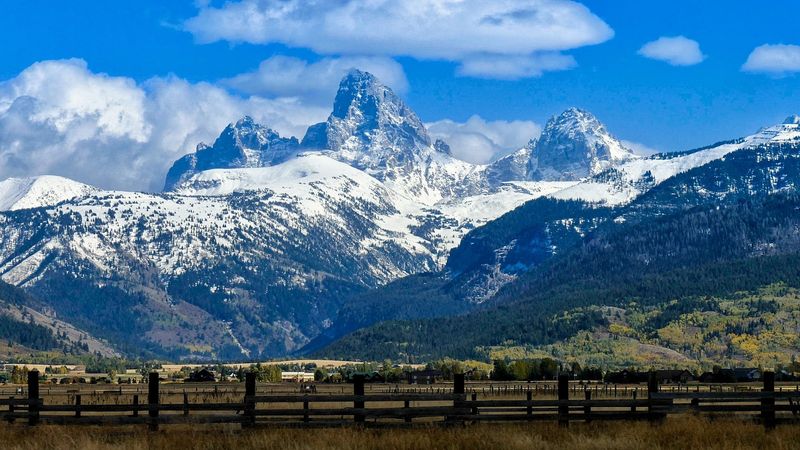
From the western side, the Teton Range appears across open farm country and broad valley space, creating a different feeling than the busier Wyoming approach most national park visitors know first.
The official route starts in Swan Valley, then follows 31 to Victor before continuing north on 33. From there, it connects to 32 and 47 toward Ashton, keeping mountain views visible from shifting angles rather than a single fixed overlook.
That movement is what makes the drive so satisfying.
One stretch frames the peaks over pastureland, another catches them beyond a small town, and another lets the range sit far across the valley under an enormous sky.
Travelers should not treat the byway like a race, even though the distance is manageable in a few hours.
Morning light can make the peaks feel sharper, while late afternoon gives the fields and mountain faces a warmer tone.
Summer brings green valley scenery, fall adds gold to the cottonwoods and farmland edges, and winter driving can bring icy conditions that require extra caution.
The Tetons are the star, but the western side gives them room to breathe. That spaciousness is what makes the whole route feel almost unreal.
Swan Valley Starts The Road With River Country Scenery
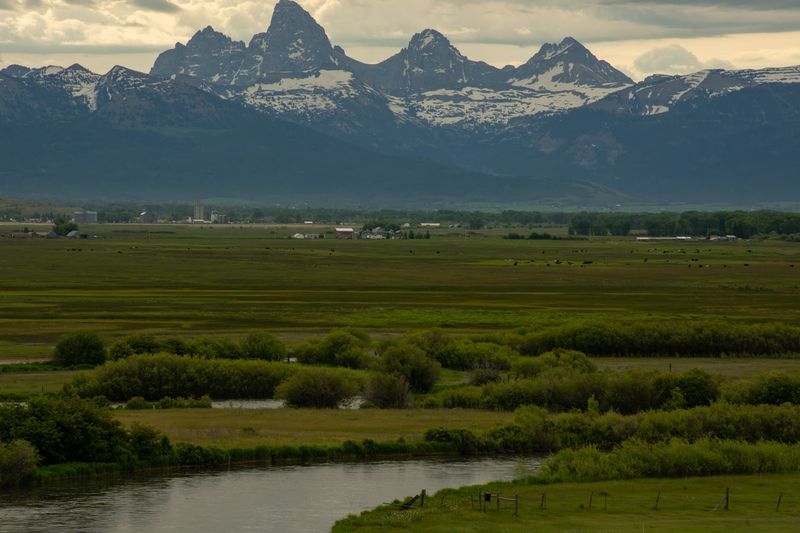
River country gives the byway a calm but beautiful opening in Swan Valley. Visit Idaho lists Swan Valley as the beginning point of the route, and Yellowstone Teton Territory describes the 69-mile drive as a two-lane road where travelers should allow about 2.5 hours of travel time.
That timing matters because the road is short enough for a day trip but scenic enough to deserve a slower pace.
Swan Valley sits near the South Fork of the Snake River, where water, cottonwoods, open fields, and mountain edges make the first miles feel peaceful before the climb toward Pine Creek Pass begins.
Anglers know this area well, but even travelers who never touch a fishing rod can appreciate the way the river sets the mood. A good drive here starts with a full tank, a flexible schedule, and at least one early pull-off just to look around.
The scenery does not need a dramatic overlook to work. It comes through in the river corridor, the quiet valley floor, and the sense that eastern Idaho is opening gradually rather than shouting at the first mile.
Swan Valley works as the starting chapter because it eases travelers into the byway with water, space, and a slower rural rhythm.
Pine Creek Pass Turns The Drive Into A True Mountain Reveal
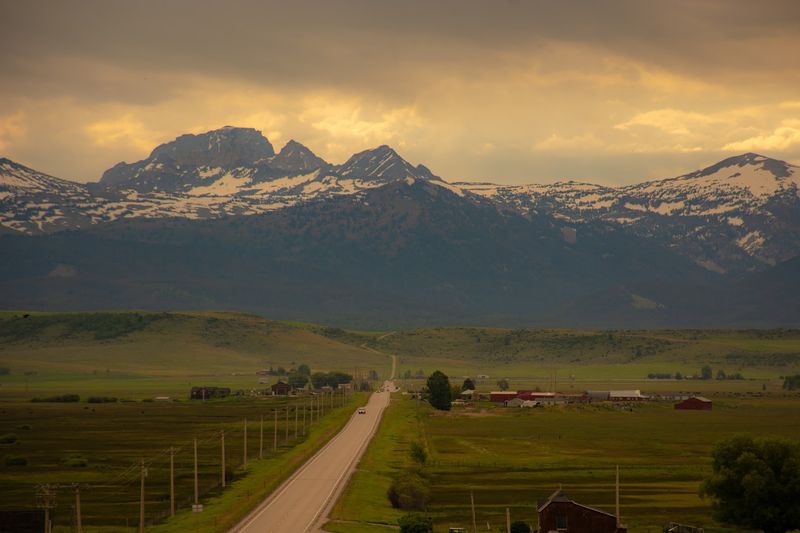
Climbing Pine Creek Pass changes the whole personality of the route. Yellowstone Teton Territory notes that Pine Creek Pass is the highest point on the Teton Scenic Byway, with a 6% grade, while the U.S.
Forest Service lists nearby Pine Creek Campground at about 6,700 feet, accessible by Idaho Highway 31 over the pass. That elevation makes the transition feel real, especially after the river-country start near Swan Valley.
The road rises through forested slopes before opening toward Teton Valley, giving drivers the kind of mountain reveal that makes everyone in the car suddenly pay attention. Cooler air, changing tree cover, and wider views all help mark the shift.
During warmer months, the pass can feel like a refreshing break from valley heat, while winter and shoulder-season travel require more caution because higher roads can bring snow, ice, and fast-changing conditions.
Pine Creek Pass is not just a way to get from one side of the byway to another.
It is the route’s turning point, where the drive stops feeling like a pretty rural road and starts feeling like a true mountain trip. Pull over only where it is safe, take the view seriously, and give the road the attention it deserves.
The reveal is worth the climb.
Victor Gives The Byway Its First Small-Town Pause
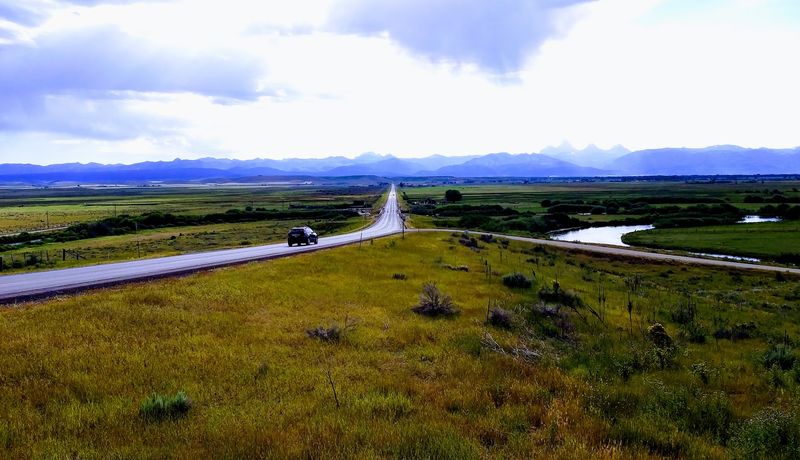
Rolling into Victor feels like finding a secret that the rest of the country has not quite discovered yet. This small Teton Valley town carries a relaxed, outdoorsy personality that matches the landscape surrounding it perfectly.
Victor, ID 83455 sits right along the byway route, making it an effortless first stop for stretching your legs and grabbing a bite to eat.
The town has a growing food scene anchored by local cafes, bakeries, and casual eateries that use regional ingredients whenever possible. A warm bowl of soup or a freshly made sandwich hits differently after a morning of mountain driving, and Victor has plenty of spots to make that happen.
Outdoor gear shops line parts of the main stretch, catering to cyclists, hikers, and skiers who use the area as a base for Teton adventures. The community here has a genuine, welcoming spirit that is easy to feel the moment you park and start walking.
Victor is small enough to explore in an hour but interesting enough that many visitors end up staying far longer than planned.
Driggs Puts The Teton Range Right In Front Of You
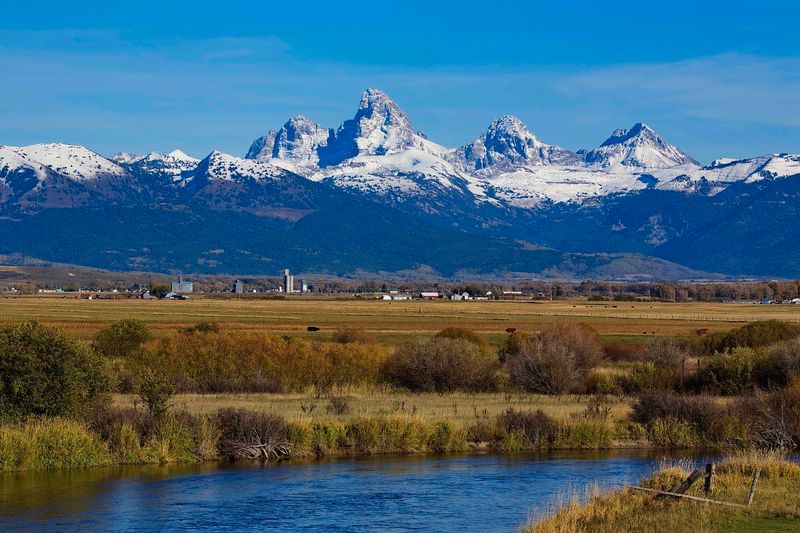
Driggs gives the byway one of its clearest town-and-mountain combinations. The Teton Scenic Byway continues north from Victor through Driggs, and official route guidance names Driggs as one of the full-service communities along the drive.
That makes it an ideal stop for travelers who want more than a quick gas break. From town, the Teton Range feels close enough to shape the entire mood, especially on clear days when the peaks sit sharply against the eastern sky.
Driggs has become a natural base for people exploring Teton Valley, Grand Targhee Resort, farm country, and nearby outdoor routes. Summer visitors may find markets, restaurants, coffee shops, and local businesses that give the drive a livelier middle section.
The best part is how ordinary town moments come with extraordinary scenery attached. A walk down the street, a lunch stop, or a parking-lot pause can turn into a mountain-view moment without warning.
That is the Idaho-side magic of the Tetons: they show up behind daily life rather than only from a national park overlook.
Budget extra time here if the weather is clear because Driggs is the kind of place where “just a quick stop” can easily become an hour of food, photos, and looking east at the peaks.
Tetonia Makes The Views Feel Wider And Wilder
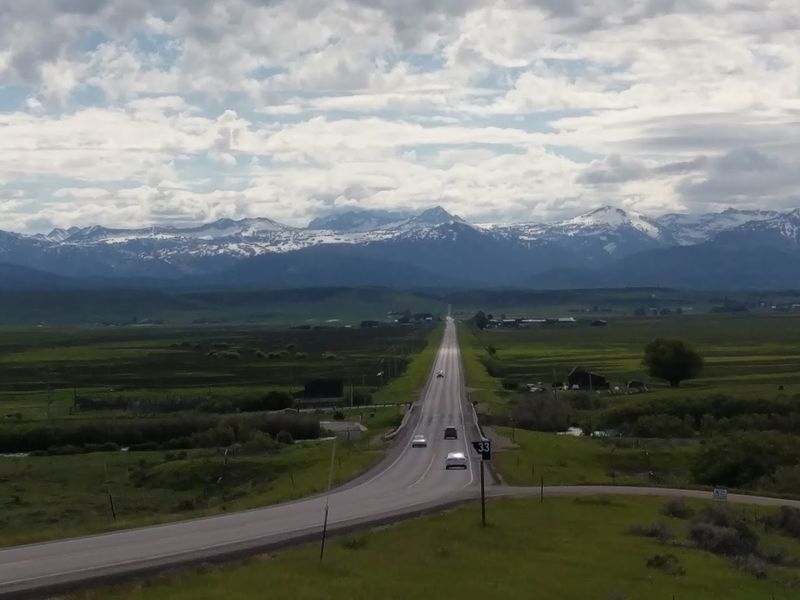
If Driggs gives you the Tetons up close, Tetonia gives you the Tetons with breathing room. The landscape opens up dramatically as the byway rolls through this quieter community, and suddenly the mountains feel like they belong to a much bigger sky.
Wide, flat fields stretch out in every direction, and the Teton peaks sit on the horizon like a painted border between earth and atmosphere.
Tetonia is the address point for the byway itself, listed at 6535 ID-33, and the area around it rewards slow driving. Pulling off the road to stand in an open field and simply look at the view is one of the most satisfying things you can do on this entire route.
Photography enthusiasts often rank this stretch among the best spots on the Idaho byway for landscape shots. Sunrise is especially popular, when low light washes across the fields and lights up the mountain faces.
The quieter pace of Tetonia compared to its neighbors gives the whole section a wilder, more untouched feeling that is genuinely hard to find anywhere else along the route.
Farm Fields And Mountain Peaks Share The Same Windshield
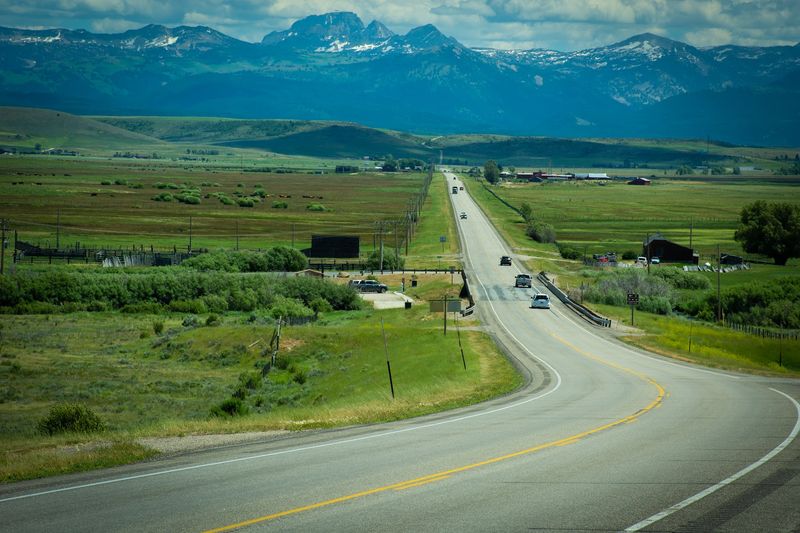
Agricultural scenery makes this byway different from mountain drives that focus only on wilderness. The Teton Scenic Byway moves through full-service towns and open valley communities where farms, fields, and daily rural life sit directly beneath views of the Teton Range.
That contrast gives the route much of its character. Hay fields, barns, fence lines, grazing animals, grain, and potato country can all appear in the foreground while jagged peaks rise in the distance.
It is a working landscape as much as a scenic one, and that makes the views feel more layered. Travelers are not simply looking at mountains from a polished overlook.
They are moving through a valley where people live, farm, commute, run businesses, and build communities under one of the most recognizable ranges in the American West.
Slowing down is important here, partly for safety and partly because the best compositions appear between towns rather than at official viewpoints.
A barn roof, a line of irrigation equipment, or a field glowing in late light can suddenly turn the windshield into a postcard. The beauty of this section comes from the way ordinary Idaho life and extraordinary geology share the same frame.
That combination is what makes the byway feel so memorable.
Ashton Ends The Drive With Room For One More Scenic Detour
Ashton gives the byway a satisfying finish because the road trip can either end gently or keep unfolding into another scenic route.
Visit Idaho’s turn-by-turn directions place Ashton at the northern end of the Teton Scenic Byway, after travelers follow Idaho 32 to Idaho 47.
That position makes the town a natural break before continuing toward U.S. 20, Island Park, or the Mesa Falls Scenic Byway.
Yellowstone Teton Territory describes the Mesa Falls Scenic Byway as running from Ashton into the Targhee National Forest, passing both Upper and Lower Mesa Falls. Visit Idaho also highlights the route as a way to experience two of the most impressive waterfalls in the West.
The U.S. Forest Service adds that Upper and Lower Mesa Falls are among the last major undisturbed waterfalls in Idaho, with developed paths and viewing areas at the Upper Falls.
That makes Ashton feel less like a hard stop and more like a scenic doorway. After nearly 69 miles of valley towns, Teton views, river country, and farmland, travelers can add one more payoff if time allows.
Idaho has a habit of doing that: one great drive quietly points toward the next one.