This Idaho Museum Sits Near Old Steamboat Stories, And Every Exhibit Feels Like A Lakefront Mystery
Lake towns can distract people fast, especially when the water is doing all that sparkling like it has a personal marketing team.
Still, one stop makes a very convincing case for stepping away from the shoreline and letting the past steal the spotlight for a while.
History here does not feel dusty or trapped behind boring glass.
It feels like the lake has been keeping secrets, and this is where they finally start talking.
Old steamboat stories give the visit a sense of mystery, while regional exhibits make the whole area feel deeper than its postcard views.
A quick visit can turn into the moment you realize this corner of Idaho has way more going on than scenery.
Anyone planning a trip nearby should make room for it, because pretty views are easy to admire, but stories like these make a place unforgettable.
Unlock A Lakefront Museum Where History Becomes A Mystery To Solve
A good museum does more than preserve old objects. It makes visitors feel like they have stepped into the middle of a story that still has pieces missing.
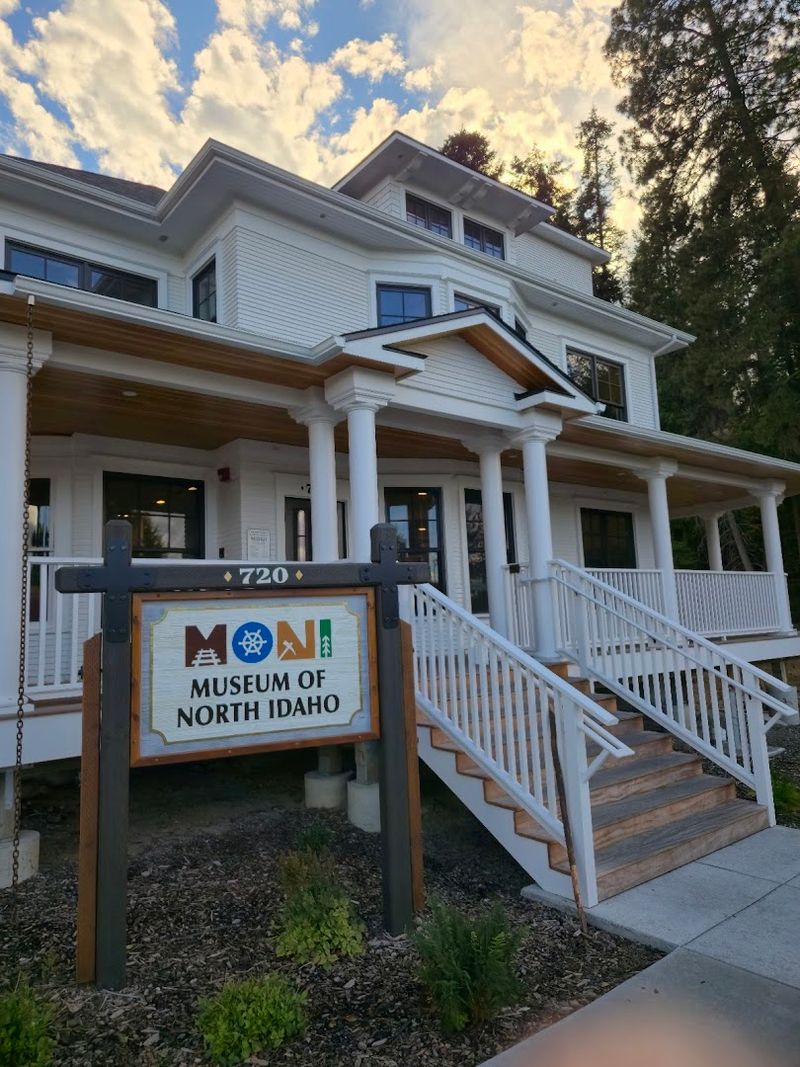
The Museum of North Idaho does that beautifully, especially now that it occupies the historic J.C. White House at 720 E Young Ave, Coeur d’Alene, ID 83814.
Built in 1903, the house belonged to a businessman closely tied to the steamboat era on Lake Coeur d’Alene, so the building itself feels like part of the exhibit before anyone reaches the displays.
Rooms filled with regional artifacts, photographs, maps, and local stories create a sense of layered discovery rather than a simple timeline.
Museum hours vary by season, so visitors should check the current schedule before going. Admission remains affordable, and the gift shop adds books, local art, and thoughtful souvenirs for anyone who wants to keep exploring after leaving.
For history lovers, this small museum carries a surprisingly strong pull.
Steamboat Stories Give The Exhibits Their Old-Lake Intrigue
Long before lakefront vacations defined Coeur d’Alene for many visitors, steamboats turned the water into a busy transportation route filled with work, travel, and drama.
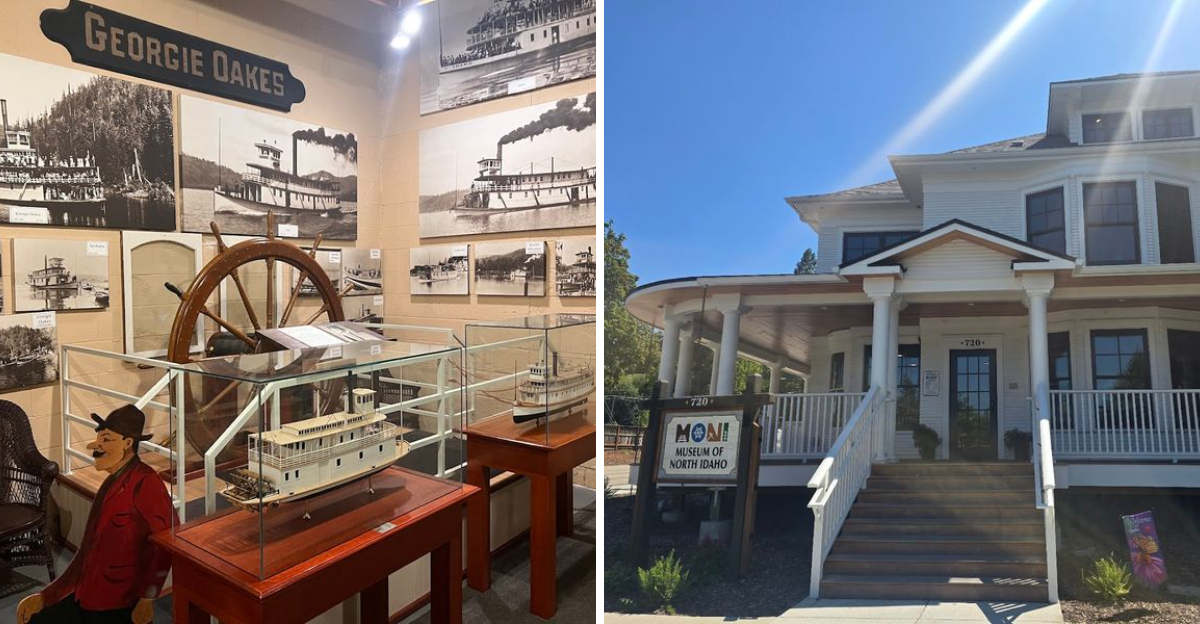
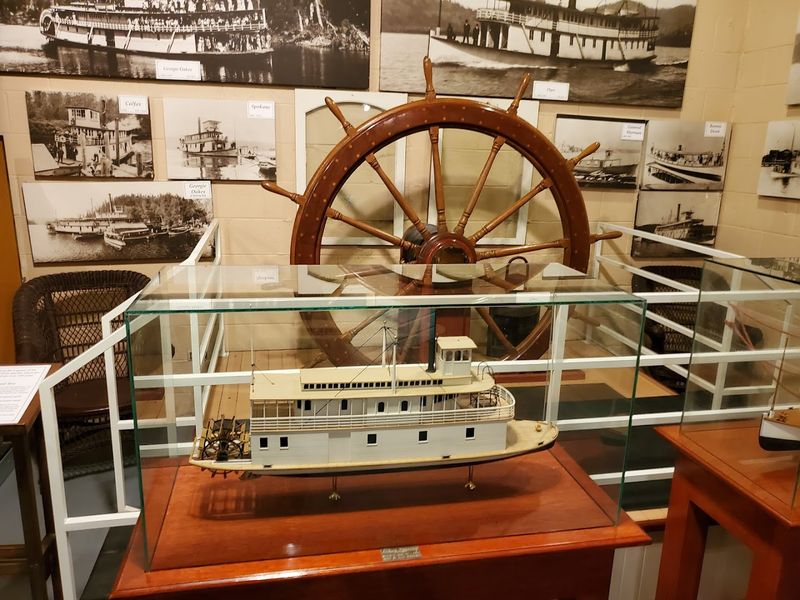
One of the museum’s most compelling sections explores that era through photographs, artifacts, and stories tied to vessels that once crossed Lake Coeur d’Alene daily.
Signal bells, a steering wheel from the steamboat Flyer, and other preserved pieces help visitors understand how important these boats were to the region’s early development.
By the early 1900s, the lake supported an unusually active steamboat culture, with boats moving passengers, timber, supplies, and news across the water.
The Flyer carries one of the most memorable stories, especially because its fiery end during a 1938 Independence Day celebration still feels cinematic. Other vessels, including boats tied to Rose Lake and nearby communities, add more intrigue to the display.
Instead of presenting steamboats as pretty old transportation, the museum shows how they shaped daily life, commerce, and local identity. That makes the lake outside feel less like scenery and more like a place full of unfinished chapters.
Sunken Ships Make Lake Coeur d’Alene Feel Full Of Secrets
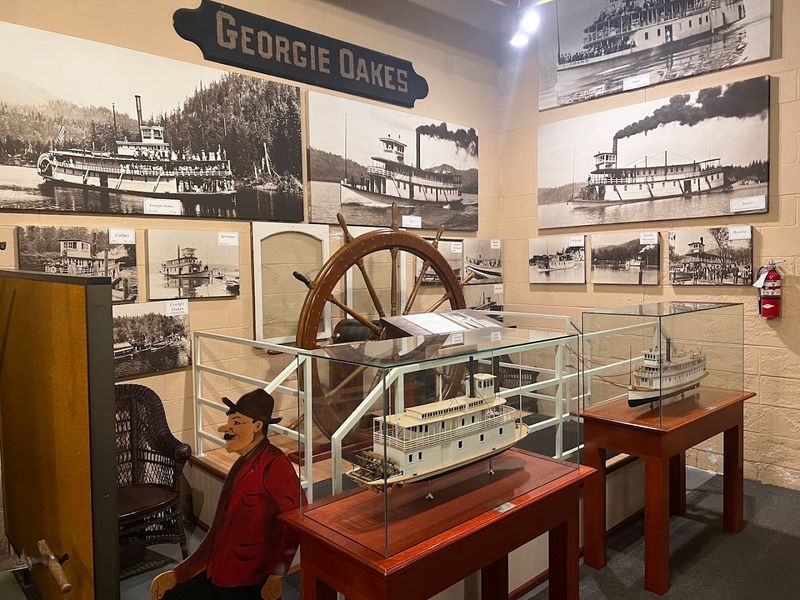
A lake changes completely once you learn that old steamboat remains still rest beneath its surface.
The Museum of North Idaho introduces visitors to the so-called steamboat graveyard near Three-Mile Point, where historic hulls have been visible at low water. Names like Colfax, Harrison, Samson, St. Maries, and Bonanza still carry a ghostly kind of fascination.
For families, this exhibit has an immediate hook because sunken ships naturally make history feel adventurous. Maps, photographs, and written accounts help explain how once-busy working vessels ended up abandoned, dismantled, burned, or left in the lake after their usefulness faded.
That story adds mystery without needing to exaggerate anything. Lake Coeur d’Alene already looks beautiful from the shore, but the idea of old boats resting beneath the water gives every view an extra layer.
Children may come away picturing lost ships under the surface, while adults can better understand how transportation changed across North Idaho. The exhibit works because it makes the past feel close, physical, and slightly eerie in the best possible way.
Logging, Mining, And Railroads Add To The Waterfront Story
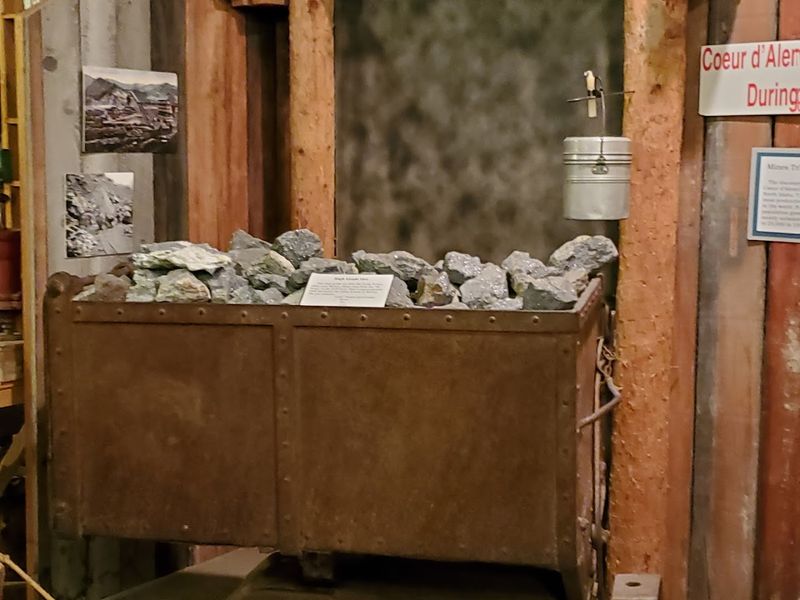
Water may give the museum its most mysterious stories, but the region’s past also carries plenty of history from the forests, mines, farms, and rail lines that built it.
Exhibits covering logging, agriculture, mining, and railroads add a harder-working dimension to the lakefront narrative, showing how beauty and industry have always existed side by side here.
Sawmills once shaped the shoreline, while timber crews worked in demanding conditions to support a growing regional economy. Mining communities in the surrounding mountains brought ambition, risk, labor conflict, and boom-and-bust cycles that still echo through regional history.
Railroads connected those industries to wider markets, changing how people moved, worked, and imagined the future of the region. Tools, photographs, signs, and personal accounts give these sections a grounded quality that keeps them from feeling abstract.
Visitors can see how real families and workers built lives around difficult labor rather than romantic scenery alone. That honesty gives the museum depth.
It reminds guests that the area’s lake views came with sweat, danger, invention, and constant change.
The Coeur d’Alene Tribe Gives The Region’s History Its Deepest Roots
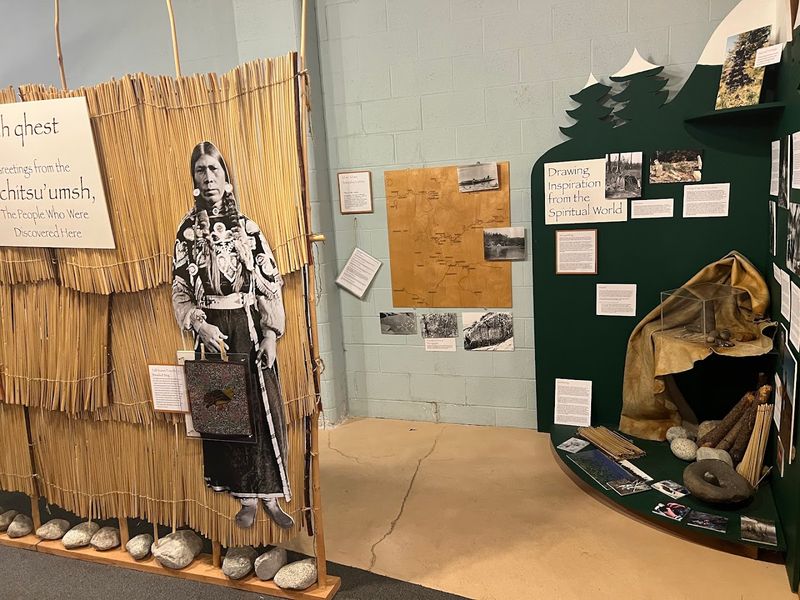
Long before steamboats, railroads, logging camps, or resort hotels shaped the lakefront, the Coeur d’Alene Tribe held deep ties to this region’s waterways, forests, and seasonal rhythms.
The Museum of North Idaho gives that history meaningful space, helping visitors understand that the area’s story does not begin with settlement or industry.
Exhibits tied to Indigenous history bring forward cultural traditions, land relationships, and spiritual narratives that help ground every later chapter in a fuller context.
The Circling Raven story is especially memorable because it gives visitors a more thoughtful way to understand place, memory, and identity.
This section matters because it asks people to slow down and recognize that North Idaho’s landscape was known, named, traveled, and cared for long before newer industries arrived.
Families and school groups can take away some of the museum’s most important lessons here, especially when exhibits are approached with patience and respect.
Rather than treating Indigenous history as a brief introduction, the museum presents it as a foundation. That choice makes the entire visit feel more honest, more complete, and far more meaningful.
Fort Sherman Brings The City’s Early Years Into Focus
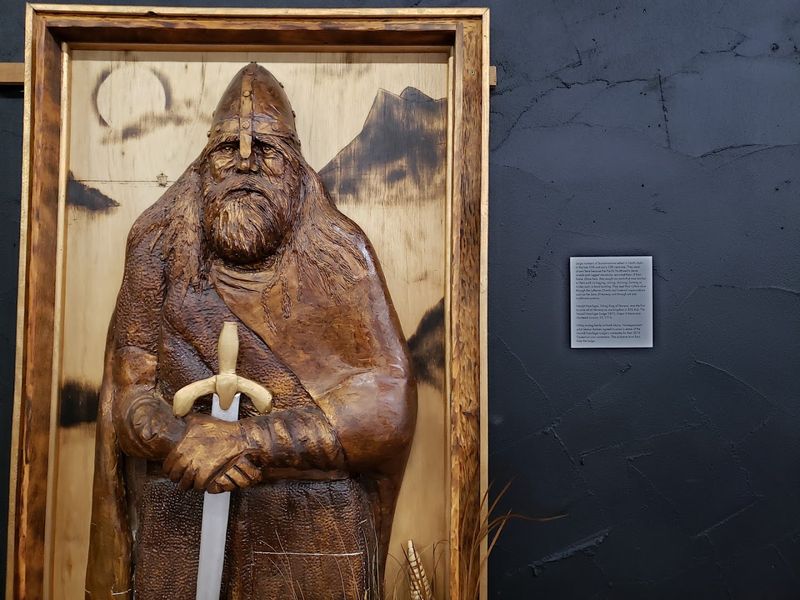
Military history adds another layer to Coeur d’Alene’s origin story, and the museum’s Fort Sherman material helps visitors understand how the city developed around more than lake tourism.
Established in the late 1870s, Fort Sherman served as a major military post during a period of expansion, tension, and rapid change across the Inland Northwest.
Artifacts, photographs, and historical panels connect the fort to the city’s early growth, showing how government presence, transportation routes, land use, and community development all intersected.
Even visitors who do not usually seek out military history may find this section engaging because it focuses on people as much as institutions.
Daily routines, local relationships, changing landscapes, and the physical presence of the fort all help bring the period into focus. The exhibit also provides useful context for understanding why Coeur d’Alene grew the way it did and how its identity shifted over time.
Instead of feeling like a separate chapter, Fort Sherman becomes part of the same broader story told throughout the museum. Each display helps connect the lake, the land, and the growing city around them.
City Park Puts The Museum Right Near The Water
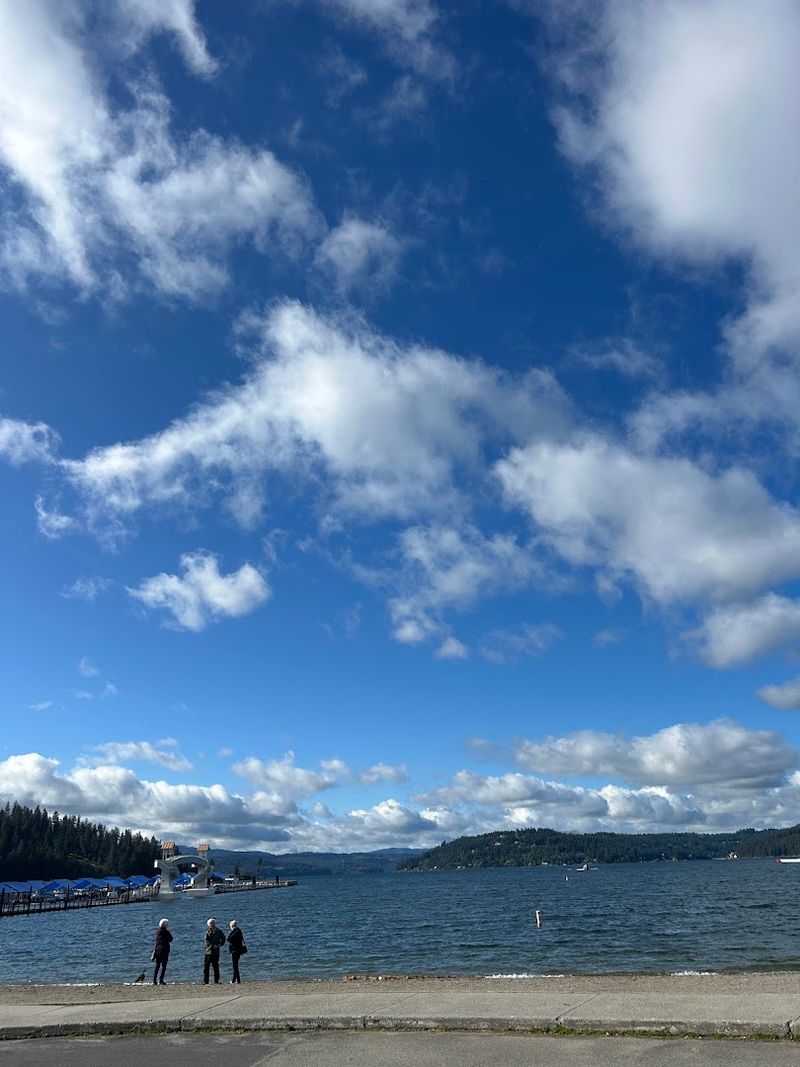
A visit feels even richer because the museum sits close to one of Coeur d’Alene’s most inviting public spaces. McEuen Park stretches nearby with lawns, paths, lake views, play areas, and easy access to the waterfront atmosphere that gives the museum’s stories so much weight.
After moving through exhibits about steamboats, sunken vessels, industry, tribal history, and early city life, stepping outside near the water creates a satisfying connection between past and present.
Families can turn the museum stop into a longer afternoon by adding a walk through the park, a snack nearby, or a quiet pause with Lake Coeur d’Alene in view.
That setting matters because so many of the museum’s best stories are tied directly to the lake and the communities that formed around it. The surrounding area is easy to explore on foot, which makes the experience feel relaxed rather than isolated.
Visitors leave the exhibits and immediately see the landscape those stories came from. That simple transition makes the history feel less distant and helps the entire stop feel more memorable.
North Idaho’s Past Feels Closer Than Expected Here
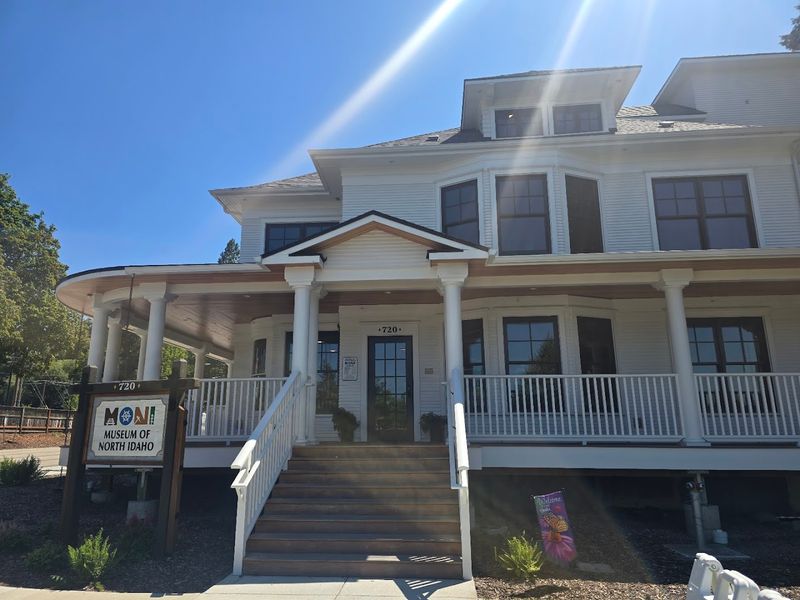
Somehow, the Museum of North Idaho manages to make history feel personal rather than distant. Maybe it is the scale of the building, the warmth of the exhibits, or the fact that nearly everything on display was donated by families who actually lived these stories.
Whatever the reason, walking through these rooms feels more like visiting a neighbor’s home than attending a formal institution.
The museum covers a broad range of regional history, and visitors should check current exhibit information for the latest featured topics. Each exhibit connects to the next in a way that builds a complete and compelling picture of regional identity.
First-time visitors are often surprised by how much ground the museum covers without ever feeling rushed or crowded.
Reachable by phone at +1 208-664-3448 or online at museumni.org, planning a visit is simple and straightforward. For anyone who loves history told with heart and honesty, the Museum of North Idaho is an experience that genuinely lingers.
This is regional storytelling at its very best.