The 10 California Road Trips I’d Do Again In A Heartbeat – Copy These Routes For 2026
Some roads are just a way to get from one place to another. Others become the journey itself, unfolding new scenery with every mile and turning simple drives into lasting memories.
This is the kind of trip where plans change easily, detours feel like discoveries, and the urge to pull over never really goes away.
A road trip through California reveals how dramatically landscapes can shift in a short span of time. One stretch of highway passes through towering redwood forests, while another climbs toward alpine peaks or drops into wide desert valleys.
Coastal routes hug cliffs above crashing waves, and inland roads lead to quiet towns that seem untouched by time.
The experience rewards travelers who slow down, take the scenic route, and allow curiosity to guide the way.
What makes this journey special is the constant sense of surprise. A hidden viewpoint appears just around a bend. A small town invites an unplanned stop.
A sunset turns an ordinary stretch of pavement into something unforgettable. Road tripping in California is not about rushing to a destination. It is about the stories collected between stops and the freedom found in every mile.
1. Majestic Mountain Loop
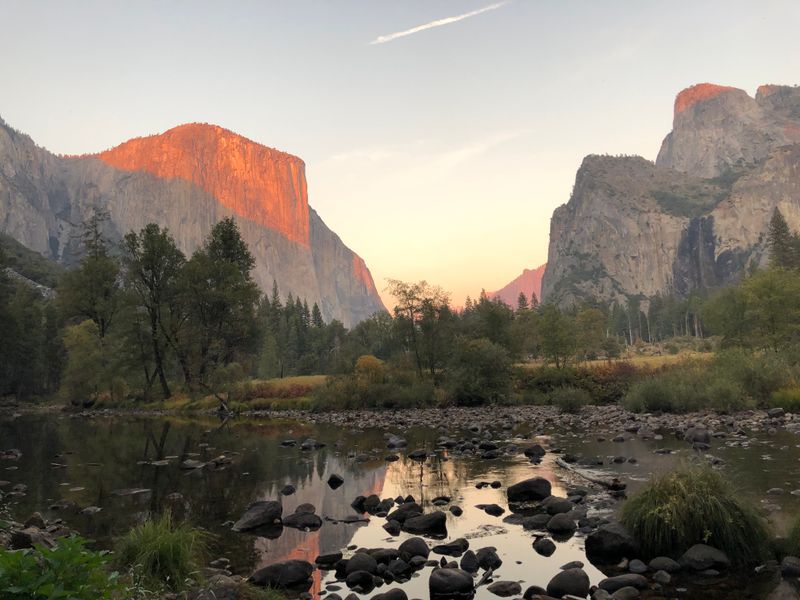
Granite cliffs rise thousands of feet above valley floors, waterfalls thunder down rock faces, and ancient trees dwarf everything around them on this mountain adventure.
This loop connects three of California’s most celebrated national parks, each offering its own brand of natural wonder.
Yosemite delivers iconic views like Half Dome and El Capitan, while Sequoia and Kings Canyon showcase some of the largest living trees on Earth.
Plan for at least four to five days to cover the route comfortably, though a full week allows time to hike and explore without rushing.
The drive between parks involves winding mountain roads, so patience and careful driving matter. Summer brings crowds and warm weather, while spring offers waterfalls at their peak flow.
Sequoia’s Moro Rock provides panoramic views after a short but steep climb, and the General Grant Tree in Kings Canyon stands as a humbling reminder of nature’s scale.
Yosemite Valley fills with visitors during peak season, so arriving early in the day helps secure parking and quieter trail access.
Tioga Pass, when open, offers a high-elevation route between the parks with alpine meadows and dramatic vistas. Pack layers, as temperatures shift with elevation, and carry plenty of water for hikes.
Cell service remains spotty throughout much of the route, so downloading maps ahead of time proves helpful.
2. Classic Pacific Coast Drive
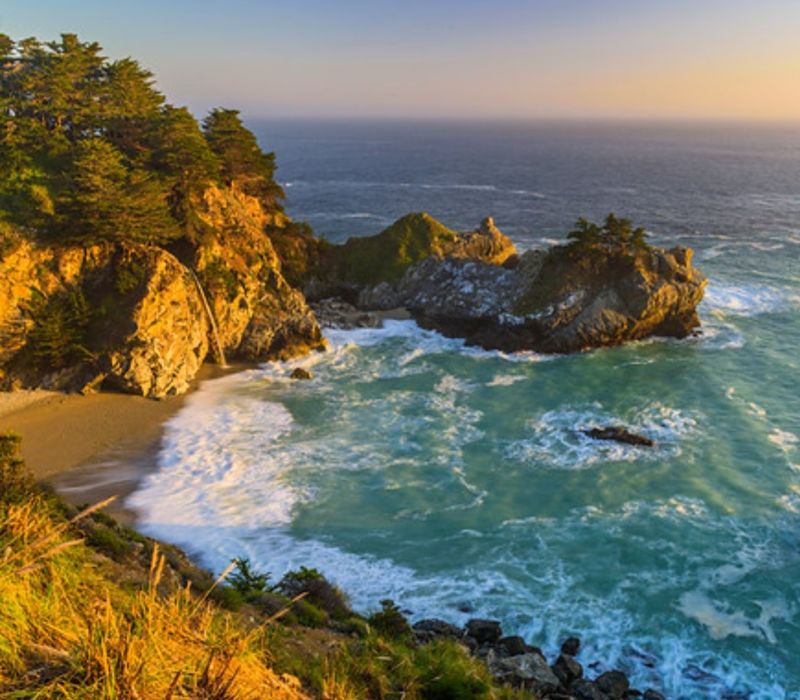
Highway 1 hugs the coastline through some of California’s most photographed stretches, where the Pacific Ocean meets dramatic cliffs and rolling hills.
This route connects Santa Barbara’s Spanish-influenced architecture with the opulence of Hearst Castle and the storybook charm of Carmel-by-the-Sea.
Each stop offers its own character, from beach town relaxation to historic grandeur. Santa Barbara’s palm-lined streets and red-tile roofs create a Mediterranean atmosphere, with beaches that invite leisurely walks and waterfront dining.
Hearst Castle sits atop a hill near San Simeon, a sprawling estate that once hosted Hollywood’s elite and still impresses with its art collection and architecture.
The castle is located at 750 Hearst Castle Road, San Simeon, CA 93452, and requires advance reservations for guided tours.
Carmel-by-the-Sea draws visitors with its fairy-tale cottages, art galleries, and dog-friendly beach where locals and travelers mingle at sunset.
The drive between these stops includes Big Sur’s winding roads, where pullouts offer chances to photograph rocky coastline and crashing waves.
Fog rolls in frequently along this stretch, especially in summer mornings, adding a moody beauty to the scenery.
Plan for two to three days to enjoy each destination without feeling rushed. Weekdays tend to be quieter than weekends, particularly in Carmel, where parking fills quickly on Saturdays.
3. Wine Country Weekend Loop
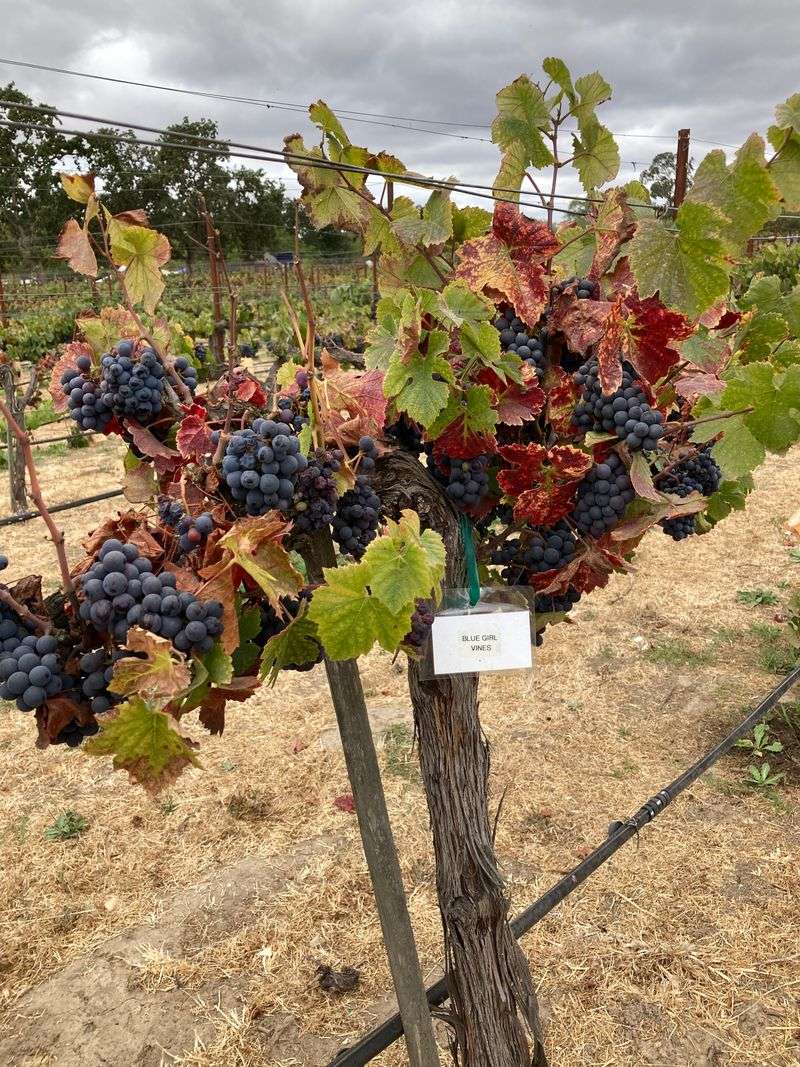
Rolling vineyards blanket the hillsides, tasting rooms welcome visitors with samples of local vintages, and farm-to-table restaurants showcase the region’s agricultural bounty.
Napa and Sonoma valleys sit side by side, yet each maintains its own personality and pace. Napa leans toward polished experiences with well-known wineries, while Sonoma offers a more laid-back vibe with family-run estates.
Calistoga anchors the northern end of Napa Valley, known for its hot springs, mud baths, and Old Faithful Geyser, which erupts regularly throughout the day.
The town provides a quieter base compared to busier spots like Yountville or St. Helena. Many wineries require reservations for tastings, especially on weekends, so booking ahead prevents disappointment.
Sonoma Plaza at 453 1st St E, Sonoma, CA 95476 serves as the heart of Sonoma Valley, surrounded by historic buildings, casual eateries, and shops selling local goods.
The drive between valleys takes about 30 minutes, making it easy to explore both regions in a long weekend.
Spring brings wildflowers and green hills, while fall harvest season adds a festive energy to the area. Designated drivers or hired transportation help visitors relax and enjoy tastings without worry.
Mornings tend to be cooler and less crowded, ideal for touring vineyards before afternoon heat sets in. Small-town charm and scenic backroads make this loop feel unhurried and restorative.
4. Morro To Morro Coastal Drive
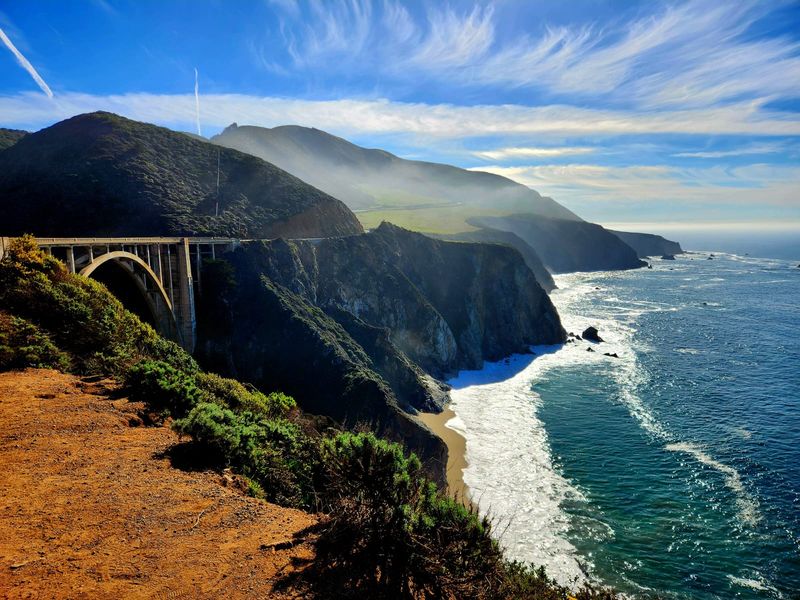
Morro Rock rises from the water like a giant sentinel, marking the start of a coastal journey that winds through some of California’s most beloved shoreline.
This route follows Highway 1 north from Morro Bay through Big Sur’s rugged cliffs and into Monterey’s historic waterfront.
Each section offers distinct coastal beauty, from calm bay waters to pounding surf against rocky outcrops.
Morro Bay’s harbor buzzes with fishing boats, sea otters, and waterfront restaurants serving fresh seafood. The rock itself stands 581 feet tall and serves as a protected nesting site for peregrine falcons.
Big Sur unfolds over the next stretch, where the highway clings to steep hillsides and bridges span deep canyons.
Bixby Creek Bridge, one of the most photographed spans in the state, arcs gracefully over a coastal gorge and provides a perfect photo opportunity from designated pullouts.
Monterey awaits at the northern end, where Cannery Row and the renowned Monterey Bay Aquarium draw visitors interested in marine life and local history.
The aquarium is located at 886 Cannery Row, Monterey, CA 93940, and features exhibits showcasing the rich ecosystem of Monterey Bay.
Allow at least two full days for this drive, though three days permit more time for hiking and exploring. Coastal fog often blankets the route in morning hours, then burns off by midday to reveal stunning ocean views.
5. Southern California Beach Hop
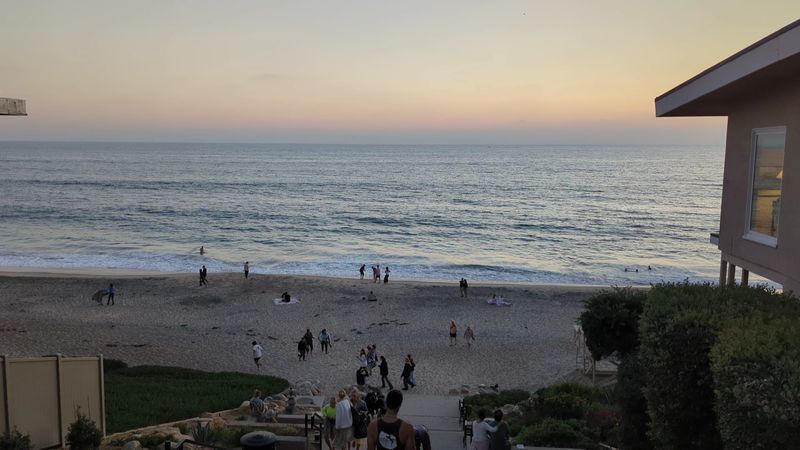
Surfers paddle out into rolling waves, beachgoers spread towels on warm sand, and coastal communities offer their own flavors of Southern California living.
This route connects San Diego’s laid-back beach culture with Laguna Beach’s artistic charm and Malibu’s celebrity-studded shores.
Each stop provides access to different beach experiences, from family-friendly coves to surfing hotspots.
San Diego’s coastline includes La Jolla’s sea caves and seals, Pacific Beach’s boardwalk energy, and Coronado’s wide, gentle shores. The city’s year-round mild weather makes beach visits pleasant in any season.
Laguna Beach sits about 90 minutes north, where steep hillsides meet the ocean and tide pools reveal marine life at low tide.
Art galleries and boutiques line the streets of downtown Laguna, and numerous beach access points allow visitors to find their preferred spot along the shore.
Malibu stretches along the coast north of Los Angeles, offering famous surf breaks like Surfrider Beach and quieter stretches at El Matador State Beach.
Parking fills quickly on summer weekends at popular beaches, so arriving before 10 a.m. helps secure a spot. Plan for three to four days to enjoy each destination without constant driving.
Coastal traffic can slow travel, particularly on Friday afternoons and Sunday evenings. Pack sunscreen, hats, and plenty of water, as Southern California sun remains strong even on hazy days.
6. Otherworldly Desert Loop
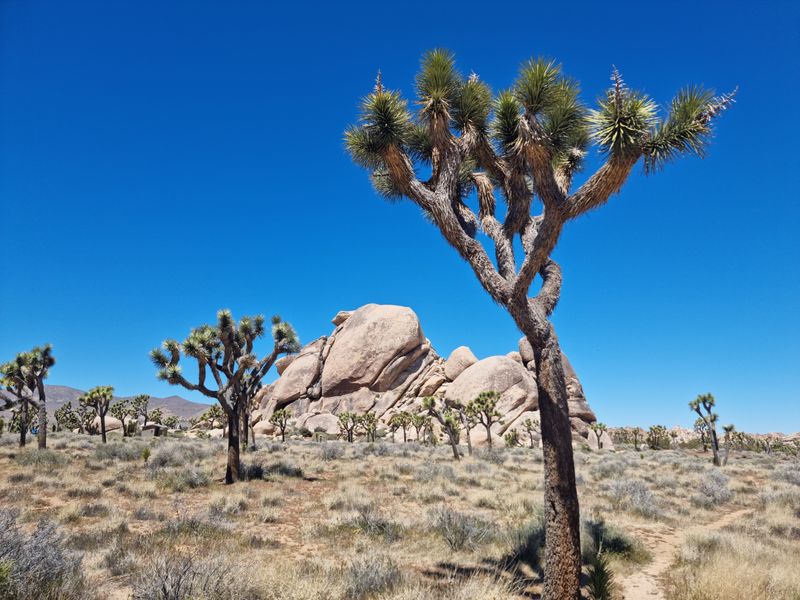
Twisted Joshua trees reach toward impossibly blue skies, massive boulders create natural climbing playgrounds, and desert valleys stretch to distant mountain ranges.
This loop explores two distinct desert environments, from Joshua Tree’s high desert to Death Valley’s extreme low-elevation landscape. Palm Springs sits between them, offering mid-century modern architecture and resort amenities.
Joshua Tree National Park rewards visitors with surreal rock formations, hiking trails through desert gardens, and some of the darkest night skies in Southern California. Spring brings wildflower blooms that transform the landscape into a colorful display.
Palm Springs provides a comfortable base with restaurants, shops, and the Aerial Tramway at 1 Tramway Rd, Palm Springs, CA 92262, which climbs from desert floor to alpine forest in minutes.
Death Valley National Park holds records as the hottest, driest, and lowest place in North America, with Badwater Basin sitting 282 feet below sea level.
The park is located across a vast area, with the visitor center offering maps and current conditions. Summer temperatures regularly exceed 120 degrees Fahrenheit, making fall through spring the preferred visiting seasons.
Plan for at least four days to cover this loop comfortably, with early morning and late afternoon as the best times for outdoor activities. Carry extra water, snacks, and a full tank of gas, as services remain limited in remote desert areas.
7. Redwood Forest Road Trip
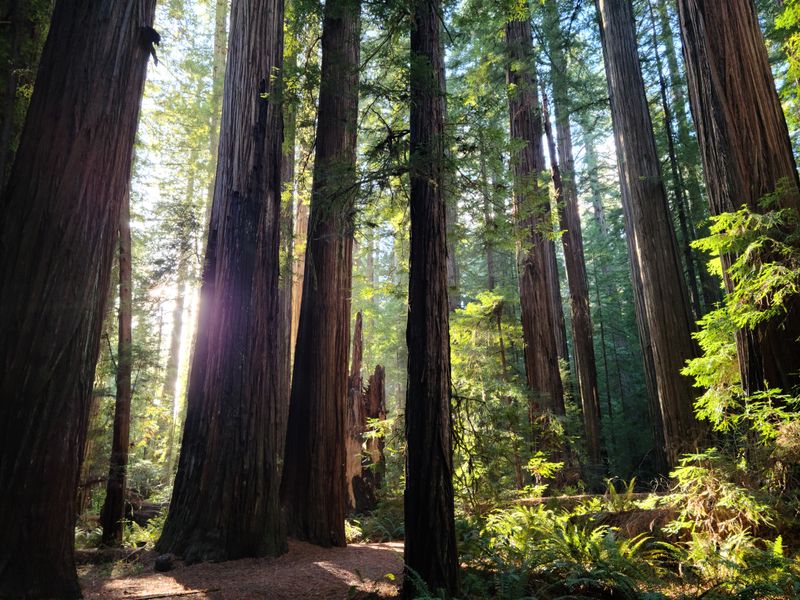
Towering redwoods block out the sky, creating cathedral-like groves where sunlight filters through in soft beams. This northern California route explores ancient forests where some trees have stood for over 2,000 years.
The Avenue of the Giants offers a scenic alternative to Highway 101, winding through old-growth redwood groves for 31 miles.
Redwood National and State Parks protect significant stretches of these forests, with trails ranging from short walks to multi-day backpacking routes.
Tall Trees Grove requires a permit and offers a chance to stand among some of the world’s tallest living things.
Crescent City serves as a coastal gateway to the parks, with a working harbor and beaches where driftwood piles high along the shore.
The Avenue of the Giants parallels Highway 101 through Humboldt Redwoods State Park, where pullouts allow visitors to stop and walk among the giants.
Founders Grove and Rockefeller Forest contain some of the most impressive specimens.
Morning fog often shrouds the coastal forests, creating an ethereal atmosphere that burns off by afternoon. Plan for three to four days to explore the region without rushing.
The drive from San Francisco takes about six hours, making this a longer journey that rewards the effort. Pack warm layers, as coastal temperatures remain cool even in summer, and the forest shade adds to the chill.
8. High Sierra Scenic Route
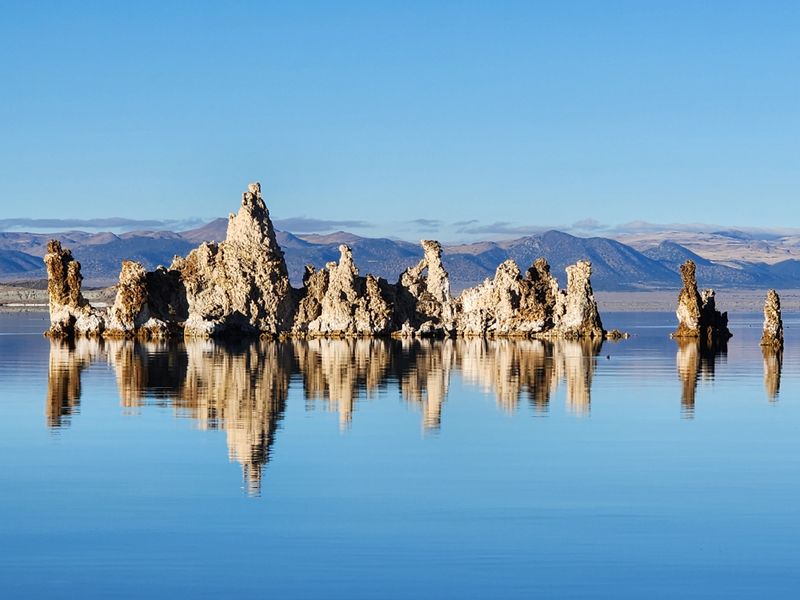
Alpine meadows carpet the high country, jagged peaks pierce the horizon, and crystal-clear lakes reflect surrounding mountains.
This route explores California’s high elevation Sierra Nevada, where Tioga Pass reaches 9,945 feet before descending into the dramatic landscape around Mono Lake.
Summer represents the only season when this route stays fully open, as snow closes Tioga Pass from roughly November through May.
Mammoth Lakes serves as a year-round mountain resort town, known for winter skiing and summer hiking, mountain biking, and fishing. The town sits at 7,880 feet elevation, so visitors from lower elevations may need time to adjust.
Tioga Pass provides the eastern entrance to Yosemite National Park, offering a high-elevation alternative to valley approaches.
Mono Lake spreads across the eastern Sierra, its alkaline waters supporting unique ecosystems and creating otherworldly tufa towers along the shore.
The Mono Basin Scenic Area Visitor Center is located at 1 Visitor Center Dr, Lee Vining, CA 93541, providing information about the lake’s ecology and history.
The lake sits in a dramatic rain shadow, resulting in a stark contrast between the lush western Sierra and the arid eastern slopes. Allow two to three days for this route, with time for short hikes and scenic stops.
The high elevation means cooler temperatures even in summer, so packing warm layers proves essential. Check road conditions before traveling, as Tioga Pass may close unexpectedly due to weather.
9. Historic Gold Rush Trail
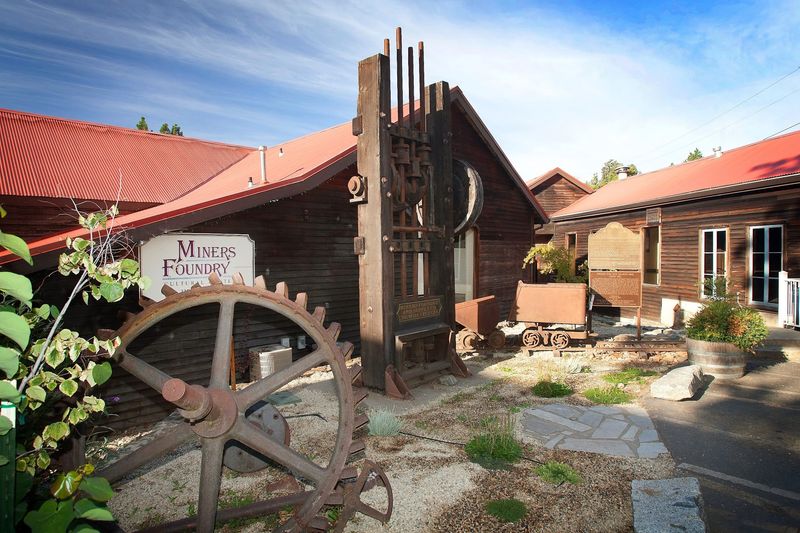
Wooden storefronts line Main Street, historic markers tell stories of fortune seekers, and the American River still runs through the spot where gold was discovered in 1848.
This route follows the footsteps of California’s Gold Rush era through foothill towns that preserve their 19th-century character.
Placerville, Nevada City, and Coloma each offer glimpses into the period that transformed California and drew people from around the world.
Placerville earned the nickname Hangtown during its rough-and-tumble mining days, though today it presents a more welcoming face with antique shops and local eateries.
The town sits along Highway 49, which winds through Gold Country connecting historic communities.
Nevada City maintains one of the best-preserved downtown districts, with Victorian buildings housing galleries, restaurants, and shops.
Coloma holds special significance as the site where James Marshall discovered gold at Sutter’s Mill, triggering the Gold Rush.
Marshall Gold Discovery State Historic Park is located at 310 Back Street, Coloma, CA 95613, where visitors can explore reconstructed buildings and pan for gold themselves.
The park offers ranger-led programs during summer months, explaining the discovery’s impact on California and the nation.
Plan for two days to visit all three towns comfortably, with spring and fall offering pleasant weather for walking historic streets. Summer brings heat to the foothills, so morning visits prove more comfortable than afternoon tours.
10. Ultimate National Parks Loop
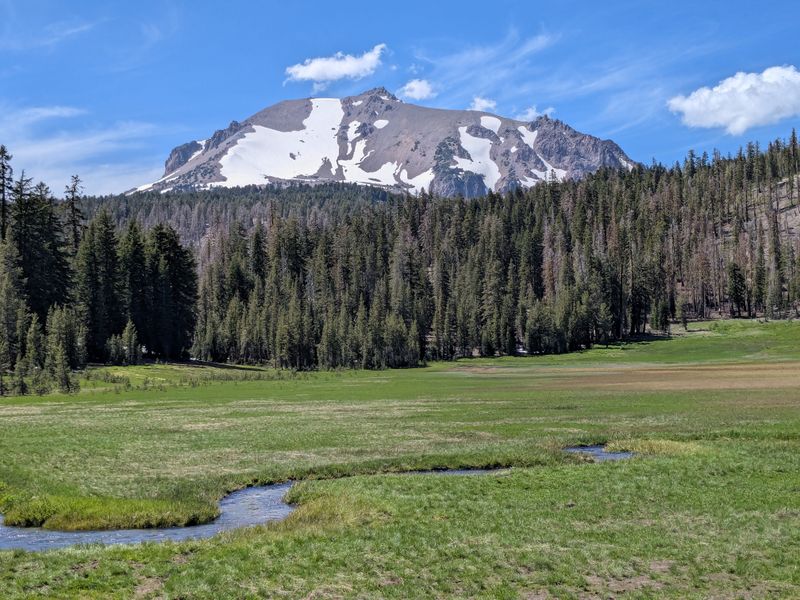
Volcanic peaks dominate the skyline, geothermal features bubble and steam, and deep blue lakes fill ancient calderas.
This ambitious loop explores the volcanic landscapes of Northern California and southern Oregon, connecting Lassen Volcanic National Park with Crater Lake National Park and the massive presence of Mount Shasta.
Each stop showcases different aspects of the region’s volcanic history. Lassen Volcanic National Park contains all four types of volcanoes found on Earth, along with boiling mudpots, fumaroles, and the crystal-clear waters of Lake Helen.
The park’s main road, when open, climbs to over 8,500 feet and provides access to trailheads and geothermal areas.
Crater Lake National Park sits about two and a half hours north, where the deepest lake in the United States fills a volcanic caldera with impossibly blue water.
Mount Shasta rises 14,179 feet above the surrounding landscape, visible for over 100 miles on clear days. The town of Mount Shasta provides a base for exploring the mountain’s lower slopes and nearby alpine lakes.
Summer represents the best season for this loop, as snow closes roads in Lassen and Crater Lake well into June most years. Allow four to five days for this journey, accounting for driving time and opportunities to hike and explore.
Cell service remains limited in remote areas, so carrying physical maps and downloading directions ahead of time helps with navigation.