The Central Coast California Roadhouse That Welcomed Travelers Before Highway 1 Was Fully Paved
Doesn’t travel feela a little richer when a place has been part of the journey for longer than most roads around it?
One Central Coast roadhouse in California was welcoming travelers before Highway 1 was fully paved. That kind of history gives a stop its own gravity.
Dusty miles, restless drivers, and the promise of food, shelter, or simple human warmth once brought people through its doors, and some of that old spirit still seems to linger.
There’s truly nothing about a place like this that feels disposable. Time has settled into it rather than worn it away.
Pulling in can stir up the rare feeling that the road has been telling this story for generations, and you just happened to arrive in time to catch part of it.
The Pioneer Roots That Gave Big Sur River Inn Its Deep Local Identity
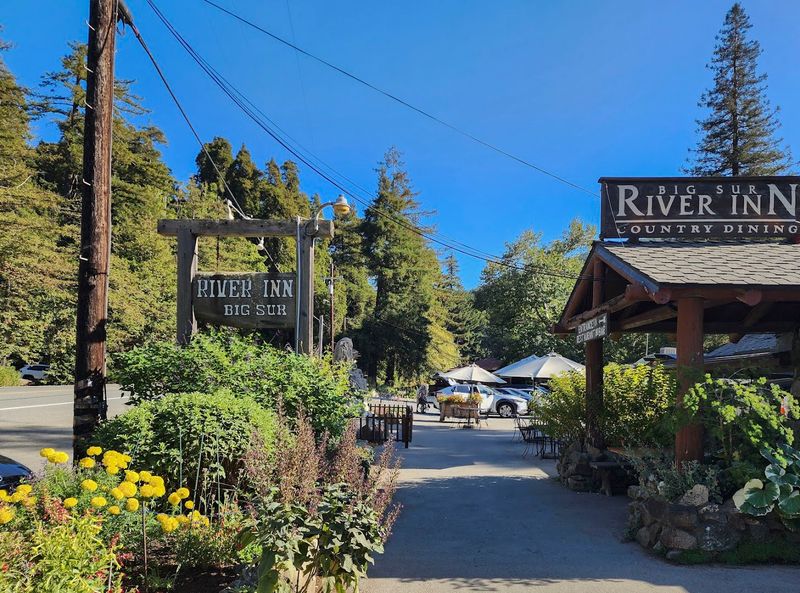
Some places earn their history through age alone, but Big Sur River Inn earned its roots through the families who shaped an entire region.
The land the inn sits on traces back to 1888, when Jay Pheneger first acquired the property.
From there, it passed to Barbara and Michael Pfeiffer, early homesteaders whose family name still appears across Big Sur on beaches, state parks, and trails.
That Pfeiffer connection gives the inn a lineage that goes far beyond a typical roadside hotel.
A descendant of that pioneering family built the inn itself in 1934, which means the property carries over a century of local history tied to the people who first settled this stretch of California coastline.
That kind of continuity is rare anywhere, let alone along one of the most dramatic coastal routes in the country.
Visitors who know a little of that backstory tend to see the place differently.
The worn wooden details and the river setting feel less like rustic decor and more like a genuine reflection of where the inn came from.
Staying or stopping here connects travelers to a real chapter of Central Coast history rather than a curated version of it.
How the Inn Opened Three Years Before Highway 1 Was Even Finished
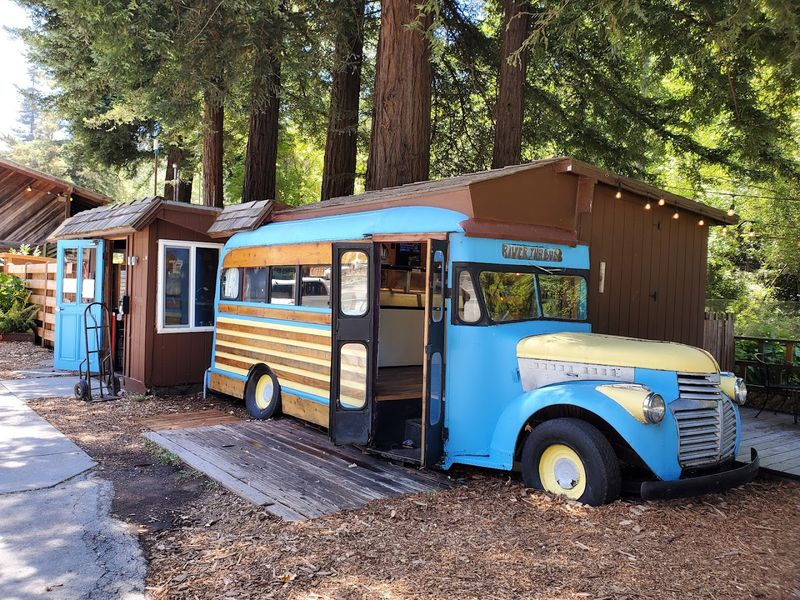
Opening a roadside inn before the road is finished takes a certain kind of confidence. Big Sur River Inn opened in 1934, and the paved stretch of Highway 1 through Big Sur was not completed until 1937.
That three-year gap is exactly what gives the inn its unusual claim as a place that welcomed travelers before the coastal route was fully ready for them.
The inn’s location along the dirt road that would eventually become Highway 1 made it a natural stopping point for anyone navigating the rough terrain between Carmel and the communities further south.
Getting through that stretch of coastline before the highway was finished required real effort, and a place offering food and a bed was genuinely useful rather than just convenient.
Once the coast highway officially opened, the inn’s position along the route made it an anchor stop for the growing wave of road travelers discovering California’s coastline.
That early timing shaped everything about how the inn developed its identity.
The Original Apple Pie Recipe That Has Survived Since the 1930s
Food traditions at old roadhouses rarely survive intact for decades, which makes the apple pie at Big Sur River Inn genuinely worth mentioning.
The restaurant still serves apple pie made from the inn’s original 1930s recipe, the same one that the founder began offering to guests in her own living and dining rooms when the property was just getting started.
That kind of recipe continuity is not common. Most historic restaurants eventually update their menus to follow trends or cut costs, and the dishes that made them famous quietly disappear.
Keeping an original recipe in rotation for nearly ninety years signals something about how the inn values its own story.
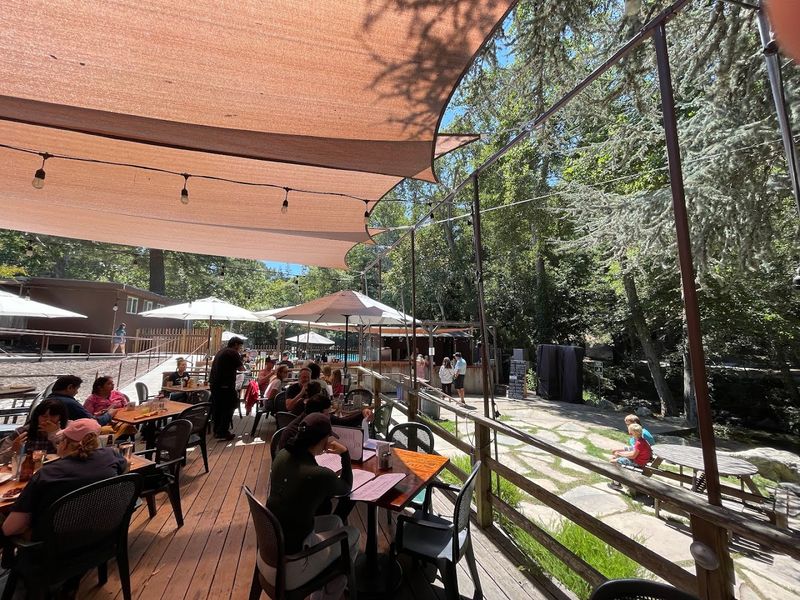
The restaurant at Big Sur River Inn, located at 46800 CA-1 in Big Sur, California, serves breakfast, lunch, and dinner in a wood-walled dining room as well as on a riverside deck.
The menu has grown over the decades, but the apple pie remains a thread connecting the current dining experience directly back to the inn’s earliest days.
For travelers passing through, ordering a slice is one of the more grounded ways to actually taste the history of a place rather than just read about it on a plaque.
Sitting in the River: The Adirondack Chair Tradition That Made the Inn Famous
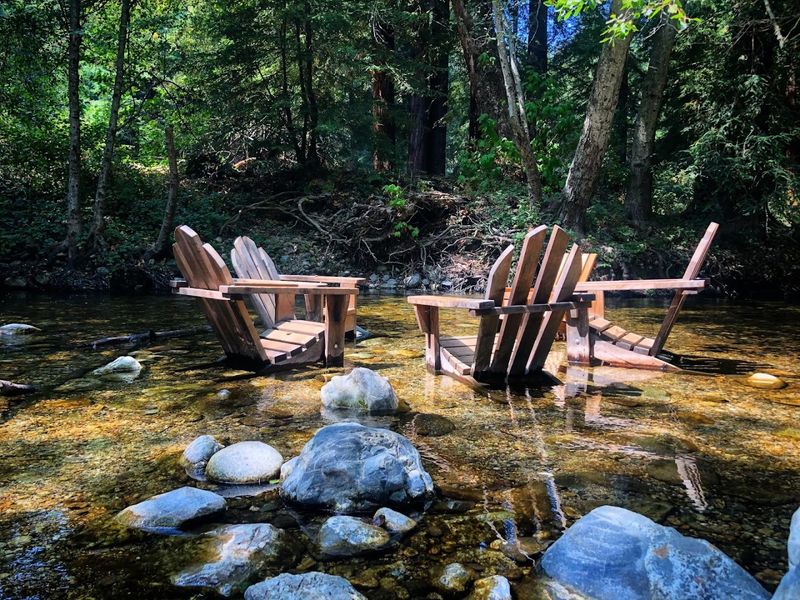
Not many restaurants can say their most talked-about seating option requires guests to get their feet wet.
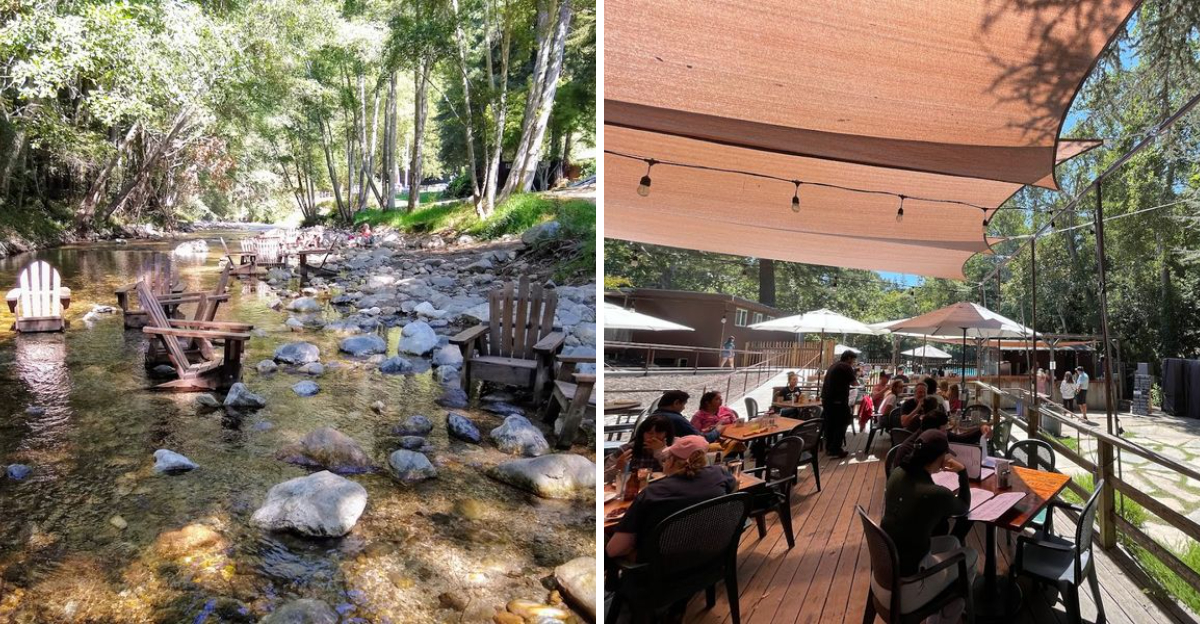
Big Sur River Inn has become widely recognized for placing Adirondack-style chairs directly in the Big Sur River, letting visitors sit in the current with the water flowing around them.
The chairs are available on a first-come first-served basis, so arriving earlier in the day tends to improve the chances of snagging one. The experience is simple in the best possible way.
There is no elaborate setup or reservation required, just a chair in a shallow river surrounded by redwoods with the sound of moving water replacing the usual restaurant background noise.
On warm days when the valley holds heat while the coast stays foggy, those chairs in the river become one of the most comfortable spots in the area.
The river seating has become one of the inn’s most shared and recognized details, drawing visitors who may not even be staying overnight.
Families, hikers finishing a trail, and road-trippers stretching their legs all tend to gravitate toward the riverbank.
The chairs are a small idea that turned into a defining feature, and they reflect the relaxed and unpretentious character that has kept the inn relevant across generations.
What Staying Overnight at the Inn Actually Feels Like
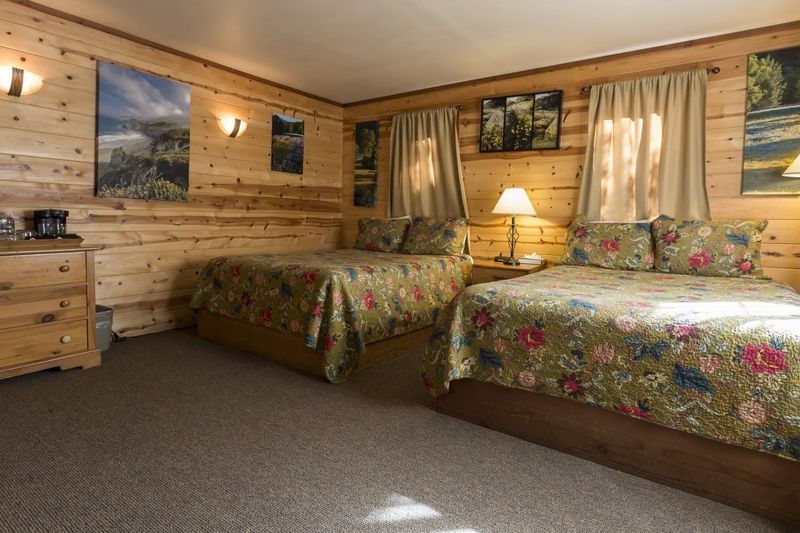
Spending a night at Big Sur River Inn comes with a certain trade-off that guests tend to either appreciate or find surprising.
The rooms have a genuinely rustic character, with natural wood details and a setting right along the river that gives the stay a grounded, outdoorsy feel.
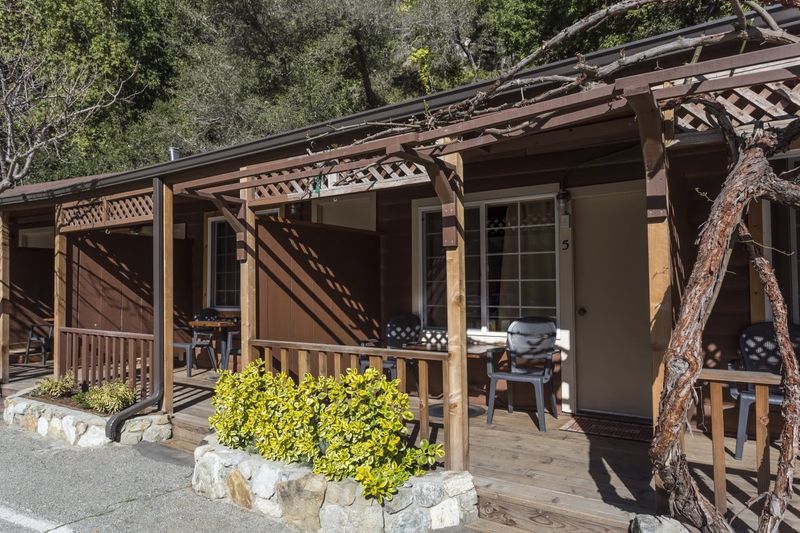
Some rooms include porches or patios with views of the river and surrounding trees, which tends to be the highlight for guests who prioritize scenery over amenities.
Road noise is something worth knowing about ahead of time. The inn sits directly along Highway 1, and travelers mention that traffic sound can be noticeable, particularly in the earlier morning hours.
Rooms on the river side of the property tend to offer more natural sound from the water, which helps offset the highway noise for lighter sleepers.
The property does not offer refrigerators in rooms, so guests staying multiple nights often bring a cooler for perishables.
Staff at the front desk can provide ice as needed. The inn is pet-friendly and kid-friendly, and free parking is available on site.
For anyone visiting Big Sur without wanting to camp, the inn provides a rare chance to sleep within the landscape rather than just passing through it during daylight hours.
The General Store and the Casual Food Options Beyond the Main Restaurant
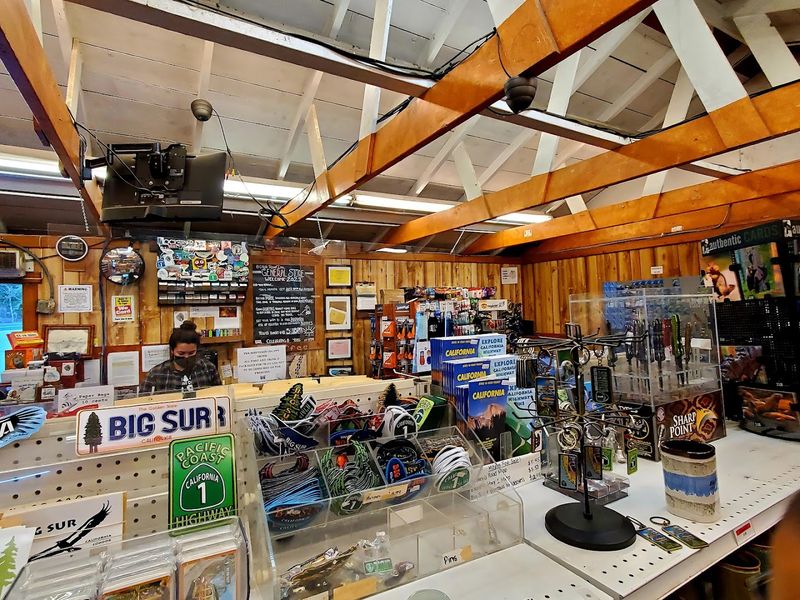
Road trips along Highway 1 rarely follow a strict meal schedule, which is part of why the general store next to the main restaurant at Big Sur River Inn works so well as a concept.
The store offers a burrito bar and pizzas, giving visitors a quick and casual food option that does not require sitting down for a full restaurant meal.
For travelers who stopped just to see the river chairs or stretch their legs, the store provides a practical way to grab something to eat without committing to the full dining room experience.
Breakfast burritos from the general store have earned a strong reputation among guests who have stayed at the inn.
The burritos tend to be substantial, with scrambled eggs, sausage, grilled vegetables, and toppings making up a filling morning meal.
For early risers heading out on a hike or continuing their drive south, that kind of quick and filling option fits the pace of a Big Sur morning.
Having both a full-service restaurant and a more casual grab-and-go option on the same property gives the inn a flexibility that serves a wide range of travelers.
Why Big Sur River Inn Still Matters as a Community Anchor Along the Coast
Historic places along dramatic coastlines sometimes become more about atmosphere than actual function, preserved more for nostalgia than for the community around them.
Big Sur River Inn has managed to stay genuinely useful, serving locals, road-trippers, hikers, and long-term visitors who depend on the businesses that make Big Sur livable and accessible.
When Highway 1 closures have disrupted access to the area in recent years due to landslides, the inn has been directly affected in ways that reflect how tightly its business is tied to the road’s condition.
The inn has hosted weddings, welcomed travelers dealing with emergencies in an area with limited cell coverage, and continued operating through multiple changes in ownership and infrastructure challenges.
The property has been renovated thoughtfully over the decades while keeping the character that made it worth preserving in the first place.
For anyone driving Highway 1 through Big Sur, the inn represents one of the few places along the route where the history of the road and the history of the stop are genuinely connected.
Stopping here is a small encounter with the longer story of how California’s most famous coastal highway came to be what it is today.
The River Setting Gives The Whole Property A Slower, More Memorable Rhythm
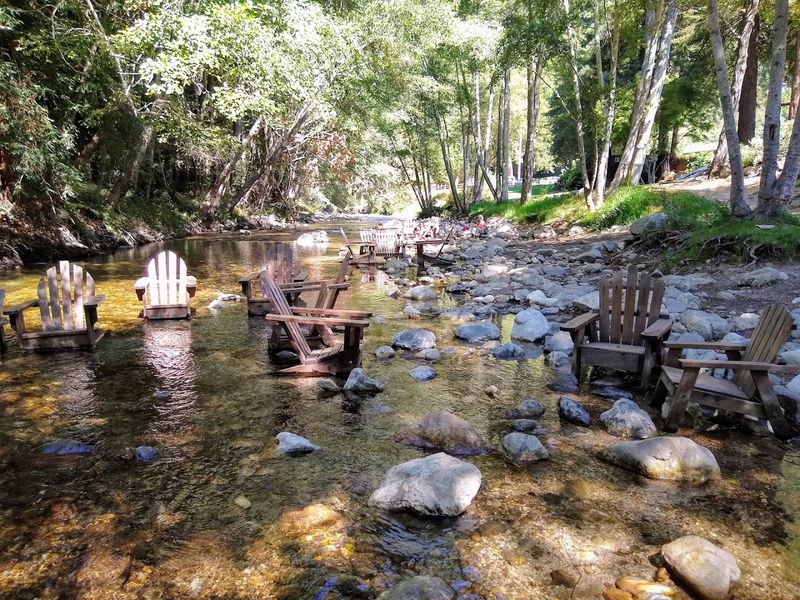
What makes Big Sur River Inn feel different from other historic roadside stops is not only the age of the buildings or the timing of its opening, but the way the river changes the pace of the entire property.
The Big Sur River runs close enough to the inn that it becomes part of the atmosphere from the moment guests arrive, adding sound, shade, and a sense of calm that a standard highway stop could never create.
Even when the restaurant is busy or the parking lot is full, the presence of the water softens the experience and keeps it from feeling hurried.
People linger longer here because the setting invites them to. A quick meal can turn into an afternoon by the riverbank, and a simple overnight stay can feel more restorative than expected.
That natural backdrop is a big part of why the inn has stayed memorable for so many travelers over the decades.