The City In California Where You Can Rent A Studio Apartment For $750 A Month
California rent stories rarely sound this refreshing.
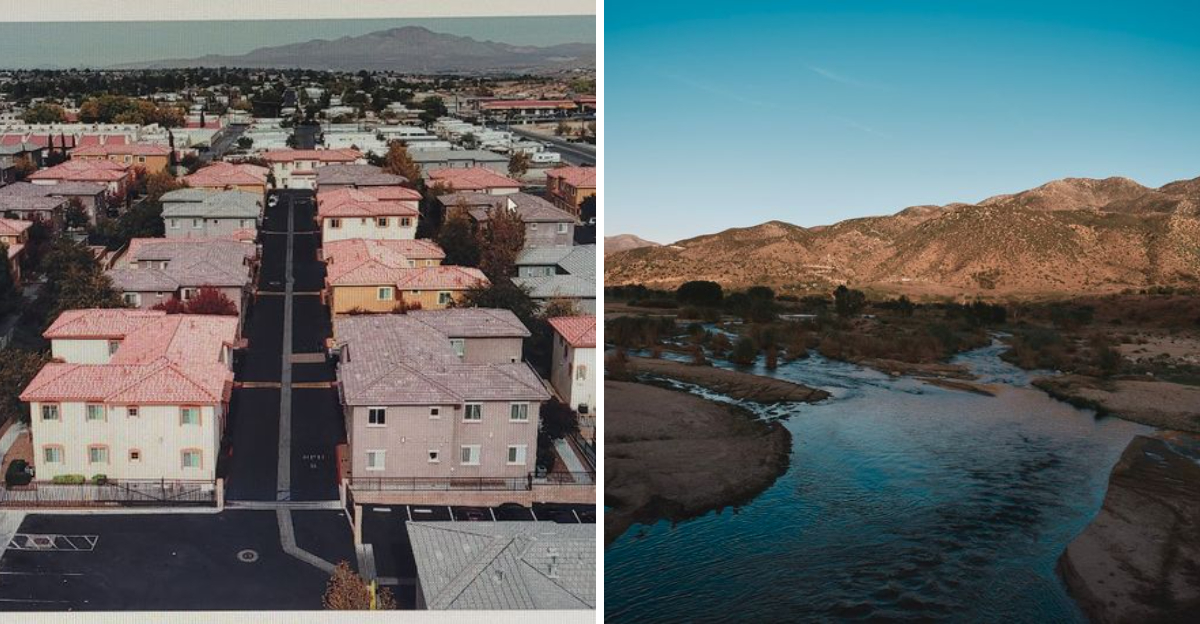
One city in the state is drawing attention with studio apartments around $750 a month, offering the kind of price that can make renters pause and take a closer look.
In a housing landscape known for steep costs, that number feels especially striking. Space to breathe, sunshine, and a chance to keep more money in your pocket all carry real appeal.
Affordability may be the headline, yet the bigger draw is the possibility of building a life in California without constant financial strain.
For anyone searching for a place that feels more manageable, this city brings a surprisingly welcome option into the conversation.
1. It Sits In The High Desert Of San Bernardino County
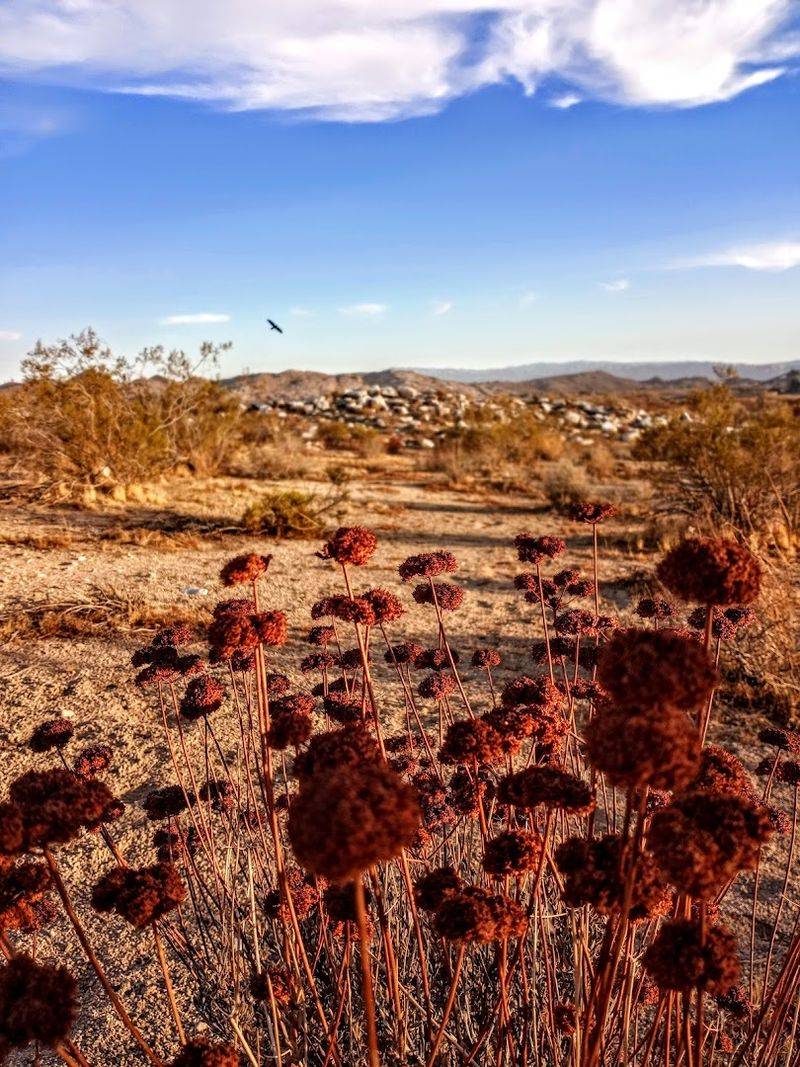
Perched at roughly 2,700 feet above sea level in the Mojave Desert, it occupies a geographic spot that feels genuinely distinct from the rest of California.
The surrounding terrain is wide and open, with dry brush, rocky hills, and a sky that stretches in every direction without interruption.
Summers run hot, often exceeding 100 degrees Fahrenheit, while winters bring cooler temperatures and occasional frost.
The high desert climate is something residents either love immediately or take time to appreciate.
The air tends to be dry, the sunsets are vivid, and the sense of space is hard to replicate in denser urban areas.
San Bernardino County itself is the largest county by area in the contiguous United States, and this beauty sits near its geographic center.
For people who value wide-open surroundings and clear skies, the location offers something coastal cities simply cannot. Access to hiking areas, off-road trails, and natural desert landscapes is relatively easy from the city.
The high desert setting shapes everything from the architecture to the pace of daily life, making it a defining characteristic of what living here actually feels like on an ordinary afternoon.
2. The City Has A Population Of Over 134,000 Residents
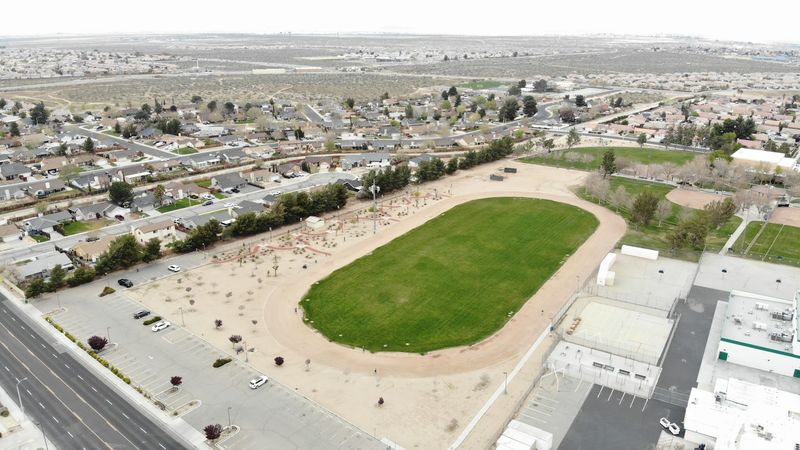
With a population of 134,810 recorded in the 2020 census, Victorville ranks among the larger cities in the Inland Empire region of Southern California.
That population size brings with it a level of infrastructure and community variety that smaller desert towns simply do not have.
Grocery stores, medical facilities, schools, and entertainment options are all present at a scale that supports a full daily routine.
Growth has been a consistent theme in the city’s recent history.
The Victor Valley area, which includes Victorville and neighboring cities like Hesperia and Apple Valley, has attracted residents priced out of the Los Angeles metro area looking for more square footage and lower housing costs.
That migration pattern has contributed to the population increase seen over the past two decades.
A larger population also means a more diverse community, with a mix of longtime desert residents, transplants from coastal cities, and families drawn by affordable housing relative to other parts of California.
Local events, community organizations, and public services reflect that diversity in visible ways.
Getting a sense of the community requires spending time in neighborhoods, parks, and local businesses rather than just passing through on the freeway.
3. Route 66 Runs Through The Heart Of The City
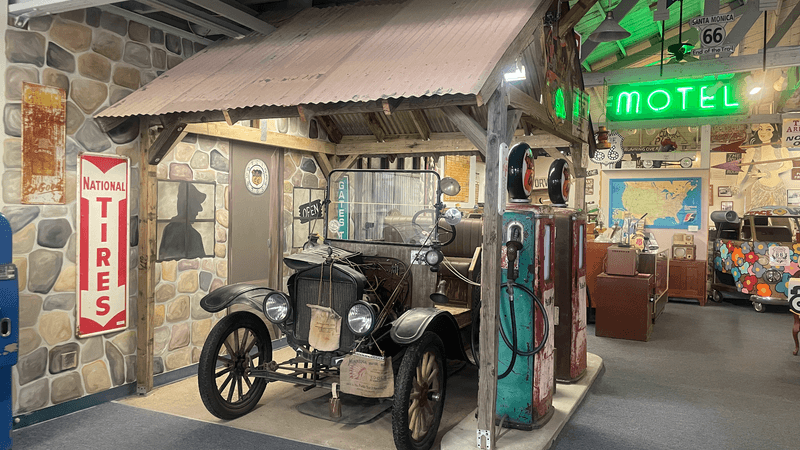
Few roads carry as much cultural weight as Route 66, and Victorville sits directly along its historic path.
The stretch of the Mother Road that passes through the city still holds remnants of mid-century roadside America, from older motels to diners that have served travelers for decades.
For anyone interested in American road trip history, this connection alone makes Victorville worth a closer look.
The California Route 66 Museum, located at 16825 D Street in Victorville, celebrates this legacy with exhibits, artifacts, and photographs that document the road’s significance as a migration and travel corridor.
The museum operates as a nonprofit and offers an accessible entry point into understanding why Route 66 became known as the Main Street of America.
Hours and admission details are best confirmed directly with the museum before visiting.
Walking the older sections of the road through town gives a tangible sense of the city’s commercial history.
Some original buildings still stand, and the architectural style of that era remains visible in certain storefronts and signage.
Route 66 is not just a backdrop for Victorville but an active part of its identity that residents and visitors engage with in different ways throughout the year.
4. The Mojave River Flows Through The City
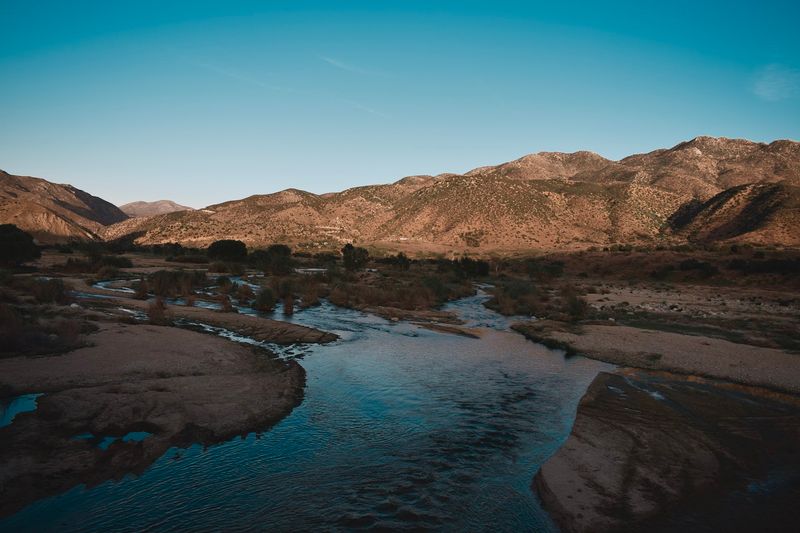
Water and desert do not always seem like natural partners, but the Mojave River cuts directly through Victorville in a way that shapes the local environment in meaningful ways.
The river is unusual because it flows mostly underground, surfacing in certain stretches and disappearing in others depending on rainfall and seasonal conditions.
When it does run above ground near the city, it creates a riparian zone that supports wildlife and plant life not typically associated with desert terrain.
The river has played a practical role in the region’s history, providing a water source that made permanent settlement possible long before modern infrastructure arrived.
Native American communities, Spanish explorers, and early American settlers all relied on the Mojave River as a guide and resource during travel through the desert.
That historical significance adds depth to what might otherwise seem like an unremarkable desert waterway.
Today, the river corridor near Victorville includes trails and open space that residents use for walking, cycling, and nature observation.
The Mojave Narrows Regional Park, located on the northern edge of the city, preserves a stretch of the river and surrounding habitat.
Visiting the park offers a quieter and more natural experience compared to the commercial areas of the city, and the contrast between the two is genuinely striking.
5. Victorville Is Home To A Growing Economy And Job Market
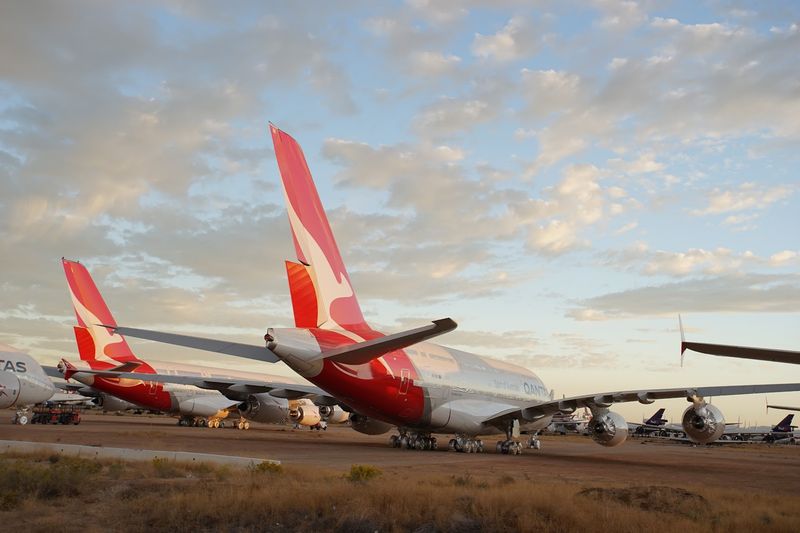
The economic landscape of Victorville has shifted considerably over the past few decades.
The closure of George Air Force Base in 1992 left a significant gap in the local economy, but the Southern California Logistics Airport, which now occupies that former base, has helped fill that void with logistics, distribution, and aviation-related employment.
The airport serves as a cargo and business aviation hub that continues to attract employers to the area.
Retail and healthcare sectors also contribute substantially to local employment.
The Victor Valley Mall and surrounding commercial corridors provide retail jobs, while Dignity Health St. Mary Medical Center and other healthcare providers employ a large portion of the local workforce.
For residents looking for work without commuting to Los Angeles, the local job market offers a reasonable range of options across multiple industries.
The logistics and warehousing sector has grown especially fast in the broader Inland Empire region, and Victorville benefits from its position along major transportation corridors including Interstate 15.
That freeway connection makes the city an attractive spot for distribution centers serving the greater Southern California market.
6. Outdoor Recreation Options Are Plentiful Around The City
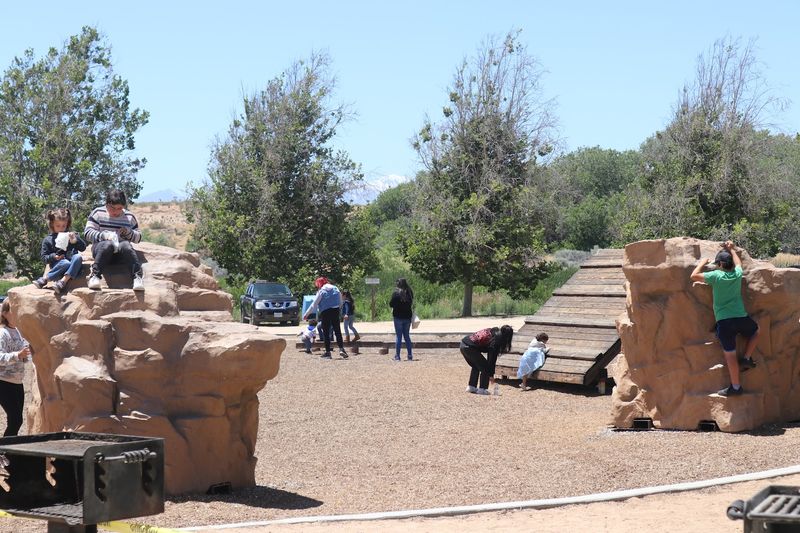
Living in the high desert means having access to a wide range of outdoor activities without driving far from home.
Victorville serves as a practical base for exploring the Mojave Desert, with trails, open land, and natural landmarks within easy reach.
The terrain rewards people who enjoy hiking, mountain biking, off-road driving, and simply spending time in wide-open spaces away from urban density.
Mojave Narrows Regional Park, located at 18000 Yates Road in Victorville, offers camping, fishing, equestrian trails, and picnic areas along a stretch of the Mojave River.
The park is one of the more accessible green spaces in the area and draws families and outdoor enthusiasts throughout the year.
Seasonal wildflower blooms and bird activity near the river add natural variety to visits depending on the time of year.
Further afield, Big Bear Lake and the San Bernardino Mountains are reachable within roughly an hour, offering a completely different landscape of pine forests and alpine terrain.
Joshua Tree National Park is also within driving distance for those seeking a more dramatic desert experience.
Having that range of environments accessible from a single home base is one of the practical advantages of living in the Victorville area that does not always get mentioned in housing discussions.
7. The Cost Of Living Is Lower Than Most California Cities
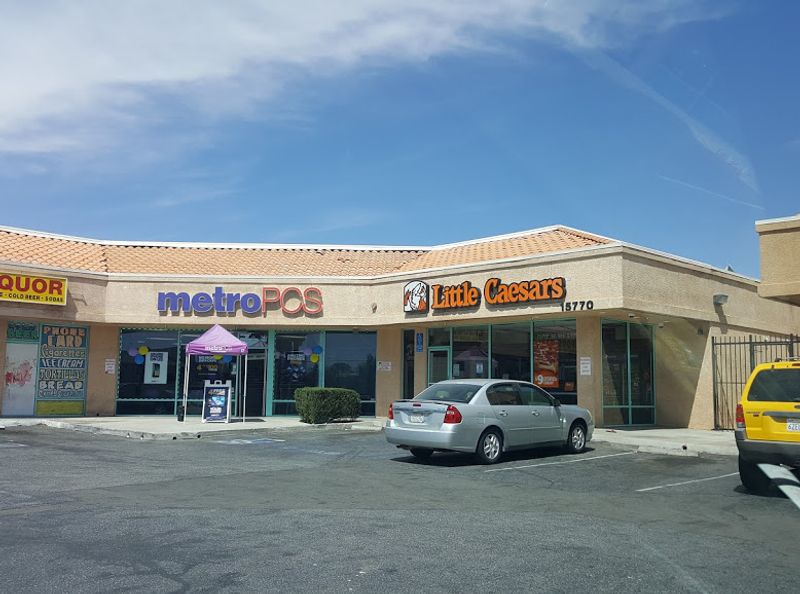
Compared to coastal California cities, Victorville offers a noticeably lower overall cost of living.
Housing costs, whether renting or buying, tend to run significantly below what a comparable unit would cost in Los Angeles, San Diego, or the San Francisco Bay Area.
That difference is a primary reason many families and individuals have relocated to the Victor Valley in recent years.
Groceries, gas, and everyday services also tend to be priced in line with national averages rather than the inflated costs associated with premium California markets.
The presence of major retail chains, discount stores, and competitive local businesses means that day-to-day spending does not carry the same premium that coastal living often demands.
For households managing a tight budget, those incremental savings across multiple categories add up meaningfully over time.
The trade-off is that wages in the Victorville area also tend to be lower than in major metro markets, which means the cost advantage depends heavily on individual circumstances.
Remote workers earning salaries tied to higher-cost markets tend to benefit the most from the cost-of-living gap.
8. Victorville Has A Rich History Tied To The Old West And Railroads
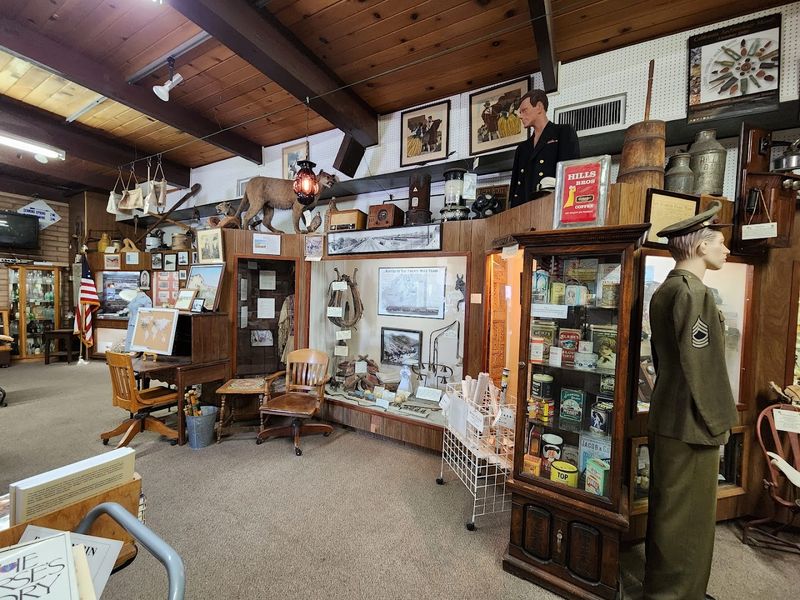
Long before Victorville became a suburban city, the land it occupies held significance as a crossing point on the Mojave River and a stop along early travel routes through the desert.
The arrival of the Atlantic and Pacific Railroad in the 1880s gave the settlement a formal identity and a new name, honoring Jacob Nash Victor, a civil engineer involved in the railroad’s construction.
That railroad heritage left a lasting imprint on the city’s layout and commercial development.
The California Route 66 Museum and the Mojave River Valley Museum both preserve artifacts and stories from the region’s layered past, including Native American history.
The Mojave River Valley Museum is located at 270 East Virginia Way in Barstow, a neighboring city, but Victorville’s own historical resources document the local story in accessible and well-organized ways.
Walking through older sections of the city reveals architectural remnants from different eras, with some buildings dating back to the early 20th century still standing along the original commercial corridors.
History here is not confined to museum walls but woven into the streets and structures that longtime residents pass every day.
That layered quality gives the city a sense of depth that surprises many first-time visitors expecting only a modern suburban landscape.
9. Studio Rents Stay Lower Than Many People Expect
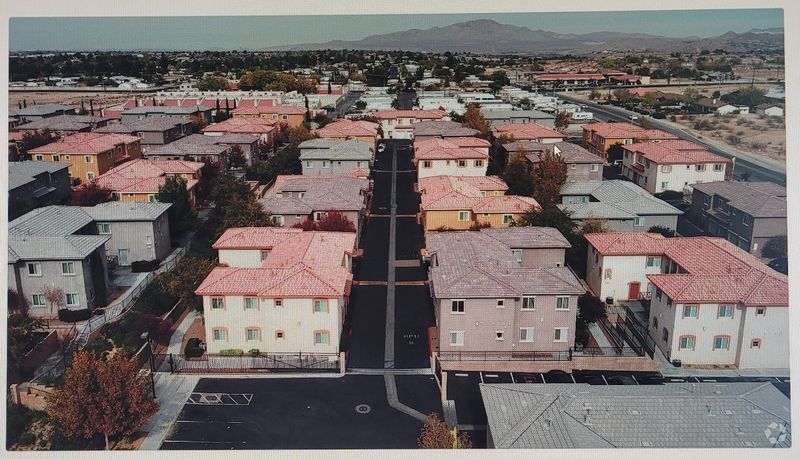
Victorville continues to stand out in California housing conversations because current rent data places the city’s average studio apartment around $750 a month on both Zillow and Trulia, even while other trackers like Apartments.com show a lower estimate of about $545.
That gap says less about a sudden collapse in prices and more about how differently rental platforms measure limited studio inventory in a city where there simply are not many units in that category at one time.
Even with that variation, Victorville still reads as one of the more accessible places to rent a studio in California, especially compared with better-known markets where small apartments often climb far beyond desert-city pricing.
For renters focused on stretching a budget without leaving the state, Victorville keeps earning attention because the numbers remain lower than many people assume California can still offer.