The Enchanting State Park In California That’s Straight Out Of Jurassic Park
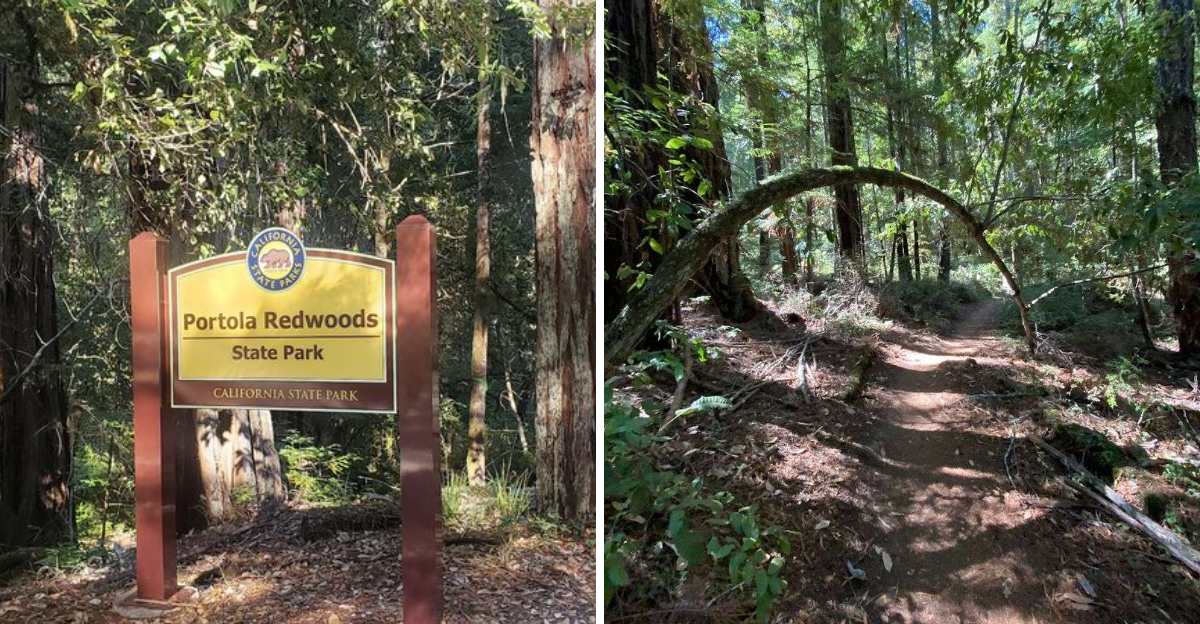
Some landscapes feel untouched in a way that instantly quiets everything else.
One state park in California feels almost prehistoric, with towering greenery and a wild beauty that barely seems real.
Walking through a place like this can stir up a strange mix of awe and curiosity, as if something enormous could appear just beyond the trees.
Every path seems to pull you deeper into that feeling. Light slips through the canopy in a way that makes the whole setting feel even more otherworldly.
Beauty is part of the draw, but wonder leaves the deeper mark.
The Jurassic Park Feeling Is Real and Rooted in the Forest Itself
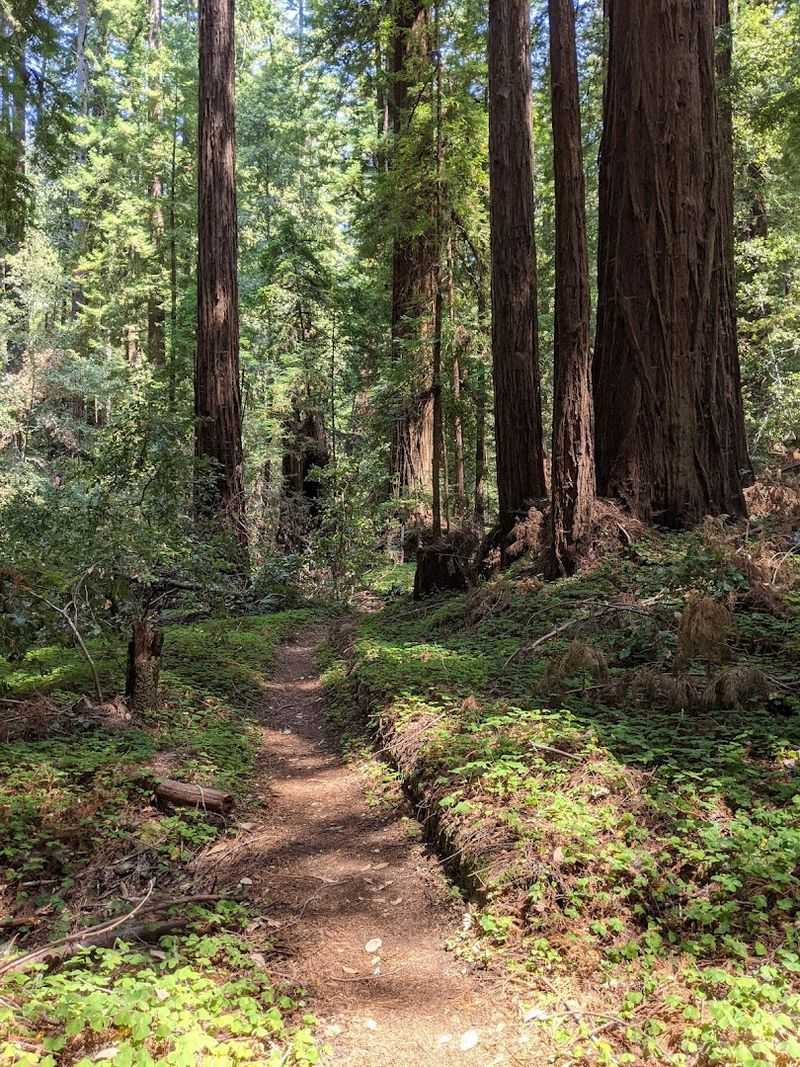
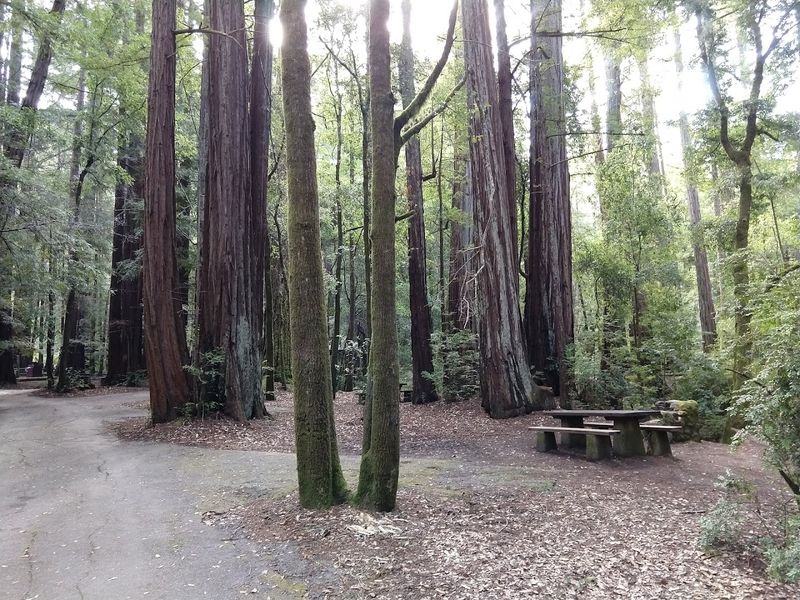
Walking into certain forests triggers something primal, and the redwood canyon at Portola Redwoods State Park does exactly that from the first few steps on the trail.
The canopy closes overhead quickly, the light shifts from bright to filtered and green, and the sounds of traffic or civilization disappear almost entirely.
That sensory shift is a big part of why the Jurassic Park comparison keeps surfacing among visitors.
California State Parks describes Portola as protecting some of the most remote and scenic redwoods in the region, and that remoteness is palpable.
The forest floor stays damp and layered with ferns, mosses, and low-growing plants that add texture and depth to every view. Nothing about the scene feels manicured or staged.
The darker, denser atmosphere here comes from the park’s canyon geography, which traps moisture and limits direct sunlight in ways that keep the forest looking ancient year-round.
Redwoods in this canyon can live for well over a thousand years, and some of the trees standing today were already centuries old when European explorers first reached the California coast.
That kind of age gives the whole place a weight that is hard to describe but easy to feel.
Backpacking Adds a Whole Different Layer to the Experience
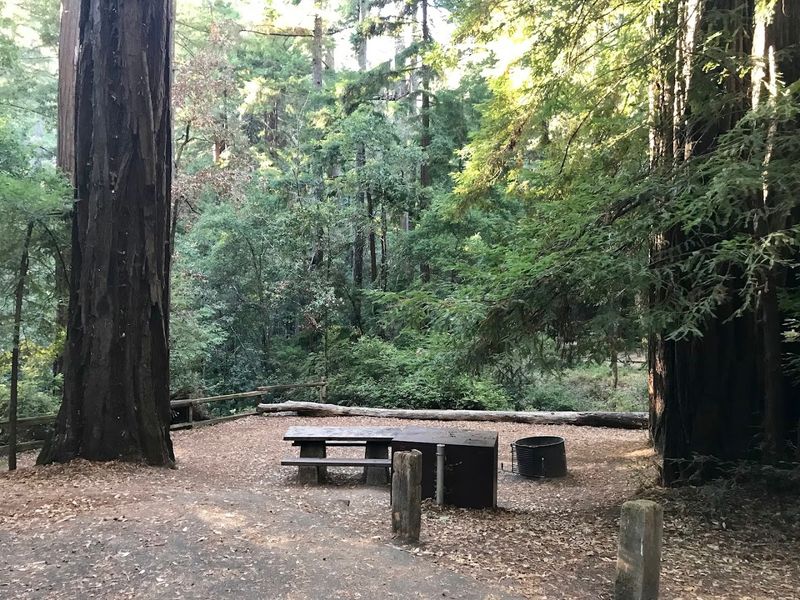
Day hiking gives a taste of the forest, but backpacking at Portola Redwoods State Park opens up a completely different relationship with the place.
A trail camp sits approximately 2.5 miles from the main trailhead along the route toward Peters Creek Grove, giving backpackers a base from which to explore the deeper parts of the park without rushing back to the car before dark.
Staying overnight in a redwood forest changes how the environment registers.
The sounds shift after sunset, the temperature drops noticeably, and the morning light through the canopy looks entirely different from the midday version.
Waking up inside the forest rather than arriving at it from a parking lot is an experience that regular camping at the main campground approximates but does not fully replicate.
Camping reservations for the trail camp can be made online or by calling 1-800-444-7275, and planning ahead is worth the effort especially during warmer months.
There is no food or gasoline available at or near the park, so arriving fully stocked is essential.
Backpackers who come prepared tend to find the trail camp one of the more memorable overnight spots in the Bay Area region.
Eighteen Miles of Hiker-Only Trails Keep the Forest Quiet
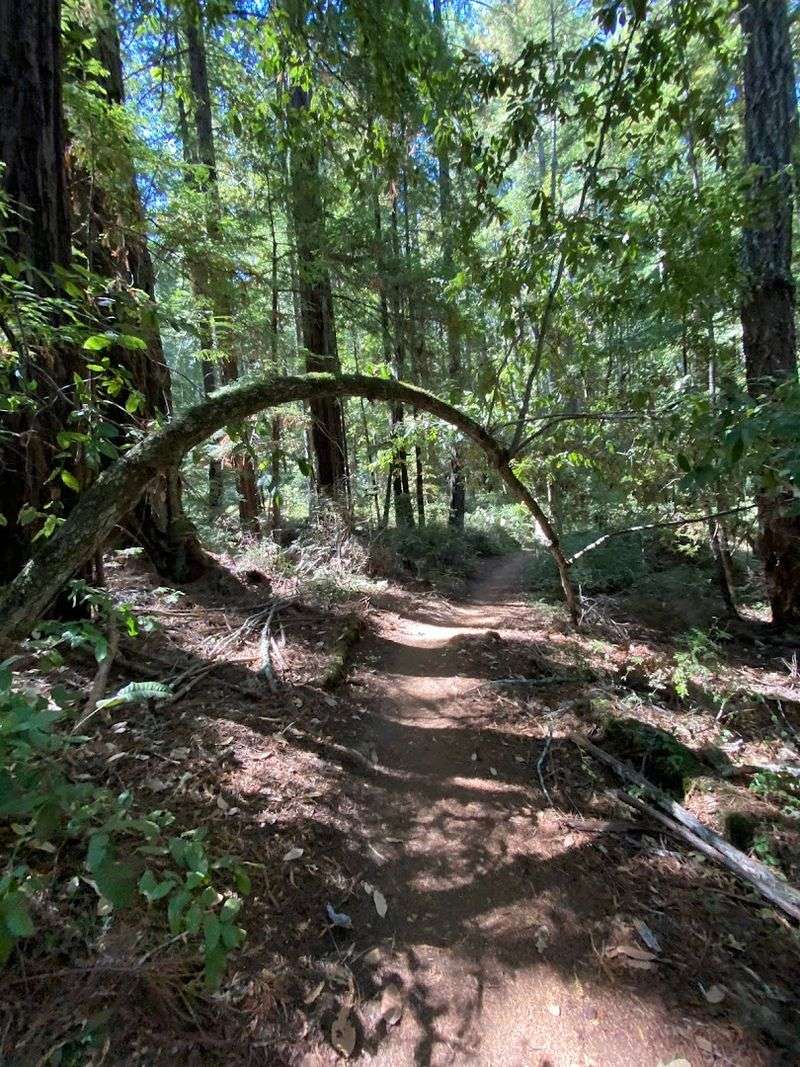
Portola Redwoods State Park offers 18 miles of trails and California State Parks notes that all of them are designated for hikers only. No bikes, no horses, no motor-assisted travel on the main trail network.
That single policy has a profound effect on the atmosphere of the park, keeping the soundscape clean and the pace of movement slow.
Redwood parks that allow bikes or equestrian traffic tend to feel busier and more like recreational corridors. Portola feels more like a forest that hikers are passing through rather than a trail system built for throughput.
The trails wind along creek banks, climb through mixed forest zones, and connect to the deeper backcountry without ever feeling like they are rushing anyone anywhere.
Weekdays tend to offer the quietest experience, though even on weekends the park rarely feels crowded given its remote location and the effort required to reach it.
The winding approach road from Highway 35 naturally filters out casual drop-in visitors, which means most people on the trails have come with some intention and preparation.
Bringing a downloaded offline map is strongly recommended since cell service is essentially nonexistent once inside the park boundaries.
The Forest Understory Is What Makes the Atmosphere Feel Prehistoric
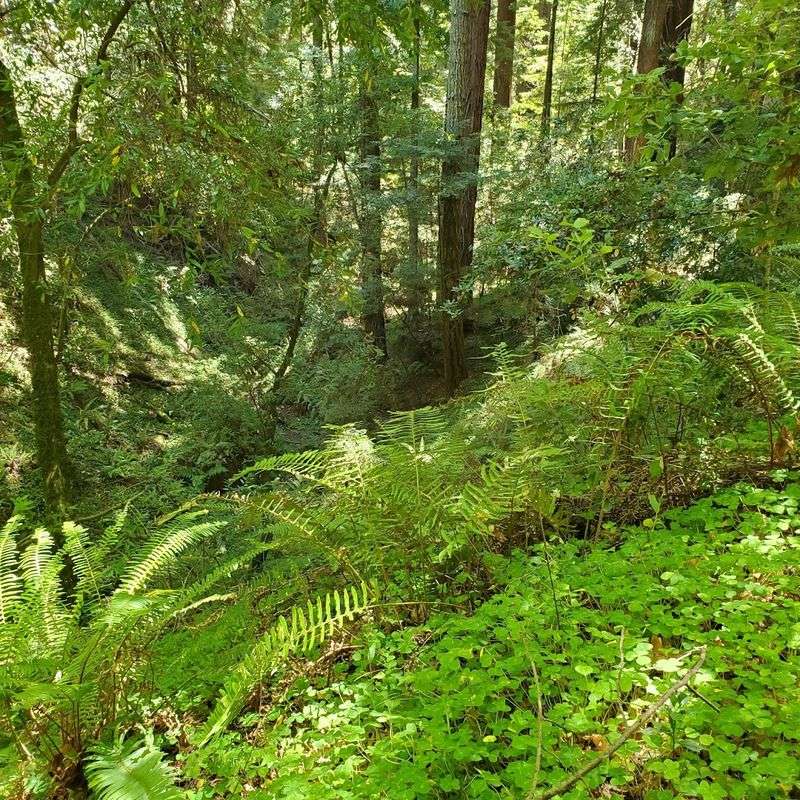
Tall trunks alone do not explain why Portola Redwoods State Park feels so different from other redwood destinations.
The layered understory is equally responsible for the atmosphere, and California State Parks notes that huckleberries dominate the redwood understory while ferns, elk clover, and horsetail grow thickly along the creek corridors.
That combination creates a floor-level density that makes the forest feel enclosed and ancient.
Horsetail is one of the more visually striking plants in the mix because it belongs to a lineage that dates back hundreds of millions of years to actual prehistoric eras.
Seeing it growing in dense clusters along a shaded creek bank is a quiet but real connection to a much older version of the planet.
Ferns add to that layered, damp quality that gives the forest its distinctive green-on-green depth.
The moisture trapped in the canyon keeps all of this vegetation thriving even during dry California summers, which is part of why the park looks lush in photographs taken year-round.
Visitors who slow down and look at the ground level rather than just upward tend to notice details that make the forest feel more complex and alive than a quick walk-through would suggest.
The Campground Turns a Day Trip Into a Full Forest Weekend
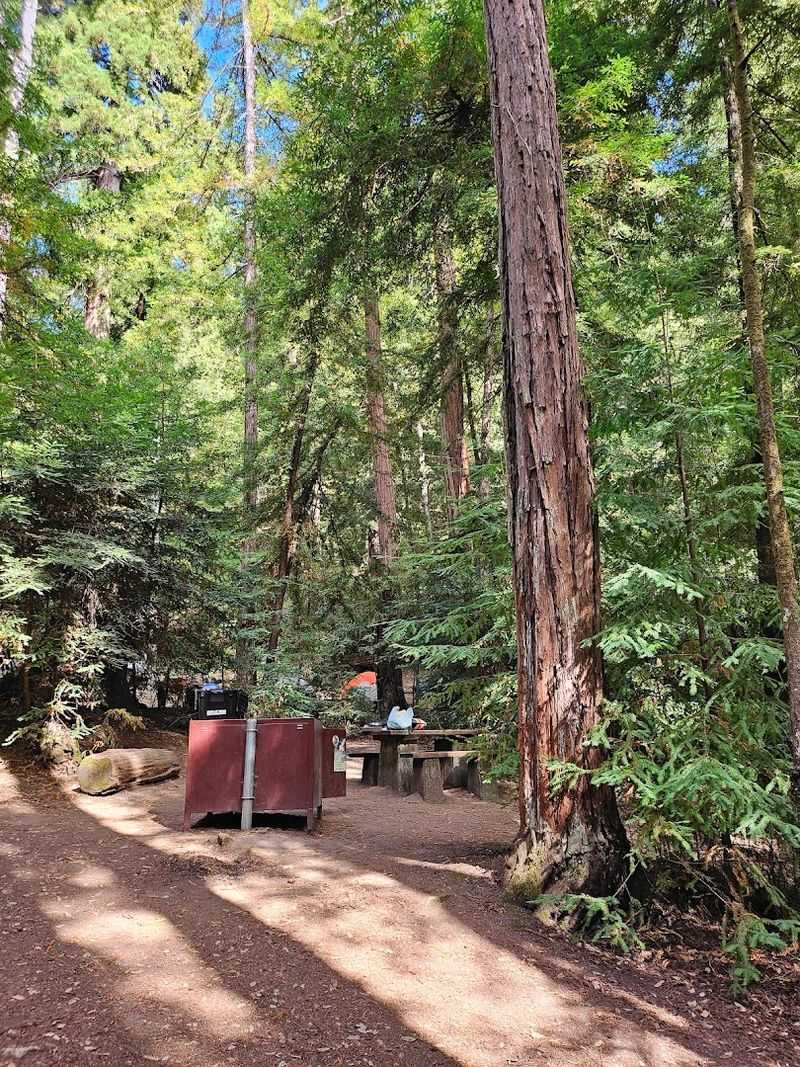
The park offers a 55-site family campground, four group campsites, and the trail camp for backpackers, giving visitors several different ways to structure an overnight or multi-night stay.
The campground sits within the redwood forest, which means the canopy is overhead from the moment camp is set up.
Campsites include fire rings and bear boxes, and firewood is available for purchase at the visitor center and ranger station.
The facilities include showers and clean restroom buildings, which tend to get positive mentions from visitors who appreciate having those amenities in a fairly remote setting.
Dishwashing stations are also on site, which makes longer stays more practical for families or groups.
Temperatures in the redwood canyon tend to run noticeably cooler than surrounding areas, sometimes 10 to 15 degrees lower than nearby towns, so packing layers is worth doing even in summer.
The campground fills up during peak season weekends, and reservations can be made online or by calling 1-800-444-7275.
Arriving with all food, supplies, and a full gas tank is essential since no stores or gas stations are close to the park entrance.
The Park’s Name Connects to California’s Spanish Exploration Era
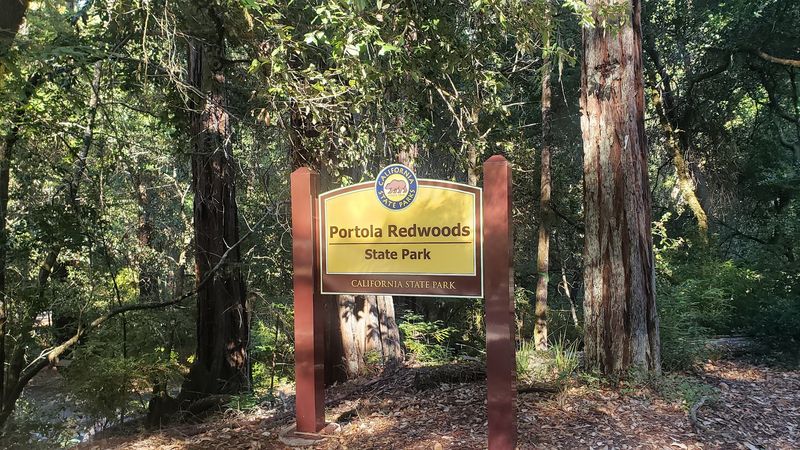
Names carry history, and the name Portola Redwoods State Park is no exception.
The park is named for Gaspar de Portola, the Spanish explorer who led the 1769 overland expedition along the San Mateo coast as part of Spain’s effort to establish a presence in Alta California.
California State Parks notes that the expedition traveled through the region without actually reaching the specific canyon where the park now sits, but the naming still anchors the place to that early chapter of California history.
The 1769 expedition is a significant marker in California’s recorded history, representing one of the first overland European journeys through what is now the San Francisco Bay Area.
The forests that Portola and his party would have encountered along the coast were likely not entirely unlike what visitors see today in the park’s old-growth zones, though the scale of intact forest was far greater then.
Knowing the historical context behind the park’s name adds a small but meaningful layer to any visit.
Standing among trees that were already centuries old when that expedition passed through the region puts the age of the redwoods into a human timeline that makes their scale feel even more remarkable than the raw numbers suggest.
Tiptoe Falls and the Creek Corridors Add a Different Kind of Beauty
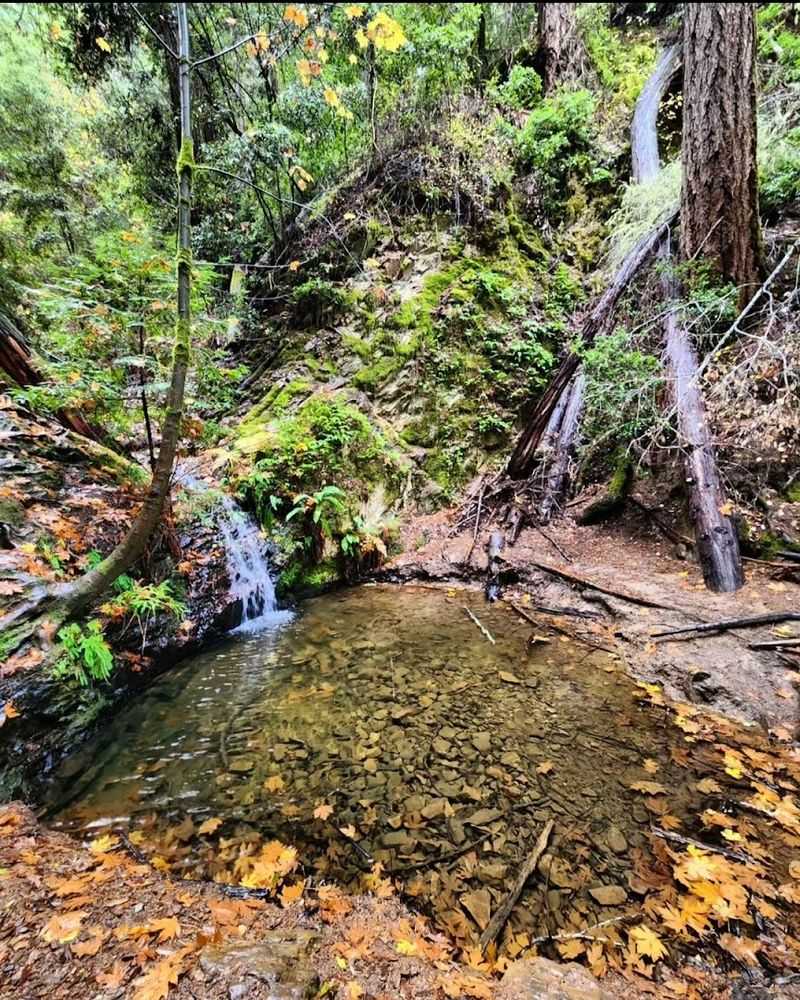
Not everything worth seeing at Portola Redwoods State Park involves looking straight up at towering trunks.
Tiptoe Falls, a small waterfall along Fall Creek, offers a quieter and more intimate moment within the park’s landscape.
Fall Creek is a tributary of Pescadero Creek, and the trail to the falls winds through shaded creek-side terrain that feels distinctly peaceful.
Creek corridors in redwood forests have a particular quality that open hillside trails do not.
The sound of moving water runs underneath everything, the light is softer and more diffused, and the vegetation along the banks tends to be denser and greener than anywhere else in the forest.
Sitting near Tiptoe Falls for a few minutes tends to slow the pace of a hike in a way that feels genuinely restorative.
Seasonal conditions can affect access to the falls and some creek crossings in the park.
Bridge infrastructure along certain trails gets removed or becomes impassable during periods of high water, so checking current conditions with the park before visiting is a practical step worth taking.
The visitor center at 9000 Portola State Park Rd, La Honda, CA 94020 is open daily from 9 a.m. to 5 p.m. and rangers there can provide current trail and water crossing updates.
Practical Planning Makes the Visit Far More Enjoyable
Getting the logistics right before visiting Portola Redwoods State Park makes a significant difference in how the day unfolds.
The park charges a $10 vehicle day-use fee, and the day-use area opens at 6 a.m. with access until sunset.
Cell service is essentially nonexistent once inside the park, so downloading an offline trail map before leaving home is a practical step that can prevent a lot of confusion on the trail.
The approach road from Highway 35 via Alpine Road is steep, winding, and narrow in sections, which means driving carefully and using low gear on descents is genuinely important rather than just a suggestion.
No food or gasoline is available at or near the park, so filling the tank and packing lunch and water before making the drive is necessary rather than optional.
The California State Library Parks Pass can be used for entry, which is worth checking before paying the day-use fee.
Weekday visits tend to offer more parking flexibility and a quieter trail experience than weekend days during peak season.