The Fascinating State Park In Connecticut You’ve Probably Never Visited
Every once in a while you come across a place that genuinely makes you wonder how it stayed off your radar for so long. This state park is exactly that kind of discovery.
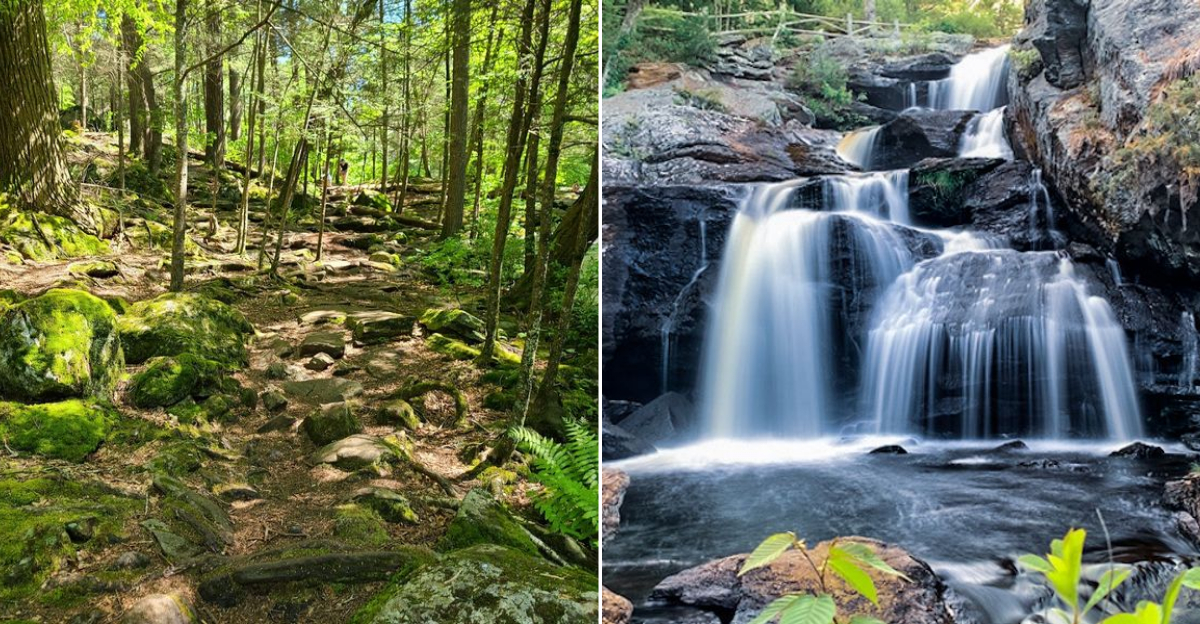
The whole place has this wild, almost mystical atmosphere that feels completely different from your average park visit. There are waterfalls dropping over ancient volcanic rock formations and trails that feel like they belong in a fantasy novel rather than a day trip from home.
People who find it tend to get a little obsessed and start sending the location to everyone they know. This fascinating Connecticut state park is one most people have never visited but absolutely should.
Nature did something really special here and the fact that it remains relatively quiet only makes the whole experience feel that much more rewarding. The kind of place that stays with you long after you’ve packed up and headed home.
1. A Woodsy Escape In East Haddam
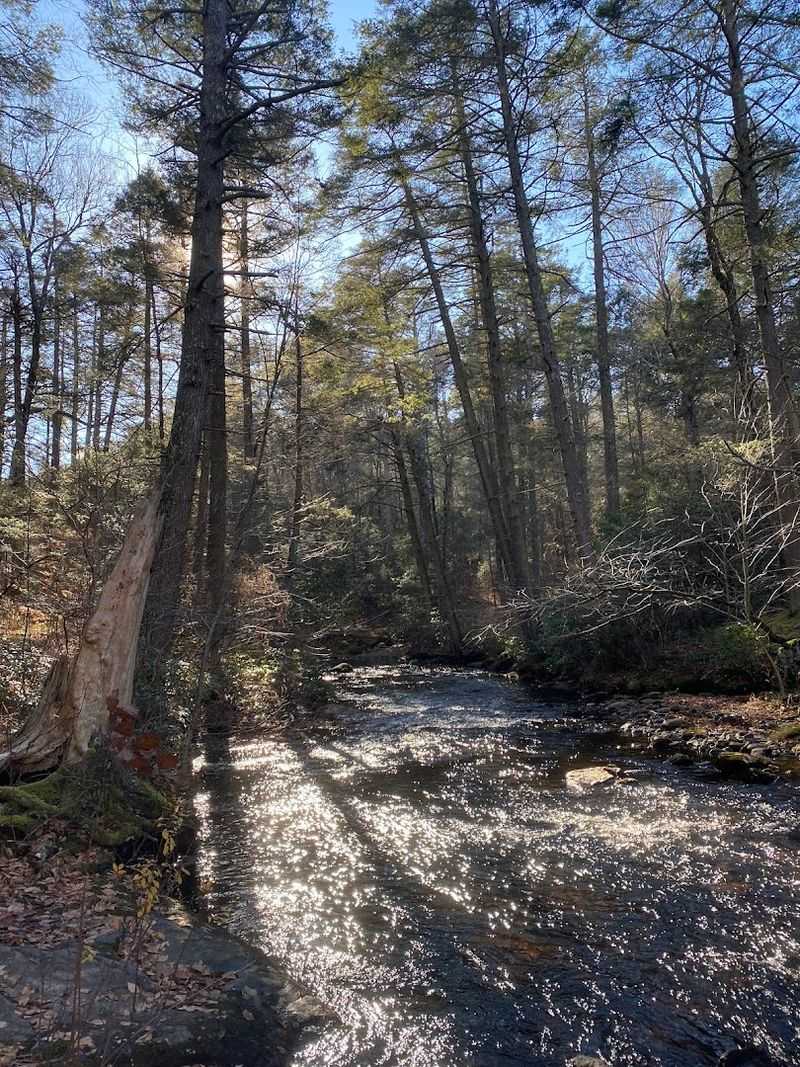
A great outdoor escape doesn’t have to mean a long drive or a complicated plan. The moment you enter, the air is filled with the scent of damp leaves and flowing water.
In warmer months, the thick tree canopy overhead keeps the trails cool and shaded even on sunny days. Families, solo hikers, and dog owners all find spots that match their pace and energy, whether it’s a gentle stroll or a more adventurous trek.
Multiple parking areas near the waterfall, main trailheads, and campground make it easy to plan a visit around your interests. Admission is free for Connecticut residents, which keeps the experience relaxed and accessible.
The park has a refreshing sense of wildness without ever feeling overwhelming, a balance that makes it a perfect day outdoors. You’ll find this scenic getaway at 366 Hopyard Rd, East Haddam, CT 06423, just a short drive from much of the state and even parts of Rhode Island and Massachusetts.
2. Why Chapman Falls Steals The Show
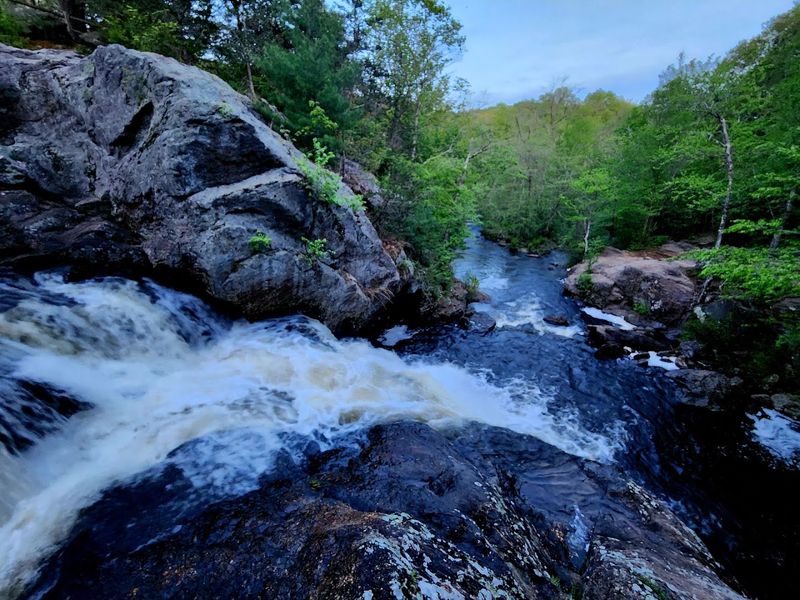
Sixty feet of falling water has a way of stopping people mid-step. Chapman Falls is the centerpiece of Devil’s Hopyard State Park and for good reason, since the waterfall drops dramatically over a series of dark rock ledges before pooling at the base in a wide, churning stretch of the Eightmile River.
The sound alone is worth the short walk from the parking area.
Getting close to the base of the falls requires navigating some rocky, uneven terrain, so wearing shoes with solid grip makes a noticeable difference. The rocks near the water’s edge tend to be slippery, especially after rain, so moving carefully and watching each step is genuinely important.
Children should stay close to adults in this section of the park.
The falls are visible and impressive even from a distance, which means visitors who prefer to stay on drier ground can still enjoy the view without scrambling over wet boulders. Early morning visits on weekdays tend to offer a quieter experience, while weekend afternoons can bring larger crowds.
The waterfall is most powerful after several days of rain, when the volume of water rushing over the rock face increases noticeably.
3. The Strange Legend Behind The Name
The name has sparked curiosity and debate for generations, with the most widely repeated story claiming that the devil himself once crossed this land, scorching his hoofprints into the stone as he fled the area.
Those supposed hoofprints are actually the circular potholes found in the rock near Chapman Falls, formed by natural geological processes over thousands of years.
Another theory behind the name connects it to an early settler named Dibble who supposedly grew hops in the valley, leading locals to call it Dibble’s Hopyard before the name evolved over time into something far more dramatic.
Historians have not settled on a single definitive origin, which keeps the mystery alive and adds a layer of storytelling to every visit.
Walking through the park with that background in mind makes the landscape feel slightly more theatrical.
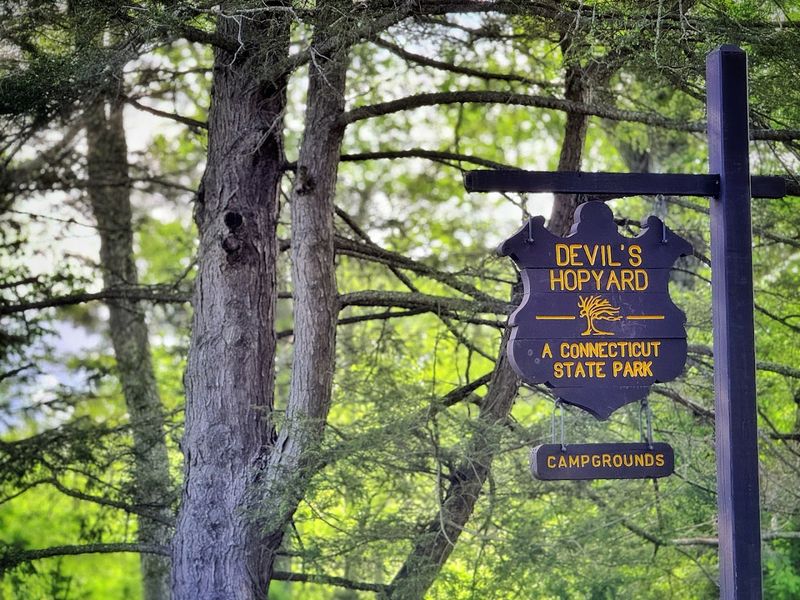
The legend has become a genuine part of the park’s identity, appearing on signage and in local tourism materials. Visitors who enjoy folklore and regional history tend to find this backstory adds real texture to what might otherwise feel like a straightforward hike through woods.
4. Where The Eightmile River Runs Wild
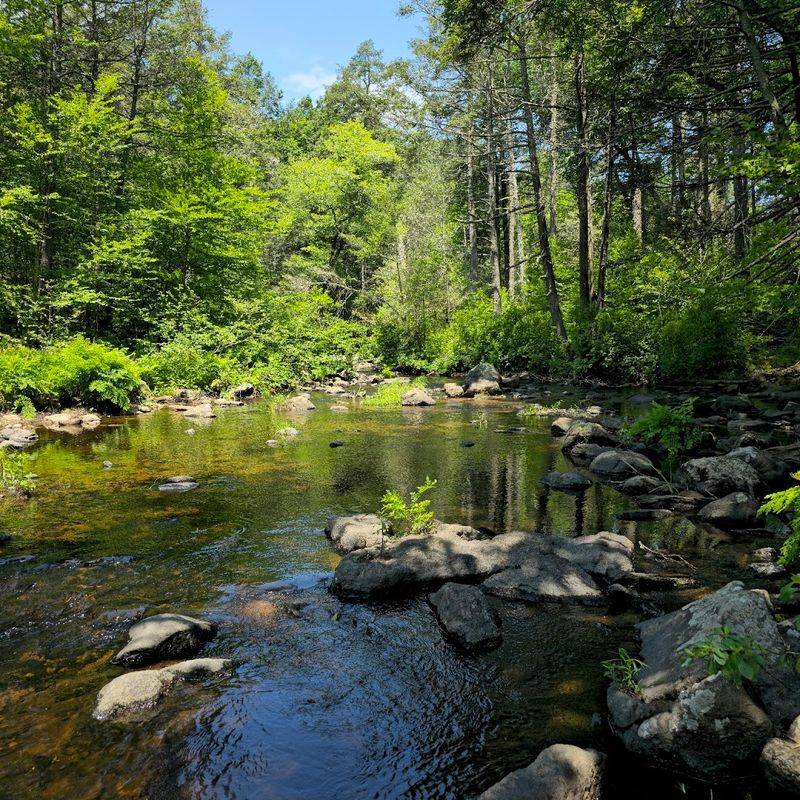
Running through the heart of the park, the Eightmile River shapes much of the scenery and personality here. Its pace shifts with the season and rainfall, sometimes rushing loudly over boulders and other times stretching into shallow, glassy sections where the current barely moves.
Trails that follow the river offer a completely different experience from the higher ridge paths, letting hikers enjoy both sights and sounds in a more intimate way.
The Eightmile River is recognized as a Wild and Scenic River, a federal designation that preserves its natural habitat and keeps development at bay.
Fish, amphibians, and a variety of bird species thrive along its banks year-round, and anglers occasionally take advantage of the clean, cool water within the park.
Crossing the small wooden bridges that span the river at several points adds a quiet charm to every hike. The gentle rush of water provides a steady, calming backdrop, and after rain the river swells, making the crossings feel more dramatic and bringing extra life to the landscape.
The park’s dynamic trails and river scenery can be enjoyed at Devil’s Hopyard State Park, East Haddam.
5. Best Time To See The Waterfall Flowing
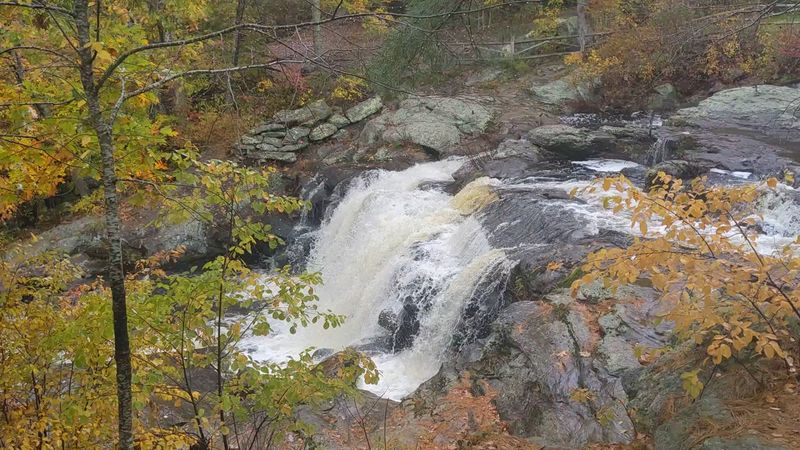
The waterfall tends to flow most powerfully in late winter and early spring when snowmelt and seasonal rain push more water through the Eightmile River system. During dry summer months, the volume drops noticeably and the falls can slow to a quieter trickle over the rocks.
Fall is widely considered one of the most visually rewarding times to visit the park overall, even if the water level is not at its peak. The surrounding foliage turns vivid shades of orange, red, and yellow in mid-October, framing the waterfall and the rocky terrain in warm color that photographs beautifully.
Weekday mornings in autumn tend to offer the best combination of fall color and manageable crowd levels.
After a significant rainstorm, the falls can surge dramatically regardless of the season, making a post-rain visit a worthwhile gamble for those who want to see the water roaring. Checking recent rainfall totals before heading out can help set realistic expectations.
The park does not have a visitor center on-site, so trail maps are available via QR code at the covered bridge near the main parking area.
6. Trails That Feel Quiet And Untouched
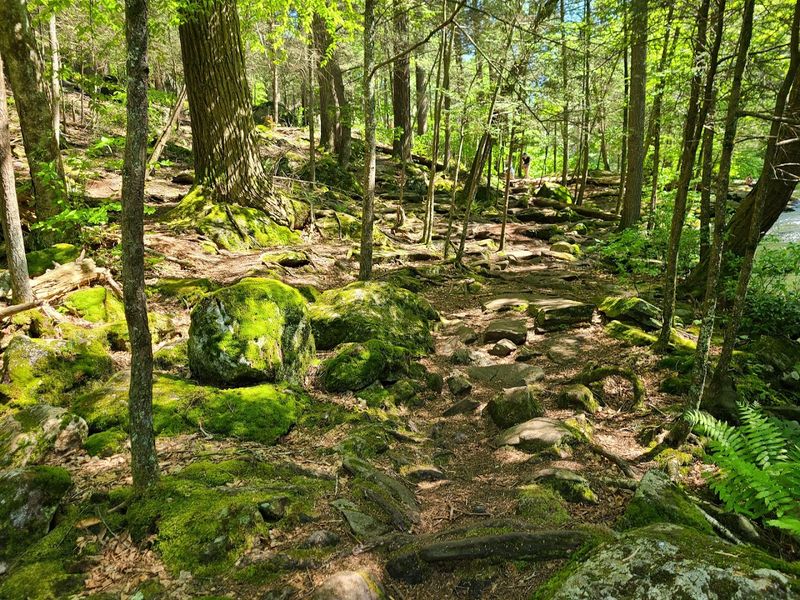
Heading away from the waterfall area and onto one of the longer paths shows a completely different side of the park. The orange trail stretches about 2.5 miles and winds through rocky climbs, exposed tree roots, and dense forest sections that make it easy to forget the outside world.
Trail markers painted on trees help keep navigation simple for anyone paying attention.
Certain parts of the orange trail require moderate climbing over rock faces and uneven terrain, making it better suited for hikers with some experience and sturdy shoes.
Smaller dogs and visitors with limited mobility might find these sections challenging, so checking trail conditions and difficulty levels beforehand is smart.
Bears have been spotted in the area, and signs advise hiking in groups to stay safe.
The payoff for tackling the more demanding stretches is a sense of calm and stillness hard to find near populated areas. Vista points along the upper trail offer sweeping views of the forested hills of eastern Connecticut, especially breathtaking during fall foliage season.
Free maps available on apps like AllTrails and Avenza make it easier to navigate these longer routes.
7. A Scenic Spot For Birding And Picnics
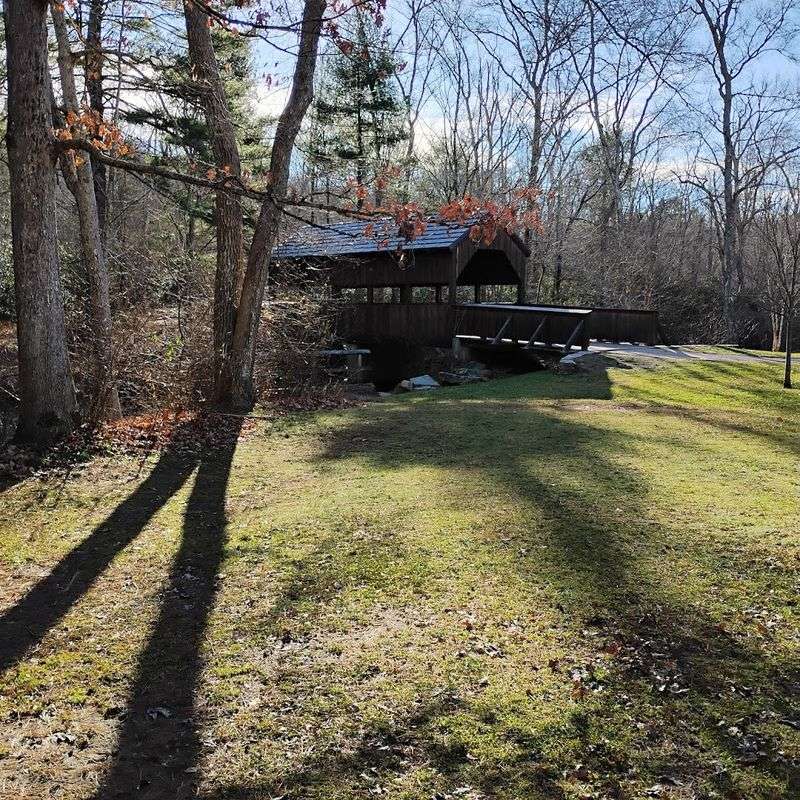
Beyond the waterfall and the hiking trails, the park offers a picnic area accessible from the main parking lot that makes a relaxed midday stop feel genuinely pleasant.
Tall trees provide overhead shade during warmer months, and the sound of the Eightmile River carries through the surrounding landscape, adding a natural soundtrack to any outdoor meal.
The space tends to be quieter on weekday mornings and busier on weekend afternoons.
Birding is a rewarding activity throughout the park, particularly along the river corridor where the mix of water, forest edge, and open rocky areas attracts a variety of species.
Wood thrushes, scarlet tanagers, and various warbler species have been observed in the park during spring and summer migration periods.
Bringing binoculars and moving slowly along the lower trails near the river gives the best chance of spotting activity without disturbing the habitat.
The pavilion within the park can also be used for group gatherings, making it a practical option for birthday outings or casual celebrations in a natural setting. The park is dog-friendly, so well-behaved leashed dogs are a common sight at the picnic area and along the trails.
Keeping the space clean and carrying out all waste is part of what helps the park maintain its well-kept condition.
8. Rock Formations That Spark Local Myths
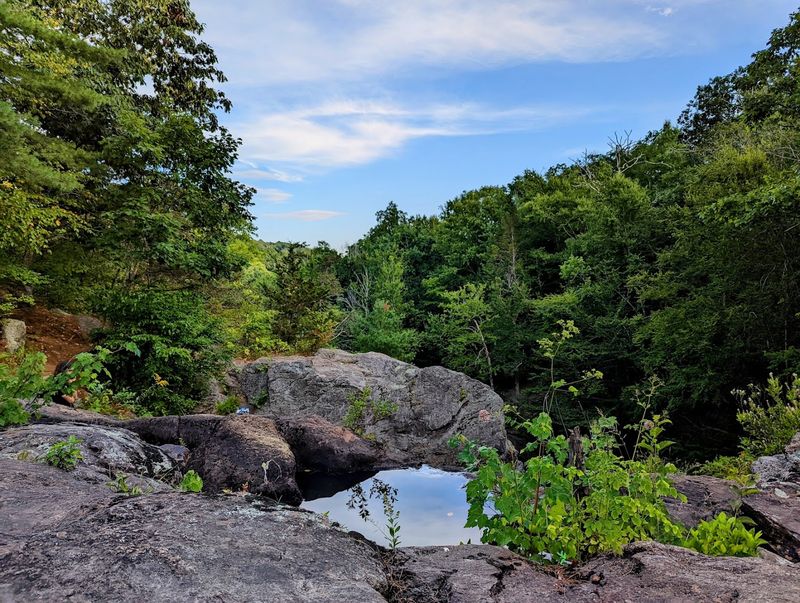
The potholes scattered across the rock face near Chapman Falls are one of the most talked-about features of the park and they genuinely do look unusual enough to fuel a good story.
Formed through a process called pothole erosion, these perfectly circular depressions were carved over thousands of years as small rocks and sediment spun in place within the current, gradually drilling into the bedrock below.
The results are smooth, bowl-shaped holes of varying sizes that look almost intentional.
Local legend, of course, prefers the version where the devil left these marks behind as he fled across the land, and that story has stuck around long enough to become part of the park’s identity.
Standing at the base of the falls and looking at the potholes, it is easy to understand why early settlers found the formations strange enough to explain with folklore.
The scale and precision of the shapes do feel oddly deliberate for something created entirely by water and stone.
Geologists have studied pothole formations like these throughout New England, and the examples at Devil’s Hopyard are considered particularly well-preserved examples of the phenomenon.
Getting a clear look at them requires careful footing on wet rock near the falls, so patience and good shoes are both helpful tools for this particular stop.
9. Why This Park Feels Mysterious And Magical
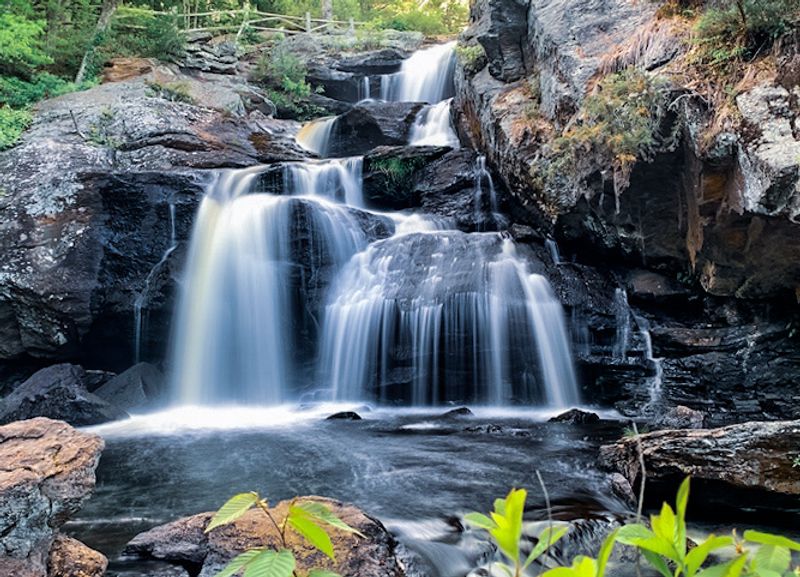
There are parks that feel like open recreational spaces and then there are parks that carry a certain atmosphere, something harder to name but easy to feel within the first few minutes of walking the trails. Devil’s Hopyard falls firmly into the second category.
The combination of dense forest, rushing water, ancient rock, and a name loaded with folklore creates a sensory environment that feels genuinely unlike most other public lands in the state.
Early morning visits in particular carry a moody, quiet quality that is hard to replicate later in the day. Mist sometimes settles along the river corridor and between the trees, softening the light and muffling sound in a way that makes the forest feel older and more remote than it actually is.
The covered bridge near the main parking area adds to this atmosphere with its weathered wood and quiet, shaded interior.
Even visitors who arrive purely for a casual walk tend to leave with a stronger impression than expected.
The park has a way of rewarding those who slow down and pay attention, whether that means pausing at the base of the falls to listen, sitting on a rock above the river, or simply standing still long enough to hear the birds settle back into their routines.
That quality is what keeps people coming back.