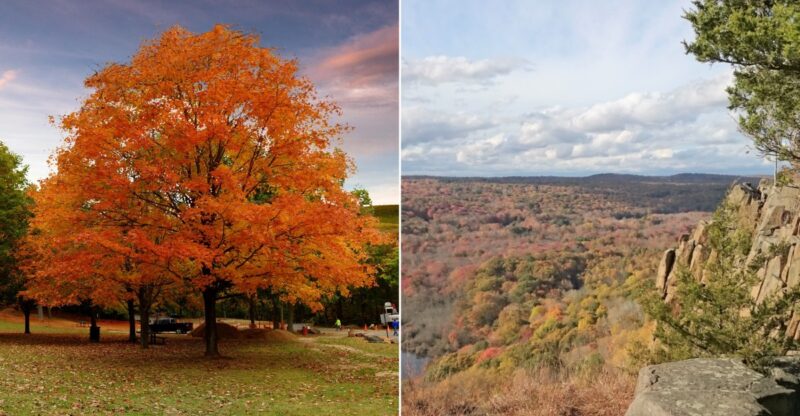
The Gorgeous Connecticut Riverside Hike That Feels Even Better Than Meditation
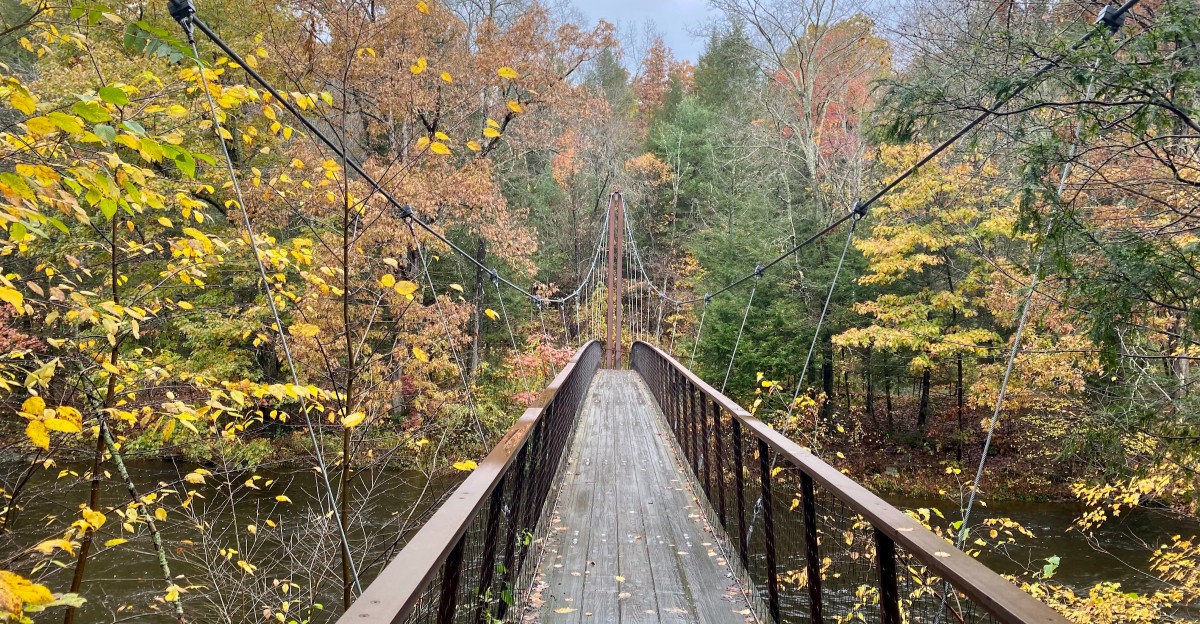
Ever have one of those days when your brain just won’t stop making noise? Even sitting quietly feels like another thing you’re supposed to be doing properly.
That’s when a peaceful walk beside a river starts sounding pretty wonderful.
One Connecticut riverside trail offers a beautiful escape where flowing water makes slowing down feel almost effortless.
I love the thought of following a path without worrying about how far I’ve gone or how quickly I’m moving. Just enjoying the surroundings sounds like a much better plan.
And there’s something especially calming about water. You can watch it for ages without feeling like you’re wasting a single minute.
Now I have to see this for myself. A hike that leaves you feeling refreshed instead of exhausted sounds like a pretty good trade.
Sometimes getting away from everyday distractions is exactly what makes an afternoon memorable.
1. A Railroad Tunnel You Can Actually Walk Through
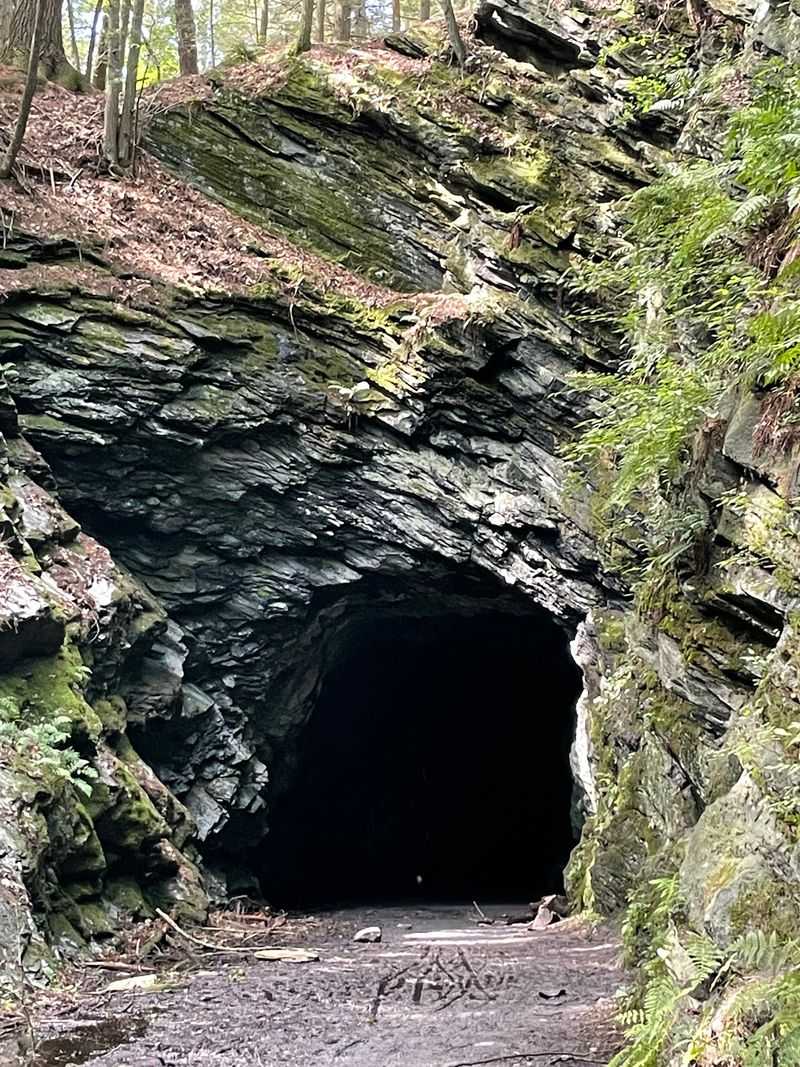
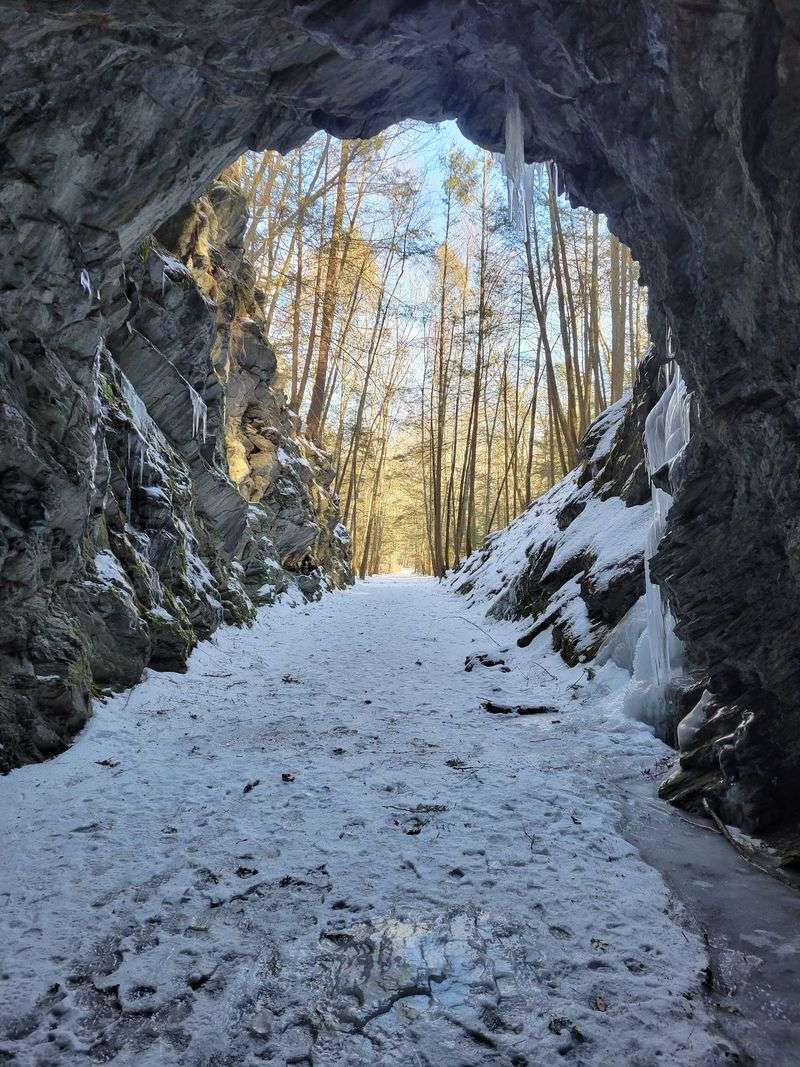
Hikers at Steep Rock Preserve get a rare treat. A 235-foot curved railroad tunnel waits along the trail, cut straight through solid rock.
Workers built it between 1871 and 1872 for the Shepaug Valley Railroad. Pennsylvania coal miners did the job with hand picks, dynamite, and nitroglycerin.
That’s a lot of effort for a path you can now stroll in sneakers. The trains are long gone, but the tunnel stayed behind as a free history lesson.
Inside, it can feel dark and damp. Summer visitors usually welcome that chilly air after a warm walk.
Winter changes the mood completely. Ice formations can show up in colder months, so you’ll want a flashlight or headlamp along.
The curve means you can’t always see the far end right away. Kids tend to find that part thrilling, and grown-ups might too.
To find it, follow the Pinney Loop, marked with blue squares. The trail map at the entrance kiosk shows the way clearly.
Walking through rock that miners shaped by hand feels humbling. It’s a quiet reminder that this peaceful valley once hummed with a very different kind of energy.
2. Follow A River That Can’t Decide Which Way To Go
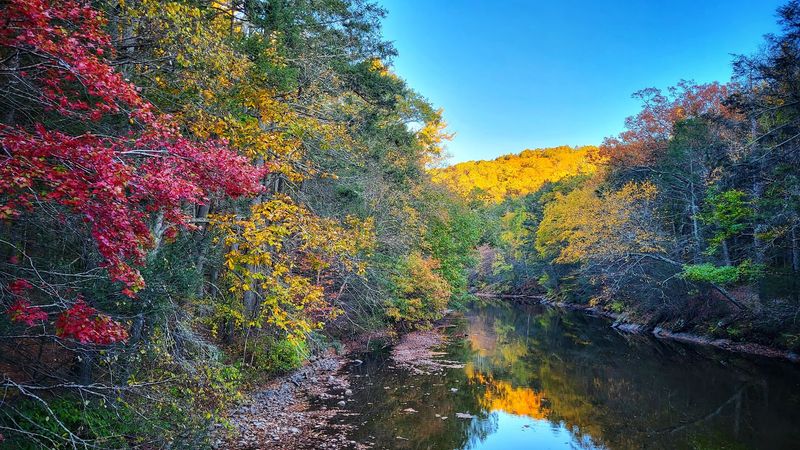
Most rivers pick a direction and stick with it. The Shepaug River has other plans.
Inside the preserve, it loops south, then north, then south again. Those bends are called double oxbows, and they shape the whole hike.
Trails follow the riverbanks for long stretches. That means much of your walk comes with a steady soundtrack of moving water.
The river runs through a steep, wooded valley. Major roads stay mostly out of the picture, which helps the quiet feel real.
Some of the flattest, widest paths sit right along the water. They work well for easy strolls, family outings, or a slow walk with a leashed dog.
Want more than a walk? The Shepaug River also offers opportunities for fishing, while its winding banks provide beautiful scenery throughout the preserve.
Bring a camera and some patience. Every loop of the river shows a slightly different scene, with new angles on the trees and banks.
Honestly, following a river this twisty is a little like following your own thoughts. Let it wander, and your mind might do the same.
3. The Summit View Somebody Bought Land Just To Protect
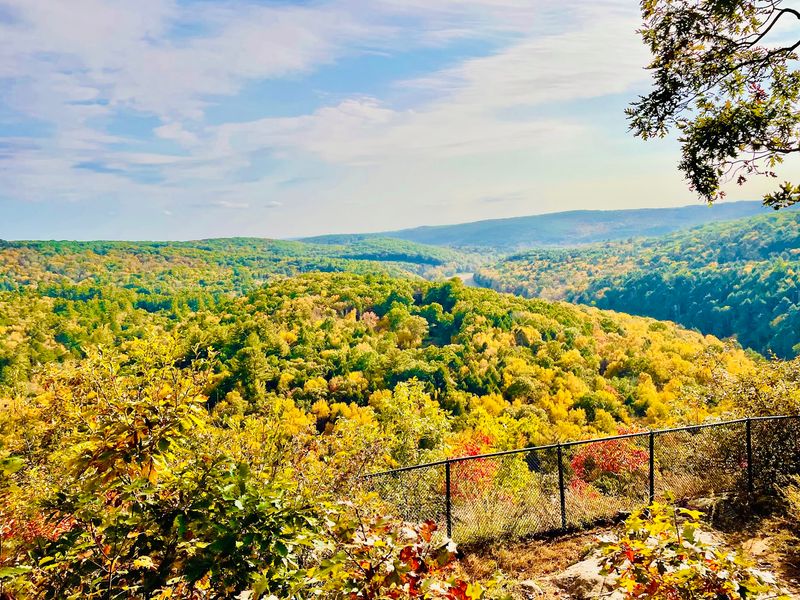
In 1929, trustees bought a piece of land for one big reason. They wanted to protect a view.
That view belongs to Steep Rock Summit, which rises 776 feet. From the top, you look down on the Clam Shell section of the Shepaug River Valley.
The name fits the shape of the river curve below. Seeing it from above makes those twisty oxbows suddenly make sense.
Getting there takes some legwork. To reach Steep Rock Summit, follow the green-circle trail from the River Road parking area, connect to the white-diamond trail, and then take the yellow-circle trail to the summit.
Feeling bolder? The Clamshell Loop, marked with orange squares, offers more challenge for experienced hikers.
Wear sturdy shoes with good grip. Parts of the trails get rocky, and you’ll want steady footing on the way up and down.
The River Road end parking lot works well if the summit is your main goal. Check the map before you start so you pick the right lot.
Once you reach the top, take a minute before grabbing your phone. Nearly a century of protection went into that scene, and it deserves a slow look.
4. Thank A Visionary Architect For Every Step
Back in 1889, timber companies had their eyes on these wooded hills. Architect Ehrick Rossiter stepped in first.
He loved the natural beauty of Washington. So he bought 165 acres to keep the hillsides from being clear-cut.
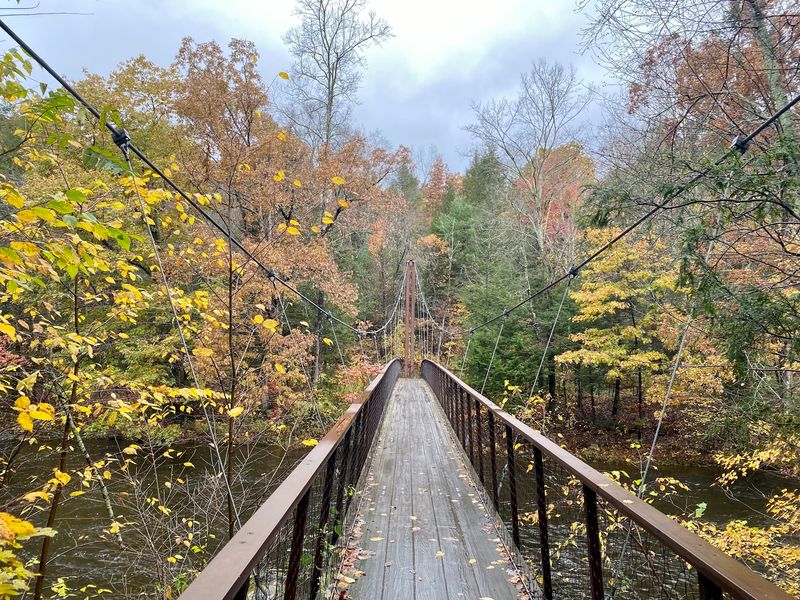
Rossiter owned the land for 36 years. During that time, he built carriage roads and small river crossings so others could enjoy the valley too.
Then came a generous move. In 1925, he donated the land, including the Steep Rock overlook, to a group of trustees.
That gift helped form one of the nation’s earliest public land trusts. The Steep Rock Association later incorporated as a land trust in 1961.
The group celebrated its Centennial Anniversary in 2025. A hundred years of protection is a pretty impressive streak.
Today, the preserve covers 998 acres with almost 20 miles of trails. It’s one of four preserves the association manages.
Every quiet bend in the trail traces back to one person who refused to let these woods disappear. That’s a legacy worth walking slowly to appreciate.
5. Stone Ruins Of A Vacation Spot With A Big Heart
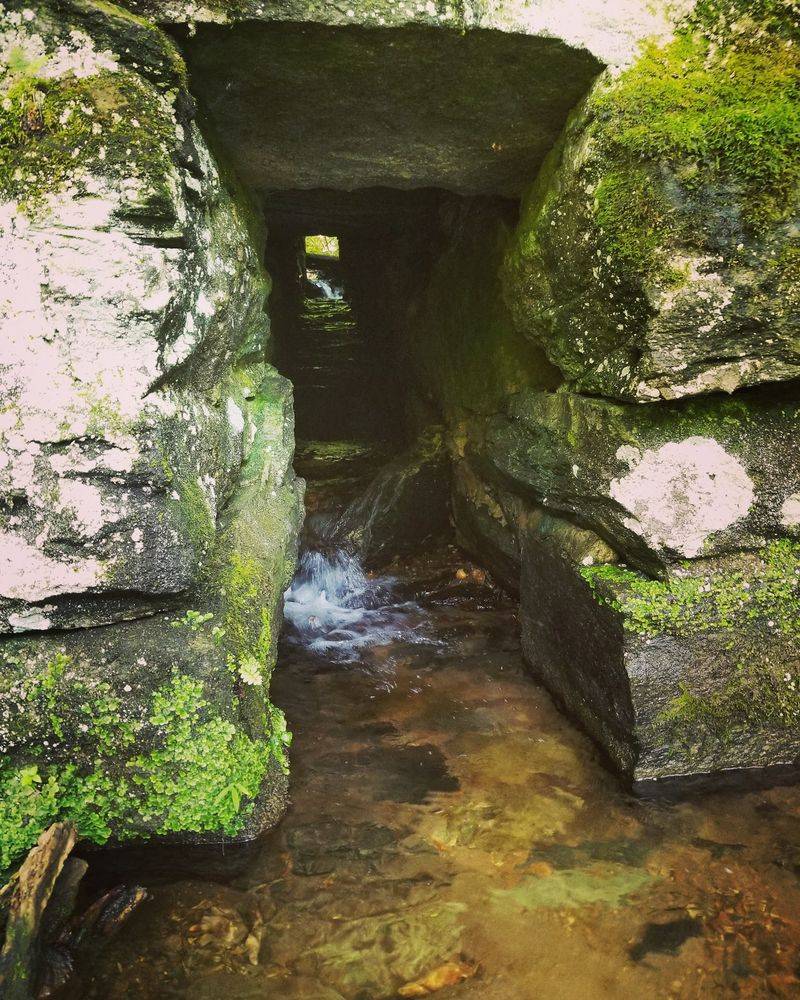
Old stone foundations sit quietly in the woods here. They once held up a hotel called the Holiday House.
Philanthropist Edward I. Van Ingen built it in 1893.
His goal was kind and practical: a vacation retreat mainly for young working women from New York City.
Think about that for a second. Long before wellness getaways were trendy, someone believed city workers deserved fresh air and river views.
The designer also has a familiar name. Ehrick Rossiter, the architect who protected this land, was hired to design it in 1892.
Only the foundations remain today. Still, they give you a strong sense of how people used this valley for rest over a century ago.
You’ll find the ruins along the Holiday House Loop, marked with blue circles. Pair it with the tunnel for a hike packed with history.
Stay on the path near the ruins and watch where you step. Leafy plants grow thick around old stonework, so long pants are a smart choice.
Standing there, it’s easy to feel connected to those visitors. They came here to recharge too.
6. Sleep Beside The Shepaug Without A Single Wi-Fi Bar
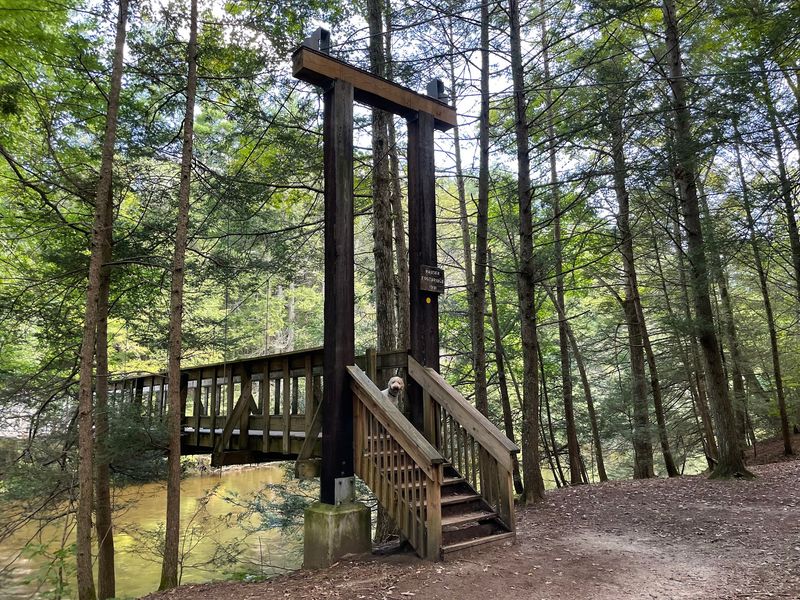
One day not enough? Three primitive campsites line the Shepaug River inside Steep Rock Preserve.
They’re named SR1, SR2, and SR3. Each is remote, simple, and available from April to November.
Reservations are required. Weekends have a two-night minimum, and the longest stay allowed is three nights in a row.
Here’s a thoughtful touch. The nightly fee includes firewood from the Steep Rock Association, which helps keep invasive species out.
Because of that, outside firewood isn’t allowed. Fires are only permitted in the designated grills or fire rings at the sites.
Pack carefully, since this is real roughing it. Outhouses are available, but you’ll need to bring your own toilet paper and drinking water.
Also, there’s no Wi-Fi. For some folks, that’s the best feature on the list.
Site SR3 offers vehicle access with parking nearby. That makes it a solid pick if hauling gear sounds like too much work.
Falling asleep to river sounds in Connecticut beats any meditation app. And waking up already on the trail is a pretty great bonus.
7. Bring Your Boots, Bike, Horse, Or Skis
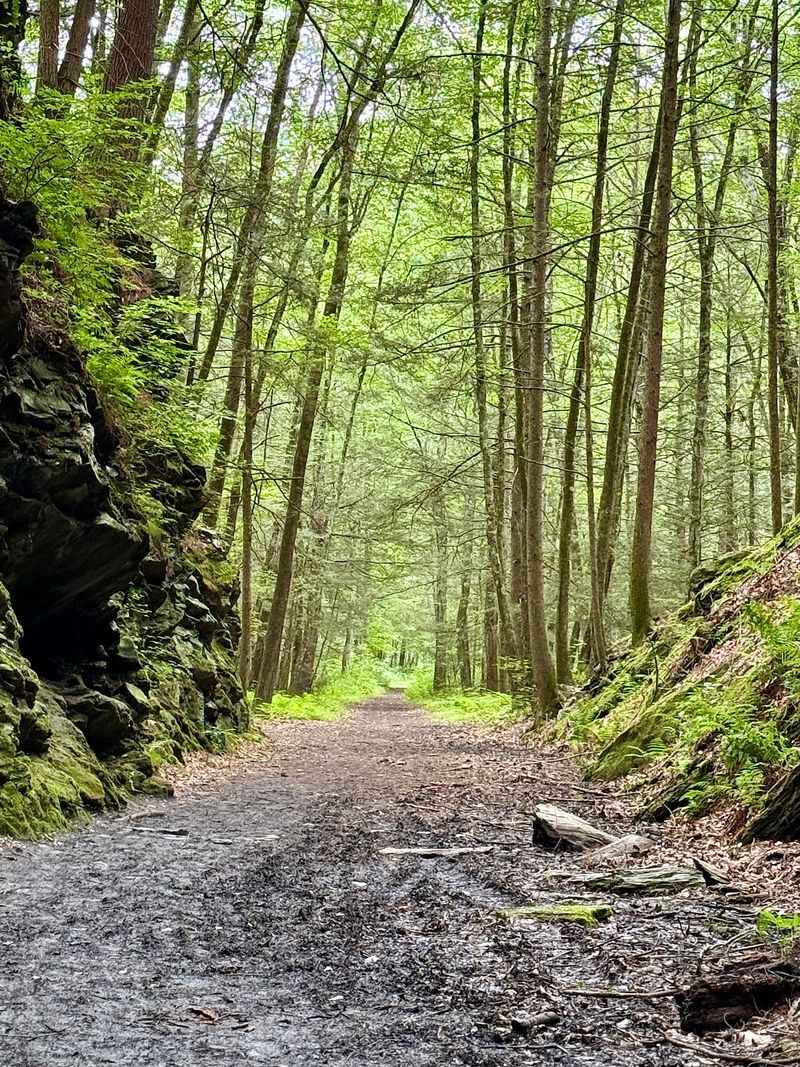
Hikers aren’t the only ones who get to have fun here. The preserve welcomes several ways to move through the woods.
The trail network covers about 19.3 miles. Options range from easy riverside strolls to tougher climbs with steeper pitches.
Horseback riders have a spot too. Designated trails, trailer-accessible parking, and a riding ring make the preserve friendly to horses.
Mountain bikers can use the generally flat, wide trails along the river. That’s a relaxed ride with water views instead of traffic.
Winter brings its own options. Cross-country skiing and snowshoeing are permitted when snow covers the ground.
Planning a trip with dogs? Keep them leashed at all times, and bag their waste.
Waste stations sit near the main parking lots.
A few rules keep the peace for everyone. Drones, hunting, motorized vehicles, and loud music aren’t allowed.
Groups of 15 or more need a permit from the Steep Rock Association. So do commercial activities.
With so many choices, the preserve fits whatever mood you’re in. Slow walk, steady ride, or snowy glide, it all works.
8. Keep Your Eyes Peeled For Otters And Old Hemlocks
River otters live in this valley. That alone makes every glance at the water a little more exciting.
The preserve hosts a wide mix of wildlife. Turtles, snakes, black bears, coyotes, bobcats, fishers, and waterfowl all call it home.
Of course, spotting any of them takes luck and quiet feet. Moving slowly and keeping voices low gives you a better shot.
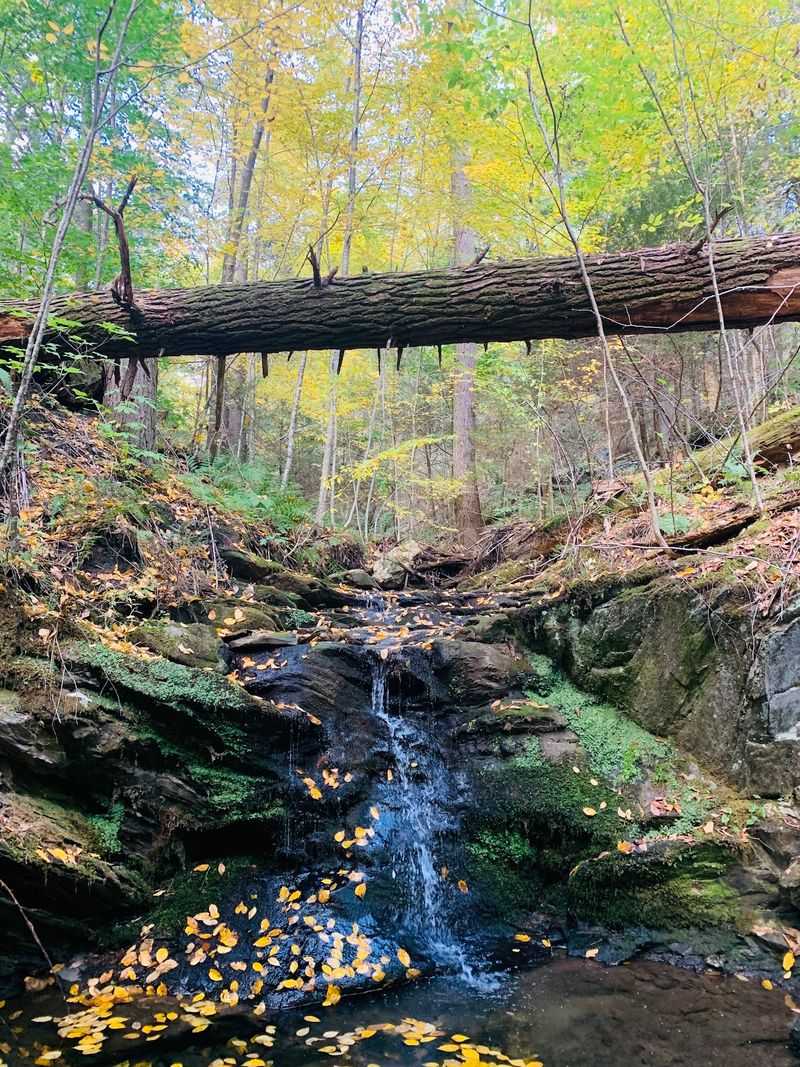
The trees deserve attention too. Old-growth hemlock forest grows here, along with floodplain forest near the river.
Hemlock groves feel shady and calm. Their deep green branches can make a summer afternoon seem much cooler.
Respect matters in a place this alive. Collecting plants, disturbing animals, or removing natural objects like rocks is not allowed.
Follow Leave No Trace rules and carry out every bit of trash. The goal is leaving the woods exactly as wild as you found them.
If you do meet a larger animal, give it plenty of space. Admire from a distance and let it go about its day.
Watching for wildlife naturally slows you down. Funny how that turns a regular hike into something closer to mindfulness.
9. Smart Planning Makes The Calm Last Longer
Great views are even better when you know where you’re going!
Steep Rock Preserve has wooded trails, beautiful river scenery, and plenty of peaceful corners to explore. But choosing the right parking area can make your hike much easier.
Planning to see the famous railroad tunnel? The main parking lot near the riding ring is a convenient starting point.
If reaching the summit is your priority, the River Road end lot may be a better choice.
Parking areas sit along Tunnel Road near the bridge crossing the Shepaug River, with overflow space available during busier periods.
The preserve welcomes visitors year-round, from sunrise until sunset. Just remember that winter brings some changes.
Tunnel Road south of Spring Hill Road closes seasonally, and certain trails may occasionally close to protect local wildlife and vegetation.
Another useful detail: public restrooms aren’t available along the regular hiking routes, although campsite outhouses exist.
For navigation, the entrance kiosks provide trail maps. Downloading one beforehand is also a smart move.
To reach the preserve, use 2 Tunnel Road, Washington Depot, CT 06794 as your GPS destination.
Once you’ve parked, there’s no need to rush. Take your time choosing a trail and enjoy the scenery.
Sometimes the best part of a hike is simply hearing the river while everything else gets quiet.