The Grandest Vanderbilt Mansions Ever Built In New York And Rhode Island
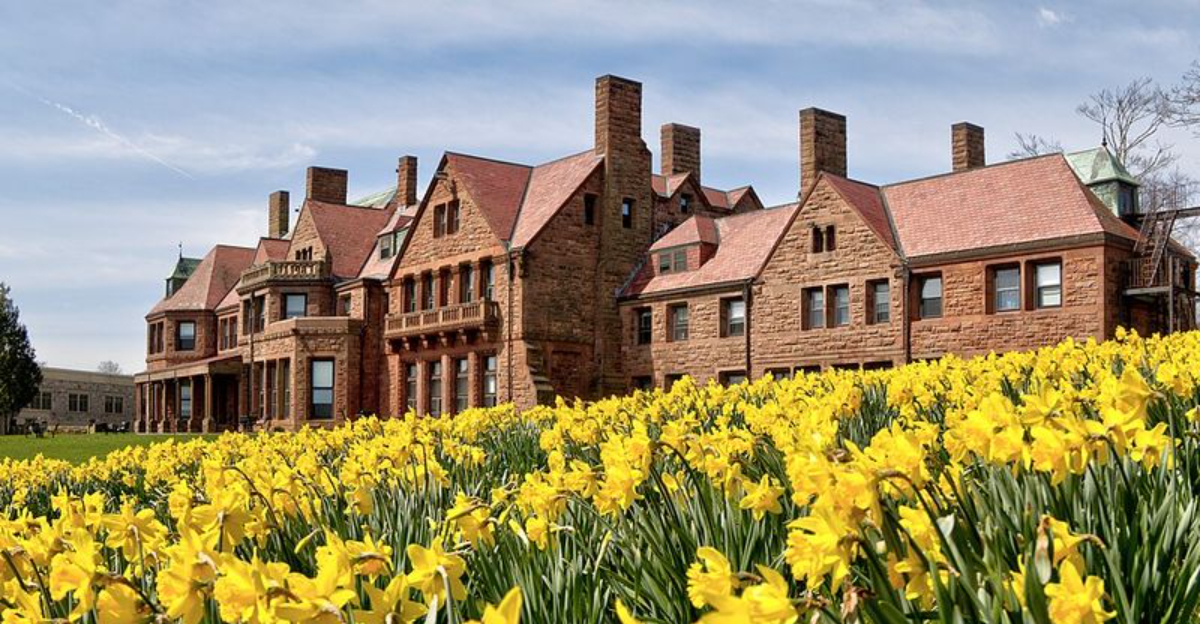
During the Gilded Age, the Vanderbilt family emerged as one of the most powerful symbols of American wealth, ambition, and industrial success.
Their vast fortunes, built primarily through railroads and shipping, allowed them to construct residences that rivaled European palaces in scale and splendor.
These mansions were never intended to function as simple family homes but instead served as architectural statements meant to demonstrate social dominance.
New York and Rhode Island became the primary stages for these displays, offering urban prestige, coastal retreats, and scenic countryside settings.
Each Vanderbilt residence reflected not only immense financial resources but also personal taste, social priorities, and architectural trends of the era.
Together, these properties form a lasting legacy that continues to shape discussions of wealth, design, and American aristocracy.
Vanderbilt Triple Palace – Manhattan
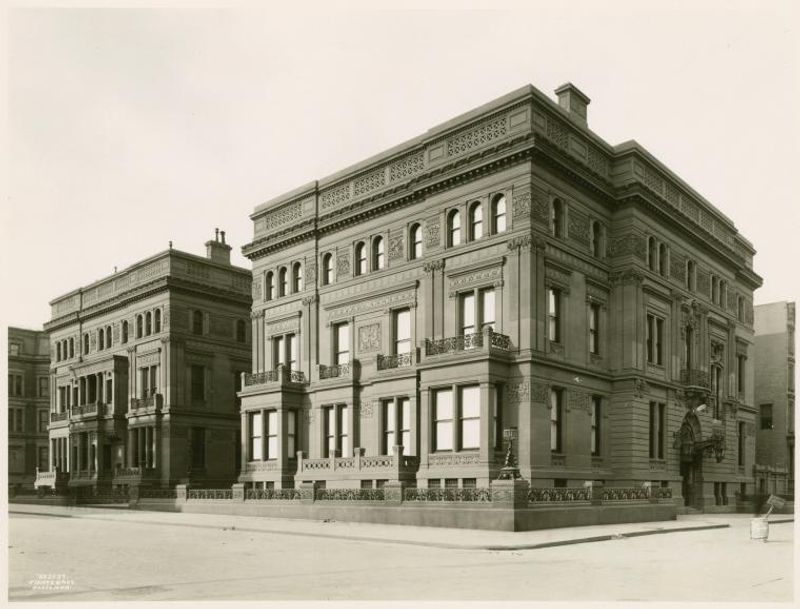
William Henry Vanderbilt created a groundbreaking architectural statement by physically connecting three adjacent Fifth Avenue mansions into one enormous complex.
This unusual design at 640 & 642 Fifth Avenue and 2 West 52nd Street allowed multiple family members to live side by side while maintaining distinct private residences within a single structure.
The central mansion served as William Henry Vanderbilt’s personal home, while the adjoining sections were reserved for his daughters and their households.
Each section included its own formal entrance, staircases, and reception areas, reinforcing independence within shared grandeur.
Interior corridors connected the buildings, allowing guests and family members to move freely throughout the compound.
Visitors often described the experience as wandering through a private museum rather than visiting a conventional home.
The palace housed extensive art galleries filled with European paintings, sculptures, and decorative treasures.
These collections were carefully curated to signal cultural sophistication and global influence.
The Triple Palace stood as a clear declaration of Vanderbilt dominance along Manhattan’s most prestigious boulevard.
Emily Thorn Vanderbilt Sloane White Mansion – Manhattan
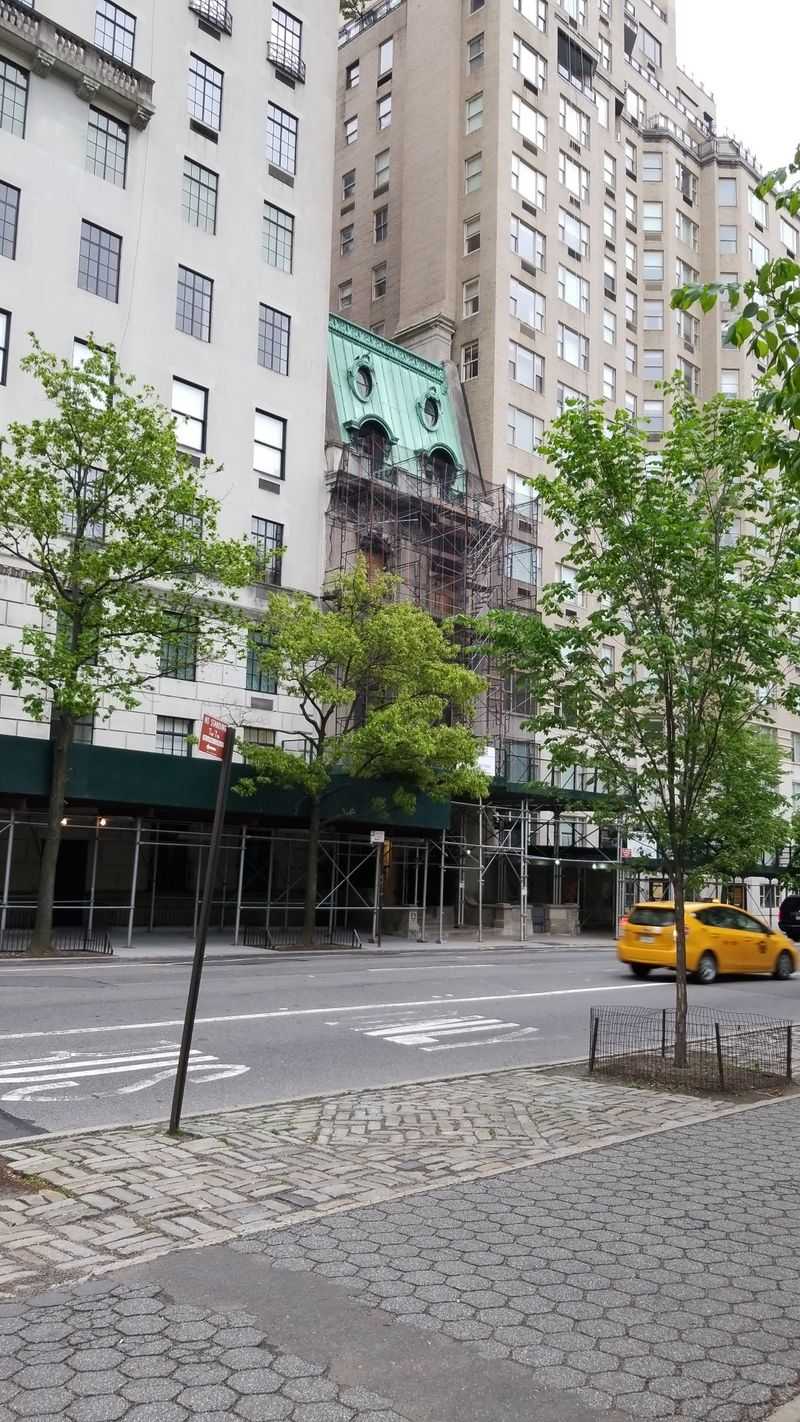
Emily Thorn Vanderbilt Sloane White chose a more restrained approach to luxury, emphasizing elegance and refinement rather than overwhelming scale.
Her Manhattan residence at 854 5th Ave, New York, NY 10065, reflected personal taste and intellectual interests instead of theatrical opulence.
Architectural balance and thoughtful proportions defined the structure’s exterior.
Inside, rooms were designed to be inviting, comfortable, and quietly impressive.
One of the mansion’s defining features was a private library containing first-edition books and rare manuscripts.
This space reflected Emily’s dedication to scholarship and culture.
The home’s location near Central Park provided immediate access to green space within the city.
This balance of urban life and natural surroundings enhanced the mansion’s appeal.
The residence demonstrated how understated sophistication could coexist with extraordinary wealth.
Idle Hour – Oakdale, Long Island

This place was built as a lavish retreat intended to offer a complete escape from the relentless social obligations and business pressures of Manhattan high society.
William K. Vanderbilt originally constructed the estate at 150 Idle Hour Blvd, Oakdale, NY 11769, as an expansive country home surrounded by sweeping grounds designed for leisure, privacy, and elite entertaining.
After the original structure was destroyed by a devastating fire in 1899, he immediately rebuilt the residence on a significantly grander and more ambitious scale.
The reconstructed mansion exceeded the original in size, luxury, and architectural ambition, reflecting Vanderbilt’s determination to create something truly extraordinary.
More than one hundred rooms were designed to accommodate extended stays, large gatherings, and the complex needs of high-profile guests.
The estate included extensive stables for prize horses as well as kennels specifically built to house hunting dogs used during sporting events.
Guests enjoyed boating, fishing, horseback riding, and leisurely walks through meticulously landscaped grounds that emphasized natural beauty and scale.
Vanderbilt Mansion National Historic Site – Hyde Park, New York
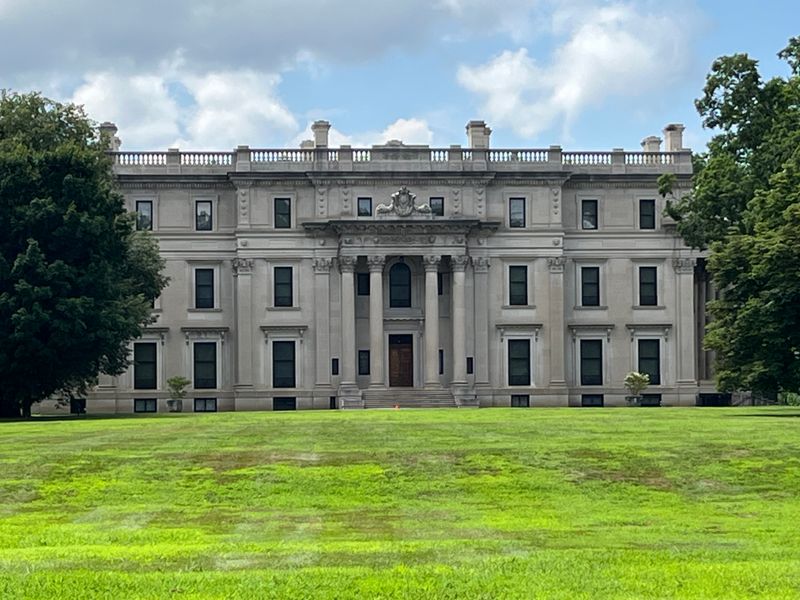
Frederick William Vanderbilt built his Hudson Valley estate as a permanent symbol of refinement, cultural awareness, and artistic sophistication.
The Beaux-Arts mansion sits atop a dramatic bluff overlooking the Hudson River at 119 Vanderbilt Park Rd, Hyde Park, NY 12538, commanding attention through both scale and location.
Its elevated position provided sweeping views of the river valley while creating a strong sense of authority and visual dominance.
Interior spaces were decorated in a wide variety of historical styles intended to showcase education, taste, and international influence.
Rooms drew inspiration from Italian Renaissance and French Louis XV designs, each reflecting a different era of European luxury.
The mansion was designed to impress visitors while remaining comfortable enough to function as a practical family residence.
Formal gardens extended the architectural vision into the surrounding landscape through symmetry, sculpture, and carefully planned pathways.
Walking paths encouraged leisurely exploration of the grounds and reinforced the estate’s connection to nature.
Today, the estate allows the public to experience Gilded Age luxury firsthand through preserved rooms and scenic views.
Eagle’s Nest – Long Island
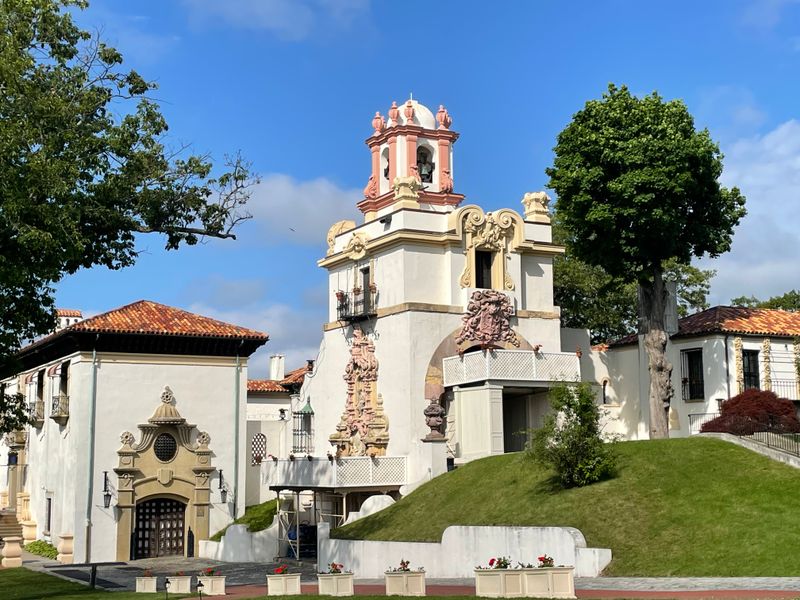
This Long Island mansion earned its name from its elevated position overlooking Long Island Sound and the expansive coastal scenery below.
William K. Vanderbilt selected the site at 180 Little Neck Rd, Centerport, NY 11721, specifically for its dramatic natural views, privacy, and distance from urban congestion.
The estate emphasized separation from city life, offering peace, exclusivity, and controlled access for invited guests only.
The mansion included twenty-four bedrooms designed to comfortably accommodate prominent guests and extended visits.
European royalty and influential figures from business and politics attended gatherings at the estate during its peak years.
Interior spaces combined comfort with understated luxury, avoiding excessive ornamentation while still conveying wealth.
The surrounding grounds enhanced the sense of seclusion and exclusivity through careful landscaping and controlled sightlines.
Today, the property is part of a public preserve that protects both the mansion and its natural setting.
Visitors can explore the site and imagine its former grandeur through preserved spaces and interpretive exhibits.
Vinland – Newport, Rhode Island
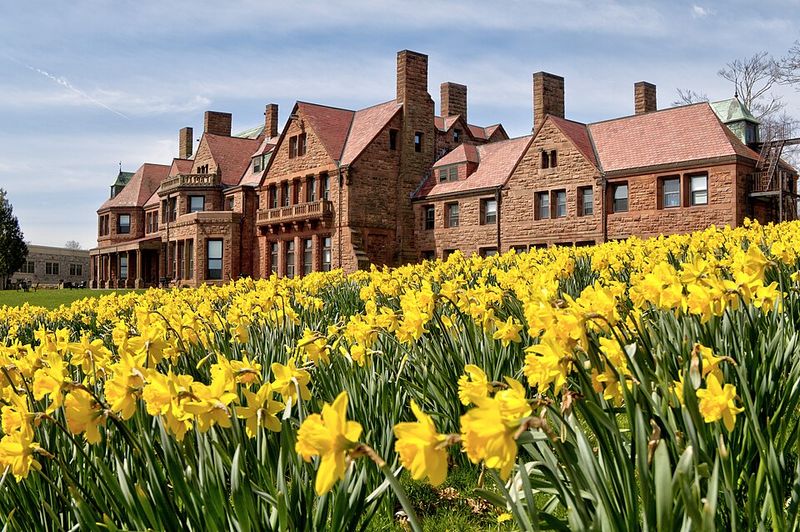
Vinland at Ochre Point Avenue, Newport, RI 02840 served as Catherine Vanderbilt’s summer residence and reflected her deep fascination with history, mythology, and cultural identity.
The home took its name from Viking explorers believed to have reached North America centuries before Columbus.
Architectural elements blended Victorian design with Scandinavian influences to create a distinctive and personal aesthetic.
This combination made Vinland stand out among Newport’s other grand cottages and summer estates.
The interior emphasized comfort and livability rather than overwhelming formality or rigid ceremonial spaces.
Ocean views and cool sea breezes defined the summer experience and shaped daily life at the estate.
The estate provided relief from New York’s heat while offering scenic beauty and tranquility.
Vinland demonstrated how personal interests could directly shape Vanderbilt architectural choices.
The home remains a unique expression of individual identity within the broader Vanderbilt legacy.
Marble House – Newport, Rhode Island
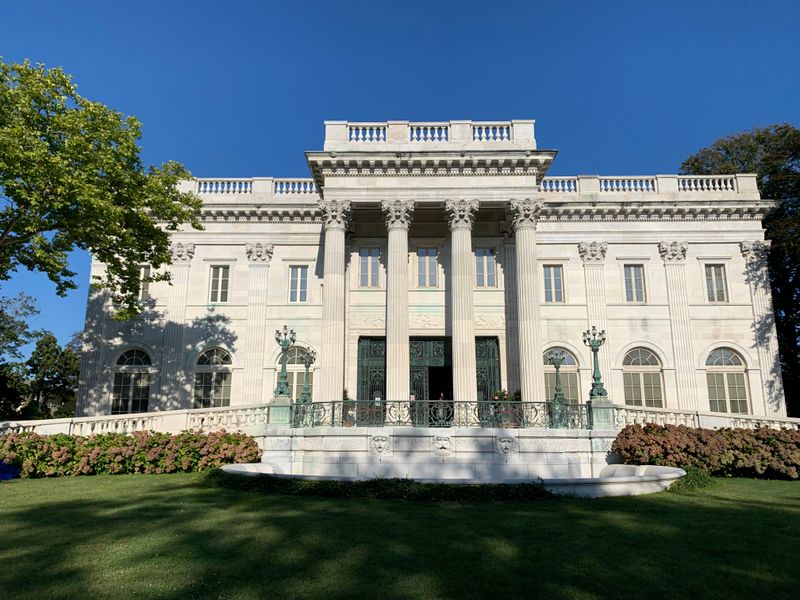
Marble House was famously gifted by William K. Vanderbilt to his wife Alva as an extravagant birthday present.
The mansion at 596 Bellevue Ave, Newport, RI 02840, reportedly cost eleven million dollars to construct, making it one of the most expensive homes of its time.
Its name derives from the vast quantity of marble used throughout the building’s interior and exterior spaces.
Interior rooms showcased classical European design influences intended to rival royal palaces abroad.
Alva Vanderbilt transformed the property into a platform for social activism and political engagement.
The Chinese Tea House hosted gatherings supporting women’s suffrage and progressive social reform.
This dual legacy blended immense wealth with a meaningful push for societal change.
Today, Marble House operates as a museum open to the public.
Visitors experience both architectural grandeur and important historical significance during guided tours.
The Breakers – Newport, Rhode Island
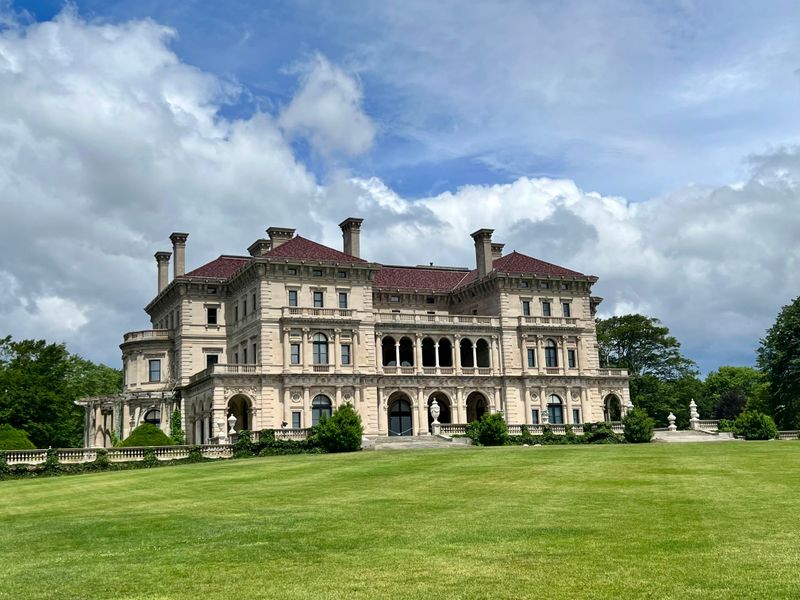
This mansion at 44 Ochre Point Ave, Newport, RI 02840, stands as the most famous of all Vanderbilt residences and the ultimate symbol of Gilded Age excess.
Cornelius Vanderbilt II commissioned the seventy-room summer home to reflect power, prestige, and global influence.
The design emulated an Italian Renaissance palace inspired by European aristocratic estates.
Construction took only two years using imported European craftsmen and premium materials.
The Great Hall rises two stories high and serves as the dramatic centerpiece of the home.
Crystal chandeliers and gold-leafed ceilings dominate the space with overwhelming visual impact.
Every architectural detail emphasized wealth, authority, and artistic mastery.
The estate attracts hundreds of thousands of visitors annually from around the world.
The Breakers remains a defining symbol of American Gilded Age extravagance and ambition.