The Legendary Clock Museum In Connecticut That Many People Overlook
How many times do you check the time without giving the clock itself a second thought? Probably more than you’d care to admit.
But clocks become much more interesting when you start looking at how people made them centuries ago.
One Connecticut museum celebrates the history of clocks and watches, revealing a fascinating side of everyday objects we usually overlook.
I love the thought of seeing old timepieces that required such careful craftsmanship. Imagine creating something so precise without the technology we take for granted today.
And some historic clocks are impressive enough to make you forget you’re looking at a practical household object.
That’s what makes this museum intriguing.
It’s not simply about telling the time. It’s about understanding the ingenuity behind something that has quietly shaped daily life for generations.
1. Thousands Of Timepieces Are Waiting Behind One Historic Front Door
That’s a whole lot of ticking! Imagine being surrounded by thousands of clocks, each with its own story.
Some are surprisingly elaborate, while others look like something your grandparents might have owned. And the best part is that you don’t need to know anything about clocks to enjoy them.
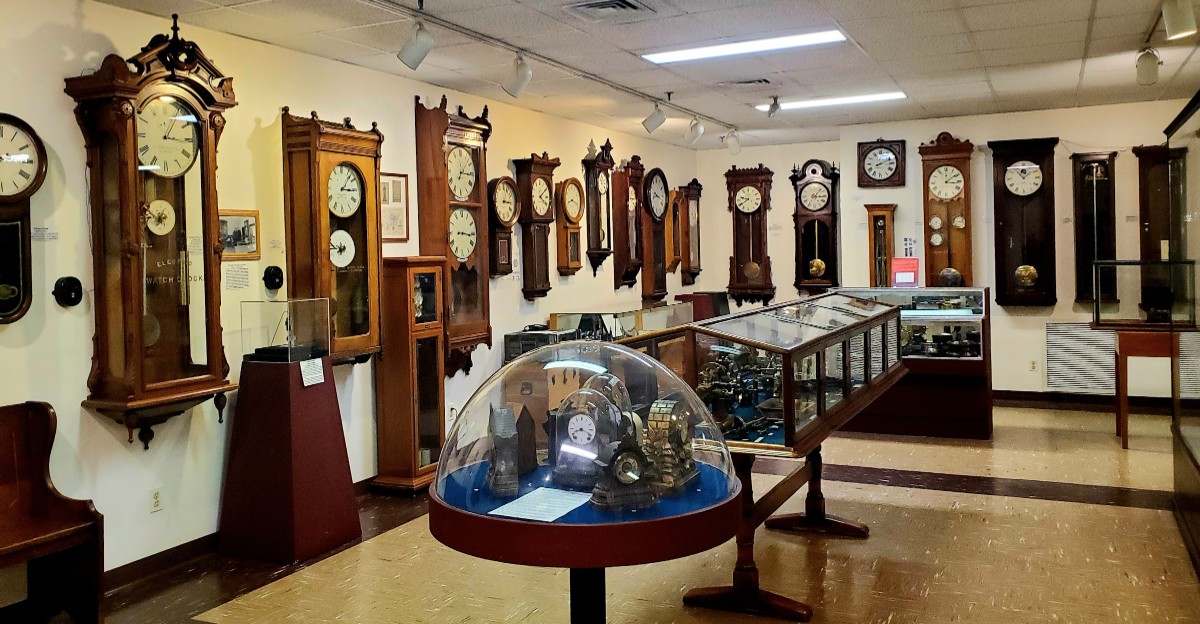
In Bristol, the American Clock & Watch Museum brings together more than 6,000 artifacts, including approximately 2,500 clocks and 3,500 watches. That’s an impressive amount of history packed into one collection.
The museum focuses especially on American-made timepieces from the 1800s and early 1900s. These weren’t all fancy objects reserved for wealthy collectors.
Many were everyday clocks that helped families keep track of work, meals, and everything else.
More than 1,500 pieces are displayed at a time, giving visitors plenty to examine without needing to see the entire collection.
The museum also rotates exhibits, so returning visitors may discover something they missed before.
And don’t let the word horology intimidate you. It’s simply the study of timekeeping, covering everything from how clocks work to how their designs have changed.
With so much to see, the funny thing is how easily you could lose track of time.
2. Plan Your Visit Around The Noon Concert And Thank Me Later
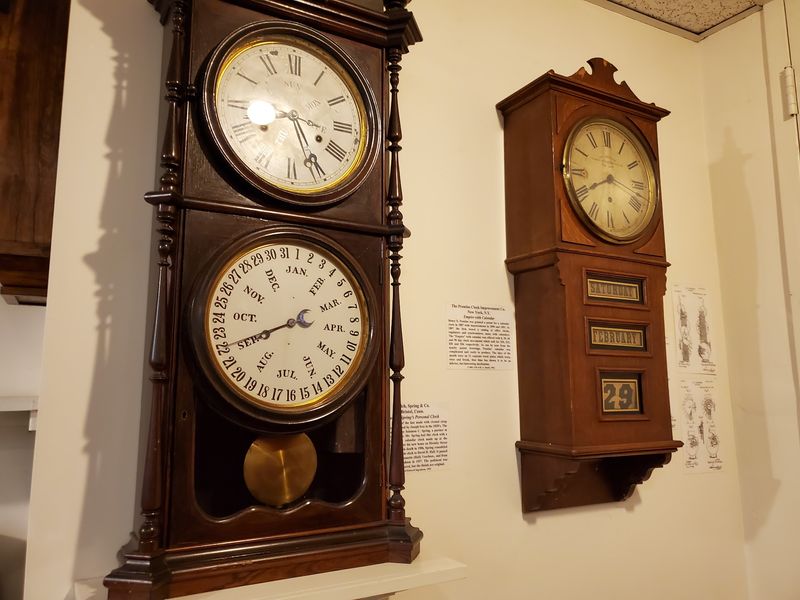
Timing matters here, and that’s not just a clock pun. Every day at noon, the grandfather clocks chime together in what the museum fondly calls a concert.
Each tall clock has its own tone. Some ring high and bright, while others sound deep and serious, like they’ve got important news to share.
The result is a joyful wall of sound. It’s the kind of moment that makes kids grin and grown-ups pull out their phones to record it.
Even outside of noon, the museum hums with ticking and chiming from its working clocks. The constant rhythm gives every gallery a heartbeat you can actually hear.
Here’s a smart move for your trip. Arrive by mid-morning so you can explore a few galleries first, then head to the tall clock room before twelve.
The museum is open Wednesday through Sunday from 10 a.m. to 5 p.m. That gives you a little cushion to wander and still catch the big show.
Not many museums put on a performance where every musician is made of wood and brass. Missing it would feel like leaving a fireworks show before the finale.
3. A House Built In 1801 Holds The Whole Story
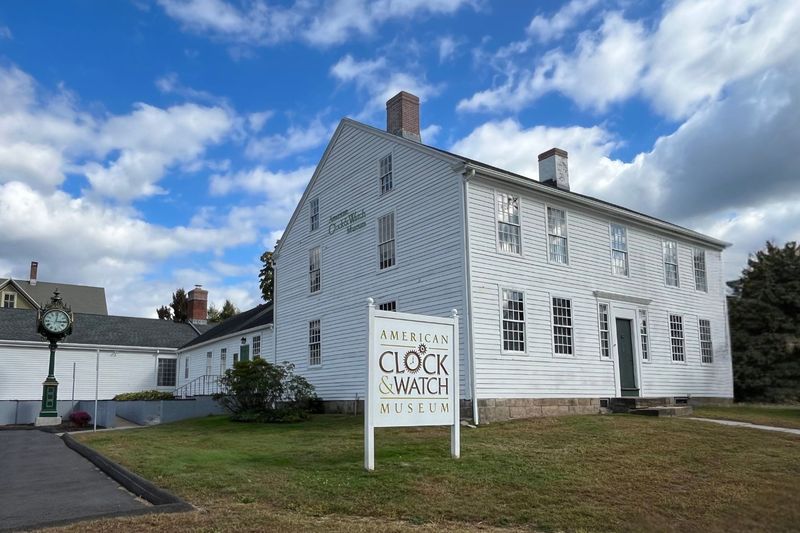
Old clocks deserve an old home. The museum lives mainly in the Miles Lewis residence, a Federal-style house built in 1801.
That house is listed on the National Register of Historic Places. It’s part of Bristol’s Federal Hill Historic District, a neighborhood packed with historic character.
Over the years, the museum grew beyond the original rooms. The Ebenezer Barnes Memorial Wing arrived in 1956, and it includes paneling from the historic 1728 Barnes homestead.
Then came the Ingraham Memorial Wing in 1987. That addition gave the collection more breathing room while keeping the cozy historic core intact.
Inside, look for stained glass windows saved from old watch factories. They add color and a quiet reminder of where many of these treasures were made.
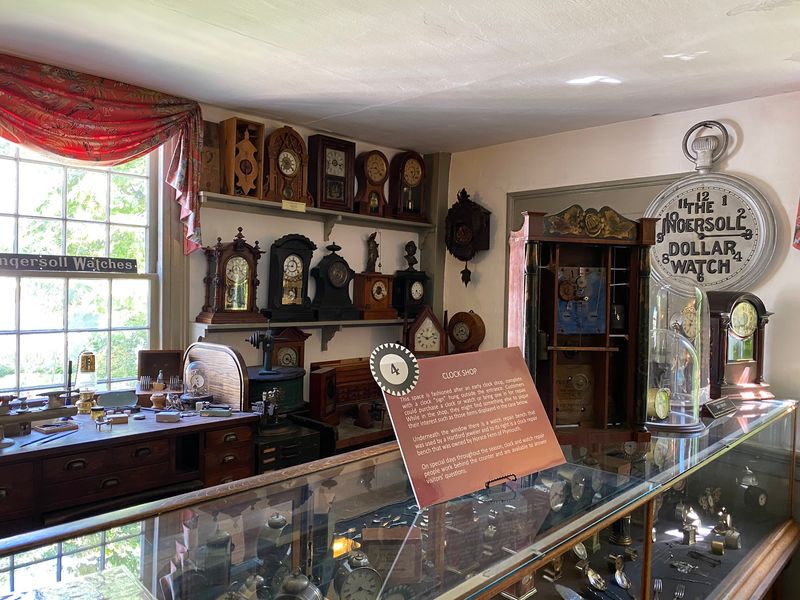
Period furniture, graphic imagery, and historical text help set each scene. The displays aim to feel immersive, so you’re seeing clocks in a setting that makes sense.
I like that the building itself tells part of the story. You’re learning about early American life while standing inside a real piece of it.
4. Bristol Once Ran On Clockwork, And The Exhibits Prove It
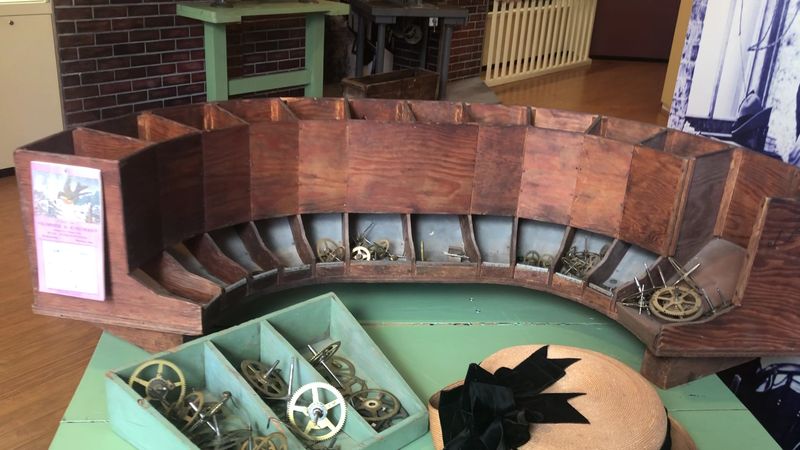
Back in the 1800s, Bristol earned a reputation as the clock-making capital of the United States. Connecticut factories turned out clocks that reached homes all over the country.
A big reason was Eli Terry. He pioneered mass production and interchangeable parts in the early 19th century, which made clocks affordable for ordinary families.
That idea was a game changer. Later industries, including automobile manufacturing, followed a similar path toward building things faster and cheaper.
The exhibits show how it all worked. You can see early wooden movement clocks, original label designs, and the inner gear layouts that kept everything running.
Factory tools, jigs, advertising, and patents round out the picture. Together, they show the clever thinking behind each tick.
Here’s a fun angle for curious kids. Ask them to compare a fancy handmade clock with a factory model and guess which one more people could afford.
It’s a surprisingly gripping tale of invention and hustle. By the end, an everyday wall clock starts to look like a tiny hero of American industry.
5. Eight Galleries Mean You Should Wear Comfy Shoes
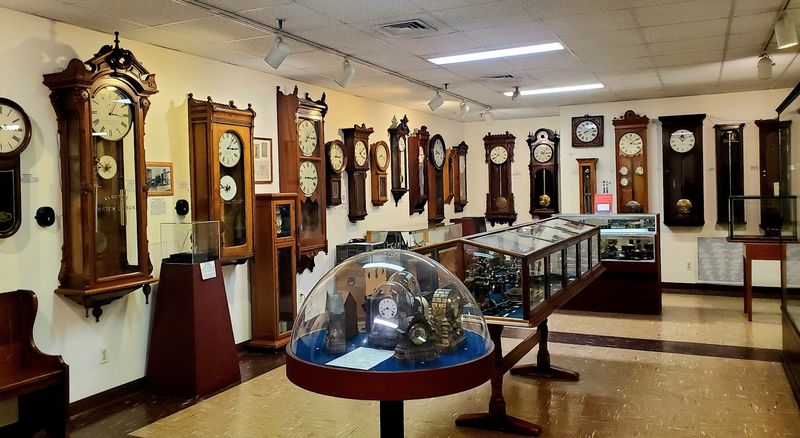
Variety is the name of the game across eight galleries of discovery. Each space highlights a different side of timekeeping.
Nineteenth-century shelf and wall clocks fill plenty of space. Some are simple and practical, while others look ready for a royal mantelpiece.
Tower clock mechanisms show the muscle behind public timekeeping. Sundials and chronometers bring in the science side, proving people have chased accurate time for centuries.
Watch fans get their own reward. A dedicated Watch Gallery displays pieces from both American and Swiss makers, side by side.
You’ll also spot pocket watches, early wristwatches, and playful character watches. Those cartoon-style faces might spark a little nostalgia for older visitors.
A smart plan is to grab the map and move gallery by gallery. Rushing through would be like skimming a great book just to see the last page.
Give yourself a solid chunk of time, maybe a couple of hours. There’s a lot to absorb, and the details reward anyone who slows down a bit.
6. Catch The Old Cranks Winding A Two-Story Tower Clock
Some volunteers have the best job title around. They’re called the Old Cranks, and they keep the museum’s working clocks running.
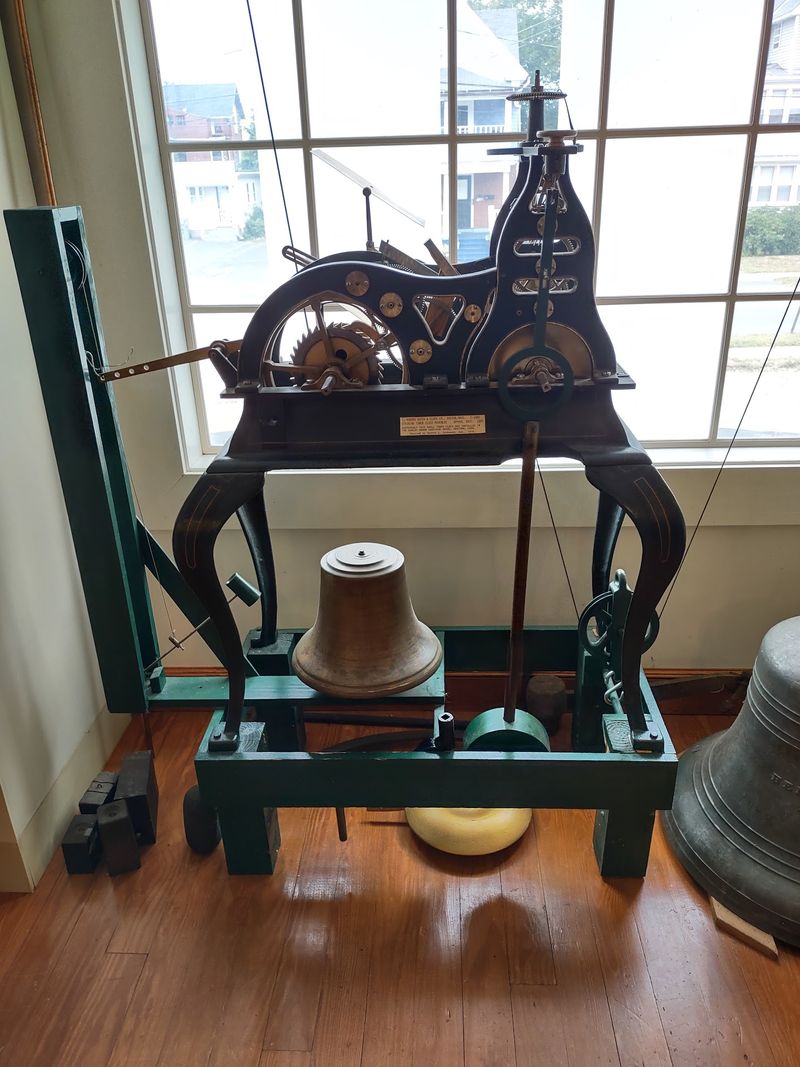
Visitors can follow the Old Cranks on the first and third Fridays of each month at 10 a.m. as they wind and set clocks throughout the museum. That includes a massive two-story tower clock mechanism, which is quite a sight.
Think about how much effort it takes to power something that big. Tower clocks once kept whole towns on schedule, and this one shows you the gears behind the magic.
Watching the winding brings the collection to life. Instead of just admiring clocks behind glass, you get to see the hands-on care they need.
If your schedule is flexible, aim for one of those Friday mornings. It adds a behind-the-scenes feel that regular visits don’t always offer.
Kids especially tend to love big machines with moving parts. A giant clock mechanism checks every box for curious young engineers.
Plus, the name Old Cranks is just plain fun to say. Honestly, it might be the most charming crew in all of the state.
7. Kids Get A Scavenger Hunt And History Gets A Voice
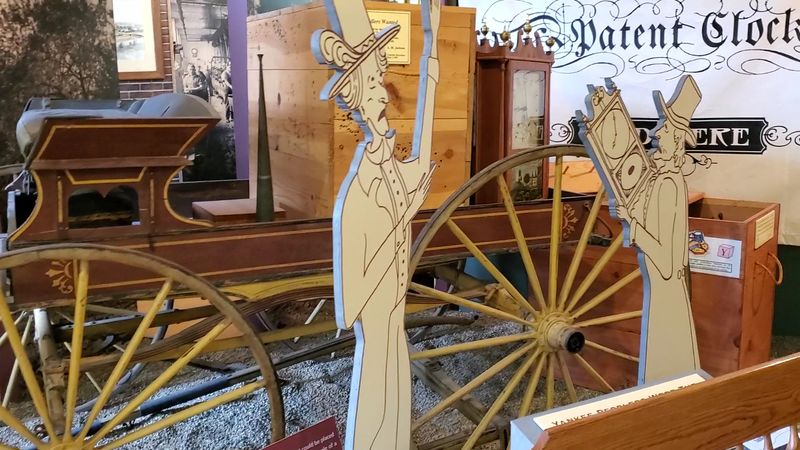
Bored kids at a museum? Not likely here, thanks to a scavenger hunt designed for younger visitors.
The hunt turns browsing into a mission. Suddenly every shelf clock and pocket watch could hold the next clue.
Self-guided tours make it easy to go at your own pace. A map helps you find your way through the galleries without missing the good stuff.
Now for a clever twist. QR codes on display plaques play audio narrations, with actors portraying historical figures.
That means you can hear history told in character while standing beside the clocks themselves. It feels more like a story than a lecture.
For families, this combo works nicely. Younger kids can chase clues while older ones listen to the narrations and soak up the backstory.
Bring a charged phone so you can scan those codes. Headphones might help too if you want to listen without competing with all that ticking.
It’s a thoughtful way to make old objects feel personal. Learning sneaks in while everyone thinks they’re simply having fun.
8. Step Outside For A Sundial Garden And A Factory Bell
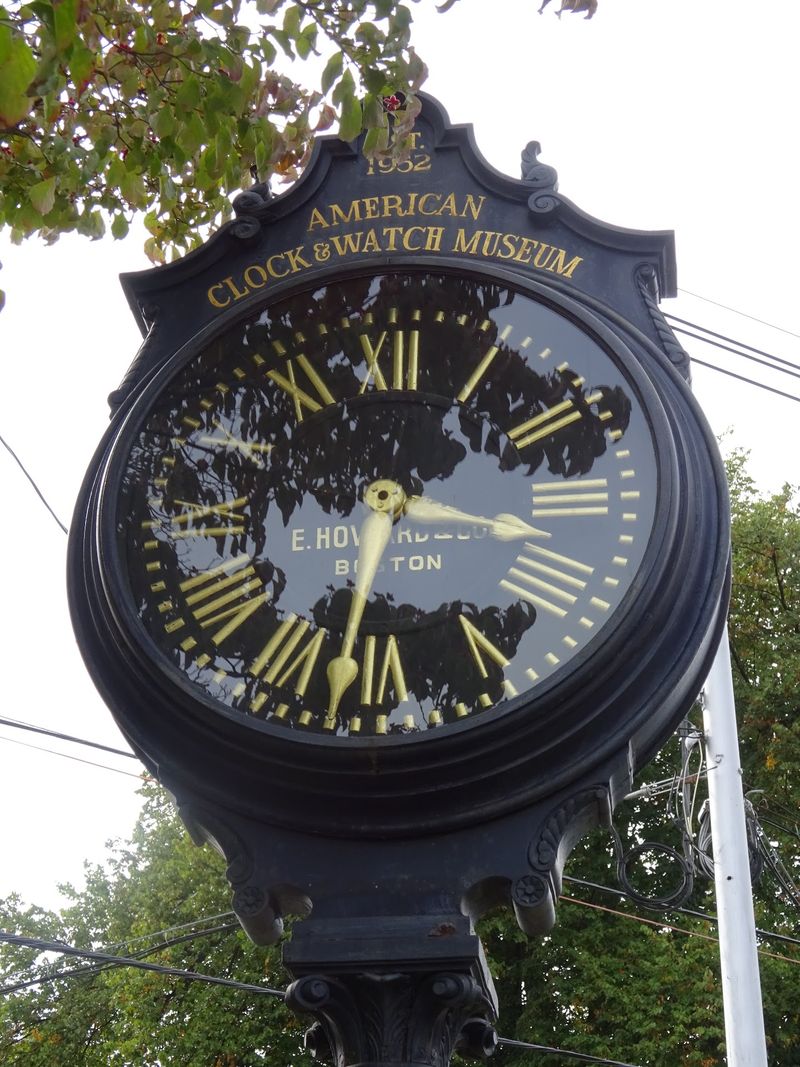
Clocks aren’t the only timekeepers on the property. Outside, a peaceful sundial garden offers a quieter, older way to tell the hour.
It’s a nice break after all the indoor ticking. The garden reminds you that people tracked time with sunlight long before springs and gears.
Nearby sits another garden with a large bell. That bell once hung in a factory tower in Naugatuck, calling workers to their shifts.
Imagine hearing it ring across town each morning. It’s a strong link to the working life behind state’s industrial past.
Out front, a street clock greets visitors arriving on Maple Street. It’s the perfect backdrop for a quick group photo before you head inside.
On a pleasant day, give yourself a few extra minutes outdoors. The gardens make a lovely spot to pause and chat about your favorite finds.
I like how the outdoor spaces round out the story. They connect sunshine, sound, and steel into one big lesson about time, without feeling like homework at all.
9. Grab A Tick Tock Tonic Before You Head Home
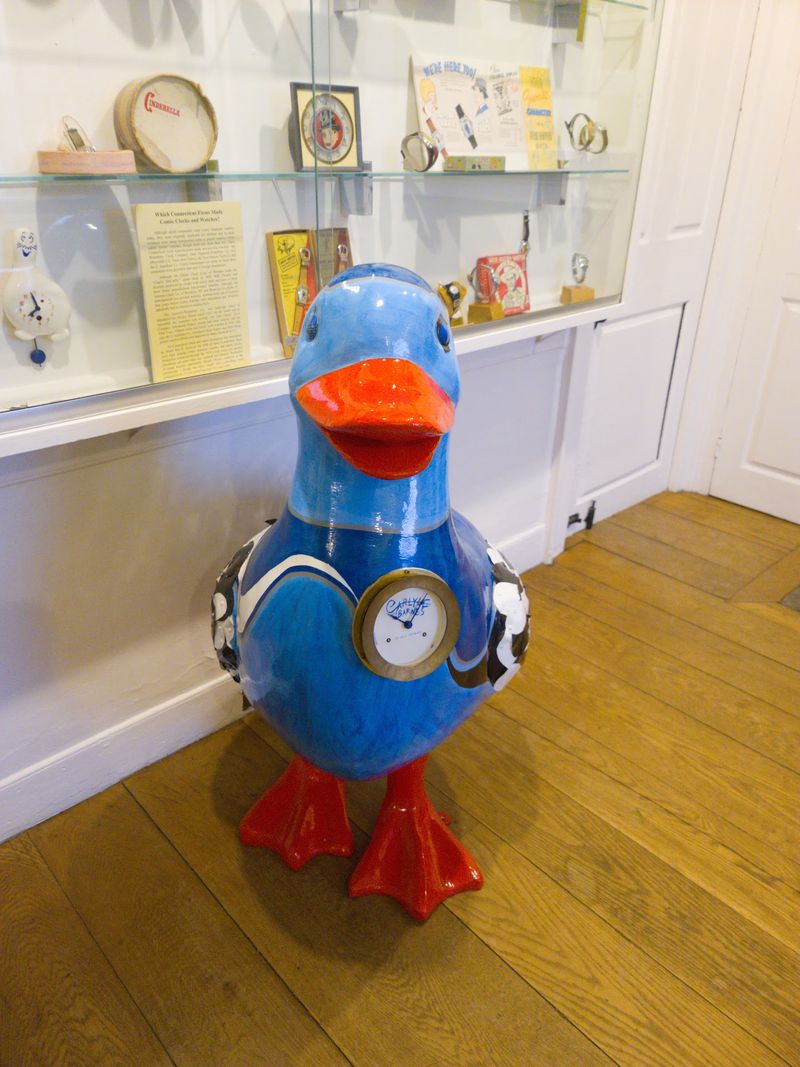
Souvenir shopping gets a playful twist at the museum store. Among the books and gifts, you’ll find the museum’s own Tick Tock Tonic soda.
That name alone deserves a spot on your fridge. It’s a fun, fizzy way to remember your trip.
The shop also carries adult and children’s books, toys, and unique gifts. Locally crafted items add a homegrown touch.
For serious researchers, there’s more behind the scenes. The museum keeps a horological research library rich in historic catalogs from American clock brands, open by prior arrangement.
Finding the place is simple. The American Clock & Watch Museum sits at 100 Maple Street, Bristol, CT 06010.
Remember it’s open Wednesday through Sunday, 10 a.m. to 5 p.m. It closes on Easter, Thanksgiving, December 24 and 25, New Year’s Eve, and New Year’s Day.
Founded in 1952 as The Bristol Clock Museum, it opened to the public in 1954 with about 300 clocks. Today it’s a treasure that’s absolutely worth your time.