The Memorabilia-Filled Restaurant In California That Feels Like Stepping Back In Time
Every now and then, a restaurant offers more than a meal and somehow turns the whole visit into a little trip through the past.
One California spot does exactly that, surrounding diners with walls full of memorabilia, old-school charm, and the kind of details that keep pulling your eyes away from the table.
History lingers in places like this in the best way, not stiff or polished, but warm and packed with character. Familiar dishes taste even better when the setting carries its own stories.
One glance at the collection around the room and the atmosphere starts doing half the work.
For anyone who loves a side of nostalgia with dinner, this is the kind of California restaurant that makes the past feel close enough to reach.
The Last One Standing: Why This Location Carries Extra Weight
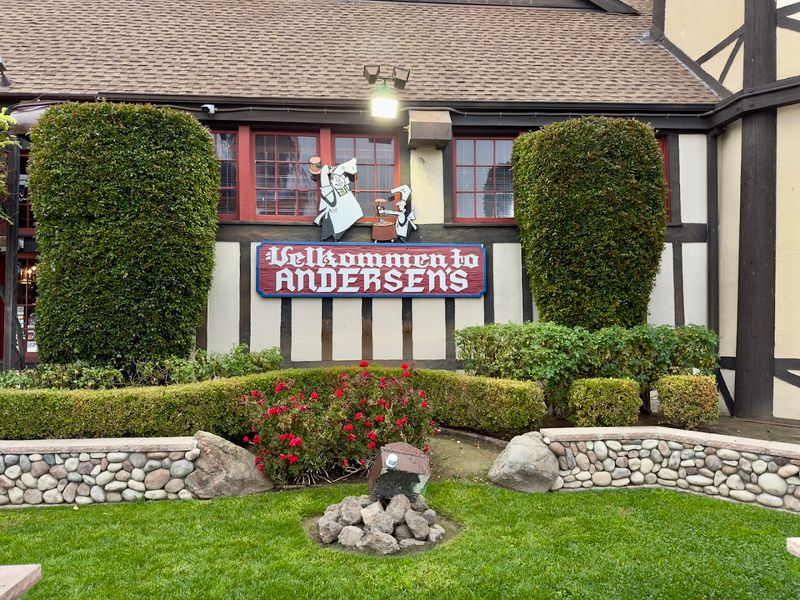
There is something quietly significant about being the last of anything, and that is exactly what the Santa Nella location of Pea Soup Andersen’s has become.
When the original Buellton restaurant closed its doors in January 2024, after a century of business along Highway 101, the Santa Nella outpost became the sole surviving location of a brand that once stretched across California’s most-traveled roads.
That shift changed how the restaurant feels to visit. It is no longer just one stop in a chain.
It is the final chapter of a long California roadside story, and that distinction adds a layer of meaning to every bowl of soup served there.
Longtime road-trippers who remember stopping at Pea Soup Andersen’s as children now arrive with a stronger sense of nostalgia, knowing this is the only place left to relive that experience.
The Santa Nella restaurant, located at 12411 CA-33, Santa Nella, CA 95322, is open daily from 8 AM to 9 PM.
For anyone who values California travel history, stopping here feels less like a detour and more like a responsibility to a disappearing piece of the state’s roadside culture.
A Brand Born in 1924: The Danish Roots Behind the Soup
Few highway restaurants can trace their origins back a full century, but the story behind Pea Soup Andersen’s stretches all the way to June 13, 1924.
That was when Danish immigrant Anton Andersen purchased the original property in Buellton and started building what would eventually become one of California’s most recognizable roadside brands.
The Danish heritage was never just a decorative theme. It shaped the food, the architecture, and the overall personality of every location that followed.
Anton became so associated with the soup that he earned the nickname “Pea Soup Andersen,” and the brand carried that identity forward for decades through bold billboard advertising along California’s major highways.
Travelers who had never set foot inside the restaurant still knew the name simply from passing the signs.
That kind of cultural footprint takes generations to build, and the Santa Nella restaurant carries it forward today.
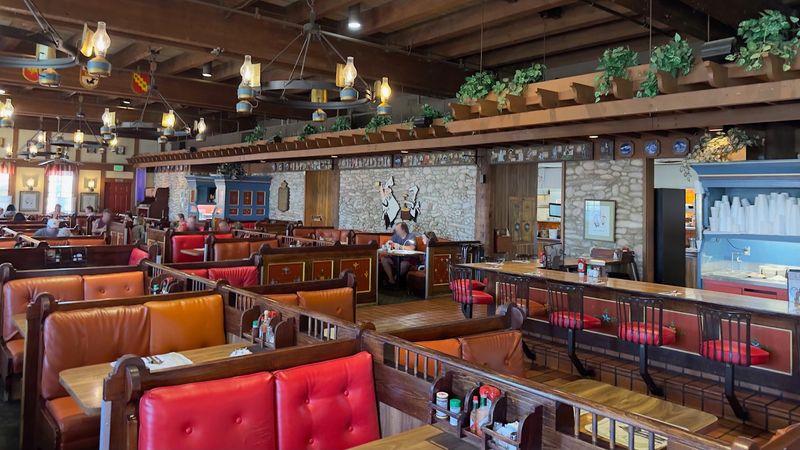
Vintage photographs and historical details inside the dining room connect the present-day experience to those early years, giving first-time visitors a sense of the long road the brand has traveled.
The history on the walls is not just decoration. It is context that makes the meal feel like more than just lunch.
The Windmill That Became a Landmark
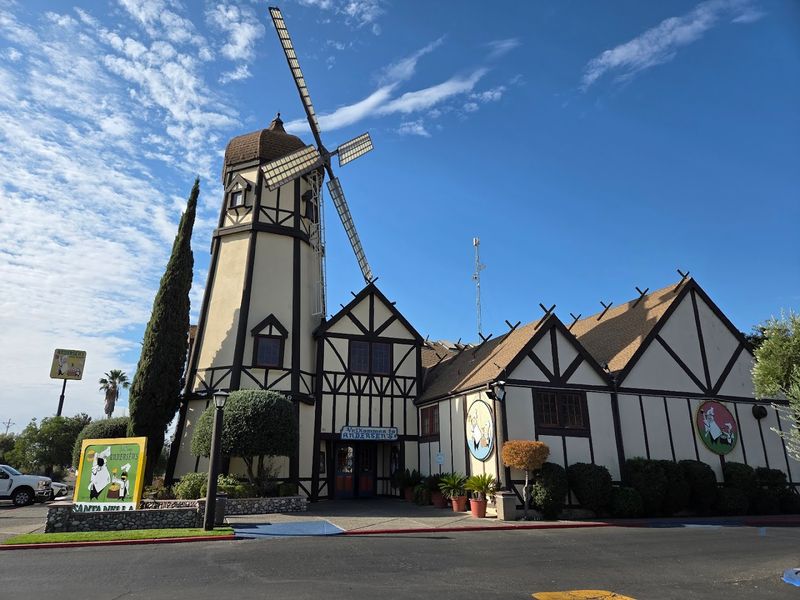
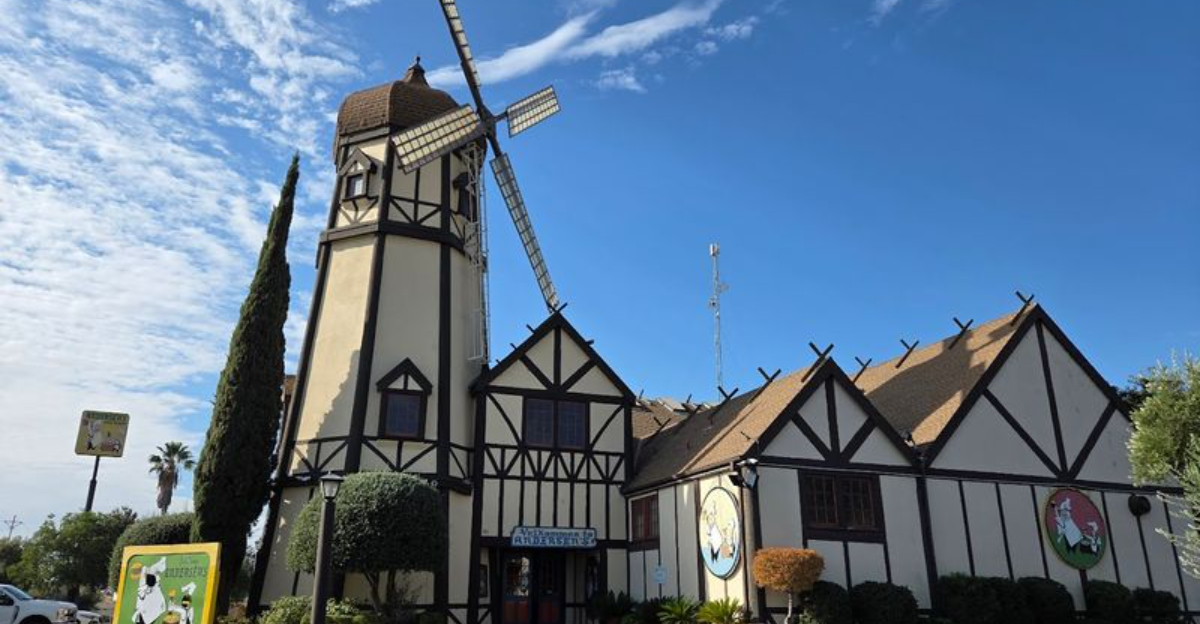
A working windmill attached to a highway restaurant sounds like something from a storybook, but it is one of the most real and recognizable features of the Santa Nella location.
Visible from Interstate 5, the windmill has long served as a visual anchor for the property, signaling to passing drivers that the restaurant is just ahead.
Over time, the windmill became so closely tied to the brand’s identity that many people associate it with Pea Soup Andersen’s before they even think of the soup itself.
It reflects the old-world Danish charm that the restaurant has always leaned into, giving the property a character that no chain restaurant could replicate.
The structure is not merely decorative. It is functional, and that detail alone makes it stand out along a stretch of highway that is otherwise dominated by standard truck stops and gas stations.
Pulling into the parking lot and seeing the windmill up close for the first time tends to set the tone for the whole visit.
It signals immediately that the place operates by a different set of rules than the usual road-trip fuel stop, and it gives travelers something genuinely memorable to photograph before they even walk through the door.
The Memorabilia Inside: Walls That Tell a Story
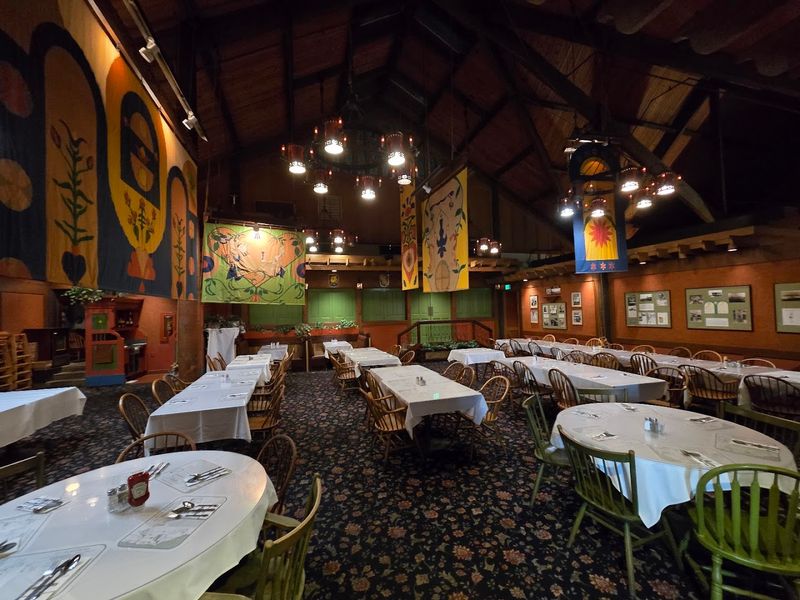
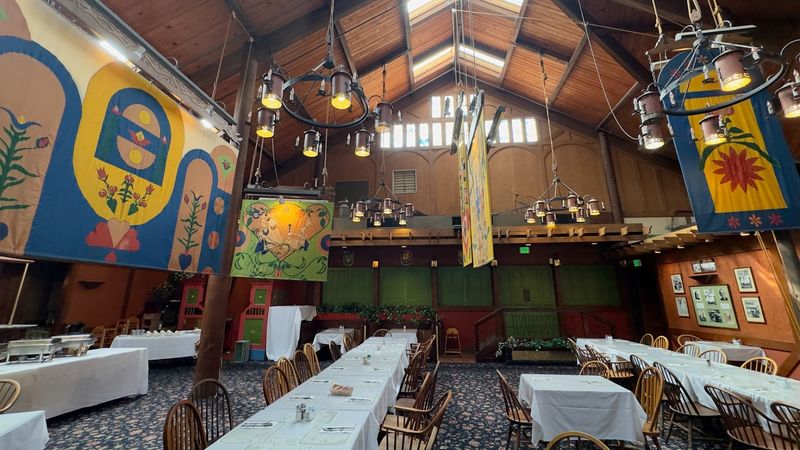
Walking into the dining room at Pea Soup Andersen’s feels like stepping into a very specific moment in California’s past. The walls are covered with vintage photographs, old advertising materials, and nostalgic decor that reflects the mid-20th century era when roadside travel culture was at its peak.
Nothing about the interior feels rushed or recently updated, and that is part of the appeal.
The memorabilia is not arranged like a museum exhibit. It has the layered, slightly cluttered feel of a place that has accumulated decades of history organically rather than by design.
Framed images sit alongside old signage, and the overall effect is one of genuine accumulation rather than curated nostalgia.
For visitors who grew up stopping here on family road trips, the interior has a quality that is hard to put into words but easy to feel the moment you sit down.
Even for first-time visitors with no personal history at the restaurant, the atmosphere communicates something real about California’s roadside past.
The lighting is warm, the seating is comfortable, and the noise level stays at a manageable hum that makes conversation easy.
Spending time inside feels less like dining out and more like sitting inside a living piece of travel history.
The Signature Split Pea Soup: The Dish That Built the Brand
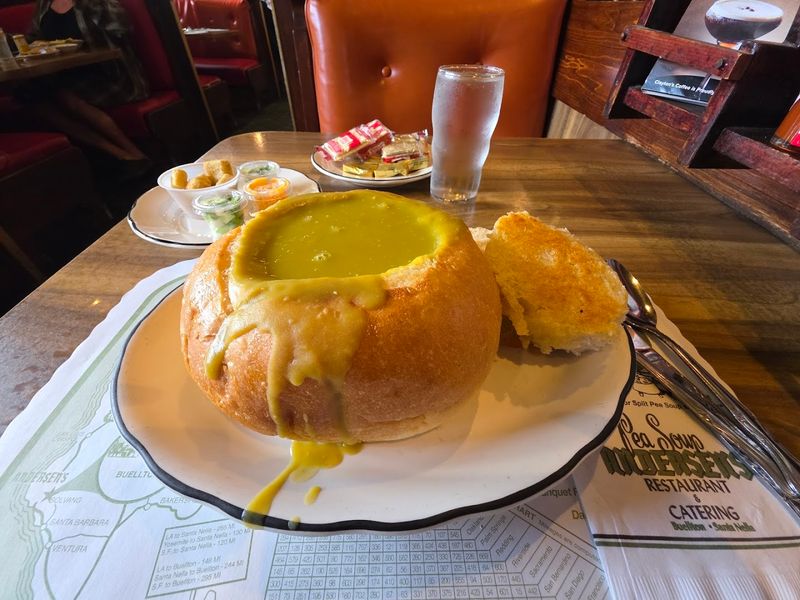
Split pea soup is not a dish that typically inspires strong feelings, but Pea Soup Andersen’s has managed to make it the centerpiece of an entire restaurant identity.
The all-natural split pea soup has been the menu’s anchor since the beginning, and the restaurant has never tried to hide behind a broader concept. The soup is the point, and the place is completely comfortable with that.
The Traveller’s Special is the all-you-can-eat version that has become a tradition for many regular visitors.
It comes with freshly baked rolls and gives travelers a warm, filling meal without the kind of heaviness that makes long drives uncomfortable.
The soup tends to be creamy and hearty, and the kitchen has been making it long enough that consistency is one of its defining qualities.
Beyond the soup, the menu includes home-style dishes like fried chicken, Monte Cristo sandwiches, and an Andersen burger, along with a salad and various sides.
Breakfast is also served starting at 8 AM, and the soup is available even during morning hours for those who want to start the day with the signature dish.
More Than a Diner: The Full Roadside Complex
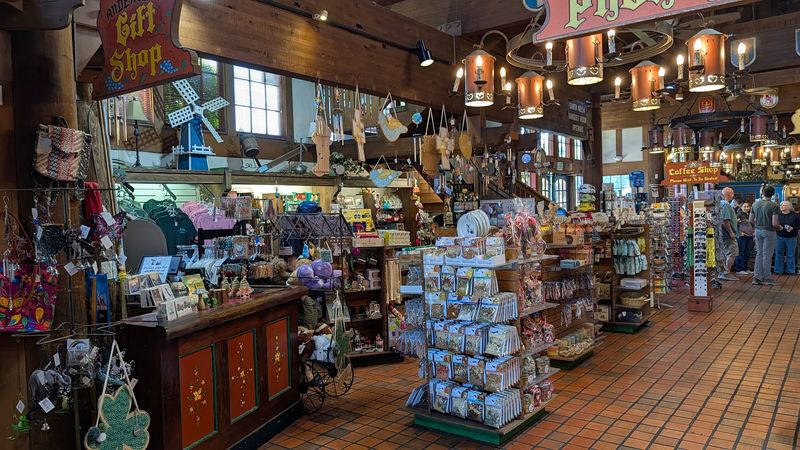
Most highway stops offer a restroom and maybe a vending machine, but the Santa Nella location of Pea Soup Andersen’s was built as something considerably more ambitious.
The property has long included a restaurant, a bakery, a gift shop, a hotel, and a gas station, all connected within the same complex. That combination turns a simple meal stop into a full travel experience.
The design reflects the era when the location opened in 1976, a time when roadside complexes were meant to serve travelers for extended stays rather than quick pit stops.
Families could eat, shop, fuel up, and spend the night without leaving the property.
That kind of self-contained road-trip infrastructure has largely disappeared from modern highway culture, which makes the Santa Nella complex feel genuinely unusual by today’s standards.
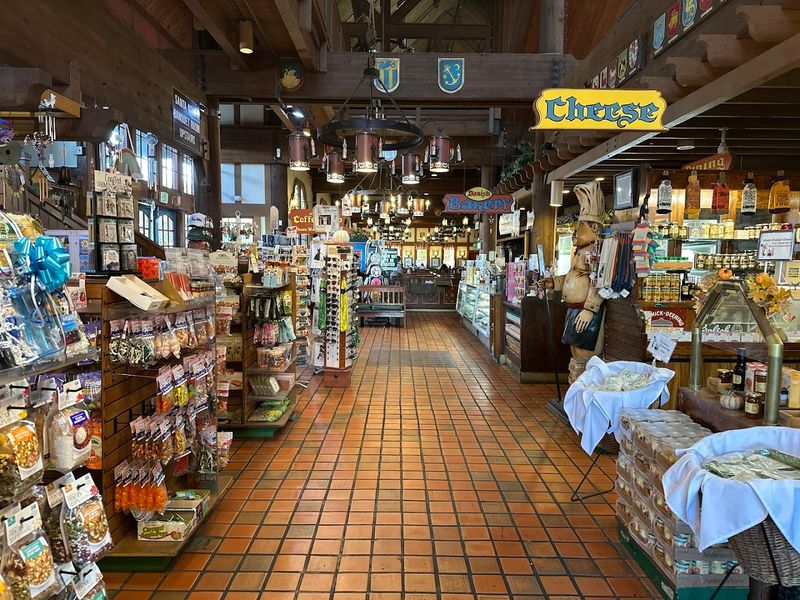
The gift shop alone draws visitors who have no intention of eating a full meal.
It is stocked with souvenirs, packaged soup, the raw ingredients needed to make the soup at home along with the recipe, and an assortment of nostalgic knickknacks.
The candy and sweet selection is notably generous, and the shop carries items ranging from novelty salt and pepper shakers to sugar-free chocolate options.
Hap-Pea and Pea-Wee: The Mascots That Stuck Around
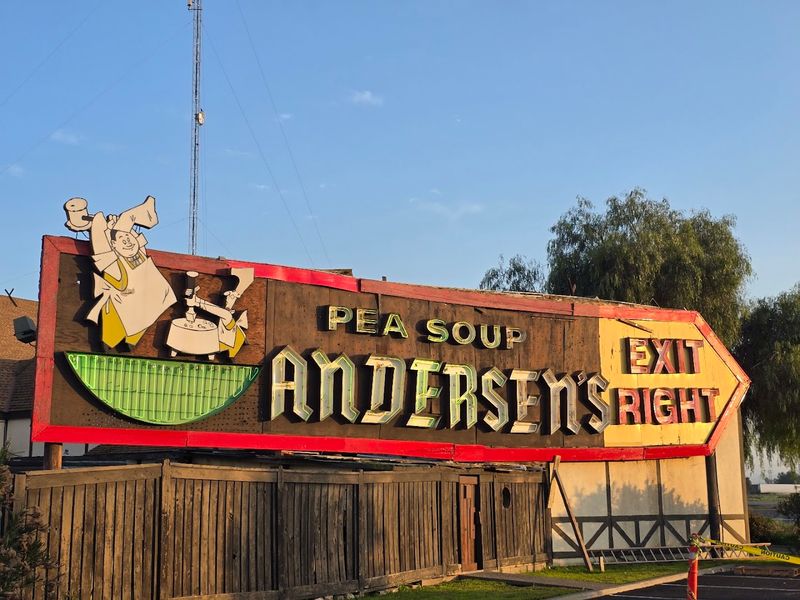
Brand mascots come and go, but Hap-Pea and Pea-Wee have stayed with Pea Soup Andersen’s for decades, becoming as much a part of the restaurant’s identity as the windmill or the soup itself.
The two pea-themed characters give the place a playful, slightly kitschy personality that feels completely at home in the context of a mid-century roadside stop.
They show up on signage, merchandise, and decorative elements throughout the property, and they have a nostalgic pull for anyone who visited the restaurant as a child.
For younger visitors encountering them for the first time, the characters have a retro charm that feels genuinely fun rather than forced.
The name Hap-Pea Hour has even been used to describe a particular time of day at the restaurant, which shows how deeply the mascot branding has worked its way into the daily experience of the place.
The characters also reflect something broader about how the restaurant has always approached its identity.
Rather than taking itself too seriously, Pea Soup Andersen’s has consistently leaned into the warmth and humor of its own concept.
A restaurant built entirely around pea soup, with pea-themed mascots and a windmill, is not trying to be something it is not, and that honesty is a big part of its lasting charm.
The Art Clokey Connection: A Surprising Piece of Pop Culture History
Hidden inside the long history of Pea Soup Andersen’s is a pop culture detail that most visitors never know about, but it is one of the most intriguing threads in the whole story.
The restaurant’s advertising history includes 1950s stop-motion commercials created by Art Clokey, who later became famous as the creator of Gumby.
That connection places the brand inside a very specific moment in American entertainment history.
Stop-motion animation was a relatively new and technically demanding craft in the 1950s, and the fact that Pea Soup Andersen’s was using it for highway restaurant commercials says something about how seriously the brand took its marketing even in its early years.
The commercials helped cement the restaurant’s personality in the minds of California television audiences during a decade when roadside dining was becoming a cultural phenomenon.
The Gumby connection is the kind of odd, specific detail that makes a place feel genuinely rooted in history rather than simply old.
It is a reminder that Pea Soup Andersen’s has been woven into California’s cultural fabric in ways that go well beyond the soup.
For anyone who grew up watching Gumby, learning that the same creative mind once made commercials for a pea soup restaurant along the California highway is the kind of unexpected fact that makes the stop feel even more worthwhile.
Planning a Stop: What to Expect When You Pull Off I-5
Pulling off Interstate 5 at the Santa Nella exit puts travelers directly in range of the restaurant, which sits at a spot that is hard to miss once the windmill comes into view.
The property has generous parking that accommodates both passenger vehicles and larger trucks, which makes sense given its location along one of California’s busiest freight corridors.
Arriving during off-peak hours tends to mean a shorter wait and a quieter dining room.
The restaurant opens at 8 AM every day of the week and closes at 9 PM, which gives road-trippers a wide window to stop in whether they are heading north or south.
Breakfast, lunch, and dinner are all served, and the soup is available throughout the day including during morning hours.
Pricing falls in the moderate range for a highway restaurant, and the Traveller’s Special offers solid value for the amount of food included.
Restrooms are clean and accessible, the dining room is large enough to seat a high volume of guests without feeling chaotic, and the staff tends to keep service moving at a steady pace.
First-time visitors should note that payment is handled at the front rather than at the table, which is easy to miss on a first visit.
Allowing an extra twenty to thirty minutes beyond the meal itself leaves enough time to browse the gift shop properly before heading back to the road.