The Most Beautiful Florida Beach Towns To Experience In 2026
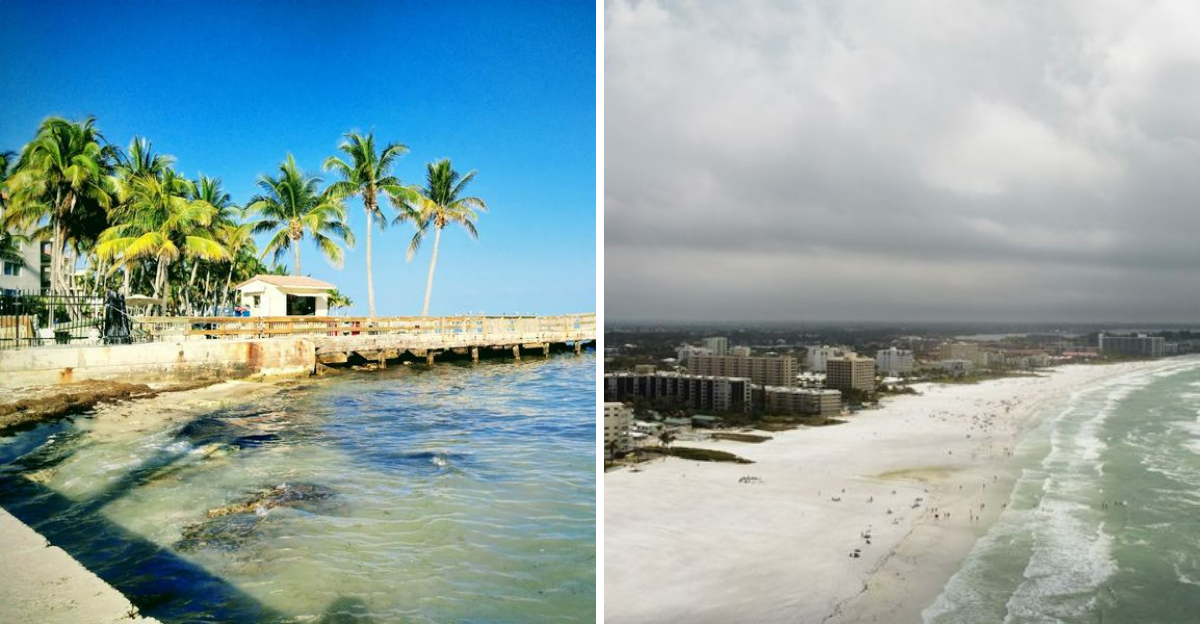
Florida doesn’t just meet expectations, it quietly rewrites them. This state pulls you in with more than sunshine and postcards.
One moment you’re chasing calm along soft, white sand. The next, you’re standing in a town that feels like it belongs to another era.
The state reveals its charm slowly, in places most travelers rush past. Along both coasts, these beach towns carry a different rhythm.
Some feel raw and untouched. Others are full of character, color, and stories that linger.
If you’re planning where to go next, this state might surprise you in ways you didn’t see coming.
1. Anna Maria Island
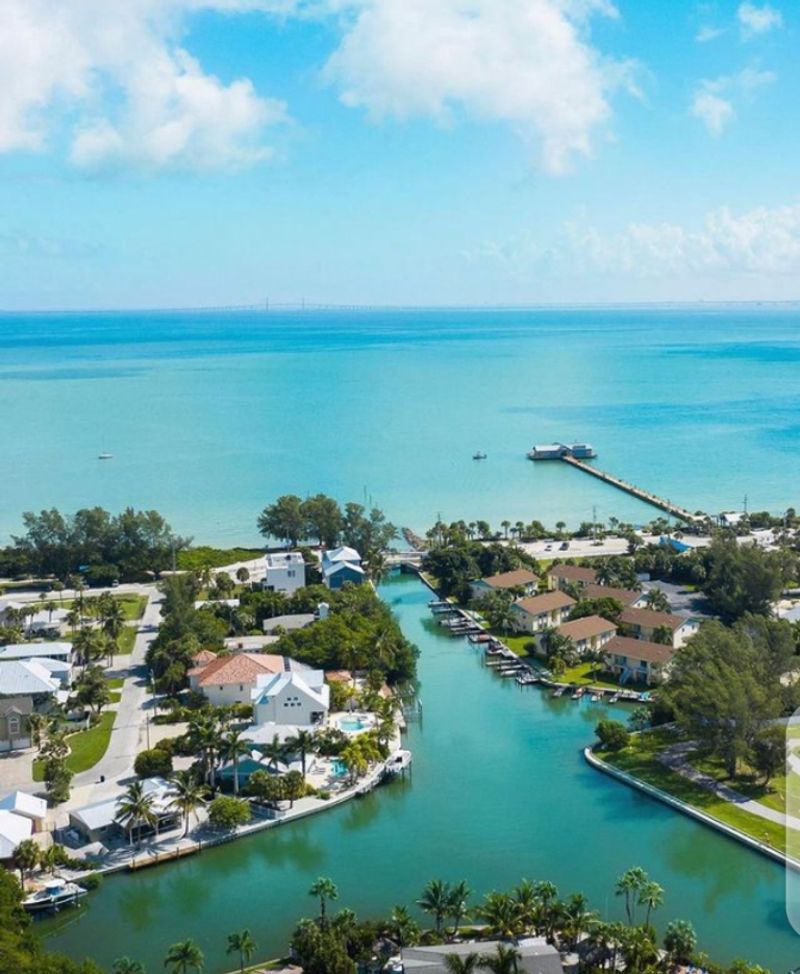
Time moves differently on Anna Maria Island, and you notice it right away. No rush, no noise, just the sound of waves and the feeling that you can finally breathe.
It’s the kind of place that doesn’t try too hard, yet stays with you long after you leave. There is a particular kind of quiet on Anna Maria Island that is hard to find anywhere else along this stretch of the Gulf Coast.
The beaches are wide and unhurried, with fine white sand that stays cool even on warm afternoons. Pastel-colored cottages line the streets, giving the whole island a relaxed, old coastal character that feels refreshingly low-key.
Wooden boardwalks stretch over sea grape-lined paths, turning each walk to the beach into a small, easy adventure. The island sits just off the coast near Bradenton and spans about seven miles, making it simple to explore on foot or by bike.
One of the best places to begin is the Anna Maria City Pier at the northern end, where fishing, watching pelicans, and catching the sunset all come together naturally.
Small shops and casual seafood spots along Pine Avenue bring a local, neighborhood feel that larger resort areas rarely match. If slowing down is the goal, Anna Maria Island makes it happen without effort.
2. Fernandina Beach
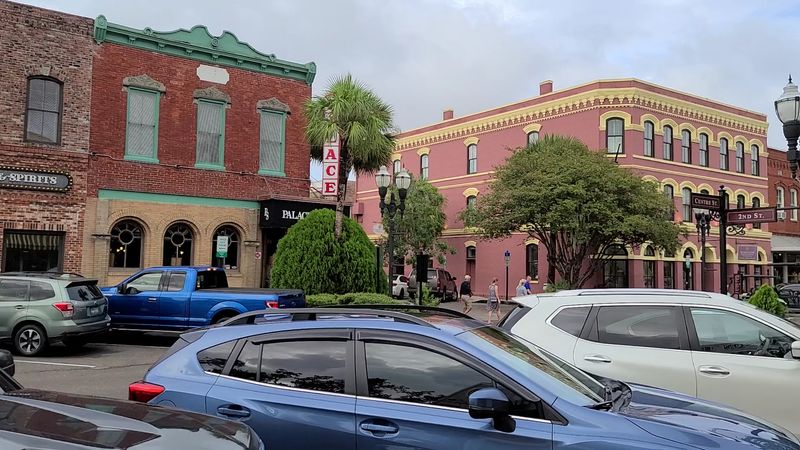
Some places don’t just show you history, they let you feel it with every step. Fernandina Beach does exactly that, quietly pulling you into its story without trying too hard.
It’s the kind of town where the past isn’t behind glass, it lives right there on the streets. Few beach towns carry as much history as Fernandina Beach, located on Amelia Island near the Georgia border in Nassau County.
Along Centre Street, Victorian buildings and brick storefronts line the way, with deep front porches that make it easy to slow down and stay longer than planned. It stands out as one of the most architecturally rich small towns along this stretch of coast.
The beaches are wide and peaceful, backed by soft dunes and far less crowded than many other shorelines nearby. Just inland, moss-draped oaks stretch over the streets, adding a strong Southern coastal feel that shapes the town’s character.
Down by the water, the working waterfront keeps things grounded, with shrimp boats moving in and out with the tides.
Fort Clinch State Park, located at 2601 Atlantic Ave, sits at the northern tip of the island, with trails that open up views of both the Atlantic Ocean and Cumberland Sound.
Fernandina Beach rewards a slower pace, whether you are exploring local art galleries, picking up fresh shrimp at the docks, or simply sitting on a porch and watching the afternoon drift by.
3. Clearwater Beach
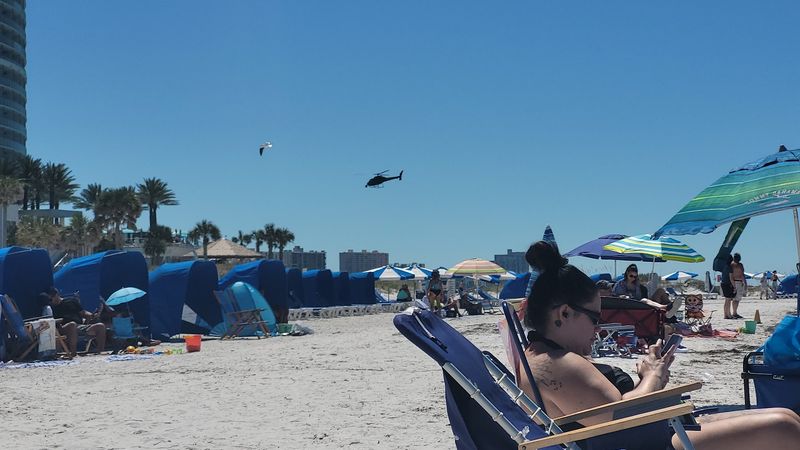
It doesn’t take long to understand why people keep coming back here. One look at the water is enough to see what makes this place stand out.
It’s bright, open, and full of that simple coastal energy that’s hard to resist. Clearwater Beach has earned its reputation for good reason.
The sand is soft and powdery white, almost squeaking under your feet, while the Gulf water stays calm and clear through most of the year. Set in Pinellas County along the central Gulf Coast, it stands out as one of the most consistently beautiful shorelines in the region.
Pier 60 acts as the heart of it all, stretching into the Gulf and coming alive each evening with Sunsets at Pier 60, where street performers and local vendors gather near dusk. There’s always something happening, yet it never feels overwhelming.
Families, couples, and solo travelers all find their rhythm here, whether that means paddleboarding, spotting dolphins, or simply laying back on the sand with no plans at all.
Along Mandalay Avenue, the main strip offers a steady line of casual spots serving fresh Gulf seafood, keeping things simple and natural. For a quieter escape, Caladesi Island State Park, just a short ferry ride away, offers a more peaceful stretch of beach with fewer crowds.
Clearwater Beach strikes that rare balance between lively and laid-back, making it a place people return to without hesitation.
4. Seaside
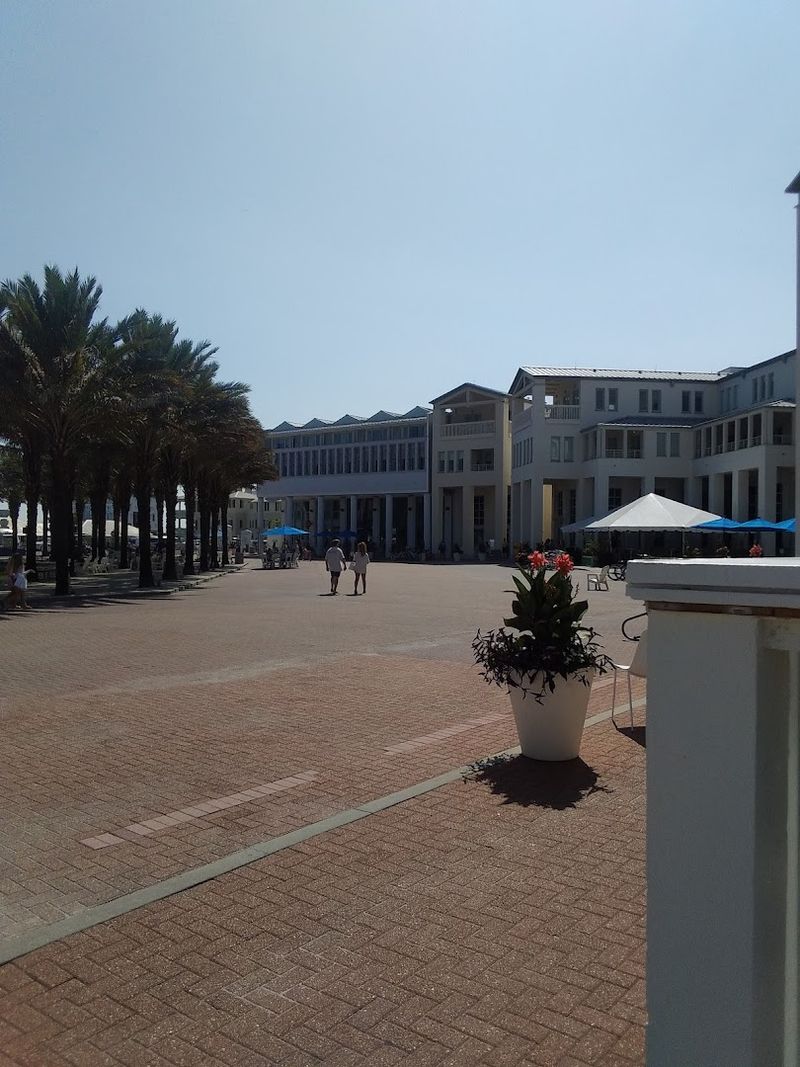
Seaside feels carefully put together, and you notice it in the smallest details. Nothing is random, everything has its place.
It creates a setting that feels calm, balanced, and easy to enjoy. Seaside was designed from the ground up to feel like a community, and that intention shows in every detail.
Pastel cottages, white beach pavilions, and neatly planned footpaths give the town a storybook-like charm.
Located along Scenic Highway 30A in Walton County, Seaside has attracted visitors since the early 1980s, when it was first developed as a new-urbanist community.
Beach access is simple and well-organized, with boardwalks guiding you through dunes and sea oats straight to the clear, green Gulf water.
Rosemary Street and Central Square sit at the center of activity, where small boutiques, local vendors, and food trucks bring energy without losing the calm setting. The Airstream food truck row remains a favorite stop for a quick and memorable meal.
Town Hall at 22 Quincy Circle serves as a central landmark and an easy point to navigate from while exploring on foot. Bikes are one of the best ways to get around, and rentals are available close by.
What sets Seaside apart is how thoughtfully everything connects, with most places within walking distance and a layout that feels natural and easy to follow.
5. Rosemary Beach
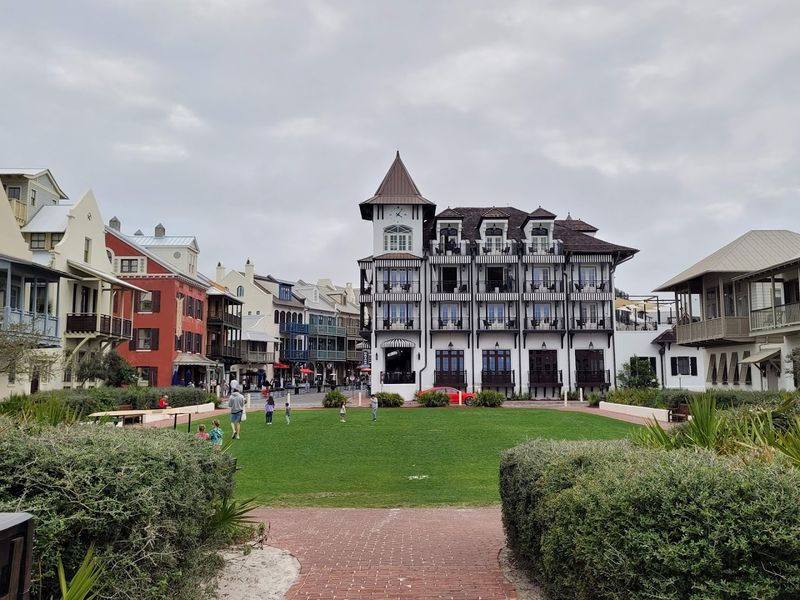
Rosemary Beach feels different the moment you arrive. The streets narrow, the buildings rise clean and white, and everything feels more defined.
It creates a sense of place that stands out right away. Rosemary Beach has a distinct look that sets it apart from every other town along the 30A corridor.
Its architecture draws from Dutch West Indies influences, with white-washed walls, steep rooflines, and covered walkways shaping breezy corridors between homes.
Set along Scenic Highway 30A in Walton County, the town was designed to feel enclosed and intentional, more like a small European village than a typical beach destination.
The cobblestone town square sits at the center, framed by a selection of upscale shops and restaurants that keep the atmosphere refined but relaxed.
Narrow footpaths weave between homes and lead toward the Gulf through shaded passages that feel quiet and slightly hidden. The beach remains less crowded than many nearby areas, with clear water reflecting that deep emerald tone the Panhandle coast is known for.
Barrett Square acts as the main social hub and a natural starting point for exploring on foot. The town is compact and easy to walk, simple to navigate in a short time, yet it often keeps visitors longer than expected.
A slow morning, time on the beach, and an easy evening walk through the square come together naturally here.
6. Siesta Key
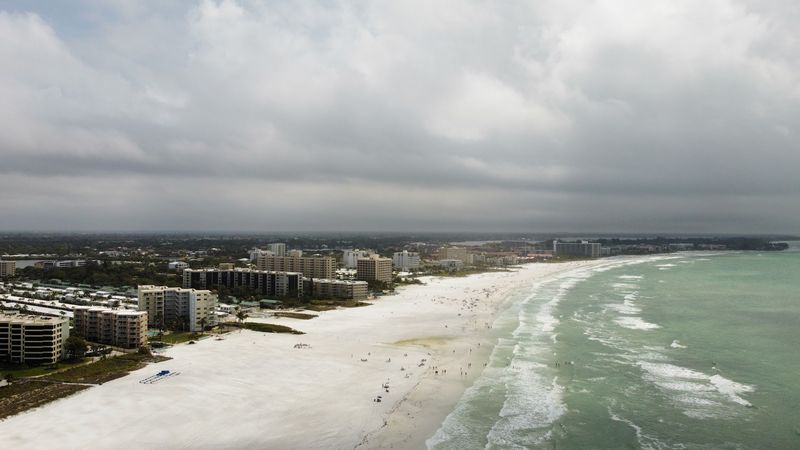
The sand is the first thing you notice, and it stays with you. It feels softer, brighter, almost unreal under your feet.
Even in the heat, it never burns, which makes every step easy. The sand at Siesta Key is unlike almost anything else you will find along this coastline.
Made almost entirely of fine quartz crystal, it stays cool even on the hottest days and gives off a bright white glow in the afternoon sun. Siesta Key is a barrier island just south of Sarasota, connected to the mainland by two bridges.
Siesta Beach, often ranked among the best in the country, offers calm, shallow water that works especially well for families. The shoreline is wide and open, with enough space to spread out even during busy times.
Just a short distance away, Siesta Key Village adds to the experience with shaded patios, casual restaurants, and an easygoing, local feel.
The village centers around Old Stickney Point Road and Midnight Pass Road and is simple to explore on foot or by bike.
Fresh seafood is easy to find, and sunsets over the Gulf bring strong color almost every evening. Siesta Key has a more residential feel than many larger beach towns, which gives it a more natural, unforced coastal atmosphere.
7. New Smyrna Beach
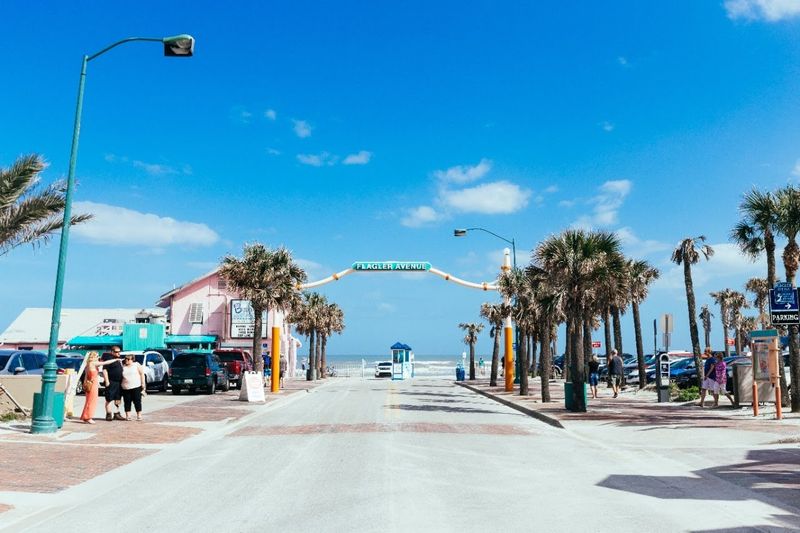
Waves set the pace here, and everything else follows. You hear them before you see the ocean, steady and familiar.
It gives the whole place a sense of movement that never really stops. New Smyrna Beach has long been a favorite among the surfing community, with consistent waves rolling in along this stretch of the Atlantic Coast year-round.
Located in Volusia County, just south of Daytona Beach, the town carries a creative, independent energy that shows up in its surf shops, local galleries, and small, easygoing restaurants spread throughout the area.
The historic district along Canal Street feels genuinely local, filled with independent businesses, murals, and weekend farmers markets that reflect the town’s artistic side. Just nearby, the Ponce de Leon Inlet Lighthouse rises above the coastline, offering wide views from the top after the climb.
The beaches here feel less polished and more natural, with stretches of shoreline that remain quiet and open.
During the summer months, sea turtles nest along this coast, and parts of the area fall within Canaveral National Seashore, helping preserve its undeveloped character.
New Smyrna Beach offers a setting that feels real, shaped by the people and the ocean rather than built around crowds.
8. Key West
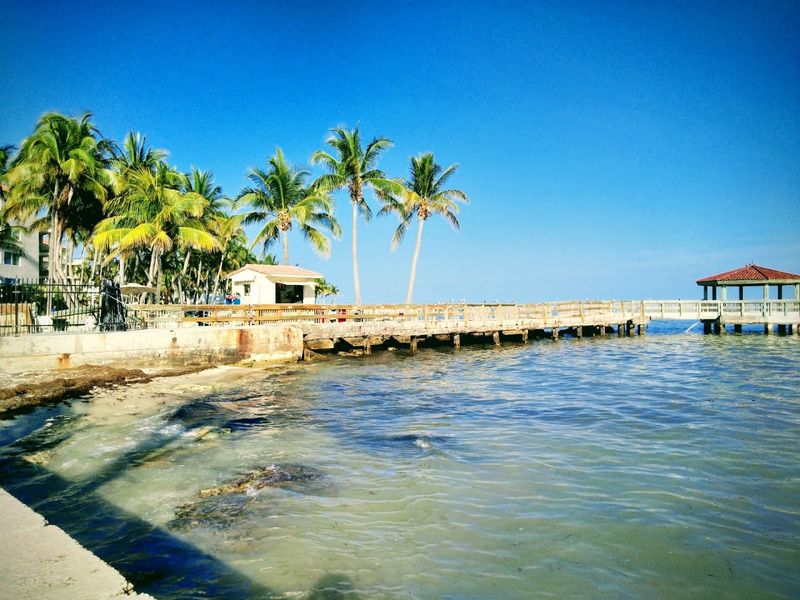
It feels like the road never really ends, it just fades into the ocean. The air shifts, the colors get brighter, and everything starts to slow down.
By the time you arrive, it already feels far removed from anything familiar. Key West sits at the very end of the island chain, connected to the mainland by the Overseas Highway, a road that stretches across open water for over 100 miles.
The island carries a long history as a port town, a literary escape, and a place where people come to reset or simply live differently. That history shows in its architecture, its street life, and the overall atmosphere you notice as you walk through it.
Old Town holds much of that character, with colorful conch-style homes, wide porches, and dense tropical gardens lining the narrow streets.
The Ernest Hemingway Home and Museum stands as one of the most visited landmarks, offering a closer look at its literary past, along with the well-known six-toed cats that still roam the property.
The surrounding waters are warm and clear, with coral reefs just offshore, making snorkeling and diving easy to access.
Each evening, Mallory Square fills with people gathering for the sunset, where performers and local vendors line the waterfront. Key West reveals itself gradually, with more to notice the longer you stay.
9. Apalachicola
Nothing here feels rushed, and that is exactly the point. Apalachicola holds onto a slower rhythm that is hard to find anywhere else along the coast.
This small Gulf Coast town in Franklin County sits where the Apalachicola River meets the bay, and its identity has long been shaped by the water, especially the oyster industry that built its reputation.
The working docks are still active, and the historic district preserves a 19th-century character that feels rare and unchanged.
Downtown streets are lined with Victorian and Greek Revival buildings, now home to local restaurants, antique shops, and small inns that keep the atmosphere grounded and authentic.
The Apalachicola National Estuarine Research Reserve surrounds much of the area, protecting a rich coastal ecosystem where birding, kayaking, and fishing are part of everyday life.
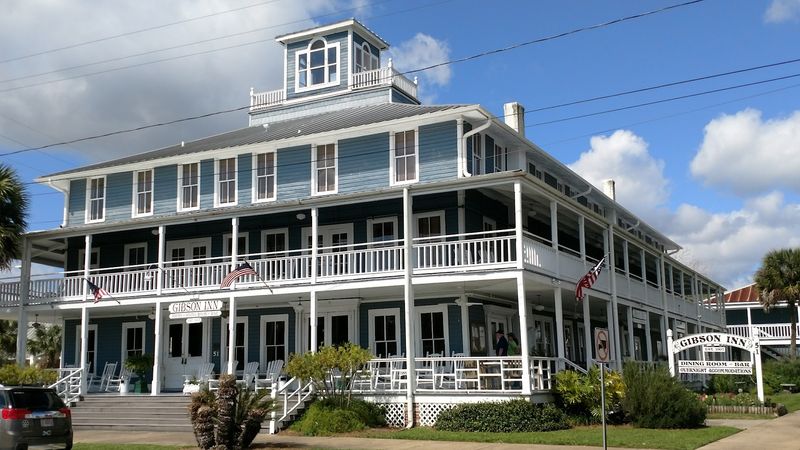
The Gibson Inn, a restored Victorian hotel on Avenue C, has welcomed travelers since 1907 and remains one of the most distinctive places to stay in the region.
Along Market Street, fresh oysters are still served daily, reflecting the clean, nutrient-rich waters of the bay. Apalachicola rewards those who take their time, with details that reveal themselves gradually as you move through its streets.
10. Stuart
Fishing isn’t just part of life here, it shapes the entire town. You feel it in the marina, along the river, and in the easy pace of the streets.
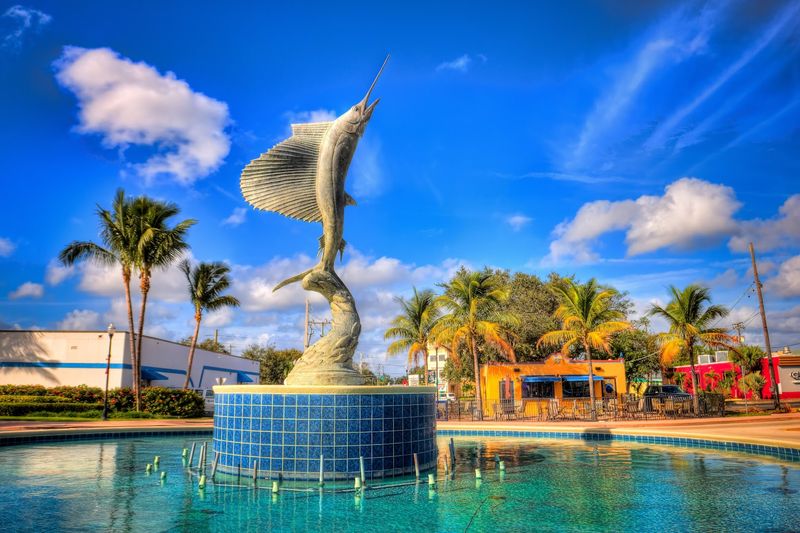
Stuart carries the nickname Sailfish Capital of the World, and the St. Lucie River running through town explains why that reputation holds strong.
Located in Martin County along the Treasure Coast, Stuart has a compact, walkable downtown that feels natural and lived-in rather than designed for crowds. Palm-lined streets, local restaurants, and independent art galleries reflect a creative community that gives the town its identity.
Flagler Avenue runs through the center, where benches sit under palm trees and small cafés open out onto the sidewalks. The Lyric Theatre, a restored 1926 venue on Flagler Avenue, continues to host live performances and stands as one of the oldest operating theaters in the region.
Along the waterfront, the St. Lucie River brings a steady flow of activity, with boat launches, riverside parks, and open views that keep the atmosphere relaxed throughout the year.
Just outside town, Jonathan Dickinson State Park offers more space to explore, with river tours, kayaking routes, and wildlife areas.
Stuart keeps things simple, and that steady, unforced character is what draws people in.
11. Sanibel Island
You don’t just walk the beach here, you look down the entire time. Every step feels like it might reveal something rare.
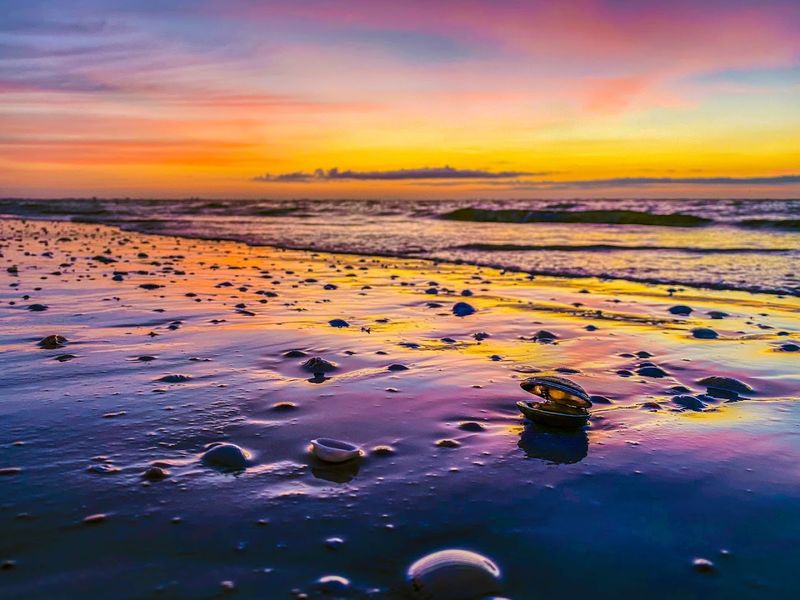
It turns a simple shoreline into something far more engaging. Sanibel Island is one of the few places in Florida where the beach itself becomes the main attraction, not for its size or color, but for what it leaves behind.
Its unique east-west shape causes shells to gather in remarkable quantities, and searching for them is so common that locals call it the Sanibel Stoop. The variety found along this Lee County shoreline draws collectors from across the country.
Beyond the beach, the J.N. Darling National Wildlife Refuge covers more than half the island, protecting a wide range of wildlife including roseate spoonbills, manatees, alligators, and migratory birds.
Wildlife Drive runs through the refuge and can be explored by car, bike, or on foot, with early mornings offering the best chance to see animals in motion.
The island keeps things simple, with no traffic lights and strict limits on building heights, which preserves its open feel and quiet pace. Shops and restaurants gather along Periwinkle Way, where everything moves at the same steady rhythm.
Sanibel rewards patience, whether you are searching the sand or watching the movement of wildlife around you.
12. Naples
It feels calm here in a way that’s hard to explain at first. The water is still, the sand is clean, and everything seems carefully kept without feeling forced.
It creates a setting that feels both refined and easy to enjoy. At Florida’s southwestern edge, where the Gulf of Mexico meets the outer reach of the Everglades, this coastal town takes on a character shaped by both water and wilderness.
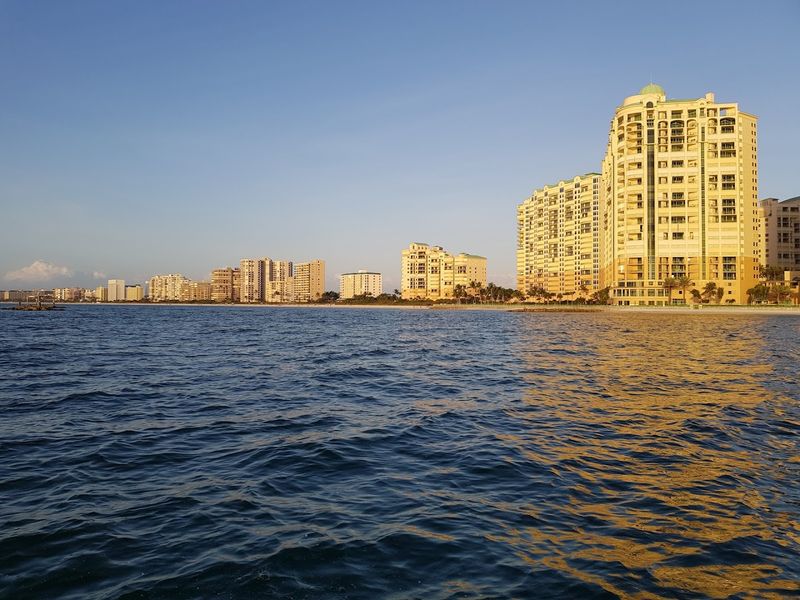
The beaches are wide, quiet, and well-maintained, with soft white sand and warm, gentle waves that make them ideal for swimming or long walks throughout the year.
Local planning has kept the shoreline in excellent condition, avoiding the overcrowded feel found in other parts of the state. The Naples Pier along 12th Avenue South remains the most recognized landmark, stretching into the Gulf and drawing people each evening for consistent, vivid sunsets.
It has been rebuilt over time but still serves as the central gathering point along the beach. Downtown along Fifth Avenue South brings a more polished feel, with boutiques, art galleries, and restaurants lining the street in an organized, walkable layout.
Nearby, Third Street South adds variety with outdoor dining and a weekly farmers market that gives the area a more local touch.
The town also works as a gateway to the Ten Thousand Islands and Everglades National Park, making it easy to move from a refined coastal setting into one of the most unique natural environments in North America.