The North Carolina Mountain Road That Rises Above 6,000 Feet And Feels Worlds Away
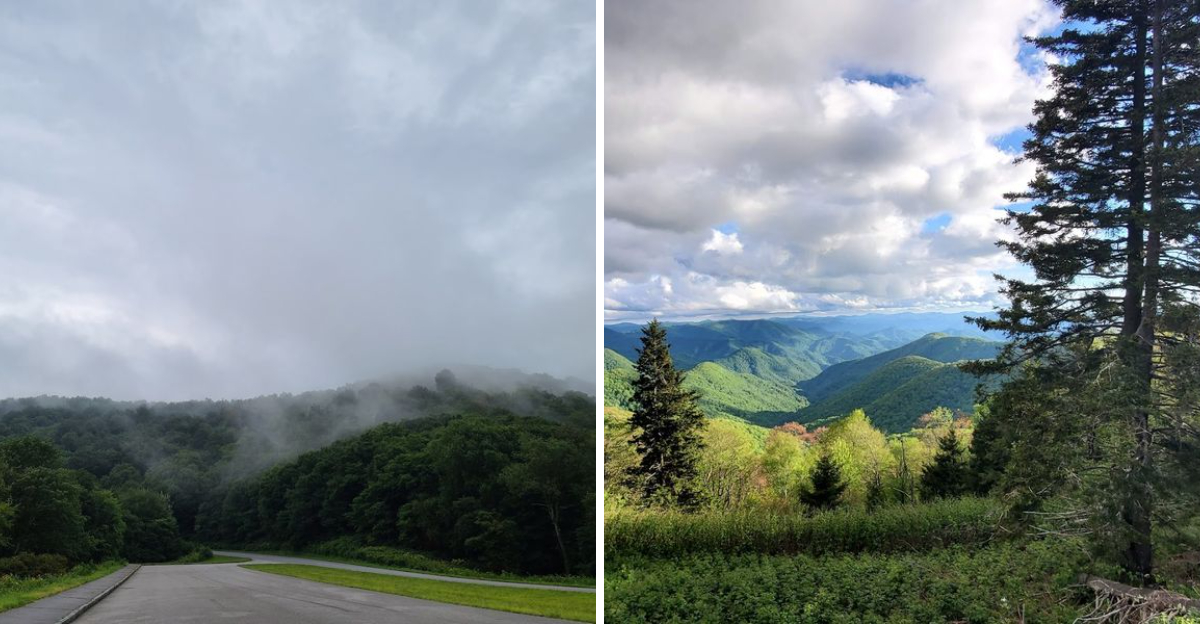
Some drives make you check the map, while this North Carolina climb makes you check whether the clouds are suddenly at eye level.
The road keeps rising until the world below starts looking like it quietly stepped out of the conversation.
At 6,053 feet, the overlook marks the highest drivable point on the entire Blue Ridge Parkway, which is a pretty bold way for pavement to show off.
No skyscrapers are needed here. No rooftop bar has to pretend it invented altitude.
Just mountain air, a sweeping view, and the strange little thrill of realizing your car did most of the climbing while you sat there feeling heroic.
Anyone craving that “top of the world” feeling can find it here without needing ropes, gear, or calves with a personal trainer.
You Haven’t Seen North Carolina Until You Climb This Parkway
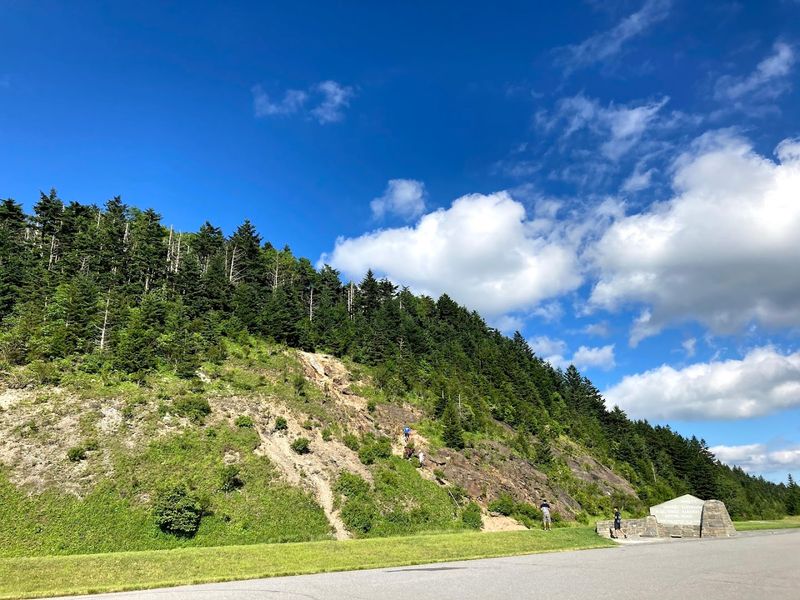
Long before the overlook sign appears, the drive begins changing character in ways that are hard to miss.
Curves tighten and ridgelines stack into the distance as the forest shifts from Southern Appalachian hardwoods toward a high-elevation spruce-fir landscape.
The National Park Service notes the area is named for its red spruce and Fraser fir, giving it a Canadian-like forest feel that sets it apart from the valleys below.
This is not just another pretty stretch of the Blue Ridge Parkway where everyone says “wow” once and keeps driving.
The climb makes the whole landscape feel edited by elevation. Air turns cooler, light filters differently, and the mountains begin looking less like scenery and more like layers of weather, rock, and forest stacked into the horizon.
Drivers should slow down, not only for safety but because this stretch rewards attention. A quick glance out the window is not enough.
Every bend seems to reset the view, and by the time the road reaches its highest point, North Carolina feels like it has quietly changed climates without asking permission.
Six Thousand Feet Makes The Drive Feel Serious
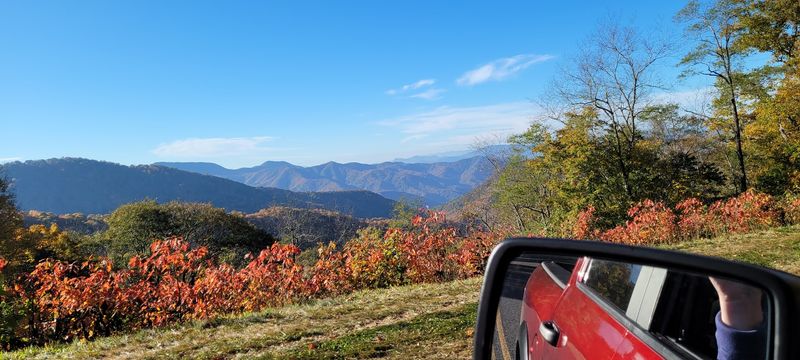
Passing the 6,000-foot mark on a paved mountain road gives the trip a satisfying sense of achievement, even for people who did nothing more athletic than steer carefully and remember to breathe.
Richland Balsam Overlook reaches 6,053 feet, and the National Park Service identifies that elevation as the highest point along the Blue Ridge Parkway motor road.
That number matters because it separates this stop from the usual scenic pullout. Plenty of overlooks offer pretty mountain views, but far fewer let visitors arrive by car at an elevation this high in the eastern United States.
The drive can feel especially dramatic for travelers coming from lower towns near Waynesville, Maggie Valley, or Canton, where the shift upward happens quickly enough to feel physical.
Ears may pop, the air can feel sharper, and temperatures often seem to belong to a different forecast than whatever was happening down below.
Motorcyclists, road-trippers, and weekend explorers all tend to treat the overlook with a little extra respect because the elevation makes the moment feel official. It is not a summit hike, and it is not a remote wilderness expedition.
Still, reaching this point by road feels serious in the best way, like the Parkway briefly decided to show off its highest card.
The Overlook Marks The Parkway’s Highest Road Point
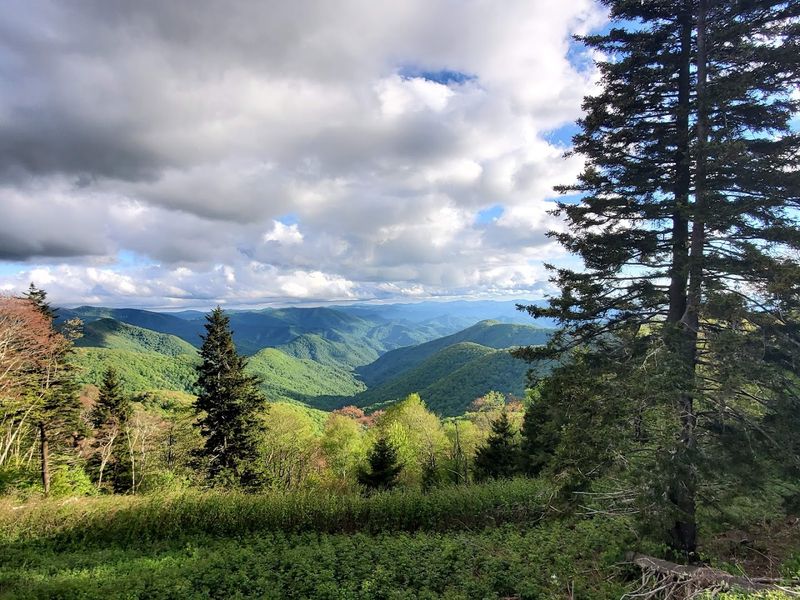
Reaching Richland Balsam Overlook feels like arriving at a milestone, not just another break in the guardrail. The marker at Milepost 431.4 identifies the highest elevation on the Blue Ridge Parkway motor road, and NPS materials confirm the road reaches 6,053 feet here.
That distinction is the reason so many drivers stop for a photo even when the weather is moody, the wind is brisk, or the clouds have decided to sit directly on the view. The sign itself is simple, but the bragging rights are clear.
This is the Parkway’s high point for cars, motorcycles, and anyone who prefers their mountain achievements with a parking area nearby. Visitors should avoid assuming the overlook is always reachable, though.
Closures can happen on the Parkway due to weather, maintenance, construction, or recovery work even though it’s open year-round. Checking current road conditions before driving is strongly recommended.
A clear day can make the stop feel triumphant.
A foggy day can make it feel mysterious. Either way, the overlook gives the drive a clear moment of arrival, where the numbers, road, and mountain all line up.
Spruce And Fir Trees Change The Whole Mood
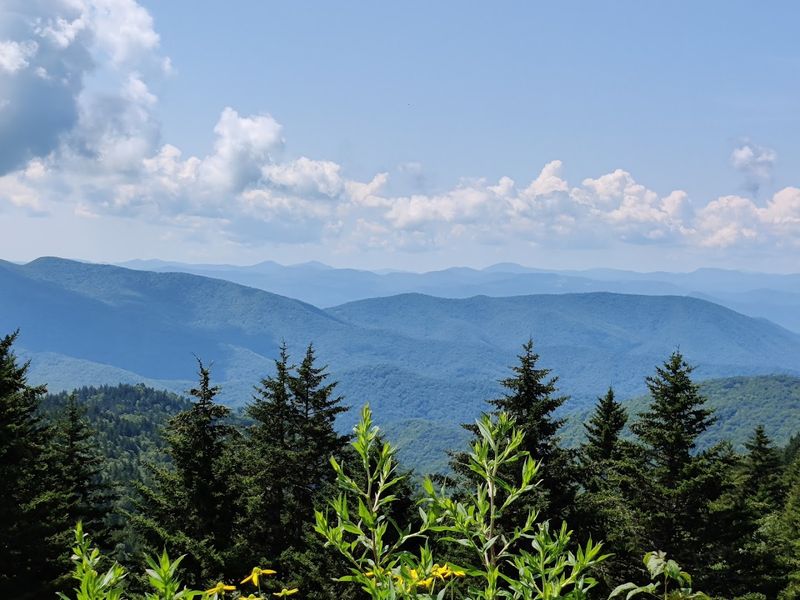
High-elevation forests give this part of the Parkway an atmosphere that feels cooler, darker, and more remote than many first-time visitors expect.
Around Richland Balsam, red spruce and Fraser fir begin to define the scenery, and the National Park Service explains that these trees are known locally as “he-balsam” and “she-balsam.” That forest shift is one of the reasons the drive feels worlds away without leaving North Carolina.
Lower-elevation hardwoods feel open, leafy, and familiar, while spruce-fir forest shifts into a denser, more northern atmosphere. Evergreen shadows, damp scents, and a hushed quiet make even a roadside stop feel deeper in the mountains.
This ecosystem also deserves careful wording because it is fragile.
NPS notes that the forest has been affected since the late 1970s by the balsam woolly adelgid, an invasive pest that has killed Fraser fir trees. That means the scenery is beautiful, but it is not untouched or invincible.
Visitors who notice dead snags, uneven stands, or changing forest structure are seeing part of a real ecological story. The mood may feel magical, but the place is also a living, stressed high-elevation habitat that makes the climb more meaningful than a simple viewpoint stop.
Cool Mountain Air Does The Bragging Here
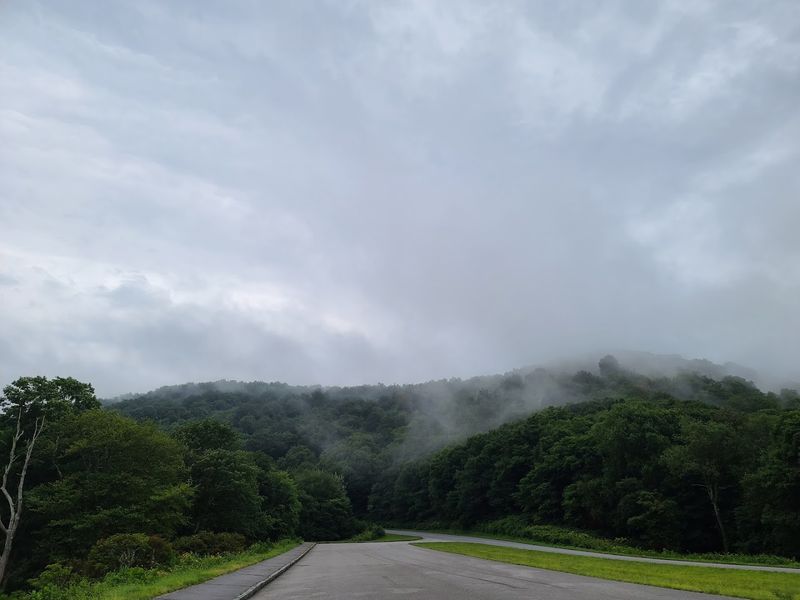
A jacket can feel unnecessary in the parking lot down below, then suddenly seem like the smartest person in the car near Richland Balsam.
At 6,053 feet, the Parkway’s highest motor-road point sits high enough for conditions to feel noticeably cooler, windier, and more changeable than nearby valleys.
The National Park Service specifically advises visitors to check area conditions before going, which is good guidance for any high-elevation Blue Ridge Parkway stop. That coolness is part of the appeal.
Summer heat loses some of its confidence up here, and even a short stop can feel like stepping into natural air conditioning with a mountain view attached.
The air often seems cleaner and sharper, partly because the elevation, forest, and exposure make the setting feel removed from ordinary roadside noise.
Visitors should bring layers rather than relying on whatever felt comfortable at breakfast in town. Wind, fog, passing showers, and temperature swings can change the experience quickly, especially late in the day or outside summer.
The overlook does not need flashy attractions to prove its height. The air handles that job quietly.
One open car door, one unexpected chill, and everyone understands that the road has climbed into a different kind of North Carolina.
The Views Make A Quick Stop Feel Bigger
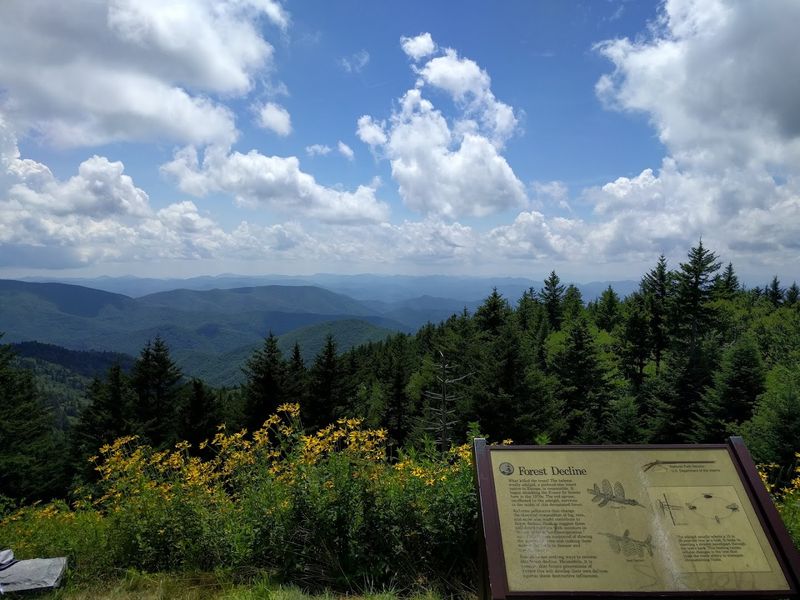
Plans to stop for five minutes at Richland Balsam often collapse the moment the view opens up. The overlook offers high Southern Appalachian scenery, and Virtual Blue Ridge notes that views from this area include the Cowee, Nantahala, and Plott Balsam ranges.
On clear days, the landscape seems to unfold in layers, with blue ridges fading into each other until distance becomes part of the view.
When clouds hang low, the whole scene can feel moodier and more dramatic, with ridgelines appearing, disappearing, and reappearing like the mountains are deciding how much to reveal.
That variety is part of what makes the stop so rewarding. A sunny afternoon, a fog-heavy morning, a frosty winter pullout, and a fall-color drive can all make the same place feel different.
Photographers get plenty to work with, but casual visitors do not need a camera to feel the scale. The parking area gives an accessible way to absorb a high-elevation perspective without hiking to a summit, which is one reason the stop draws such steady attention.
Staying longer than planned is not a failure of discipline here. It is a normal response to a view that makes a quick roadside pause feel strangely important.
Nearby Trails Add A Deeper Forest Detour
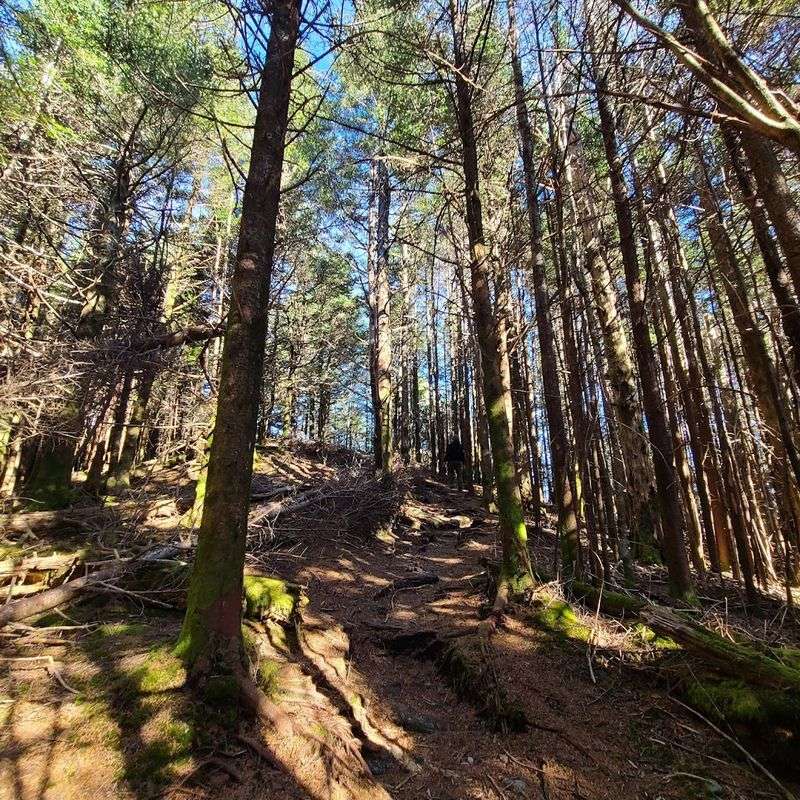
Anyone who wants more than the roadside marker can use the area as a gateway into the high-elevation forest, but the hiking details need to be kept accurate.
The Blue Ridge Heritage Trail describes Richland Balsam as a 6,410-foot mountain near Waynesville and says visitors can reach the summit on a 1.5-mile self-guided loop trail through spruce-fir forest.
That means the overlook marks the Parkway’s highest road point, while the nearby mountain summit rises higher and requires walking. The summit hike offers a deeper look at the same cool, evergreen ecosystem that makes the drive feel unusual.
It is relatively short, but elevation, roots, mud, weather, and uneven footing can still make it feel more serious than the mileage suggests. Visitors should wear sturdy shoes and avoid treating it like a casual sidewalk stroll, especially after rain or during chilly, foggy conditions.
The reward is not a huge open summit panorama in the way some hikers might expect. Instead, the appeal comes from entering the dense spruce-fir forest and feeling how different the upper mountain environment is from the parking area.
For travelers with time and decent footing, that short detour adds texture to the whole high-point experience.
Weather Can Change The Plan Fast Up Here
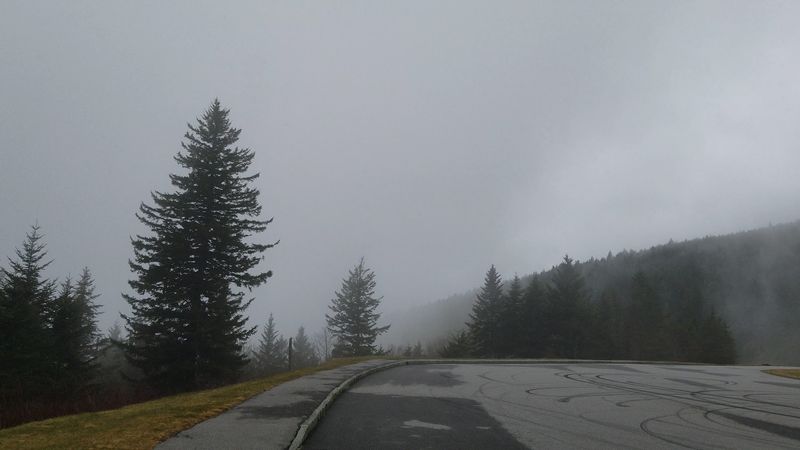
Blue sky at the bottom of the climb does not guarantee blue sky at 6,053 feet, and Richland Balsam seems to enjoy reminding visitors of that fact. High-elevation Parkway weather can change quickly, with fog, wind, rain, cold snaps, and low clouds altering both visibility and road conditions.
The National Park Service tells visitors to check conditions before visiting Richland Balsam, while the Parkway road-closure page tracks closures tied to maintenance, construction, weather, and ongoing recovery projects.
That practical step matters because this stretch is not just a scenic drive; it is a high mountain road where conditions can affect safety and access.
Fog can erase views within minutes, wet pavement can make curves feel more demanding, and winter weather may close sections of the Parkway altogether. Flexible expectations help.
A clouded-in overlook is not automatically a wasted trip, because mist moving through spruce-fir forest can make the scene feel wilder and more atmospheric than a perfectly clear day.
Still, drivers should bring layers, watch road conditions, avoid rushing curves, and have a backup plan if closures appear.
Richland Balsam’s drama comes partly from its height, and height always brings a little unpredictability with it.