The Overlooked Idaho Town Where Retirement Dreams Can Still Start Around $300,000
Retirement does not have to mean chasing the same famous towns everyone else already knows.
In eastern Idaho, one farm-country community still offers the kind of slower pace that can make everyday life feel wonderfully manageable.
The streets stay easy to navigate, errands do not eat up the afternoon, and the Snake River Plain keeps the scenery feeling wide open.
Housing can also look surprisingly approachable compared with many better-known retirement destinations, which immediately makes this place more interesting.
I like towns where the appeal feels practical rather than polished for visitors. You can settle into a quieter routine without feeling cut off from larger cities nearby.
For retirees watching both lifestyle and budget, this overlooked corner of the state deserves attention.
A Home Budget Near $300,000 Can Still Open Doors Here
Sticker shock has become the default reaction to house hunting almost everywhere, which makes the numbers in this farm town feel like a pleasant surprise.
Over the three months ending August 2026, Blackfoot’s median sale price was about $329,000, while current listings still include numerous homes below $300,000.
Recent examples tell the story well: a three-bedroom, two-bath house at $289,000, and a two-bedroom, one-bath farmhouse on 0.70 acres for $295,000, complete with room for raised garden beds and a fruit tree or two.
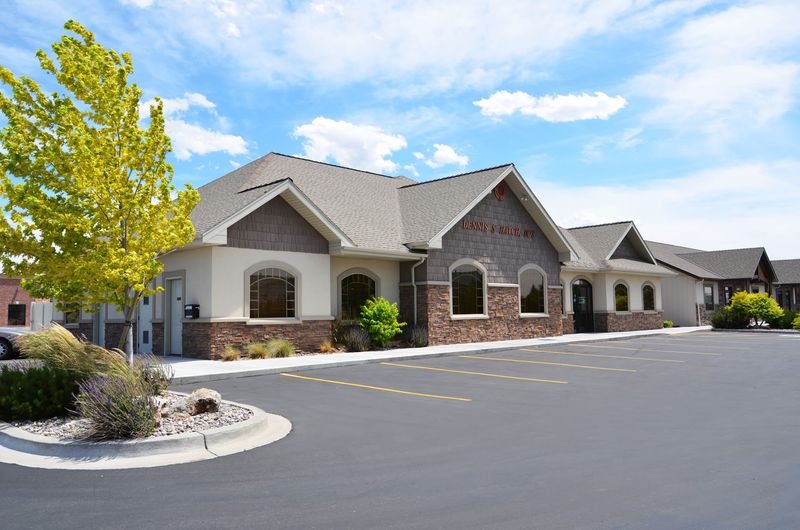
Retirees who have watched prices climb elsewhere often find that a budget in this range still buys a yard, a garage, and quiet evenings in Blackfoot, ID 83221.
A 2026 modeled cost-of-living index places Blackfoot housing about 19% below its national benchmark. Instead of pouring savings into a mortgage, buyers can set money aside for travel, grandkids, or a kitchen remodel.
Idaho instead offers targeted property-tax relief, including a 2026 reduction program for qualifying homeowners age 65 and older.
Shop in early spring, when farm-country listings tend to appear before summer buyers arrive. Bring a contractor along to inspect older farmhouses, since well systems and roofs deserve a close look.
Blackfoot Keeps Everyday Errands Refreshingly Close To Home
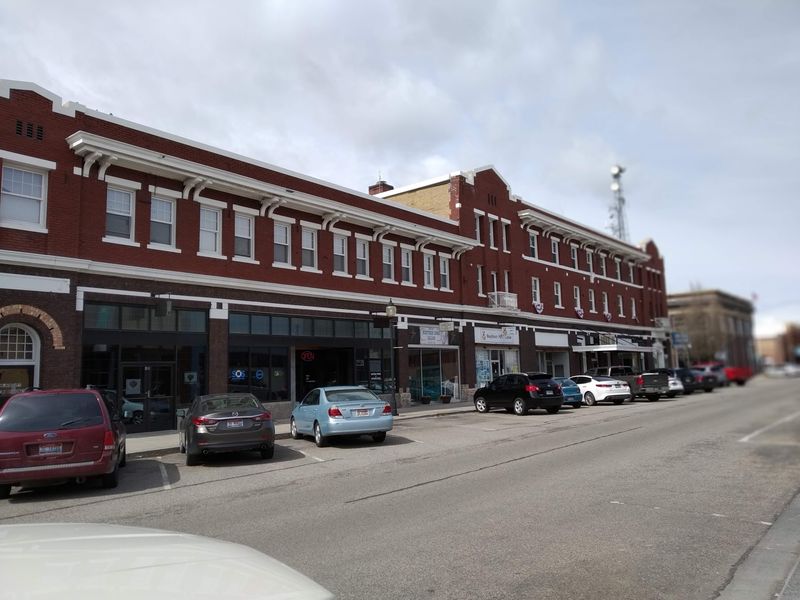
Blackfoot’s compact footprint keeps many everyday services within a relatively short drive of one another.
Produce bins at Kesler’s Market draw a steady stream of regulars who know exactly which aisle holds the local potatoes and which counter cuts the freshest meat.
The market sits at 925 W Bridge Street, a short drive from the sprawling Walmart Supercenter where bulk staples and household basics fill a cart in one stop.
Prescriptions rarely become a chore either. Ridley’s Pharmacy at 1295 Parkway Blvd handles refills, and the Community Family Clinic Pharmacy offers another nearby option for anyone juggling several medications.
Medical care follows the same pattern of convenience.
Community Family Clinic, at 1491 Parkway Drive, provides primary care appointments close to home, while 1st Choice Urgent Care and Family Medicine covers sprained ankles, sore throats, and other same-day worries.
For retirees, that compact layout matters more than it might sound. Fewer miles behind the wheel means less winter driving, lower fuel costs, and more hours left for things that are actually fun.
Errands finished by mid-morning leave the rest of the day wide open for a walk, a library visit, or coffee with a neighbor.
Jensen Grove Gives Retirees Two Miles Of Waterside Greenbelt To Explore
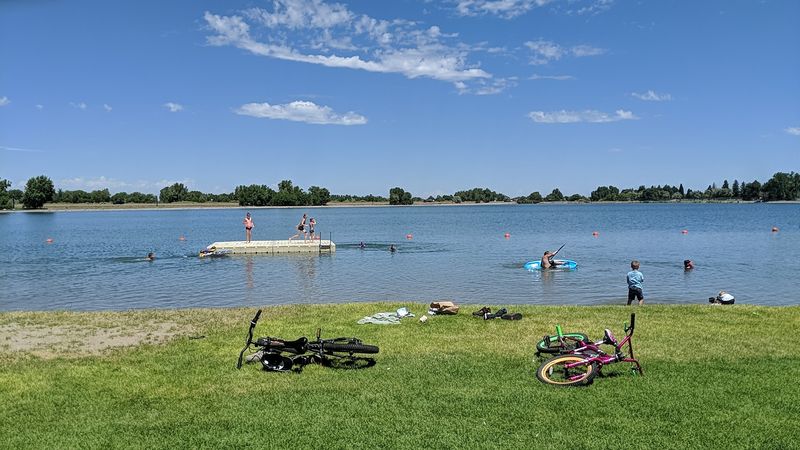
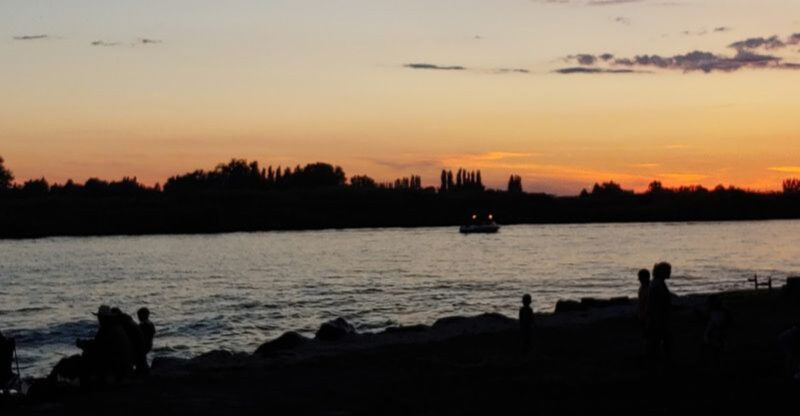
Morning light skims the surface of Jensen Lake, and the paved loop around it fills with walkers, strollers, and cyclists moving at an unhurried pace.
The circuit runs about two miles, flat enough for daily laps and long enough to feel like real exercise.
The park spreads across 35 acres, with the lake itself covering 55 acres of open water. Summer brings swimming, boating, fishing, and water-skiing to the 55-acre lake.
Picnic tables, playgrounds, and broad lawns make the grounds easy to share with visiting grandchildren. Pack sandwiches, a thermos of lemonade, and a blanket, then claim a spot near the water for an afternoon that costs almost nothing.
Jensen Grove also connects to the Greater Blackfoot Area Greenbelt, a multi-use paved trail system that links neighborhoods and stretches toward views of the Snake River.
Winter turns the same route into a crisp, quiet walk, with frost outlining the reeds and few other footprints ahead of you, so sturdy shoes earn their keep.
Early evening may be the sweetest hour, when the breeze softens, geese settle on the water, and the path glows in low gold light.
Eleven City Parks Create Plenty Of Reasons To Get Outside
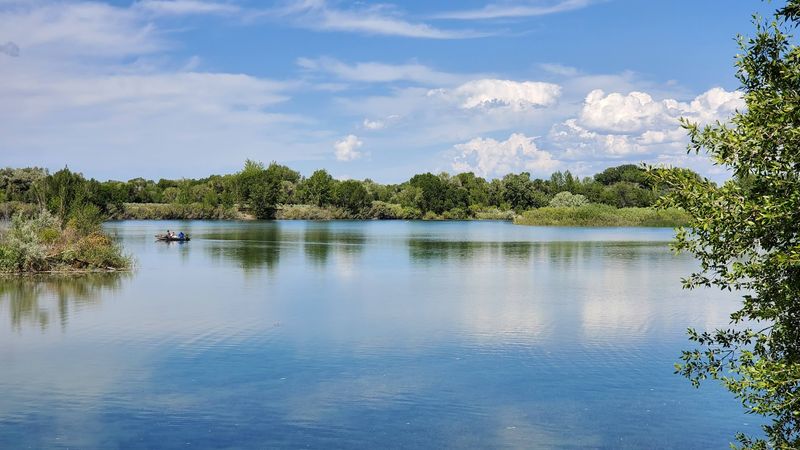
Green space shows up in unexpected pockets across town: a shaded block near a quiet street, a ball field beside a school, a pond ringed with cattails. City-maintained parks give residents a whole rotation of outdoor options instead of one default destination.
Just outside Blackfoot, Bingham County’s Rose Park adds a 40-acre fishing lake and public indoor and outdoor archery ranges.
Nearby county parks widen the choices further. Moreland Park, a short drive west, offers picnic shelters, softball fields, playground equipment, and ponds that reward patient fishing, a familiar scene in rural Idaho.
What makes this variety useful for retirees is simple: different days call for different moods. A slow walk under old trees suits one morning, while a family barbecue with horseshoes and a cooler of watermelon suits the next.
Shade can be scarce in midsummer, so early mornings and late afternoons are the most comfortable windows for a longer visit.
Bring a folding chair, a hat, a water bottle, and a bag of birdseed if you like company. Ponds, lawns, and open spaces also create opportunities for casual birdwatching.
A Local Golf Course Adds An Easygoing Option For Active Days
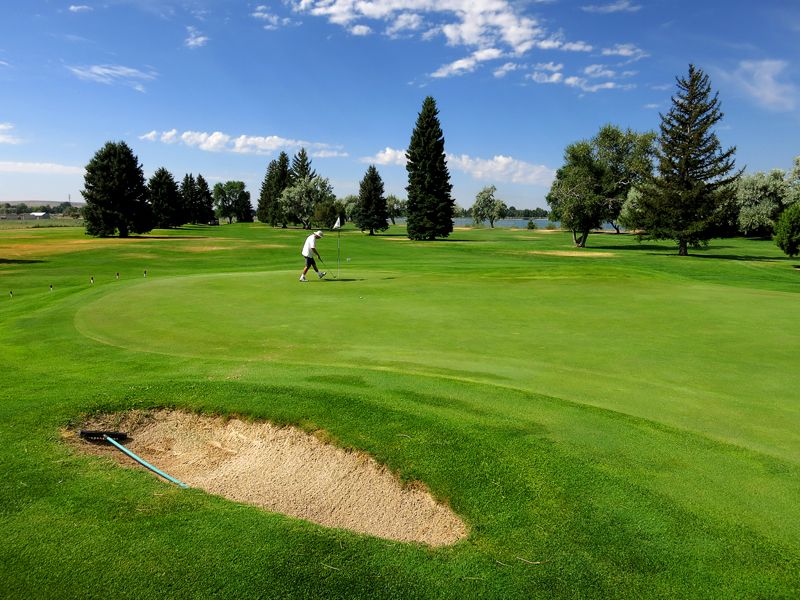
Designed by George Von Elm, Blackfoot Golf Course is an 18-hole public course running alongside the Snake River. The front nine opened in 1960, and the back nine was completed in 1980.
Numbers for the scorecard: 18 holes, par 72, and 6,732 yards of fairway. Small greens and thoughtfully placed bunkers keep the challenge honest, though the layout stays friendly enough for casual players working on a steady swing.
You will find the course at 3115 Teeples Drive, an easy drive from most neighborhoods in town.
The 11th hole gets most of the attention. A signature par 4, it bends around a pond and opens up glimpses of the Snake River beyond, which makes even a mediocre approach shot feel worthwhile.
Walkers are welcome, and power carts are available for anyone who prefers to ride, so a round can be as much exercise or as much leisure as you want.
That flexibility is one reason southeastern Idaho retirees keep tee times on their weekly calendar.
Early tee times bring cool air, dew-soft grass, and open fairways, plus a good chance of spotting hawks circling overhead. Tuck an extra sleeve of balls in the bag before the water holes.
Downtown Offers Small-Town Convenience Without Feeling Cut Off
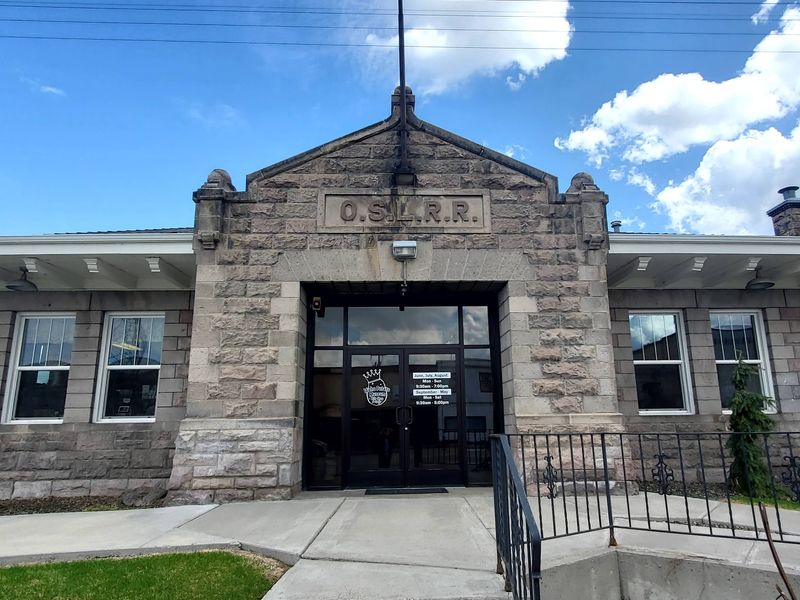
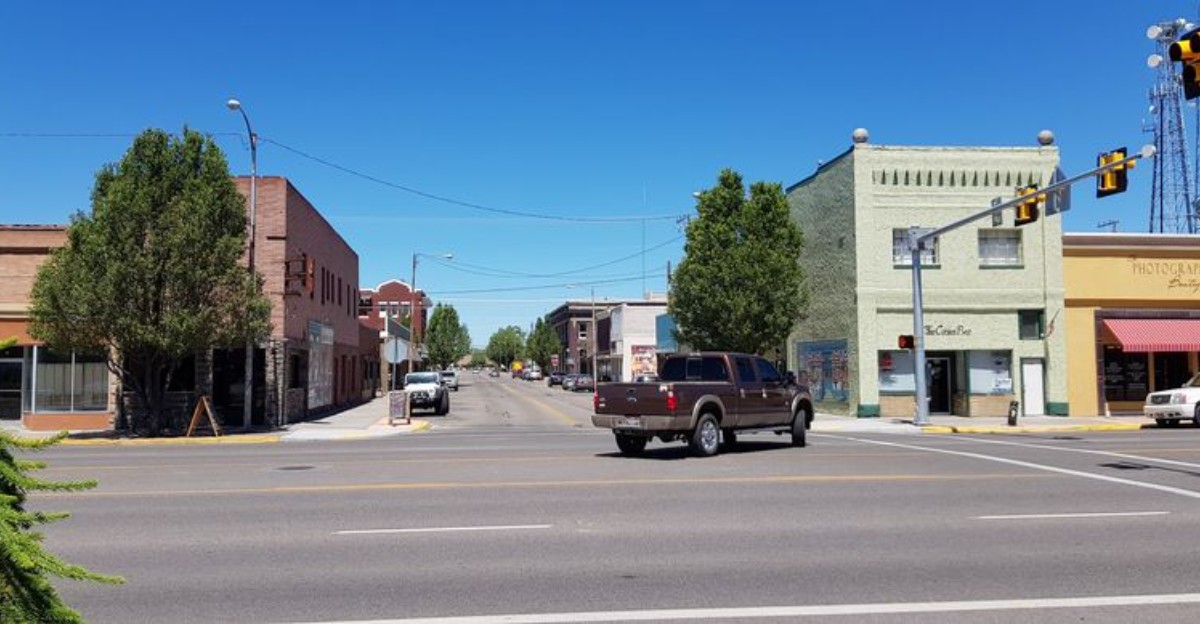
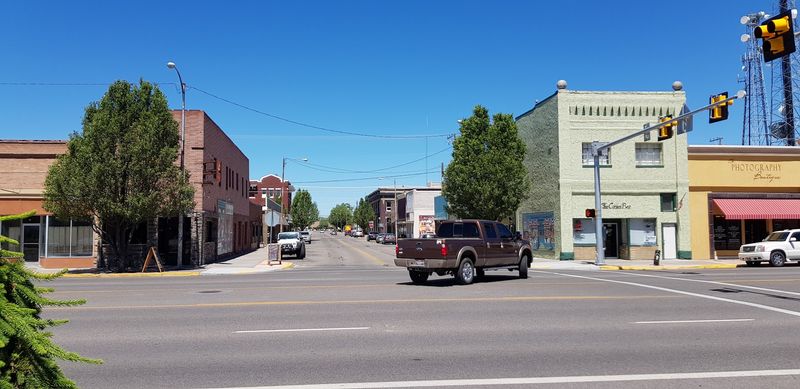
Brick facades from the early 1900s still line Main Street, and their tall windows now frame everything from gift shops to lunch counters.
Wide sidewalks invite slow window shopping, the kind where you end up chatting with a shopkeeper about the weather.
Hungry visitors have honest choices. Rupe’s Burgers builds thick, griddle-seared patties and shakes that need a spoon before a straw.
A barbecue kitchen nearby smokes meat until the edges turn dark and tender, while Tommy Vaughn’s Grill plates hearty international dishes and keeps a quieter dining section for guests who prefer calm conversation.
Anchoring it all is the Idaho Potato Museum, housed in a handsome former train depot. At Idaho Potato Museum & Potato Station Cafe, the cafe continues the theme with baked potatoes, fries, potato cupcakes, and other potato-based treats.
Downtown wakes up further each September during the Eastern Idaho State Fair, when parades, concerts, and carnival lights fill the streets with crowds and the smell of fried dough.
The Idaho Potato Museum provides its own parking, including ADA access and room for larger vehicles.
Idaho Falls And Pocatello Are Both Close Enough For Bigger-City Needs
Two mid-sized cities sit within a half hour in opposite directions, which quietly solves the biggest worry about small-town living. Idaho Falls is roughly 29 miles north, and Pocatello is about 34 miles south.
Heading north opens up a full day of options.
The River Walk follows the Snake River past the falls themselves, the zoo at Tautphaus Park keeps visiting grandkids busy, and the Museum of Idaho pairs science exhibits with regional history.
A senior citizens’ community center there hosts card games, classes, and social gatherings for anyone looking to meet new friends.
Southbound trips have a different flavor. Edson Fichter Nature Area offers easy walking paths and good birdwatching, the Museum of Clean surprises nearly everyone who walks in, and local theater companies and performing arts groups keep the calendar full through the colder months.
Specialists, airport connections, big-box shopping, and concert nights all become day trips rather than expeditions. Carpooling with neighbors makes those errand runs even cheaper.
Practical tip: watch the weather between November and March, since blowing snow across open farmland can slow the highway.
On clear days, though, the drive delivers wide views of the Snake River Plain and distant mountain ridges.
Why Blackfoot Could Make Retirement Dollars Stretch A Little Further
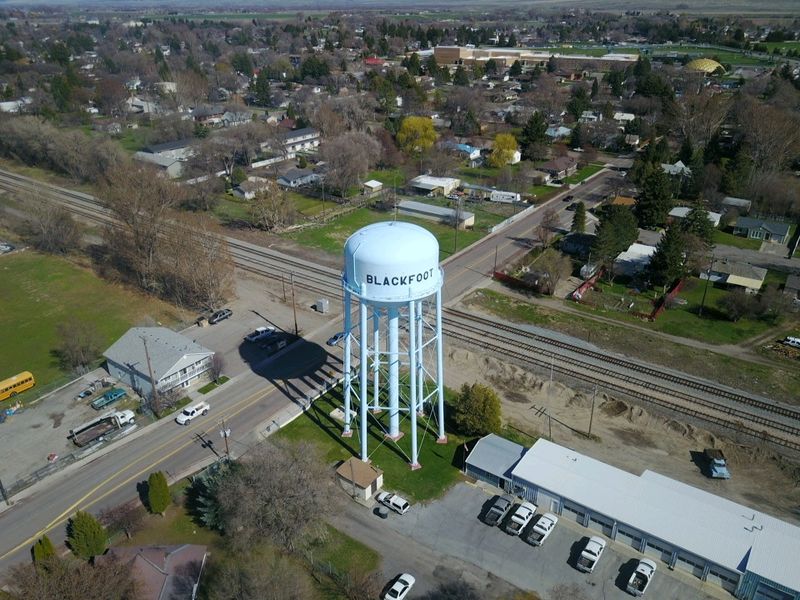
Math tends to decide retirement plans, and the math here leans in a retiree’s favor.
One 2026 modeled index places Blackfoot’s overall cost of living about 4% below the national benchmark and 3% below Idaho’s, with housing about 19% lower than the national figure.
Taxes add to the advantage. Idaho generally does not tax Social Security income, and qualifying homeowners age 65 or older can receive property-tax relief under income-based rules.
Full-year residents can also qualify for the state’s food tax credit.
Everyday spending follows the same pattern. Housing is the clearest area of savings in that model; groceries run about 4% above the national benchmark and healthcare about 1% above it.
Lower housing costs may help a fixed budget, but actual retirement expenses still depend on healthcare, transportation, taxes, and the home a buyer chooses.
Beyond the numbers sits something harder to price: a farming community along the Snake River Plain where neighbors wave, the fair comes to town every fall, and the horizon stays open in every direction.
For anyone comparing options, the combination is rare. A home near $300,000, short errands, waterside walking paths, and bigger cities within easy reach add up to a retirement that feels comfortable rather than stretched thin.