The Overlooked State Park In Connecticut You’ve Likely Never Heard Of
A quiet trail can be more memorable than a crowded overlook, especially when the landscape carries traces of another era.
Few visitors realize that Connecticut has a riverside state park where old foundations sit beside peaceful walking paths.
The grounds once served a very different purpose, and small reminders remain beneath the trees. Paved stretches lead through open fields, while wooded routes draw closer to the water.
Nothing feels polished or overly planned. That is part of the appeal.
You can follow the river, notice the remains of former gathering spaces, then continue toward a neighboring park through connected trails. The scenery feels calm without becoming dull.
Birdsong fills the quieter sections, and the broad fields give the sky plenty of room.
Seasonal changes bring out new details. Summer adds deep shade, while fall makes the riverbanks especially striking.
It is an overlooked place with a past still visible, but nature now tells most of the story.
1. Salmon River Views Define The Park
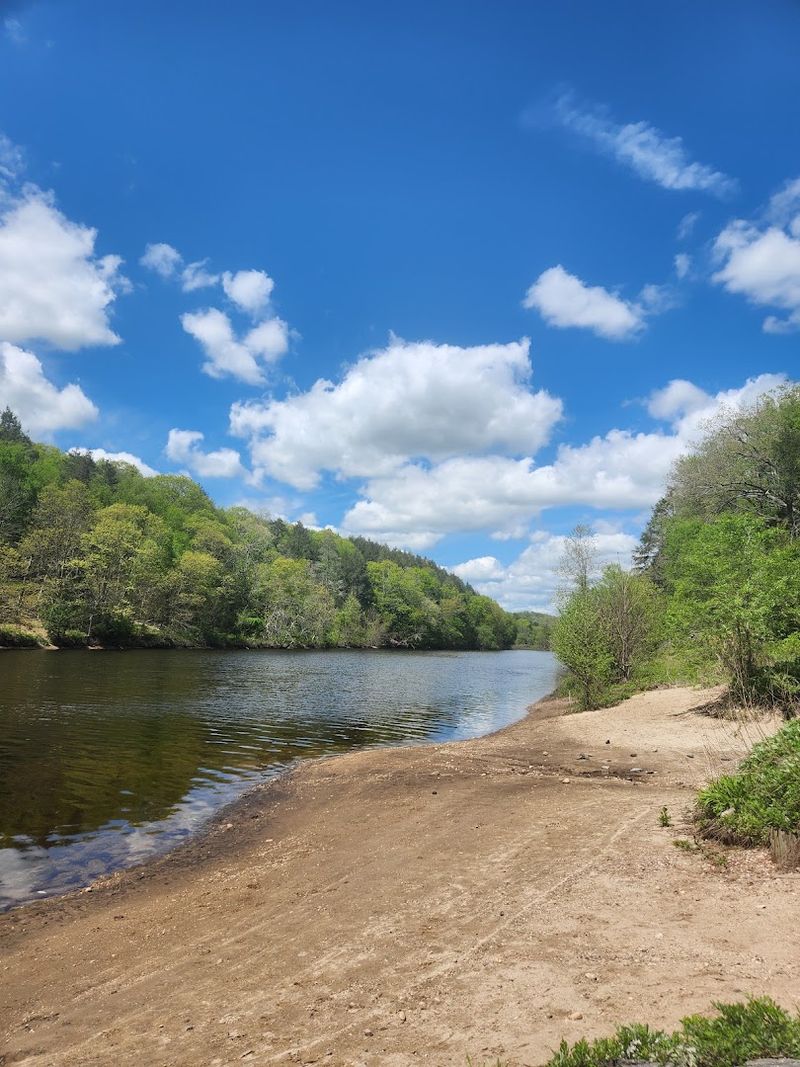
River views shape nearly every corner of Sunrise State Park, where more than 4,700 feet of Salmon River frontage creates a peaceful setting for walking, paddling, fishing, and slowing down.
The water follows the park’s western edge, giving visitors long stretches of shoreline to enjoy rather than a single overlook or brief glimpse.
Canoes and kayaks can be launched from designated access points, making it easy to trade the trails for a trip on the river. Back on land, the sound of moving water carries through the trees and adds a calm rhythm to nearby paths.
Different viewpoints reveal both the Salmon River and Salmon River Cove, so the scenery shifts as visitors explore farther into the park.
Fishing brings another relaxed way to spend time along the water. Calm sections invite patience, while wooded banks create plenty of spots to pause and watch the current pass.
Even a simple walk can turn into a longer visit once the river comes into view.
Sunrise State Park feels especially rewarding when the goal is not to rush. Between the shoreline, paddling access, wooded trails, and broad water views, the river remains the park’s defining feature and its strongest reason to linger.
2. Wooded Trails Follow The Former Campgrounds
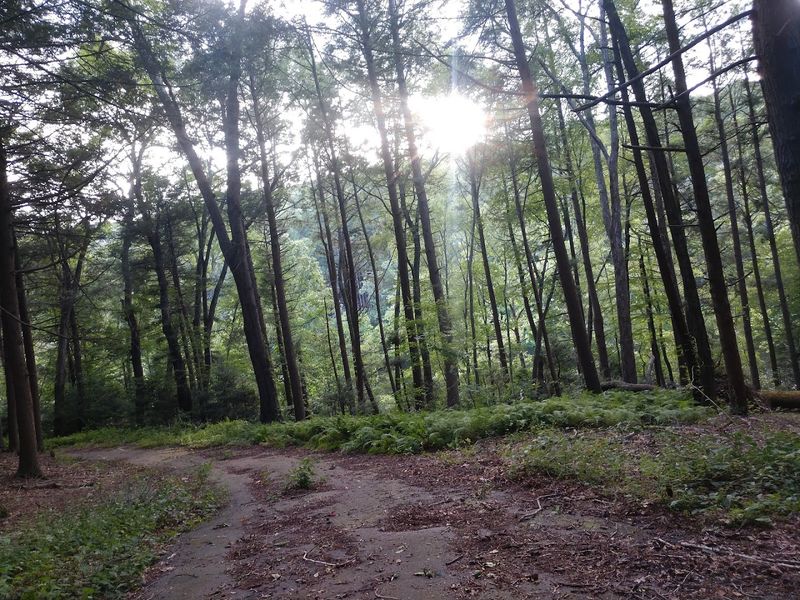
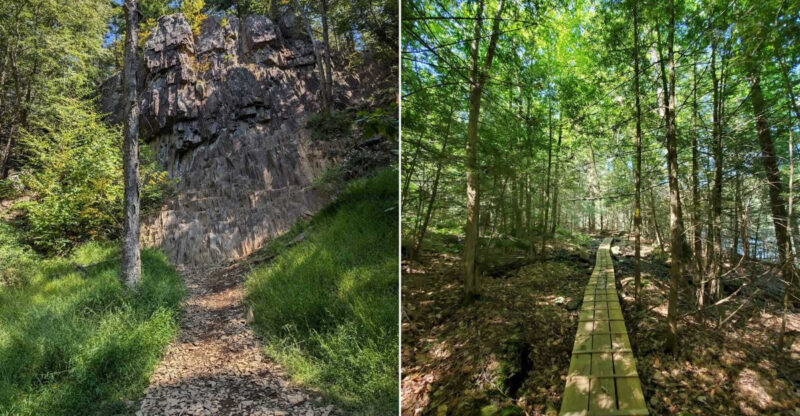
Old paved roads from the resort era now serve as some of the most interesting walking routes in the park, cutting through dense woodland and offering a surface that feels different from a typical dirt trail.
These former roads hint at the infrastructure that once supported a full resort operation, and walking them gives a subtle sense of moving through something that used to be much busier.
The terrain shifts between flat stretches and hillier sections depending on which path a visitor chooses.
Beyond the old paved routes, less defined dirt trails branch off into quieter wooded areas where the forest feels more enclosed and undisturbed.
The network of paths throughout the 146 acres allows for a range of distances and difficulty levels, making the park accessible to casual walkers and more committed hikers alike.
Trail markings are generally present and help with navigation through the more complex sections.
Activities like mountain biking, horseback riding, snowshoeing, and cross-country skiing are all possible along these wooded routes as the seasons change. The variety of uses keeps the trails feeling purposeful year-round rather than just functional during warmer months.
Each visit can feel slightly different depending on the season, the light, and which direction a visitor decides to head.
3. Open Fields Reveal The Site’s Past
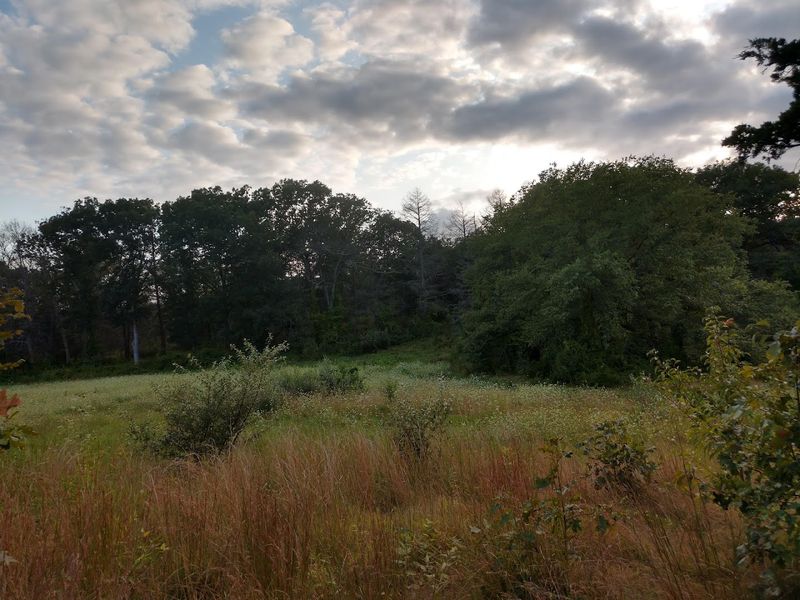
Wide fields and scattered traces of an old vacation resort give Sunrise State Park a character unlike most outdoor spaces. For 92 years, the property welcomed summer guests before the resort closed in 2008.
The state later transformed the land into a public park, removing more than 80 aging buildings in 2013 and filling the former swimming pool.
What remains is subtle but fascinating. Faded sections of basketball and tennis courts still break through the grass, while foundations, paved patches, and open clearings hint at cottages, recreation areas, and gathering spaces that once filled the grounds.
Nature has softened many of those edges, weaving tall grass, wild plants, and young trees through a landscape once carefully arranged for vacationers.
That contrast makes the fields especially interesting to explore. One moment feels like a peaceful park visit, and the next reveals another clue from the property’s earlier chapter.
Picnic areas offer an easy place to pause, unpack lunch, and take in the unusual mix of history and open scenery under open skies.
Sunrise State Park does not present its past through polished displays. Instead, visitors piece the story together from what remains, making every walk feel a little like a discovery.
4. Old Foundations Hide Among The Trees
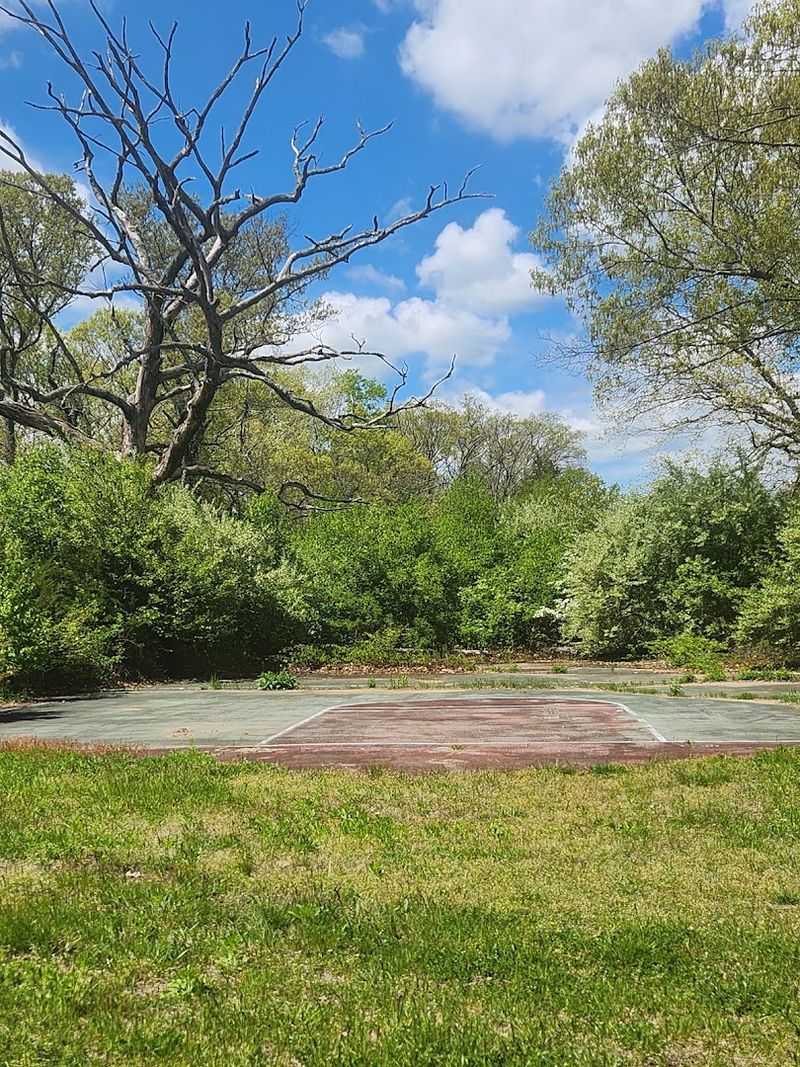
Scattered through the wooded sections of the park, old foundations from former resort buildings sit quietly beneath layers of leaves and new growth.
Finding them while walking the trails feels less like a planned discovery and more like a gradual realization that the forest floor is not entirely natural in some spots.
These remnants are concrete evidence that hundreds of guests once moved through this exact landscape during the resort’s peak years.
A handful of the original structures still stand, though most were demolished in 2013. The ones that remain are boarded up and used by the state for storage, which gives certain corners of the park an atmosphere that visitors sometimes describe as resembling a ghost town.
The silence around these structures tends to feel heavier than the silence in other parts of the park, which adds to the overall mood.
Exploring these areas works best at a slow pace, with attention paid to changes in the ground surface or shifts in the tree line that might signal where a building once stood.
The foundations do not call attention to themselves, which makes finding them feel genuinely rewarding rather than staged.
For anyone drawn to the intersection of history and nature, this layer of the park offers something that most state parks simply cannot match.
5. Quiet Paths Connect With Machimoodus
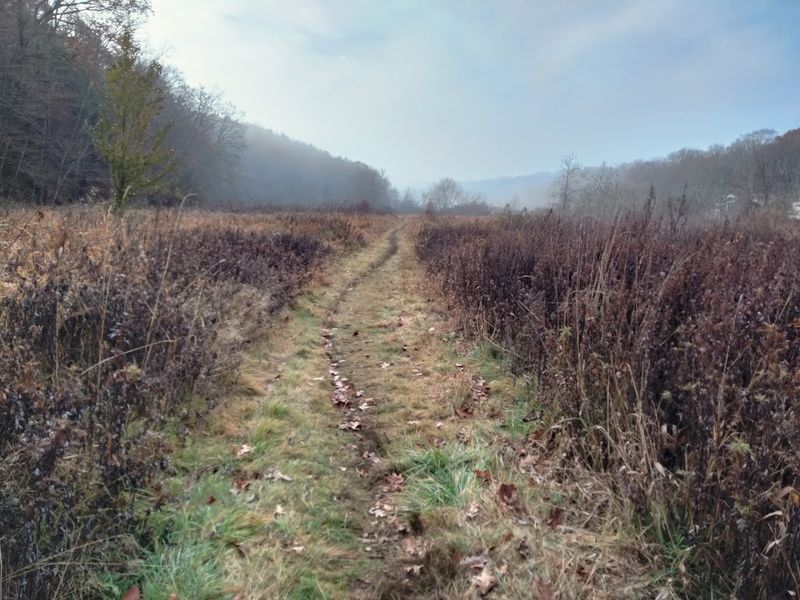
A trail running directly from Sunrise State Park connects to the neighboring 300-acre Machimoodus State Park, allowing visitors to move between the two areas without returning to a parking lot or road.
That connection turns what might be a modest outing into a more expansive exploration, covering a combined landscape that feels remarkably varied for its size.
The transition between the two parks is gradual and natural, with the trail weaving through continuous forest.
Machimoodus State Park adds its own character to the experience, offering 4.5 miles of old farm roads along with opportunities for hiking, fishing, picnicking, horseback riding, and birdwatching.
The name Machimoodus itself translates to “the place of bad noises,” a reference to the microearthquakes historically felt in the area that produced unusual sounds and understandably puzzled early settlers.
That piece of history gives the combined visit an extra dimension worth knowing before heading out.
Parking at the Machimoodus lot is limited and smaller than the Sunrise lot, so most visitors find it easier to start at Sunrise and walk over.
The trail between the two is well-traveled enough to follow comfortably but quiet enough that the surrounding sounds of birds and moving water tend to dominate.
Together, the parks create a natural corridor that rewards anyone willing to spend a full morning or afternoon exploring both.
6. Riverside Scenery Changes With The Seasons
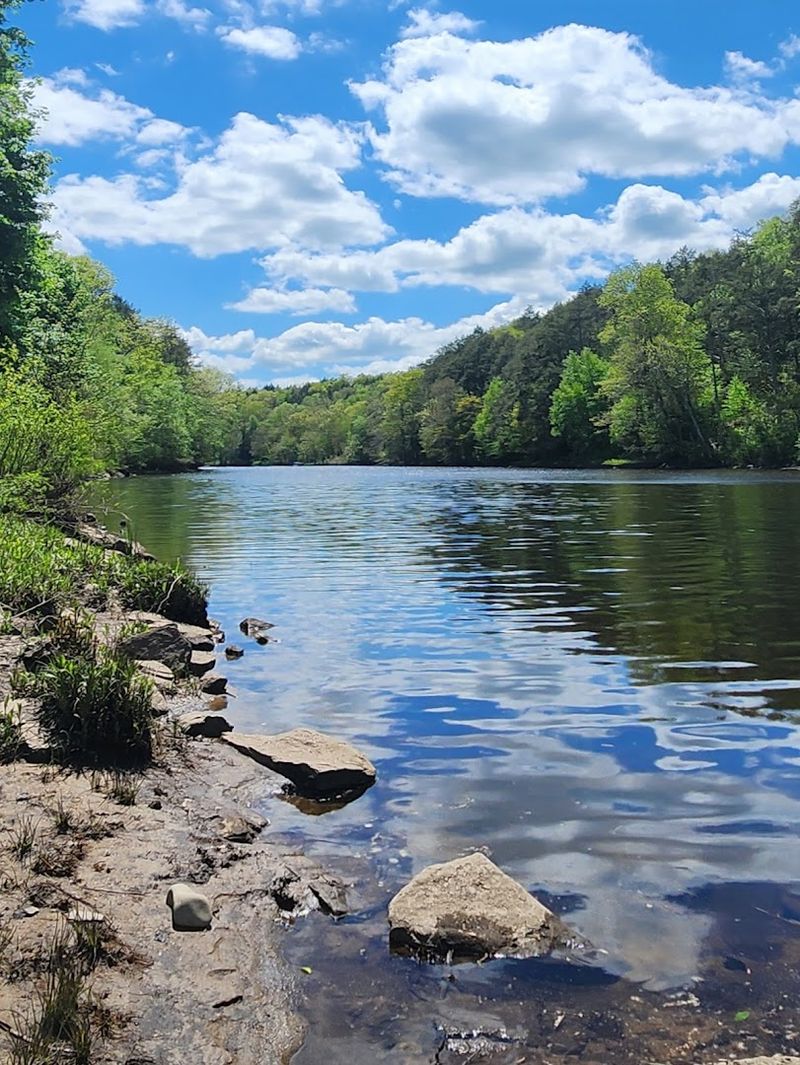
Seasonal changes give Sunrise State Park a completely different personality every few months, especially along the Salmon River. Spring opens the views before the trees fill in, revealing more of the shoreline and surrounding hills.
Fresh greenery, cooler air, and stronger water flow after wet weather make early visits feel crisp and energetic.
Summer brings deep shade to the riverside paths as the canopy thickens overhead. The park feels cooler near the water, and calmer stretches of the river invite kayaking or an easy paddle when conditions cooperate.
Long afternoons are ideal for wandering between overlooks, pausing near the bank, and watching sunlight flicker across the surface.
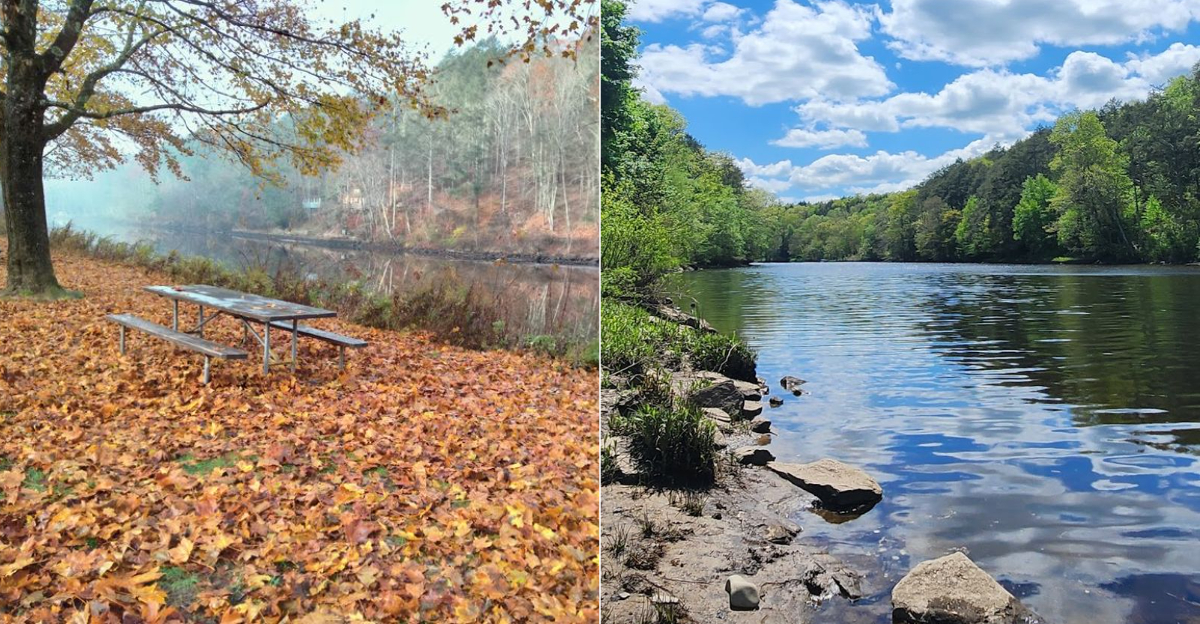
Autumn delivers the biggest visual show. Gold, orange, and red leaves frame the river, while reflections spread the color across Salmon River Cove.
It is an easy season to slow down, take photos, and explore beyond the first viewpoint.
Winter reveals shapes hidden during warmer months. Bare branches open broader sightlines, light snow brightens the trails, and ice may gather along the river’s edges during cold spells.
Cross-country skiing is another option when snowfall allows. No single season owns the scenery here, which makes Sunrise State Park worth revisiting throughout the year.
Each return visit highlights details that were easy to miss before.
7. Birdsong Replaces The Crowds Of Earlier Years
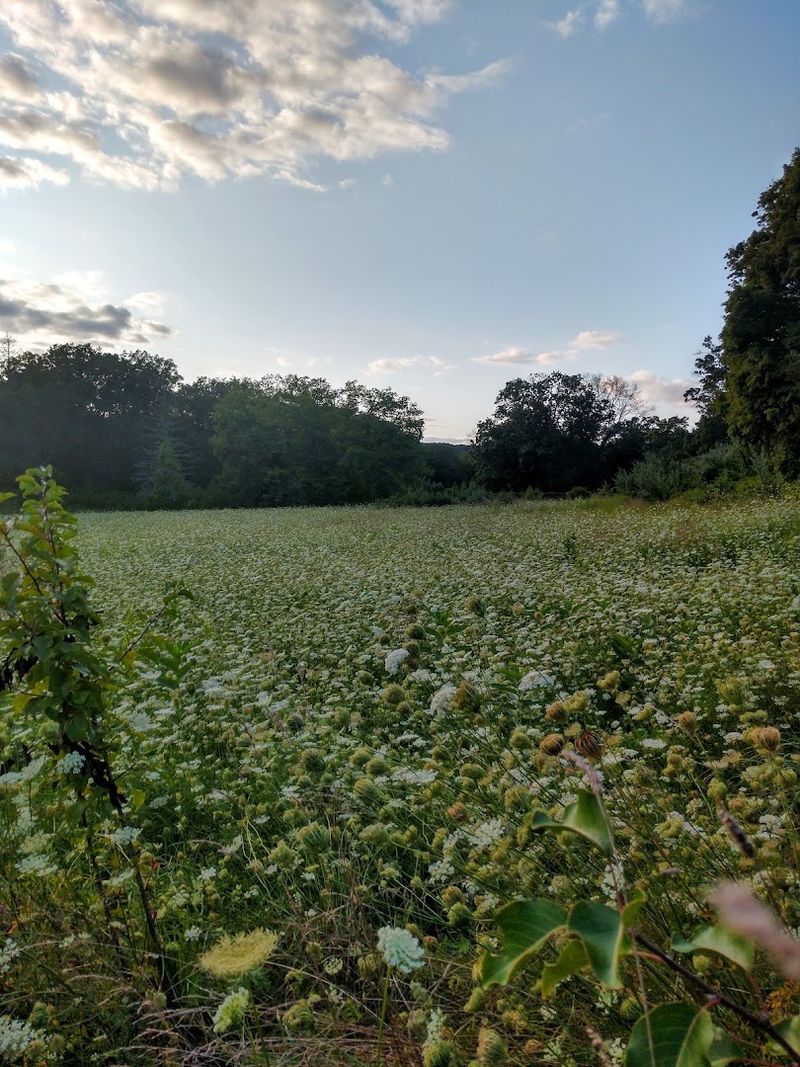
Where resort guests once filled the grounds with conversation and activity, birdsong now sets the tone at Sunrise State Park.
The relative quiet of the park makes it easier to hear what is actually present in the landscape, and the variety of species that pass through or reside here gives birdwatchers a genuinely rewarding reason to visit.
Bald eagles are among the more striking sightings, particularly during winter months when they can be spotted along the Salmon River corridor.
Both mature and young bald eagles have been observed in the area during colder seasons, which adds an unexpected element of drama to what might otherwise feel like a quiet winter walk.
Sparrows, warblers, juncos, bluebirds, and phoebes have all been noted in and around the park, with migratory periods in summer and late fall bringing additional variety.
The adjacent Machimoodus State Park contributes to this diversity through its ponds and wildflower meadows, which attract species that also move through Sunrise.
Butterflies add another layer to the park’s natural diversity during warmer months, drifting through the open fields and along the forest edges. Visiting early in the morning tends to yield the most activity, when the light is low and the park is at its quietest.
Bringing binoculars makes a noticeable difference and helps turn a casual walk into something more intentional and observational.
8. Peaceful Overlooks Make The Park Worth Finding
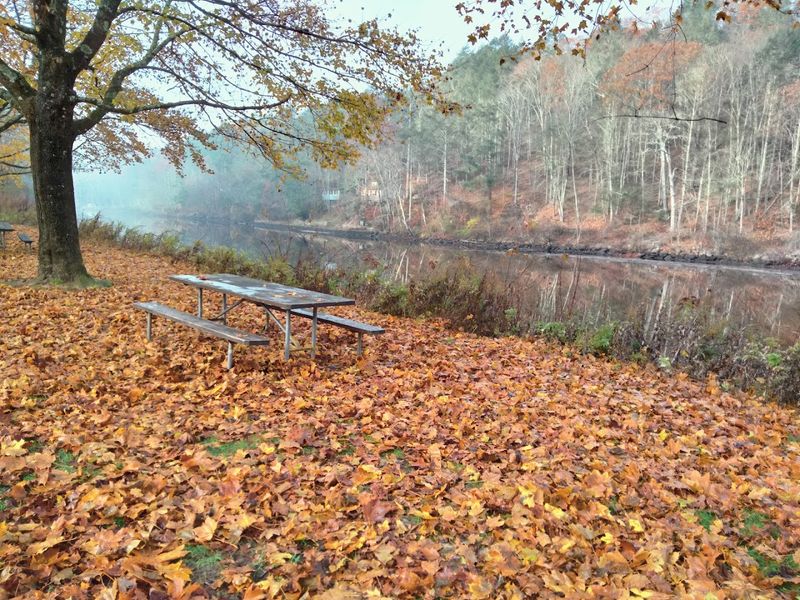
Along the Lower Vista Trail, a circular area with picnic tables sits at a point that looks out over the Salmon River Cove, offering one of the more deliberate resting spots the park provides. Getting there takes some walking, which means the view feels earned rather than incidental.
Summer foliage can reduce visibility from this spot, but spring and fall visits tend to open up the sightlines considerably.
The combined terrain of Sunrise and Machimoodus State Parks includes elevated positions that offer views of the Salmon, Moodus, and Connecticut rivers when conditions are right.
Mount Tom within Machimoodus provides one of the more commanding vantage points accessible from the connected trail system.
Those elevated views give a sense of the broader landscape that the riverbank-level paths cannot fully convey on their own.
Picnic tables are available at certain points throughout the park, which makes it practical to bring food and build a longer visit around a midday break. The park is located at 121 Leesville Rd, Moodus, CT 06469, and parking is available on site.
Arriving on a weekday tends to mean fewer other visitors, which makes the overlooks and quieter trail sections feel even more removed from everyday life. For a park this size and this accessible, the sense of genuine solitude it can offer on the right day is genuinely hard to find elsewhere in the state.