The Quiet Arizona Desert Town That Locals Guard And Tourists Long To Find
Every state has that one town people refuse to talk about. Arizona has this one.
Locals will smile politely and change the subject the second you ask. You will notice the trick, and you will want in even more.
The place sits quietly in the desert, minding its own business. It does not need your attention, which is exactly why you crave it.
The streets move slow, the air smells like sun and dust, and nobody is in a hurry to impress you. You could pass the turnoff a hundred times and never know.
The desert has a talent for hiding its best material. People who live here treat the location like a family recipe.
They guard it, and they pretend it is nothing special. Let me ruin the surprise.
This place is very special. So keep the secret if you must, but you should absolutely go see it first.
The Place They Hope You Never Find
Patagonia, Arizona sits about 60 miles southeast of Tucson, close to the Mexican border. Most people blow past the exit without a second thought.
That is their loss.
This small town has fewer than 1,000 residents. Yet it holds more character per square foot than most cities three times its size.
The streets are quiet, the sky is enormous, and the pace of life moves at a speed your nervous system will thank you for.
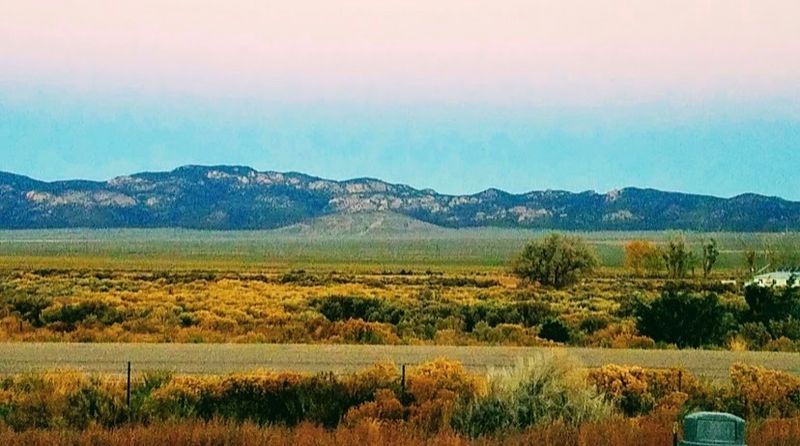
Patagonia rests in a green valley between the Santa Rita and Patagonia mountain ranges. The elevation sits around 4,000 feet, which means cooler temperatures than the desert floor.
Summers here are surprisingly pleasant compared to Phoenix or Tucson.
The town was once a ranching and mining community. That history shows up in the architecture, the attitude, and the pride locals carry with them.
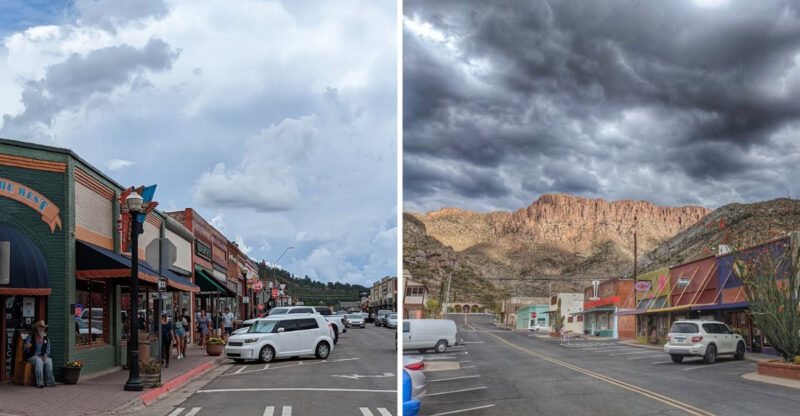
Old buildings have been repurposed into galleries, cafes, and shops.
First-time visitors often expect nothing. They leave planning a return trip.
Patagonia has that effect on people who slow down long enough to pay attention.
Patagonia Lake State Park
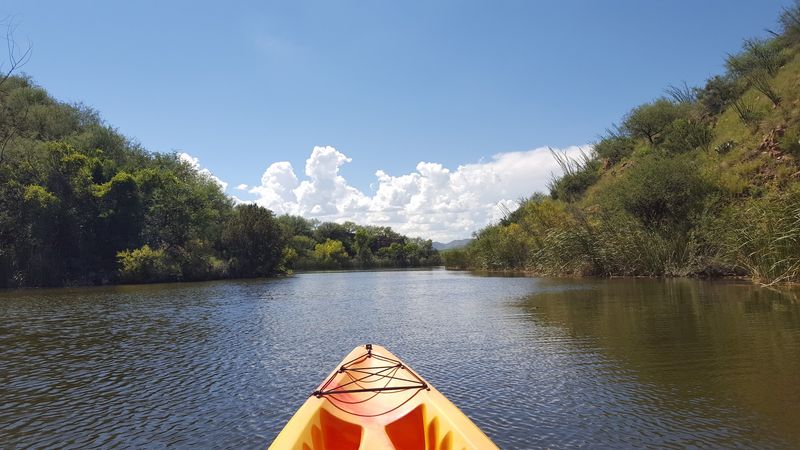
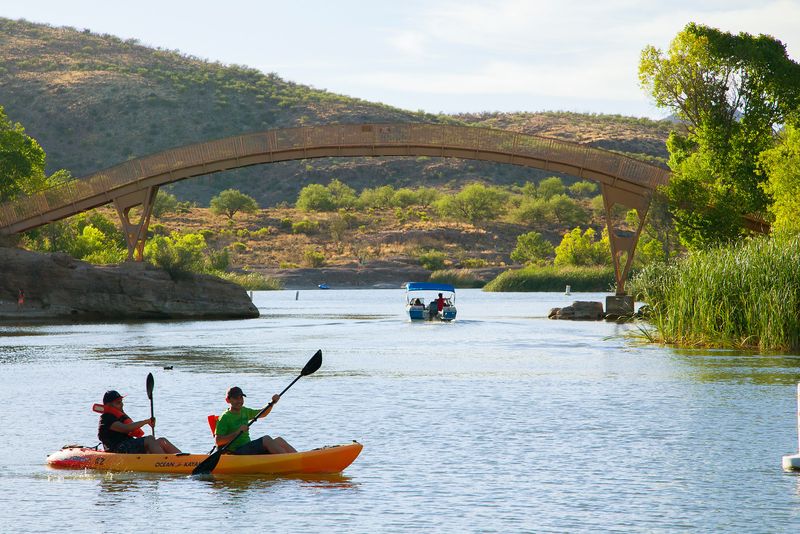
Patagonia Lake State Park surprises almost everyone who visits. A shimmering lake in the middle of desert terrain is not something most people expect to find here.
The lake stretches about 2.5 miles long and offers swimming, fishing, kayaking, and camping. Families come for weekends and end up booking campsites again before they leave.
The cottonwood trees lining the shore give the whole place a golden, storybook quality in autumn.
Fishing here is genuinely good. Bass, crappie, and catfish are common catches.
Anglers show up early and stay late, and the campfire conversations at night are worth the trip alone.
Bird watching at Patagonia Lake is exceptional. The surrounding riparian habitat attracts hundreds of species throughout the year.
Serious birders travel from across the country specifically for this spot.
Camping spots fill up fast on weekends, especially in spring and fall. Booking in advance is smart.
Showing up without a reservation on a holiday weekend is a gamble that rarely pays off.
The park charges a small day-use fee. For what you get in return, it feels almost unfair how affordable it is.
The Patagonia-Sonoita Creek Preserve
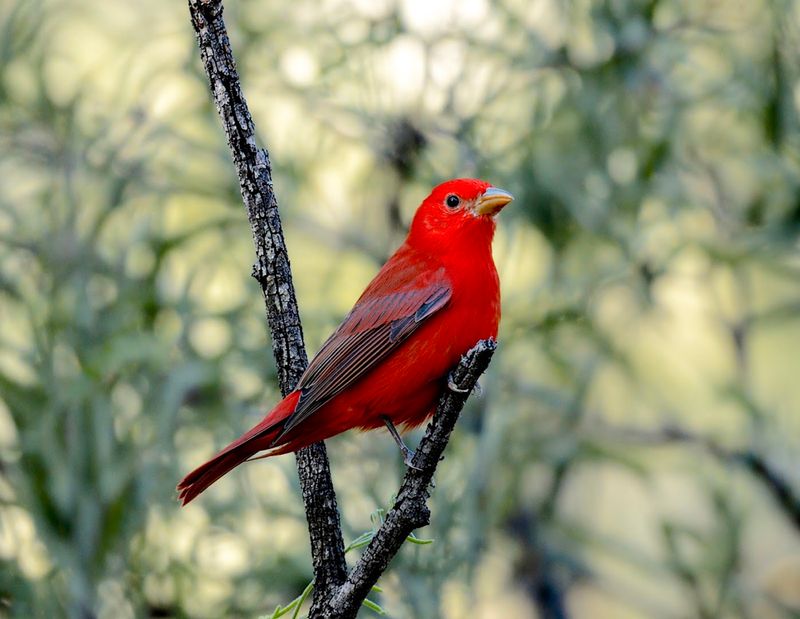
The Nature Conservancy manages the Patagonia-Sonoita Creek Preserve, and they have done a remarkable job protecting one of Arizona’s rarest ecosystems. This is not your average nature walk.
The preserve shelters a cottonwood-willow riparian forest along Sonoita Creek. That type of habitat has largely disappeared across the American Southwest.
What remains here is precious and carefully maintained.
Bird species spotted in this preserve read like a life list dream. Over 300 species have been recorded here.
The rose-throated becard, a rare visitor from Mexico, has been spotted at this exact location and draws birders from across North America.
Trails wind through tall trees that create cool, shaded corridors even on warm days. The sound of the creek running alongside the path makes the whole experience feel removed from the outside world.
The preserve is open Wednesday through Sunday. Guided bird walks happen on Saturday mornings and are led by knowledgeable volunteers who genuinely love sharing what they know.
Admission is free for Nature Conservancy members. Non-members pay a modest fee.
Either way, it is one of the most rewarding outdoor experiences in southern Arizona.
The Velvet Elvis Pizza Company
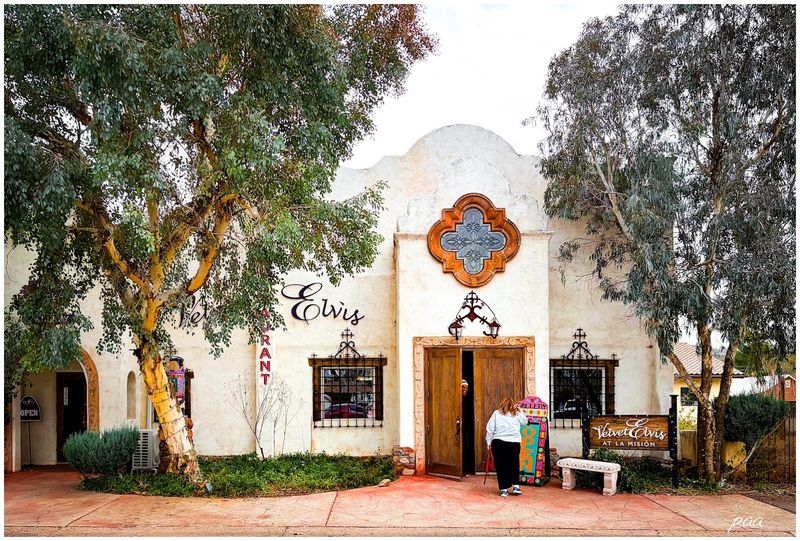
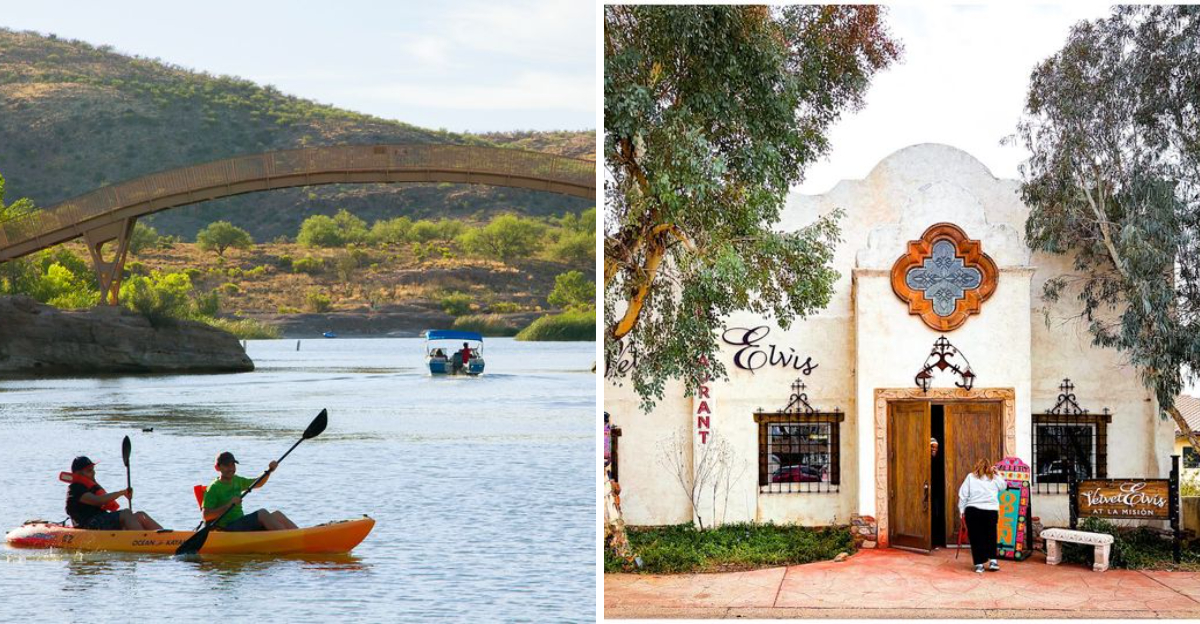
The Velvet Elvis Pizza Company is exactly as quirky as the name promises. This beloved Patagonia restaurant serves wood-fired pizza in a building covered with local art, mismatched furniture, and a personality that cannot be manufactured.
The menu focuses on creative pies with fresh ingredients. Locals pack the place on weekend evenings.
The line out the door is not a warning sign. It is a recommendation from everyone who arrived before you.
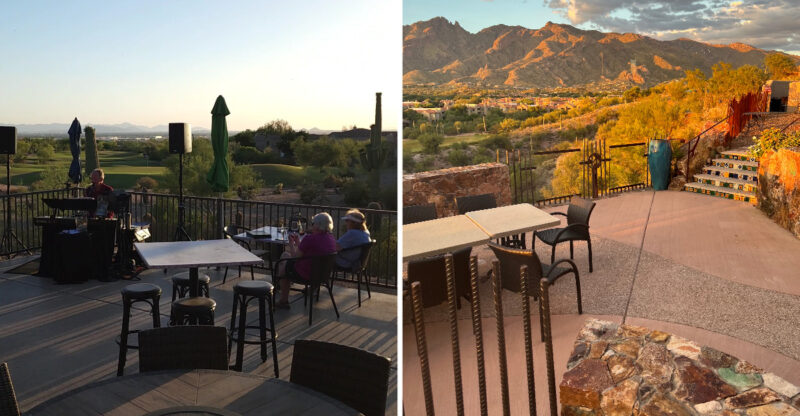
Outdoor seating fills up fast in good weather. The garden patio feels like eating at a friend’s backyard party.
Live music occasionally drifts through the space, adding to the casual, celebratory atmosphere.
Vegetarian options here are genuinely good, not an afterthought. The kitchen takes ingredients seriously.
You can taste the difference between this and a chain pizza place in the first bite.
The staff is friendly without being performative about it. Service is relaxed but attentive.
Nobody rushes you, and nobody makes you feel invisible either.
Cash is preferred, so come prepared. Portions are generous.
Leftovers travel well if you are heading back to a campsite or a nearby rental.
The Art And Gallery Scene
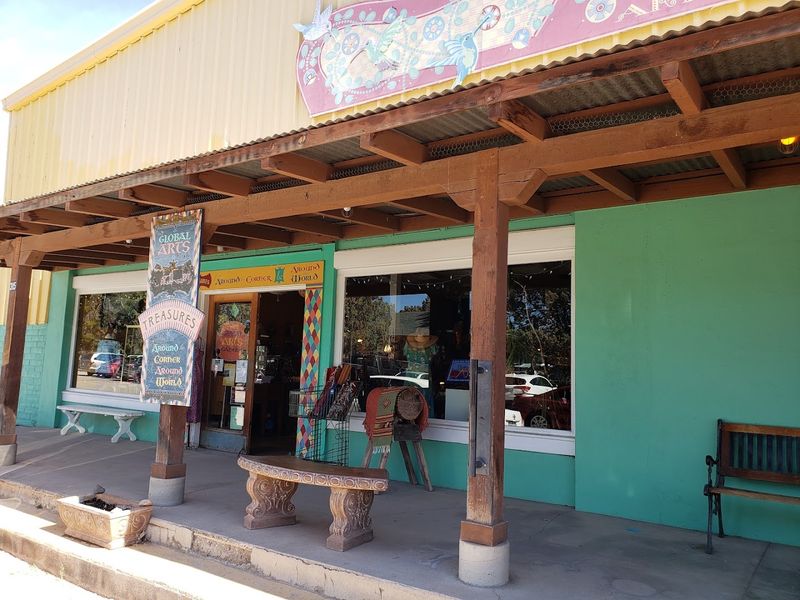
For a town this size, Patagonia punches well above its weight in the arts. Galleries and studios are scattered through town, and many artists live and work here full time.
That creative energy is visible everywhere you look.
The Global Arts Gallery and other small venues showcase painting, sculpture, photography, and mixed media work. Much of it reflects the surrounding landscape and the cultural crossroads of the Arizona-Mexico border region.
The work is serious, not souvenir-shop decoration.
First Fridays bring a community art walk energy to town. Galleries stay open late, artists are present, and the sidewalks fill with a mix of locals and curious visitors.
It feels less like a tourist event and more like a neighborhood celebration.
Studios sometimes open their doors for visits by appointment. If you are genuinely interested in meeting the artist behind the work, just ask.
The creative community here is approachable and proud of what they make.
Prices range from affordable prints to significant original works. You can find something meaningful at almost every budget level.
Buying directly from an artist in a town like this feels better than any online transaction ever could.
Birding In The Area
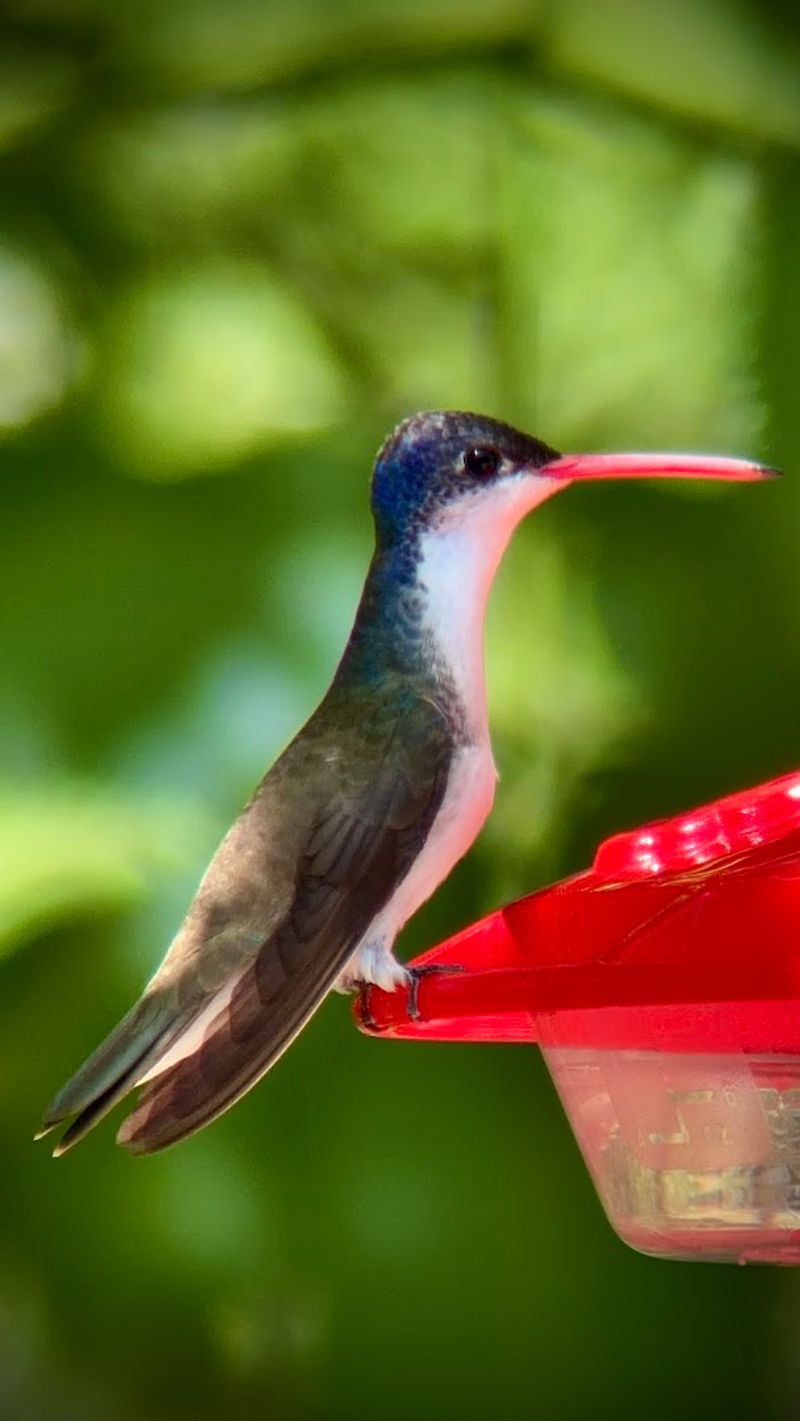
Patagonia is one of the top birding destinations in the entire United States. That is not a casual claim.
The American Birding Association and serious ornithologists have been saying it for decades.
The combination of grasslands, riparian corridors, and proximity to Mexico creates a habitat mix found almost nowhere else in the country. Species that rarely appear north of the border show up here regularly.
That alone makes the trip worth planning.
The Patagonia Roadside Rest Area on Highway 82 is famous among birders. A simple pullout next to a creek, it has produced rare sightings that spread through the birding world like wildfire.
People fly in from other states to check specific species off their life lists at this exact spot.
Spring migration is the peak season. Fall migration runs a close second.
Even in winter, the variety of resident species keeps things interesting for anyone with a pair of binoculars and patience.
Local outfitters and guides offer birding tours tailored to experience level. Beginners are welcome.
Experts will find plenty to challenge them. Either way, the mornings here are quiet, cool, and full of movement in the trees.
The Farmers Market And Local Food Culture
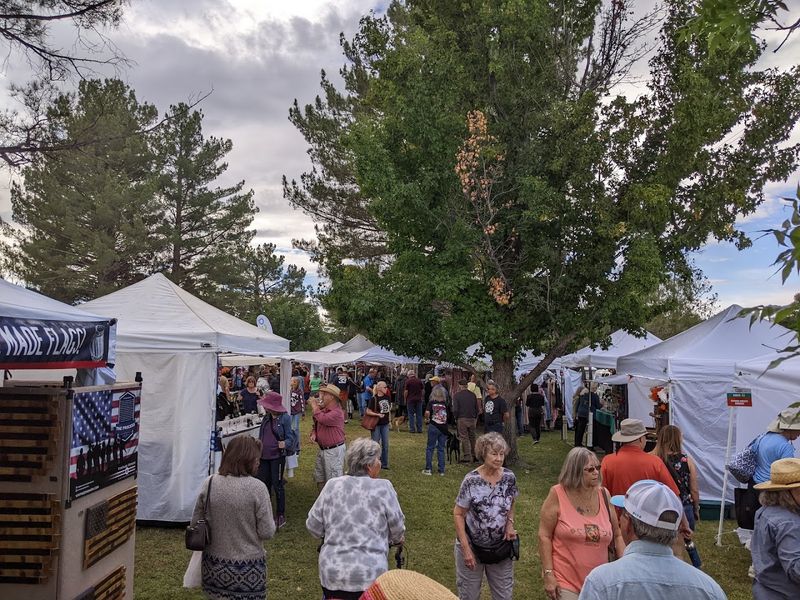
Saturday mornings in Patagonia have a particular rhythm. The farmers market sets up in town and pulls in residents, ranchers, and visitors who figured out the secret early.
Fresh produce, homemade goods, and genuine conversation fill the space.
Local vendors bring seasonal vegetables, herbs, honey, eggs, and handmade items. The scale is small and intentional.
Nothing here feels mass-produced or flown in from a distribution center across the country.
The food culture in Patagonia reflects its border location beautifully. Influences from Sonora, Mexico blend naturally with ranching traditions and farm-to-table sensibilities.
You taste that combination in the local restaurants and at the market stalls.
Several small eateries in town source ingredients locally whenever possible. The commitment to fresh, regional food is genuine rather than a marketing angle.
Menus change based on what is actually available and in season.
Sitting down for breakfast or lunch in Patagonia feels unhurried. Nobody is rushing you toward the door.
The meals are simple, satisfying, and made with care that shows up on the plate.
Supporting the local food economy here means something real. Small producers depend on community and visitor dollars to keep going.
Spending money at the market matters more than it might seem.
The Spirit And Community
What keeps people coming back to Patagonia is harder to photograph than a lake or a rare bird. It is the feeling of being somewhere that still operates on human scale.
People here know their neighbors and mean it when they say hello.
The town has a strong sense of identity without being defensive about it. Newcomers are welcome as long as they respect what already exists.
That balance is rare and worth appreciating when you find it.
Community events happen throughout the year. The Patagonia Fall Festival draws visitors from across the region with local music, food, and crafts.
It feels like a genuine celebration rather than a staged attraction.
Environmental stewardship runs deep in the local culture. Many residents are actively involved in conservation efforts for the surrounding land and waterways.
That commitment shows in how clean and cared-for the natural areas remain.
The population is diverse in background, perspective, and livelihood. Ranchers, artists, scientists, and retirees share the same small streets and genuinely interact.
That mix creates conversations you would not find anywhere else.
Patagonia is not trying to become the next trendy destination. It is simply being itself.
That quiet confidence is the most attractive thing about it.