The Restaurant Ranked No. 16 In North America Is Hiding In A Small California Town
A restaurant in a small town might seem like an unlikely contender for international dining fame.
You would probably expect the biggest culinary names to be found in major cities, surrounded by luxury hotels and plenty of competition.
But one remarkable dining destination is challenging that assumption.
With a place among North America’s highest-ranked restaurants, it has attracted attention far beyond its quiet surroundings.
And the experience offers something considerably more ambitious than an ordinary night out.
One small California town has become an unexpected destination for food lovers chasing some of the continent’s most celebrated cooking.
What makes the story particularly interesting is the contrast.
A peaceful community might seem worlds apart from the excitement of the international restaurant scene, yet serious food enthusiasts have good reason to pay attention.
A World-Class Restaurant In A Small California Town
Big honors usually bring to mind crowded city blocks, but this story begins on a calm street in wine country.
SingleThread Farm, Restaurant and Inn sits in downtown Healdsburg, just a short walk from the town plaza.
Healdsburg is a Sonoma County town known for its restaurants, its historic plaza, and the farmland that stretches out around it.
The pace downtown often feels relaxed, with shaded sidewalks and small shops nearby.
That gentle setting shapes the mood of a visit in a quiet way. Guests can stroll the plaza before dinner, which may help the evening start slowly instead of feeling rushed.
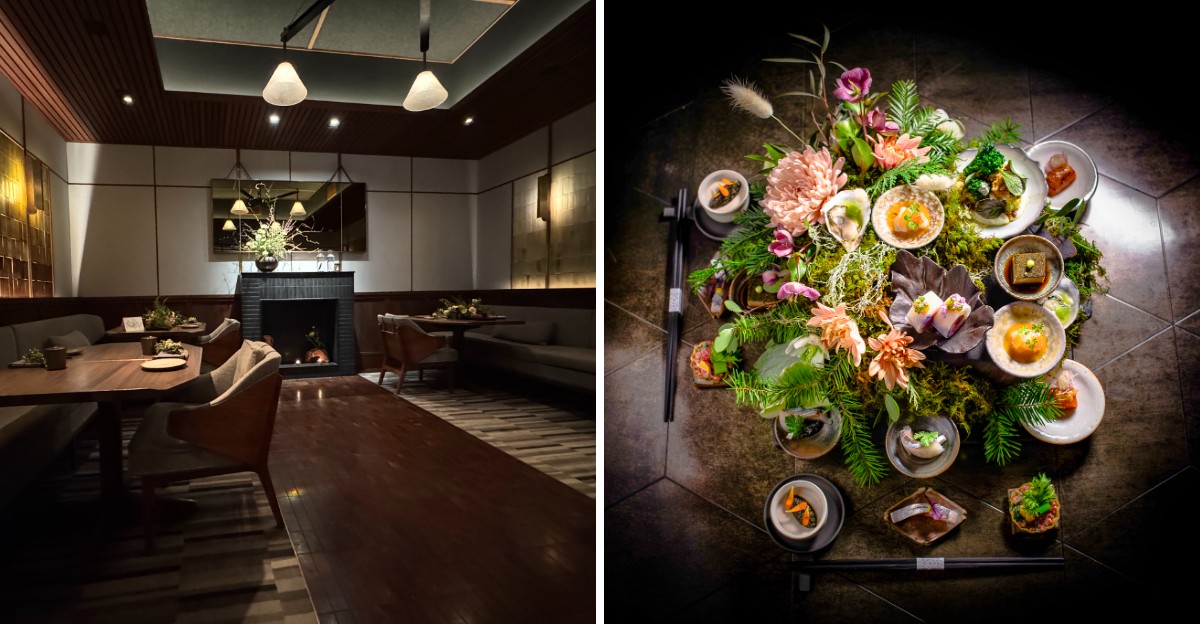
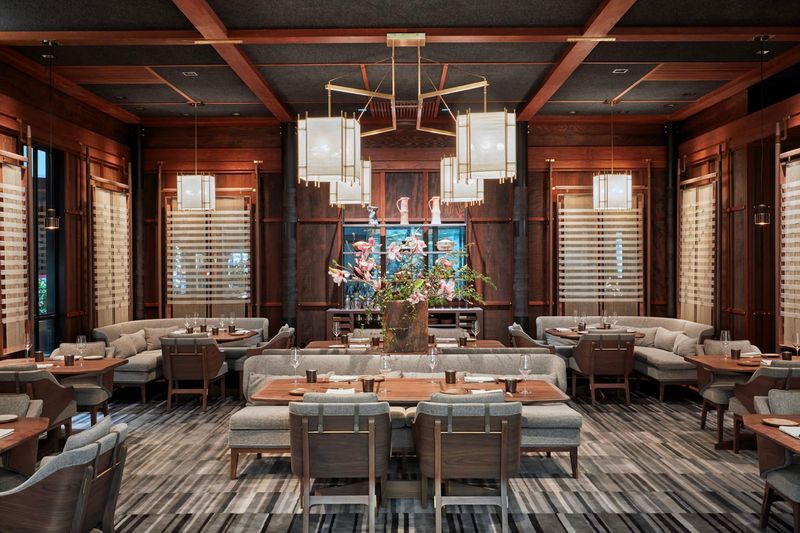
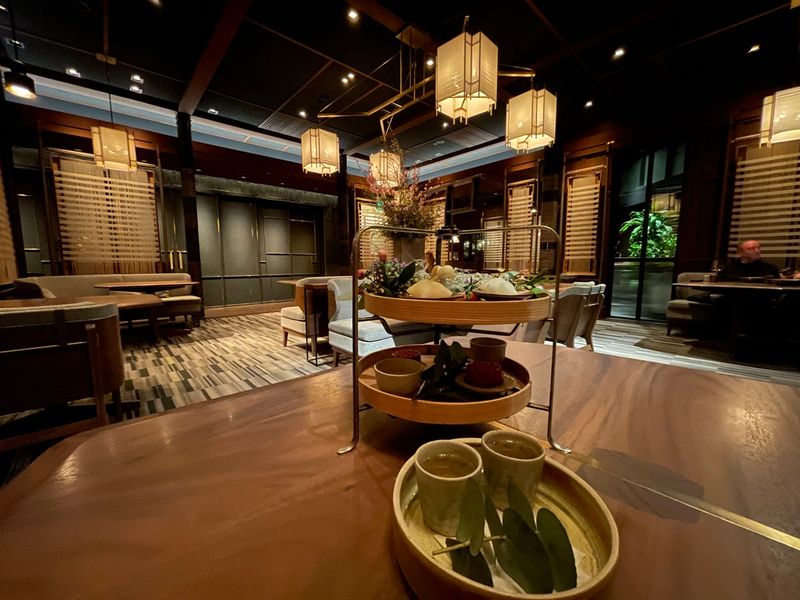
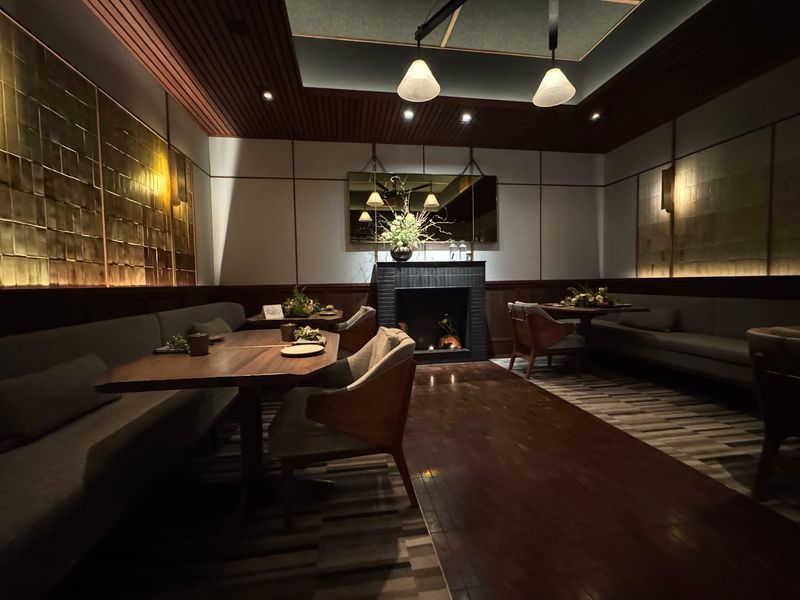
Inside, the space blends clean modern design with soft natural materials and fresh flowers. The lighting tends to feel warm and calm, and the room is designed for unhurried meals rather than quick bites.
Getting there usually means a drive, since the town sits north of the San Francisco Bay Area. Planning extra travel time can make the arrival smoother, especially on busy weekends.
The building is located at 131 North St, Healdsburg, California 95448, and it holds a dining room, a rooftop, and a small inn under one roof.
Free parking is listed for the property, though spaces behind the building may be limited. Checking details with the restaurant before the visit is a smart move.
The No. 16 Ranking That Put It Among North America’s Elite
Sixteen out of hundreds of top restaurants across a whole continent is a number worth pausing on.
SingleThread earned the No. 16 spot on the 2026 North America’s 50 Best Restaurants list.
The ranking covers restaurants across the United States, Canada, and the Caribbean, bringing together acclaimed dining destinations from throughout North America
Plenty of names on rankings like this sit in places such as New York, Chicago, or Mexico City. Seeing a restaurant from a small Sonoma County town on the same list surprises many readers.
Rankings like this one are put together from votes by food experts and well-traveled diners.
Because the results change from year to year, the placement is best seen as a snapshot in time rather than a permanent title.
Still, the ranking tells travelers something useful. It suggests the restaurant has drawn steady attention from people who eat at many of the best spots in the region.
For a curious visitor, the ranking can work like a signpost pointing toward a special trip. It may also explain why tables fill up so quickly once they become available.
Anyone hoping to dine there after reading the news should expect strong demand.
Three Michelin Stars Make It Even More Remarkable
Only a small group of restaurants in the whole country hold the top Michelin honor, and this Healdsburg spot is one of them.
SingleThread has earned three Michelin stars, the highest distinction the guide awards. Michelin describes three stars as exceptional cuisine that is worth a special journey.
The restaurant opened in late 2016 and climbed quickly. It received two stars in its early guide appearance and reached three stars soon after, which is a fast rise in the fine dining world.
Earning three stars is one challenge, and keeping them is another. Inspectors visit without warning, so the kitchen and dining room need to stay consistent night after night.
For guests, the stars may set a certain expectation. Many people come for a birthday, an anniversary, or another big milestone, and the restaurant is built for that kind of occasion.
Going in with an open mind usually helps. Treating the meal as a chance to try new ingredients and ideas, rather than a test, may make the evening feel more enjoyable.
A Husband-And-Wife Team Created The Restaurant
Behind the famous dining room is a partnership that started long before the doors opened.
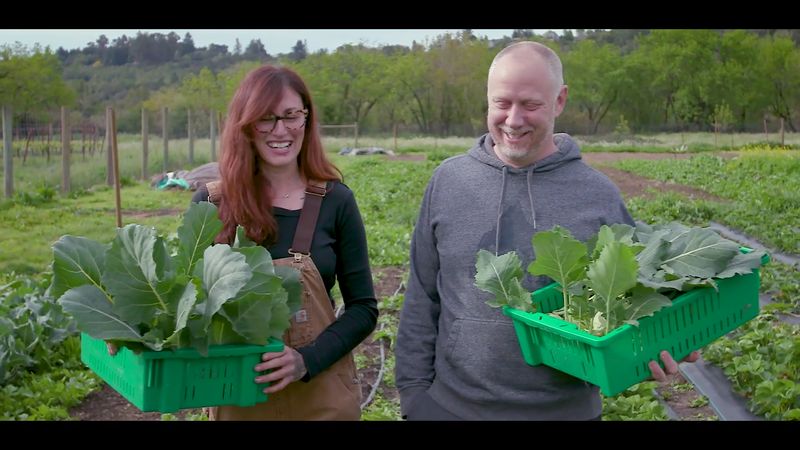
Chef Kyle Connaughton and farmer Katina Connaughton founded SingleThread together. He leads the kitchen, and she leads the farm, so cooking and growing are joined from the very start.
That setup is less common than many people think. Most restaurants buy produce from outside farms, but here the chef can talk with the farmer about what to plant months before it reaches a plate.
The couple spent years living and working in different places, including Japan, before settling in Northern California.
Their shared dream was a farm, a restaurant, and an inn working as one connected project.
The name itself hints at that idea. A single thread can tie many pieces together, and the business links soil, kitchen, dining room, and guest rooms.
For visitors, the partnership shows up in small ways. Flowers from the farm often decorate the tables and rooms, and vegetables may arrive at peak freshness because the growers and cooks plan together.
Learning a little about the founders before dinner can add meaning to the meal. Knowing that a family vision shaped each detail may make the courses feel more personal and less like a show.
Japanese Hospitality Is At The Heart Of The Experience
Omotenashi is a Japanese word that describes caring for guests with deep thought and quiet attention.
SingleThread uses that idea as a guide for its service. The goal is to notice what guests might need before they ask, and to make them feel welcome like visitors in a home.
In practice, the service often feels calm and soft-spoken. Staff may explain each dish in gentle tones, so leaning in or asking for a repeat is completely fine.
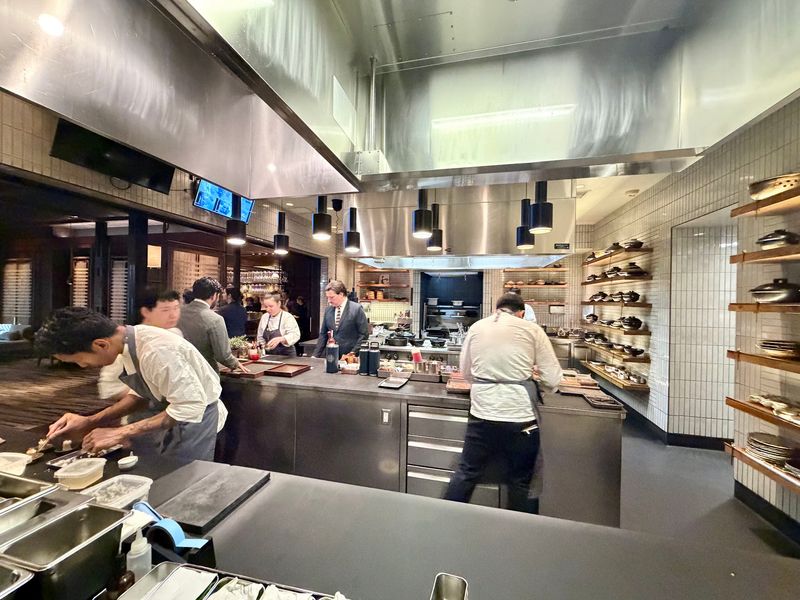
Arrival can be part of the welcome as well. Guests are sometimes greeted with a small warm drink and a peek toward the kitchen before being seated.
The pace of the room tends to stay unhurried. Long pauses between courses are part of the rhythm for many fine dining meals, so settling in and enjoying conversation helps.
Sharing details early is one of the most useful steps. Allergies, food limits, and special occasions are best mentioned when booking and again at the table.
Clear communication from guests and an easygoing attitude usually make the evening smooth for everyone involved.
A Multi-Course Tasting Menu Replaces Ordinary Ordering
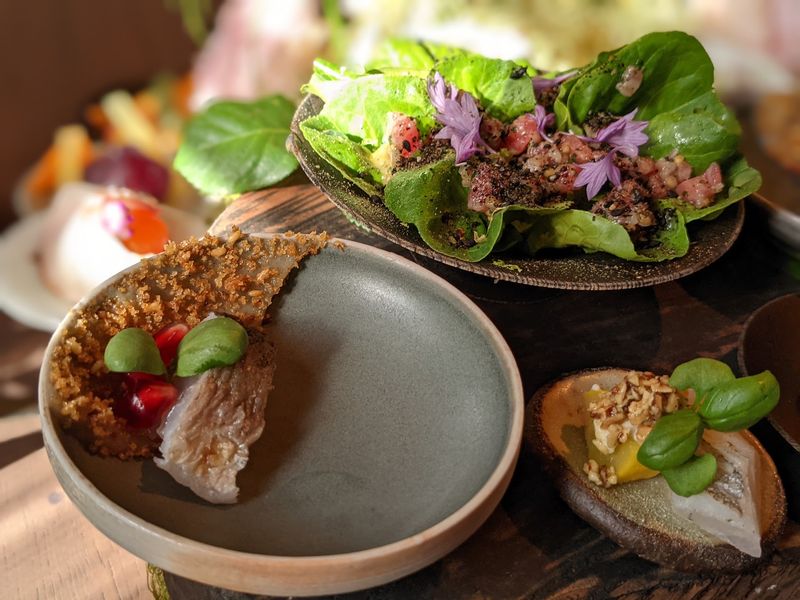
Forget scanning a long list of starters and main plates, since dinner here follows a set path.
SingleThread serves a multi-course tasting menu instead of letting guests pick single dishes. The kitchen plans the order of courses so that flavors, textures, and temperatures build across the evening.
The style draws on kaiseki, a traditional Japanese way of serving many small courses that celebrate the season. Californian ingredients from the farm and nearby producers fill in the rest of the story.
Diners often mention seafood, vegetables, and dishes cooked in donabe, which are Japanese clay pots.
Since the menu changes with the seasons, exact dishes are hard to promise ahead of time.
Portions are small, yet the number of courses can add up. Arriving hungry, but not starving, may be the most comfortable approach for a long meal.
The Opening Course Is A Spectacular Presentation
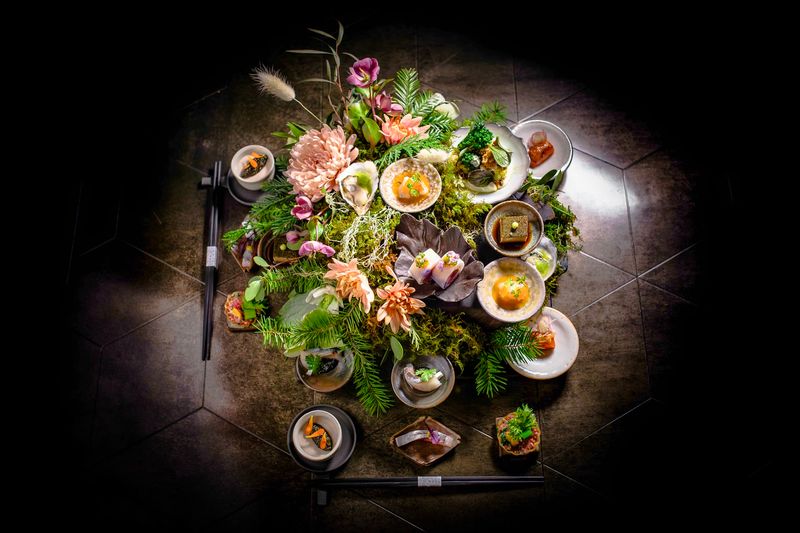
Many diners say the first few minutes at the table feel like stepping into a tiny garden.
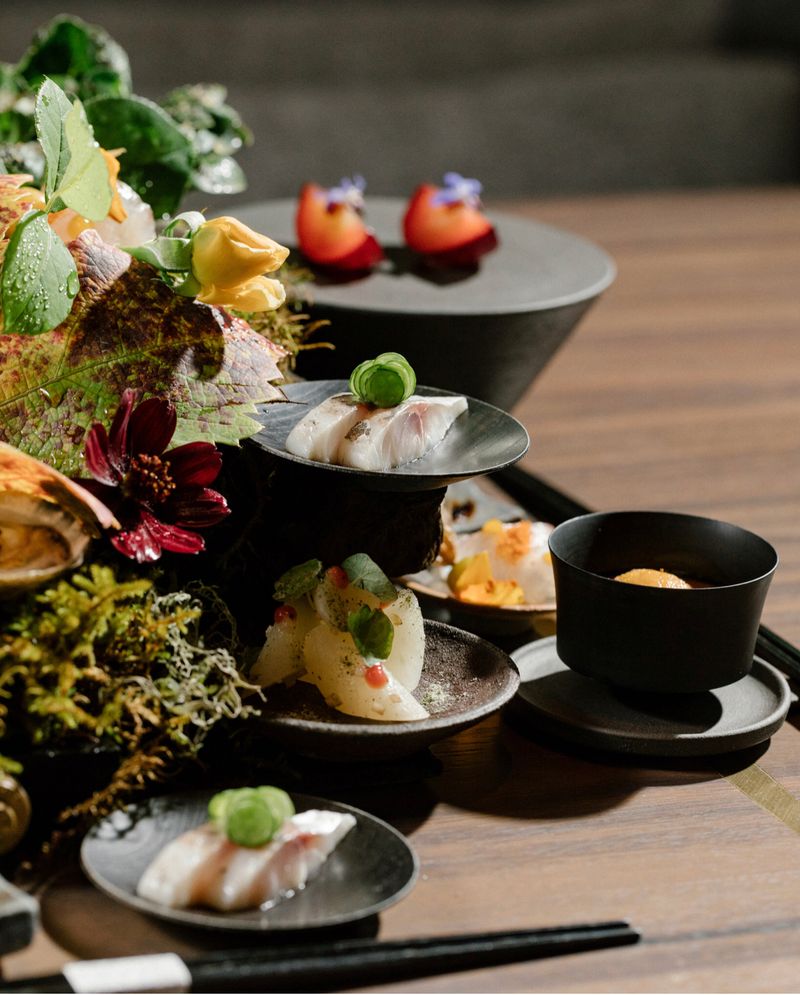
SingleThread is well known for its opening course, a large arrangement of small dishes set among flowers, moss, and other natural pieces. The display often sits in the middle of the table as a striking centerpiece.
Each little bite may highlight a different ingredient or technique. Together, they introduce the season and set the tone for the courses that follow.
The presentation is inspired by hassun, a course in Japanese kaiseki meals that shows off seasonal themes. Seeing so many pieces at once can feel exciting and a bit overwhelming at the same time.
Taking a slow look before eating is a good habit here. Noticing colors, shapes, and the way the flowers are placed adds to the fun of the moment.
Asking questions is welcome too. If a server moves quickly, it is fine to request a short explanation of which bite is which.
Photos are popular at this stage, but quick snaps keep the table relaxed. Putting the phone away afterward lets the focus stay on the food and the people sharing the meal.
Dinner Can Cost Nearly $500 Or More Per Person
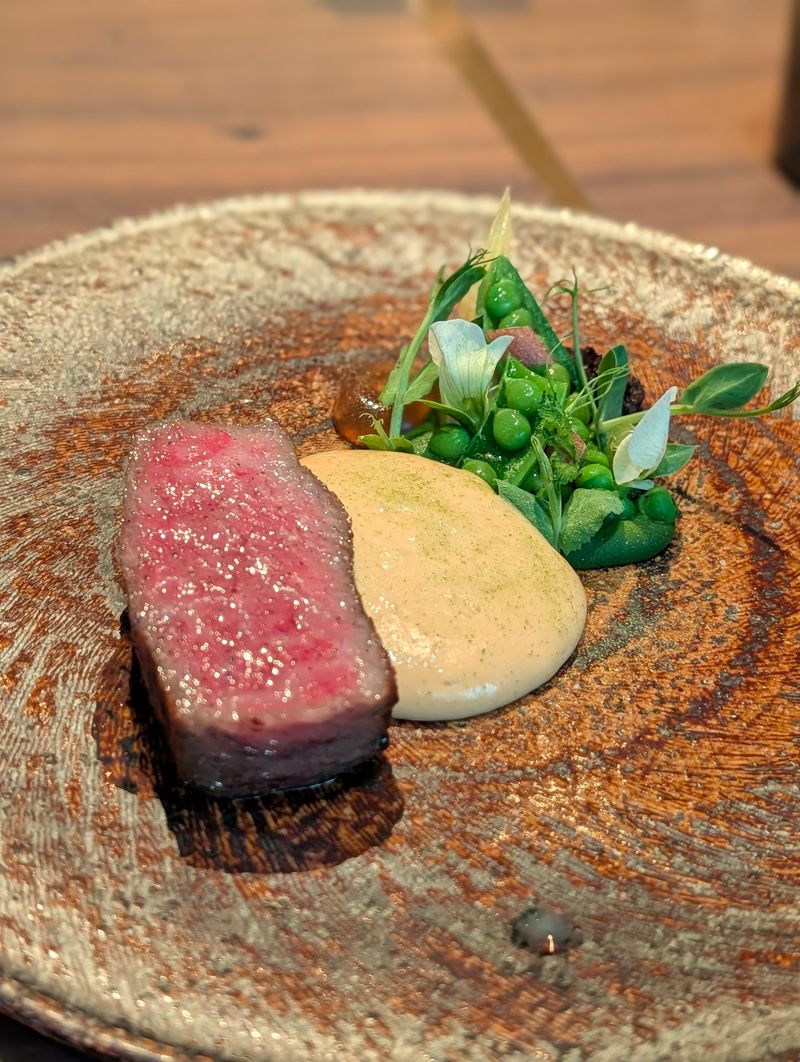
Sticker shock is a common reaction when people first hear what a seat at this table costs.
SingleThread lists its tasting menu starting at $489 per person. That price comes before tax, service, and any optional extras such as drink pairings.
Once those added costs are included, the final bill can climb well past the starting price. Groups should plan with that in mind so the check does not come as a surprise.
Payment is usually handled in advance when booking. Reading the cancellation rules carefully is important, since plans can change and prepaid meals may not be easy to refund.
Prices can also shift over time. Checking the official website right before booking gives the most accurate number.
For many guests, the meal is a once-in-a-while treat tied to a big celebration. Saving up ahead of time can make the evening feel more relaxed and less stressful.
Opinions on value naturally differ from person to person. Some diners feel the care and creativity justify the cost, while others may see it as too high for their taste.
Setting a clear budget early helps everyone at the table enjoy the night with fewer worries.
Reservations Are Released On A Specific Day Each Month
Setting an alarm might be the most useful trick for anyone hoping to land a table.
According to the restaurant’s website, dining reservations open at 9 a.m. Pacific Time on the first day of each month.
Each release covers the entire following month, so June tables would open on May 1.
Popular dates can go fast, especially weekends and holidays. Logging in a few minutes early and having payment details ready may help the booking go smoothly.
Flexibility makes a big difference too. Being open to a weeknight or an earlier seating time can widen the choices.
Travelers coming from far away should book the table before locking in flights or hotels. Once dinner is set, the rest of the trip can be planned around it.
Overnight stays at the inn may come with different booking options, so checking that section of the website is worthwhile.
Missing out once is not the end of the road. Trying again the next month, or joining any available waitlist, keeps the door open for a future visit.